
Microfluidic devices are revolutionizing fields from diagnostics to drug discovery, enabling precise control of small fluid volumes in a compact format. In today’s fast-paced research environment, the ability to design and integrate these devices efficiently can significantly enhance experimental outcomes and accelerate innovation. This article introduces a straightforward technique that simplifies the design process, allowing researchers and developers to craft their microfluidic systems with confidence. Whether you’re an experienced engineer or a curious student, mastering this technique will empower you to tackle complex challenges in microfluidics, bridging the gap between theoretical concepts and practical applications. Get ready to explore how this approach can streamline your work and lead to breakthroughs in your projects!
Understanding Microfluidics: Basics and Importance
Microfluidics represents a revolutionary approach to fluid manipulation, operating at the microscale (typically from a few microns to hundreds of microns). This technology allows scientists and engineers to precisely control fluid flows in channels that are often narrower than a human hair. One standout advantage is that these systems can handle extremely small volumes, enabling processes such as rapid chemical analysis, biological assays, and even drug delivery with minimal material waste. Microfluidic devices often integrate multiple functions-such as mixing, reactions, and detection-into compact platforms, drastically reducing time and costs compared to traditional methods.
A key aspect of understanding microfluidics is recognizing its applications that span fields like healthcare, food safety, and environmental monitoring. For example, lab-on-a-chip devices can perform complex diagnostics that previously required bulky, resource-intensive lab equipment. They allow for simultaneous analysis of multiple samples, greatly increasing throughput and efficiency. This capability is particularly crucial in settings that require rapid testing, such as disease outbreaks or contamination events where time is of the essence.
The design and integration of microfluidic devices involve a careful balance of physics, chemistry, and engineering principles. Flow dynamics, surface tension, and material interactions all play significant roles in device performance and functionality. Moreover, the transition from concept to practical application involves challenges such as ensuring compatibility between materials and detecting potential issues in fluid flow before they become problematic in real-world applications. Therefore, comprehending these foundational principles is vital for anyone looking to innovate in microfluidics, providing a solid base for designing efficient, reliable devices.
To harness the full potential of microfluidics, it is also crucial to foster collaborative efforts among researchers, engineers, and industry practitioners. Through shared insights and interdisciplinary approaches, the continued evolution and broader implementation of microfluidic technologies can be achieved, paving the way for groundbreaking developments in various sectors. As knowledge and technologies converge, the possibilities for microfluidics expand, promising to enhance how we conduct research and develop new applications.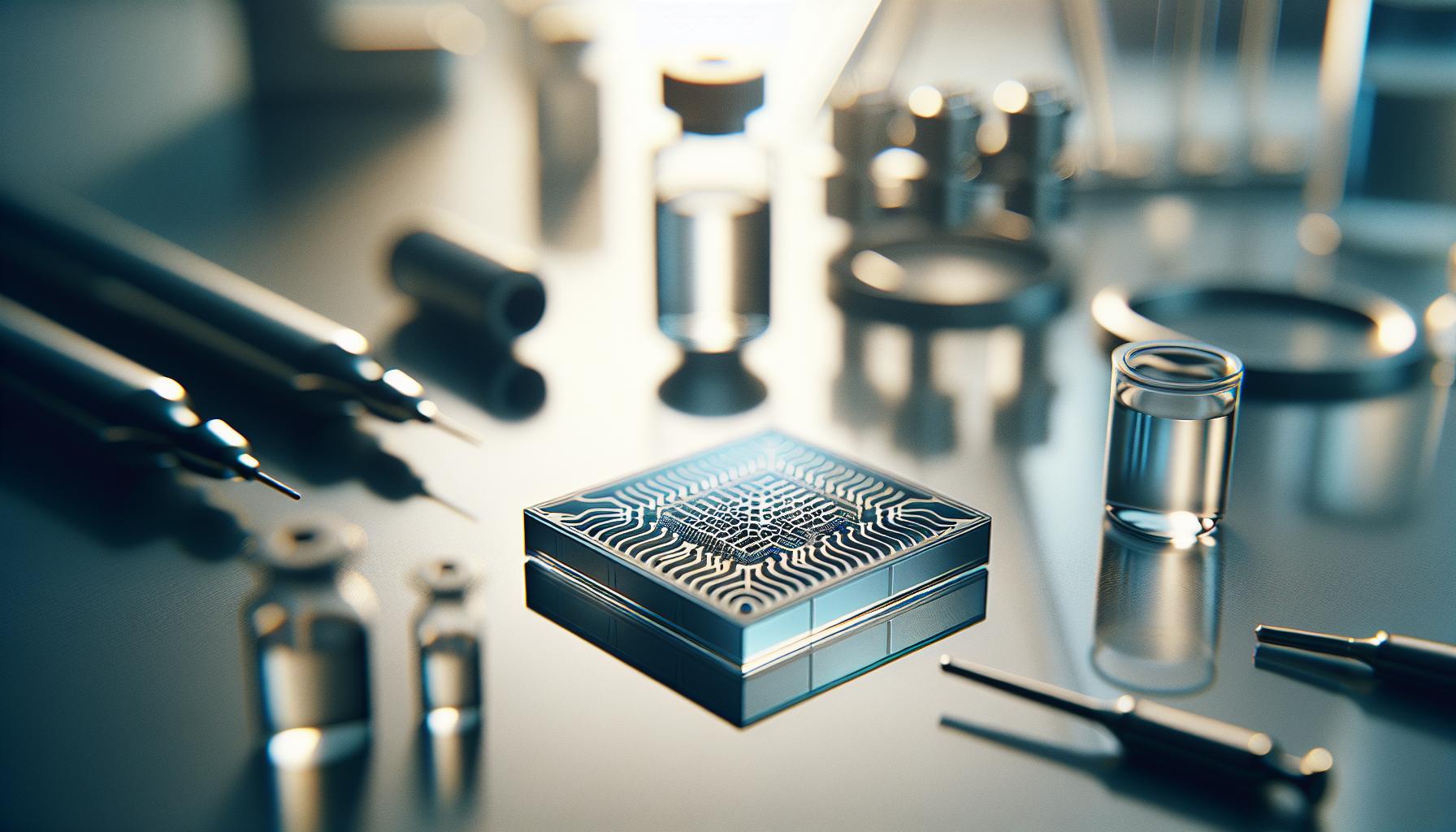
Key Principles of Microfluidic Device Design
Designing microfluidic devices is a complex yet fascinating endeavor that sits at the intersection of engineering, chemistry, and biology. One of the most crucial principles of effective microfluidic device design is understanding fluid dynamics at the microscale. Unlike macroscopic systems, microfluidics operates under different physical principles, such as laminar flow, where fluid layers slide past each other without mixing. This unique characteristic allows for precise control over fluid movement and reactions. For instance, achieving controlled mixing of fluids in microchannels depends on the design of channel geometry, and a good understanding of hydrodynamics is key to optimizing this process.
Another essential aspect is the choice of materials. The materials used must be compatible with the fluids being manipulated and should not interfere with the chemical reactions occurring within the device. Common materials used in microfluidic devices include polymers like PDMS (polydimethylsiloxane), glass, and silicon. Each material has its benefits: PDMS is easy to mold and allows for rapid prototyping, while glass and silicon offer excellent chemical resistance and optical clarity for detection purposes. Carefully selecting materials enhances functionality and ensures that the device operates as intended in real-world applications.
Integration Techniques
A successful microfluidic device often involves integrating multiple functionalities into a compact form. Techniques such as soft lithography can be employed to fabricate complex channel architectures that promote efficient mixing, reaction, and detection. Moreover, integrating sensors or valves directly into the microfluidic architecture can enable real-time monitoring and automation, which are vital for applications in diagnostics and chemical analysis. An example is the incorporation of electrochemical sensors that allow for simultaneous detection of multiple analytes in a single microfluidic chip, greatly enhancing throughput and efficiency.
Lastly, it is essential to consider scalability and reproducibility when designing microfluidic devices. Developing a device that can be easily scaled from laboratory settings to practical applications requires addressing challenges such as manufacturability and cost-effectiveness. Techniques such as rapid prototyping and scalable manufacturing processes like hot embossing and injection molding can facilitate this transition, making it easier to produce devices en masse while maintaining high precision.
In summary, effective design of microfluidic devices hinges on a deep understanding of fluid dynamics, judicious material selection, and the ability to integrate multiple features within a compact structure. By mastering these principles, researchers and engineers can create innovative devices that push the boundaries of what is possible in various fields, from medical diagnostics to environmental monitoring.
Innovative Techniques for Microfluidic Integration
Innovative techniques in microfluidic integration are revolutionizing how we approach complex biochemical processes, making them more efficient and versatile. As devices move towards more integrated systems, one of the forefront strategies involves modularity, allowing for interchangeable components. This approach enables researchers to design microfluidic chips that can be tailored for specific applications, enhancing flexibility while reducing time and cost in development. By employing standardized interfaces, engineers can easily swap out different microfluidic modules, thus streamlining experiments and facilitating rapid changes based on specific research needs.
Another significant integration technique involves the use of 3D printing. Recent advancements have allowed for high-resolution printing of microchannels and complex geometries that were previously difficult to fabricate using traditional methods. This innovation not only accelerates prototyping but also enables the incorporation of intricate features directly into the microfluidic architecture. Multi-material 3D printing can facilitate the seamless integration of sensors, valves, and other functional components in one step, significantly enhancing the device’s capabilities. For instance, researchers have developed 3D-printed microfluidic devices that include built-in acoustic and optical sensors for real-time monitoring of reactions.
Microfabrication Techniques
Various microfabrication techniques also contribute to effective integration. Soft lithography remains a prevalent method for creating channel patterns using elastomeric materials like PDMS. However, integrating this with laser ablation has emerged as a powerful combination. By combining soft lithography with laser processing, researchers can define features with precise spatial control, facilitating the fabrication of functionally diverse and compact designs. This hybrid method provides the precision of lithography while allowing for on-the-fly modifications during the prototyping phase.
Practical integration of these technologies often involves simulation and computational fluid dynamics (CFD) to predict how fluids will behave within newly designed microstructures. This predictive modeling can guide adjustments before fabrication, reducing time and resources spent on trial and error during physical prototyping.
As these innovative techniques continue to align with emerging research narratives, they pave the way for the next generation of microfluidic systems equipped to tackle real-world challenges in fields such as healthcare, environmental monitoring, and chemical analysis. Researchers and engineers are thus equipped not only with powerful tools for integration but also with the knowledge to customize and adapt these devices for a broad range of applications, thereby enhancing their practical impact and efficiency.
Material Selection: Optimizing Functionality and Compatibility
Choosing the right materials for microfluidic devices is akin to selecting the proper instruments for a fine orchestra; the success of the entire system often hinges on how well these materials interact. The optimal material not only affects the functionality and performance of the device but also its compatibility with the fluids being manipulated. Understanding the fundamental characteristics of various materials can significantly enhance the design and integration of microfluidic systems.
A primary consideration when selecting materials is the intended application of the microfluidic device. For example, if the device is intended for biological assays, materials like polydimethylsiloxane (PDMS) are popular due to their biocompatibility, optical transparency, and ease of fabrication through soft lithography. However, PDMS can absorb certain small molecules, which might interfere with immunoassays or other sensitive applications. In contrast, materials like glass or certain plastics such as cyclic olefin copolymer (COC) offer lower absorption levels and greater chemical resistance, making them suited for more demanding chemical analyses.
It’s equally important to consider the fabrication process and the interplay between different materials. Multi-material designs are increasingly common, allowing researchers to capitalize on the strengths of various materials. For instance, integrating hydrophilic and hydrophobic surfaces can help control fluid flow in a more precise manner. Surface treatments, such as plasma or chemical modifications, can enhance fluid-wettability characteristics, enabling streamlined flow patterns that are crucial for applications like mixing or separation. This adaptability creates avenues for further innovation in how devices are structured and designed.
Compatibility and Functionality Considerations
Selecting materials that optimize both functionality and compatibility involves thorough testing and simulation. For example, computational fluid dynamics (CFD) can model fluid behavior within a microfluidic channel made of different materials, allowing designers to foresee potential issues such as clogging or inconsistent flow rates. This can save both time and resources, providing insights into how various materials might respond under specific conditions.
An often-overlooked aspect of material selection is the environmental stability of the microfluidic device. Factors such as temperature fluctuations, exposure to solvents, or long-term usage can degrade certain materials more rapidly than others. Thus, durability becomes a key criterion, especially in applications that involve extended measurements or field conditions. Testing under realistic conditions can ensure the selected materials will perform reliably over a required lifespan.
In summary, effective material selection for microfluidic devices necessitates thoughtful consideration of the application’s demands, interactions between different materials, and the long-term stability of the system. By harmonizing these factors, researchers can design microfluidic devices that not only perform their intended functions efficiently but are also robust enough to withstand real-world applications.
Fabrication Methods for Microfluidic Devices
The process of creating microfluidic devices is a fascinating intersection of engineering and science, where precision and creativity come together. Understanding the fabrication methods available is crucial for anyone looking to design and implement their own microfluidic systems. From soft lithography to 3D printing, each technique has its unique advantages and challenges, allowing for flexibility in design and functionality.
One of the most widely used techniques is *soft lithography*, particularly with materials like polydimethylsiloxane (PDMS). This method involves creating a master mold, often from silicon wafers, where patterns are etched using photolithography. The PDMS is then poured over the master, cured, and peeled off, producing a flexible and transparent microfluidic channel. This flexibility allows for easier integration with other components while maintaining the ability to observe the fluid dynamics through the device walls. Beyond PDMS, *glass and silicon* can also be used, especially for applications requiring higher chemical resistance and thermal stability. The choice of substrate depends heavily on the intended application and required properties of the finished device.
Another innovative method gaining popularity is *3D printing*, which simplifies the fabrication process by allowing for rapid prototyping of complex designs that would be difficult to achieve with traditional techniques. Advances in bioprinting enable the printing of hydrogels and other bio-compatible materials, supporting the development of highly functional devices for biological applications. This method not only accelerates the design cycle but also facilitates customization for specific experiments. However, the resolution and accuracy may not yet match that of soft lithography, making it vital to assess the requirements of your specific application before choosing 3D printing.
Additional Fabrication Methods
There are other fabrication techniques worth exploring, including:
- Injection Molding: This method is suited for mass production of microfluidic devices, using thermoplastics to create channels with intricate patterns.
- Hot Embossing: Common for creating structures in polymers, this technique involves heating and pressing a mold onto a thermoplastic substrate.
- Laser Ablation: This precise technique removes material layer by layer to create microstructures, ideal for rigid materials like glass or silicon.
Considerations for Choosing a Fabrication Method
When selecting a fabrication approach, consider the following factors:
- Complexity of Design: Assess how intricate the microfluidic paths need to be.
- Material Requirements: Different methods may dictate specific materials that are chemically compatible with your fluids.
- Scale of Production: Determine if the device will be prototyped or mass-produced.
- Cost and Time: Evaluate the budget and timeline for your project, which will influence the method’s suitability.
By thoroughly understanding these various fabrication techniques and their implications, you can enhance your design approach and drive innovation in your microfluidic projects. Each method presents a unique pathway to integrate functionality into your designs, ultimately leading to the effective manipulation of fluids at the microscale, essential for advancing applications across diverse scientific fields.
Strategies for Scaling Down Lab-to-Field Applications
Scaling microfluidic technologies from the controlled environment of a lab to real-world field applications can be likened to translating a sophisticated recipe into a meal for a large gathering. It requires not just simplification of the original recipe, but also adjustments to ensure that the final dish is both feasible and still delicious under diverse circumstances. Here, practical strategies emerge that blend technical knowledge with real-world considerations, enabling researchers and engineers to tackle the complexities of microfluidics outside the lab.
To effectively scale down lab-to-field applications, it’s crucial to adopt a systems-level approach right from the beginning of device design. This involves considering environmental factors such as temperature fluctuations and humidity, which can significantly affect microfluidic performance. For instance, incorporating robust, temperature-stable materials that can withstand various conditions is vital. Using field-test friendly materials, such as certain types of polymers or including protective coatings that increase durability, can make devices ready for operational realities without extensive modification.
Moreover, simplifying the device’s architecture can significantly enhance its adaptability. By reducing the number of components, you minimize potential points of failure. To achieve this, modular designs are particularly effective; these allow for easy assembly and reconfiguration based on the specific needs of the field application. For instance, if a specific feature or sensor proves unnecessary in a real-world setting, it can be easily omitted without complicating the device’s overall function. This kind of versatility is essential for portable diagnostic devices or environmental sensors, where operational conditions can be unpredictable.
In terms of operational efficiency, integrating smart sensing technologies can play a pivotal role. Devices that can perform self-diagnostics or communicate their status back to a central location streamline field operations. These capabilities can reduce the burden on field operators, enabling them to focus on interpreting data rather than troubleshooting devices. For example, microfluidic systems equipped with built-in sensors that monitor chemical reactions in real time can adaptively modify their operation, ensuring reliability under varying conditions.
Ultimately, the key to successfully scaling microfluidic devices for field applications lies in bridging the gap between laboratory precision and the unpredictability of the real world. This requires not only innovative design principles but also a proactive approach to account for both material science and environmental factors, ensuring that these advanced technologies make a meaningful impact beyond the confines of the lab.
Challenges in Microfluidic Device Design and Solutions
Designing microfluidic devices brings a plethora of challenges that can hamper functionality and integration. One of the foremost obstacles is the precise control and manipulation of fluid flow within microchannels. Variations in channel geometry can lead to unpredictable capillary forces, which may disrupt the intended fluid dynamics. This variability can be particularly problematic when attempting to scale designs from lab settings to actual field applications. Hence, addressing fluid dynamics through careful design strategies is paramount. Implementing standardized channel dimensions and incorporating features that enhance flow stability, such as grooves or weirs, can mitigate these issues.
Another significant challenge arises from material selection. Microfluidic devices often require materials that are not only compatible with the fluids being analyzed but also robust enough for real-world applications. Traditional materials like PDMS (polydimethylsiloxane) might work well in a laboratory setting but can suffer from issues such as hydrophobicity and gas permeability when exposed to environmental factors. To tackle this, designers should consider using a combination of materials or new composites that offer better stability and compatibility with various reagents. Seeking materials with built-in functionality, such as surface modifications that govern wettability, can greatly enhance device performance.
Integration of microfluidic devices with external systems poses yet another hurdle. Ensuring seamless communication between a microfluidic chip and sensing or actuation systems can be convoluted due to the scale differences and connectivity issues. A practical solution is to adopt standardized connectors and pre-defined interfacing protocols. This not only simplifies assembly but also facilitates maintenance and troubleshooting. Moreover, employing modular designs allows for easy upgrades and flexibility in adapting to different experimental setups.
Field applications demand a level of robustness that’s often not prioritized in laboratory designs. Environmental factors like temperature fluctuations, humidity, and contamination must be accounted for from the outset. Implementing protective coatings, utilizing field-friendly materials, and simplifying devices structurally can enhance durability. For example, using closed-channel systems can prevent contamination, while selecting materials with mechanical stability can make devices less susceptible to environmental degradation.
All these solutions underline the importance of a proactive design methodology that prioritizes real-world applications from the very beginning. By addressing these challenges through thoughtful design, material selection, and integration strategies, researchers can significantly enhance the functionality and reliability of microfluidic devices in diverse settings.
Case Studies: Successful Microfluidic Integrations
Microfluidic technology has transformed a variety of fields by enabling precise control of fluids at the microscale, leading to breakthroughs in diagnostics, pharmaceuticals, and biotechnology. One notable success story is the development of point-of-care diagnostic devices, which integrate microfluidics to perform rapid, lab-quality analyses outside traditional laboratory settings. For instance, researchers have developed a portable device capable of performing complex blood analyses by utilizing microfluidic channels to mix and analyze small sample volumes. This innovation demonstrates how integrating microfluidics with diagnostic protocols can enhance accessibility and speed in medical testing, particularly in rural or underserved areas.
Another compelling case integrates microfluidics with environmental monitoring. A team designed a microfluidic chip for detecting heavy metals in water, which uses automated flow control to process multiple samples simultaneously. By employing a series of micro-reaction chambers, the device can conduct multi-step reactions to yield colorimetric results that indicate the presence and concentration of contaminants. This integration not only streamlines the typically labor-intensive process of water quality testing but also improves sensitivity and reduces the volume of reagents needed, making it an ideal solution for real-time environmental assessments.
The collaboration between research institutions and industry has also played a crucial role in successful microfluidic integrations. For example, partnerships have led to the development of commercially available lab-on-a-chip devices for rapid nucleic acid testing. These devices can perform multiple PCR cycles in miniaturized channels, significantly shortening the time required for pathogen detection during outbreaks. The successful transition from proof-of-concept to practical application hinges on iterative testing and refinement of both the microfluidic design and integration of the biological assays, highlighting the importance of collaboration across disciplines.
These examples illustrate that successful microfluidic integration is not only about the technological innovation itself but also about understanding user needs and real-world application contexts. By focusing on these aspects during the design process, researchers can create devices that are not only cutting-edge but also user-friendly and effective in addressing pressing challenges across various sectors.
Future Trends in Microfluidic Technology
The future of microfluidic technology is poised for remarkable evolution, driven by the demands of precision medicine, sustainable environmental practices, and the ever-expanding landscape of automated diagnostics. As researchers and engineers refine their techniques, several trends are emerging that promise to revolutionize how these devices are designed and integrated into various applications.
One noteworthy trend is the integration of artificial intelligence (AI) and machine learning with microfluidic systems. These technologies can enhance the functionality of lab-on-a-chip devices by enabling real-time data analysis and decision-making. For instance, using AI algorithms can optimize fluid dynamics within microchannels, thereby improving reaction efficiency and sensitivity in diagnostic tests. This not only boosts the performance of the devices but also allows for a more personalized approach in medical diagnostics, where unique patient data can inform testing protocols and analyses.
Advancements in Material Science
Advancements in materials science are another critical area influencing microfluidic device development. New materials such as hydrogels, smart polymers, and biocompatible substrates are being explored to create more efficient and responsive microfluidic devices. For example, incorporating stimuli-responsive materials can enable devices that change their properties based on environmental cues, such as pH or temperature, leading to innovative applications in drug delivery systems. By exploring materials that can facilitate or hinder fluid flow under specific conditions, developers can create highly customizable and functional devices.
Furthermore, significant strides in miniaturization and integration technologies are paving the way for more complex, multifunctional microfluidic devices. The trend towards microfluidic chips capable of handling multiple assays simultaneously is growing. Innovations such as 3D printing and soft lithography enable rapid prototyping of intricate designs that can perform diverse functions within a single platform. This capability not only reduces costs and development time but also enhances the accessibility of microfluidic devices across various sectors, including point-of-care diagnostics and environmental monitoring.
The future also holds promise for the merging of microfluidics with other technological domains, including telecommunications and robotics. As these fields converge, we may see the rise of portable, robotic microfluidic devices powered by IoT (Internet of Things) technology, bringing complex laboratory tasks to remote locations and underserved communities.
In summary, the future landscape of microfluidic technology is rich with potential advancements aimed at responding to real-world challenges. By leveraging AI, innovative materials, miniaturization techniques, and cross-disciplinary integrations, researchers can design devices that are not only more efficient and versatile but also tailored to the needs of various end-users.
Practical Tips for Designing Your First Microfluidic Device
Designing your first microfluidic device can be both exciting and daunting. With a little guidance, however, this complex endeavor can become manageable, leveraging straightforward techniques that promote integration and functionality. One of the most essential tips is to start with a clear functional specification. Determine the precise objectives of your device-what types of fluids will be manipulated, which processes need automation, and what outputs you expect. This foundational step will streamline your design process and ensure that every component serves a specific purpose.
Next, consider the choice of materials carefully. The selection of appropriate materials is crucial for the performance and compatibility of your microfluidic device. For example, if your device is designed for biochemical applications, you might prioritize biocompatible polymers or glass to prevent unwanted reactions with samples. Additionally, explore the use of hydrogels or other smart materials that can respond to environmental changes. Their properties can be exploited to develop innovative functionalities, such as controlled release in drug delivery systems.
Another practical tip is to take advantage of established fabrication methods. Techniques such as soft lithography or 3D printing not only allow for the rapid prototyping of designs but also facilitate the integration of complex geometries. Soft lithography, for example, enables the creation of intricate microchannels at a low cost and with high resolution, which is ideal for producing devices that perform multiple functions simultaneously. When you design, ensure that your features are sized appropriately-remember that microfluidic systems typically function best in the range of tens to hundreds of micrometers.
Lastly, don’t overlook the importance of simulation tools in your design process. Software programs can model fluid dynamics and predict how your device will perform before physical fabrication. This process minimizes errors and saves valuable resources, helping you to visualize potential bottlenecks or areas for improvement. By running simulations, you can fine-tune parameters such as channel width, fluid velocity, and mixing efficiency, ensuring that when your device reaches the fabrication stage, it stands the best chance of success.
Embrace the iterative nature of this design process-prepare to test, fail, and adapt. Each prototype is an opportunity to learn, so gather feedback from tests and continue refining your device until it meets your functional requirements perfectly. Engaging with the broader microfluidics community can also help you find inspiration and solutions to common challenges.
Resources for Further Learning and Development
To navigate the intricate world of microfluidic device design and integrate these systems effectively, a wealth of resources is available to guide your learning and development. Educational platforms, workshops, and online communities have burgeoned, offering essential knowledge and practical skills for budding and experienced researchers alike. Engaging with first-hand accounts and case studies can greatly enrich your understanding and inspire innovative approaches to your designs.
A foundational starting point is to explore reputable textbooks and online courses dedicated to microfluidics. For instance, “Fundamentals of Microfluidics” by Kimberly A. V. D. P. and others is a comprehensive resource that delves into the basic principles and applications of microfluidics. Platforms like Coursera and edX frequently offer courses on microfluidic technologies, covering everything from theory to hands-on fabrication techniques. Additionally, joining specialized webinars hosted by universities or industry leaders can provide the opportunity to learn about the latest advancements in microfluidic technologies directly from experts in the field.
Participation in online forums and communities is another excellent strategy for further learning. Websites like ResearchGate and LinkedIn have groups dedicated to microfluidics that facilitate discussion and collaboration between professionals, researchers, and students. Engaging with these platforms allows you to ask questions, share your experiences, and gain valuable insights into common challenges faced during design and implementation. Moreover, attending conferences such as the MicroTAS (MicroTAS Conference) can connect you with like-minded individuals and expose you to cutting-edge research and applications.
To democratize access to knowledge and resources, many organizations share essential toolkits or design frameworks online, such as the PDMS (Polydimethylsiloxane) Microfabrication Toolkit. These resources typically include step-by-step guides and protocols that facilitate the rapid prototyping of microfluidic devices, making complex projects more manageable. Additionally, exploring journals like Lab on a Chip and Microfluidics and Nanofluidics can keep you updated on the latest research trends and innovations, supplying you with a continuous stream of inspiration for your designs.
Finally, consider engaging in collaborative projects or internships in laboratories specializing in microfluidics. Hands-on experience in a real-world setting can be invaluable, allowing you to apply theoretical knowledge to practical challenges and learn from experienced mentors. By leveraging these diverse resources, you can enhance your expertise, stay abreast of advancements, and significantly elevate your microfluidic device designs.
Collaborative Approaches in Microfluidic Research
Collaborative efforts in microfluidic research are increasingly critical, driving innovation and enhancing the integration of technologies in this sophisticated field. By pooling resources and knowledge, researchers can develop more effective solutions to complex problems that individual efforts may struggle to address. Successful collaborations often transcend traditional disciplinary boundaries, bringing biologists, chemists, engineers, and industry experts together. This interdisciplinary synergy enables the creation of microfluidic devices that are not only tailored for specific applications but also leverage diverse expertise in design, material science, and fabrication techniques.
One exemplary model of collaboration can be seen in research consortia that focus on healthcare applications. In such partnerships, academic institutions often join forces with hospitals and medical technology companies. These collaborations provide researchers with invaluable access to clinical insights and real-world challenges, allowing them to refine their microfluidic designs. For instance, a project aimed at developing a lab-on-a-chip device for point-of-care diagnostics could involve clinical partners who guide the specifications based on actual patient needs, ensuring the final product is both functional and user-friendly.
To foster effective collaborative approaches, establishing clear communication channels is vital. Regular meetings and updates can ensure all parties are aligned on objectives, challenges, and progress. Tools like collaborative online platforms and project management software can streamline workflow, making it easier to track project milestones and share data. Moreover, co-authoring research papers not only strengthens the partnership but also amplifies the dissemination of findings, contributing to the broader knowledge base in microfluidics.
As you embark on your microfluidic design journey, consider engaging with others in the field. Attend conferences, participate in workshops, or even seek internships in laboratories with a strong collaborative culture. These environments provide a fertile ground for learning and innovation, allowing you to gain insights from experienced practitioners. Embrace the collective power of collaboration; the cross-pollination of ideas and expertise can lead to breakthroughs in microfluidic technologies that might be unattainable in isolation.
FAQ
Q: What are the key considerations for designing microfluidic devices for integration?
A: Key considerations include fluid dynamics, channel geometry, and material properties. Understanding how fluids behave at small scales, selecting compatible materials, and optimizing channel designs are essential for efficient integration. Refer to sections on Key Principles of Microfluidic Device Design and Material Selection for detailed insights.
Q: How can I improve the scalability of microfluidic devices?
A: To improve scalability, focus on standardizing fabrication techniques and modular designs. Utilizing techniques discussed in Strategies for Scaling Down Lab-to-Field Applications can help transition from laboratory models to practical applications effectively.
Q: What challenges might I face in microfluidic device design?
A: Common challenges include achieving uniform flow rates, preventing channel clogging, and ensuring material compatibility. Addressing these issues is discussed in the Challenges in Microfluidic Device Design and Solutions section, providing practical strategies.
Q: Why is material selection crucial in designing microfluidic devices?
A: Material selection is vital because it directly affects device performance, chemical compatibility, and fabrication processes. Choose materials carefully to enhance functionality, which is elaborated on in Material Selection: Optimizing Functionality and Compatibility.
Q: When should I consider adopting new integration techniques for my microfluidic devices?
A: Consider adopting new techniques when facing limitations with current methods or aiming for improved performance and efficiency. Stay informed on Innovative Techniques for Microfluidic Integration to evaluate when to implement changes.
Q: How does microfluidic technology impact lab-to-field applications?
A: Microfluidic technology improves lab-to-field applications by enabling precise control of experiments in real-world environments. The section Strategies for Scaling Down Lab-to-Field Applications details how these devices adapt for broader usage.
Q: What future trends can I expect in microfluidic technology?
A: Future trends include advancements in automation, integration with AI for data analysis, and enhanced material innovation. For a deeper understanding, explore the Future Trends in Microfluidic Technology section for emerging developments.
Q: How can collaborative research enhance microfluidic device development?
A: Collaborative research enhances development by combining expertise across disciplines, leading to innovative solutions and shared resources. Engaging in cooperative projects can streamline the design process and is explored in Collaborative Approaches in Microfluidic Research.
To Wrap It Up
As you wrap up your journey through “A Simple Technique to Design Microfluidic Devices for Integration,” remember that mastering these methods can significantly enhance your research and development efforts. By applying the straightforward principles discussed, you’re not just designing more efficient devices; you’re paving the way for innovations that could transform various fields. Don’t wait-start implementing these techniques today and see the difference they can make in your projects.
To dive deeper, explore our related articles on advancing microfluidic applications and best practices for device fabrication. If you have any questions or require further assistance, feel free to check out our consultation services or subscribe to our newsletter for the latest updates and insights in microfluidics. Your expertise is valuable, and by engaging with our community, you can share your experiences and learn from others. Let’s keep the conversation going-comment below to share your thoughts!
Get our latest guides, news, and insights highlighted in your Google Search & AI Overviews.