
Microfluidic hydrodynamic traps represent a fascinating intersection of fluid dynamics and micro-engineering, crucial for manipulating small volumes of liquids at the microscale. These innovative devices harness fluid flow principles to trap and control particles or droplets, offering immense potential in applications like drug development, diagnostics, and cellular analysis. Understanding the dimensional analysis behind these traps is essential, as it not only informs design choices but also enhances their performance and efficiency. As researchers and technologists grapple with increasingly complex biological systems, mastering the nuances of these microfluidic systems can unlock new avenues for experimentation and discovery. Join us as we delve into the fascinating world of microfluidic hydrodynamic traps, exploring their dimensional characteristics and pivotal role in advancing modern science and technology.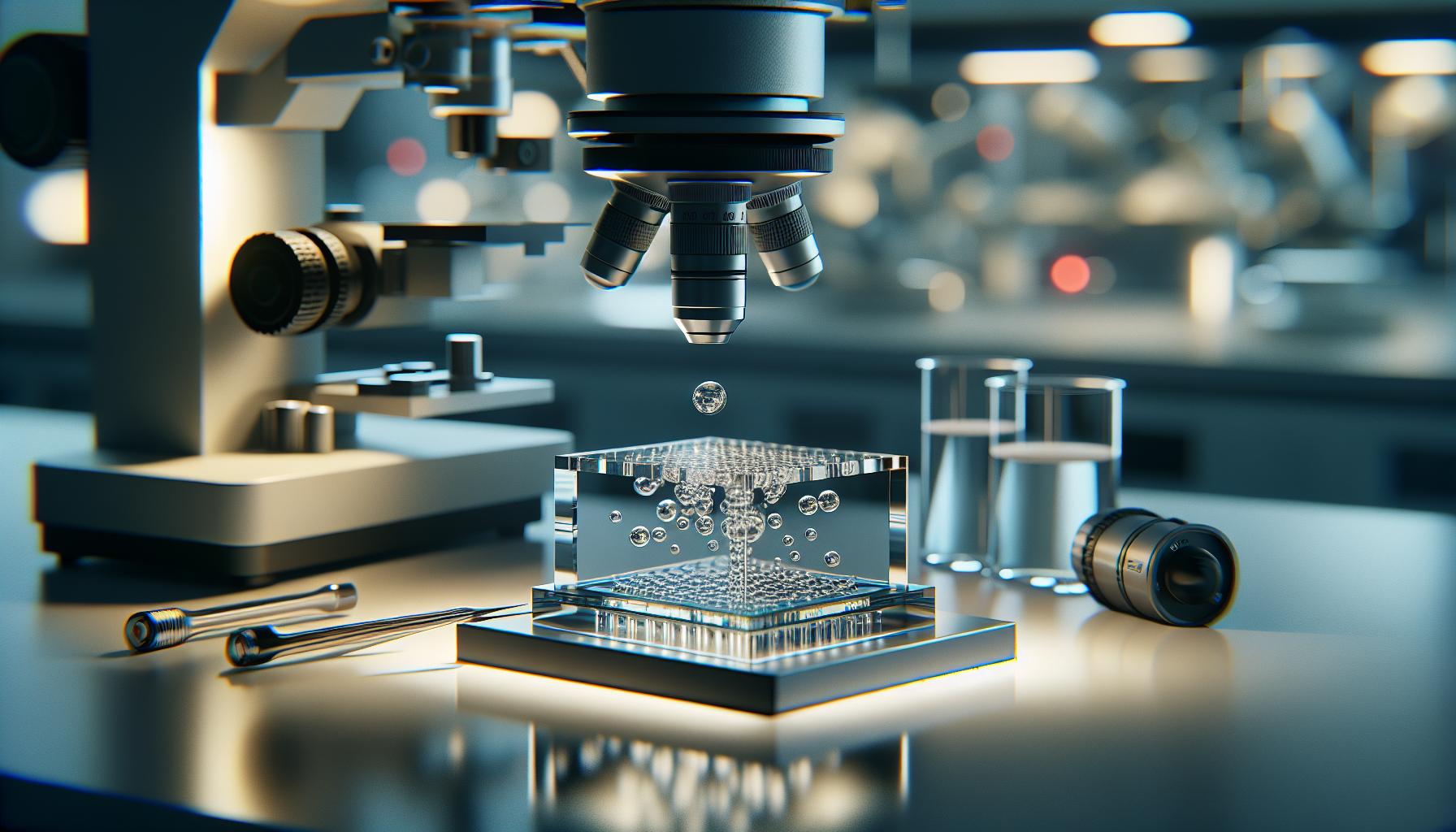
Understanding Microfluidic Hydrodynamic Traps
The intricate world of microfluidic hydrodynamic traps offers a compelling glimpse into how miniature systems can manipulate fluid behavior on a microscopic scale. These traps leverage the principles of fluid dynamics to create localized areas where particles can be captured or sorted, significantly advancing applications in biomedical diagnostics, chemical analysis, and even drug delivery. The efficiency and precision achieved through hydrodynamic trapping mechanisms stem from an understanding of fluid flow patterns in confined geometries, often leading to innovative designs in both 2D and 3D formats.
Understanding the core principles behind these traps necessitates a grasp of dimensional analysis, which helps predict how changing the scale of a device affects its performance. In microfluidics, we operate at the microscale where surface tension and viscous forces often dominate over inertial forces. This shift in dynamics means that the design parameters such as trap dimensions, fluid properties, and flow rates must be considered very carefully. For instance, a 3D hydrodynamic trap allows for a more versatile containment of particles compared to traditional 2D designs, facilitating complex interactions and improving the efficiency of trapping processes.
To visualize the advantages of 3D traps, consider their spatial manipulation capabilities. With the ability to create micro environments that can influence cellular behavior or reactant interactions in unique ways, researchers can fine-tune these traps to optimize for specific outcomes. The design complexity in 3D can accommodate varied shapes and sizes of traps, allowing for a more tailored approach to each application. Practical scenarios include isolating rare cells from a stream of blood or sorting nanoparticles based on size and shape, which are critical tasks in many fields ranging from diagnostics to drug development.
Key Considerations in Design
When designing hydrodynamic traps, engineers must account for several factors that affect their performance:
- Flow Rate: The manipulation of flow rates can enhance the efficiency of particle capture.
- Fluid Properties: Viscosity and surface tension play pivotal roles in how fluids behave within traps.
- Geometry: The shape and entrance of the trap significantly influence the hydrodynamic forces at play.
These elements interrelate in complex ways, necessitating careful modeling and testing to refine the designs for practical applications. The integration of computational modeling tools allows researchers to simulate and analyze the behavior of fluids within traps before fabrication, leading to more effective design iterations.
As the field evolves, the potential for innovative 3D microfluidic traps to revolutionize various sectors becomes clearer. Continued exploration of new materials and fabrication techniques promises to enhance trap performance, paving the way for breakthroughs in research and industry alike.
Principles of Dimensional Analysis in Microfluidics
Understanding how dimensions influence the behavior of microfluidic devices enables engineers and researchers to optimize design parameters effectively. In microfluidics, where fluid manipulation occurs in channels measured in micrometers, dimensional analysis sheds light on the critical parameters governing fluid dynamics, enabling both prediction and validation of device performance.
At the microscale, the relative effects of different forces become pivotal. For instance, while inertial forces are prominent in larger systems, in microfluidic environments, viscous forces and surface tension often dominate. This transition necessitates the use of dimensionless numbers such as Reynolds number (Re), which helps characterize flow regimes. A low Reynolds number indicates laminar flow, which is typical in microfluidics, guiding the design toward stable fluid behavior that facilitates precise manipulation. Understanding these concepts ensures that designs are tailored to leverage the unique operational principles at this scale, improving applications such as biochemical assays and cell sorting.
When considering the design of hydrodynamic traps, dimensional analysis assists in defining the optimal size and shape of the trap in relation to the fluid’s properties. For example, a correctly sized trap can exploit gradients created by flow to enhance capture efficiency. Moreover, applying dimensional analysis can aid in scaling up from prototype devices to larger applications, ensuring that critical behaviors remain consistent across varying dimensions. By evaluating trap geometry and determining how changes in scale affect fluid behavior, designers can create traps that maximize performance and efficiency.
In practical terms, using tools such as computational fluid dynamics (CFD) coupled with dimensional analysis allows researchers to visualize fluid flow patterns within traps before physical prototypes are constructed. This process not only reduces development time but also increases reliability, as potential issues can be identified and addressed prior to fabrication. Ultimately, mastery of dimensional analysis in microfluidics not only aids in effective design but also fosters innovative solutions that push the boundaries of what’s currently possible in the field.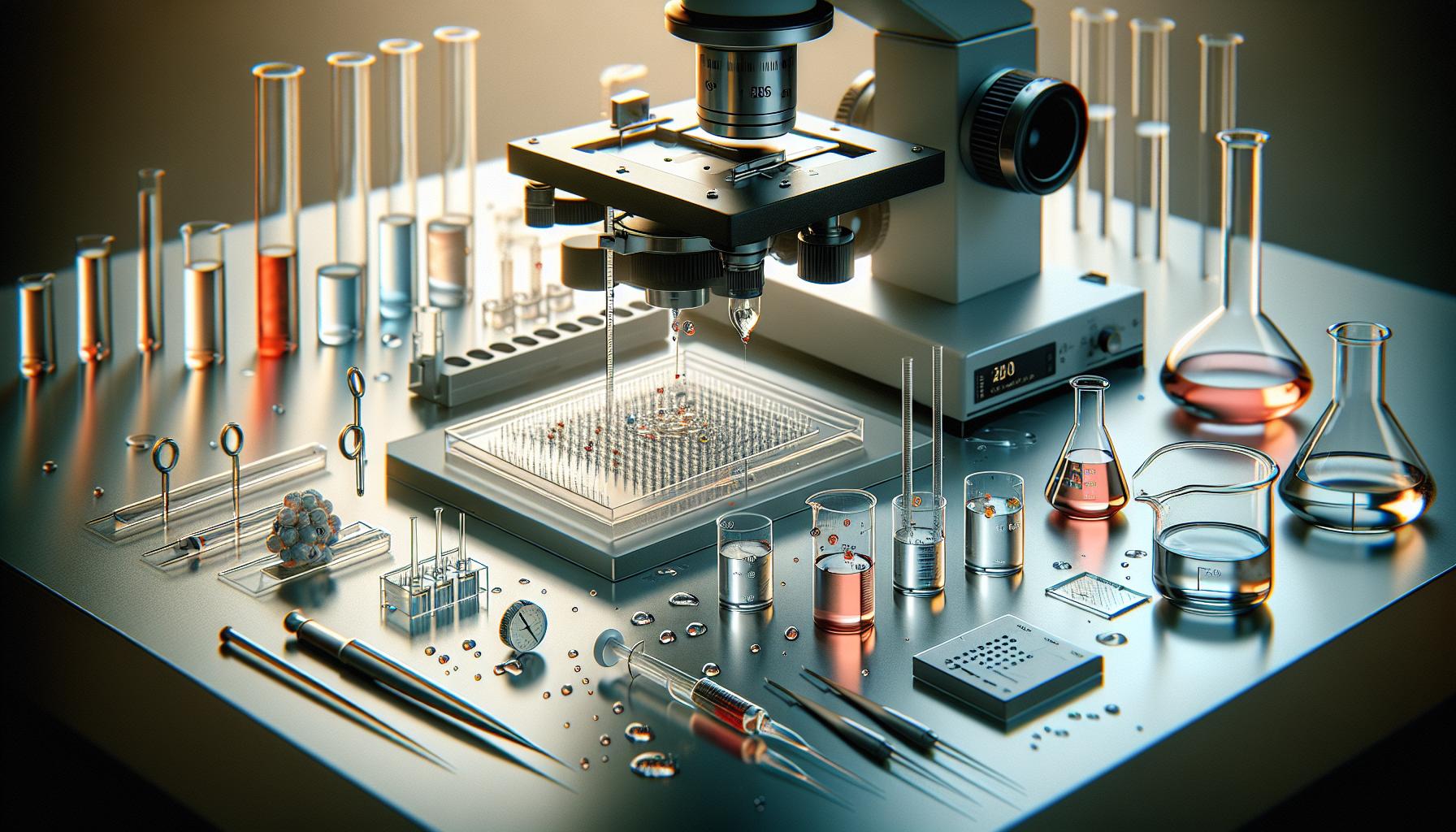
3D Modeling Techniques for Microfluidic Traps
To maximize the effectiveness of 3D microfluidic traps, advanced modeling techniques play a crucial role in optimizing their design and functionality. These techniques offer insights that traditional 2D designs cannot, particularly when it comes to simulating complex fluid flows and particle interactions at micro scales. Utilizing 3D modeling not only enhances our understanding of the hydrodynamic behaviors within traps but also aids in predicting the performance before moving to physical prototyping.
One of the most powerful tools in this realm is Computational Fluid Dynamics (CFD). By applying CFD, researchers can create detailed simulations of fluid behavior within a 3D trap environment, allowing them to visualize flow patterns, velocity fields, and pressure distributions. This predictive capability enables designers to iterate on their geometries rapidly, optimizing trap designs to enhance capture efficiency and minimize unwanted fluid loss. For instance, adjusting trap depths and channel widths in the model can reveal which configurations yield the most effective particle retention under specific flow conditions.
Another notable technique involves the integration of CAD (Computer-Aided Design) software with advanced simulations. CAD allows for precise manipulation of the trap’s geometry and can facilitate the incorporation of complex features like surface textures or microscale features that influence flow dynamics. Once a design is established, it can be subjected to virtual testing under various fluid viscosity and flow rate conditions within the simulation environment. This method not only saves time in the development process but also reduces costs associated with fabricating prototypes that may not perform as expected.
Furthermore, 3D printing technology has revolutionized the creation of microfluidic devices. Designers can produce intricate structures with high precision, enabling the realization of innovative trap designs that traditional manufacturing methods would struggle to achieve. For example, using stereolithography or two-photon polymerization allows for the production of highly detailed microstructures, which can be finely tuned to capture specific types of particles or cells more effectively. As design and printing techniques evolve, researchers can explore increasingly complex geometries that leverage hydrodynamic principles for greater functionality.
Through effective 3D modeling techniques, researchers not only bridge the gap between conceptual design and practical application but also push the boundaries of what is achievable in microfluidics. These advancements lay the groundwork for future innovations in biomedicine, diagnostics, and a myriad of applications where fluid manipulation at the microscale continues to grow in importance.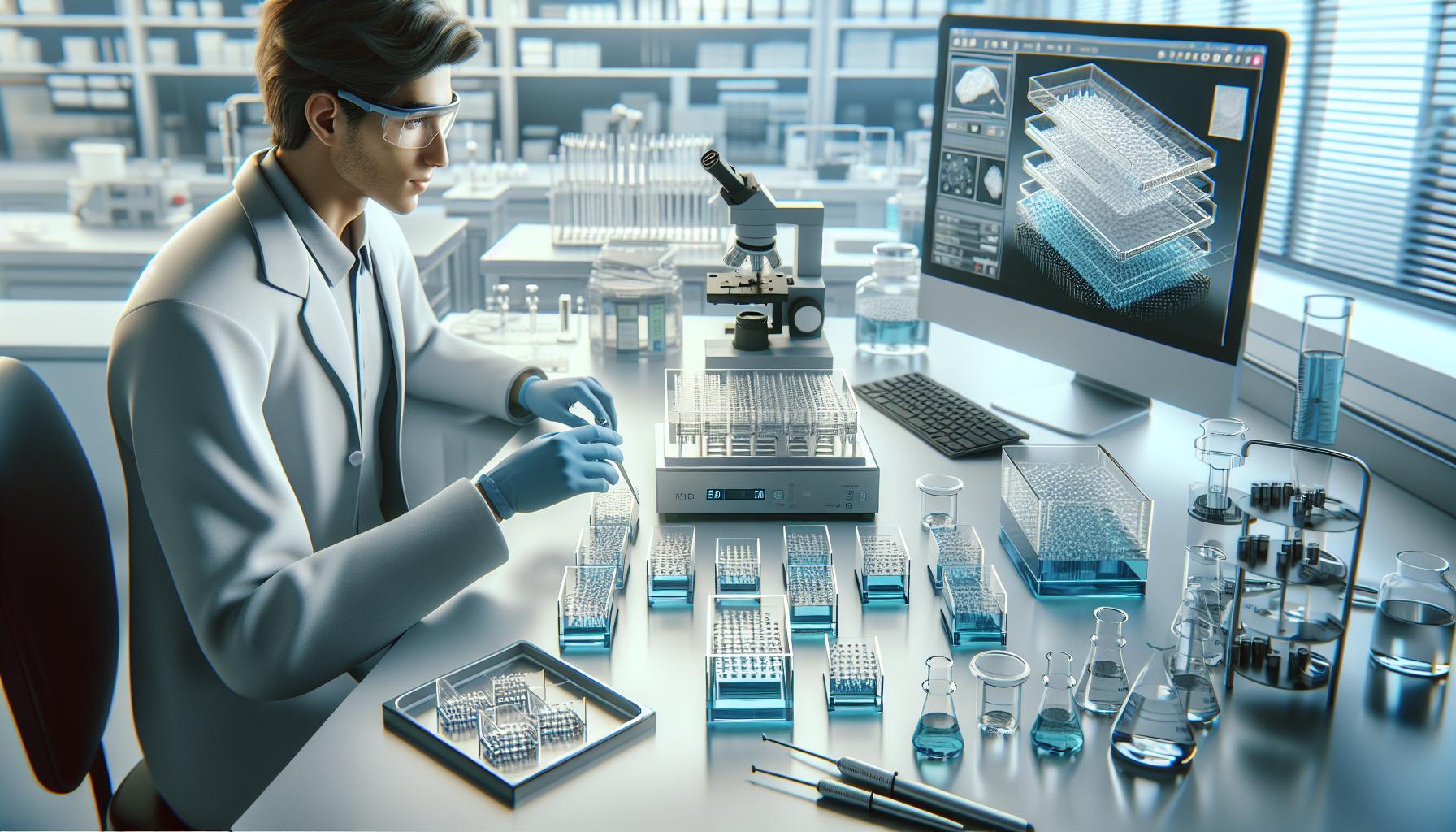
Key Applications of 3D Microfluidic Traps
3D microfluidic traps are revolutionizing various fields by enhancing the manipulation of fluids at microscale levels. Their applications stretch across biomedical research, diagnostics, and environmental monitoring, showcasing their versatility and impact. The ability to design intricate geometries enables precise control over fluid flow and particle capture, leading to significant advancements in these domains.
One of the most compelling applications is in biomedical diagnostics, where 3D microfluidic traps are utilized for cell sorting and manipulation. For instance, in cancer research, these traps can effectively isolate circulating tumor cells (CTCs) from blood samples. By optimizing trap geometries, researchers can increase the efficiency of capturing these rare cells, facilitating early cancer detection and personalized medicine approaches. Additionally, chemically modified surfaces within the traps can promote specific cell adhesion or release, enhancing the accuracy of assays.
Another critical area is drug delivery and development. The precise control offered by 3D microfluidic traps allows for the testing of drug interactions on a cellular level. Researchers can simulate various conditions by adjusting flow rates and trap dimensions to understand how different drugs affect cell behavior. This application not only aids in discovering potential therapies faster but also minimizes the use of animals in testing processes, aligning with modern ethical standards in research.
In environmental monitoring, 3D microfluidic traps play a vital role in detecting pollutants. These devices can be designed to capture and analyze specific particles in water or air samples, offering real-time monitoring capabilities. This proactive approach helps in assessing water quality and ensuring compliance with environmental regulations. For example, by using selective trapping mechanisms, it’s possible to isolate heavy metals from water samples, providing crucial data for environmental assessments and remediation efforts.
The versatility of 3D microfluidic traps allows for diverse applications ranging from fundamental research to practical implementations. Their design can be tailored to meet specific needs, bridging the gap between theoretical research and real-world solutions. As technology advances and materials improve, the potential for innovative applications in various fields is limitless, making 3D microfluidic traps a vital area of study and development in science and engineering.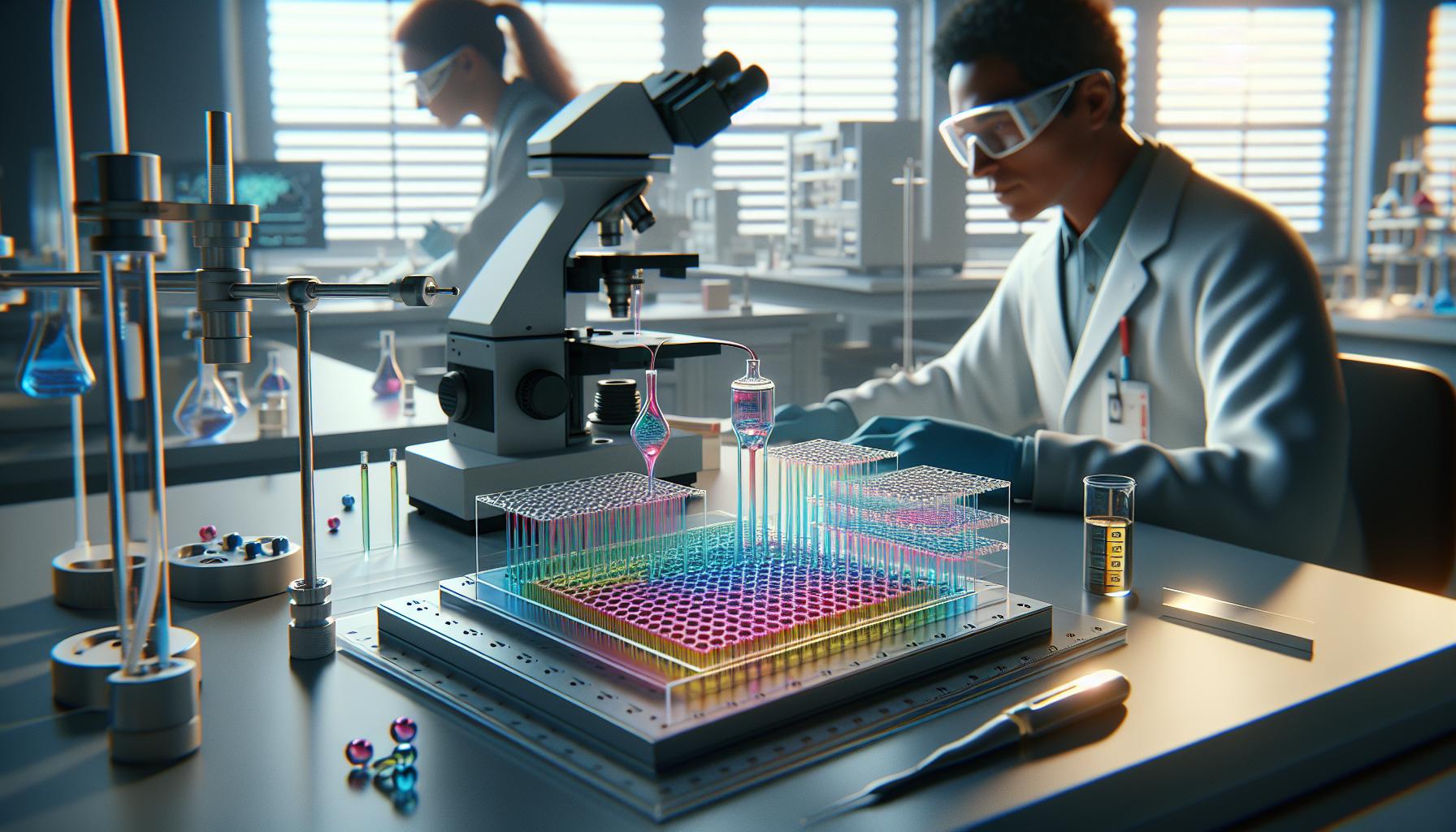
Comparative Analysis: 2D vs. 3D Microfluidic Designs
The evolution from 2D to 3D microfluidic designs marks a significant leap forward in how scientists manipulate fluids on a microscale. Traditional 2D microfluidic systems typically rely on flat channels to direct fluid flow, which can limit functionality and the complexity of interactions that can be modeled. In contrast, 3D microfluidic traps provide an enriched environment where multiple fluidic pathways converge, enabling more sophisticated experimental setups that mimic biological processes more accurately.
One of the primary advantages of 3D microfluidic designs is their capacity to create complex spatial gradients, which are crucial for replicating natural biological conditions. For example, in drug delivery studies, 3D platforms allow researchers to generate concentration gradients that can be used to analyze cellular responses in a more lifelike scenario. This contrasts with 2D designs, where fluid distribution is often uniform across simple paths, compromising the realism of cell-environment interactions. Additionally, the volumetric manipulation of fluids in 3D traps can lead to better particle trapping efficiency, presenting more reliable data in applications such as cancer cell separation from blood.
The geometric complexity of 3D microfluidic traps also opens doors to functionality that is non-existent in 2D systems. These can include multifunctional traps that feature integrated detection and analysis modules, reducing handling time and minimizing the risk of contamination. However, designing these systems introduces challenges related to fabrication and fluid dynamics. For example, a 3D trap must be carefully engineered to ensure predictable fluid flow, which can vary significantly compared to the relatively straightforward 2D geometries.
In practice, while 2D systems may still be useful for specific applications, the shift toward 3D designs is evident in fields such as biomedical research, environmental monitoring, and drug development. Researchers are increasingly leveraging 3D microfluidic traps to facilitate advanced processes such as high-throughput screening and more nuanced interactions among multiple cell types. This trajectory underscores the ongoing importance of dimensional analysis in understanding fluid behaviors and optimizing device performance as we continue to explore the possibilities within microfluidic technologies.
Fluid Dynamics: Flow Mechanics in Hydrodynamic Traps
Understanding the flow mechanics in hydrodynamic traps is essential for optimizing their performance in microfluidic applications. At the microscale, fluid dynamics behaves differently compared to larger systems, with effects such as surface tension and laminar flow dominating. In hydrodynamic traps, fluid movement is determined by the interplay of forces acting on the fluid, including inertial, viscous, and pressure forces. Accommodating these forces is critical in designing traps that can effectively manipulate particles, cells, or reagents within a controlled environment.
One of the essential concepts in this area is the Reynolds number, which helps characterize the flow regime. The Reynolds number (Re) is defined as (Re = frac{rho v L}{mu}), where (rho) is the fluid density, (v) is the flow velocity, (L) is a characteristic length scale (like the channel height), and (mu) is the dynamic viscosity. For microfluidic systems, Re is generally very low (typically much less than 1), indicating that viscous forces are predominant, leading to laminar flow. This streamlined flow allows for precise control over the trajectories of particles and the formation of stable microenvironments, necessary for accurate experimentation and analysis.
In the context of hydrodynamic traps, the design must ensure that flow patterns facilitate effective trapping. The geometry of the trap influences how the surrounding fluid interacts with target particles. For instance, traps can be designed to create vortex flows or shear gradients that enhance particle capture. Computational fluid dynamics (CFD) simulations are invaluable tools for predicting how modifications to the design will influence flow behavior and trapping efficiency. These simulations allow researchers to optimize trap geometries and operation conditions before physical fabrication, saving time and resources.
Beyond basic flow mechanics, the integration of material properties and surface modifications can significantly enhance trap performance. Techniques such as functionalizing surfaces to manipulate wettability can alter droplet formation and behavior in the trap, impacting both capture efficiency and the reversible release of trapped materials. Additionally, the introduction of acoustic or magnetic forces can further augment the hydrodynamic trapping capabilities, enabling more robust applications in biomolecular studies and diagnostics.
Current Challenges in Microfluidic Trap Design
Designing microfluidic traps, particularly in three dimensions, presents a unique set of challenges that researchers must navigate to optimize performance and applicability. As the field of microfluidics evolves, the expectation for enhanced functionality in trapping systems intensifies, requiring innovative approaches to overcome existing limitations.
One major challenge is the fabrication complexity associated with 3D microfluidic traps. Unlike their 2D counterparts, which can often be made using traditional photolithography techniques, 3D traps demand more sophisticated manufacturing methods, such as 3D printing or multi-layer soft lithography. These techniques can introduce variations in geometry and surface finish that affect fluid dynamics, yet ensuring precision at the microscale is crucial for reliable trap performance. Striking a balance between intricate designs and manufacturability is an ongoing concern, particularly when optimizing different geometrical features that influence flow patterns and particle capture efficiency.
Another significant hurdle involves the fluid dynamics of three-dimensional designs. While in 2D, flow is relatively straightforward and predictable, 3D traps introduce complexities like flow recirculation and unexpected shear forces that can compromise particle trapping efficiency. The interplay of these forces often necessitates advanced computational fluid dynamics (CFD) modeling to accurately predict flow behaviors and adjust designs accordingly. However, creating such models can be time-consuming and requires considerable expertise. Additionally, variability in fluid properties-such as viscosity changes due to temperature or concentration shifts-can further complicate the behavior of fluids within microfluidic devices, leading to inconsistent results.
Moreover, the interaction of materials and surfaces in 3D microfluidics poses challenges. The development of new materials that not only support complex geometries but also maintain desirable wettability and biocompatibility is crucial for applications in biomedical fields. Surface modifications can enhance trapping by altering adhesion properties, yet achieving uniform surface characteristics across intricate designs remains problematic. Researchers often grapple with finding materials that withstand repeated cycles of use while maintaining their functioning properties, especially in environments where chemical reagents could degrade the device.
Addressing these challenges requires a multi-disciplinary approach that integrates insights from fluid mechanics, materials science, and engineering. Collaboration between disciplines can lead to innovative solutions, such as hybrid materials that combine elastic and rigid features, or new modeling techniques that account for the nuances of 3D trapping systems. Ultimately, advancing the design and functionality of microfluidic traps depends on solving these critical issues, driving researchers to explore and create more effective, versatile systems.
Innovative Materials for Enhanced Trap Performance
In the rapidly evolving field of microfluidics, selecting the right materials is paramount for enhancing the performance of hydrodynamic traps, especially those designed in three dimensions. These materials not only define the mechanical properties of the trap-such as flexibility and strength-but also influence fluid dynamics through their chemical and physical interactions with the fluids being manipulated. As researchers delve into the psychological and structural demands of 3D fluidics, innovative materials are paving the way for improved efficiency and functionality.
Material Innovations and Properties
At the forefront of material innovation are polymeric substances, particularly thermoplastics and elastomers, which offer versatility in fabrication and biocompatibility. For example, polydimethylsiloxane (PDMS), a popular elastomer in microfluidics, allows for easy molding into complex geometries. Its optical clarity, flexibility, and biological compatibility make it suitable for various biological applications. However, PDMS has limitations, such as its propensity to absorb small molecules, which can alter experimental outcomes. Researchers are addressing this by incorporating nanoparticles or composite materials that enhance PDMS properties, providing better control over surface interactions and mechanical strength.
Additionally, incorporating 3D-printed materials, such as photopolymers and bioinks, opens up exciting avenues for performance enhancement. These materials can be tailored for specific functions like hydrophilicity or hydrophobicity at micro-scale levels, improving particle trapping efficiency. The ability to print using materials with varying mechanical properties also supports the creation of hybrid traps that combine rigidity with flexibility, ultimately improving capture velocity and surface interaction dynamics.
Surface Modifications for Enhanced Performance
Surface characteristics significantly affect the performance of microfluidic traps. Enhancing material properties through surface modifications-such as plasma treatment or chemical coatings-can lead to improved adhesion between the fluid and trap surfaces. This results in better control over flow dynamics and more efficient particle capture. For instance, introducing specific functional groups to polymer surfaces can increase wettability and decrease resistance to fluid flow, which is crucial in optimizing the trapping efficiency of three-dimensional designs.
Moreover, the exploration of smart materials-which can change properties in response to environmental stimuli (e.g., temperature, pH)-is gaining traction. These materials can dynamically adjust their conformations based on the microenvironment, allowing more adaptability in trapping conditions and improving the overall efficacy of microfluidic systems.
The melding of advanced materials with innovative engineering techniques fosters a new realm of possibilities in microfluidic design. Each advancement not only helps to solve current challenges but sets the stage for future applications, especially in biomedicine, where user-defined microscale environments are crucial for replicating complex biological processes. As such, staying informed and adaptable with material strategies will be essential for researchers aiming to push the boundaries of microfluidic applications.
Future Trends in 3D Microfluidic Technologies
As the field of microfluidics evolves, particularly in the design and application of three-dimensional (3D) hydrodynamic traps, we are witnessing a wave of innovations that promise to enhance performance and broaden capabilities. One of the most exciting trends is the integration of artificial intelligence (AI) and machine learning (ML) in the design process. These technologies can optimize geometries and flow characteristics by analyzing vast datasets to predict fluid behavior, enabling the creation of traps that are not only more efficient but also tailored to specific applications, such as targeted drug delivery or personalized diagnostics.
Advancements in Material Science
The development of novel materials is pivotal. Researchers are increasingly exploring the use of bioinspired and smart materials that can adapt based on environmental conditions, such as changes in pH or temperature. For instance, hydrogels that respond to specific biological cues can be embedded in microfluidic traps to improve cell capture and manipulation. This adaptability will significantly advance applications in regenerative medicine and biotechnology, where creating environments that closely mimic in vivo conditions is essential.
Hybrid Manufacturing Techniques
Moreover, hybrid manufacturing methods combining traditional techniques with advanced 3D printing are becoming more prevalent. This approach allows for the rapid prototyping of complex structures that optimize fluid flow and particle trapping efficiency. For example, integrating features such as microstructures and surface patterns through 3D printing can enhance the interaction between fluids and surfaces, leading to improved trapping kinetics. This trend not only streamlines production but also facilitates the customization of traps for specific experimental needs, a critical factor in research and development.
Interdisciplinary Collaborations
Future trends are also leaning towards interdisciplinary collaborations, merging expertise from materials science, biology, and engineering. Such collaborations are expected to yield more innovative solutions to existing challenges in microfluidics. As researchers from diverse fields work together, they can explore new applications of hydrodynamic traps in areas such as environmental monitoring, where such traps could be used to capture and analyze micropollutants or pathogens in water sources.
In summary, the trajectory of 3D microfluidic technologies is set to redefine the boundaries of microfluidics, making it a dynamic field ripe for exploration and innovation. Emphasizing adaptable materials, AI-enhanced designs, and interdisciplinary teamwork will be crucial for harnessing the full potential of hydrodynamic traps.
Case Studies: Successful Implementations of 3D Traps
The innovative potential of 3D microfluidic hydrodynamic traps is increasingly evident through practical implementations across various fields, exemplifying their transformative role in research and technology. One striking example comes from a study on collecting circulating tumor cells (CTCs) from blood-a critical task in cancer diagnostics. Researchers designed a 3D microfluidic trap that strategically manipulates flow paths to increase capture efficiency. By employing intricate geometries, these traps improved the targeting of CTCs while minimizing the interference from other blood cells, which often complicate the analysis. The success of this design not only enhanced diagnostic accuracy but also laid a foundation for real-time monitoring of cancer progression.
In the realm of environmental monitoring, another notable implementation involved the use of 3D traps for detecting contaminants in wastewater. By integrating these traps within lab-on-a-chip systems, researchers could create environments that mimic natural processes in rivers or lakes. The 3D traps effectively captured and concentrated various pollutants, including heavy metals and pathogens, which made subsequent analysis feasible with conventional techniques. This approach not only showcased the versatility of hydrodynamic traps but also highlighted their potential in addressing environmental challenges-a critical issue in today’s society.
Furthermore, the medical field is reaping benefits from advances in 3D microfluidic traps, especially in the formulation of targeted drug delivery systems. A team developed a system that utilizes 3D traps to encapsulate therapeutic agents within biocompatible materials, allowing for controlled release based on specific triggers such as pH changes or temperature variations. This self-regulating feature resulted in enhanced drug bioavailability and minimized side effects, offering an exciting glimpse into the future of personalized medicine.
Through these case studies, it becomes clear that the successful implementation of 3D hydrodynamic traps is not just a theoretical concept; it represents valuable tools being actively developed to address critical real-world problems. As research continues to evolve, these systems are expected to become even more sophisticated and widely adopted, paving the way for breakthroughs that blend engineering with biology for enhanced solutions in diagnostics, environmental protection, and healthcare.
Interdisciplinary Approaches to Microfluidics Research
The evolution of microfluidics is underpinned by a rich tapestry of interdisciplinary collaboration that merges knowledge from engineering, physics, chemistry, and biology. This convergence not only fosters creativity in the design of microfluidic hydrodynamic traps but also enhances their functional applications across various domains. For instance, the integration of fluid dynamics principles with biological insights allows researchers to develop more effective traps that can capture rare cell populations, such as circulating tumor cells (CTCs). This process exemplifies how hydrodynamic theories can be applied to enhance precision in biomedical diagnostics.
Moreover, advances in material science have paved the way for innovative biocompatible materials used in the fabrication of these microfluidic devices. Researchers are continuously exploring polymers, hydrogels, and other composite materials to improve trap performance-making them more responsive to external stimuli and enhancing their ability to capture specific biological entities. By employing 3D printing technologies, for example, teams have crafted complex geometries that optimize flow dynamics and target capture efficiency. This synthesis of technology and material science illustrates how interdisciplinary research can yield practical solutions to intricate engineering challenges in microfluidics.
Real-World Implications
The implications of such collaborative efforts extend into fields such as environmental monitoring and drug delivery systems. In environmental applications, teams combine chemistry and environmental science to design traps that can selectively capture pollutants from wastewater in a manner that mimics natural filtration processes. This approach not only addresses pressing environmental concerns but also exemplifies the practical benefits of viewing microfluidics through an interdisciplinary lens.
In drug delivery, insights from pharmacology contribute to developing microfluidic systems that facilitate targeted therapy, significantly improving treatment outcomes. For instance, researchers are leveraging knowledge of metabolic pathways and cellular interactions to design traps that can release therapeutic agents only in the presence of specific biochemical triggers. This intersection of multiple fields not only enhances the robustness of solutions but also fosters innovation that is critical for addressing complex challenges in healthcare and environmental sustainability.
Ultimately, the interdisciplinary nature of microfluidics is a powerful driver of progress-one that encourages a collaborative spirit among researchers, engineers, and clinical practitioners. By drawing on a diverse array of expertise, the field continues to push the boundaries of what is possible, leading to novel applications that align closely with real-world needs and elevating the impact of microfluidic technology in our contemporary society.
Practical Guidelines for Designing Hydrodynamic Traps
Designing effective hydrodynamic traps for microfluidic systems requires a nuanced understanding of fluid dynamics and the interplay of various parameters. The crafting of these traps not only optimizes capture efficiency for target entities but also enhances overall system performance. To achieve ideal designs, several practical guidelines should be considered.
Key Design Considerations
Start by defining the target particles or cells you wish to capture. Knowing their size, shape, and physical properties is crucial, as these factors directly influence the flow dynamics within the trap. For example, circulating tumor cells (CTCs) are typically larger and more complex than other cell types. Tailoring your trap’s geometry to exploit these differences can be key to capturing rare populations effectively.
Next, the geometry of the trap must be meticulously designed. Utilize software tools for 3D modeling, which allow for precise manipulation of dimensions and flow paths. A well-designed trap often incorporates various channel widths and heights to create zones of slower flow, enabling the desired particles to settle into the trap regions. Consider using 3D printing technology to create intricate designs that traditional methods might find challenging. This technology not only allows rapid prototyping but also facilitates the creation of complex geometries that can optimize fluid movement.
Material Selection
The choice of materials plays a significant role in achieving optimal performance. Use biocompatible polymers or hydrogels that adapt well to the fluids and biological samples being analyzed. For instance, materials like polydimethylsiloxane (PDMS) are widely favored due to their optical clarity and ease of use. Additionally, consider incorporating functionalized surfaces that enhance particle capture, such as coatings that provide specific binding sites for target molecules. This can significantly improve the selectivity and sensitivity of your trapping system.
Simulation and Testing
Employ numerical simulations to validate your designs before moving to fabrication. Computational fluid dynamics (CFD) simulations can provide insights into how fluids move through your trap, helping predict performance under various conditions. It’s not enough to build a trap; you must assess techniques under realistic scenarios. Follow up with experimental tests to observe how effectively your traps perform in capturing the target cells. Iteration is key-refine your design based on testing feedback to enhance functionality and efficiency.
Adhering to these guidelines will not only improve the design of your hydrodynamic traps but will also push the boundaries of what is achievable in microfluidic applications. The intersection of theoretical principles and practical design implementation can lead to significant advancements in biomedical diagnostics, drug delivery, and beyond, illustrating the transformative power of creative engineering in microfluidics.
Frequently asked questions
Q: What are the advantages of 3D microfluidic hydrodynamic traps over traditional designs?
A: 3D microfluidic hydrodynamic traps offer enhanced manipulation of fluid flow, improved trapping efficiency, and the ability to create complex geometries. These advantages allow for better particle separation, higher throughput, and optimization of reactions compared to traditional 2D designs, as discussed in the section on Comparative Analysis: 2D vs. 3D Microfluidic Designs.
Q: How do dimensional analysis principles apply to microfluidic hydrodynamic traps?
A: Dimensional analysis in microfluidic hydrodynamic traps helps optimize design parameters by revealing relationships between flow characteristics and dimensions. This analysis enables engineers to predict system behavior, ensuring efficient fluid dynamic performance while maintaining miniaturization, as elaborated in the Principles of Dimensional Analysis in Microfluidics section.
Q: Can 3D microfluidic traps be integrated with other technologies for enhanced performance?
A: Yes, 3D microfluidic traps can be effectively integrated with technologies like optical sensing or electrophoresis. This integration allows for real-time monitoring and improved separation efficiency, providing broader applications in bioanalysis and diagnostics, as noted in the Key Applications of 3D Microfluidic Traps section.
Q: What materials are commonly used in the fabrication of 3D microfluidic traps?
A: Common materials for 3D microfluidic traps include polydimethylsiloxane (PDMS), glass, and thermoplastics. These materials offer excellent transparency, flexibility, and biocompatibility, making them suitable for various applications, as discussed in the Innovative Materials for Enhanced Trap Performance section.
Q: What role do flow mechanics play in the performance of microfluidic hydrodynamic traps?
A: Flow mechanics are crucial in determining the operational efficacy of microfluidic hydrodynamic traps. Understanding fluid behavior, such as laminar flow and turbulence, helps in designing traps that maximize trapping efficiency and ensure precise control over particle movement, as examined in the Fluid Dynamics: Flow Mechanics in Hydrodynamic Traps section.
Q: What are some practical guidelines for designing effective hydrodynamic traps?
A: When designing hydrodynamic traps, consider factors such as channel dimensions, fluid viscosity, and flow rates. Implementing computational fluid dynamics (CFD) simulations can aid in optimizing these parameters for the desired performance, detailed in the Practical Guidelines for Designing Hydrodynamic Traps section.
Q: How are 3D models created for microfluidic hydrodynamic traps?
A: 3D modeling techniques involve using software like CAD to design and simulate microfluidic traps. Techniques such as 3D printing or laser cutting are then employed for physical prototype creation, enhancing design feasibility and testing capabilities, as explained in the 3D Modeling Techniques for Microfluidic Traps section.
Q: Are there specific challenges associated with the implementation of 3D microfluidic traps?
A: Yes, challenges include fabrication precision, material limitations, and ensuring effective connectivity within integrated systems. Addressing these challenges is essential for improving reliability and functionality, as described in the Current Challenges in Microfluidic Trap Design section.
Wrapping Up
As we conclude our exploration of microfluidic hydrodynamic traps and their dimensional analysis, it’s clear that understanding these intricate systems is essential for advancing bioanalytical technologies. The ability to manipulate fluid dynamics at the microscale opens doors to applications that range from precise medical diagnostics to innovative drug delivery mechanisms. Don’t miss the opportunity to delve deeper-explore related content on microfluidic device fabrication and biomedical applications here and discover the latest advances in microfluidic technology that can boost your research effectiveness here.
Ready to take the next step? Subscribe to our newsletter for more insights on cutting-edge technologies that can enhance your projects and keep you informed of industry trends. If you have any questions or insights, we encourage you to share your thoughts in the comments below or reach out for a consultation. Thank you for joining us on this journey through the fascinating world of microfluidics-let’s continue to push the boundaries of innovation together!
Get our latest guides, news, and insights highlighted in your Google Search & AI Overviews.