Imagine a world where tiny amounts of liquid can unlock massive breakthroughs in medicine, diagnostics, and biotechnology. Welcome to the fascinating realm of microfluidics-a technology that manipulates minute volumes of fluids, often at scales as small as a few nanoliters. This field is revolutionizing how we approach complex problems, enabling rapid testing and analysis with precision and efficiency. Whether you’re a researcher eager to innovate or a student keen to understand cutting-edge science, microfluidics holds the key to future advancements in healthcare and environmental monitoring. As we delve deeper into what microfluidics is and how it functions, you’ll discover its profound impact on both science and everyday life, igniting your curiosity about the endless possibilities this technology presents. Join us in exploring how this seemingly simple concept transforms the way we interact with fluid science and technology, shaping solutions for tomorrow’s challenges.
What is Microfluidics and Its Importance?
Microfluidics stands at the intersection of engineering and the life sciences, enabling the manipulation of fluids at a microscopic scale. This sophisticated technology is not merely a trend but a fundamental shift in how we approach fluid handling across various fields. At its core, microfluidics involves the control of small volumes of liquids-often in the range of picoliters to nanoliters-through channels that measure just tens to hundreds of micrometers in diameter. This means researchers can work with far smaller samples than traditional methods allow, leading to enhanced sensitivity and accuracy in experiments.
The importance of microfluidics cannot be overstated; it has transformed diagnostics, pharmaceuticals, and biochemical analysis, among other sectors. By enabling processes such as mixing, diluting, and separating fluids, microfluidics facilitates rapid assay development and increases throughput in laboratory environments. Additionally, it allows for the miniaturization of processes traditionally carried out in larger laboratory settings, leading to lower reagent costs and reduced waste. This precision is particularly critical in applications like point-of-care testing, where timely and accurate results can significantly impact patient outcomes.
Furthermore, as we face challenges such as global health crises and the need for sustainable solutions, the adaptability of microfluidics positions it as a vital tool in developing portable and efficient diagnostic devices and biosensors. The technology’s capability to combine multiple processes into a single device not only speeds up analysis but also ensures that comprehensive data can be acquired from limited samples. With continued advancements in fabrication techniques and materials, the potential applications of microfluidics are virtually limitless, promising to revolutionize both research and practical applications in industry and healthcare.
Key Principles of Microfluidic Technology
One of the surprising aspects of microfluidics is how it manipulates tiny amounts of liquids with incredible precision. At its core, microfluidic technology relies on fundamental principles of fluid mechanics, chemistry, and engineering to control fluid flow in channels typically measuring mere micrometers in size. This allows researchers to handle volumes as small as picoliters (one trillionth of a liter), which not only conserves precious materials but also enhances the sensitivity of various analytical techniques.
The key principles that underpin microfluidic systems include laminar flow and surface tension. Because the channels are so small, the flow of fluids tends to be smooth and organized, known as laminar flow, rather than turbulent. This predictability allows for precise control over chemical reactions and mixing processes. For example, when two different fluids are introduced into separate inlets, they can flow side by side without mixing until they reach a specific intersection point. Researchers can design these intersections to control how and when reactions occur, facilitating complex biochemical assays and diagnostic tests.
Another essential element of microfluidic technology is the use of passive and active pumping mechanisms to move fluids through the channels. Passive methods, such as capillary action, exploit the natural tendency of liquids to flow in narrow spaces, whereas active methods-like pressure-driven or electrokinetic pumping-offer more control over fluid movement. This versatility allows scientists to create multi-functional devices that can perform several laboratory processes on a single chip, such as mixing, incubating, and analyzing samples.
Moreover, microfluidic devices can integrate components such as valves and sensors directly into their architecture. This integration is crucial for automating procedures and ensuring consistent operation across multiple experiments. For instance, by incorporating microvalves, researchers can selectively control the flow of liquids to different parts of the chip, leading to sophisticated systems capable of executing complex protocols-all while using significantly less reagents than traditional methods. This attribute is particularly beneficial in high-throughput screening and personalized medicine applications.
In summary, the principles of microfluidic technology are not only about handling small fluid volumes; they encapsulate a sophisticated interplay of physics and engineering that opens new avenues for research, diagnostics, and various industrial applications. Understanding these principles is vital for anyone looking to delve into the world of microfluidics and leverage the technology for innovative solutions.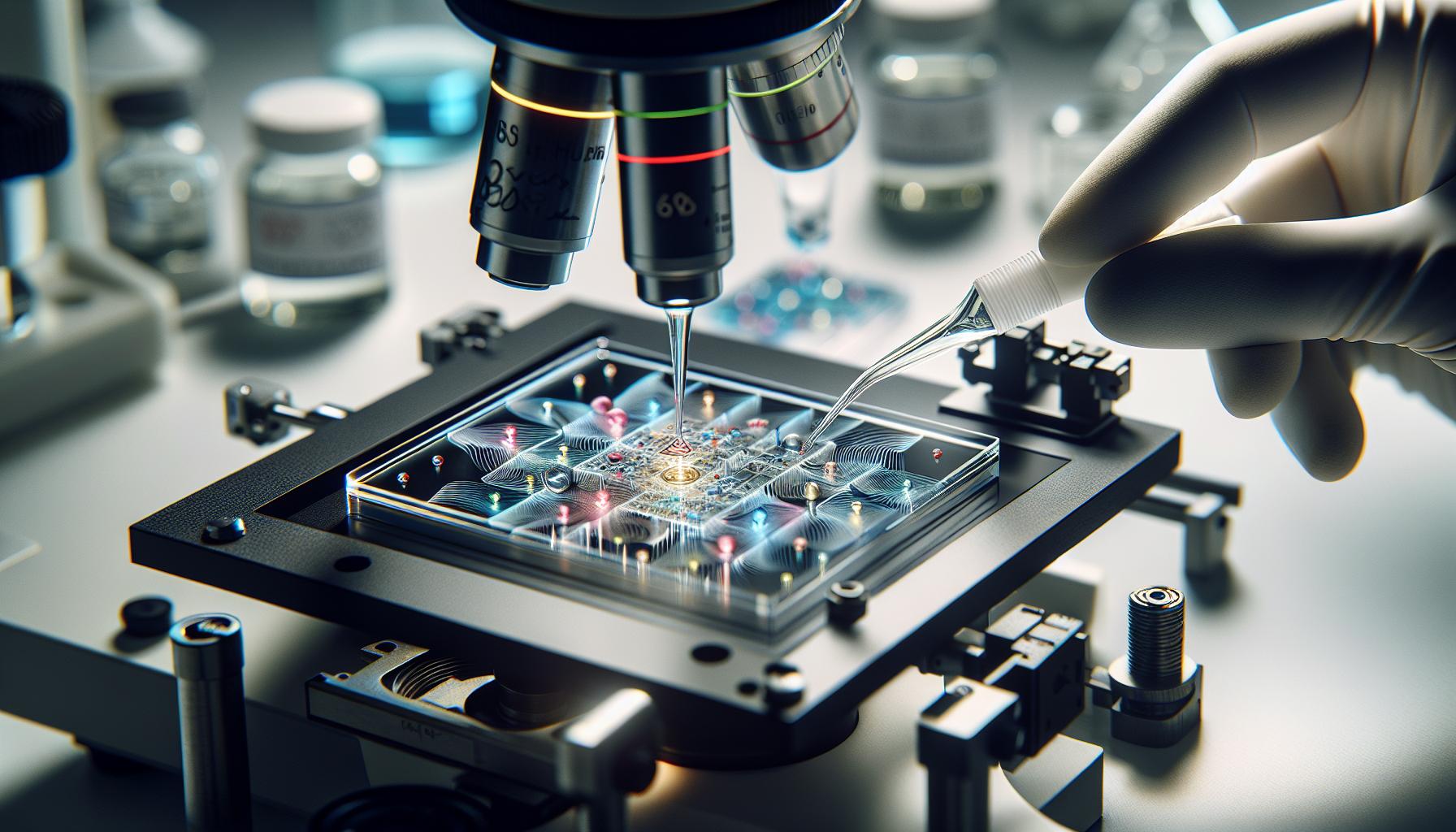
Applications of Microfluidics in Different Industries
Microfluidics has revolutionized various industries by enabling precise manipulation of fluids at the microscale, leading to enhanced capabilities in diagnostics, drug delivery, and biological research. The unique ability to control small volumes of liquids allows for more efficient testing processes, cost savings, and the development of innovative devices that can operate seamlessly in complex environments.
Healthcare and Diagnostics
In healthcare, microfluidic devices are at the forefront of transforming diagnostics through point-of-care testing (POCT). These devices can perform multiple diagnostic tests using only a few drops of blood or other bodily fluids, enabling rapid results that are crucial for timely medical decision-making. For instance, microfluidic chips are used in devices that detect pathogens, monitor blood glucose levels, and assess various biomarkers for diseases ranging from cancer to infectious diseases. The ease of use and speed of these tests make them particularly valuable in developing countries where access to lab facilities is limited [[2](https://elveflow.com/microfluidic-reviews/microfluidics-applications-a-short-review/)].
Pharmaceutical Development
In the pharmaceutical industry, microfluidics plays a vital role in drug formulation and testing. Researchers use microfluidic systems to conduct high-throughput screening of drug candidates, allowing for the rapid identification of potential leads. The technology also facilitates cell culture experiments, enabling the study of drug effects on real biological systems. Moreover, microfluidic devices can mimic human organ systems, known as organ-on-a-chip devices, providing a more accurate model for human physiology that can reduce the reliance on animal testing in drug development [[1](https://www.ufluidix.com/microfluidics-applications/)].
Environmental Monitoring
Microfluidics is also gaining traction in environmental monitoring, where small-scale sensors can detect pollutants in water and soil samples. These sensors leverage the efficiency of microfluidic channels to provide real-time data on environmental health, enabling quicker responses to contamination events. For instance, the integration of biosensors into microfluidic devices allows for the sensitive detection of harmful substances at very low concentrations. This application is crucial for maintaining public health and safety, particularly in areas prone to industrial pollution [[2](https://elveflow.com/microfluidic-reviews/microfluidics-applications-a-short-review/)].
Through these applications, microfluidics is not only enhancing existing processes but is also paving the way for new technologies that can tackle complex challenges in health, medicine, and environmental science. The adaptability and miniaturization potential of microfluidics promise to continue driving innovation across multiple sectors, making it an essential technology for the future.
Benefits of Microfluidics in Research and Development
Microfluidics is not just a technological marvel; it is transforming the landscape of research and development across multiple disciplines. By enabling the precise manipulation of fluids at a microscale, microfluidic devices stand out for their ability to conduct complex experiments rapidly and with minimal resource consumption. This has far-reaching implications for sectors such as healthcare, biotechnology, and environmental science, where efficiency and accuracy are paramount.
One of the most significant benefits of microfluidics in research is the reduction of sample volumes and costs. Traditional experimental setups often require large quantities of reagents and samples, leading to higher costs and waste. In contrast, microfluidic systems typically operate on picoliter to microliter volumes, making experiments not only less expensive but also more sustainable. For example, a microfluidic platform can conduct multiple assays simultaneously using just a few droplets of fluid, allowing researchers to gather extensive data without the need for extensive resources.
Another advantage is the ability to achieve high-throughput analysis. In pharmaceutical development, where the identification of drug candidates can be a lengthy process, microfluidics accelerates the screening of compounds by providing a platform that can evaluate thousands of samples in parallel. This is achieved through techniques like microtube or well-plate designs, which streamline workflows and minimize manual handling. Moreover, the integration of automation with microfluidic technology allows researchers to focus on analysis rather than repetitive tasks, thereby improving productivity.
Microfluidics also enhances the reproducibility of experiments. Many variables can influence results, but the controlled environments that microfluidic devices provide lead to consistent and reliable data. This is especially crucial in biological research, where conditions must be meticulously maintained. The precise control over flow rates and mixing processes allows for better modeling of biological interactions, which is essential for developing accurate in vitro systems for drug testing, disease modeling, and more.
In conclusion, microfluidics is revolutionizing research and development by making processes more efficient, cost-effective, and reproducible. As this technology continues to evolve, it is likely that we will see even more innovative applications that further enhance our understanding and capabilities across various scientific fields. By embracing microfluidic technologies, researchers can tackle complex challenges and accelerate the pace of discovery like never before.
Microfluidics vs. Traditional Fluid Handling Techniques
The evolution of fluid handling techniques has drastically changed how experiments are conducted across various scientific fields. Traditional fluid handling methods typically involve large volumes of liquids, requiring substantial amounts of reagents and samples. These methods often rely on techniques such as pipetting, centrifugation, and manual mixing, which can be time-consuming and prone to human error. As innovation progresses, microfluidics presents a paradigm shift in how fluids are managed, offering a host of advantages over these conventional approaches.
At the heart of microfluidics is its ability to manipulate fluids at the microscale, operating in volumes often ranging from picoliters to microliters. This drastically reduces the quantity of reagents needed, enhancing sustainability while simultaneously lowering costs. For example, in drug discovery, microfluidic devices can execute high-throughput screening of thousands of compounds in parallel using only a fraction of the resources required by traditional methods. This contrasts sharply with standard workflows that may demand hundreds of microliters of sample to achieve similar results.
Furthermore, the precision of microfluidic systems allows for extraordinary control over fluid dynamics. Scientists can fine-tune flow rates, mixing ratios, and chemical reactions at levels unattainable with conventional methods. Such capabilities not only increase reproducibility but also facilitate more accurate modeling of biological processes, essential for applications like in vitro drug testing and disease studies. Unlike traditional methods, which might yield inconsistent results due to varied handling or environmental factors, microfluidic systems create highly controlled conditions that enhance reliability.
The rapid integration of automation in microfluidics is another game-changer. Automated microfluidic platforms streamline workflows, reducing the manual labor associated with fluid handling. Tasks that previously required significant human intervention can now be executed with precision by robotic systems, freeing researchers to focus on analysis rather than repetitive actions. This shift not only increases efficiency but also accelerates the pace of scientific discovery.
In summary, while traditional fluid handling methods have served scientific research well, they are increasingly being outclassed by microfluidic technology. By allowing for lower volumes, greater precision, and enhanced automation, microfluidics is not only simplifying complex experimental processes but also empowering researchers to unlock new insights across diverse disciplines. The future of laboratory work is undoubtedly leaning towards these innovative techniques, making the challenges of today’s experimental designs more manageable and efficient.
Innovative Microfluidic Devices Revolutionizing Science
Innovative microfluidic devices are not just reshaping the way experiments are conducted; they are redefining the boundaries of scientific inquiry across multiple disciplines. These miniature systems allow for the precise manipulation and analysis of fluids at the micro-scale, yielding insights that were previously inaccessible. For instance, organ-on-a-chip technologies simulate human organ functions, enabling groundbreaking studies into drug testing and disease modeling without the ethical concerns and complexity of traditional animal models.
Microfluidic devices range from simple droplet-based systems to complex integrated circuits that perform comprehensive assays. Consider the extreme efficiency of “lab-on-a-chip” platforms, which combine multiple laboratory analyses in a single chip. These devices can execute biochemical reactions, separate components, and analyze results in a matter of minutes, all while consuming minimal amounts of reagents. This not only accelerates research but also allows laboratories to conduct high-throughput screenings, testing thousands of compounds simultaneously for potential medical therapies.
Examples of Cutting-edge Microfluidic Technologies
The diversity of innovative microfluidic devices continues to expand, with several remarkable applications:
- Microfluidic Flow Sensors: These sensors can monitor fluid dynamics in real time, enhancing the precision of experiments that depend on specific flow rates and pressure conditions.
- 3D-Printed Microfluidic Systems: Custom-designed flow cells can now be produced rapidly through 3D printing, allowing researchers to create tailored devices for their unique experimental setups.
- Droplet Microfluidics: This technique traps tiny droplets of liquid containing specific reagents, enabling the study of biochemical reactions in isolated microenvironments, which is essential for single-cell analysis.
Moreover, the integration of artificial intelligence with microfluidics is paving the way for smarter devices that can adapt to changing experimental conditions and streamline data collection and analysis. This amalgamation enhances the functionality of microfluidic platforms, providing researchers with tools that not only perform automations but also learn from outcomes to optimize future experiments.
In an era where speed and efficiency are paramount, microfluidic devices exemplify how scientific technology can evolve to meet contemporary challenges. These innovations empower researchers to tackle complex biological questions and develop solutions for pressing health issues, making them an indispensable part of modern scientific research.
Challenges and Limitations of Microfluidics
Microfluidics has revolutionized many fields by enabling precise control over small volumes of liquids, but the technology is not without its challenges and limitations. One significant issue is the complexity of fabricating microfluidic devices. While advancements in materials like PDMS (polydimethylsiloxane) have reduced costs and enabled flexible designs, the fabrication process can still be labor-intensive and requires specialized equipment. This becomes a barrier for smaller labs or startups trying to innovate without substantial funding or resources. Additionally, scaling these devices for industrial use poses its own set of challenges, as optimizing mass production while maintaining functionality and precision can be difficult.
Another critical limitation revolves around the physical properties of fluids at the micro-scale. Microfluidic systems often deal with complex fluids, including biological samples that can exhibit non-Newtonian behavior, adding unpredictability to flow dynamics. Variability in sample viscosity, surface tension, and other factors can lead to inconsistent results, which is particularly concerning in applications like medical diagnostics. Understanding and controlling these parameters require advanced simulations and extensive testing, which can complicate the experimental workflow.
Integration Issues with Existing Technologies
The integration of microfluidic devices with existing laboratory technologies can also present significant hurdles. Many microfluidic systems necessitate specialized pumps and sensors for effective operation, which may not be readily compatible with standard lab equipment. This necessitates investment in additional technologies that may hinder the widespread adoption of microfluidics in routine lab work. Moreover, interoperability between different microfluidic platforms remains a challenge, as variations in design and materials across devices can lead to issues in compatibility and data retrieval.
Despite these challenges, the flexibility and capabilities of microfluidics continue to drive research and innovation. Overcoming these limitations will require interdisciplinary collaboration, drawing insights from engineering, biology, and chemistry to streamline processes and enhance device performance. Researchers are exploring novel materials and methods, such as 3D printing, to facilitate easier fabrication and customization of microfluidic systems, bringing us closer to fully realizing the potential of this transformative technology.
Future Trends in Microfluidic Technology
The landscape of microfluidic technology is poised for dramatic transformation, driven by innovative approaches and emerging trends. As researchers seek more flexible and efficient solutions, advancements such as 3D printing are redefining device fabrication. This method allows for rapid prototyping, enabling scientists to design and customize microfluidic chips with greater ease and lower costs. For instance, 3D-printed microfluidic devices can be produced in a cleanroom-free environment, making the technology more accessible to startups and smaller laboratories that previously faced high barriers to entry.
Another notable trend is the integration of microfluidics with new materials. Innovations in biomaterials are paving the way for systems that can better mimic biological environments, crucial for applications in drug testing and tissue engineering. By using responsive materials that adjust their properties based on environmental stimuli, researchers are enhancing the effectiveness and precision of microfluidic devices. Furthermore, the incorporation of smart materials can lead to real-time monitoring of biological processes, allowing for more accurate diagnostics and personalized medicine approaches.
The application of artificial intelligence (AI) in microfluidics is also on the rise. AI algorithms can optimize fluid handling operations, such as mixing or transporting reagents, by analyzing large datasets generated from experiments. This synergy not only increases operational efficiency but also aids in predictive modeling, helping researchers design experiments that can identify optimal conditions faster. Anticipated developments in AI-driven automation will enable high-throughput screenings in pharmaceutical research, accelerating the pace of discovery.
In terms of practical applications, the push towards miniaturized diagnostic devices-often referred to as “lab-on-a-chip” systems-is leading to significant improvements in point-of-care testing. These compact devices hold the potential to provide rapid results for various health conditions, significantly streamlining workflows in clinical settings. Additionally, rising global health concerns, such as chronic diseases and pandemics, underscore the need for rapid, reliable diagnostic methods, making the evolution of microfluidics not just a trend, but a necessity in modern healthcare.
As we look ahead, the quest for more efficient, adaptable, and smart microfluidic technologies reflects a broader commitment to enhancing research capabilities and improving patient outcomes. The convergence of microfluidics with other advanced technologies signifies a future where precision, ease of use, and accessibility reshape the scientific landscape.
How to Get Started with Microfluidics Projects
Beginning a journey into microfluidics can open up a world of innovation and exploration in fields ranging from biomedical research to materials science. If you’re intrigued by manipulating tiny amounts of fluids for your projects, you’re in good company; this technology is at the forefront of modern science and engineering. To effectively dive into microfluidics, it’s crucial to combine theoretical knowledge with practical, hands-on experience.
Start by familiarizing yourself with the fundamental concepts of microfluidics, including fluid dynamics and mixing principles. Understanding key terms like “laminar flow,” “capillary action,” and “surface tension” is essential for designing effective experiments. You can explore resources like introductory textbooks or online courses specifically focused on microfluidics to build a strong foundational knowledge. Participating in related workshops or seminars can also provide insights into current trends and technologies being utilized in the field.
Hands-on Experience
Once you’re comfortable with the theory, the next step is to gain practical experience. Begin with basic projects that utilize commercially available microfluidic chips, which are designed for various applications, including chemical analysis and biological assays. Many suppliers offer kits that include all necessary components, simplifying the learning curve. You can also find inexpensive alternatives by 3D printing your own microfluidic devices if you have access to a 3D printer. This hands-on approach will help you understand the nuances of device fabrication and usage.
Consider collaborating with a university or a research institution, where you can gain access to specialized equipment and mentorship from experienced professionals. Many institutions have dedicated labs for microfluidics research, and being part of such an environment can give you invaluable experience in developing your projects. Additionally, online forums and communities dedicated to microfluidics are excellent resources for guidance, troubleshooting, and sharing ideas.
Design and Experimentation
As you embark on your projects, embrace an iterative design process. Develop hypotheses, perform experiments, analyze results, and refine your designs based on what you learn. Documenting your process meticulously can help you track progress and troubleshoot issues more effectively. Where possible, incorporate advanced techniques such as using sensors for real-time monitoring of processes, which further enhances the capabilities of your microfluidic systems.
To summarize, starting microfluidics projects requires a blend of theoretical study, practical experience, and collaboration. By leveraging resources, tools, and community knowledge, you can develop innovative solutions that capitalize on the transformative potential of this revolutionary technology.
Case Studies: Successful Microfluidics Implementations
Microfluidics has transcended its initial experimental origins to demonstrate remarkable capabilities in real-world applications, showcasing its role as a transformative technology in various fields. One compelling example comes from the healthcare sector, where microfluidic devices have been pivotal in developing point-of-care (POC) diagnostics. These compact, portable devices can deliver rapid results for diseases like malaria and HIV, using only a drop of blood. Research has shown that such microfluidic platforms reduce diagnosis time from days to mere minutes, enabling timely treatment that significantly improves patient outcomes.
In the realm of drug development, a notable application of microfluidics can be found in the creation of organ-on-a-chip systems. These models mimic human organ functions, allowing researchers to test drug reactions in a more physiologically relevant context than traditional cell cultures. For instance, companies such as Emulate, Inc. have utilized these microfluidic systems to study liver toxicity responses, providing essential insights that prevent adverse drug reactions in clinical trials. By improving the accuracy of preclinical models, these devices hold the potential to streamline drug development and reduce costs significantly.
Furthermore, microfluidics has made dramatic advances in single-cell analysis. Using microfluidic chips, scientists can isolate and analyze individual cells, unlocking insights into cellular heterogeneity that were previously unattainable. For example, researchers at the Massachusetts Institute of Technology (MIT) developed a microfluidic platform for sequencing RNA at the single-cell level, allowing for the identification of unique cell types within complex tissues. This breakthrough is crucial for understanding diseases like cancer, where cellular variations can profoundly impact treatment strategies.
In another striking implementation, microfluidics plays a critical role in environmental monitoring. Devices designed for the detection of pollutants in water quality can provide rapid, on-site analysis without the need for extensive laboratory setups. For instance, researchers have developed microfluidic sensors that utilize colorimetric changes to indicate contaminant levels, making them invaluable for disaster response and ecological studies.
These case studies illuminate how microfluidics is not just a theoretical concept but a practical technology reshaping industries and paving the way for innovations that improve lives. By harnessing the precision of microfluidic systems, researchers can push the boundaries of science, addressing pressing challenges across healthcare, environmental monitoring, and beyond. As the technology continues to evolve, the possibilities of what can be achieved with microfluidics are nearly limitless.
Resources for Learning Microfluidics
To effectively navigate the rapidly evolving field of microfluidics, a wealth of resources is available to support your learning journey, whether you are a seasoned researcher, a student, or a technical maker. Engaging with a variety of materials can deepen your understanding and enhance your practical skills in this innovative technology.
One of the best starting points is the Elveflow collection of microfluidic resources, which offers comprehensive guides, tutorials, and tools specifically tailored for both researchers and engineers. Their platform not only provides foundational knowledge but also dives into advanced topics, making it suitable for learners at different levels. You can explore their resources at Elveflow.
Another excellent resource is The Microfluidics Association, which hosts a variety of downloadable materials, including white papers and guidelines focused on microfluidics. Their library covers critical areas such as material selection and design guidelines for microfluidic devices. This is particularly useful for those looking to understand industry standards and best practices. You can find their resources at Microfluidics Association.
Additionally, academic institutions, such as Stanford’s Microfluidics Laboratory, offer unique insights through their dedicated resources aimed at facilitating research in this field. Their website provides tools and platforms for specific applications, like the BEAN tool for buffer chemistry evaluation. Access these tools and find further educational resources at Stanford Microfluidics Laboratory.
When getting started, consider engaging with online communities and forums dedicated to microfluidics. Platforms like ResearchGate and LinkedIn groups allow you to connect with professionals and researchers who can offer guidance and share their experiences. Participating in open-source projects and following recent publications can also keep you updated on cutting-edge advancements and practical techniques within microfluidics.
By leveraging these resources, you can build a solid foundation in microfluidics and stay at the forefront of this transformative field. Whether through formal coursework, self-study, or community engagement, each step you take will enhance your understanding and application of microfluidic technology.
Key Companies Leading Microfluidics Innovation
Leading the charge in microfluidics innovation are a handful of key companies that are pushing the boundaries of what this technology can achieve. These organizations are not only developing cutting-edge devices but also partnering with researchers and other entities to facilitate advanced scientific discovery across a range of applications.
One prominent player in the field is Elveflow, known for its innovative solutions in microfluidic flow control. Elveflow offers a range of products, from pressure controllers to flow sensors that cater to various applications in life sciences and chemistry. Their user-friendly platforms enable researchers to achieve precise control over fluid dynamics, contributing vastly to experiments involving cell culture, biochemical assays, and drug development. The company emphasizes the importance of ease of use and adaptability in their products, ensuring that researchers can focus more on their scientific questions rather than the technical complexities of the equipment.
Microfluidics Innovation Center (MIC), based in Paris, is another significant contributor, specializing in the development of bespoke microfluidic instruments and tools. By collaborating with academic institutions and industries, MIC enhances the capabilities of its microfluidic platforms. They focus on applications that range from organ-on-a-chip systems to various biochemical assays, making strides in personalized medicine and drug screening. Their approach prioritizes agility, allowing them to quickly adapt solutions tailored to specific research needs, which is critical in fast-paced research environments.
Innovative Companies in the Future of Microfluidics
A few other noteworthy companies encapsulate the diversity and innovation within microfluidics:
- Fluigent: A pioneer in integrated microfluidic systems, Fluigent’s products enable precise and automated measurement of fluid dynamics. Their platform solutions are designed for both academic and industrial laboratories, particularly in toxicology and cell biology.
- Dolomite Microfluidics: This company is known for its innovative microfluidic components and systems that enhance applications in drug development and diagnostics. Dolomite provides modular systems that allow researchers to build and customize their microfluidic setups.
- Micronit Microfluidics: Specializing in the design and fabrication of microfluidic components, Micronit offers solutions aimed particularly at the medical diagnostics and pharmaceutical industries, reinforcing the applicability of microfluidics in health-related research.
These companies exemplify the vast potential and diversity within the microfluidics sphere, each contributing unique technologies and insights that are reshaping how research and development is conducted. By continuing to foster collaboration between academia and industry, they are setting the stage for groundbreaking advancements in science and technology, making microfluidic applications more accessible and impactful.
Q&A
Q: What are the basic components of microfluidic systems?
A: Microfluidic systems typically consist of channels, valves, pumps, and chambers that work together to manipulate small volumes of fluids. These components enable precise control over fluid movement and reaction conditions, making them essential in applications like diagnostics and drug development.
Q: How is microfluidics applied in healthcare?
A: In healthcare, microfluidics is used for point-of-care testing, enabling rapid diagnostics with minimal sample volumes. This technology can streamline blood tests, pathogen detection, and drug development processes, providing immediate results that can improve patient management.
Q: What industries benefit from microfluidic technology?
A: Various industries leverage microfluidics, including biotechnology, pharmaceuticals, environmental monitoring, and food safety. Each sector utilizes microfluidics for applications such as cell analysis, drug screening, and quality control, enhancing efficiency and precision.
Q: Can microfluidic devices be manufactured in a cleanroom?
A: While traditional microfluidic devices are often produced in cleanroom environments, recent advancements allow for cleanroom-free manufacturing methods, such as 3D printing and hot embossing. These techniques reduce costs and increase accessibility for small-scale production.
Q: What challenges do researchers face in microfluidics?
A: Key challenges in microfluidics include issues with scalability, reproducibility, and fluid control in complex mixtures. Researchers must overcome these obstacles to develop reliable devices that can perform consistently in various applications.
Q: How does microfluidics improve the efficiency of experiments?
A: Microfluidics enhances experimental efficiency by enabling parallel processing of samples, thus reducing reagent use and minimizing waste. This allows for rapid testing and analysis, making research and development processes significantly quicker.
Q: What is the future of microfluidics technology?
A: The future of microfluidics looks promising with trends like integration with AI for data analysis, miniaturization, and the development of personalized medicine applications. Innovations in materials and manufacturing techniques will further enhance device capabilities.
Q: How to start a project using microfluidics technology?
A: To start a microfluidics project, begin by defining your application and identifying the necessary components. Engage in relevant tutorials and workshops, utilize available simulation software, and consider collaboration with experienced researchers to guide your development process.
Key Takeaways
Microfluidics is a transformative field poised to revolutionize industries from healthcare to environmental monitoring. By manipulating tiny volumes of fluids with remarkable precision, it opens doors to cost-effective solutions and innovative applications. Now that you have a solid understanding of what microfluidics entails, consider exploring our related articles on “Applications of Microfluidics in Medicine” and “The Future of Miniaturized Lab Technology” to deepen your knowledge.
Don’t miss out on staying updated with the latest trends-sign up for our newsletter to receive insights directly to your inbox. Whether you’re a researcher, student, or an industry professional, engaging with the future of microfluidics is critical. Have questions or insights? Join the conversation in the comments below! Together, we can uncover the vast potential this technology holds.
Fundamental Physics and Governing Scaling Laws in Microfluidics
Understanding what is microfluidics requires examining how physical laws scale down from macroscale plumbing to microscopic channels. In sub-millimeter regimes, surface forces completely overwhelm volumetric gravitational forces, eliminating turbulence and ensuring strictly predictable laminar transport.
| Dimensionless Parameter | Governing Mathematical Formula | Physical Meaning | Microfluidic Operating Range | Experimental Consequence in Microchannels |
|---|---|---|---|---|
| Reynolds Number (Re) | Re = ρ v Dh / μ | Inertial forces / Viscous forces | 10-3 – 1.0 (Strictly Laminar) | Zero turbulent eddy mixing; two parallel fluid streams flow side-by-side without blending except via diffusion |
| Péclet Number (Pe) | Pe = v Dh / D | Convective transport rate / Diffusive transport rate | 10 – 104 | Solute molecules travel faster along channel length than they diffuse across channel width, enabling steep concentration gradients |
| Capillary Number (Ca) | Ca = μ v / γ | Viscous drag forces / Interfacial surface tension | 10-4 – 10-1 | Interfacial tension dominates viscous deformation; enables monodisperse picoliter droplet formation |
| Knudsen Number (Kn) | Kn = λ / Dh | Molecular mean free path / Channel hydraulic diameter | Kn < 0.001 (Continuum Regime) | Navier-Stokes continuum mechanics with no-slip boundary conditions remains fully valid for liquid microflows |
Frequently Asked Questions: Understanding Microfluidics Technology
What is the difference between a continuous-flow and droplet-based microfluidic chip?
Continuous-flow chips maintain single-phase uninterrupted liquid streams through fixed microchannels, whereas droplet microfluidics partitions aqueous reactions into discrete, monodisperse picoliter emulsion droplets separated by immiscible oil.
What materials are commonly used to fabricate microfluidic devices?
Polydimethylsiloxane (PDMS) elastomer via soft lithography is standard for academic prototyping, while cyclic olefin copolymer (COC), glass, and PMMA thermoplastics dominate commercial mass production.
Get our latest guides, news, and insights highlighted in your Google Search & AI Overviews.