
Imagine a technology that can handle tiny volumes of liquid with incredible precision, transforming the landscape of biomedical research and diagnostics. LabChip microfluidics is at the forefront of this innovation, allowing researchers to conduct complex analyses at an unprecedented scale. This cutting-edge system utilizes microscale channels to manipulate fluids, enabling rapid testing and experimentation that saves time and resources. As you dive into this article, you’ll discover how microfluidics works, explore its key components, and gain practical tips for maximizing its potential in your own projects. Whether you’re a seasoned researcher or a curious student, understanding this technology will empower you to harness its capabilities and drive your work forward. Let’s uncover the fascinating world of LabChip microfluidics together!
How LabChip Microfluidics Revolutionizes Laboratory Workflows
Microfluidics, particularly through the use of LabChip technology, is transforming how laboratories function by dramatically increasing efficiency, precision, and throughput in experimental workflows. This innovation allows scientists to manipulate and analyze small volumes of fluids-typically in the microliter or nanoliter range-leading to significant reductions in reagent costs and sample sizes. Such capabilities not only enhance the accuracy of experimental outcomes but also enable high-throughput screening processes that were previously unfeasible.
One of the most significant ways LabChip microfluidics changes laboratory operations is through automation. Automated systems streamline complex workflows that used to require meticulous manual handling, making processes faster and reducing human error. For instance, tasks such as sample preparation, mixing, and dispensing can all be conducted with high precision, allowing researchers to focus on analysis rather than tedious setup. Furthermore, with real-time data collection integrated into these systems, scientists can monitor experiments continuously, leading to immediate adjustments and insights that optimize results.
Another critical aspect of LabChip systems is their versatility across a multitude of applications, from genomics and proteomics to drug discovery and diagnostics. This adaptability fosters interdisciplinary collaboration, enabling researchers from different fields to utilize microfluidic technologies in innovative ways. As an example, in clinical diagnostics, LabChip devices can perform multiple assays simultaneously, reducing the time to result and increasing diagnostic throughput.
In summary, LabChip microfluidics not only redefines what is possible in laboratory settings but also democratizes access to advanced experimentation techniques, making sophisticated analyses more accessible and efficient across various scientific disciplines. These advancements are paving the way for new discoveries that may have been limited by traditional methods.
Understanding the Core Principles of Microfluidics
The ability to manipulate fluids at the microscale has ushered in a new era of laboratory research and diagnostics, dramatically reshaping how experiments are conceived and executed. At its core, microfluidics harnesses the unique behaviors of fluids flowing through channels that are typically tens to hundreds of micrometers wide. These tiny channels facilitate precise control over fluid movement, enabling scientists to conduct experiments efficiently with significantly reduced volumes of reagents and samples.
Microfluidic applications rely heavily on fundamental principles of fluid dynamics, including laminar flow, which occurs when fluid flows in parallel layers with minimal mixing. This characteristic allows for control over the chemical interactions that take place within the fluid, as different fluids can be introduced into the system without disrupting one another. This precise mixing capability is ideal for high-throughput screening, where rapid and concurrent experimentation is essential. Understanding these dynamics is crucial for designing experiments that require specific reaction conditions, such as controlled temperature and pH, which are easily regulated in microfluidic systems.
Moreover, the fabrication of microfluidic devices using materials like PDMS (polydimethylsiloxane) or glass offers the potential for creating complex geometries that can include valves, pumps, and sensors on-chip. These integrated components allow for automated control over the flow rates and pathways of the fluid, facilitating high levels of automation uncommon in traditional laboratory setups. For instance, experiments that once required manual pipetting and mixing can now be conducted using automated pumps, which not only enhance reproducibility but also free researchers from repetitive manual tasks.
In summary, a thorough grasp of the core principles of microfluidics-such as laminar flow, precise fluid control, and automation-empowers researchers to optimize experimental conditions, leading to more reliable and rapid results. As you delve deeper into the world of LabChip technology, understanding these concepts will be integral to leveraging the full potential of microfluidics in your laboratory workflows.
Key Components of LabChip Systems Explained
In the realm of LabChip microfluidics, understanding the key components of these systems is essential for harnessing their full potential in laboratory workflows. At the heart of any LabChip setup are microchannels, which are miniature pathways that control the movement of fluids at the microscale. These channels are often fabricated from materials such as polydimethylsiloxane (PDMS) or glass, selected for their optical clarity and biocompatibility. The geometries are meticulously designed to facilitate specific fluid dynamics, enabling precise control over fluid interactions that are crucial for various applications, from biomedical diagnostics to chemical analyses.
Another critical component is the integrated pumps and valves, which allow for automated fluid manipulation. These systems utilize principles of pressure and suction to drive fluid through the channels, eliminating the need for manual pipetting. The automation is not only a significant time saver but also enhances experimental reproducibility, reducing variability between experiments. Researchers can program these pumps to execute complex sequences of fluid handling, such as mixing reagents, performing dilutions, and even conducting temperature-control protocols. This level of automation is a game-changer compared to traditional laboratory methods.
Additionally, LabChip systems often incorporate sensors and detection systems, which provide real-time feedback and data collection during experiments. These sensors can measure various parameters, such as fluorescence or conductivity, enabling users to monitor reactions as they occur. This immediate data capture is invaluable for high-throughput screening applications, where the ability to analyze multiple conditions in real-time can lead to faster discoveries.
To further enhance the performance of LabChip devices, effective integration with software platforms for data management and analysis is crucial. Many systems now come with user-friendly interfaces that streamline the setup of experiments and data visualization, making it easier for researchers to interpret results quickly and make informed decisions. By understanding these core components and their functionalities, you can effectively utilize LabChip microfluidics to transform your laboratory practices into more efficient and innovative workflows.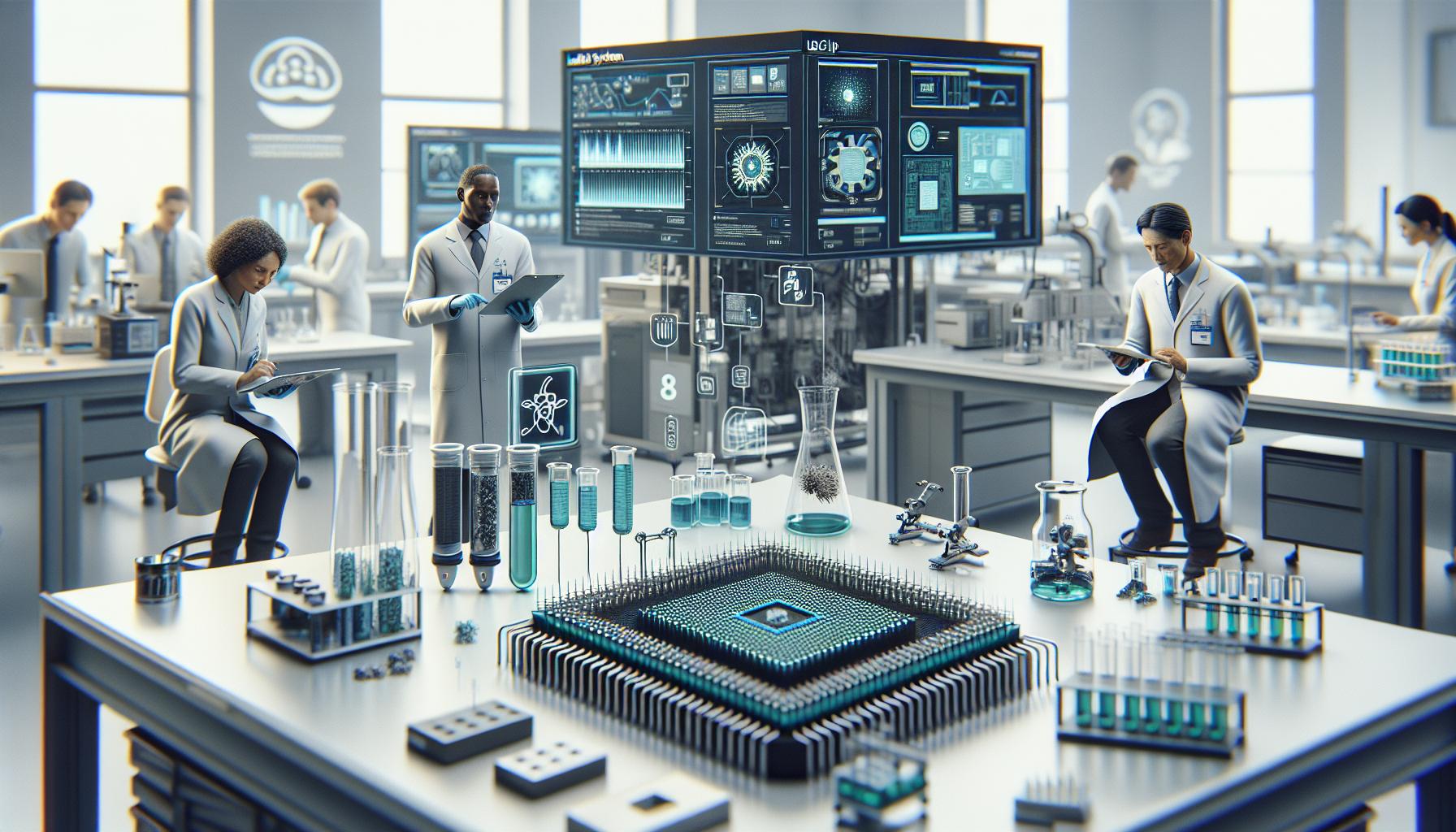
The Role of Automation in Microfluidics
Automation plays a transformative role in the field of microfluidics, particularly within LabChip systems. By employing automated processes, researchers can carry out complex fluid manipulations that would otherwise be time-consuming and prone to human error. The integration of pumps, valves, and real-time sensors not only streamlines the workflows but also enhances the precision and reliability of experimental results. Imagine performing an entire series of experiments in a fraction of the time it would take using traditional methods, all while maintaining consistent conditions across samples.
In practical terms, automation allows for the programming of intricate sequences of operations. For instance, researchers can set up a LabChip system to sequentially mix reagents, perform dilutions, and carry out various analytical measurements without the need for constant human oversight. This capability is invaluable in high-throughput screening applications, where the ability to process numerous samples simultaneously can significantly accelerate research timelines. The precise control over fluid flow and interactions also minimizes the potential for variability, crucial in studies requiring reproducibility.
The impact of automation extends beyond just efficiency; it also facilitates more sophisticated experimental designs. With automated LabChip systems, researchers can easily modify protocols, adjust parameters on-the-fly, and gather data in real time. This adaptability empowers scientists to explore new hypotheses and refine their methods quickly. Furthermore, integration with advanced software for data management enables seamless analysis and visualization, turning raw data into actionable insights without tedious manual input.
Ultimately, the embrace of automation in microfluidics not only reshapes laboratory practices but also paves the way for innovations in fields such as personalized medicine and diagnostics. As the technology continues to evolve, we can expect even greater enhancements in laboratory throughput and analytical capabilities, continuing to push the boundaries of what’s possible in scientific research.
Step-by-Step: How to Set Up a LabChip Experiment
The beauty of LabChip microfluidics lies in their ability to simplify and accelerate experimental processes, enabling researchers to gather invaluable data with utmost precision. Setting up a LabChip experiment may seem complex, but with a systematic approach, anyone can master it. Here’s a step-by-step guide to help you confidently navigate the setup process.
Start by ensuring you have the right equipment and materials ready. Typically, this includes your LabChip device, reagents, samples, and a computer with appropriate software for controlling the device and analyzing results. Additionally, verify that the LabChip has been calibrated properly and is clean to avoid contamination that could affect your data.
Next, you will often need to prepare your samples and reagents. This preparation might involve diluting your samples to the concentrations required for analysis, mixing reagents in specific ratios, or even loading them into designated wells of a microtiter plate-depending on the design of your LabChip system. Be meticulous during this stage, as the accuracy of your sample preparation can significantly influence the outcome of your experiment.
Once your samples and reagents are prepared, it’s time to load them into the LabChip system. Most systems will have specific instructions for how to introduce these fluids, often using pipetting techniques that minimize air bubbles and ensure consistent volume. After loading, you will typically run a pre-programmed method on the LabChip device. This automation allows for complex manipulations, such as mixing, channeling, and detection, to occur seamlessly without manual intervention.
Finally, monitor the experiment through the connected computer system, where you can observe real-time data acquisition. Once the experiment concludes, leverage the data analysis software to interpret your results. This step is crucial-adjusting your methodologies based on findings can lead to more refined experimental designs in future studies.
By following these steps, you’ll ensure a successful and efficient LabChip experiment. Embrace this technology, as it not only enhances the pace of scientific discovery but also opens new avenues for innovation across various research fields.
Tips for Optimizing LabChip Performance
Maximizing the performance of LabChip microfluidic systems can significantly enhance your experimental outcomes and data quality. These cutting-edge devices offer remarkable precision and speed, but realizing their full potential requires careful attention to multiple factors. By focusing on sample preparation, device maintenance, and operational parameters, you can fine-tune your LabChip experiments for optimal results.
One of the most critical steps is the careful preparation of your samples. Ensure that samples are of consistent concentration and well-mixed to avoid discrepancies during analysis. Use high-quality, specifically formulated reagents, as impurities can lead to variability in results. It’s advisable to perform a dilution series of your samples to identify the optimal concentration range for detection. Additionally, implementing strict protocols for sample loading can prevent air bubble formation, which can disrupt flow and lead to erroneous data. Consider using calibrated pipettes and following precise pipetting techniques to enhance accuracy during this critical phase.
Regular maintenance of your LabChip devices cannot be overstated. This includes routine cleaning of the microfluidic channels and regular calibration of the device before experiments. Keep an eye on wear and tear of disposable components, such as chips and fluidic connections, which can degrade performance if not replaced timely. Furthermore, familiarize yourself with the specific needs of your LabChip system, as different models may require unique maintenance protocols.
Finally, don’t overlook the importance of monitoring and adjusting the operational parameters during experiments. Settings such as voltage, flow rate, and temperature can significantly influence performance and results. Adapt these parameters according to the specific assay you are conducting, and validate them through pilot experiments. Logging this data will help refine your processes and improve reproducibility. By paying close attention to sample quality, device upkeep, and operational settings, you will significantly enhance the performance of your LabChip experiments, leading to more reliable and insightful outcomes.
Common Challenges and Solutions in Microfluidics
Microfluidics has opened exciting avenues in laboratory research, yet it also presents its own set of challenges. One common issue is the occurrence of bubbles within the microfluidic channels. Bubbles can disrupt fluid flow, leading to inaccurate results. To combat this, maintaining consistent sample viscosity is crucial. Using degassed solutions and ensuring proper loading techniques can significantly minimize air bubble formation. For instance, preloading solutions to eliminate air pockets before introducing samples can be a practical step.
Another prevalent challenge is the inconsistency in fluid flow rates, which can be affected by factors such as changes in temperature or variations in sample viscosity. These fluctuations can result in erratic performance during assays. Implementing a feedback control system can help in monitoring and adjusting flow rates in real-time. Regular calibration of pumps and careful monitoring of temperature control units will ensure that these variables remain stable.
Furthermore, the management of sample contamination is critical. Contaminants can skew results and compromise the integrity of assays. Using high-purity reagents and routinely cleaning all components of the microfluidic device can reduce contamination risks. Establishing strict sterile protocols during the setup and execution of experiments is essential in maintaining sample integrity throughout the microfluidic process.
Lastly, the complexity of data analysis arising from microfluidic experiments can be daunting. Often, the data generated is multidimensional, requiring sophisticated analytical tools. Utilizing data processing software that can handle complex datasets is vital for robust analysis. Training staff in bioinformatics tools specific to microfluidic applications can bridge the gap between generating data and impactful interpretation.
By recognizing these challenges early in the process and implementing effective solutions, researchers can maximize the potential of microfluidic technologies, ensuring reliability and accuracy in their experimental outcomes.
Applications of LabChip Microfluidics in Research
The advent of LabChip microfluidics has transformed research endeavors across multiple scientific fields, offering precision, speed, and efficiency that were previously unattainable. These compact systems allow for the manipulation of fluid volumes in the nanoliter range, making them ideal for applications ranging from genomics to protein analysis. By integrating microfluidic technology into research workflows, scientists can conduct complex experiments that would be cumbersome or impractical using traditional methods.
One of the most significant applications is in genomics, where LabChip systems facilitate high-throughput DNA analysis. These platforms enable researchers to perform multiple assays simultaneously, drastically reducing the time required for genotyping and sequencing. For instance, the ability to perform PCR amplification and subsequent sequencing on a single chip allows for streamlined workflows and quicker results. Such automation not only enhances efficiency but also improves reproducibility by minimizing human error.
In the realm of proteomics, LabChip microfluidics excels in protein separation and analysis. Techniques such as capillary electrophoresis (CE) can be implemented on LabChip platforms, enabling high-resolution separation of proteins based on size and charge. This capability is invaluable in biomarker discovery, where identifying and quantifying proteins in complex biological samples is crucial. Researchers benefit from consistent and reliable data, facilitating the advancement of therapeutic developments and diagnostics.
The role of LabChip microfluidics extends into cell biology, where it is used for single-cell analysis. By isolating individual cells, researchers can study cellular responses to stimuli with great specificity. This application is particularly advantageous in cancer research, where understanding the heterogeneity of tumor cells can lead to more effective treatment strategies. Moreover, the technology supports real-time monitoring of cellular behavior, enabling insights into dynamics previously obscured in bulk analyses.
Finally, the integration of microfluidics in environmental monitoring cannot be overstated. These systems are being employed to detect and analyze pollutants at unprecedented levels of sensitivity. By leveraging the small volumes of reagents and samples, LabChip technology allows for rapid screening of environmental samples, aiding in the assessment of contamination in water sources, thus playing a critical role in public health initiatives.
In summary, LabChip microfluidics serves as a powerful tool across diverse research fields, enhancing the capability to manipulate tiny fluid volumes with precision. The implications for improved efficiency, reproducibility, and depth of analysis are profound, making it an indispensable technology in the modern laboratory.
Comparative Analysis: LabChip vs. Traditional Methods
In the rapidly evolving landscape of laboratory techniques, LabChip microfluidics is not just a trend but a foundational shift in how experiments are conducted. Traditional methods often involve cumbersome protocols that are time-consuming and prone to human error. In contrast, LabChip systems empower researchers with precision and efficiency, enabling high-throughput experiments that significantly enhance productivity.
One major advantage of LabChip technology over traditional methods is the reduction in sample volume requirements. Traditional assays might require microliters of reagents and samples, which can be costly and wasteful, especially when working with rare samples. LabChip systems operate in the nanoliter range, allowing for minimal use of reagents, which is particularly beneficial in fields like genomics where sample scarcity is a common limitation. This efficiency not only saves resources but also makes experiments more manageable from a logistical standpoint.
Furthermore, the integration of automation in LabChip systems stands in stark contrast to manual traditional methods. While the latter may involve multiple steps that are subject to variability due to human handling, LabChip platforms streamline workflows by automating processes like PCR amplification or protein separation. For instance, performing multiple assays on a single chip not only expedites results but also improves data consistency. This level of automation is invaluable in high-stakes research environments where time and accuracy are critical.
Despite the clear advantages, it’s important to acknowledge that transitioning to LabChip technology may require initial investments in terms of equipment and training. However, the long-term benefits, such as increased throughput, reproducibility, and the ability to conduct complex analyses seamlessly, often outweigh these considerations. As researchers continue to discover the versatility and power of LabChip microfluidics, it’s clear that this approach is not just a replacement for traditional methods but a revolutionary enhancement that elevates laboratory work to new heights.
In summary, while traditional laboratory methods have paved the way for scientific discovery, LabChip microfluidics is redefining the possibilities, enabling unprecedented levels of precision and efficiency that cater to the demanding needs of contemporary research. Embracing this technology promises a future of laboratory work that is faster, more reliable, and significantly more insightful.
Future Trends in Microfluidic Technology
As LabChip microfluidics continues to evolve, it’s shaping the future of laboratory research and diagnostics in significant ways. One could argue that the most exciting trend is the integration of artificial intelligence (AI) into microfluidic systems. AI algorithms can analyze vast amounts of data generated from LabChip experiments, allowing researchers to uncover patterns and insights that might be missed through traditional methods. This combination not only accelerates data analysis but also enhances decision-making processes within labs, making it possible to design experiments tailored to specific research questions more effectively and precisely.
Additionally, the movement toward personalized medicine is heavily benefiting from advancements in microfluidic technology. LabChip systems are being designed to enable researchers to conduct complex analysis on individual samples with fluid dynamics manipulation that was previously unimaginable. This shift allows for tailored treatments based on an individual’s genetic makeup or disease state, significantly improving patient outcomes. The ability to conduct point-of-care testing in a variety of settings-from remote clinics to home environments-further amplifies the potential of microfluidics to democratize access to advanced diagnostic tools.
The trend towards miniaturization and portability cannot be overlooked. Newer LabChip technologies are not only compacting but also enhancing the functionality of microfluidic devices. Innovations like smartphone-based diagnostics are emerging, enabling healthcare practitioners to conduct tests in-field without needing traditional laboratory settings. This mobile accessibility is particularly critical in resource-limited environments, where access to conventional testing facilities can hinder timely diagnosis and treatment.
As we look towards the future, sustainability will play an essential role in the development of microfluidic technologies. Researchers are increasingly aware of the environmental impact of consumables used in laboratory settings. There is an emerging trend focused on the creation of biodegradable materials and sustainable practices within LabChip protocols, ultimately aiming to reduce waste while maintaining the performance standards necessary for rigorous scientific work. By marrying innovation with responsibility, microfluidics will not only push the boundaries of science but do so in a way that is mindful of our planet.
In conclusion, the future of microfluidic technology promises not just enhancements in performance and efficiency but also a fundamental shift in how we approach health and research. As these exciting trends unfold, they have the potential to transform laboratory workflows and create unprecedented opportunities for innovation in science and healthcare.
Best Practices for Data Analysis in Microfluidics
In the world of microfluidics, effective data analysis is crucial for unlocking insights from experiments and ensuring accurate results. As researchers dive into LabChip technology, understanding best practices for data analysis becomes paramount to harness the full potential of microfluidic systems. The peculiar nature of microfluidics, where precise manipulation of minuscule fluid volumes occurs, demands a meticulous approach to data management and interpretation.
To start, it’s essential to ensure that your data collection methods are robust and consistent. This includes standardizing your experimental conditions and protocols. Maintaining uniform conditions-such as temperature, pressure, and reagent concentrations-can help eliminate variability in your results. Moreover, implementing real-time monitoring of your experiments can aid in promptly identifying outliers or anomalies in your data. Utilizing sensors and software that provide immediate feedback can be especially beneficial in microfluidic assays, where fluctuations can significantly affect outcomes.
Another critical aspect is the use of appropriate analytical tools tailored for microfluidics. Employing software that specializes in analyzing small sample sizes and complex fluid dynamics can streamline the data analysis process. Tools equipped with machine learning capabilities are particularly valuable, as they can automatically detect patterns in data that traditional methods might overlook. Additionally, visualizing data through graphs and charts enhances comprehension, allowing you to present findings in a straightforward manner. Interactive visualization platforms can further enable collaborative analysis, making it easier to share insights among team members.
Lastly, documentation plays a crucial role in effective data analysis. Keeping detailed records of all experimental setups, conditions, and raw data not only facilitates transparency but also supports reproducibility. This practice not only bolsters the credibility of your research but also assists in troubleshooting and refining experimental designs in future studies. By systematically implementing these best practices, researchers can significantly enhance the quality and reliability of data derived from LabChip microfluidics, paving the way for groundbreaking discoveries in various scientific fields.
Integrating LabChip Technology into Your Workflow
Integrating LabChip technology into laboratory workflows can significantly enhance the efficiency and accuracy of various analytical processes. This innovative microfluidics approach allows researchers to manipulate small volumes of fluids-often in the microliter range-enabling high-throughput analysis and reducing reagent consumption. For laboratories aiming to adopt LabChip systems, understanding how to seamlessly incorporate this technology can transform routine tasks into more streamlined procedures.
To begin, it’s essential to evaluate the specific applications of LabChip microfluidics in your workflow. This technology excels in areas like DNA sequencing, protein analysis, and drug screening. Consider conducting a needs assessment to identify where microfluidics could replace or improve existing processes. For example, if your lab typically uses gel electrophoresis for DNA analysis, switching to LabChip technology could lead to quicker results with less manual intervention. Preparing your team with training sessions on how to use LabChip systems effectively will also be vital for smooth integration.
Equipment setup is another critical factor. LabChip devices generally require specialized software and hardware components designed to work together. Ensure that the necessary protocols are established for device calibration and quality control. Setting up a dedicated space for your LabChip systems can also promote efficiency; this area should minimize interference from other equipment and allow easy access to necessary supplies and reagents. Regular maintenance schedules can help maintain optimal performance and prolong the lifespan of your microfluidic devices.
Scheduling routine experiments and establishing protocols that utilize LabChip technology will further enhance integration. Creating a clear methodology for sample preparation, loading, and analysis will help standardize procedures and reduce variability in results. For instance, automating these steps where possible-using robots for repetitive tasks like sample loading-can significantly reduce human error and free up researchers to focus on interpretation of results.
Overall, the integration of LabChip microfluidic technology into your laboratory workflow not only promises increased efficiency but also higher fidelity in experimental outcomes. By following these steps and embracing this advanced technology, your lab can stay at the forefront of microfluidics application, paving the way for innovative discoveries and more meaningful research results.
Q&A
markdown
Q: What principles govern LabChip microfluidics technology?
A: LabChip microfluidics technology operates on the principles of fluid dynamics, where small volumes of fluids (nanoliters to microliters) are manipulated in microchannels. This enables precise control over chemical reactions and sample processing, enhancing speed and accuracy in laboratory workflows.

Q: How do LabChip systems compare to traditional laboratory methods?
A: LabChip systems streamline laboratory processes by reducing sample volumes and increasing throughput compared to traditional methods. They allow for faster analysis and lower reagent costs, all while minimizing human error, making them superior for high-throughput applications in research.

Q: What are the best practices for troubleshooting LabChip experiments?
A: Common troubleshooting tips for LabChip experiments include regularly calibrating the system, ensuring proper fluid handling techniques, and maintaining clean channels to avoid cross-contamination. Regular checks of the hardware and software setups can help prevent unexpected errors.

Q: How can researchers optimize their LabChip experimental setups?
A: Researchers can optimize LabChip setups by carefully selecting reagents and optimizing flow rates. Utilizing the recommended protocols specific to their application can also enhance performance. Additionally, regularly reviewing system calibration and maintenance logs helps ensure reliability.

Q: What future advancements are expected in microfluidic technology?
A: Future advancements in microfluidic technology are expected to include more integrated systems capable of performing complex assays on a single chip. Innovations may also encompass enhancements in automation, artificial intelligence, and expanded applications in personalized medicine and diagnostics.

Q: What types of applications benefit most from LabChip microfluidics?
A: Applications that particularly benefit from LabChip microfluidics include genomic analysis, drug discovery, and diagnostics. They are especially valuable in high-throughput screening environments where speed and accuracy are paramount.

Q: How does automation enhance LabChip microfluidics workflows?
A: Automation in LabChip microfluidics significantly enhances workflows by reducing manual handling errors, increasing reproducibility, and allowing for high-throughput processing. Automated systems enable continuous monitoring and control, thereby optimizing experimental conditions and results.

Q: Where can I find more resources on LabChip microfluidics?
A: For further resources on LabChip microfluidics, visit academic journals, websites dedicated to laboratory innovations, and the specific manufacturer's resources. Our article includes detailed sections that explain key components and practical tips, which can be beneficial for your research.
Key Takeaways
Thank you for exploring how LabChip microfluidics works and the invaluable insights shared in this overview. Understanding its precision and efficiency can greatly enhance your research and development projects. If you’re eager to dive deeper, check out our articles on microfluidic applications in diagnostics and the latest innovations in lab automation for additional strategy tips.
Don’t miss out on harnessing this technology-subscribe to our newsletter for updates and exclusive content that keeps you informed on the latest developments in microfluidics. Have questions or experiences to share? Join the conversation in the comments below, and let us know how LabChip systems have impacted your work. Your feedback is invaluable!
Take the next step by exploring our resources on optimizing lab workflows or scheduling a consultation to discuss your specific needs. With LabChip technology, you can streamline your processes and advance your projects faster than ever-let’s get started today!
Get our latest guides, news, and insights highlighted in your Google Search & AI Overviews.