
Microfluidic patterning is revolutionizing the way we manipulate and control fluids at the microscopic level, enabling innovations across fields such as biomedical engineering, pharmaceuticals, and materials science. By mastering spatial control techniques, researchers can create intricate structures that function in applications ranging from lab-on-a-chip devices to targeted drug delivery systems. This technology addresses critical challenges in precision and efficiency, allowing for rapid experimentation with minimal sample sizes. As you explore this fascinating topic, you’ll uncover how these methods not only enhance scientific discovery but also drive advancements in healthcare and environmental monitoring. Join us as we delve deeper into the mechanisms and applications of microfluidic patterning, and discover how this cutting-edge technology might just hold the key to the future of precision engineering.
What is Microfluidic Patterning? An Overview of the Basics
Microfluidic patterning represents a revolutionary approach in the field of fluid manipulation, allowing researchers and engineers to create intricate patterns and structures on a microscale. This technique harnesses the power of fluid dynamics to control tiny volumes of fluids, enabling precise interactions in applications ranging from medical diagnostics to biochemical assays. At its core, microfluidic patterning involves the design and fabrication of microstructures that can guide the flow of liquids, creating specific environments for reactions to occur. This level of control opens the door for innovations that were once deemed impossible on larger scales.
The basics of microfluidic patterning hinge on the principles of fluid mechanics, chemistry, and material science. Typically, this process is realized through techniques such as soft lithography, 3D printing, or hot embossing, each suited for different applications and materials. For example, soft lithography utilizes elastomeric materials to create flexible molds that define the microfluidic channels. These channels can be engineered to facilitate reactions by mixing fluids at precise locations or by trapping cells in defined microenvironments. The versatility of materials used in microfluidic devices, such as PDMS (polydimethylsiloxane), allows for rapid prototyping and adaptation to various experimental needs.
Moreover, the spatial control afforded by microfluidic patterns is not merely about channel design; it also encompasses the modulation of flow rates and the introduction of varied chemical gradients. This capability enables the investigation of cellular behaviors in controlled environments, making it invaluable in biomedical research. For instance, scientists can use microfluidic platforms to study cell migration, cellular responses to drugs, and tissue engineering by creating conditions that closely mimic the in vivo environment. As technology continues to evolve, the integration of microfluidics with other fields such as electronics and photonics promises to yield even more intricate functionalities, paving the way for smarter diagnostic tools and therapies.
Key Techniques for Spatial Control in Microfluidics
Microfluidic patterning techniques not only enable the creation of complex fluidic structures but also allow for precise spatial control within microchannels, which is crucial for a wide range of applications. Achieving this spatial control involves several key techniques, each of which can be tailored to specific experimental needs. One major approach is soft lithography, a versatile technique that uses elastomeric materials like polydimethylsiloxane (PDMS) to create flexible molds. These molds can shape microfluidic channels with intricate designs, allowing precise control over the flow of fluids by defining the path they will take when introduced into the device.
Another prominent technique is 3D printing, which has transformed the capabilities of microfluidic device fabrication. Unlike traditional methods, 3D printing allows for the creation of complex geometries that are difficult to achieve with planar techniques. This method can layer materials to create structures with built-in features such as mixers or valves, enhancing both the functionality and versatility of microfluidic devices. Additionally, hot embossing is often employed for replicating microstructures in thermoplastics, combining efficiency with high precision in patterning. Each of these techniques provides benefits in terms of scalability, resolution, and material selection, empowering researchers to tailor devices to meet specific performance criteria.
To modulate flow rates and chemical concentrations effectively, techniques such as gradient generation are essential. This can be accomplished through microvalves or pumps that manipulate fluid dynamics directly within the channels. By adjusting the fluid inputs, researchers can create concentration gradients vital for examining cellular responses or studying chemical reactions. Coupled with digital microfluidics, which utilizes arrays of electrowetting devices to manipulate droplets on surfaces, this spatial control allows for highly dynamic experiment setups, enabling on-the-fly adjustments in experimental parameters.
In summary, mastering these techniques not only enhances the design capabilities of microfluidic devices but also unlocks new avenues for research and application. From biosensing to drug development, the spatial control afforded by these methods is instrumental in advancing our understanding of fluid behaviors at the microscale, driving innovation in both academic and commercial sectors.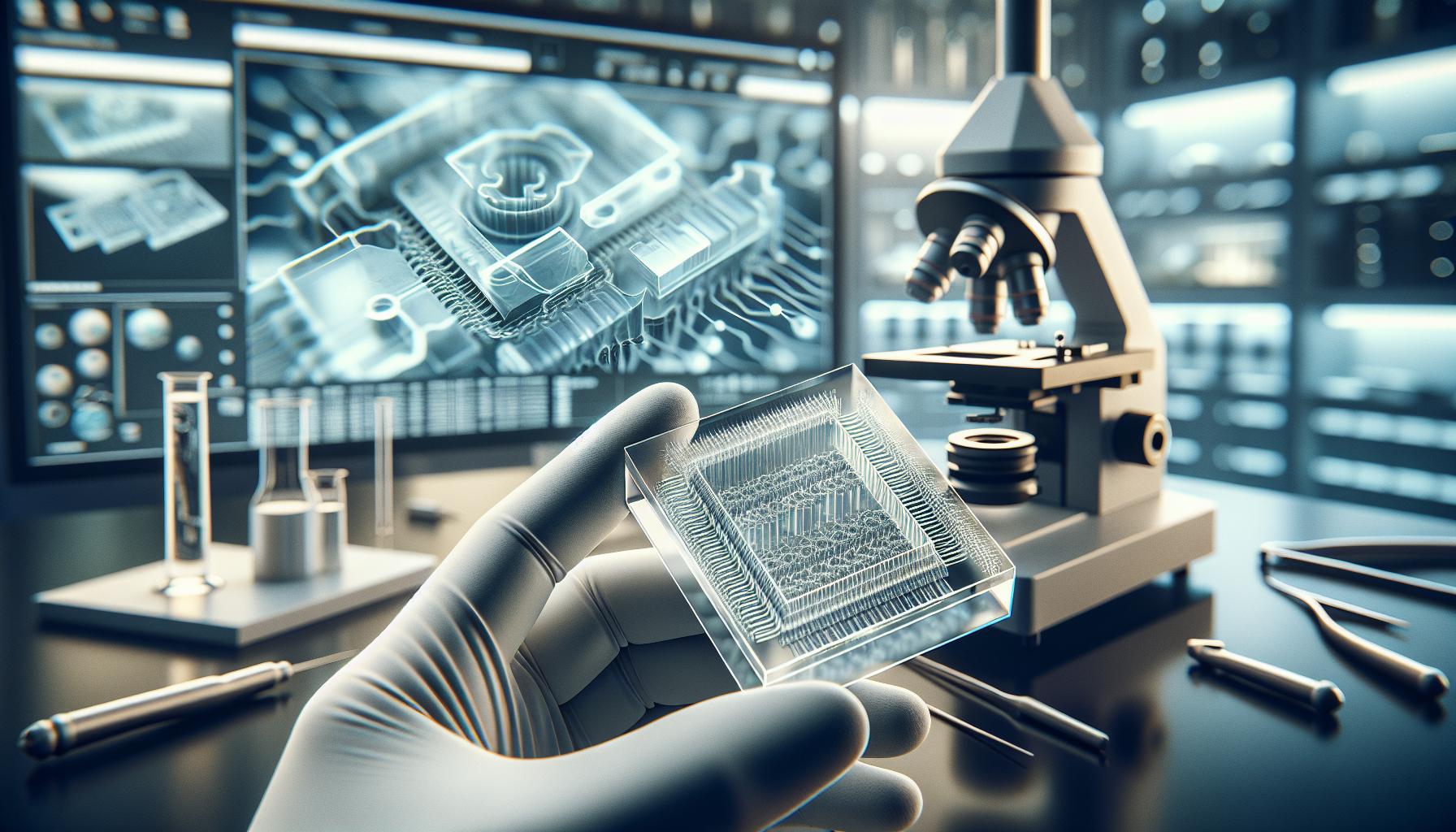
The Science Behind Microfluidic Patterning Methods
Microfluidic patterning methods represent the cutting edge of engineering at the microscale, ushering in unprecedented control over fluid behavior. By manipulating fluids within tiny channels, researchers can replicate complex biological processes, study chemical reactions in real-time, and develop innovative diagnostic tools, all within devices no larger than a coin. The science powering these techniques involves intricate principles of fluid dynamics, material science, and surface chemistry, making it a multidisciplinary field that is both innovative and crucial in various scientific applications.
At the heart of microfluidic patterning is the design of channel networks that dictate how fluids interact. Fluid dynamics-encompassing laminar flow, surface tension, and capillarity-guides the behavior of fluids in these confined spaces. For instance, in microchannels, flow is primarily laminar, meaning fluids move in parallel layers with minimal mixing. This property can be harnessed to create precise concentration gradients critical in experiments such as drug testing or cellular reactions, allowing for controlled variations in chemical exposure. Techniques such as wetting control further enhance this precision by altering how fluids spread on surfaces, thereby modifying flow paths with high accuracy.
Materials used in microfluidic devices also play a significant role in their functionality. Polydimethylsiloxane (PDMS), commonly used in soft lithography, is praised for its biocompatibility, flexibility, and ease of fabrication. These properties allow for the rapid prototyping of devices with complex geometries, enabling researchers to iterate quickly during experimental design. However, more advanced techniques, such as 3D printing, push the boundaries further by allowing for integrated features within the device itself. Complex structures like valves and mixers can now be printed directly into the device, simplifying the assembly process and enhancing functionality.
Moreover, ongoing innovations in the field are driven by the push for greater integration and versatility. Digital microfluidics, for example, facilitates the manipulation of discrete droplets on surfaces using electrowetting, making it possible to perform multiple analyses in parallel without the need for extensive plumbing or complex electronics. This advancement exemplifies how each microfluidic patterning method not only builds upon the last but also opens new pathways for research and application, ultimately facilitating a deeper understanding of systems at the micro-level while addressing real-world challenges in health, environment, and technology.
In summary, the underpinnings of microfluidic patterning methods are deeply rooted in fluid dynamics and material science, each playing a crucial role in device performance. As these methods evolve, they continue to expand the possibilities for scientific exploration and practical applications, from drug development to environmental sensing, marking a vibrant frontier in micro-engineering.
Applications of Microfluidic Patterning in Industry
Microfluidic patterning technology is revolutionizing various industries by enabling unprecedented precision in fluid handling at the microscale. One of the most compelling applications is in the field of biomedical diagnostics. Microfluidic devices, often referred to as “lab-on-a-chip,” facilitate rapid, high-throughput analysis of biological samples. For instance, they can process small volumes of blood for glucose monitoring or perform complex assays for disease detection, significantly reducing both time and resource consumption compared to traditional laboratory methods.
Pharmaceutical Development
In pharmaceutical research, microfluidic patterning allows for more efficient drug screening and development. By generating precise concentration gradients within microchannels, researchers can systematically study the effects of different drug dosages on cellular responses. This capability not only accelerates the identification of lead compounds but also minimizes the use of expensive reagents and biological samples. Moreover, techniques like 3D printing enable the incorporation of complex geometric features to mimic physiological environments, improving the predictive power of drug efficacy studies.
Environmental Monitoring
Microfluidics is also making strides in environmental applications, including the monitoring of pollutants in water and air. Devices designed with microfluidic patterns can rapidly analyze contaminants at very low concentrations, ensuring timely responses to environmental hazards. For example, microfluidic sensors equipped with specific biochemical assays can detect harmful substances like heavy metals or pathogens, providing crucial data for public health strategies and regulatory compliance.
Food Industry Applications
The food industry benefits notably from microfluidic technologies as well. These systems can be utilized for quality control by quickly testing food products for contaminants such as pathogens or allergens. Microfluidic devices allow for rapid screening directly on the production line, providing immediate feedback and reducing the risk of contaminated products reaching consumers. This capability enhances food safety while also streamlining production processes.
Overall, by harnessing microfluidic patterning, industries are not only achieving operational efficiencies but are also unlocking innovative solutions that were previously unimaginable. As this technology continues to evolve, we can expect even broader applications, pushing the boundaries of traditional methods in diagnostics, pharmaceuticals, environmental monitoring, and beyond.
Comparative Analysis of Microfluidic Patterning Techniques
Microfluidic patterning is a cutting-edge technology that has transformed how fluids are manipulated at the microscale, leading to innovations across various sectors. A comparative analysis of the primary techniques involved reveals critical differences in their applications, capabilities, and suitability for particular tasks. Understanding these distinctions can help researchers and professionals select the most effective methods for their needs.
One of the most commonly used techniques is soft lithography, which relies on creating molds for microstructures through elastomeric materials. This method excels in producing complex geometries and high-resolution features, making it ideal for applications like cell culture and diagnostics. However, it requires multiple fabrication steps, which can be time-consuming. In contrast, 3D printing has emerged as a game-changer, offering rapid prototyping with customizable designs at relatively low costs. While it allows for intricate shapes and greater flexibility in design, the resolution and surface finish may not always match that of soft lithography.
Another noteworthy method is photolithography, commonly used in semiconductor manufacturing, that provides unparalleled precision in designing microfluidic channels. However, it typically involves higher costs and longer production times, often making it less accessible for smaller labs or startups. On the other hand, template-based techniques, such as those utilizing porous membranes, allow for relatively straightforward manufacturing processes that can be scaled up easily, though they may offer less spatial resolution than other methods.
As we delve deeper into comparative analyses, it’s also crucial to consider the fluid control mechanisms associated with these techniques. For instance, pressure-driven flow systems, often implemented in conjunction with soft lithography, facilitate higher throughput in experiments, whereas electrokinetic methods can enhance fluid mixing and patterning control especially in biochemical applications. Each technique carries distinct advantages and trade-offs related to factors like cost, scalability, ease of use, and susceptibility to fouling from biological materials.
In conclusion, the choice of microfluidic patterning technique should align with the specific requirements of the application at hand. Whether it’s the intricate designs yielded by soft lithography, the rapid adaptability of 3D printing, or the high precision of photolithography, understanding these nuances will empower scientists and engineers to harness the full potential of microfluidic technology for innovative solutions across diverse fields.
Innovations and Future Trends in Microfluidic Design
The landscape of microfluidic design is rapidly evolving, driven by technological advancements and the increasing demand for efficient, precise fluid manipulation at the microscale. One of the most exciting trends is the integration of artificial intelligence (AI) and machine learning (ML) into microfluidic systems. These technologies enable real-time optimization and adaptive control of fluid dynamics, allowing researchers to automate complex experiments and rapidly iterate on designs. For example, AI algorithms can analyze experimental data to suggest modifications in channel geometry or fluid composition, vastly improving throughput and accuracy in applications ranging from drug discovery to diagnostics.
Another significant innovation is the use of biocompatible materials in microfluidics. The development of advanced polymer composites and hydrogels has not only improved the reliability of microfluidic devices but also expanded their applicability in the biomedical field. These materials facilitate the growth of living cells within the microfluidic environment, paving the way for organ-on-chip technologies that imitate human physiology. This advancement enables more accurate pharmaceutical testing and disease modeling, while also minimizing the reliance on animal trials.
Integration of Smart Technologies
The incorporation of smart technologies such as IoT (Internet of Things) devices is also transforming microfluidic systems. By embedding sensors within microfluidic chips, researchers can monitor chemical reactions or biological interactions in real-time. This data can be transmitted to cloud-based platforms for further analysis, enhancing predictive modeling and remote troubleshooting capabilities. Such systems are particularly beneficial in resource-limited settings where portable testing solutions are needed, like those used in field diagnostics or environmental monitoring.
Advancements in 3D Printing Techniques
Furthermore, advancements in 3D printing technologies are revolutionizing the manufacturing of microfluidic devices. New methods enable the rapid production of complex, multi-material structures that were previously impossible to fabricate using traditional techniques. The ability to customize geometries specific to various applications-whether it’s enhancing the mixing of reagents or improving the separation of analytes-opens vast possibilities for researchers. As these printing techniques become more accessible, they allow for the democratization of microfluidic innovation, enabling smaller labs and startups to contribute novel applications to the field.
Ultimately, as microfluidic design continues to integrate cutting-edge technologies and versatile materials, it promises to unravel new potential for innovative solutions in healthcare, environmental science, and beyond. Researchers must stay abreast of these trends to leverage the full capabilities of microfluidics in addressing some of today’s most pressing challenges.
Challenges and Solutions in Microfluidic Patterning
Microfluidic patterning is a powerful technology, but it’s not without its challenges. As devices become smaller and more complex, issues such as reproducibility, scale-up, and design constraints can significantly hinder progress. One of the primary challenges is the precision required in the fabrication processes. Limited resolution in conventional techniques can lead to variations in channel dimensions, ultimately affecting fluid flow dynamics and the reliability of the results. For instance, a minor discrepancy in channel width can drastically alter the behavior of fluids moving through microchannels, leading to unpredictable results in experiments.
Moreover, the compatibility of different materials used in microfluidic devices poses another significant hurdle. Choosing the right material is critical, as some polymers may react chemically with biological samples or solvents used in assays, resulting in altered outcomes. A common solution involves extensive material characterization and the use of biocompatible materials, which allows for greater flexibility in applications, particularly in biomedical fields. For example, the development of photopolymers that can be readily altered during the curing process allows researchers to achieve better mechanical properties and chemical resistance.
Solutions to Overcome Challenges
Addressing these challenges often requires a multi-faceted approach. One effective strategy for enhancing reproducibility is the integration of advanced fabrication techniques, such as soft lithography and 3D printing. These methods not only provide high resolution but also allow for complex geometries that were previously unattainable. By employing 3D printing, researchers can fabricate prototypes rapidly and test different designs, which accelerates the development cycle and reduces costs.
Additionally, applying machine learning algorithms to analyze data from microfluidic experiments can aid in predicting outcomes based on varying conditions. This not only helps in optimizing the design but also supports the scaling-up of successful microfluidic systems for practical applications. Researchers are increasingly adopting these technologies to streamline workflow and enhance the reliability of results across different experimental setups.
In summary, while challenges in microfluidic patterning are significant, they can often be mitigated with innovative fabrication methods and computational tools. By embracing these solutions, researchers can push the boundaries of what microfluidics can achieve, paving the way for groundbreaking applications in diagnostics, therapeutics, and beyond.
Case Studies: Successful Microfluidic Patterning Implementations
Implementations of microfluidic patterning have revolutionized various fields by enabling precise control over fluid movement at the microscale. For instance, one notable case study involves the development of a microfluidic device for early diagnosis of diseases such as cancer. Researchers designed a chip that can perform multiple biochemical assays simultaneously. By utilizing soft lithography, they created microchannels that allow for the parallel analysis of fluid samples, significantly speeding up the diagnostic process. This multifunctionality not only enhances throughput but also ensures reliable results, making it a game-changer in clinical diagnostics.
In another compelling example, a team of scientists employed microfluidic patterning to optimize drug delivery systems. They crafted a device that mimics biological conditions by integrating different cell types within microchambers. This setup facilitated real-time observation of drug interactions at cellular levels. The spatial control provided by the patterned microchannels enabled researchers to fine-tune drug concentrations and timing, resulting in more effective treatment protocols and reduced side effects. Such tailored approaches illustrate how microfluidic technology can lead to personalized medicine.
Key Insights from Successful Implementations
The successes of these case studies underline several important insights for researchers and developers in the field:
- Integration of Technologies: Combining microfluidic devices with imaging techniques enhances the ability to monitor and analyze biochemical reactions in real-time.
- Scalability: Many applications show the promise of high-throughput systems that can easily scale up for industrial applications while maintaining precision.
- Collaboration Across Disciplines: Successful microfluidic implementations often result from interdisciplinary collaboration, involving chemists, engineers, and biologists, which fosters innovation and efficiency.
These examples and insights not only demonstrate the practical applicability of microfluidics but also highlight the ongoing need for innovative solutions to address unique challenges in different sectors. As researchers continue to explore the potential applications of microfluidic patterning, the lessons learned from these successful implementations will be invaluable in guiding future developments.
Choosing the Right Microfluidic Patterning Method
Choosing the right method for microfluidic patterning can significantly impact the success of your project, regardless of whether you’re designing a device for biomedical applications or chemical analysis. At the micro-scale, the nuances of fluid dynamics, surface chemistry, and material choice become crucial. Different methodologies offer unique advantages depending on the specific requirements of your application, such as spatial resolution, production scale, and budget.
One of the most widely used techniques is soft lithography, which relies on elastomeric stamps to create micro-patterns on various substrates. This method is favored for its low cost and ability to replicate complex geometries but may be limited by the resolution it can achieve. If high-resolution patterns are needed, UV photolithography might be a better choice. This method enables the creation of precise microstructures through photomasks, but it can be more expensive and time-consuming due to the need for cleanroom facilities.
Another technique gaining traction is 3D printing, which allows for rapid prototyping and the creation of highly customizable microfluidic devices. This method is particularly attractive for applications where the design may evolve during development. However, challenges such as material compatibility and post-processing requirements could complicate the path from prototype to production. When selecting a method, consider your project’s specific needs: what is the required resolution, the projected scale of production, and the available budget? Each method brings a unique set of trade-offs, making it essential to analyze these factors in the context of your project objectives.
Making the right choice also involves thinking about future scalability. For example, while soft lithography can produce high-quality devices in small batches, you might need to transition to automated techniques for larger scale production down the line. Discussing your project’s requirements with experts in microfabrication can guide you to the most efficient choice that balances performance with practical constraints. Ultimately, understanding the strengths and limitations of each method allows you to leverage microfluidic patterning techniques to their fullest potential, pushing the boundaries of innovation in your field.
Essential Tools and Equipment for Microfluidic Patterning
To effectively venture into microfluidic patterning, having the right tools and equipment is crucial for successfully executing projects across various applications, from diagnostics to materials science. A well-equipped laboratory not only enhances precision but also expands the scope of experiments that can be performed, thereby improving overall outcomes.
Fundamental Equipment
At the heart of microfluidic patterning are two primary types of equipment: patterning devices and flow management systems. The choice of equipment will largely depend on the specific technique selected for microfluidic patterning.
- Soft Lithography Tools: For techniques like soft lithography, you’ll need a spin coater to uniformly apply photoresist to your substrate. Additionally, a UV exposure unit is essential for transferring patterns from photomasks to the photoresist. Once patterns are created, a developing station is necessary to wash away unexposed photoresist and reveal the microstructures.
- 3D Printers: If opting for 3D printing, select printers equipped for high-resolution printing with compatible materials such as biocompatible resins. Post-processing equipment like curing units is also critical to ensure the structural integrity of the printed patterns.
Materials and Accessories
Microfluidic devices often require specific materials to enhance their functionality. Key components include:
- Elastomers: PDMS (Polydimethylsiloxane) is widely used due to its ease of use and flexibility. It is vital for creating replica molds and is compatible with a variety of biological and chemical applications.
- Connection Tubing and Fittings: These ensure reliable fluid transport through the microchannels. Choose materials that minimize adsorption and nonspecific binding, such as PEEK (Polyether ether ketone) or fluoropolymers.
- Sealing and Bonding Agents: Both for polymer devices and when working with glass substrates, using appropriate bonding agents to ensure tight seals is essential to prevent leaks.
Measurement and Characterization Tools
To optimize microfluidic systems, measurement and characterization tools are indispensable. These include:
- Microscopes: High-resolution optical microscopes or even more advanced technologies like fluorescence or confocal microscopy help visualize fluid flow and particle behavior inside the microchannels.
- Pressure and Flow Sensors: Monitoring flow rates and pressures within microfluidic devices is essential for maintaining consistent performance. Employ precise sensors to facilitate real-time adjustments during experiments.
Utilizing these essential tools and equipment not only streamlines the microfluidic patterning process but significantly enhances the reliability and reproducibility of results. Understanding and selecting the appropriate equipment tailored to your specific technique and application will set a strong foundation for impactful research and innovation in microfluidics.
Best Practices for Optimizing Microfluidic Patterns
To achieve the best results in microfluidic patterning, implementing optimized strategies is crucial. The success of your microfluidic devices often hinges on careful planning and execution of the patterning process. One of the most effective practices is to ensure precise control of fluid dynamics within the channels. This can be accomplished by fine-tuning the flow rates and pressures during experiments. Using high-quality pressure and flow sensors allows for real-time monitoring, enabling adjustments that can prevent irregularities in your patterns, leading to greater reproducibility and reliability in results.
Choosing the right materials is another cornerstone of successful microfluidic patterning. The substrate’s compatibility with the fluid and the intended application plays a significant role. For instance, opting for materials like PDMS not only offers flexibility but also allows for easy molding and replication of intricate designs. Ensure that any tubing and fittings used are made from non-adhesive materials like fluoropolymers to prevent unwanted interactions that could contaminate or alter the fluid behavior within your channels. Prioritizing material quality reduces the likelihood of issues such as fluid leakage or channel blockage.
Thoughtful Design and Layout
Designing your microfluidic patterns with foresight can make substantial differences. Employ simulation software to model fluid dynamics, which helps predict how fluids will behave in the channels. This predictive analysis aids in optimizing channel dimensions and flow paths before physical implementation. Additionally, modular designs allow for easier adjustments and troubleshooting. If an experiment does not yield expected results, a modular approach lets you change specific sections of the device without starting from scratch.
Finally, continuous validation of your microfluidic patterns is essential. Incorporating rigorous testing regimes not only during but also after the fabrication process can identify potential shortcomings early on. Utilize high-resolution imaging techniques to analyze patterns and verify their fidelity. Such diligence ensures that any discrepancies can be addressed promptly, leading to enhanced performance of the final device. By following these best practices, researchers can significantly enhance the efficiency and effectiveness of microfluidic patterning efforts.
Interdisciplinary Collaborations in Microfluidic Research
Collaborative efforts across various disciplines are fueling remarkable advancements in microfluidic patterning. By merging expertise from chemistry, engineering, and biology, researchers are overcoming the limitations of traditional methods and achieving innovative solutions. For instance, biologists can provide critical insights into cellular behavior, which engineers apply to design microfluidic systems capable of mimicking physiological conditions. This synergy not only streamlines the development process but also enhances the functionality of microfluidic devices in applications such as drug delivery and diagnostics.
An excellent example of interdisciplinary collaboration is found in the integration of material science with microfluidics. Researchers are exploring new materials that improve the performance of microfluidic devices, such as incorporating biocompatible hydrogels that promote cell viability for biological studies. This collaboration leads to the design of devices that are not only effective in manipulating fluids but are also safe and conducive to living systems, expanding their applicability in tissue engineering and organ-on-a-chip technologies.
Moreover, partnerships between academic institutions and industry play a critical role in the translation of microfluidic research into practical applications. By working hand-in-hand, scientists can better understand market needs and develop solutions that meet real-world challenges. For instance, microfluidic platforms developed through such collaborations are being utilized in point-of-care testing, allowing for rapid and accurate disease screening. These partnerships exemplify how collaborative frameworks can drive innovation and produce devices that are both cutting-edge and commercially viable.
As microfluidic technology continues to evolve, the imperative for cross-domain cooperation will only grow. By fostering environments that promote collaborative research, we can harness diverse perspectives and expertise, ultimately leading to breakthroughs that enhance both scientific understanding and practical applications in microfluidic patterning. Embracing interdisciplinary approaches is not merely beneficial; it is essential for the future of microfluidic innovation.
Faq
markdown
Q: What are the main advantages of microfluidic patterning techniques?
A: Microfluidic patterning techniques offer several advantages, including precise control over fluid dynamics, low sample volumes, and the ability to create complex microenvironments. These features are ideal for applications in biotechnology and pharmaceutical development and can lead to more efficient experimental setups and reduced costs.

Q: How do microfluidic techniques impact biological research?
A: Microfluidic techniques significantly impact biological research by enabling high-throughput screening, allowing scientists to analyze cell behavior and interactions on a microscale. This facilitates more accurate and rapid assays and enhances our understanding of cellular processes, which is critical for medical diagnostics.

Q: What is the role of materials in microfluidic patterning?
A: The choice of materials in microfluidic patterning is crucial as it affects fluid flow, chemical compatibility, and scalability. Common materials like PDMS (polydimethylsiloxane) are favored for their flexibility and transparency, while others like glass provide better chemical resistance, depending on the application requirements.

Q: Can microfluidic patterning be integrated with other technologies?
A: Yes, microfluidic patterning can be integrated with technologies like optical imaging and sensors. This integration allows for real-time monitoring of reactions and improves data acquisition in applications such as diagnostic devices and environmental monitoring, enhancing their functionality.

Q: What are the challenges in scaling up microfluidic systems?
A: Scaling up microfluidic systems presents challenges such as maintaining uniform performance, managing increased fluid dynamics, and ensuring cost-effectiveness in production. Solutions often involve design optimization and the use of automated fabrication techniques to streamline manufacturing processes.

Q: What future trends are emerging in microfluidic patterning technologies?
A: Emerging trends in microfluidic patterning include the development of biocompatible materials, 3D printing for complex geometries, and advances in digital microfluidics. These innovations promise to broaden applications in personalized medicine and enhance the capabilities of existing systems.

Q: How do researchers troubleshoot issues in microfluidic patterning?
A: Researchers troubleshoot issues in microfluidic patterning by conducting diagnostic tests to identify flow irregularities, analyzing material interactions, and refining dimension tolerances. Regular maintenance of equipment and revisiting design assumptions also help prevent recurring issues, ensuring reliable performance.

Q: Where can I find resources for learning more about microfluidic patterning?
A: Resources for learning about microfluidic patterning include academic journals, online courses, and professional workshops focused on microfluidics. Websites of leading research institutes often provide guides and case studies, enhancing your understanding of both foundational concepts and cutting-edge applications.
The Conclusion
Thank you for exploring “What Is Microfluidic Patterning: Spatial Control Techniques.” You’ve unlocked the essential understanding of how spatial control can innovate applications in fields like biomedical research and diagnostics. By mastering these techniques, you can stay at the forefront of cutting-edge science. Don’t miss out-check out our articles on microfluidic device fabrication and the latest advancements in precision medicine for deeper insights.
If you’re eager to apply this knowledge practically, consider subscribing to our newsletter for updates on tools and cutting-edge developments. Have questions or thoughts? Share them in the comments below; we love engaging with our readers! Remember, the world of microfluidics awaits your expertise-let’s continue this journey together and explore how you can make an impact in this exciting field.
Get our latest guides, news, and insights highlighted in your Google Search & AI Overviews.