
Microfluidic chips are transforming scientific research by allowing for precise control and manipulation of tiny fluid volumes, enabling groundbreaking applications in medical diagnostics, drug development, and biological research. Understanding how these chips are manufactured is crucial for both researchers and engineers seeking to innovate in this dynamic field. In this article, we’ll delve into the intricate manufacturing processes that bring these sophisticated devices to life, revealing the secrets behind their fabrication. Whether you’re a seasoned professional or a curious newcomer, this exploration will deepen your appreciation of the technology that is reshaping the future of science. Join us as we uncover the steps involved in creating these incredible tools, and discover how mastering their production can lead to enhanced functionality and new possibilities in microfluidics.
Microfluidic Chip Manufacturing Overview

The world of microfluidics is evolving rapidly, opening new avenues for scientific innovation and applications in various fields like biology, chemistry, and diagnostics. At its core, microfluidic chip manufacturing revolves around the precise manipulation of fluids at the microliter and nanoliter scales, enabling researchers to conduct complex experiments within minuscule spaces. This precision not only enhances the capabilities of experiments but also significantly reduces the amount of reagents needed, making it a cost-effective solution for both research and practical applications.
Microfluidic chips are typically fabricated using three primary techniques: photolithography, soft lithography, and 3D printing. Photolithography is one of the oldest and most commonly used methods, originally adapted from semiconductor manufacturing. This technique involves light-sensitive materials (photoresists) that help create intricate patterns on a substrate, which are then developed to form microchannels. Soft lithography complements this process by using elastomeric materials like polydimethylsiloxane (PDMS), allowing for rapid prototyping and flexible designs. Meanwhile, 3D printing is revolutionizing the field by enabling the fabrication of complex geometries that were previously difficult to achieve with traditional methods. This method allows researchers to quickly iterate designs and produce functional prototypes efficiently.
Quality control is critical in the manufacturing process to ensure reliability and performance of microfluidic devices. Techniques such as high-resolution imaging and fluid flow tests are employed to detect defects and verify the integrity of microchannel designs. As microfluidic technology continues to expand its footprint across various sectors, including healthcare for point-of-care diagnostics and environmental monitoring, the emphasis on innovative manufacturing techniques and robust quality assurance processes will remain paramount.
Understanding these fundamentals lays the groundwork for exploring more advanced topics such as novel materials, sustainability considerations, and the future trends shaping microfluidic technology.
Key Materials Used in Microfluidic Fabrication
Microfluidic chip fabrication relies on a variety of materials, each chosen for specific properties that enhance the performance and functionality of the devices. One of the most commonly used materials in microfluidic manufacturing is polydimethylsiloxane (PDMS). This elastomer is favored for its flexibility, transparency, and excellent biocompatibility, making it ideal for applications in biological research. PDMS is primarily used in soft lithography techniques, where it can be easily molded to create intricate microchannel designs. Its ease of handling and ability to bond spontaneously with glass or itself allow for straightforward assembly and sealing of multi-layer devices.
In addition to PDMS, glass is another prevalent material, especially in applications requiring high durability and stability. Glass microfluidic chips provide excellent optical clarity and a chemically resistant surface, which is advantageous for many chemical and biological assays. Traditionally, glass has been used in conjunction with photolithography methods, allowing for precise control over channel geometries. The smooth surface of glass also facilitates high-resolution imaging, making it a popular choice for applications in diagnostics and analytical chemistry.
3D printing technologies have introduced a new dimension to microfluidic fabrication, enabling the use of various thermoplastics and photopolymers. These materials can be tailored to specific needs, ranging from high-temperature resistance to specific optical properties. The ability to manufacture complex geometries quickly and on-demand can significantly speed up the prototyping phase, allowing researchers to test and iterate designs efficiently. However, the challenge lies in ensuring the biocompatibility and functionality of the printed structures, which requires careful material selection and testing.
Moreover, silicone materials are gaining traction due to their versatility and ease of processing. Silicone-based techniques can be particularly effective in designing chips that require dynamic fluid control, such as those that integrate valves and pumps. These chips can manipulate fluids in sophisticated ways, making them essential for applications in drug delivery and point-of-care diagnostics.
Overall, the selection of materials in microfluidic chip fabrication is critical to the performance and application of the devices. Understanding the properties of each material allows researchers and developers to make informed decisions that enhance the efficacy, reliability, and usability of microfluidic technologies. As the field continues to evolve, ongoing innovations in material design and processing techniques will likely lead to even more sophisticated microfluidic applications.
Step-by-Step Process of Microfluidic Chip Production
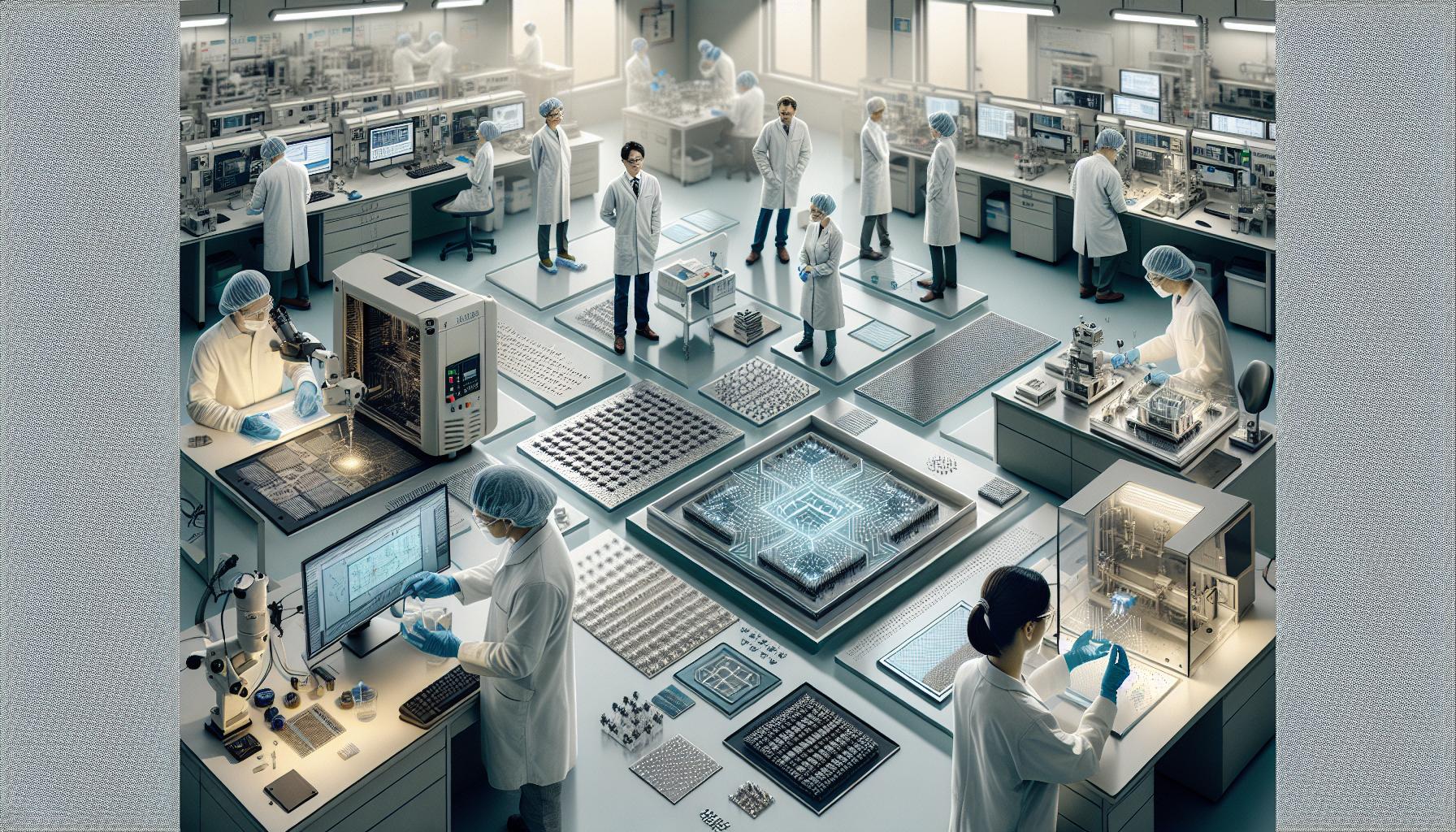
Creating microfluidic chips involves a systematic approach that merges precision engineering with advanced materials science. The production process is critical not only for achieving the desired chip functionality but also for ensuring scalability and reproducibility. At its core, the procedure typically follows several key steps, each requiring meticulous attention to detail and the right technological expertise.
The manufacturing journey often begins with designing the chip layout. This involves utilizing software tools to create a detailed schematic of the microchannels and features to be included. The design must account for flow rates, channel dimensions, and the desired interaction of fluids. Following this, a physical template is fabricated using photolithography or other techniques (such as 3D printing), depending on the materials chosen for the chip. Photolithography is especially common, where a photosensitive polymer is deposited on a substrate and exposed to UV light through a mask that defines the microchannel pattern.
Once the template is ready, the next step involves etching the channels. This can be done chemically or mechanically, depending on the material used. For instance, glass chips may undergo reactive ion etching to create precise channels, while PDMS chips are often molded directly from the photolithographic template. After etching, the chips must be cleaned thoroughly to remove any contaminants and residues from the manufacturing process, ensuring that the microfluidic functionalities remain intact.
With the channels established, the final assembly phase begins. This often involves aligning the fabricated chip with additional layers or components, such as valves or pumps. The bonding of these layers can be accomplished through various methods, including thermal bonding, solvent bonding, or plasma treatment, each suitable for different materials. After assembly, rigorous testing and quality control are conducted to validate fluidic performance and ensure that the chips are ready for their intended applications.
In summary, microfluidic chip production is an intricate process that combines design, etching, assembly, and testing. By understanding each phase of production, researchers and manufacturers can optimize the fabrication to meet specific application needs, reducing time to market while enhancing performance reliability.
Innovative Techniques in Microfluidic Manufacturing
In the ever-evolving landscape of microfluidic chip manufacturing, innovative techniques are reshaping the way we design and produce these intricate devices. One particularly exciting advancement is the incorporation of 3D printing technology, which allows for the rapid prototyping of microfluidic devices with complex geometries that were previously difficult to achieve using traditional methods. Researchers at Purdue University have pioneered a patent-pending 3D printing technique that can fabricate multilevel microfluidic devices as small as 10 microns deep, significantly accelerating the development process and reducing costs associated with tooling and mold fabrication [[1]].
Another revolutionary approach is the use of soft lithography, particularly with polydimethylsiloxane (PDMS), which has gained popularity due to its flexibility and ease of use. This technique utilizes elastomeric materials that can be easily molded and bonded, allowing for rapid iterations in chip design. By manipulating the surface characteristics of PDMS, manufacturers can enhance fluid dynamics within the microchannels, tailoring the chips for specific applications such as biochemical assays or drug delivery systems.
Moreover, the integration of micro-electromechanical systems (MEMS) technology into microfluidic devices is a noteworthy innovation. MEMS facilitates the inclusion of active elements such as valves and pumps directly onto the chips, providing tighter control over fluid flow and enabling more complex processes within compact systems. This integration enhances the versatility of microfluidic devices, enabling real-time analysis and more sophisticated experimental setups.
As the demand for personalized medicine and point-of-care diagnostics grows, these are paving the way for novel applications in healthcare and environmental monitoring. By embracing these advancements, manufacturers are not only improving the performance and capabilities of microfluidic chips but also expanding their potential impact across various scientific domains.
Quality Control and Testing for Microfluidic Chips
Quality control and testing are critical components in the manufacturing of microfluidic chips. Given the intricate nature of these devices, which often operate at the microscale, even minor imperfections can lead to significant issues in performance and reliability. Thus, establishing rigorous quality control protocols is essential to ensure that every chip meets the necessary specifications for accuracy and functionality.
One of the primary methods of quality assurance involves the use of advanced imaging techniques, such as optical and electron microscopy. These tools allow manufacturers to inspect the microchannels and features of the chips at a resolution that can reveal defects or inconsistencies in the design. Regular analysis through these methods ensures that any deviations from design parameters are identified early in the production process, preventing potential failures during application.
Additionally, testing for fluid dynamics is paramount. Manufacturers often utilize a combination of simulation and empirical testing to evaluate flow rates, mixing efficiency, and pressure thresholds within the microfluidic systems. This can involve using dye tests to visually assess fluid movement through the channels or employing sensors that measure flow characteristics in real-time. The goal is to confirm that the chip performs as expected under various conditions, mimicking its end-use scenarios.
Common Testing Protocols
Testing protocols often encompass the following essential elements:
- Leak Testing: Ensuring that no fluid escapes the microchannels is critical for both safety and functionality.
- Calibration: Each chip must be calibrated to guarantee that it delivers precise measurements and responses.
- Biocompatibility Tests: For chips used in biomedical applications, ensuring that materials do not adversely affect biological samples is crucial.
- Durability Testing: Chips are subjected to stress and strain tests to assess their stability and longevity under operational conditions.
Adopting a standardized quality control process, including these testing measures, not only enhances the reliability of microfluidic devices but also boosts their marketability by demonstrating compliance with industry standards. By prioritizing these quality checks, manufacturers can confidently introduce chips that perform reliably across a broad spectrum of applications, from diagnostics to drug delivery, ultimately paving the way for innovation in the field.
Common Challenges in Chip Manufacturing
Despite the remarkable advancements in microfluidic chip technology, manufacturers face several complex challenges that can hinder the production process. One of the most significant issues is the precision required in the fabrication of microchannels. The dimensions of these channels are often on the order of micrometers, which means that any deviations can dramatically alter fluid behavior and device performance. Achieving this level of accuracy necessitates sophisticated fabrication techniques, such as photolithography or soft lithography, which can be expensive and time-consuming.
Another major challenge is material compatibility. Microfluidic devices are composed of a variety of materials, including polymers, glass, and silicon, each with distinct properties. Selecting the right materials is crucial for ensuring biocompatibility, durability, and optimal fluid dynamics. For instance, while polydimethylsiloxane (PDMS) is widely used due to its flexibility and ease of molding, it may not be suitable for all applications, particularly those involving aggressive solvents or high temperatures. Manufacturers must carefully consider these factors during the design stage to avoid costly revisions later.
Manufacturing scalability also presents hurdles. Techniques that work well for prototyping might not translate effectively to large-scale production. Variability in techniques like injection molding or hot embossing can lead to batch-to-batch differences, affecting the consistency and reliability of the chips. This inconsistency can hinder regulatory approval in biomedical applications, where stringent guidelines are in place. To address this, manufacturers often turn to automation and advanced process monitoring tools to standardize production methodologies and maintain quality.
Lastly, the integration of multiple functions within a single chip can be difficult. As researchers push the boundaries of what microfluidic devices can do-such as combining chemical analysis with biological testing-ensuring seamless interaction between different functionalities becomes crucial. This requires not only innovative design but also advanced manufacturing techniques that can accommodate the diverse requirements of each component.
Fostering collaboration between material scientists, engineers, and researchers can provide valuable insights into overcoming these challenges and pushing the field of microfluidics forward. By tackling these issues head-on, the industry can continue to innovate and improve the versatility and efficacy of microfluidic devices across various applications.
Applications of Microfluidic Chips in Research
Microfluidic chips are revolutionizing the landscape of scientific research by enabling precise control over fluid dynamics at an unprecedented scale. These compact devices allow for the manipulation of small volumes of fluids, typically in the microliter to nanoliter range, making them indispensable tools in a variety of applications, from biomedical diagnostics to complex biochemical analyses.
In the realm of biomedical research, microfluidic chips facilitate groundbreaking advancements in point-of-care diagnostics and personalized medicine. For instance, they can be used to perform rapid blood tests that yield results in a matter of minutes rather than hours or days. By integrating multiple steps of sample processing onto a single chip-such as blood separation, reagent mixing, and detection-researchers can significantly streamline workflows. This not only enhances the speed of diagnostics but also minimizes the risk of contamination and human error, leading to more reliable outcomes.
Moreover, microfluidics play a crucial role in the field of drug development and delivery. Researchers employ these devices to create organ-on-a-chip models that mimic human organ systems. This allows for the testing of drug interactions and toxicology in a controlled environment that closely resembles physiological conditions. Such innovations can reduce the reliance on animal testing and improve the predictability of drug efficacy and safety in humans. By accurately reflecting biological processes, microfluidic devices offer a powerful platform for deploying high-throughput screening methods to accelerate the discovery of new therapeutics.
The versatility of microfluidic chips extends beyond health sciences; they are also pivotal in environmental monitoring and food safety. Devices equipped with microfluidic technology can detect contaminants in water and food samples with high sensitivity and specificity. For example, researchers have developed chips capable of identifying pathogens in food products or toxins in environmental samples, providing rapid feedback that can enhance public safety measures.
In essence, the integration of microfluidic technology into research not only transforms experimental methodologies but also opens new avenues for innovation across various scientific disciplines. As this technology continues to mature, researchers are likely to uncover even more diverse applications, enhancing our ability to address complex biological and environmental challenges.
Future Trends in Microfluidic Manufacturing Technology
The future of microfluidic manufacturing technology is poised for remarkable advancements, driven by the ongoing demand for miniaturization and the integration of sophisticated functionalities within these tiny systems. An exciting trend is the shift towards using fully polymer-based microfluidic devices, such as those made from polydimethylsiloxane (PDMS), which offer benefits such as biocompatibility, reduced costs, and higher flexibility compared to traditional silicon-based chips [2]. This transition not only enhances affordability but also simplifies the production process, making microfluidic technology more accessible for applications like point-of-care testing and lab-on-a-chip devices.
Additionally, the incorporation of artificial intelligence (AI) in microfluidics is revolutionizing manufacturing processes. AI-driven methods can optimize design parameters and predict outcomes, significantly accelerating product development and reducing trial-and-error in prototype testing. This technology allows researchers to swiftly adapt designs based on performance data, enhancing the overall efficiency of the manufacturing workflow [1]. Furthermore, the combination of AI with real-time data analytics can lead to smarter microfluidic devices that autonomously adjust their functions in response to changing experimental conditions.
The push for automation in microfluidic production is also gaining momentum. With advancements in robotics and automated systems, manufacturers can achieve higher throughput and reproducibility. Automated processes reduce human error and enable the continuous processing of samples at a scale previously unattainable. As a result, the production of microfluidic chips can become faster and more consistent, paving the way for scalable solutions that address the growing market demand, particularly in healthcare and diagnostics [3].
In summary, the landscape of microfluidic manufacturing is heading towards innovative materials, greater integration of AI, and increased automation. These trends not only enhance the quality and efficiency of microfluidic production but also broaden the scope of applications, making it a thrilling time for researchers and manufacturers alike.
Sustainability Considerations in Manufacturing
The microfluidics industry is increasingly recognizing the vital role that sustainability plays in manufacturing processes. As the demand for more efficient and environmentally friendly solutions grows, manufacturers are seeking methods to reduce waste and energy consumption while maintaining high levels of performance. This focus on sustainability encourages the integration of innovative materials and processes that not only enhance the efficiency of microfluidic devices but also minimize their environmental footprint.
One notable approach is the shift towards biodegradable and recyclable materials in the production of microfluidic chips. Traditional materials like polydimethylsiloxane (PDMS) and silicone are being evaluated for their life cycle impacts, where alternatives such as thermoplastic elastomers might offer more eco-friendly options. By adopting materials that can decompose or be recycled, manufacturers can significantly decrease the hazardous waste generated during production and end-of-life processing.
Moreover, advanced manufacturing technologies such as additive manufacturing (3D printing) are transforming how microfluidic devices are created. This technique allows for the precise fabrication of complex geometries with minimal material waste. Unlike traditional subtractive methods that cut away material, 3D printing adds material layer by layer, which not only conserves resources but also enables rapid prototyping. This efficiency is pivotal for research and development phases, enabling quicker iterations and experiments without extensive material use.
Energy consumption during the manufacturing process is another key area where sustainability is being prioritized. By optimizing process parameters and employing energy-efficient equipment, manufacturers can reduce their carbon footprint. Implementing automated systems can streamline production, minimizing energy usage during idle times and ensuring that machines operate at peak efficiency.
In summary, sustainability considerations in microfluidic chip manufacturing are multifaceted, encompassing the choice of materials, production technologies, and energy consumption strategies. As the industry continues to innovate, the transition towards more sustainable practices will not only benefit environmental goals but also improve the overall efficiency and effectiveness of microfluidic devices in various applications, including diagnostics and drug development. Implementing these strategies will be crucial for the future success and acceptance of microfluidics in the marketplace.
Comparative Analysis of Different Manufacturing Methods
Understanding the various methods used to manufacture microfluidic chips reveals significant differences in efficiency, cost, scalability, and application. Each fabrication technique has its own strengths and weaknesses, setting the stage for diverse applications and innovations in the field. By examining these methodologies, researchers and developers can better select the most suitable approach for their specific needs.
Traditional Methods
Among the earliest and most widely used methods for microfluidic device fabrication is photolithography. This technique involves coating a substrate with a photosensitive material, followed by exposure to UV light through a mask. After developing the photoresist, structures are etched onto the substrate, typically made of materials like glass or silicon. The high precision and reproducibility of photolithography make it a popular choice in academic and industrial settings. However, it can be costly and time-consuming due to the requirement of specialized equipment and cleanroom facilities.
Another conventional method is soft lithography, specifically using polydimethylsiloxane (PDMS). This approach offers a faster and more cost-effective alternative to photolithography. It involves creating a master mold from a hardened substrate, which can then be replicated multiple times in PDMS. Soft lithography is notable for its ability to fabricate complex, three-dimensional structures and is widely employed in biomedical applications. However, the permanence and biocompatibility of PDMS can sometimes raise concerns for long-term applications.
Emerging Techniques
Innovation in manufacturing methods has led to the rise of additive techniques, such as 3D printing. This approach allows for rapid prototyping and the creation of highly customizable microfluidic devices. 3D printing, particularly through techniques like stereolithography and fused deposition modeling, offers flexibility in design and material choice, potentially incorporating biodegradable substances for environmentally friendly solutions. While 3D printing excels in prototyping and complex geometries, it still faces challenges regarding resolution and surface finish compared to traditional methods.
Others, like injection molding and laser cutting, provide high-throughput solutions. Injection molding is particularly advantageous for mass production, allowing for the efficient and inexpensive production of uniform devices from a variety of thermoplastic materials. Laser cutting, meanwhile, offers precision and speed, especially for simpler designs or when rapid iterations are needed. Each method has unique advantages; thus, the choice depends closely on the specific requirements of the project, whether it demands rapid production, cost-effectiveness, or precision.
Evaluating Manufacturing Choices
When deciding on a manufacturing method, it’s essential to consider factors such as:
- Cost: Initial investments and operational costs can vary significantly.
- Scalability: Some methods are better suited for large-scale production, while others excel in small-batch or customized production.
- Material Compatibility: The choice of materials can impact device performance and application suitability.
- Complexity of Design: More intricate designs may benefit from methods like 3D printing or soft lithography.
- Time-to-Market: For projects requiring rapid development, techniques like 3D printing may provide significant advantages.
In summary, the comparative analysis of different microfluidic chip manufacturing methods underscores the need to match the production technique with the specific project demands. By carefully assessing the attributes of each method, innovators can harness the most effective technology to advance their research or product development in the dynamic field of microfluidics.
The Role of Automation in Microfluidic Production
The integration of automation in microfluidic production has revolutionized how these miniature laboratories are designed and manufactured, offering unprecedented speed, precision, and scalability. As researchers seek to streamline the development of microfluidic chips-essential tools for applications ranging from medical diagnostics to environmental monitoring-automated systems have emerged as game-changers in reducing human error and enhancing reproducibility. Automation not only facilitates rapid prototyping but also ensures that production techniques can transition smoothly from lab-scale experiments to large-scale manufacturing.
One key area where automation shines is in the handling and assembly of microfluidic components. Sophisticated robotic systems can precisely position tiny components with nanometer accuracy, drastically reducing the time required for assembly compared to manual methods. This is particularly important in applications where the geometry and fluid dynamics of the microchannels are critical to device performance. For example, automated fluid dispensing systems can manage multi-step processes that involve the meticulous mixing of reagents, ensuring that the delicate balance of chemical interactions is maintained throughout the production phase.
Streamlining Workflow and Quality Control
Automation also streamlines the entire workflow from design to production. Software-driven systems can integrate various production techniques, allowing for seamless transitions between processes such as photolithography, soft lithography, and 3D printing. Advanced imaging and detection systems embedded in these automated workflows enable real-time monitoring of device integrity and performance. By employing machine learning algorithms, these systems can analyze data and provide actionable insights, identifying potential defects before they escalate into costly reworks. This not only enhances quality control but also boosts overall efficiency.
Furthermore, automated manufacturing lines can adapt to varying production volumes, making it easier for developers to implement both small-batch innovations and large-scale production runs. Companies using automated workflows report a significant reduction in production costs and lead times, which enables scientists and engineers to focus on innovation rather than routine tasks. As a result, innovations in microfluidics are advancing at a pace never before seen, with automated technologies pushing the boundaries of what is possible in this rapidly evolving field.
In summary, is multi-faceted, dramatically enhancing precision, efficiency, and adaptability. From precise component placement to real-time quality control, automation is essential for driving innovation and meeting the growing demands of the microfluidics market. Establishing automated systems not only benefits production processes but also encourages a more creative and experimental approach to chip design, ultimately leading to groundbreaking applications in science and industry.
Insights from Industry Experts on Chip Development
The world of microfluidics is bursting with potential, yet the journey from concept to a fully functional chip is intricate and nuanced. Industry experts emphasize the importance of a cross-disciplinary approach, combining insights from engineering, biology, and chemistry to drive the development of effective microfluidic devices. One of the cornerstone strategies is embracing rapid prototyping, enabling teams to test and iterate designs quickly. This adaptability is crucial as it allows researchers to refine their hypotheses in real-time, which can lead to significant breakthroughs in medical diagnostics, drug discovery, and environmental monitoring.
Collaboration with material scientists is also pivotal. Understanding the specific properties of materials-such as biocompatibility, elasticity, and permeability-can inform design choices and influence performance outcomes. For instance, experts often recommend using polydimethylsiloxane (PDMS) for its excellent optical clarity and ease of use in soft lithography techniques, while glass chips might be preferred for applications requiring high chemical resistance and thermal stability. An informed material choice can dramatically enhance the functionality and reliability of the final product.
Moreover, quality control is a critical concern throughout the manufacturing process. Experts advocate for implementing stringent testing protocols at various stages, from pre-production simulations to post-manufacturing assessments. Advanced imaging technologies and micro-scale fluid dynamics simulations can act as powerful tools in identifying potential flaws before the chips reach the testing phase. Implementing a robust quality assurance system not only ensures the integrity of the devices but can also significantly cut down the costs associated with rework and failure.
Ultimately, the insights distilled from industry veterans highlight a common theme: success in microfluidic development hinges on strategic collaboration, innovative materials, and rigorous quality control protocols. This blend not only accelerates the pace of innovation but also equips researchers to tackle challenges with confidence, ultimately pushing the boundaries of what’s achievable in this fast-evolving field.
Faq
Q: What materials are commonly used in microfluidic chip manufacturing?
A: Microfluidic chips are primarily made from materials such as polydimethylsiloxane (PDMS), glass, and polycarbonate. Each material offers unique advantages like optical clarity and biocompatibility, making them suitable for various applications and processes in microfluidic systems.
Q: How do fabrication techniques influence the performance of microfluidic chips?
A: Fabrication techniques, such as soft lithography and 3D printing, significantly influence microfluidic chip performance. These methods affect the precision of channel designs, fluid flow dynamics, and integration with external devices, ultimately impacting the efficiency and functionality of the chips in applications.
Q: What is the role of quality control in microfluidic chip production?
A: Quality control is crucial in microfluidic chip production to ensure dimensional accuracy, consistency, and reliability of the chips. Through regular testing and validation at various manufacturing stages, defects can be minimized, enhancing the chip’s performance in intended applications.
Q: What challenges are faced in the microfluidic chip manufacturing process?
A: Key challenges in microfluidic chip manufacturing include scalability, cost management, and achieving high precision in channel fabrication. Addressing these issues requires innovative techniques, quality control measures, and efficient workflows to maintain production standards while meeting market demands.
Q: How does automation impact the manufacturing of microfluidic chips?
A: Automation enhances the efficiency and scalability of microfluidic chip manufacturing by reducing human error and increasing throughput. Automated systems enable precise control over manufacturing processes, which is crucial for achieving consistent quality and reliability in production.
Q: What innovative techniques are being developed in microfluidic chip fabrication?
A: Innovative techniques such as 3D bioprinting and laser etching are transforming microfluidic chip fabrication. These advancements allow for more complex designs, improved customization, and integration of multiple functionalities, making chips more adaptable for various research and clinical applications.
Q: Why is sustainability important in microfluidic chip manufacturing?
A: Sustainability is vital in microfluidic chip manufacturing to reduce environmental impact and improve resource efficiency. Utilizing eco-friendly materials and reducing waste during the production process not only supports environmental goals but also meets the growing demand for sustainable technology solutions.
Q: How do microfluidic chips vary across different applications?
A: Microfluidic chips can vary significantly based on their intended applications, such as diagnostics, drug delivery, and chemical synthesis. Customization of channel architecture, material selection, and surface modifications is essential to optimize performance and functionality for specific uses.
In Conclusion
As we’ve uncovered the intricate process behind the manufacturing of microfluidic chips, it’s clear how pivotal these technologies are for advancing diagnostics and healthcare solutions. By leveraging techniques such as centrifugal microfluidics and solid-phase PCR, these chips are transforming point-of-care testing, making it more efficient and accessible than ever. If you’re keen to dive deeper into related innovations, explore our articles on the latest smartphone-based mobile health platforms and the integration of AI in microfluidic detection-these topics will further enrich your understanding of this rapidly evolving field.
Don’t miss out on future insights! Subscribe to our newsletter for the latest updates in microfluidic technology and point-of-care innovations. Have questions or insights to share? Join the conversation in the comments below-we’d love to hear from you. Remember, as the demand for rapid, reliable diagnostics grows, staying informed will position you at the forefront of this exciting industry.
Get our latest guides, news, and insights highlighted in your Google Search & AI Overviews.