Imagine a world where medical diagnoses are as easy as a droplet of blood. Microfluidic devices make this possible by manipulating tiny volumes of fluids through intricate networks of channels. These groundbreaking tools not only streamline laboratory processes but also enhance precision in fields like diagnostics, drug delivery, and environmental monitoring. With the ability to perform diverse biochemical reactions on compact chips, microfluidics represents a leap forward in developing accessible and rapid testing methods. Understanding how these devices work unlocks exciting possibilities for innovation and efficiency in science and medicine today. Join us as we delve into the fascinating mechanics behind microfluidic technology, simplifying complex concepts to reveal its crucial role in shaping the future of healthcare and beyond.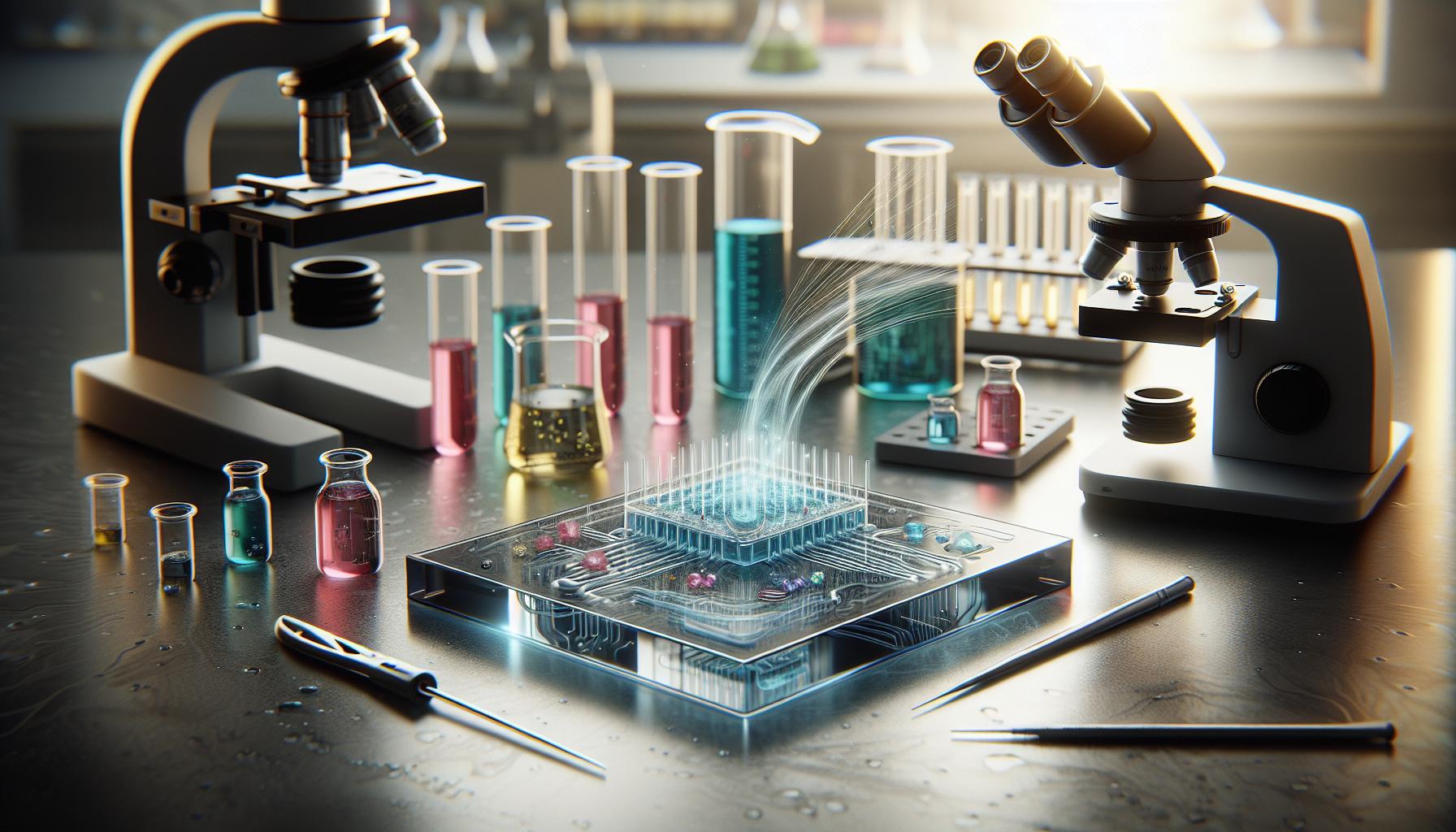
Understanding Microfluidic Devices: The Basics
Microfluidic devices are revolutionizing the field of laboratory testing and analysis, functioning on the principle of manipulating small volumes of fluids-often picoliters to microliters-on a microchip. These novel instruments enable highly efficient and precise experimentation in various scientific disciplines, including biology, chemistry, and medicine. The remarkable aspect of microfluidics is its ability to streamline complex processes, such as mixing, separating, and heating fluids, making it an invaluable tool for researchers and clinicians alike.
At their core, microfluidic devices utilize the principles of fluid dynamics to govern the behavior of fluids at a microscale. This involves the study of how fluids flow through miniature channels and how interfaces, like droplets or bubbles, form and interact. Importantly, these devices leverage laminar flow-wherein different fluid layers move smoothly past one another without turbulence. This characteristic allows researchers to perform highly controlled experiments and achieve precise outcomes, such as conducting multi-step biochemical reactions or isolating specific biomolecules from complex mixtures.
One of the most intriguing aspects of microfluidic technology is its versatility. A variety of devices can be tailored for specific applications, from diagnostic tools that analyze blood samples to platforms for drug development. For instance, advanced microfluidic systems can create organ-on-a-chip models, allowing scientists to study human organ systems in a controlled environment without needing animal testing. Furthermore, recent innovations have led to the integration of microfluidics with other technologies, such as 3D printing, to enhance fabrication capabilities and unlock new functionalities.
Ultimately, understanding these devices requires a blend of theoretical knowledge and practical insight. As researchers and students delve deeper into this field, they will encounter not only the operational mechanics of microfluidic devices but also their transformative impact on modern science and healthcare. This foundational knowledge sets the stage for exploring more complex topics related to microfluidics and its continuing evolution in research and industry.
The Science Behind Microfluidics: Key Principles
Microfluidics harnesses the complexities of fluid dynamics to manipulate tiny liquid volumes with remarkable precision. At this scale-often at the picoliter to microliter range-flow behavior diverges significantly from the familiar patterns observed in larger systems. One of the fundamental principles governing microfluidic systems is laminar flow, where layers of fluid move in parallel without turbulence. This allows for highly controlled mixing and reaction processes, making it easier to conduct sophisticated experiments within a confined space.
To understand how microfluidic devices work, it’s essential to grasp the role of capillary action and surface tension. These forces play a pivotal role in how fluids are channeled and manipulated within microstructures. For instance, a smaller cross-sectional area results in a higher velocity of fluid movement, which enhances mixing efficiency without requiring external pumps. This characteristic is especially beneficial for applications such as chemical analysis or biochemical assays, where precise control over reactions is crucial.
Additionally, the microfabrication techniques used to create these devices are vital in shaping their functionality. Techniques like soft lithography, which involves molding and etching pathways onto materials such as polydimethylsiloxane (PDMS), allow researchers to design complex networks of channels that can facilitate various experiments. The choice of material affects not only the device’s mechanical properties but also its interaction with fluids, influencing aspects such as wettability and biocompatibility.
As researchers explore new frontiers in microfluidics, they leverage these principles to innovate across numerous fields-ranging from diagnostics to drug delivery systems. For example, integrating microfluidics with biosensors can enable real-time monitoring of chemical reactions or biological processes, paving the way for rapid diagnostics and personalized medicine. Understanding these fundamental concepts not only demystifies how microfluidic devices operate but also highlights the potential they hold in transforming modern scientific research and clinical applications.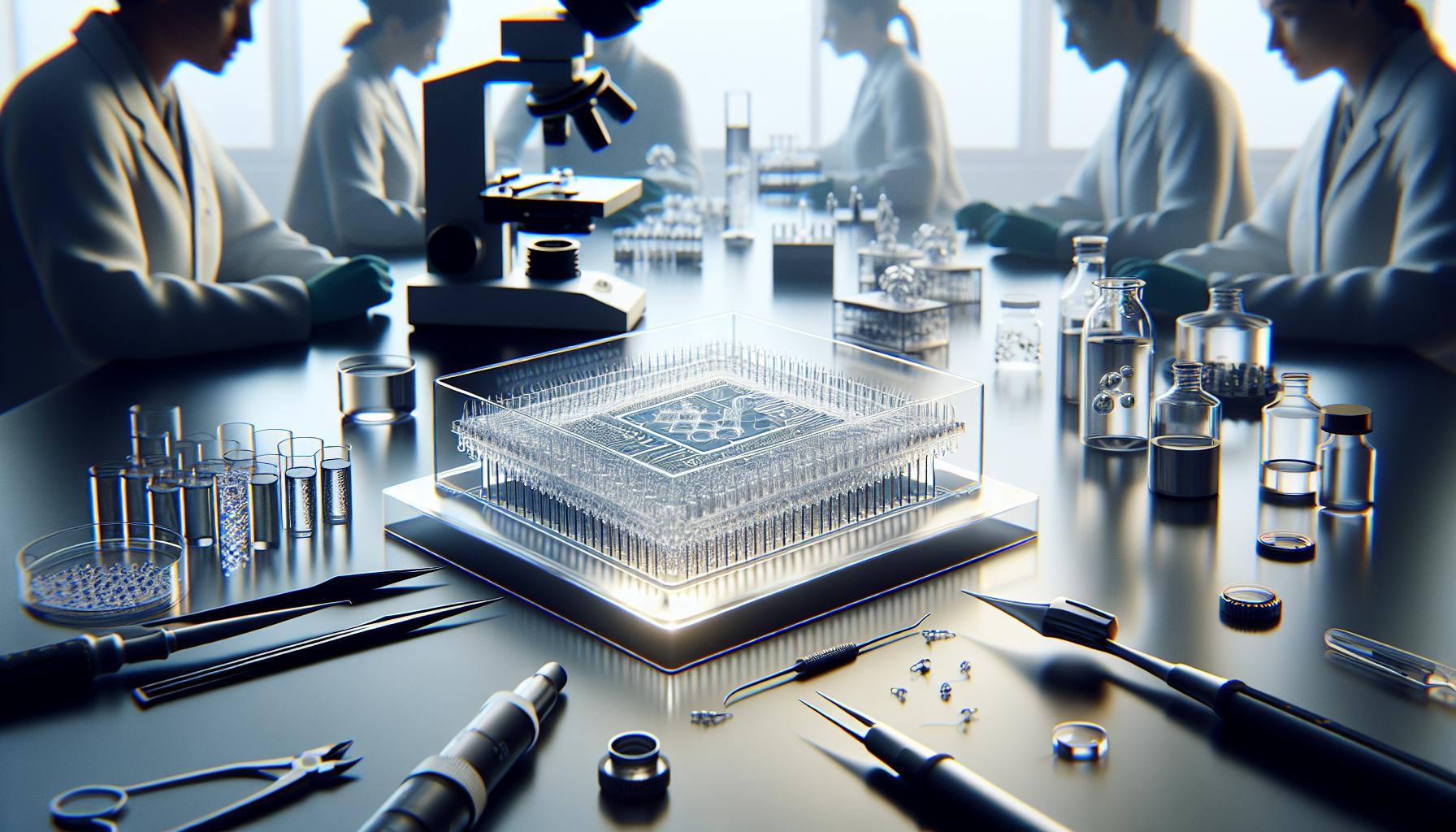
Types of Microfluidic Devices and Their Applications
Microfluidic devices represent a groundbreaking shift in how we handle liquids at microscopic scales, resulting in a variety of unique types that cater to specific applications. These devices can be broadly categorized based on their functionality and the nature of the processes they facilitate, each playing a vital role in advancing fields such as diagnostics, drug delivery, and environmental monitoring.
Categories of Microfluidic Devices
Microfluidic devices can be divided into several key types, including:
- Microreactors: These are used for conducting chemical reactions in a controlled environment. By optimizing the reaction conditions within tiny volumes, they allow for rapid experimentation and development in chemical synthesis.
- Lab-on-a-chip Devices: These integrate multiple laboratory functions on a single chip, enabling complex analyses like DNA sequencing and protein assays. They significantly reduce the need for large equipment and can produce results in real-time.
- Droplet-Based Microfluidics: This method generates and manipulates discrete droplets within a continuous flow of another liquid. It’s particularly useful in applications like single-cell analysis and high-throughput screening in pharmaceuticals.
- Electrokinetic Devices: Leveraging electric fields to manipulate fluids, these devices facilitate precise control in processes like electrophoresis for DNA or protein separation and analysis.
Applications Across Diverse Fields
The applications of microfluidic devices stretch from the clinical laboratory to industrial settings, significantly enhancing efficiency and accuracy.
- Diagnostics: One of the pioneering uses of microfluidic technology is in medical diagnostics. Lab-on-a-chip devices enable early disease detection through the rapid analysis of small blood samples. For instance, point-of-care testing devices use microfluidics to provide timely results for conditions such as diabetes or infectious diseases, often in under 30 minutes.
- Drug Delivery: Microfluidics is revolutionizing drug formulation and delivery. By creating micro-scale carriers that can deliver medications more effectively, researchers design personalized treatment approaches. Controlled release systems utilizing microfluidic principles allow drugs to be delivered at a predetermined rate, enhancing efficacy and reducing side effects.
- Environmental Monitoring: In environmental science, microfluidic devices facilitate the detection of pollutants or pathogens in water. By allowing rapid, on-site analysis, they provide critical data essential for managing environmental health and safety.
- Biotechnology: Microfluidic devices are crucial in synthetic biology, where they facilitate the automation of complex biological processes, such as gene editing or protein synthesis, significantly speeding up research and development pipelines.
These different types of microfluidic devices are not only fascinating in their design but also powerful tools that address real-world challenges, demonstrating the incredible potential and versatility of microfluidic technology in advancing scientific and medical research.
How Microfluidics Enhance Laboratory Techniques
Microfluidics is transforming laboratory techniques by allowing scientists to conduct experiments at a scale previously thought impossible. By manipulating small volumes of fluids-often in the nanoliter range-microfluidic devices offer enhanced precision and efficiency, enabling researchers to carry out complex assays and analyses with remarkable accuracy and speed. This capability opens up new avenues for experimentation, allowing for real-time monitoring and rapid prototyping in research settings.
One of the primary ways microfluidics enhances laboratory procedures is through the integration of multiple functions onto a single chip. Lab-on-a-chip devices streamline processes by combining sample preparation, reaction, and detection into one compact system. For example, in medical diagnostics, devices can rapidly conduct ELISA tests or genomic analyses using just a few drops of blood, significantly reducing the time from sample to result. This not only minimizes the amount of sample required but also decreases reagent consumption and waste, making experiments more cost-effective and environmentally friendly.
Moreover, microfluidics excels in controlling environmental conditions at a microscale. Researchers can precisely modulate parameters like temperature, pressure, and fluid flow, enabling intricate manipulation of chemical and biological processes. This level of control enhances reproducibility in experiments, a crucial factor for validating results, particularly in fields such as biochemistry and pharmacology. The ability to explore reaction kinetics or cellular behaviors in finely tuned conditions leads to a better understanding of complex biological systems.
Additionally, microfluidic systems support automated workflows, making them ideal for high-throughput screening applications. In pharmaceutical development, for instance, microfluidics can facilitate the simultaneous testing of hundreds of drug candidates against various biological targets. This capability not only accelerates the discovery process but also provides a more nuanced picture of drug interactions, ultimately leading to more effective treatments. By harnessing the precision and versatility of microfluidics, laboratories can elevate their research capabilities, paving the way for innovations that could change the landscape of scientific inquiry.
The Role of Fluid Dynamics in Microfluidic Systems
Fluid dynamics is at the heart of microfluidic systems, playing a pivotal role in how these devices manipulate small volumes of liquid with precision. Unlike macroscale fluid flow, microfluidics deals with laminar flow, where fluids move in smooth layers, making interactions predictable and controlled. In microchannels, this behavior allows for effective mixing, precise thermal management, and tailored reaction kinetics-all integral to optimizing laboratory processes and experiments.
One of the remarkable aspects of fluid dynamics in microfluidic devices is the ability to exploit the Reynolds number, a dimensionless quantity that determines flow regimes. At micro-sized scales, low Reynolds numbers indicate that viscous forces dominate over inertial forces. This means that flow rates can be finely tuned to minimize turbulence, which is particularly advantageous for biological applications requiring gentle handling of cells or proteins. For example, when conducting assays, researchers can control flow to enhance the interaction between reactants, leading to higher sensitivity and specificity in analytical results.
In microfluidic systems, channel design greatly influences fluid behavior. By altering channel geometry-such as width, height, and length-scientists can customize the hydrodynamic environment. This capability enables applications ranging from rapid diagnostics to functional assays. For instance, creating serpentine channels can promote mixing through increased path length, while specific geometries can facilitate cell sorting by exploiting differences in flow velocity and size. Such tailored designs are crucial for applications in diagnostics, where rapid and precise results are essential.
Moreover, understanding the role of surface tension and contact angle in microfluidics can lead to the development of advanced functional devices. The manipulation of these parameters can enhance wettability and fluid retention in channels, critical for ensuring efficient reagent transport and minimized dead volumes. Researchers frequently leverage these properties to design devices that integrate multiple functions, such as sample preparation and analysis in a single workflow, markedly improving throughput and efficiency.
The exploration of fluid dynamics not only enhances the design and functionality of microfluidic devices but also opens avenues for integrating new technologies, such as sensors and actuators, leading to smart microfluidic systems with enhanced performance. Ultimately, a solid grasp of fluid dynamics within microfluidic contexts enables researchers to innovate and refine applications across diverse fields, from biomedical diagnostics to environmental monitoring.
Fabrication Techniques for Microfluidic Devices
Creating microfluidic devices is a blend of art and science that requires precision and expertise. The fabrication process is crucial as it dictates the functionality of these devices, enabling complex biochemical applications in diagnostics, drug delivery, and more. As microfluidics involves working with tiny volumes of fluids, the techniques used to create these devices must be equally refined and adaptable to various materials and intended purposes.
One of the most prevalent techniques for fabricating microfluidic devices is soft lithography, which utilizes elastomer materials like polydimethylsiloxane (PDMS). This method leverages a master mold, often created using traditional photolithography, to produce intricate microchannel patterns. Once the mold is prepared, PDMS is poured over it and cured, generating flexible and transparent microfluidic structures that can be modified easily for various applications. This versatility allows for rapid prototyping and iterative design, making it particularly valuable in research and development settings.
Additionally, etching techniques such as wet etching, dry etching, and reactive ion etching (RIE) play significant roles in microfluidic fabrication. These methods involve removing material from a substrate to form microchannels and other structures. Wet etching uses liquid chemicals to dissolve materials, while dry etching relies on gases; both techniques are essential for achieving the precise geometries needed for effective fluid manipulation. uFluidix highlights these processes, emphasizing their critical roles in creating functional microfluidic devices.
Moreover, 3D printing is emerging as a powerful fabrication method for microfluidics, offering the ability to create complex, customized geometries directly from digital designs. This technology facilitates rapid prototyping and can produce devices with heterogeneous structures. For example, researchers can develop multi-layered devices that integrate various functionalities within a single unit. This method not only expands the design possibilities but also reduces production times and costs, making microfluidic technology accessible for a wider range of applications in various fields, including medicine and environmental monitoring.
In summary, the fabrication of microfluidic devices is a vital aspect of their development, with techniques such as soft lithography, etching, and 3D printing enabling researchers to create precise and functional systems. These methods are tailored to meet specific project needs, allowing for innovation and advancement in the rapidly evolving field of microfluidics. Understanding these techniques provides a solid foundation for anyone interested in harnessing the power of microfluidic technology in practical applications.
Key Materials Used in Microfluidic Device Production
Microfluidic devices rely on a carefully chosen array of materials that profoundly influence their performance and application. These materials must not only accommodate the intricacies of fluid dynamics but also withstand various chemical interactions. The selection often hinges on the intended purpose of the device, whether for biomedical diagnostics, environmental monitoring, or drug delivery systems. Understanding the properties of these materials helps in crafting devices that are both functional and reliable.
One of the most widely used materials in microfluidics is Polydimethylsiloxane (PDMS). This silicone-based polymer is favored for its flexibility, transparency, and ease of use in soft lithography processes. PDMS allows for the creation of detailed microchannel structures and is biocompatible, making it suitable for biological applications. Its properties enable rapid prototyping and modifications, which are essential during the development phase. However, while PDMS excels in flexibility and optical clarity, it can have limitations such as absorption of small hydrophobic molecules, which can affect experimental outcomes.
Another important category of materials includes glass and silicon, known for their excellent chemical resistance and durability. These materials are particularly beneficial for applications that require high precision and control over fluid movement. Glass microfluidic devices often exhibit superior optical properties, making them ideal for applications involving microscopy and real-time imaging. Furthermore, silicon-based microfluidic devices leverage established semiconductor fabrication techniques, allowing integration with electronic components for more advanced functionalities. However, the cost and rigidity of these materials can pose challenges, particularly in terms of scalability and field applications.
Recently, thermoplastics have emerged as viable alternatives due to their ease of fabrication and versatility. Techniques such as micro-embossing or injection molding provide methods to create intricate microfluidic components quickly. For example, thermoplastics can be processed into complex shapes and are particularly useful when producing devices in large volumes. The rapid adoption of these materials underscores a trend towards cost-effective solutions without compromising the integrity and performance of the devices.
In conclusion, the selection of materials for microfluidic devices is a crucial factor that directly impacts their design and functionality. Each material has distinct advantages and limitations, which must be weighed against the specific requirements of the application. By understanding the properties and applications of PDMS, glass, silicon, and thermoplastics, researchers and engineers can tailor their approaches, ultimately advancing the innovative landscape of microfluidic technology.
Real-World Applications: From Diagnostics to Drug Delivery
From rapid diagnostics to innovative drug delivery systems, microfluidic devices stand at the forefront of modern science, revolutionizing how we conduct experiments and cater to healthcare demands. These miniaturized platforms allow researchers to manipulate small volumes of fluids with precision, enabling a myriad of applications that were previously challenging or impossible to achieve.
One of the most prominent uses of microfluidics is in the realm of diagnostics. Utilizing these devices, scientists can perform real-time analysis of biological samples with remarkable speed and accuracy. For instance, point-of-care testing systems leverage microfluidics to quickly diagnose diseases such as diabetes, bacterial infections, and even COVID-19. The integration of micro-sensors within these devices facilitates the detection of specific biomarkers at very low concentrations, significantly enhancing the sensitivity of diagnostic tests. This rapid analysis not only improves patient outcomes but also optimizes resource allocation in healthcare settings.
In the field of drug delivery, microfluidic technology is paving the way for personalized medicine. By controlling the flow and mixing of multiple liquid phases, these devices can produce precisely formulated drug compositions tailored to individual patient needs. For example, microfluidic platforms have been used to create liposomes and nanoparticles that can encapsulate therapeutic agents, allowing for targeted delivery directly to the diseased tissues. This targeted approach minimizes side effects and maximizes therapeutic efficacy, as drugs are released in controlled doses over time. Additionally, the ability to model complex biological environments on microfluidic chips has propelled advancements in drug development, allowing researchers to simulate human physiology more accurately during the testing phases.
Microfluidics is not limited to diagnostics and drug delivery; it also plays an essential role in cell analysis and manipulation. Researchers employ microfluidic devices to study cellular behavior under various conditions, contributing to advancements in cancer research, stem cell engineering, and synthetic biology. These devices enable high-throughput screening of cells, allowing scientists to analyze thousands of samples simultaneously, thereby accelerating research and development timelines.
Overall, the versatility and precision of microfluidic devices make them invaluable in numerous real-world applications, driving forward innovations that enhance both scientific research and healthcare outcomes. By bridging the gap between laboratory techniques and practical applications, microfluidics transform theoretical concepts into tangible solutions, demonstrating the substantial impact of this technology across diverse fields.
Challenges in Microfluidic Technology and Solutions
Microfluidic technology offers groundbreaking capabilities, yet it faces several significant challenges that can hinder its widespread adoption and functionality. One of the most pressing issues is the integration of microfluidic devices with existing laboratory infrastructure. Often, researchers must adapt their methodologies to accommodate the specificities of microfluidic systems, which can require extensive training and adjustment. Furthermore, maintaining consistent performance across different platforms remains difficult, as variations in fabrication techniques can lead to discrepancies in fluid dynamics and biochemical reactions. Such variability can be detrimental when precision is necessary, particularly in applications like diagnostics, where accurate readings are critical for patient care.
Another key challenge lies in the materials used for microfluidic device fabrication. While versatile materials like PDMS and glass are commonly employed, their inherent properties can limit device performance. For instance, PDMS is known for its excellent biocompatibility and optical transparency but suffers from significant absorption of small molecules, which can lead to inaccurate assay results. Researchers are actively exploring alternatives, such as polymers and thermoplastics, which may offer improved performance characteristics, but these materials often come with trade-offs in terms of cost and manufacturability. This fundamental material challenge highlights the need for ongoing development in microfluidic manufacturing techniques that can balance functionality, cost-effectiveness, and scalability.
Additionally, scalability poses a logistical challenge for labs aiming to transition from proof-of-concept devices to high-throughput manufacturing systems. While microfluidic devices can handle assays at microscale levels, scaling these systems for mass production without losing precision or functionality is a complex undertaking. Innovations in automation and robotics are crucial to overcoming this barrier, as they can streamline the process of device assembly and testing while maintaining the integrity of fluid handling at microscale.
To address these challenges, collaboration among researchers, engineers, and industry stakeholders will be essential. Solutions may include developing standardized protocols for device fabrication, investing in novel materials research, and leveraging technological advancements such as artificial intelligence for optimizing fluid dynamics. As microfluidic technology continues to evolve, tackling these obstacles will be critical to unlocking its full potential in various applications ranging from personalized medicine to advanced diagnostics, making this technology more accessible and reliable for researchers worldwide.
Future Trends in Microfluidic Innovations
The rapid evolution of microfluidics heralds a new era in biomedical research and diagnostics, transforming how we think about controlled fluid manipulation at the microscale. With advancements in technology and materials, several future trends are poised to redefine microfluidic systems, making them more powerful, versatile, and accessible than ever before.
One exciting trend is the integration of artificial intelligence (AI) and machine learning into microfluidic device design and operation. These technologies can optimize fluid dynamics, improve assay accuracy, and enhance system automation. For instance, AI algorithms can analyze vast amounts of experimental data to predict outcomes and refine manufacturing processes, thereby accelerating the pace of innovation and reducing development costs. By leveraging AI, researchers can create more sophisticated systems capable of performing complex assays with minimal human intervention.
Another significant shift is the move toward personalized medicine facilitated by lab-on-a-chip technologies. Microfluidic devices are increasingly being designed to carry out rapid, point-of-care diagnostics that can provide real-time insights into individual health statuses. For example, microfluidic platforms can analyze a single drop of blood to detect multiple biomarkers simultaneously, enabling tailored treatment plans that cater specifically to the patient’s condition. This trend not only improves the efficiency of healthcare delivery but also enhances patient outcomes by allowing for timely interventions.
Additionally, the exploration of new materials and fabrication techniques promises to enhance the functionality and performance of microfluidic devices. Researchers are experimenting with advanced polymers and nanomaterials that offer improved chemical resistance, biocompatibility, and optical properties. Innovative fabrication methods such as 3D printing and rapid prototyping are also being harnessed to produce complex geometries that were previously challenging to create. This could lead to the development of devices with integrated sensing capabilities, allowing for real-time monitoring of biochemical reactions and cellular activities directly within the microfluidic channels.
As these trends develop, the future landscape of microfluidics will not only enhance laboratory capabilities but will also facilitate novel applications in fields ranging from environmental monitoring to drug discovery. With continuous interdisciplinary collaboration and investment in research, the full potential of microfluidic technology is on the verge of unlocking unprecedented advances across various scientific and medical domains.
Integrating Microfluidics with Other Technologies
The integration of microfluidics with other advanced technologies is driving an unprecedented transformation across various scientific disciplines. By marrying the precision of microfluidic systems with developments in fields like artificial intelligence (AI), robotics, and advanced imaging techniques, researchers can now manipulate fluids at the microscale with remarkable accuracy and efficiency, paving the way for innovations that were once thought impossible.
One of the most impactful integrations is with artificial intelligence. AI algorithms can analyze data generated from microfluidic devices, optimizing experimental conditions and improving outcome predictions. For example, AI can streamline the design of experiments by simulating fluid dynamics within microchannels, thus aiding in the development of more efficient drug delivery systems. When combined with machine learning, microfluidic devices not only process samples faster but also learn from each run, adjusting parameters in real-time to enhance performance outcomes. This integration is particularly beneficial in fields such as personalized medicine, where AI-driven analyses can help tailor treatments based on individual patient conditions detected through microfluidic assays.
- Robotics: The combination of microfluidics and robotics enables automation of complex laboratory processes. Robotic systems can handle multiple microfluidic chips simultaneously, significantly increasing throughput and reproducibility in assays.
- Advanced Imaging: Coupling microfluidic devices with advanced imaging techniques, such as fluorescence microscopy, enhances capabilities for real-time monitoring of chemical reactions or biological processes within the microchannels. This has substantial applications in studying cellular responses to drugs.
- Nanotechnology: Integrating microfluidics with nanotechnology allows for the manipulation of fluids at the nanoscale, which can lead to enhanced sensitivity in diagnostics and novel therapeutic approaches.
The advent of 3D printing also marks a revolutionary step in microfluidics fabrication. By allowing for the rapid prototyping of complex microfluidic geometries, 3D printing technologies make it possible to create customized devices tailored to specific research needs or clinical applications. This level of adaptability not only accelerates development cycles but also reduces costs, making microfluidic technology accessible to a broader range of users, from academic researchers to startups.
As interdisciplinary collaborations grow, the fusion of microfluidics with other emerging technologies is set to expand even further. This interplay will not only enhance the functionality of existing microfluidic systems but also drive the creation of entirely new applications, such as environmental monitoring platforms capable of detecting pollutants in real-time or on-site diagnostics for infectious diseases. Ultimately, the synergistic effects of promise to redefine what’s possible in both research and clinical practice, making the future of this field incredibly exciting.
Case Studies: Successful Microfluidic Implementations
Microfluidic devices are transforming fields such as diagnostics and drug delivery, showcasing not just theoretical prowess but practical, real-world applications that exemplify their power and versatility. One striking example comes from the realm of healthcare, where microfluidic platforms are utilized for point-of-care diagnostic testing. A notable case is a system developed for rapid detection of infectious diseases, such as malaria and COVID-19. These devices employ integrated microfluidic channels to mix reagents with blood samples, facilitating a quick and accurate readout through optical sensors. The compact, cost-effective nature of these systems makes them especially valuable in low-resource settings, enabling real-time patient diagnosis that can drastically improve treatment outcomes.
In the field of drug delivery, microfluidics offers innovative solutions for the controlled release of therapeutics. For instance, researchers have designed microfluidic devices that encapsulate medication in nanoparticles, enabling precise dosage control and targeted delivery directly to affected tissues. This tailored approach not only enhances the effectiveness of treatments but also minimizes side effects by ensuring that drugs remain localized. These systems have shown promise in treating cancers, where targeted delivery can significantly improve response rates and patient experiences.
Another compelling case study arises in the area of environmental monitoring. Microfluidic devices have been deployed to detect pollutants in water sources, providing timely data on environmental health. These devices can be designed to sample various water sources automatically and analyze them for contaminants, enabling rapid action in response to pollution events. By utilizing microfluidic techniques, researchers can achieve highly sensitive detection of substances at levels that traditional methods might miss, enhancing our ability to protect ecosystems and public health.
Through these examples, it is clear that microfluidic devices are not merely laboratory tools; they are pivotal in addressing real-world challenges. As the technology continues to evolve, we anticipate further breakthroughs that will expand the utility of microfluidics across diverse applications, from personalized medicine to environmental sustainability. The convergence of microfluidics with emerging technologies positions it at the forefront of innovation, driving the next wave of scientific discovery and practical application.
FAQ
Q: What are the benefits of using microfluidic devices in laboratories?
A: Microfluidic devices offer numerous benefits, including reduced sample volumes, increased speed of analysis, and enhanced precision in experiments. They allow for the miniaturization of chemical and biological assays, leading to cost savings and improved efficiency. For more detailed applications, refer to the section on How Microfluidics Enhance Laboratory Techniques.
Q: How do microfluidic devices manipulate fluids so precisely?
A: Microfluidic devices manipulate fluids using principles of fluid dynamics and surface physics. These systems leverage small channel sizes and controlled pressure gradients to direct and control fluid flow with high precision. Understanding the Role of Fluid Dynamics in Microfluidic Systems can provide further insights.
Q: What materials are commonly used in microfluidic device fabrication?
A: Common materials include PDMS (polydimethylsiloxane), glass, and polymers. Each material offers unique benefits, such as biocompatibility and optical clarity. Learning about the Key Materials Used in Microfluidic Device Production can enhance your understanding of these choices.
Q: What challenges do researchers face when developing microfluidic technologies?
A: Researchers encounter challenges such as scaling up manufacturing processes, managing fluidic throughput, and ensuring device reliability. Solutions often involve innovations in design and material selection, as discussed in the section on Challenges in Microfluidic Technology and Solutions.
Q: How can microfluidics improve drug delivery systems?
A: Microfluidics can enhance drug delivery by enabling precise control over dosing and targeting. This technology facilitates the development of personalized medicine approaches and real-time monitoring of therapeutic effects. Explore the Real-World Applications: From Diagnostics to Drug Delivery section for in-depth information.
Q: What future trends are emerging in microfluidic technology?
A: Emerging trends include integration with biosensors, enhanced automation, and advancements in point-of-care diagnostics. These developments are transforming how healthcare and research utilize microfluidic applications. For more on upcoming innovations, see the section on Future Trends in Microfluidic Innovations.
Q: How do microfluidics contribute to personalized medicine?
A: Microfluidics contribute to personalized medicine by providing platforms for rapid, individualized diagnostics. This technology allows for the analysis of patient samples in real-time, enabling tailored treatments based on specific physiological responses. For more details, check the Case Studies: Successful Microfluidic Implementations section.
Q: Can microfluidic devices be used for environmental monitoring?
A: Yes, microfluidic devices can be applied in environmental monitoring by analyzing water and air quality. These devices enable rapid and sensitive detection of pollutants, contributing to more effective environmental management strategies. Explore specific applications in the Types of Microfluidic Devices and Their Applications section.
Key Takeaways
Understanding how microfluidic devices work unlocks incredible potential in various fields, including biomedical research and drug delivery. By mastering the movement and manipulation of tiny fluid volumes, these devices pave the way for groundbreaking advancements in precision medicine and disease modeling. If you’re curious about applying this knowledge, dive deeper into our articles on optimizing microfluidic channel design and their application in tumor microenvironment modeling.
Don’t miss out-subscribe to our newsletter for the latest insights and innovations in microfluidics and stay ahead in this rapidly evolving field. We’d love to hear your thoughts or questions, so feel free to share in the comments below! Together, let’s explore how these tiny devices can lead to significant breakthroughs in science and healthcare. Your journey into the world of microfluidics has just begun-keep navigating with us!
Get our latest guides, news, and insights highlighted in your Google Search & AI Overviews.