
Microfluidic pumps are revolutionizing a range of industries by enabling precise control of fluid flows at microscopic scales. From dynamic cell cultures in biomedical research to innovative drug delivery systems, these pumps are essential for tasks that require accuracy and reproducibility. Users across pharmaceuticals, biotechnology, and environmental monitoring rely on the capabilities of microfluidic technology to streamline processes and enhance experimental outcomes. As the demand for miniaturized systems continues to grow, understanding who uses these pumps-and why-becomes critical. Whether you’re a researcher seeking advanced solutions, a student diving into the world of microfluidics, or a technical maker interested in practical applications, exploring the diverse applications and users of microfluidic pumps will reveal the transformative potential of this technology. Join us as we uncover the myriad ways microfluidic pumps are affecting real-world challenges and shaping the future of various industries.
Who Uses Microfluidic Pumps in Industry?
Microfluidic pumps are revolutionizing various industries by enabling precise fluid control at small scales. By leveraging their unique capabilities, sectors ranging from biotechnology to environmental monitoring are finding innovative ways to enhance productivity and improve outcomes. Users of microfluidic pump technology include researchers, engineers, and specialists across multiple fields, reflecting the versatility and impact of these devices in practical applications.
In the biotechnology sector, microfluidic pumps play a critical role in dynamic cell culture, allowing for controlled environments to study cell behavior and drug responses. These pumps facilitate the manipulation of small volumes of fluids with high accuracy, which is essential for experiments requiring precise concentrations of reagents. Additionally, they are integral in drug delivery systems, where the controlled release of therapeutic agents can greatly improve patient outcomes by minimizing side effects and optimizing dosage schedules.
Within the pharmaceutical development industry, microfluidic pumps contribute significantly to high-throughput screening and drug formulation. By automating the process of mixing and dosing, these pumps streamline operations, enabling researchers to conduct more experiments in less time. This not only accelerates the discovery of new medications but also improves the efficiency of clinical trials by ensuring consistent and reproducible results.
Moreover, microfluidic technology is making strides in environmental monitoring, where it assists in analyzing water quality and detecting pollutants at unprecedented sensitivity levels. These pumps can rapidly process samples from various sources, providing real-time data that can be crucial for regulatory compliance and public health. As industries continually push for more efficient and effective solutions, the adoption of microfluidic pumps is only expected to grow, driving innovation and enhancing capabilities across many fields.
Key Industries Leveraging Microfluidic Pump Technology
Microfluidic pumps have ushered in a new era across various industries by facilitating the precise handling of fluids on a microscale. This technology is particularly impactful in sectors where accuracy and miniaturization are paramount. For instance, in the biotechnology realm, microfluidic pumps allow researchers to manipulate tiny volumes of reagents, which is essential for experiments like drug responses in dynamic cell cultures. This precise control not only enhances the reproducibility of experiments but also minimizes waste-an important factor when dealing with costly, rare, or hazardous materials.
In the pharmaceutical industry, microfluidic pumps have transformed the landscape of drug development. By automating processes for high-throughput screening and formulation, these pumps enable rapid testing of various compound combinations, significantly reducing the time from discovery to market. The integration of microfluidics in clinical trials also helps maintain consistent dosing and administration, which is critical for drug efficacy and safety assessments. This efficiency enhances the overall drug development pipeline, allowing researchers to focus on more innovative treatment solutions.
Additionally, environmental monitoring leverages the advantages of microfluidic technology. These pumps facilitate the real-time analysis of water quality and pollutant detection across various ecosystems. Their ability to process small samples quickly and with high sensitivity means that regulatory bodies can respond faster to environmental hazards, thus safeguarding public health effectively. Microfluidic pumps are not just a technological curiosity; they are vital tools that provide significant benefits in time-sensitive industry applications.
Overall, the adaptability of microfluidic pumps is making waves in sectors such as food and beverage, where they help with rapid pathogen testing, ensuring safety and compliance in the high-stakes environment of food production. As microfluidic technology continues to evolve, its application across different industries will likely expand, driving even greater innovation and efficiency in fluid management systems.
Major Applications of Microfluidic Pumps Explained
Microfluidic pumps are revolutionizing how various industries approach fluid management by enabling precise control over very small volumes of liquids. These pumps play a crucial role in sectors like biotechnology, pharmaceuticals, environmental monitoring, and beyond, offering innovative solutions that enhance efficiency and accuracy.
In the biotechnology sector, microfluidic pumps are essential for tasks like dynamic cell culture and drug testing. They allow researchers to deliver specific volumes of reagents with pinpoint accuracy, which is vital for experiments that require exact conditions to yield reliable results. For instance, in high-throughput screening, these pumps can automate the addition of compounds to test cell behavior, significantly speeding up experimental workflows while reducing reagent waste.
The pharmaceutical industry also benefits enormously from microfluidic technology. These pumps streamline the drug development process by facilitating high-throughput screening, which accelerates the identification of potential drug candidates. Automated systems can perform rapid testing of thousands of compounds, allowing scientists to focus their efforts on the most promising options. Moreover, during clinical trials, precise control over dosing provided by microfluidic pumps ensures that study participants receive accurate and reproducible doses-critical for evaluating a drug’s efficacy and safety.
Similarly, in environmental monitoring, microfluidic pumps are instrumental in ensuring water quality and detecting pollutants in real-time. Their capability to handle small sample sizes quickly and efficiently enables rapid responses to environmental hazards. Regulatory agencies can utilize these pumps to implement real-time testing protocols, enhancing public health safeguarding measures.
Across the food and beverage industry, microfluidic pumps aid in pathogen detection and testing for compliance with safety standards. By enabling rapid testing of water and food samples, these devices help producers maintain high hygiene standards, thus preventing contamination and ensuring consumer safety.
As microfluidic technology continues to advance, the applications for these pumps are expected to grow, driving innovation across multiple industries. This evolution presents exciting new opportunities for researchers and engineers, who are continuously exploring ways to enhance efficiency and effectiveness in fluid management systems.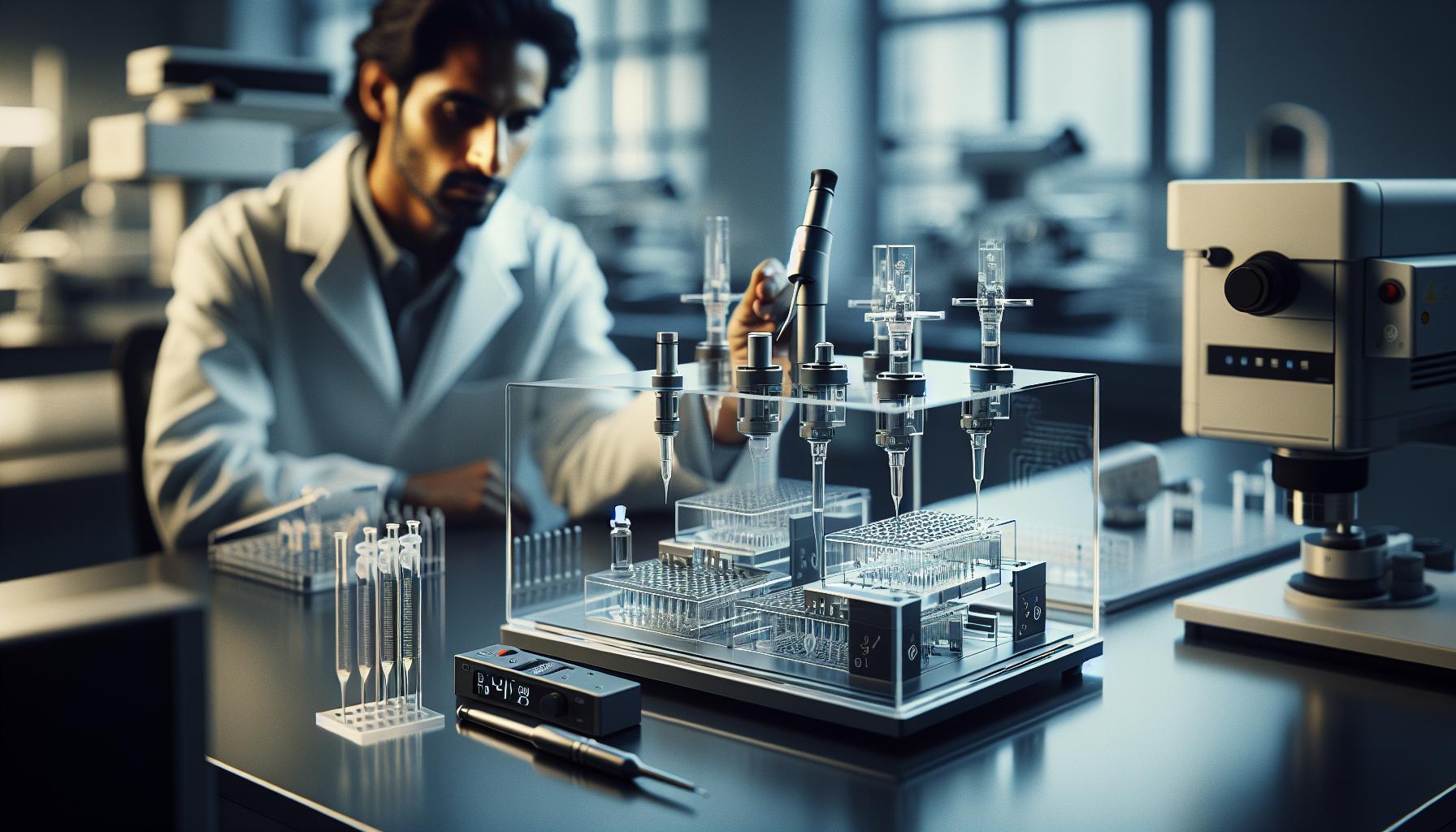
The Role of Microfluidic Pumps in Biotechnology
Microfluidic pumps are transforming the landscape of biotechnology by enabling unprecedented precision in the manipulation of tiny fluid volumes. This technology allows scientists to conduct experiments that were once challenging due to the minute scale of biological processes. In environments where every microliter counts, such as in cell culture or biochemical assays, microfluidic pumps provide the necessary control to deliver reagents and nutrients with remarkable accuracy.
One of the standout applications of microfluidic pumps in biotechnology is in the realm of dynamic cell culture. Traditional cell culture methods require significant reagents and space, which can lead to variability in experimental outcomes. However, with microfluidic systems, researchers can create controlled environments that mimic physiological conditions more closely. This not only enhances the reproducibility of results but also paves the way for advanced studies in drug interactions and cellular responses. For example, microfluidic pumps facilitate the precise modulation of shear stress and nutrient gradients, which are critical in studying stem cell differentiation and tissue engineering.
Moreover, high-throughput screening in drug discovery has seen a revolutionary leap thanks to microfluidic technology. These pumps are integral in automating the delivery of thousands of compounds to cell cultures. This capability significantly accelerates the process of identifying viable drug candidates, reducing both time and costs involved in pharmaceutical research and development. By enabling the parallel testing of multiple conditions, microfluidic pumps allow researchers to fine-tune experiments and achieve results faster than ever before.
Additionally, in the pursuit of personalized medicine, microfluidic systems are being developed to analyze the efficacy of treatments on a small scale before larger trials. Researchers can simulate patient-specific conditions, allowing for tailored therapeutic strategies that improve patient outcomes. Hence, microfluidic pumps are not merely tools but are foundational to the future of biotechnological innovations, bridging the gap between laboratory research and clinical applications. With constant advancements in this technology, staying abreast of emerging trends and integration methods will be essential for biotechnologists aiming to leverage these sophisticated tools in their research endeavors.
Microfluidic Pumps in Pharmaceutical Development
The integration of is reshaping the landscape of drug discovery and delivery, enabling unprecedented efficiencies and customization in how drugs are formulated and tested. In an industry where precision and speed are paramount, microfluidic technology offers solutions that optimize both experimental processes and outcomes. These pumps facilitate versatile applications, from high-throughput screening of pharmaceutical compounds to tailored drug dosing regimens, ensuring that researchers can advance from discovery to clinical applications more effectively.
One key advantage of microfluidic pumps is their ability to manipulate small fluid volumes with exceptional accuracy. This capability significantly enhances high-throughput screening methods, allowing labs to test thousands of potential drug candidates rapidly. Traditional screening methods can be resource-intensive, often requiring extensive reagents and lengthy processing times. In contrast, microfluidic systems only use a fraction of the volume, which not only reduces costs but also accelerates the identification of promising compounds. For example, pharmaceutical companies can employ microfluidics to simulate human physiological conditions, providing more relevant results early in the development process and reducing the likelihood of late-stage failures.
Moreover, the adaptability of microfluidics in creating diverse experimental setups open doors for personalized medicine approaches. Pharmaceutical developers can utilize these systems to tailor therapies based on individual patient profiles. By testing drug responses in a microfluidic platform that mimics patient-specific conditions, researchers can fine-tune drug formulations and dosages. This strategy is particularly transformative for complex diseases, where treatments need to be customized for efficacy. Additionally, microfluidic systems can streamline the production of biologics by enabling continuous manufacturing processes, which can be more consistent and scalable compared to traditional batch production methods.
In summary, microfluidic pumps are not just innovations in the laboratory; they represent a critical shift in pharmaceutical development paradigms. As the industry continues to embrace these technologies, the collaboration between researchers, engineers, and pharmaceutical firms will be vital to leverage the full potential of microfluidics, ultimately leading to faster, safer, and more effective drug development processes. This convergence of technology and pharmaceutical science holds promise not only for researchers but also for patients seeking effective, personalized treatment solutions.
Innovative Applications in Environmental Monitoring
Microfluidic technology has revolutionized environmental monitoring, providing unprecedented capabilities for detecting pollutants and analyzing water quality. These compact systems can manipulate very small volumes of liquid, allowing for rapid and accurate detection of a variety of environmental contaminants, from heavy metals to pathogens. This innovative approach not only enhances sensitivity but also enables real-time monitoring of environmental conditions, making it a powerful tool for both researchers and regulatory agencies.
One of the standout features of microfluidic pumps in environmental applications is their ability to perform multi-analyte detection in parallel. For instance, microfluidic devices can be designed to analyze samples for multiple contaminants simultaneously, which streamlines the process and reduces the overall time and resources needed for comprehensive assessments. Researchers have employed these systems to monitor rivers, lakes, and groundwater for harmful substances like pesticides, fertilizers, and biological agents. This capability is crucial for managing public health risks and ensuring safe drinking water supplies.
Furthermore, microfluidic platforms facilitate the development of portable, low-cost sensors that can be deployed in remote locations. The combination of these pumps with smartphone technology allows for easy data collection and analysis right on-site. For example, environmental scientists can use handheld microfluidic devices to measure water quality parameters and instantly visualize the data through a connected app, making it easier to respond to pollution events or assess the health of ecosystems in real-time.
In summary, the innovative applications of microfluidic pumps in environmental monitoring not only enhance detection methods but also improve the efficiency and effectiveness of environmental assessments. Their real-time monitoring capabilities, coupled with the potential for portable deployment, position microfluidic technology as a vital asset in the fight against pollution and the protection of natural resources. As this technology continues to evolve, it holds promise for more sustainable environmental practices and improved public health outcomes.
Microfluidic Pumps for Point-of-Care Diagnostics
In the fast-evolving landscape of healthcare, microfluidic pumps are transforming point-of-care diagnostics by enabling precise and rapid analysis at the site of patient care. Traditionally, diagnosing diseases involved transporting samples to central labs, which could delay treatment. Now, with microfluidic technology, healthcare professionals can obtain critical test results in real-time, enhancing decision-making and patient outcomes. The integration of these pumps in diagnostic devices allows for miniaturization, lower reagent consumption, and improved sensitivity, which are vital attributes for timely medical intervention.
One of the key advantages of microfluidic pumps is their ability to handle minute volumes of fluids, which is crucial in point-of-care settings. For instance, they can facilitate quick tests for conditions like diabetes by managing small blood samples that yield rapid glucose levels through micro-reactions. This micro-scale processing reduces costs and waste, making it not only a more environmentally friendly option but also a financially sustainable one for clinics and hospitals with limited resources.
Applications in Infectious Disease Testing
Microfluidic pumps play a pivotal role in infectious disease diagnostics, particularly in scenarios requiring immediate results. Devices utilizing these pumps can conduct multiplex assays that test for multiple pathogens simultaneously. For example, during outbreaks of diseases such as COVID-19 or flu, microfluidic diagnostic platforms can rapidly analyze nasal swabs, detecting the presence of viral RNA with high accuracy. This capability not only improves the speed of diagnosis but also aids in controlling the spread of infections by facilitating faster clinical decision-making.
Moreover, the portability of microfluidic devices powered by these pumps allows for deployment in remote or resource-limited settings. Researchers have developed handheld devices that can perform complex analyses without the need for intricate laboratory setups. This innovation means that healthcare workers in rural areas can provide essential diagnostic services, significantly enhancing healthcare access and equity.
In conclusion, the advent of microfluidic pumps in point-of-care diagnostics marks a critical advancement in medical technology. By bridging the gap between laboratory testing and immediate clinical decision-making, these devices are poised to revolutionize how healthcare is delivered, ensuring that patients receive timely and accurate diagnoses right at their fingertips. As the technology continues to mature, it promises further enhancements in diagnostic capabilities and overall patient care.
Emerging Trends in Microfluidic Pump Technology
As industries increasingly turn to advanced technologies for enhanced efficiency and precision, microfluidic pumps are emerging at the forefront as essential tools in various applications. These pumps, designed for the precise manipulation of small volumes of fluid, have opened new avenues in fields ranging from healthcare to environmental monitoring. One of the most notable trends is the integration of microfluidic systems with digital technologies, such as IoT (Internet of Things), which enables real-time monitoring and data analysis, making processes more efficient and environmentally sustainable.
One key trend is the scaling-down of instrumentation, allowing for portable devices that can perform complex analyses at point-of-care sites. For instance, innovations in microfluidic chip design have led to handheld devices capable of conducting comprehensive diagnostic tests, which can be crucial during health emergencies or in remote locations without access to full laboratory setups. These compact systems not only reduce the need for extensive lab infrastructure but also significantly mitigate the costs associated with traditional testing methods while improving turnaround times for results.
Another exciting development is the penchant for using biocompatible materials and designs in microfluidic pump systems. As applications in biotechnology and pharmaceuticals expand, there is a growing demand for materials that can safely interact with biological samples. This shift is exemplified by the increasing use of polymers that can be easily molded and modified, allowing for customized solutions tailored to specific applications in drug delivery and cellular analysis.
Furthermore, collaborations between academic institutions and industry leaders are driving innovation in microfluidic pump technology. Research focuses on enhancing pump performance, such as increasing precision in fluid control and minimizing errors during fluid manipulation. This synergy not only accelerates the pace of technological advancement but also fosters knowledge transfer, ensuring that cutting-edge research translates into practical applications that meet industry needs.
Conclusively, the landscape of microfluidic pump technology is evolving rapidly, driven by the need for greater efficiency, portability, and biocompatibility. As these trends continue to develop, they will undoubtedly change how professionals across various industries interact with fluidic systems, leading to smarter, more effective solutions that address current challenges in diagnostics, pharmaceuticals, and environmental monitoring.
User Profiles: Researchers and Engineers in the Field
Today’s advancements in microfluidics captivate the imagination, especially for those in research and engineering, fields crucial to innovation. Microfluidic pumps are at the heart of numerous scientific explorations, enabling the precise control of fluid dynamics on a minuscule scale. Researchers and engineers harness these systems to streamline experiments, develop new diagnostic tools, and enhance the efficiency of biochemical assays. For instance, in a typical laboratory setting, microfluidic devices can perform multiple tests on tiny quantities of samples, significantly reducing the volume of reagents required, which is both cost-effective and environmentally friendly.
Roles of Researchers and Engineers
In the realm of biotechnology, researchers use microfluidic pumps for tasks ranging from cell analysis to drug development. These pumps facilitate the dynamic control of culture environments and enable the integration of multiple steps within a single device. This capability is invaluable for engineers designing systems for point-of-care diagnostics-where rapid results can be critical for patient care. As an example, combining microfluidic technology with biosensors can lead to the development of portable devices capable of real-time pathogen detection, revolutionizing efforts in disease control and monitoring.
Engineers, on the other hand, focus on the scalability and reliability of microfluidic systems. They work to optimize the design for mass production while maintaining performance standards. By utilizing advanced materials and fabrication techniques, they ensure that these pumps can handle various applications, from pharmaceuticals to environmental monitoring. The collaborative effort between researchers and engineers propels the technology forward, driving innovation that can meet both academic and commercial demands.
For those entering this field, understanding the integral roles that microfluidics play will be paramount. This technology offers powerful solutions for manipulating fluids at a microscale-whether for academic research or industrial applications. The future of microfluidic pumps is bright, supported by a community eager to explore new possibilities and tackle challenges that lie ahead.
Microfluidic Pump Solutions and Design Considerations
Microfluidic pumps are transformative tools in the realms of research and industry, providing precise control over fluid movement at minuscule scales. As the demand for innovative solutions grows, understanding the specific solutions and design considerations for these systems becomes essential. The successful implementation of microfluidic pumps hinges on several critical factors including pump type, materials, integration capabilities, and scalability.
One of the foremost considerations when designing microfluidic pumps is the selection of the appropriate pump type. Common choices include peristaltic pumps, diaphragm pumps, and electroosmotic pumps, each offering unique advantages depending on the application. For instance, peristaltic pumps are favored for their simplicity and ease of control, making them ideal for sterile applications such as blood sampling or drug delivery. In contrast, electroosmotic pumps are excellent for manipulating non-Newtonian fluids, commonly encountered in biochemical assays and diagnostics. The choice of pump type should align with the desired flow rates and fluid properties to optimize performance.
Selecting the right materials is equally crucial, as they must withstand the specific chemical environments they will operate in. Compatibility with reagents such as solvents, biological samples, or corrosive substances can influence the longevity and reliability of the microfluidic device. Most microfluidic systems utilize materials like PDMS (polydimethylsiloxane) for its flexibility and ease of fabrication, yet alternatives like glass or thermoplastics may be preferred in high-temperature or high-pressure conditions. Understanding the physical and chemical properties of these materials can guide users in tailoring their design for maximum efficiency and durability.
Integration capabilities also play a pivotal role in the overall functionality of microfluidic systems. The ability to combine pumps with sensors, valves, and other components into a single compact unit simplifies the workflow and enhances the system’s usability, particularly in point-of-care diagnostics. For example, the integration of microfluidic pumps with biosensors allows for real-time analysis of samples, facilitating rapid pathogen detection in medical settings. Effective integration requires careful planning in the design phase to ensure compatibility and efficient space utilization.
Lastly, scalability is a fundamental aspect for industries planning to transition from laboratory-scale experiments to mass production. Engineers must consider how the manufacturing process can accommodate larger chips or numerous chips simultaneously, often delving into advanced fabrication techniques such as soft lithography or 3D printing. These techniques not only allow for rapid prototyping but also streamline production, ensuring consistent quality across all units.
By thoroughly addressing these design considerations, researchers and engineers can harness the full potential of microfluidic pumps, paving the way for advancements across various applications, from biomedical diagnostics to environmental sensing. The journey of innovation in microfluidic technology is filled with exciting possibilities, with each detail playing a vital role in shaping future breakthroughs.
Cost-Benefit Analysis of Microfluidic Pump Usage
The implementation of microfluidic pumps offers a compelling advantage for industries seeking efficiency and precision in fluid management. As operations scale down to the microscale, the cost-benefit analysis becomes crucial. These pumps not only enhance process reliability but also translate to significant savings-both financial and operational. Understanding the financial implications can help industries make informed decisions about integrating microfluidic technology into their systems.
One of the primary benefits is reduced material costs. Microfluidic systems consume smaller quantities of reagents compared to traditional methods, leading to lower overall expenditure on materials. For example, in pharmaceutical applications, the precise control of drug delivery enables researchers to minimize waste and optimize formulations without incurring heavy costs associated with larger volumes of compounds. Moreover, the extended lifespan of microfluidic devices often means less frequent replacements, further contributing to cost savings.
Additionally, microfluidic pumps enhance operational efficiency. The automation and precision of these systems reduce labor costs and the time associated with manual fluid handling. Consider the pharmaceutical industry; by employing microfluidic devices for drug screening processes, companies can significantly accelerate the pace of research and development. This swift turnaround not only speeds up the time to market for new drugs but also ensures that resources are utilized more effectively.
Table of Cost-Benefit Analysis Comparisons
| Factor | Traditional Methods | Microfluidic Pumps |
|---|---|---|
| Material Usage | High consumption & waste | Minimized reagent use |
| Labor Costs | Requires more personnel | Automated operation reduces labor needs |
| Development Time | Slower turnaround | Faster processes & increased efficiency |
| Device Longevity | Frequent replacements | Long-lasting systems with lower replacement rates |
While the initial investment in microfluidic technology can be significant, the long-term savings, improved performance, and scalability provided by these systems can justify the costs. Industries must weigh these factors against their specific operational needs to determine the optimum path forward. The decision to adopt microfluidic pumps should be viewed as an investment in efficiency and innovation, aimed at sustainable growth amid evolving market demands.
Future Directions: The Evolution of Microfluidic Pumps
The future of microfluidic pumps stands on the brink of transformation, driven by technological advancements and heightened demand across various industries. As industries continue to embrace miniaturization and automation, these devices are evolving to offer unprecedented precision and functionality. A key trend is the integration of artificial intelligence and machine learning, which allows systems to adapt in real-time to changing conditions-optimizing flow rates and improving the overall efficiency of fluid management systems. This adaptability positions microfluidic pumps to cater to diverse applications, from personalized medicine to complex biochemical assays.
Additionally, advancements in materials science are paving the way for more resilient and versatile microfluidic devices. New materials not only reduce manufacturing costs but also enhance the durability and compatibility of pumps with a broader range of fluids, including aggressive chemicals and biological samples. This change is crucial for industries such as pharmaceuticals and biotechnology, where consistent performance is essential. For instance, researchers are now exploring biodegradable microfluidic devices that could lead to sustainable manufacturing practices, significantly reducing waste in development processes.
Emerging Applications
The scope of microfluidic pump applications is expanding rapidly. Specific areas of growth include:
- Point-of-Care Diagnostics: These pumps facilitate rapid testing in clinical settings, allowing for immediate patient feedback.
- Environmental Monitoring: Microfluidic technology is being harnessed to detect pollutants in water and air, demonstrating a commitment to sustainability.
- Food Safety: Automation through microfluidic pumps ensures precise control over fluid samples, enhancing the reliability of food pathogen detection.
As researchers and engineers continue to innovate, the collaboration across disciplines will drive the development of more advanced microfluidic systems. This cooperative effort is vital to creating multipurpose devices that can fulfill various operational requirements, ultimately leading to significant advancements in both laboratory research and field applications. The perspective of a future filled with more compact, efficient, and multifunctional microfluidic pumps is not only exciting but essential for meeting the complex challenges of tomorrow’s industries.
Frequently Asked Questions
Q: What industries heavily rely on microfluidic pumps?
A: Industries such as biotechnology, pharmaceuticals, environmental monitoring, and medical diagnostics heavily rely on microfluidic pumps. These pumps are essential for precise fluid control in applications like drug delivery, point-of-care devices, and research in cellular biology.
Q: How do microfluidic pumps benefit pharmaceutical research and development?
A: Microfluidic pumps facilitate accurate dosing and liquid handling, which are crucial in pharmaceutical research. They support high-throughput screening, drug formulation, and can increase efficiency in drug testing by minimizing sample volumes and reducing costs.
Q: Why are microfluidic pumps utilized in environmental testing?
A: Microfluidic pumps are used in environmental testing for their ability to handle small sample volumes and to perform real-time analysis of pollutants. This makes them ideal for monitoring water quality and conducting field tests.
Q: What role do microfluidic pumps play in point-of-care diagnostics?
A: Microfluidic pumps are vital in point-of-care diagnostics since they enable rapid testing and analysis with minimal sample requirements. They enhance portability and ease of use, allowing for immediate results in various settings, including clinics and remote areas.
Q: Who are the primary users of microfluidic pump technology?
A: Primary users include research scientists, biomedical engineers, and companies in the healthcare and pharmaceutical sectors. These users leverage microfluidic technology for its precision and efficiency in fluid management.
Q: What are some innovative uses of microfluidic pumps beyond traditional medicine?
A: Beyond traditional medicine, microfluidic pumps are innovatively used in areas like food safety testing and chemical synthesis. They provide precise control in processes like flavor infusion in food production and synthesis of complex chemicals in labs.
Q: How do engineers select microfluidic pumps for specific applications?
A: Engineers select microfluidic pumps based on factors like flow rate, pressure requirements, and fluid compatibility. They consider application needs, like precision dosing for biomedical applications or throughput capabilities for laboratory automation.
Q: In what ways are microfluidic pump technologies evolving?
A: Microfluidic pump technologies are evolving with advancements in smart materials, integration with sensors, and automation. This evolution enhances the pumps’ performance, enabling more complex and efficient fluid manipulation for various applications.
In Summary
As we’ve explored, microfluidic pumps are revolutionizing industries from healthcare to environmental monitoring, providing precision and efficiency that traditional methods cannot match. It’s clear that these innovative tools are essential for applications in diagnostics, drug delivery, and even wearable technologies. Don’t miss out on the opportunity to leverage microfluidic pumps for your projects-explore our in-depth resources on applications of microfluidic technology and latest advancements in pump design to stay ahead in your field.
Ready to take the next step? Whether you’re looking to implement microfluidic solutions in your research or seeking expert consultation, connect with us today! Sign up for our newsletter to keep up with groundbreaking developments and join a community that values innovation. What challenges do you face with microfluidics? Share your thoughts in the comments-let’s engage in a dialogue that drives our industry forward. Your journey in microfluidics begins here; continue exploring, learning, and innovating!
Get our latest guides, news, and insights highlighted in your Google Search & AI Overviews.