
In an era where precision and efficiency are paramount in scientific research and medical diagnostics, the rise of automated microfluidics stands out as a transformative solution. This technology enables the manipulation of fluids at the microscale, significantly advancing capabilities in areas such as drug development and diagnostic assays. However, many in the industry still grapple with the question: is there a real need for automation in microfluidics? As workflows become increasingly complex, understanding the benefits of automated systems-like reduced human error, increased throughput, and enhanced reproducibility-becomes essential for researchers, engineers, and industry stakeholders alike. Join us as we explore the compelling reasons for embracing automation in microfluidics and its potential implications for the future of science and technology.
Current Landscape of Microfluidics Technology
Microfluidics technology is at the forefront of scientific innovation, revolutionizing how we conduct experiments and analyze samples in fields ranging from healthcare to environmental monitoring. This specialized field allows researchers to manipulate fluids at the microscale, enabling precision and control in a way that traditional methods cannot match. The current landscape of microfluidics is characterized by increased integration of automation, which enhances efficiency and reproducibility in laboratories.
The advent of automated microfluidics signifies a shift towards higher throughput and data accuracy. Automated systems can perform complex workflows with minimal human intervention, leading to faster results and reducing the potential for human error. As researchers strive for more significant capabilities in diagnostics, drug development, and material science, the demand for automation in microfluidic applications has surged. For instance, in cancer diagnostics, automated microfluidic platforms can conduct multiple analyses simultaneously, obtaining results that would typically require much more time and labor-intensive manual handling.
Moreover, the ecosystem of microfluidics is expanding with innovations in materials and fabrication techniques. New materials, such as hydrogels and polymers, are being developed to enhance fluid dynamics and create more sophisticated sensor systems. For instance, 3D printing is emerging as a viable method to produce microfluidic devices rapidly, allowing for customization based on specific research needs. These advancements not only improve the functionality of microfluidic devices but also make them more accessible for a variety of applications, enabling scientists to tackle increasingly complex problems.
In summary, the is dynamic and rapidly evolving. With automation driving forward advancements, the integration of novel materials and the push for high-throughput capabilities are key elements shaping the future of this field. Researchers must stay abreast of these developments to leverage the full potential of microfluidic systems in their work.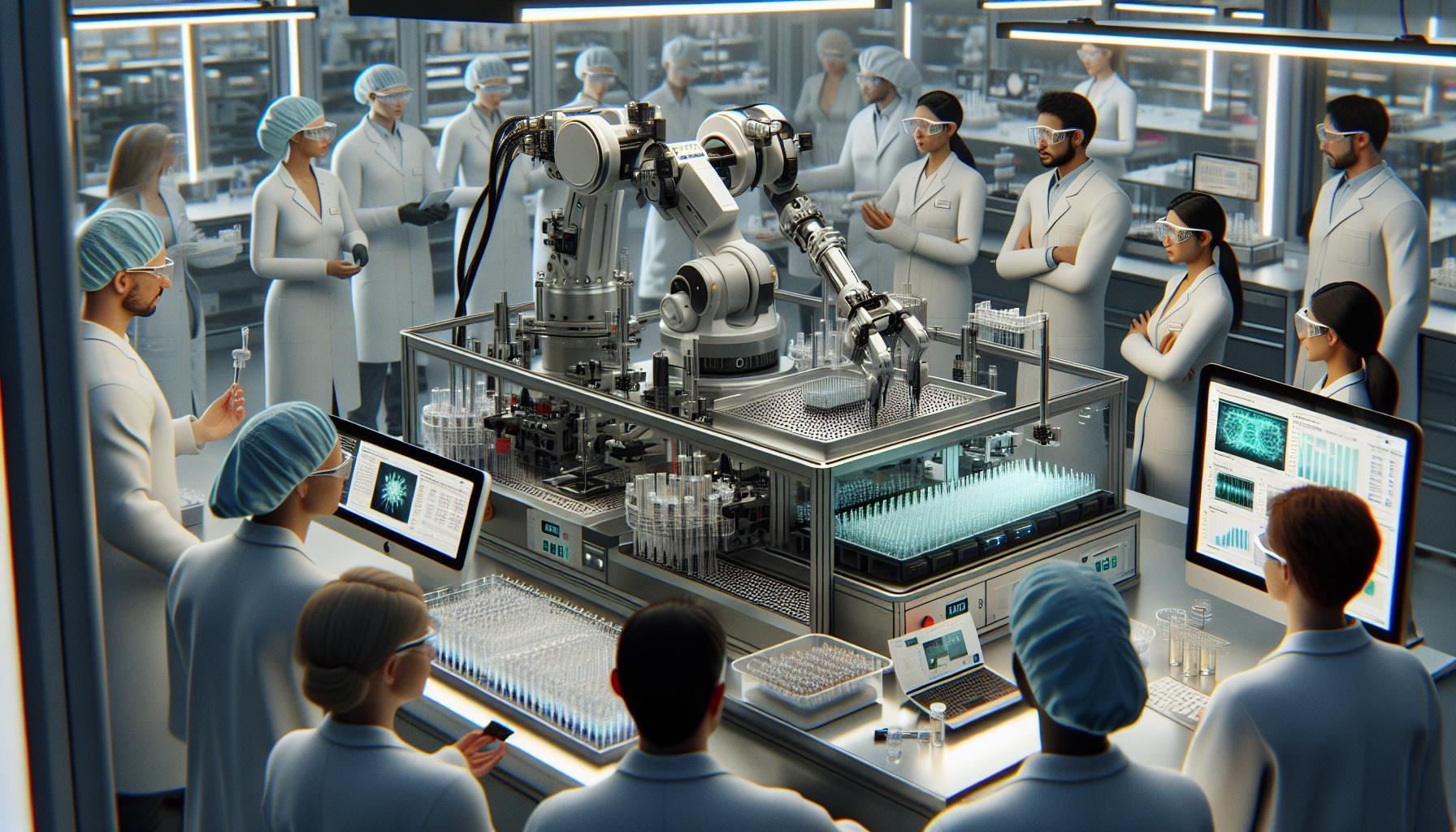
Benefits of Automation in Microfluidics
Implementing automation in microfluidics represents a significant leap forward in laboratory processes, transcending traditional manual handling methods. This transition is not merely a trend; it embodies essential efficiency and precision benefits that can transform research and diagnostic capabilities across various industries. Automated microfluidic systems allow for the manipulation of fluids at a pace and accuracy that manual systems struggle to match, effectively minimizing the intrinsic variability often associated with human handling.
One of the foremost benefits of automation is the enhanced throughput. Automated systems enable researchers to conduct multiple tests in parallel, vastly increasing the number of samples analyzed per day. This high-throughput capability is particularly advantageous in fields such as drug discovery and genomic analysis, where rapid data collection is critical for timely and informed decision-making. For instance, in a pharmaceutical setting, an automated microfluidic platform can streamline the screening of numerous compounds against biological targets, accelerating the journey from research to market.
In addition to speed, automation significantly reduces human error. Microfluidic devices integrated with automation technology are designed to execute protocols with high repeatability, ensuring that results are consistent and reliable. This is particularly vital in clinical diagnostics, where precision can influence patient outcomes. Automated liquid handling systems can standardize the handling of samples, reagents, and solvents, thereby lowering variability and enhancing the reproducibility of experiments.
Moreover, the user experience in laboratories also improves with automation. Instruments equipped with intuitive interfaces and automated protocols require less training and can make it easier for researchers to manage complex workflows. This democratization of technology ensures that various lab personnel, from seasoned scientists to newcomers, can effectively utilize expensive microfluidic equipment without extensive prior experience.
In summary, the integration of automation in microfluidics not only amplifies the efficiency and precision of laboratory processes but also enriches the operational landscape of research facilities. As the demand for quicker, more reliable results continues to grow across scientific domains, automation stands out as a crucial enabler, transforming how we approach experimentation and diagnostics in a technologically advancing world.
Key Players in Automated Microfluidics Industry
In the rapidly evolving field of microfluidics, several key players are shaping the market with innovative solutions that increasingly rely on automation. Not only are these companies pioneering advanced technologies, but they are also addressing the growing demand for high-throughput capabilities and precision in various applications, ranging from healthcare diagnostics to drug development.
Leading the charge are companies like Thermo Fisher Scientific and Agilent Technologies, which have developed automated microfluidic platforms that facilitate complex assays with minimal user intervention. These companies leverage their extensive experience in laboratory technologies to create systems that integrate seamlessly with existing workflows, thus enhancing laboratory efficiency. For example, Thermo Fisher’s microfluidic solutions are employed in genomic research, where they streamline sample preparation and analysis, translating into faster results and reduced hands-on time.
Another major player is Fluidigm Corporation, known for its chip-based microfluidics technology. Fluidigm’s products enable high-throughput single-cell analysis, which is critical in personalized medicine and cancer research. Their automated systems allow researchers to handle thousands of samples simultaneously, making it possible to uncover insights that would be unfeasible with traditional methods. The ease of automation in these systems significantly reduces the potential for human error, which is essential for maintaining the integrity of experimental data.
Emerging companies, such as Drop Technologies and Cellix, are also making significant impacts. These firms focus on cutting-edge applications such as droplet microfluidics and precise cell manipulation, respectively. Their innovative approaches not only contribute to the growing body of knowledge in microfluidics but also drive forward the capabilities of automated systems, catering to specialized needs in biomedical research and industrial applications.
In this competitive landscape, partnerships and collaborations are becoming increasingly common. Many leading companies are forming alliances with academic institutions and research organizations to foster innovation and develop tailored solutions that address specific challenges in automated microfluidics. As these key players continue to refine their technologies, the automation of microfluidic systems will likely become even more integral to creating efficient, reproducible, and scalable laboratory processes. With such advancements, the prospect of microfluidics rapidly transforming a myriad of scientific fields is more promising than ever.
Comparative Analysis: Manual vs. Automated Microfluidics
In the quest for efficiency and precision in the lab, the shift towards automated microfluidics stands as a pivotal development. Manual microfluidics, while foundational, often comes with inherent limitations that can hinder throughput and accuracy. Traditional methods require significant hands-on time and can introduce variability due to human error. By contrast, automated systems streamline processes, promising consistency and the ability to handle complex workflows with ease.
One of the primary benefits of automation in microfluidics is the capacity for high-throughput screening. Automated platforms can run multiple experiments simultaneously, processing hundreds or thousands of samples without the need for constant human oversight. This trait is crucial for applications in drug discovery and genomics, where the analysis of large datasets is routine. For instance, platforms from leaders like Fluidigm enable the analysis of single cells at scale, a feat that’s unmanageable with manual methods. This high efficiency translates to faster experimental cycles-researchers can glean insights and move to the next step without the delays associated with manual preparation.
However, the transition to automated systems isn’t entirely without challenges. The initial setup cost can be significant, and integrating these sophisticated tools into existing workflows requires careful consideration. Labs must assess their specific needs and the capabilities of available technologies to ensure alignment. Despite these hurdles, the long-term savings on labor and the reduction of error rates often justify the investment. When comparing across sectors, the productivity gains and data reliability from automated microfluidics cannot be overstated.
The debate between manual and automated systems is not merely one of choice but rather an evolution in laboratory practices. As automation technology continues to advance, the distinction will blur; manual methods may become niche applications or complement advanced automated sets in specialized scenarios. Overall, the need for automated microfluidics in today’s research landscape is not just beneficial; it’s becoming essential for driving innovation and expanding the frontiers of scientific discovery.
Challenges Facing Automated Microfluidics Adoption
The shift towards automated microfluidics represents a transformative advancement in laboratory practices, yet it does not come without its own set of challenges. As researchers and institutions consider the adoption of these cutting-edge technologies, they face various obstacles that can hinder seamless integration and overall effectiveness.
One significant hurdle is the high initial investment required for automated microfluidics systems. Compared to traditional manual methods, the cost of purchasing sophisticated instrumentation can be daunting, particularly for smaller labs or institutions with limited budgets. Additionally, maintaining and operating these advanced systems may incur ongoing expenses for software licenses, maintenance agreements, and staff training. This financial burden can deter analytics-focused teams from making the leap to automation, even in light of potential long-term savings and efficiency gains.
Another challenge pertains to integration with existing workflows. Transitioning to automated systems often necessitates a reevaluation of current processes and protocols within the lab. Research teams must invest time and effort into ensuring that the automated equipment aligns with their specific applications, which may involve customizing software or hardware. This integration process can lead to temporary disruptions or a steep learning curve as personnel adapt to new technologies. Furthermore, the compatibility of new automation tools with existing systems, from data management to sample tracking, can pose additional complications.
Lastly, there is an element of cultural resistance within many research environments. Scientists accustomed to manual techniques may have reluctance towards automation, fearing that it could diminish their role or lessen the creative aspect of experimental design. Overcoming this mindset requires not only evidence of the benefits of automation but also a concerted effort to involve all stakeholders in the transition process. Providing training and fostering an open dialogue about the changes can help alleviate concerns and promote a smoother adaptation to automated workflows.
In summary, while the promise of automated microfluidics is compelling, understanding and addressing challenges related to costs, integration, and personnel acceptance is essential for a successful transition. Recognizing these issues early on allows labs to develop strategic plans that facilitate adoption, ultimately enhancing productivity and innovation in research.
Cost-Benefit Analysis of Implementing Automation
The decision to automate microfluidics processes requires careful consideration of both costs and potential benefits. While the initial investment in automated systems can be significant, the long-term advantages can far outweigh these upfront expenses, promoting efficiency, precision, and scalability in laboratory operations. Understanding the dynamics of this cost-benefit analysis is essential for institutions looking to innovate and improve their workflows.
Automation in microfluidics offers a variety of benefits that can enhance laboratory productivity. Key advantages include:
- Increased Throughput: Automated systems can process larger volumes of samples in a shorter timeframe compared to manual methods. This is particularly beneficial in high-throughput screening applications, where time is often of the essence.
- Enhanced Accuracy: Automated systems minimize human error, ensuring consistent and reproducible results. This is crucial in experiments where precision is paramount.
- Cost Savings in the Long Run: Although the initial setup can be expensive, automation can lead to significant savings over time by reducing labor costs and increasing operational efficiency. For instance, automated systems can operate continuously, freeing up skilled personnel for more complex tasks.
- Improved Safety and Ergonomics: Automation reduces the need for manual handling of samples and hazardous materials, thereby enhancing workplace safety and ergonomics.
However, the transition to automated microfluidics is not without its challenges. High capital expenditure remains one of the most significant barriers to adoption. Labs must weigh these costs against the potential for increased efficiency and output. A comprehensive cost analysis should also account for ongoing expenses related to maintenance, training, and software updates, which can accumulate significantly over time.
Institutions considering automation should look at specific case studies or pilot projects within their field. For example, laboratories that successfully implemented automated microfluidics platforms have often reported increased productivity, improved data quality, and faster turnaround times for research projects. Furthermore, benchmarking against industry standards can provide insights into expected return on investment (ROI) and help slow adopters make informed decisions.
In conclusion, while the decision to implement automation in microfluidics includes significant considerations regarding costs, the potential benefits provide a strong case for integration. By addressing the challenges and strategically investing in automation, laboratories can enhance their operational capabilities and position themselves for future advancements in the field.
Real-World Applications of Automated Microfluidics
Automated microfluidics has revolutionized how laboratories conduct experiments and analyze samples, particularly in fields requiring high precision and efficiency. These advanced systems facilitate the manipulation of fluids at a microscopic scale, enabling researchers to perform complex assays, synthesize compounds, and study biological processes with unprecedented accuracy. One groundbreaking application is in drug discovery, where automated platforms support high-throughput screening of potential drug candidates. This allows for the rapid evaluation of thousands of compounds, significantly accelerating the timeline to find viable treatments.
Another compelling use case is in point-of-care diagnostics. Automated microfluidics devices can swiftly process patient samples, making it possible to deliver results within minutes instead of hours or days. For instance, systems designed for rapid viral load testing can provide vital information for managing infectious diseases, such as COVID-19, directly at the patient’s bedside. This immediacy enhances clinical decision-making and improves patient outcomes, showcasing how automation can bridge the gap between laboratory capabilities and real-world medical needs.
Furthermore, the integration of automated microfluidics in genomics has been transformative. High-throughput sequencing requires precise sample handling, and automated systems can streamline the preparation of DNA and RNA, ensuring uniformity and reducing the time needed to process large genomic data sets. Laboratories are witnessing increased efficiency, improved data accuracy, and reduced risks of contamination when using these advanced microfluidic technologies.
In summary, the are not just theoretical; they are actively reshaping practices across various sectors, from pharmaceuticals to healthcare. As these technologies continue to evolve, the emphasis on automation is poised to expand further, driving innovation and enhancing productivity in research and industry alike.
Innovations Driving the Future of Microfluidics
In the fast-evolving field of microfluidics, innovation is at the heart of progress. One of the most exciting developments is the integration of artificial intelligence (AI) and machine learning (ML) algorithms in microfluidic systems. These technologies enable adaptive learning and real-time optimization of fluid manipulations, significantly enhancing precision and efficiency. For example, AI can predict the outcomes of experiments based on historical data, allowing researchers to adjust parameters dynamically to achieve optimal results. This capability is transforming how scientists approach experimental design and execution, making it possible to conduct complex assays that were previously too labor-intensive or error-prone to automate.
Another groundbreaking trend is the advancement of materials used in microfluidic devices. The development of new smart polymers and hydrogels has opened up avenues for creating more flexible, responsive, and biocompatible chips. These materials can change properties in response to environmental stimuli, such as temperature or pH, enabling more sophisticated applications in drug delivery and diagnostics. By leveraging these advanced materials, researchers can design devices that not only manipulate fluids but also interact with biological systems in complex ways, enhancing the efficacy and safety of treatments.
Integration with Digital and Cloud Technologies
The rise of digital technologies and cloud computing is also reshaping the landscape of microfluidics. Many automated microfluidic systems now incorporate cloud-based platforms for data collection and analysis. This integration allows for seamless data sharing and collaboration among researchers across geographical boundaries. Scientists can access real-time data from experiments, monitor processes remotely, and apply data analytics tools to uncover insights that would be challenging to identify manually. This connectivity not only accelerates research but also fosters a more collaborative scientific environment.
Scalability and High-Throughput Innovations
Innovations that enable scalability are crucial for the future of microfluidics. Advances in miniaturization techniques are creating opportunities for developing multiplexed systems capable of performing numerous simultaneous analyses within a single device. These high-throughput microfluidics applications are particularly promising in drug discovery and genomics, where large volumes of samples can be processed faster and more reliably. As these technologies mature, they promise to revolutionize how laboratories handle sample analysis, making the workflows not just faster but also more cost-effective.
By staying attuned to these cutting-edge innovations, researchers and industry stakeholders can better understand how to leverage automated microfluidics to enhance their work, ultimately leading to faster discoveries and improved patient outcomes. The integration of advanced technology, smarter materials, and innovative approaches is setting the stage for a future where automated microfluidics will be a standard tool in laboratories worldwide, driving significant advancements in both research and clinical applications.
Regulatory Considerations in Automated Microfluidics
Navigating the regulatory landscape for automated microfluidics is crucial for companies aiming to innovate while ensuring compliance with stringent health and safety standards. Regulatory bodies, such as the U.S. Food and Drug Administration (FDA) and the European Medicines Agency (EMA), have established frameworks that govern the approval and use of diagnostic and therapeutic devices, including microfluidic systems. These regulations often focus on ensuring the efficacy, safety, and quality of products before they reach the market, particularly in healthcare applications where precision and reliability are paramount.
One of the core challenges in the regulatory process for automated microfluidics is the need for thorough validation of the technology. This includes not only demonstrating the performance of the microfluidic device but also establishing reproducibility and reliability across various conditions and user environments. For instance, the data generated from automated microfluidic assays must meet regulatory scrutiny regarding accuracy and precision, often necessitating extensive testing and documentation. Manufacturers must align their product development with regulatory guidelines from the outset to streamline approval processes. Engaging with regulatory consultants early in the development phase can help identify specific requirements that apply to their technology, effectively minimizing delays later in the process.
Moreover, the integration of cloud technologies and AI into automated microfluidic systems introduces additional regulatory complexities. These innovations can alter how data is collected, analyzed, and stored, leading regulators to assess the software components alongside the physical device. Ensuring data integrity, confidentiality, and security becomes critical when regulatory bodies evaluate compliance. Companies must implement robust data governance frameworks and detailed systems maintenance protocols to navigate these challenges effectively.
Understanding the regulatory landscape is not merely about compliance; it also offers opportunities for competitive advantage. Companies that prioritize regulatory considerations can expedite their products’ time to market, thus enhancing their market positioning. Additionally, proactive engagement with regulatory authorities can foster partnerships and pave the way for collaborative research initiatives, ultimately benefiting the broader field of automated microfluidics.
User Experience: Integrating Automation in Labs
Integrating automation into laboratory workflows has become increasingly essential for enhancing efficiency and accuracy in microfluidics. Automated microfluidic systems enable researchers to perform experiments with minimal human intervention, dramatically speeding up the process of sample analysis and data collection. In labs where time and precision are critical, the adoption of automation not only facilitates higher throughput but also reduces the likelihood of human error-making results more reliable.
One of the key aspects of user experience in automated microfluidics involves the design of intuitive interfaces that can streamline operations. Users now expect systems that are not only powerful but also easy to navigate. Software that allows for drag-and-drop functionality, real-time monitoring, and simple protocol programming is becoming the norm. For example, some platforms allow researchers to visualize their workflows through graphical user interfaces (GUIs), which can significantly lower the learning curve for new users. Training time and operational hiccups reduce dramatically when users can quickly grasp the mechanics of the system.
Customization and Scalability
As labs often have unique workflows and requirements, customization is a significant factor in user satisfaction. Many automated microfluidic systems now offer modular designs that can be tailored to specific applications-whether it’s for high-throughput screening, diagnostic assays, or research applications. This flexibility allows laboratories to scale operations seamlessly. For instance, a lab focused on infectious disease diagnostics can adjust its microfluidic setup as new pathogens emerge, ensuring that tools remain relevant and effective.
Furthermore, automation can enhance collaborative research. Cloud connectivity enables teams dispersed across different locations to share data and insights instantaneously. This not only fosters collaboration but also ensures consistent data management and reporting. However, successful integration often requires addressing gaps in IT infrastructure and ensuring that all systems can communicate effectively.
In conclusion, the user experience in integrating automation within labs goes beyond the initial setup. It’s about creating an ecosystem where researchers can focus on innovation and discovery rather than administrative tasks. By prioritizing intuitive design, customization, and connectivity, laboratories can fully leverage the breakthroughs in microfluidic technology to maximize their research capabilities. As the landscape of automated microfluidics continues to evolve, ongoing feedback from users will be crucial for shaping the next generation of these transformative systems.
Future Trends in Microfluidics and Automation
The evolution of microfluidics is paving the way for exciting advancements in laboratory automation. As we delve into future trends, it’s essential to recognize how these innovations will transform lab processes and deliver unprecedented efficiency, precision, and capabilities. With increasing demands for faster and more accurate results across various scientific disciplines, automated microfluidic systems are being designed with enhanced functionality, integration, and user-centric features.
Continued progress in AI and machine learning is a crucial element shaping the future of automated microfluidics. These technologies can optimize workflows by leveraging data analytics to predict outcomes, adjust protocols in real-time, and enhance decision-making processes. For instance, AI algorithms can analyze large datasets to identify patterns that would be challenging for researchers to detect manually, allowing for more targeted experiments and improved diagnostics. This integration not only streamlines processes but also enriches the quality of research outcomes.
Miniaturization remains a driving force behind microfluidics technology, enabling the development of even smaller, more powerful systems. Future devices are expected to be more compact, and portable, allowing for on-site analytics in settings like field research and clinical diagnostics. This compactness not only reduces the amount of reagent required but also lowers costs and makes experiments more environmentally sustainable. Automated microfluidic systems incorporating lab-on-a-chip designs are on the rise, allowing diverse assays to occur on a single chip, improving throughput and reducing turnaround times.
As automation in microfluidics continues to progress, addressing interoperability will be paramount. Future systems will likely prioritize compatibility across multiple platforms to facilitate ease of integration within existing laboratory infrastructures. This means that researchers can seamlessly connect various devices and software, fostering collaboration and data sharing between disparate systems. Such advancements will enhance the practicality of automated microfluidic solutions, allowing researchers to focus more on science and less on system management.
In summary, the trends shaping the future of microfluidics and automation point towards enhanced AI integration, miniaturization of devices, and improved interoperability. These innovations will not only increase laboratory efficiency but also expand the capabilities of researchers, leading to transformative discoveries across various scientific fields. As the industry evolves, keeping abreast of these trends will empower laboratories to harness the full potential of automated microfluidics, driving forward the frontiers of research and innovation.
FAQ
Q: What are the key benefits of implementing automated microfluidics in laboratories?
A: Automated microfluidics enhance efficiency, precision, and reproducibility in experiments. These systems minimize human error, reduce labor costs, and increase throughput, allowing for a higher volume of experiments in less time. For more insights, visit the section on Benefits of Automation in Microfluidics in our article.
Q: How does automated microfluidics compare to manual processes?
A: Automated microfluidics offer superior accuracy and speed compared to manual processes, which can be labor-intensive and prone to errors. Automation streamlines sample handling and data collection, making it easier to achieve consistent results across experiments. Learn more in our Comparative Analysis: Manual vs. Automated Microfluidics.
Q: What challenges do companies face when adopting automated microfluidics?
A: Companies may encounter high initial costs, integration issues with existing workflows, and a steep learning curve for staff. Additionally, regulatory compliance can complicate the transition. Explore more about these challenges in our section on Challenges Facing Automated Microfluidics Adoption.
Q: What innovations are driving the future of automated microfluidics?
A: Recent innovations like AI-driven analysis, advanced sensor technology, and improved microfluidic chip designs are propelling automated microfluidics forward. These advancements enhance capabilities and open new application areas, as detailed in our Innovations Driving the Future of Microfluidics section.
Q: How do regulatory considerations impact the implementation of automated microfluidics?
A: Regulatory considerations can delay adoption due to stringent compliance requirements for quality control and validation of results. Understanding these guidelines is essential for successful integration, which we discuss in the Regulatory Considerations in Automated Microfluidics section.
Q: What are the cost implications of implementing automated microfluidics systems?
A: While initial investments may be significant, the long-term savings from reduced labor costs and increased efficiency often justify the expense. Companies should perform a thorough cost-benefit analysis to evaluate potential returns, as explained in our article’s dedicated section.
Q: In what real-world applications are automated microfluidics currently being utilized?
A: Automated microfluidics are widely used in fields such as biomedical research, drug development, and environmental monitoring. Their ability to efficiently manage small volumes of liquid makes them ideal for high-throughput screening and diagnostic processes. For detailed examples, see the Real-World Applications of Automated Microfluidics section.
Q: What future trends should we expect in the automated microfluidics industry?
A: Future trends include greater integration of machine learning for data analysis, enhanced ease of use, and innovations in chip technology. These developments will likely lead to broader applications and improved accessibility in research and clinical settings, discussed in our Future Trends in Microfluidics and Automation section.
Wrapping Up
As we’ve explored in “Is There a Need for Automated Microfluidics: Industry Analysis,” the shift towards automation in microfluidics is not just a trend-it’s a necessity driven by efficiency, precision, and the growing demands of various industries. If you’re considering how these advancements can transform your processes, don’t hesitate to take action now. Explore our in-depth resources on the applications of microfluidics in pharmaceuticals and diagnostics, or discover tips on implementing automation in your lab.
Diving deeper into this field could enhance your understanding and effectiveness; we recommend checking out our articles on “The Future of Lab Automation” and “Key Innovations in Microfluidics Technology.” Join our newsletter for the latest insights, or connect with our experts to discuss your specific needs and questions. Your next breakthrough could be just a click away-let’s explore together how automated microfluidics can elevate your work. Don’t wait; the future of precision and efficiency is here, and you can be part of it.
Get our latest guides, news, and insights highlighted in your Google Search & AI Overviews.