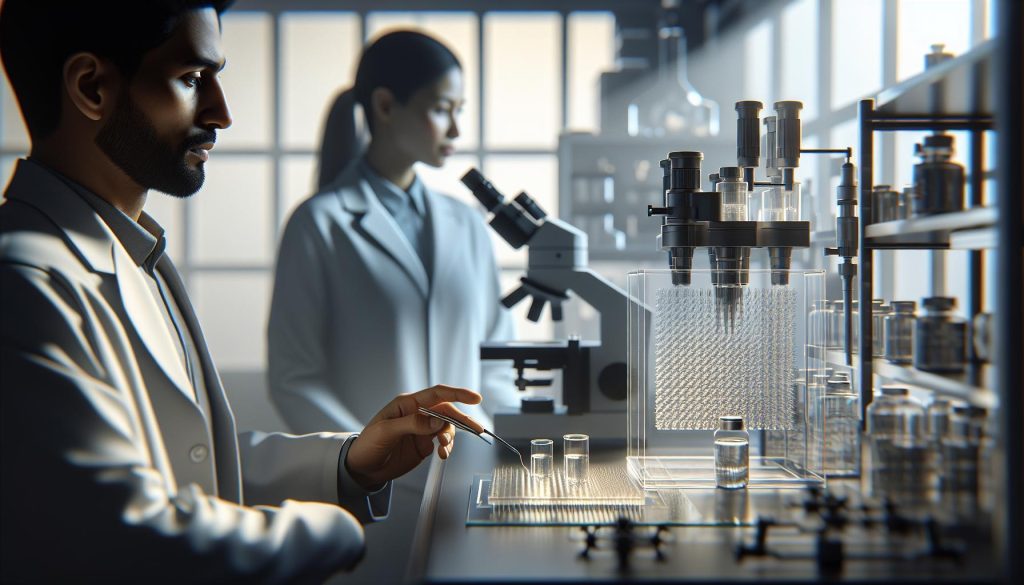
In the evolving landscape of genetic engineering, the ability to manipulate and analyze small volumes of fluids with precision has never been more crucial. A droplet microfluidic platform automates this process, offering researchers unprecedented control over genetic experiments. By streamlining workflows and minimizing human error, this technology not only accelerates research but also enhances reproducibility-key factors in the quest for groundbreaking discoveries. As the demand for innovation in biotechnology grows, understanding and harnessing such platforms becomes essential for researchers, educators, and technologists alike. Dive into the intriguing world of droplet microfluidics, and explore how this powerful tool can transform genetic engineering, paving the way for advancements in health, agriculture, and beyond.
A Comprehensive Overview of Droplet Microfluidics
Droplet microfluidics is revolutionizing the landscape of genetic engineering by enabling precise control over the manipulation of tiny fluid volumes. At the heart of this technology is the ability to create discrete droplets, each capable of acting as an independent reaction chamber. This system enhances scalability and efficiency, allowing researchers to conduct numerous parallel experiments in a compact and organized manner. For example, in genetic circuit characterization, multiple constructs can be tested simultaneously, accelerating the screening process necessary to identify optimal designs.
The core principle behind droplet microfluidics involves the generation of micro-sized droplets in a continuous phase, often oil, using specialized devices known as microfluidic chips. These devices leverage controlled flows to produce uniform droplets that can encapsulate biological samples, reagents, or genetic material. The size and frequency of these droplets can be precisely adjusted, enabling researchers to optimize reaction conditions or the concentrations of reactants for diverse experiments. This level of control makes droplet microfluidics an attractive solution for automating genetic engineering tasks, such as library generation and high-throughput screening, which would traditionally be labor-intensive and time-consuming.
In practical settings, the integration of droplet microfluidics with other technologies, such as imaging and automated liquid handling, amplifies its capabilities. This technology not only streamlines workflows but also minimizes the risk of contamination and sample loss during experiments. Coupled with advanced data analysis techniques, droplet microfluidics facilitates the rapid iterating and testing of genetic constructs, significantly boosting productivity in synthetic biology research. As the field evolves, the continuous development of droplet-based systems is poised to address complex challenges, offering innovative solutions for the next generation of genetic engineering applications.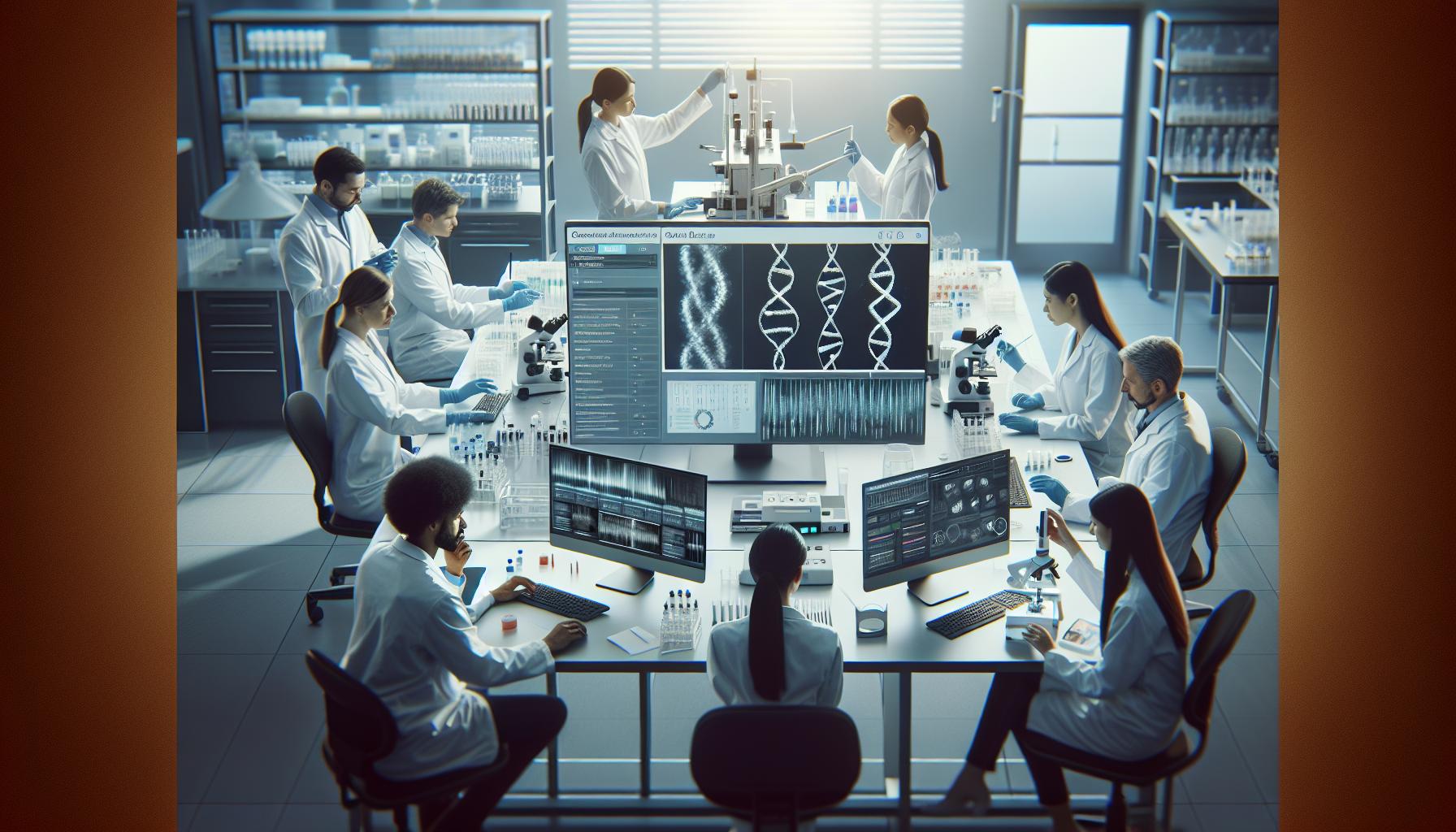
Key Applications of Automated Genetic Engineering
The transformative power of droplet microfluidics opens a new frontier in automated genetic engineering, allowing for the execution of complex experiments with unparalleled precision. At the core of this technology is the ability to create discrete droplets that can encapsulate individual biological reactions, making it possible to conduct high-throughput screenings of genetic constructs. This method greatly enhances the efficiency of tasks that typically require extensive manual labor and time, such as mutagenesis, transformation, and library generation.
One of the most significant applications of droplet microfluidics is in the realm of synthetic biology. Researchers can use these microdroplets to run thousands of parallel experiments simultaneously, testing various genetic modifications in a compact format. This approach not only accelerates experimentation but also increases the likelihood of discovering beneficial genetic variants. For example, when developing engineered organisms for bioprocessing or pharmacological applications, scientists can rapidly assess which genetic constructs yield the most promising results without the tedious bottleneck of traditional methods.
Moreover, droplet microfluidics facilitates the integration of various molecular biology techniques, including PCR amplification, cloning, and sequencing, all within the same platform. Such versatility simplifies the workflow and diminishes the risk of contamination. With the capability to efficiently manipulate and analyze genetic material in real-time, researchers are equipped to fine-tune their constructs and optimize expression systems more effectively than ever before.
As automated genetic engineering continues to evolve, the combination of droplet microfluidics with artificial intelligence is emerging as a game-changer. AI algorithms can analyze the vast amounts of data generated from droplet experiments, enabling researchers to discern patterns that may not be immediately apparent, thereby guiding further experimental design. The future promises even more sophisticated applications, such as automated design and testing of genetic circuits, ultimately paving the way for innovative solutions to complex biological challenges.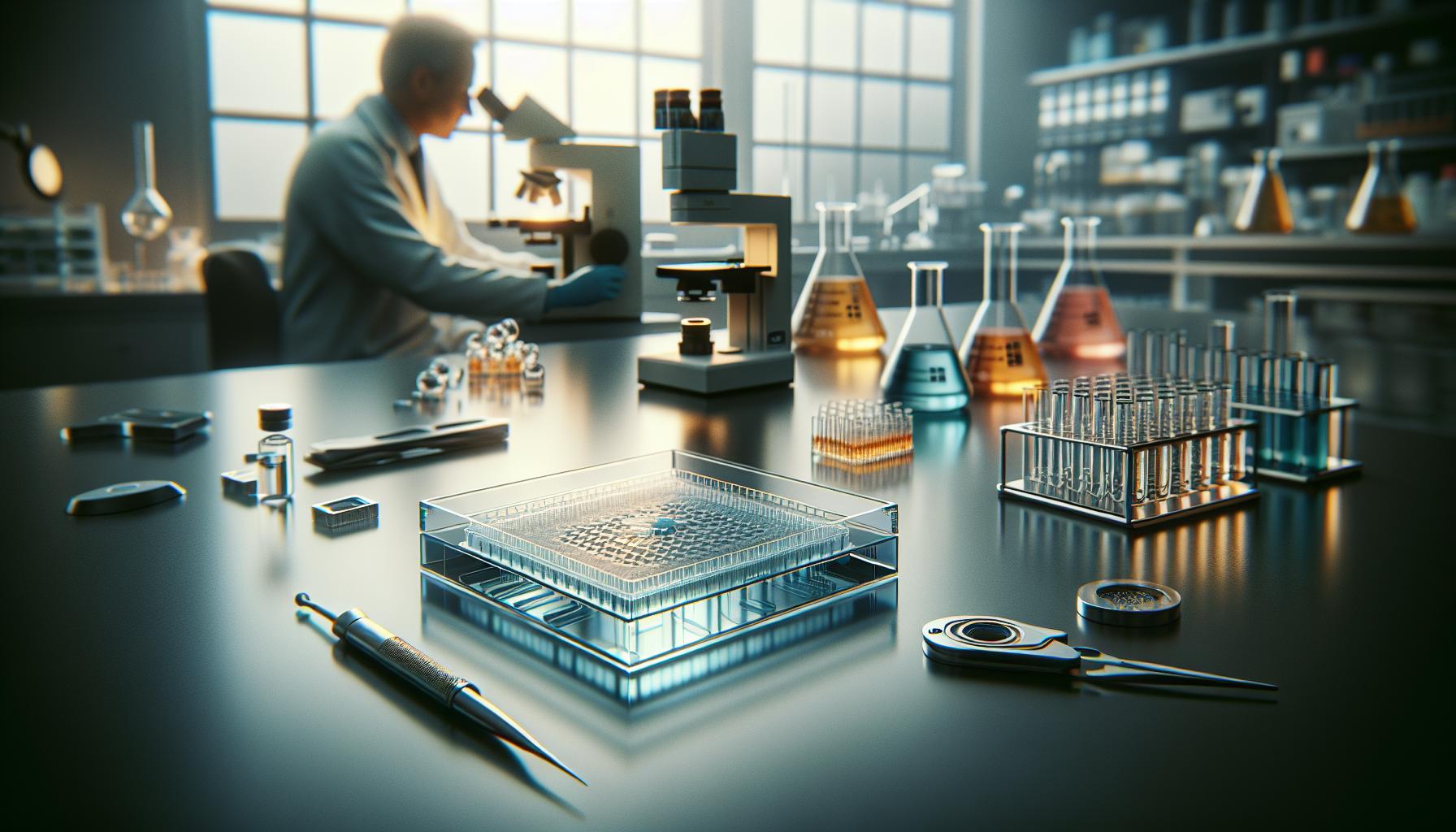
The Science Behind Microfluidic Platforms
The principles of microfluidics revolve around the manipulation of fluids at the microscale, typically within channels less than a millimeter in diameter. This innovative technology allows for the precise control of liquid volumes, enabling researchers to create highly controlled environments conducive to various biological and chemical experiments. At the heart of droplet microfluidic platforms is the generation of discrete droplets, each capable of containing different reagents or biological components. This compartmentalization not only facilitates individual biological reactions but also dramatically increases throughput, making it possible to conduct thousands of experiments simultaneously within a single experiment.
One of the key scientific principles underpinning microfluidic platforms is the ability to leverage hydrodynamic forces to control droplet formation and movement. Techniques such as flow-focusing and T-junction configurations allow for the efficient generation of droplets from continuous liquid phases. By adjusting variables such as flow rates, fluid viscosity, and the geometry of microfluidic channels, researchers can fine-tune droplet size and spacing, optimizing conditions for various assays. This capability is essential for applications in genetic engineering, where precise dosages of reagents, such as DNA or enzymes, can significantly impact the success of reactions.
The versatility of droplet microfluidics also stems from its integration with other molecular biology techniques. For instance, PCR (Polymerase Chain Reaction) can be performed in droplets, allowing for the amplification of genetic material within isolated environments. This reduces the risk of contamination and ensures that each droplet can serve as an individual reaction chamber. Furthermore, the platform can interface with various detection systems, including fluorescence and imaging techniques, enabling real-time monitoring of reactions. Such integration simplifies workflows and enhances the ability to iterate quickly through experimental conditions.
In deploying microfluidic platforms for automated genetic engineering, it’s important to consider the biocompatibility of materials used in microchannel fabrication. PDMS (Polydimethylsiloxane) is commonly used due to its flexibility and optical transparency, but researchers must also explore alternatives, such as thermoplastics or glass, depending on their specific needs. Ultimately, a solid understanding of empowers researchers to creatively apply this technology in genetic modifications, synthetic biology, and beyond, significantly advancing capabilities in automated experimentation.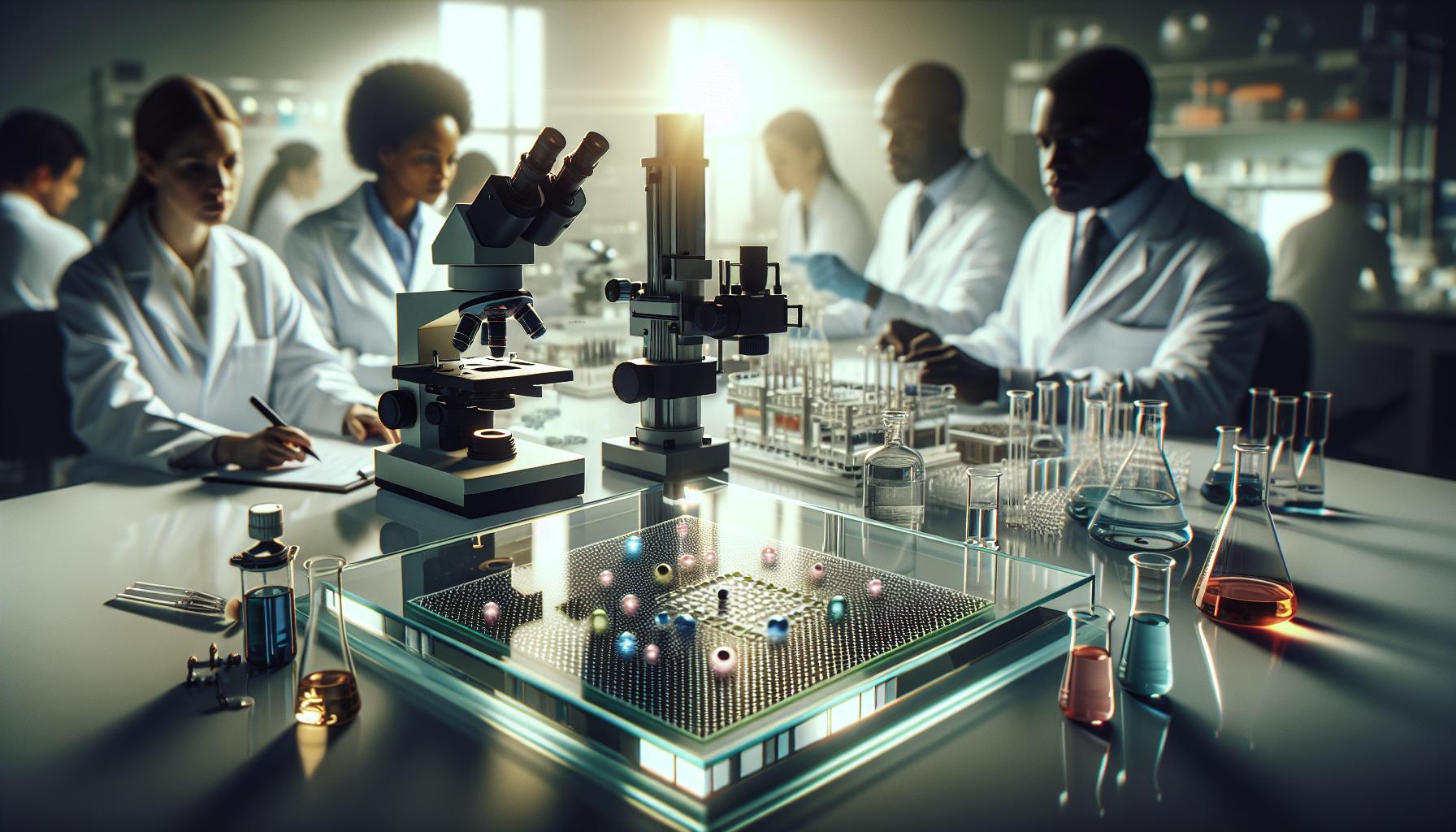
Advantages of Droplet Microfluidic Technology
Droplet microfluidic technology offers a suite of transformative advantages for automating genetic engineering, dramatically enhancing both the efficiency and precision of experimental workflows. At the core of this technology is the ability to generate and manipulate discrete droplets containing biological reagents. This droplet-based compartmentalization not only minimizes the volume of reagents required but also allows for thousands of independent reactions to occur in parallel, significantly increasing experimental throughput. This capability is crucial when conducting complex genetic modifications where variability in reaction conditions can lead to divergent outcomes.
One of the standout benefits of droplet microfluidics is its enhanced control over the microenvironment within each droplet. The small volume and isolated nature of the droplets enable precise dosages of DNA, enzymes, or other critical components. Researchers can optimize reaction parameters-such as temperature, pH, and reagent concentrations-on a droplet-by-droplet basis. This fine-tuned control is essential for achieving successful genetic constructs and understanding the nuances of different genetic modifications. Moreover, the compartmentalization helps to mitigate issues like cross-contamination, ensuring that reactions remain discrete and results are reliable.
Scalability and Cost Efficiency
The inherent scalability of droplet microfluidics is another significant advantage. Researchers can easily scale up experiments from a few droplets to thousands without changing the fundamental setup. This scalability not only facilitates large-scale screening of genetic modifications but also reduces the costs associated with reagents and materials by using only what is necessary for each reaction. Smaller volumes lead to less waste and lower expenses, making it an economically viable option for laboratories of all sizes.
Another practical benefit of droplet microfluidic systems is their compatibility with various detection and analysis techniques. The ability to integrate imaging and sensing methods directly into the microfluidic platform allows researchers to monitor reactions in real time, providing immediate feedback and the opportunity to adjust conditions dynamically. This real-time analysis fosters greater innovation in experimental design and enhances the speed of hypothesis testing.
In summary, the create an enticing landscape for automated genetic engineering. From increased throughput and precise control to cost-effectiveness and real-time analysis capabilities, this technology empowers researchers to explore genetic modifications with unprecedented efficiency and accuracy. As this field continues to evolve, droplet microfluidics stands to play a pivotal role in the future of genetic engineering and synthetic biology.
Designing Your Own Microfluidic System
Designing a microfluidic system can seem daunting, yet it opens doors to innovations in genetic engineering that streamline workflows and enhance experimental precision. The beauty of droplet microfluidics lies in its versatility-allowing researchers to create customized systems tailored to specific experimental needs. To get started, consider the key factors that influence your design: fluid dynamics, materials, and device architecture.
A robust microfluidic design begins with a clear understanding of the desired applications. Will you be performing high-throughput screening, or do you need a system for single-cell analysis? Defining the objectives will help you choose the right materials and layout. Typically, materials such as polydimethylsiloxane (PDMS) are favored for their biocompatibility and ease of fabrication. The choice of material will affect the optical clarity and chemical compatibility of the device, influencing which assays can be successfully executed.
Once you select the materials, it’s vital to consider the channel design and droplet generation methods. Common techniques for droplet formation include flow-focusing and T-junction approaches, each offering different benefits in terms of droplet size control and throughput. As you design the channels, employ computational fluid dynamics (CFD) models to optimize flow rates and predict interactions within the system. This step ensures that your droplet generation is consistent and reproducible, crucial for downstream genetic applications.
Integration of Detection Systems
Another critical aspect of microfluidic system design is integrating detection methods directly into the platform. Real-time monitoring of reactions can be achieved through the incorporation of optical sensors or imaging techniques, allowing for immediate feedback and adjustments during experiments. This integration not only accelerates data collection but also enhances the overall efficiency of genetic engineering processes.
By carefully considering these elements-application objectives, materials, channel design, and detection integration-you can construct an effective droplet microfluidic system that elevates your research capabilities. Moreover, prototyping is essential: begin with simple designs, iterate based on testing outcomes, and gradually incorporate complexity as you refine your system. With the right design and approach, the potential for innovation in genetic engineering using droplet microfluidics is truly limitless.
Step-by-Step: Creating Genetic Constructs
Creating genetic constructs using a droplet microfluidic platform is a powerful method that streamlines the process from initial design to final product. Imagine performing hundreds of reactions simultaneously, each with unique parameters, all contained within tiny droplets. This precise control not only saves time but also allows for high-throughput screening and optimization of genetic components. To effectively leverage this technology, it’s crucial to follow a systematic approach.
Start by designing the microfluidic device tailored to your specific experiment. Clearly define the genetic construct you wish to create, including the DNA sequences for promoters, genes of interest, and any regulatory elements. Use a CAD software tool to design your device, and consider the droplet formation technique-common choices include flow-focusing and T-junction. Your design should include the microchannels where reagents will mix before being partitioned into droplets.
Once your microfluidic device is fabricated, prepare the necessary reagents. This typically includes plasmid DNA, PCR products, enzymes for digestion and ligation (such as restriction enzymes and ligase), and buffers. Depending on the complexity of the construct, you may need to adjust concentrations and volumes to ensure optimal droplet formation. Mixing these ingredients in the microchannels will allow you to create droplets that encapsulate a precise volume of each component, ensuring uniform conditions across reactions.
After generating the droplets, use thermal cycling protocols to facilitate the ligation process or any necessary amplification steps. The controlled environment of the microfluidic platform can optimize the reaction conditions, such as temperature and mixing, leading to a higher yield of viable genetic constructs. Following incubation, the droplets can be combined and analyzed, typically using fluorescence detection methods to assess success rates and yields.
Through careful design and execution, the droplet microfluidic platform not only simplifies the creation of genetic constructs but also enhances reproducibility and scalability. By utilizing this technology, researchers can bridge the gap between theoretical constructs and practical application, fostering innovations in genetic engineering.
Challenges and Solutions in Automation
In the rapidly evolving world of genetic engineering, integrating droplet microfluidics into automation strategies can seem both promising and daunting. Researchers often face significant challenges that, if not addressed, could hinder the process of developing efficient and scalable systems. One major issue lies in the inherent complexity of microfluidic systems. The intricate designs and varied materials involved can lead to reproducibility problems. Variations in droplet size, reaction conditions, and even material interactions can yield inconsistent results, making it crucial to standardize protocols.
To overcome these hurdles, establishing rigorous validation processes is essential. This includes not only the mechanical calibration of the microfluidic devices but also the systematic assessment of the chemical reactions taking place within. Utilizing calibration beads or standard solutions helps maintain consistency across experiments. Moreover, leveraging advanced imaging technologies can enable real-time monitoring of droplet formation and reaction progress, allowing for immediate adjustments to conditions that deviate from expected parameters.
Another challenge comes from the integration of different technologies within the automation pipeline. For instance, coupling droplet microfluidic platforms with automation technologies like robotic liquid handling systems can introduce compatibility issues. Researchers must ensure that these systems can work seamlessly together to minimize human error while maximizing throughput. One effective solution involves creating modular platforms that allow for easy integration and scalability, adapting the microfluidic setup to meet different experimental needs without requiring extensive redesign.
In addition to technical challenges, there are also concerns related to data management. The high-throughput nature of droplet microfluidics generates vast amounts of data, which can be cumbersome to analyze manually. Implementing robust software solutions for data integration and analysis can streamline this process. Machine learning algorithms, for instance, can be employed to predict outcomes based on historical data, guiding future experimental designs and optimizing reaction conditions based on past successes and failures.
By proactively addressing these challenges, researchers can not only advance their work in genetic engineering but also contribute to the broader field of microfluidics. The results promise improved accuracy, higher efficiency, and ultimately, a greater impact on biomedical applications.
Integrating AI with Microfluidic Platforms
In the realm of genetic engineering, the synergy between artificial intelligence (AI) and microfluidic platforms is ushering in a new era of automation and precision in research. As the complexity of biological systems continues to challenge traditional methodologies, AI offers innovative solutions to optimize experimental workflows, enhance data analysis, and predict outcomes with remarkable accuracy. This integration is not just about replacing human effort, but about augmenting capabilities to unlock new frontiers in genetic research.
AI can significantly improve the operational efficiency of droplet microfluidic platforms through predictive analytics. By leveraging machine learning algorithms, researchers can analyze vast datasets resulting from high-throughput experiments to identify patterns and correlations that are not immediately apparent. For instance, algorithms can predict the best reaction conditions and droplet sizes for achieving optimal results, reducing trial-and-error iterations. This prediction capability is enhanced by feeding the AI with historical data, allowing it to learn and improve its recommendations over time.
Furthermore, AI plays a crucial role in automating the complex control of fluid dynamics within microfluidic systems. Advanced control algorithms can dynamically adjust the pressures and flow rates in real-time, optimizing the manipulation of droplets during genetic construct creation or other chemical reactions. This real-time adaptability not only ensures consistency and reproducibility but also allows for the scalability of experiments. Researchers can set up an automated system that adjusts conditions based on ongoing results, minimizing manual oversight and enhancing throughput.
Moreover, the incorporation of AI fosters a deeper integration of multi-modal data-combining genomic, proteomic, and imaging data to inform experimental decisions. Techniques such as deep learning can be employed to analyze data from high-content imaging systems used in droplet platforms, enabling accurate categorization of outcomes based on visual features. This capability is particularly valuable for phenotype screening in genetic engineering, as it allows researchers to swiftly identify desired traits or anomalies in a high-throughput setting.
As the landscape of droplet microfluidics and genetic engineering evolves, the commitment to integrating AI not only promises greater efficiency and precision but also paves the way for innovative experimental designs and breakthrough discoveries. By harnessing the power of AI, researchers are positioned to tackle the challenges of modern biology head-on, leading to advancements that were previously thought to be unattainable. The future of genetic engineering is here-smart, automated, and more insightful than ever before.
Case Studies: Success Stories in Research
In the dynamic field of genetic engineering, droplet microfluidic platforms have ignited a revolution, showcasing impressive success stories across research landscapes. These platforms allow for the manipulation of micro-sized droplets containing biological reagents, enabling high-throughput experimentation while using minimal samples. This is particularly significant in projects aiming to streamline workflows and increase experimental efficiency.
A notable case is the work conducted by researchers at the University of California, San Diego, who utilized droplet microfluidics to create genetic constructs in controlled environments. By partitioning reactions into discrete droplets, they were able to explore a vast library of genetic variations in a single experiment. This innovation not only accelerated their research timelines but also allowed for precise control over reaction conditions, resulting in a significantly higher success rate in identifying beneficial mutations. Their approach highlighted the platform’s ability to enhance throughput while maintaining accuracy-a critical requirement for advancing genetic research.
Another compelling example comes from a collaboration between several biotech companies that employed droplet microfluidics for antibody development. By encapsulating single cells within droplets, the researchers were able to screen thousands of antibody-producing cells in parallel. The integration of automated imaging and analysis techniques with the microfluidic setup enabled rapid identification of cells expressing desired traits. This method drastically reduced the time required for antibody discovery and optimized the selection process for therapeutics, showcasing the practical advantages of these systems in high-stakes clinical applications.
Moreover, droplet microfluidics has shown promise in synthetic biology, where researchers at MIT engineered microbial strains capable of producing renewable fuels. They leveraged the microfluidic platform to test gene expression levels by varying the inputs within each droplet. The ability to conduct multiple experiments simultaneously provided insights that were previously unattainable with traditional methods, demonstrating how droplet microfluidics can facilitate innovation in sustainable energy solutions.
These case studies not only exemplify the transformative impact of droplet microfluidic platforms in genetic engineering but also underscore their potential to change how research is conducted. By enabling higher efficiency, reduced material waste, and rapid experimentation, these technologies are paving the way for groundbreaking discoveries in genetics and beyond. As more researchers adopt these platforms, we anticipate an exciting future filled with novel applications and significant advancements across various fields of biological science.
Future Trends in Droplet Microfluidics
The field of droplet microfluidics is on the brink of transformative advancements that promise to reshape the landscape of genetic engineering. As technology progresses, we can expect significant enhancements in automation, versatility, and integration with emerging technologies. One of the most anticipated trends is the integration of artificial intelligence (AI) and machine learning (ML) into microfluidic systems. These technologies will allow for smarter decision-making based on real-time data analysis, potentially revolutionizing how we design experiments and interpret results. For instance, AI algorithms could predict the optimal experimental conditions for genetic modifications, minimizing trial and error and enhancing throughput.
Moreover, we’re likely to see enhancements in the design and accessibility of microfluidic devices. Advancements in materials science are opening up opportunities for the development of more cost-effective, easy-to-manufacture devices. Techniques such as 3D printing are becoming mainstream, enabling researchers to rapidly prototype and iterate on their designs. This democratization of microfluidic technology means that smaller laboratories and startups will have more access to sophisticated tools previously reserved for well-funded institutions, accelerating innovation and discovery across a broader community.
Collaboration between laboratories and industry will also play a crucial role in the evolution of droplet microfluidics. As challenges related to scalability and standardization arise, forming partnerships will facilitate knowledge sharing and the optimization of workflows. An exciting example can be seen in partnerships between academic laboratories and biotech firms that leverage droplet microfluidic platforms for high-throughput drug screening. These collaborations can harness the strengths of both worlds-the creativity of academic research and the resources of the commercial sector-to overcome existing barriers in genetic engineering.
As we move forward, it is essential to incorporate considerations of ethics and safety into the conversation surrounding droplet microfluidics. With increasing capabilities comes the responsibility to ensure that genetic modifications are conducted in a safe and responsible manner. Future regulatory frameworks will need to adapt and address these technologies, balancing innovation with public concern.
In conclusion, the future of droplet microfluidics promises to be dynamic and impactful. By embracing the integration of AI, advancing device manufacture and accessibility, fostering collaboration among stakeholders, and addressing ethical considerations, we stand at the threshold of a new era in automated genetic engineering that could yield unprecedented scientific breakthroughs.
Essential Tools for Genetic Engineering Automation
The advancement of droplet microfluidics has ushered in an era where genetic engineering becomes not only more efficient but also more precise and scalable. Leveraging a range of essential tools enables researchers to automate genetic modifications, thus streamlining workflows and enhancing reproducibility. Here’s a closer look at the critical components that are foundational to this innovative approach.
Microfluidic Devices
At the heart of any droplet microfluidic platform are the microfluidic devices themselves. These compact systems manage the manipulation of tiny volumes of liquids, accurately dispensing reagents and samples at nanoliter or picoliter scales. Utilizing technologies like 3D printing and soft lithography, researchers can rapidly prototype devices tailored specifically to their experimental needs, allowing flexible design modifications without significant time investment. One example is the use of PDMS (polydimethylsiloxane) to create elastomeric microfluidic chips that can generate monodisperse droplets, crucial for single-cell manipulations and high-throughput screening.
Automation Software
Effective integration of automation software is vital for controlling the various processes involved in droplet microfluidics. Software solutions can manage the intricate workflows necessary for genetic engineering, including the precise timing of reagent mixing and droplet formation. Advanced platforms enable real-time monitoring and control, optimizing parameters dynamically based on feedback from ongoing experiments. Open-source options, such as LabVIEW or Python-based interfaces, empower researchers to customize scripts that align perfectly with their specific protocols. This level of automation reduces human error and increases the consistency of results.
Data Analysis Tools
After running experiments, the next step is analyzing the data generated. Incorporating robust data analysis tools facilitates a deeper understanding of genetic modifications and outcomes. Tools capable of handling complex data sets, such as cell imaging software and statistical analysis packages, are essential. For instance, leveraging machine learning algorithms within these tools can help identify patterns and correlations overlooked during manual analysis. This not only enhances the reproducibility of experiments but also accelerates the pipeline from data collection to actionable insights.
Integrated Systems
To fully harness the advantages of droplet microfluidics in genetic engineering, it’s advantageous to adopt integrated systems that combine all the necessary components into a single, cohesive platform. These systems often include microfluidic hardware, control software, and data analysis tools in one package, providing seamless operation from start to finish. By minimizing the need for external interfaces, integrated systems offer improved efficiency, enabling researchers to focus more on experimentation rather than managing disparate technologies.
In summary, the successful automation of genetic engineering through droplet microfluidics hinges on the synergy of specialized devices, innovative software, and powerful data analysis tools. Each of these elements plays a pivotal role in enhancing the precision and efficiency of genetic modifications, paving the way for breakthroughs that will undoubtedly shape the future of biotechnology.
Safety and Ethical Considerations in Genetic Manipulation
The rapid advancements in droplet microfluidics for automating genetic engineering bring not only exciting possibilities but also significant safety and ethical considerations that researchers must navigate. As these technologies allow for precision in genetic manipulations, it becomes imperative to ensure that such advancements are aligned with responsible research practices and societal values. In an era marked by breakthroughs in synthetic biology and genetic modification, a robust understanding of these considerations is essential.
One major safety concern involves the potential for unintentional consequences arising from genetic modifications. For instance, engineered organisms might behave unexpectedly in their environments, leading to ecological imbalances. Researchers should adopt thorough risk assessment protocols, taking into account factors such as gene transfer to non-target species and the long-term impacts on biodiversity. Implementing containment measures, such as making organisms genetically incapable of surviving outside controlled environments, provides an additional layer of safety.
Ethical Implications and Public Perception
In addition to safety issues, ethical implications surrounding genetic manipulation must be thoughtfully addressed. The scope of genetic modifications raises questions about the acceptable limits of intervention in natural processes. For example, the prospect of modifying human embryos for desirable traits poses profound ethical dilemmas that extend beyond scientific inquiry and touch on issues of equity, consent, and the potential for designer babies. Engaging with ethicists, public stakeholders, and regulatory bodies is crucial in establishing guidelines that reflect societal values and ensure transparency in research practices.
Regulatory Frameworks
Navigating the regulatory landscape is another vital aspect of safely and ethically conducting genetic engineering using droplet microfluidics. It’s essential to stay informed about the evolving regulations that govern genetic manipulation in different jurisdictions. Regulatory frameworks, such as those set by the U.S. Department of Agriculture (USDA) and the Environmental Protection Agency (EPA), provide guidelines that must be followed to mitigate risks associated with bioengineered organisms. Researchers should also collaborate with institutional review boards (IRBs) and adhere to best practices in bioethics to uphold ethical standards.
In summary, the implementation of droplet microfluidics in genetic engineering can hold transformative power for many fields, but it necessitates a conscientious approach to safety and ethics. By emphasizing rigorous risk assessments, engaging in ethical discourse, and adhering to regulatory requirements, researchers can responsibly harness these technologies while addressing public concerns and fostering a culture of trust in scientific innovation.
Frequently asked questions
Q: What are the key benefits of using a droplet microfluidic platform in genetic engineering?
A: The key benefits of a droplet microfluidic platform include high-throughput processing, reduced sample volume, and precise control over reactions. This technology enables efficient screening and manipulation of genetic constructs, leading to faster and more scalable experiments in genetic engineering.
Q: How does droplet microfluidics improve the automation of genetic engineering processes?
A: Droplet microfluidics enhances automation by allowing automated mixing, reaction monitoring, and data collection in real-time. This streamlining reduces human error, increases reproducibility, and accelerates workflows, enabling researchers to focus on analysis rather than routine tasks.
Q: What are typical applications of droplet microfluidic technology in genetic engineering?
A: Typical applications include gene synthesis, PCR amplification, and library generation for high-throughput screening. These applications leverage droplet microfluidics’ ability to perform parallel reactions, significantly speeding up the process of genetic manipulations.
Q: What challenges might researchers face when implementing droplet microfluidics in their labs?
A: Challenges include initial setup costs, technical expertise requirements, and method development for specific applications. Overcoming these challenges often involves training and collaboration with experienced practitioners to tailor the system to specific experimental needs.
Q: How do droplet microfluidic platforms manage sample contamination risks in genetic engineering?
A: Sample contamination risks are mitigated through closed systems that minimize exposure to the environment. The small size of droplets also reduces the amount of sample required, making it easier to maintain sterility during experiments.
Q: What role does AI play in enhancing droplet microfluidic platforms for genetic engineering?
A: AI enhances droplet microfluidic platforms by optimizing experimental conditions, predicting outcomes, and analyzing large datasets from experiments. This integration can lead to more effective genetic modifications and improved efficiency in data interpretation.
Q: Are there safety considerations when using droplet microfluidics for genetic manipulation?
A: Yes, safety considerations include following biohazard protocols, ensuring proper handling of genetic materials, and performing risk assessments. Adhering to regulatory guidelines is essential to maintain laboratory safety while conducting genetic engineering.
Q: How can researchers design a custom droplet microfluidic system for their specific needs?
A: Researchers can design a custom droplet microfluidic system by identifying their application requirements, selecting appropriate materials, and utilizing CAD tools for design. Collaborating with specialists can further enhance the system’s efficiency and effectiveness.
The Conclusion
As we conclude our exploration of “A Droplet Microfluidic Platform for Automating Genetic Engineering,” it’s clear that this innovative technology offers unparalleled efficiency and precision in genetic research. By automating complex processes, this platform significantly enhances throughput and reduces errors, making it essential for any research laboratory looking to stay on the cutting edge. Don’t miss the opportunity to transform your genetic investigations-consider implementing microfluidic solutions today.
Ready to dive deeper? Explore our related insights on the role of microfluidics in biomedical research and mixing methods that could further optimize your workflows. If you haven’t already, subscribe to our newsletter for the latest updates and advancements in microfluidic technologies, or reach out for a consultation to see how we can help you integrate these cutting-edge solutions into your work. Your next breakthrough could be just a droplet away!
Get our latest guides, news, and insights highlighted in your Google Search & AI Overviews.