
When it comes to crafting custom apparel, the question often arises: can heat transfer vinyl (HTV) be safely applied to polyester fabrics? The answer is crucial for anyone looking to create vibrant, durable designs on athletic wear or crafting projects, as polyester is a popular choice due to its durability and moisture-wicking properties. However, applying HTV to polyester does come with its unique set of challenges, such as the risk of melting or improper adhesion. By understanding the best practices for this process, you can ensure a successful application that not only enhances the fabric’s appearance but also lasts through multiple washes. Whether you’re a seasoned crafter or a newcomer exploring DIY opportunities, mastering HTV on polyester will unlock a world of creative possibilities for your projects. Let’s delve into the essentials you need to know!
Understanding Polyester and Heat Transfer Vinyl Compatibility
Polyester is one of the most widely used fabrics in the textile industry due to its durability, resilience, and affordability. However, its compatibility with heat transfer vinyl (HTV) presents unique challenges. Understanding the nature of polyester and how it interacts with HTV is crucial for achieving successful results in your projects. Polyesters are synthetic fibers that can withstand high temperatures, but excessive heat during the transfer process can lead to problems such as melting or discoloration. This makes precise temperature control and an understanding of the specific HTV material essential for application.
When working with polyester, different weights and blends can affect how heat transfer vinyl adheres. For instance, lighter polyester fabrics may readily accept HTV, while heavier blends or those with a shiny finish may require adjustments in technique. It is also important to consider the finish of the polyester; for example, slick or coated surfaces may resist adhesion, and selecting the right type of HTV-such as those specifically formulated for synthetic fabrics-can mitigate these issues. Using a test swatch is a recommended practice to evaluate adhesion and effectiveness before committing to the final garment.
In addition to fabric characteristics, the application method plays a crucial role in the vinyl’s performance on polyester. Heat transfer requires not only appropriate temperature but also correct pressure and time settings. Ensuring even pressure during the transfer prevents lifting or bubbling and promotes maximum adhesion. Furthermore, using a protective cover sheet during the application process can protect both the HTV and the polyester fabric from damage and achieve better bond results.
Why Polyester is Challenging for Heat Transfer Vinyl
Polyester is a popular choice in the textile world, known for its versatility and resilience, yet it poses particular challenges when working with heat transfer vinyl (HTV). One fundamental issue arises from the synthetic nature of polyester, which can react unpredictably when exposed to heat. While polyester can tolerate higher temperatures than many natural fibers, it is not immune to damage. Exceeding the optimal temperature during vinyl application can lead to melting, which not only distorts the fabric but can also ruin the design. Thus, understanding and managing the interaction between the heat settings and the fabric properties is key to a successful application.
Another factor to consider is the finish of the polyester fabric. Many polyester materials come with a smooth or glossy surface that can impair adhesion. This slickness may prevent HTV from properly bonding during the transfer process, resulting in lifting or peeling of the design. Choosing an HTV formulated specifically for synthetic fabrics can mitigate these adhesion issues. Moreover, the weight of the polyester can impact the HTV application. Lightweight polyester might accept vinyl more easily, while heavier or coated variants may require additional preparation to ensure a solid bond.
Pre-application testing is an essential step that many often overlook. By using a scrap piece of the same polyester fabric, you can verify that the chosen HTV adheres well under your chosen temperature and pressure settings. This not only saves time but also reduces the risk of damaging your final product. Paying attention to the combination of temperature and pressure, alongside the specific characteristics of the polyester, can make the difference between a successful HTV application and a frustrating failure. So, while working with polyester can be challenging, being informed and prepared will equip you for achieving fantastic results.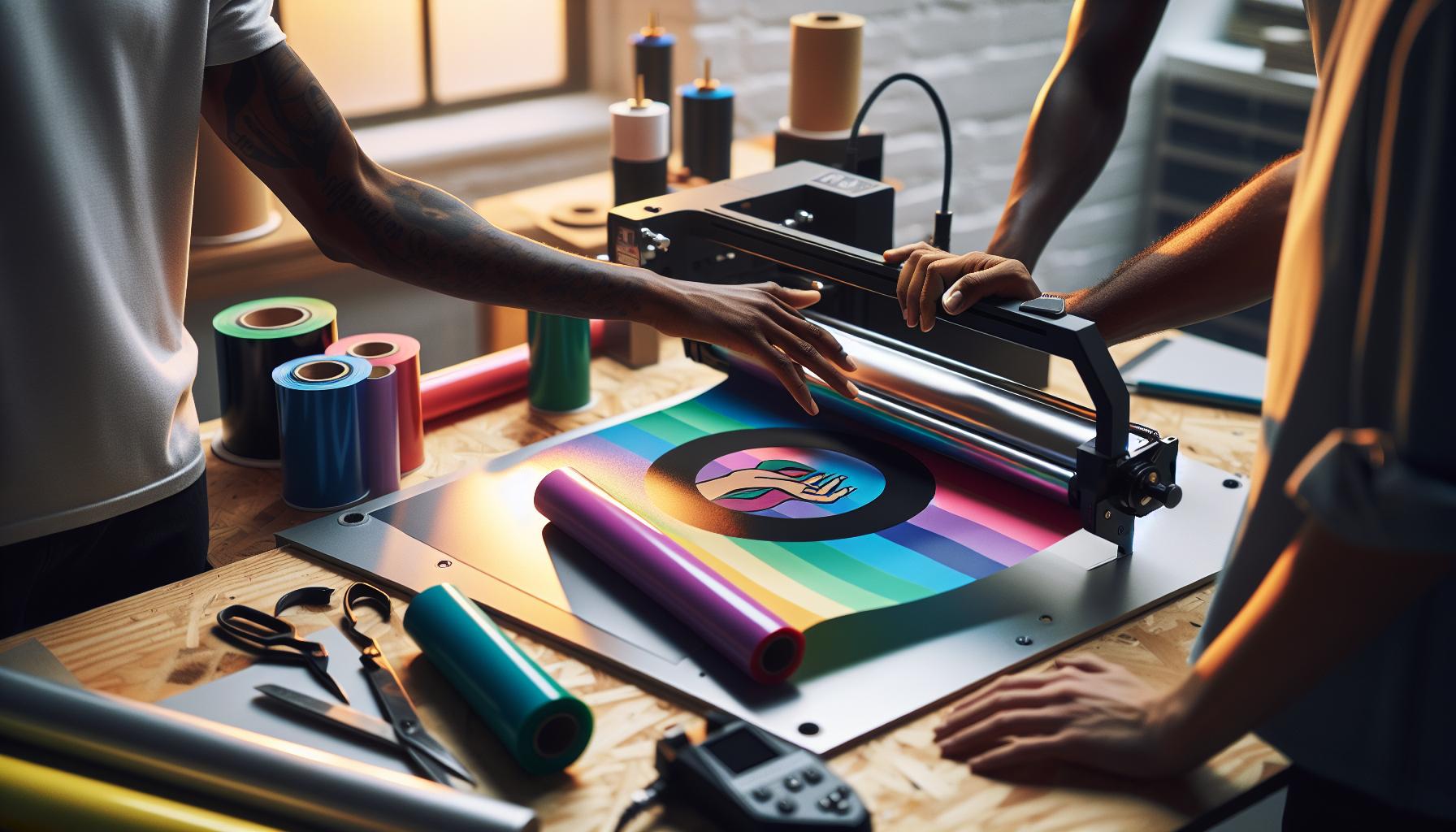
Best Practices for Applying Vinyl to Polyester
Applying heat transfer vinyl (HTV) to polyester can yield stunning results, turning plain garments into custom designs. However, achieving a successful application requires careful consideration of several factors inherent to polyester’s properties. One of the primary best practices is ensuring that the correct temperature and pressure are used during the transfer process. Polyester can be sensitive to heat; thus, using a heat press configured specifically for HTV applications is recommended. Always refer to the HTV manufacturer’s guidelines regarding temperature settings as these can vary significantly between products.
Another critical aspect is the preparation of the polyester fabric. To enhance adhesion, start by pre-pressing the fabric for a few seconds before applying the vinyl. This action not only removes wrinkles but also eliminates moisture and any potential contaminants that could interfere with the bonding process. Additionally, opting for HTV specifically designed for synthetic fabrics can tremendously improve results, as these products often boast better adhesion properties tailored for polyester’s smooth surface.
Pre-testing on a scrap piece of the same polyester can be a game-changer. It allows you to fine-tune the temperature, pressure, and application time without risking damage to your final piece. If you find that your HTV isn’t adhering well, adjusting these parameters can often resolve the issue. Furthermore, when it comes time to peel the transfer backing, ensuring you do so at the proper temperature can prevent lifting of the design. Transitioning from a hot peel to a cold peel, depending on your specific HTV, can also make a significant difference in the final look and durability of your design.
Incorporating these best practices into your workflow not only elevates the final product but also fosters confidence in your application process. Over time, you’ll develop a deeper understanding of how polyester interacts with HTV, allowing for even more creative freedom in your projects. Remember, preparation and proper technique are essential to crafting beautiful and lasting designs on polyester fabrics.
Choosing the Right Heat Transfer Vinyl for Polyester
Choosing the right heat transfer vinyl (HTV) for polyester can significantly impact the success of your projects. Not all HTVs are created equal, and polyester’s unique properties require specific considerations. To achieve optimal adhesion, durability, and overall aesthetics, it’s crucial to select an HTV explicitly formulated for synthetic fabrics. These HTVs generally feature formulations that bond effectively with polyester, minimizing issues with peeling or lifting over time.
When evaluating options, look for polyurethane (PU) vinyl, which is particularly adept at adhering to polyester. PU vinyl is both flexible and breathable, making it ideal for apparel, as it ensures the fabric retains its natural drape and comfort. In contrast, polyvinyl chloride (PVC) may not perform as well on polyester, particularly for garments that will undergo frequent washing and wear. Additionally, ensure that your selected HTV is suitable for your chosen polyester blend, as blends containing natural fibers might behave differently compared to100% polyester.
Another vital consideration is the thickness of the vinyl. Thinner HTVs (around 90 microns) are often preferable because they fuse seamlessly with polyester, creating a smoother surface that protects the design without adding excessive weight. On the other hand, thicker vinyl can be more durable but might risk cracking or peeling, especially if the garment is subjected to stretching. Always check the manufacturer’s specifications for application temperature and pressure, as these factors can differ widely across various products.
Lastly, consider color and finish options. Glossy, matte, or metallic finishes can all enhance the appearance of your design, but they also have different application requirements. For example, metallic HTVs may need a lower press temperature to prevent damage to the vinyl. Conducting a test on a sample of your polyester fabric is an excellent strategy to confirm compatibility and ensure that the HTV adheres well during the application process. This practice helps refine your technique and eliminates potential failures on the final project.
Step-by-Step Guide: Ironing on Vinyl to Polyester
When it comes to applying heat transfer vinyl (HTV) to polyester, a methodical approach is key to achieving a flawless finish. Polyester can be a tricky fabric for HTV, given its tendency to retain heat, but with the right techniques, you can create vibrant, durable designs that withstand the test of time. Here’s a step-by-step guide to help you successfully iron on vinyl to polyester.
Preparation
Before you start, gather your materials:
- 100% polyester fabric or garment
- Heat transfer vinyl (HTV), preferably polyurethane (PU) for best results
- Iron or heat press
- Teflon sheet or parchment paper
- Cutting machine (if applicable) and weeding tools
- Scissors (for adjusting HTV)
Begin by preheating your iron to a medium heat setting, around 300°F (150°C). If using a heat press, set it to a similar temperature. Ensure you clean the polyester surface to remove any dust or oils that could interfere with the vinyl adhesion.
Cuts and Weeding
If your design is not pre-cut, use a cutting machine to accurately cut out the vinyl. After cutting, weed the vinyl to remove any excess material, leaving only your desired design. This step is crucial, as excess vinyl can lead to uneven heat distribution and a less-than-ideal transfer.
Ironing Process
Once your design is prepared, position it onto the polyester fabric. The glossy side of the HTV should be facing up. Cover the design with a Teflon sheet or parchment paper to protect both the vinyl and the fabric from direct heat. If you’re using an iron, apply firm pressure evenly across the design without sliding. For about 10-15 seconds, hold the iron in place, ensuring that all edges get consistent heat.
If you’re using a heat press, carefully adjust the pressure to ensure it’s just right-not too heavy to avoid damaging the vinyl, and not too light to ensure proper adhesion. Press for about 8-10 seconds, then check the corners of the design. If they lift, press again briefly.
Cooling and Finishing Touches
After removing the iron or heat press, allow the vinyl to cool for a few seconds before peeling off the carrier sheet. This cool-down period helps the vinyl set better onto the fabric. For added durability, you may choose to cover the design once more with a Teflon sheet and briefly press again, reinforcing the bond between the vinyl and polyester.
By following these steps, you can successfully iron on vinyl to polyester, creating beautiful and resilient designs that enhance your apparel or crafts, making your projects stand out.
Tips for Properly Prepping Polyester Fabric
When working with polyester fabric for heat transfer vinyl (HTV) application, preparation is crucial for achieving optimal results. To help ensure a successful bonding process and vibrant designs, start by carefully selecting your materials and setting up your workspace. Polyester, while versatile, can present challenges that require special attention to detail.
Cleaning the Fabric
Begin by washing the polyester garment to remove any residues, such as fabric softeners, oils, or dirt that might impede the adhesion of the vinyl. Use a mild detergent and avoid fabric softeners. After washing, allow the fabric to dry completely. The absence of contaminants helps create a smooth surface for the vinyl to adhere to, ultimately enhancing the durability of your designs.
Preheating the Fabric
Preheat your iron or heat press to the recommended temperature, typically around 300°F (150°C). It’s also beneficial to preheat the fabric briefly before applying the vinyl. This step not only removes any remaining moisture but also makes the material more receptive to the heat and pressure of the HTV. Gently press the iron or heat press over the area where you plan to apply the vinyl for a few seconds. This tactic warms up the fibers, promoting a better bond when the vinyl is applied.
Using a Sample Swatch
If you’re new to applying HTV on polyester, consider testing your method on a scrap piece of the same fabric or a similar material. This practice helps you determine the right temperature, pressure, and timing without risking your main project. Different kinds of polyester blends may respond differently to heat, so this step can save you from potential mishaps. Testing allows you to fine-tune your technique, ensuring that the final design adheres properly and withstands washing.
By taking these steps to prep your polyester fabric, you set the stage for a successful application of heat transfer vinyl. Paying attention to cleanliness, temperature, and practice will not only improve adhesion but also enhance the overall quality of your finished designs.
Curing and Finishing: Ensuring Longevity of Designs
To achieve long-lasting results with heat transfer vinyl (HTV) on polyester, proper curing and finishing techniques are paramount. The process doesn’t stop once you’ve adhered the vinyl; it’s essential to ensure that the design can withstand repeated washes and wear. Hot pressing with a heat press or iron creates a bond, but this bond needs to be reinforced through careful curing to achieve maximum durability.
After you’ve applied your HTV and allowed it to cool, you should consider a second pressing. Place a piece of parchment paper or a Teflon sheet over the design and press again for about 10-15 seconds at the same temperature used for the initial application. This extra step helps to eliminate any residual moisture and can enhance the adhesion between the vinyl and polyester fibers. It also prevents any lifting or peeling that can occur during the laundry process.
It’s also crucial to educate users on the best washing practices. Polyester garments adorned with HTV should be washed inside out on a gentle cycle using cold water to minimize wear on the design. Advise them to avoid fabric softeners and bleach, as these can degrade both the vinyl and the fabric over time. Air drying is recommended, but if using a dryer, they should choose a low heat setting to protect the integrity of the vinyl.
Caring for the Final Product
Instruct users to refrain from ironing directly on the design. Instead, if they need to remove wrinkles, they should iron around the design or use a garment steamer. Proper care can significantly extend the life of heat transfer vinyl on polyester clothing, allowing for designs that not only look great but last through countless wears and washes.
By incorporating these curing and finishing techniques, your HTV designs on polyester will retain their vibrant appearance and resist peeling, ensuring that you-and your customers-enjoy beautiful results for years to come.
Troubleshooting Common Issues with Polyester Applications
Common issues arise when applying heat transfer vinyl (HTV) to polyester, often frustrating both beginners and experienced crafters alike. Understanding these challenges can make the difference between a flawless application and a disappointing result. One frequent issue is the vinyl lifting after washing. This typically occurs due to improper adhesion techniques or insufficient curing. It’s crucial to ensure that the vinyl is appropriately heated and pressed onto the fabric, allowing for a strong bond that can withstand the rigors of wear and washing.
Another common problem is the appearance of discoloration or marks on the polyester. This can happen if the temperature is set too high or the pressing time is too long. Polyester is a synthetic fabric that can melt or scorch, resulting in unsightly blemishes. To mitigate this, always use a Teflon sheet or parchment paper during heat application to protect the fabric. Adjusting the heat press to a lower temperature and decreasing the press time can help prevent damage while still achieving a secure bond.
It’s also important to consider the type of HTV being used. Not all vinyls are created equal, especially when working with blends that include polyester. Some vinyls are specifically designed for synthetic fabrics and may offer better adhesion and flexibility for polyester applications. Always check the manufacturer’s recommendations for your specific vinyl to ensure compatibility. Choosing the right vinyl, along with careful temperature and time management, greatly enhances the overall success of your project.
Lastly, issues can arise related to design placement. If the HTV is not aligned correctly, it can lead to uneven application or wrinkles. To solve this problem, take the time to measure and mark your fabric accurately before pressing. Using a heat-resistant ruler or alignment tools can help ensure precise placement. With these troubleshooting tips in mind, you can confidently tackle common HTV issues when working with polyester, leading to beautiful and durable results.
The Role of Temperature and Pressure in Application
When working with heat transfer vinyl (HTV) on polyester, the interplay of temperature and pressure is paramount to achieving a successful application. Polyester, being a synthetic fabric, responds differently to heat compared to natural fibers. The fundamental rule is simple: too much heat can scorch or melt polyester, while insufficient heat can lead to poor adhesion. Thus, understanding the appropriate temperature range for specific vinyl types and the right amount of pressure can make or break your project.
Optimal Temperature Settings
The ideal temperature for applying HTV to polyester generally falls within 280°F to 320°F (140°C to 160°C). However, it’s essential to consult the manufacturer’s instructions for the specific vinyl you are using, as some HTV may be formulated for higher or lower temperature applications. For example, if you apply heat above the recommended range, you risk losing the design’s integrity as the polyester fabric can scorch, leading to discoloration or a burned texture.
Using a heat press is often the best option for uniform temperature application. An even heat distribution minimizes the risk of hot spots, which can happen with an iron. When using a heat press, maintaining consistent pressure is also crucial; a pressure range of medium to firm is typically recommended. If you apply too light of a pressure, the vinyl may not properly adhere to the fabric, while too much pressure could damage both the vinyl and the polyester.
Pressure Dynamics
Pressure and temperature work hand in hand during the HTV application process. High pressure combined with optimal temperature ensures a strong bond between the vinyl and polyester. This is particularly important during the cooling phase-allowing the vinyl to cool under pressure can further increase the durability of the bond. For hands-on projects, a heat-resistant cover sheet, like Teflon, can protect the polyester while still facilitating even heat and pressure distribution.
In practice, achieving the right balance can take some trial and error. It’s beneficial to conduct test applications on fabric scraps before committing to your final piece. This practice allows you to adjust your temperature and pressure settings based on real-world feedback and helps avoid costly mistakes on your primary project. By mastering the science of temperature and pressure when applying HTV on polyester, you’ll ensure that your designs not only look great but also stand the test of time.
Alternative Methods for Applying Vinyl on Polyester
Applying heat transfer vinyl (HTV) to polyester doesn’t have to be a daunting task. In fact, alternative methods can enhance your creative options while minimizing the risk of fabric damage. Beyond the traditional heat press or iron techniques, exploring these alternative application methods can open the door to unique designs and finishes that elevate your projects.
One effective approach is to utilize a combination of lower heat and longer application times. For instance, using an heat-sensitive adhesive spray can create a strong bond without exposing the polyester to high temperatures that may cause scorching or melting. To apply, simply coat the fabric lightly with the adhesive spray, then place the vinyl on top and apply pressure using a heat-resistant cover sheet. This method allows for the benefits of heat transfer while protecting the integrity of the polyester.
Another innovative technique is the use of a print-and-cut method. By printing your design onto a special transfer paper meant for use with a domestic printer, you can bypass the direct application of HTV entirely. After printing your design, simply cut it out and press it onto the polyester fabric using a heat press or iron. This method not only adds a level of detail that traditional HTV may not achieve but also allows for vibrant color reproduction that polyester fabric can enhance.
When venturing into alternative methods, be sure to conduct thorough tests on scrap pieces of polyester. This will help you fine-tune your process and understand how different adhesive types, temperatures, and durations affect your specific material. Experimenting in this manner ensures that you achieve not only the desired aesthetic but also maintain the fabric’s durability and wearability. Always remember to use a high-quality pressing cloth or teflon sheet to protect the fabric during the application process, regardless of the method you choose.
Incorporating these alternative methods can significantly improve your results when applying vinyl to polyester, making the creative experience enjoyable and fruitful. Embracing varied approaches promotes experimentation and can lead to remarkable finished products that reflect your unique style.
User Experiences: Success Stories and Tips
User experiences with applying heat transfer vinyl (HTV) to polyester are filled with a variety of success stories, practical tips, and fresh insights that can enhance your own crafting journey. One common thread among those who succeed is their emphasis on the importance of testing before committing to a project. For instance, many crafters recommend using scrap pieces of polyester to experiment with different heat settings and application times. This approach not only helps to refine the technique but also prevents costly mistakes on the final piece. One user, Sarah, shared her success with applying HTV to a polyester throw pillow by first testing various vinyl brands and settings until she found the right combination that adhered well without damaging the fabric.
Another noteworthy strategy involves meticulous preparation of the polyester surface. Many users endorse the idea of pre-washing the polyester fabric to remove any finishes that could interfere with adhesion. This small step can make a significant difference in the durability of your designs. Additionally, applying a light press with a heat press or iron before placing the HTV can eliminate air bubbles and ensure a smooth surface, which Lisa found crucial in her crafting workshops.
Real-World Tips from Experienced Crafters
- Timing and Pressure: Many practitioners emphasize the significance of proper timing and consistent pressure during the application. For instance, John highlights that steady pressure during the transfer process can yield more vibrant and lasting results.
- Layering Techniques: Users like Emily have discovered creative layering techniques that allow for more complex designs. By applying multiple colors in stages, she achieved a stunning layered effect on her t-shirts that stood out during local craft fairs.
- Protective Covers: Using a Teflon sheet or parchment paper as a protective cover can help safeguard the polyester from direct heat exposure, preventing scorching. Several users stress this tactic, noting it extends the life of both the vinyl and the fabric.
The insights shared by these users reflect a broader understanding that working with polyester and HTV can yield fantastic results when approached thoughtfully. Experimentation, preparation, and learning from communal experiences pave the way for successful projects. Your challenges in the process can transform into stepping stones toward developing more sophisticated techniques that resonate with personal style, as many crafters have experienced firsthand through their creative explorations.
Best Tools and Supplies for Heat Transfer on Polyester
When working with heat transfer vinyl (HTV) on polyester, the right tools and supplies can make all the difference between a flawless project and a frustrating one. Equip yourself with high-quality equipment designed to handle the unique challenges posed by polyester fabric. The nuances of polyester, such as its heat sensitivity, require careful preparation and the appropriate tools to ensure that your designs adhere securely and maintain their integrity over time.
To start, a reliable heat press is essential. Unlike a regular iron, a heat press provides consistent temperature and pressure, which is crucial for successfully applying HTV to polyester. Look for a heat press that allows for adjustable temperature and time settings. A digital model can help you accurately set the correct conditions for your specific vinyl type. For smaller projects, an iron can suffice, but be meticulous about applying even pressure and avoiding direct contact with the vinyl without a protective cover.
Choosing the right HTV is equally important. Opt for vinyl specifically designed for use on polyester, as this type often features lower application temperatures, making it less likely to scorch or damage the fabric. Brands like Siser or Cricut offer excellent options that have been tried and tested by users working on polyester. Always check the vinyl specifications for compatibility with polyester and recommended application settings.
Essential Supplies
To streamline your process, here are some recommended tools and supplies that every crafter should consider:
- Heat Press: Choose a clam-shell or swing-away model for even heat distribution.
- Protective Cover: Use Teflon sheets or parchment paper to protect your vinyl and fabric from direct heat.
- Vinyl Cutter: A reliable cutter is vital for precision. Ensure it is calibrated correctly for smooth, clean cuts.
- Weeding Tools: Fine-tipped tweezers or weeding hooks help to remove excess vinyl without damaging the design.
- Measuring Tape: Accurate measurements will help position your designs perfectly on the fabric.
For best results, consider keeping a test piece of polyester handy for experimentation with settings and techniques. This allows you to fine-tune your approach before committing to the final product, ensuring your designs are vibrant and long-lasting. With the right tools and technique, applying HTV to polyester can transform your crafting projects into professional-quality creations.
Q&A
Q: Can heat transfer vinyl damage polyester fabric?
A: Yes, heat transfer vinyl can potentially damage polyester if the temperature is too high or the application time is too long. Always use a heat press or iron set to the recommended temperature for polyester to minimize risk. Refer to the Best Practices for Applying Vinyl section for detailed guidelines.
Q: What is the best type of heat transfer vinyl for polyester?
A: The best type of heat transfer vinyl for polyester is soft or flexible PVC vinyl. This material adheres well without compromising the fabric’s integrity. Check the Choosing the Right Heat Transfer Vinyl for Polyester section for more insights on specific product recommendations.
Q: How can I prevent vinyl peeling off polyester?
A: To prevent vinyl from peeling, ensure proper application technique, including correct temperature and pressing time. Additionally, cure the vinyl adequately and avoid harsh detergents during washing. For troubleshooting, see the Troubleshooting Common Issues with Polyester Applications section.
Q: What temperature should I use for heat transfer on polyester?
A: The recommended temperature for heat transfer on polyester typically ranges from 300°F to 325°F (149°C to 163°C). It’s crucial to match the temperature with the vinyl type used. For more details, refer to The Role of Temperature and Pressure in Application.
Q: Is a heat press better than an iron for applying vinyl to polyester?
A: Yes, a heat press is generally better than an iron for applying vinyl to polyester as it provides even pressure and consistent heat. This results in longer-lasting adhesion. Check the Step-by-Step Guide: Ironing on Vinyl to Polyester section for comparison details.
Q: Can I wash polyester items with heat transfer vinyl?
A: You can wash polyester items with heat transfer vinyl, but it’s best to use cold water and a gentle cycle. Avoid bleach and ensure the item is turned inside out. For care tips, look at the Curing and Finishing: Ensuring Longevity of Designs section.
Q: How long should I press heat transfer vinyl on polyester?
A: Typically, you’ll want to press heat transfer vinyl on polyester for about 10 to 15 seconds. However, this can vary based on the specific vinyl and heat press settings used. Check the Best Practices for Applying Vinyl to Polyester for detailed timing instructions.
To Wrap It Up
Now that you’re equipped with the best practices for applying heat transfer vinyl on polyester, it’s time to put your knowledge into action! Remember, achieving a flawless finish requires attention to heat settings, pressure, and time. If you’re still unsure, check out our articles on “Choosing the Right Heat Transfer Vinyl” and “Essential Tools for Heat Transfer Success” for more insights.
Don’t wait-experiment today and elevate your fabric projects! Sign up for our newsletter to stay updated with the latest tips, or explore our product pages for high-quality heat transfer materials. Engage with us in the comments below, and share your experiences. Your journey in heat transfer crafting could inspire others!
Get our latest guides, news, and insights highlighted in your Google Search & AI Overviews.