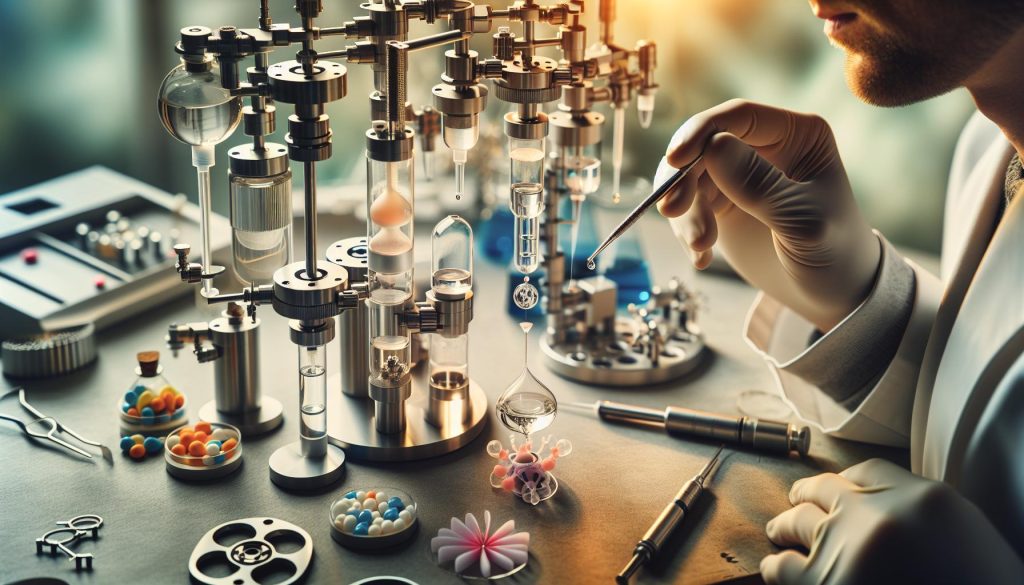
Did you know that the efficiency of fluid movement at the microscale can revolutionize biomedical applications? In “A Valveless Microfluidic Peristaltic Pumping Method: Simplified,” we delve into an innovative technique that enhances fluid handling in microfluidic systems without the need for traditional valves, which can complicate design and increase maintenance challenges. This method not only reduces potential points of failure but also streamlines the development of diagnostic devices and lab-on-a-chip technologies, making them more accessible for research and clinical use. Whether you are a seasoned researcher, a student exploring microfluidics, or a technical maker looking to improve device design, understanding this pumping method is crucial. It connects theoretical knowledge with practical applications, highlighting its importance in advancing fields such as drug delivery and cellular analysis. Through accessible explanations and engaging insights, we encourage you to explore how this simplicity can spark innovative solutions in your work.
Understanding Microfluidic Pump Principles
Microfluidic pumps are revolutionary components in the realm of lab-on-a-chip technologies, enabling precise handling of fluids at microliter or nanoliter scales. At their core, microfluidic pumps rely on principles of pressure and surface tension to manipulate liquids through channels oftentimes no wider than a human hair. Understanding these fundamental principles is essential for designing effective pumping systems, particularly for applications that require high precision and control over fluid dynamics.
The operation of microfluidic pumps can be categorized into several mechanisms, with peristaltic pumping being one of the most common. In a peristaltic pump, fluid is transported through elastic tubing or channels via a series of sequential compressions, simulating the natural peristalsis seen in biological organisms. This method not only provides steady and controllable flow rates but minimizes the risk of contamination, as the fluid does not come into contact with the mechanical components of the pump. Moreover, valveless designs simplify these operations further by eliminating the need for check valves, reducing potential failure points and enhancing the reliability of the system.
Key Principles of Operation
To grasp how these pumps function, it’s essential to consider several key principles:
- Pressure Differential: By creating variations in pressure within the pumping chamber, fluids can be moved with precision through the microfluidic channels.
- Elasticity: The use of soft materials in channel fabrication allows for the necessary deformation during pumping cycles, crucial for achieving the desired flow rates.
- Surface Tension: In microfluidics, the forces of surface tension can dominate fluid behavior, necessitating careful consideration in pump design to ensure adequate flow and mixing.
Integrating these principles within a microfluidic system enables the development of more sophisticated and efficient devices, capable of meeting the demands of various applications. As technology continues to advance, microfluidic pumps will play an increasingly pivotal role in fields such as biomedical diagnostics, drug delivery systems, and industrial processing. Understanding these principles not only enhances the design of microfluidic devices but also fosters innovation, leading to new applications that can significantly benefit society.
The Advantages of Valveless Designs
The simplicity and reliability of valveless designs in microfluidic pumping systems make them an attractive option for many applications in both research and industry. By eliminating check valves from the design, valveless pumps streamline fluid movement and enhance overall system efficiency. This design not only reduces the risk of mechanical failure associated with moving parts but also simplifies the fabrication process, which is particularly beneficial for rapid prototyping and low-cost production.
One significant advantage of valveless pumps is their ability to maintain a continuous and uniform flow. Traditional peristaltic pumps that rely on valves often encounter backflow or uneven pressure conditions that can lead to variable flow rates. In contrast, valveless systems can achieve a steady state more easily, which is crucial in applications like biomedical diagnostics where precise fluid control is paramount. This also enhances the system’s ability to handle viscous fluids or challenging media, allowing for greater versatility across different use cases.
Furthermore, valveless pumping mechanisms significantly lower the risk of contamination. In traditional designs, the fluid comes into prolonged contact with multiple components, increasing the likelihood of contamination, particularly when dealing with sensitive biological samples. Valveless systems minimize contact points, which not only preserves the integrity of the fluid but also simplifies cleaning and maintenance processes. This characteristic is particularly valued in environments that require stringent contamination control, such as laboratories and clinical settings.
Overall, the integration of valveless designs into microfluidic pumping systems offers compelling advantages, positioning them as a pioneering solution for a variety of industries. As ongoing research and development continue to innovate and optimize these systems, their application is likely to expand further, enabling new possibilities in precision fluid handling.
Step-by-Step Guide to Building Your Pump
Building a valveless microfluidic peristaltic pump can seem daunting, but with the right materials and a clear approach, it becomes a manageable task for researchers and makers alike. These systems not only facilitate precise fluid handling but also enhance reliability and efficiency due to their simplified design. Here, we provide a straightforward guide to constructing your own pump, which can be applied across diverse applications in both biomedical and industrial fields.
Start by gathering the essential components for your microfluidic pump. You’ll need:
- Microfluidic Chip: This is the heart of your pump, designed with dedicated channels for fluid transport.
- Actuator Source: Selecting a suitable actuator, like a stepper motor or a syringe pump, is crucial for controlling fluid movement.
- Control Electronics: A microcontroller (like an Arduino) will enable you to program the pump’s operation and monitor flow rates.
- Tubing: Use flexible tubing compatible with your chip’s dimensions. Consider materials that minimize interaction with your fluid.
Once you have your materials ready, follow these steps to build your pump:
1. Design Your Microfluidic Chip
Design the chip using CAD software, ensuring the channels are optimized for the desired flow rate and viscosity of the fluids you’ll be using. Remember, the dimensions of the channels significantly impact the pump’s performance.
2. Fabricate the Chip
Depending on your available resources, you can either 3D print the chip or use soft lithography techniques with PDMS. Both methods require careful cleaning and curing to create a functioning microfluidic platform.
3. Connect the Actuator
Mount your actuator securely, positioning it to interact effectively with the pump’s interface. The actuator should be capable of generating controlled displacement to push fluids through the channels without causing backflow.
4. Integrate Control Electronics
Wire your microcontroller to the actuator and any sensors you’re using to measure flow rates or pressures. Programming the microcontroller involves writing a simple script that dictates the pump’s operational parameters, such as flow duration and speed.
5. Test and Optimize
With everything assembled, perform initial tests with a benign fluid, like water, to verify that the system operates correctly. Adjust parameters as necessary based on flow measurements. It’s essential to calibrate the pump to ensure reliable performance under actual working conditions.
By following these steps, you can create a functional valveless microfluidic peristaltic pump tailored to your specific needs. This method not only highlights the hands-on nature of microfluidic system development but also encourages continued innovation in fluid management technologies. Whether for research or industrial application, mastering the fundamental principles of constructing such pumps opens the door to advances in various fields.
Key Materials for Microfluidic Pumping
When designing a valveless microfluidic peristaltic pump, the selection of materials plays a crucial role in the pump’s performance, efficiency, and application versatility. High-quality components not only ensure reliable operation but also contribute to the longevity of the pump system. Here’s a breakdown of the essential materials needed and their specific considerations.
To start, microfluidic chips are critical as they provide the pathways through which the fluid travels. These chips can be made from various materials, including poly(dimethylsiloxane) (PDMS), glass, or silicon. PDMS is particularly popular for its ease of fabrication using soft lithography, flexibility, and biocompatibility, which makes it ideal for biomedical applications. For applications requiring higher durability or chemical resistance, glass and silicon may be more appropriate, albeit at a higher cost and more complex fabrication process. The choice of material impacts not just the pump’s operational parameters but also its interaction with different fluids.
Actuator sources are indispensable for generating the pumping action. Commonly used actuators include stepper motors, piezoelectric devices, and solenoid pumps. Stepper motors are favored for their precision control and ability to provide consistent flow rates, making them suitable for sensitive applications in drug delivery or biochemical assays.
The tubing connecting the pump to external systems must also be carefully chosen. Flexible tubing made from materials such as silicone or thermoplastic elastomers (TPE) allows for easy maneuvering and reduces the risk of kinking, which can impede flow. It’s essential to select tubing that is chemically compatible with the fluids being pumped to avoid reactions that could alter fluid properties or damage the pump.
Integrating control electronics is another critical aspect of assembling your microfluidic pump. Microcontrollers, like Arduino or Raspberry Pi, facilitate the monitoring and control of the actuator, enabling precise adjustments to flow rates and pressures. Investing in good-quality sensors for pressure and flow measurements can enhance feedback mechanisms, allowing for real-time adjustments and improved efficiency in fluid management.
In summary, the choice of materials in your microfluidic peristaltic pump is foundational for achieving optimal performance. A combination of suitable chip materials, actuators, tubing, and control electronics not only supports the functionality of the pump but also enhances its adaptability across various applications. Tailoring these components to the specific needs of your project can lead to significant improvements in fluid handling and overall pump efficacy.
Operating Mechanisms of Peristaltic Pumps
In microfluidic applications, understanding how peristaltic pumps function is key to harnessing their benefits in fluid management. These pumps operate based on the principle of positive displacement, where fluid is moved through a series of compact channels. By employing a repetitive wave-like motion, they effectively transport liquids without the need for valves, which simplifies design and reduces potential points of failure. This mechanism is particularly advantageous in delicate applications, such as biomedical assays, where maintaining the integrity of biological samples is crucial.
The heart of a peristaltic pump consists of flexible tubing through which the fluid flows and an actuator that generates a rhythmic compression along the tubing. As the actuator compresses the tubing at one point, a segment of the fluid is pushed forward, creating a low-pressure zone behind it that draws more fluid into the tubing. The continuous motion allows for smooth and controllable flow rates, providing excellent precision. This operation mimics biological processes, making peristaltic pumps particularly suitable for applications involving sensitive biological materials.
Key Components and Their Roles
- Flexible Tubing: The material and diameter of the tubing directly influence the flow rate and flexibility of the pump. Common materials such as silicone or Tygon are preferred for their biocompatibility and durability.
- Actuator Mechanisms: Different actuators, such as stepper motors or solenoids, can be used based on the required precision and responsiveness. Stepper motors are especially favored for their ability to deliver consistent and repeatable movements.
- Control Systems: Integrating microcontrollers with embedded control software allows users to adjust pumping parameters dynamically, enhancing responsiveness to changes in the experimental conditions.
With a clear understanding of these operating principles, researchers can fine-tune their microfluidic peristaltic pumps to meet the specific needs of their applications. This insight fosters innovation in fluid handling and paves the way for significant advancements in fields such as diagnostics, drug delivery, and chemical analysis.
Applications in Biomedical and Industrial Fields
The versatility of microfluidic peristaltic pumps has opened new frontiers in both biomedical and industrial applications. One of the standout features of these pumps is their ability to handle minute volumes with precision. This capability is critically important in laboratory settings, particularly in applications such as drug delivery systems and biological assays, where controlling the flow of fluids can significantly impact experimental outcomes.
In the biomedical field, microfluidic pumps play a pivotal role in areas such as organ-on-a-chip technology, where they simulate physiological environments for research. By precisely regulating the flow of fluids through interconnected microchannels, researchers can recreate conditions similar to human tissue, enabling better modeling of diseases and testing of drugs. Additionally, these pumps are integral to automated laboratory systems, allowing for continuous monitoring and analysis of biological samples without human intervention. Their valveless design simplifies the integration into complex systems and reduces the risk of contamination, which is vital for sensitive biological work.
Industrial Applications
In industrial contexts, the applications of microfluidic peristaltic pumps are equally compelling. These pumps are used in various sectors, including chemical processing, food and beverage manufacturing, and environmental monitoring. For example, in chemical synthesis, the precise control over reagents’ flow can enhance the efficiency of reactions and minimize waste. Coupled with sensors, these pumps can facilitate real-time process adjustments, leading to improved product quality and consistency.
Moreover, microfluidic pumps facilitate advancements in materials science by enabling the precise mixing of materials at microscale levels for applications ranging from inkjet printing to the creation of novel composite materials. The valveless design not only simplifies the pumping system but also reduces costs associated with maintenance and potential failures, providing manufacturers with a reliable method for fluid management across various processes.
In summary, the unique capabilities of microfluidic peristaltic pumps in controlling fluid flow have made them indispensable tools across disciplines, driving innovation and efficiency in both research laboratories and industrial production environments. As technology continues to evolve, the applications for these pumps are likely to expand further, offering exciting possibilities for advancements in countless fields.
Troubleshooting Common Pumping Issues
Troubleshooting issues with microfluidic pumps can be daunting, especially when precision is paramount. Common challenges range from blockages to irregular flow rates, which can derail experimental outcomes. Understanding these potential pitfalls and their solutions not only enhances the performance of your pumping systems but also ensures consistency in sensitive applications such as drug delivery and biological assays.
One frequent issue is blockage within the microchannels. This can result from particulate matter in the fluids being pumped or even from bubble formation. Regular maintenance, including cleaning protocols and using filters, can mitigate this problem. If blockages occur, identify where in the system the obstruction is located. For example, here are practical steps for troubleshooting:
- Inspect the fluid source: Ensure it’s free of debris or precipitates.
- Check for air bubbles: Use a gentle vacuum to purge trapped air in the system.
- Flush the channels: Use clean fluid to backflush the channels, dislodging blockages.
Another consideration is inconsistent flow rates, which can arise from variations in fluid viscosity or pressure fluctuations. To address this, calibrate the pump accurately and consider the characteristics of the fluids being used. Using a viscosity index, you can determine how temperature or concentration might affect flow and adjust your systems accordingly.
If your pump employs valveless designs, ensure that the pump’s geometry is optimized for the specific application. For instance, flow rates can change drastically based on channel dimensions or the choice of materials. Experiment with different configurations or materials if you notice significant discrepancies.
In conclusion, maintaining a proactive approach to your microfluidic systems-including regular inspections and adjustments-will greatly reduce downtime and improve overall efficiency. Leveraging these best practices not only enhances the reliability of your microfluidic pumps but also supports experimental success in both biomedical and industrial applications.
Enhancing Pump Efficiency and Performance
To optimize pump efficiency and performance in valveless microfluidic pumping systems, it’s crucial to understand the interplay between design, materials, and operational conditions. Enhanced efficiency not only improves the accuracy of fluid delivery but also significantly impacts the overall success of experiments in both biomedical and industrial applications.
One key factor is the design of the microchannels themselves. The geometry of each channel can greatly influence flow rates and pressures within the system. For instance, narrowing the channel diameter can increase the flow velocity, but it may also lead to higher shear stresses on the fluid, which could affect sensitive biological samples. Therefore, it’s essential to balance channel dimensions by modeling various configurations using computational fluid dynamics (CFD) simulations. Regular testing with different flow rates can help identify the optimal setup for specific applications.
Another important consideration is the selection of materials. The inner surface of the channels can affect fluid dynamics due to surface tension and adhesion properties. Using smooth, chemically inert materials like PDMS or glass can minimize friction and reduce the likelihood of bubble formation or particulate deposits. Incorporating coatings or surface treatments can further enhance flow properties. For example, hydrophobic treatments can prevent wetting and reduce resistance, particularly beneficial in applications involving non-aqueous fluids.
Real-World Optimization Techniques
To ensure peak performance, adopt the following strategies:
- Regular Maintenance: Keep the system clean and free of contaminants.
- Calibration: Regularly calibrate pumps to ensure accuracy in flow rates.
- Environmental Control: Maintain consistent temperature and pressure conditions to reduce fluid viscosity variations.
- Flow Management: Employ pressure sensors and feedback control systems to dynamically adjust flow rates during operations.
Incorporating these techniques not only enhances the reliability of the pumping systems but also contributes to more reproducible results in experiments. By focusing on these aspects, researchers and engineers can significantly elevate the performance of their microfluidic systems, paving the way for innovative applications and discoveries in the field.
Innovative Developments in Microfluidic Technology
Innovative advancements in microfluidic technology continue to redefine what’s possible in fluid dynamics, particularly in the realm of valveless peristaltic pumping methods. These developments not only enhance the precision of fluid delivery but also reduce the complexity and costs associated with traditional systems. By eliminating valves, researchers have been able to create pumps that are simpler, more reliable, and capable of moving small volumes of fluids efficiently, which is especially beneficial in applications ranging from medical diagnostics to chemical synthesis.
One of the most promising advancements is the integration of smart materials into microfluidic devices. For instance, researchers are experimenting with stimuli-responsive hydrogels that change shape based on environmental factors such as temperature or pH. This technology can be harnessed to create pumps that can adjust their flow rates in real-time, enabling dynamic control over fluid movement. Such innovations allow for more sophisticated experimental setups without the need for external equipment and complex control systems.
Moreover, additive manufacturing techniques, such as 3D printing, are revolutionizing the design process of microfluidic devices. These methods enable rapid prototyping of complex geometries that were previously challenging to manufacture. For example, intricate channel designs that optimize flow characteristics can be produced with high precision, allowing for tailored solutions to specific pumping challenges. This flexibility is crucial for researchers and developers striving to meet the diverse demands of various applications in healthcare, environmental monitoring, and beyond.
Examples of Practical Applications
These developments are already making waves across multiple fields. In biomedical applications, for instance, valveless peristaltic pumps are being used for precise drug delivery systems that enhance patient care. By utilizing these innovative pumps, healthcare professionals can administer treatments in a controlled manner, thereby improving outcomes while reducing potential side effects. Additionally, in environmental testing, microfluidic systems equipped with advanced pumping methods facilitate the monitoring of pollutants at unprecedented sensitivities, aiding in the quest for cleaner ecosystems.
In conclusion, the evolution of microfluidic pumping technology is not just about increasing efficiency; it’s about reimagining the capabilities of fluid transport on a microscale. As these innovations continue to unfold, they will empower researchers and technologists to tackle some of the most pressing challenges across various domains, making microfluidics a cornerstone of future scientific and industrial advancements.
Comparative Analysis with Traditional Pump Designs
Microfluidic systems are revolutionizing fluid transport at the microscale, offering numerous benefits over traditional pump designs. One of the standout features of valveless microfluidic peristaltic pumps is their simplicity. Unlike conventional pumps, which often rely on multiple components-such as valves, motors, and numerous connections-valveless designs significantly reduce the number of parts. This simplification leads to enhanced reliability and reduced maintenance, as there are fewer points of failure. In applications where precision and cleanliness are paramount, such as in drug delivery and bioassay processes, eliminating valves minimizes the risk of contamination and clogging, which can compromise the integrity of results or treatments.
In addition to reliability, valveless peristaltic pumps excel in controlling fluid movement and ensuring consistent flow rates. By creating peristaltic action through deformation of the channel, these pumps can quickly adjust to varying flow requirements without the mechanical inertia associated with traditional pumps. This feature is particularly beneficial in dynamic applications where the fluid delivery needs change in real-time-for instance, in cell culture systems where nutrient delivery must be finely tuned to the growth phase of cells. Comparatively, traditional pumps that rely on mechanical valves may lag in response time and could introduce unwanted pulsation in flow, affecting the downstream processes.
Furthermore, the elaborate design capabilities afforded by modern fabrication techniques, such as 3D printing, allow for the creation of intricate microfluidic structures that traditional pump designs simply cannot match. This enables researchers to tailor pumping systems for specific applications, optimizing the flow paths to reduce turbulence and improve mixing. For example, a custom-designed microfluidic chip can integrate various functionalities-mixing, separation, and reaction-within a single unit. Traditional designs, which often require separate systems for these steps, can fall short in efficiency and space utilization.
To summarize, the comparative advantages of valveless microfluidic peristaltic pumps over traditional designs highlight a shift towards more efficient, reliable, and customizable fluid handling systems. The future of fluid dynamics lies in these advanced technologies, where the ability to control fluids on a microscale can lead to breakthroughs in fields ranging from biomedical engineering to environmental monitoring. Embracing these innovations can prepare researchers and engineers to tackle complex challenges with greater ease and effectiveness.
Future Trends in Microfluidic Pump Systems
The landscape of microfluidic pump systems is rapidly evolving, driven by advancements in fabrication techniques and an increased demand for precision in applications ranging from biomedical research to environmental monitoring. As researchers and engineers continuously seek improved methods for fluid manipulation, several trends are emerging that promise to redefine the efficiency and effectiveness of these systems.
One of the most exciting trends is the integration of smart technologies into microfluidic systems. This involves embedding sensors that can provide real-time feedback on fluid conditions, such as viscosity, temperature, and pressure. By enabling adaptive responses, such systems could automatically adjust pumping rates and profiles, optimizing performance based on the specific requirements of the application. For instance, in drug delivery systems, smart pumps could adjust flow rates dynamically to match the metabolic state of patients, enhancing therapeutic efficacy while minimizing side effects.
Additionally, 3D printing is revolutionizing the way microfluidic pumps are designed and produced. This technology allows for the rapid prototyping of complex geometries that are difficult, if not impossible, to achieve with traditional manufacturing methods. As a result, researchers can create bespoke designs tailored to specific applications, improving mixing and reaction efficiencies. The use of biocompatible materials in 3D printing also facilitates the development of disposable microfluidic devices, significantly reducing the risk of cross-contamination in sensitive experiments.
The trend towards miniaturization and integration is also paramount. Future microfluidic systems are projected to combine multiple functions within a single chip, streamlining processes and reducing the reliance on bulky external equipment. These multi-functional devices may incorporate fluid mixing, separation, and analysis capabilities in one compact system, thus enhancing throughput and operational efficiency. This approach not only saves valuable space in laboratory settings but also aligns with the movement towards point-of-care diagnostics, enabling quicker medical responses with minimal infrastructure.
Lastly, the sustainability aspect of microfluidic technology cannot be ignored. As the field pushes towards more efficient pump designs, researchers are also focusing on reducing waste and energy consumption. Innovations aimed at making microfluidic systems more energy-efficient and environmentally friendly can lead to significant reductions in carbon footprints associated with fluid handling processes, an increasingly critical factor in modern research environments.
In summary, the future of microfluidic pump systems is bright, characterized by smart functionality, advanced manufacturing techniques, integrated designs, and sustainability initiatives. As these technologies mature, they will undoubtedly unlock new potential in various fields, helping to drive forward the next generation of scientific discovery and innovation.
Faq
Q: What is a valveless microfluidic peristaltic pump, and how does it work?
A: A valveless microfluidic peristaltic pump operates by utilizing pressure changes within a flexible channel to move fluid. This method relies on organized compression and decompression of the channel to facilitate fluid flow without traditional valves, leading to reduced dead volume and simpler design.
Q: What are the main advantages of using a valveless design in microfluidic pumping?
A: The valveless design enhances reliability by eliminating components that can fail, reduces fabrication complexity, and minimizes the risk of clogging. This results in improved efficiency and increased uptime in applications ranging from biomedical to industrial uses.
Q: How can the efficiency of a valveless microfluidic pump be enhanced?
A: Efficiency can be increased by optimizing channel geometry, ensuring uniform compressive forces, and selecting appropriate materials that enhance fluid dynamics. Additionally, employing advanced control systems can fine-tune flow rates and minimize power consumption.
Q: What common materials are used to construct valveless microfluidic pumps?
A: Common materials include polydimethylsiloxane (PDMS) for its flexibility and ease of fabrication, glass for chemical durability, and silicone for robust sealing properties. These materials support various applications while ensuring compatibility with fluid types.
Q: What are the typical applications of valveless microfluidic peristaltic pumps?
A: These pumps are widely used in biomedical applications, such as drug delivery and diagnostics, as well as in industrial settings for precise chemical mixing and micro-manufacturing processes.
Q: What troubleshooting steps can be taken if a valveless microfluidic pump is not functioning optimally?
A: If performance issues arise, check for blockages in the channel, ensure proper alignment of mechanical components, and verify that pressure switches are functioning correctly. Routine maintenance and cleaning can also prevent many common issues.
Q: How does a valveless microfluidic peristaltic pump compare to traditional pump designs?
A: Unlike traditional pumps, which often rely on valves and more complex components, valveless pumps offer simplified designs, lower maintenance needs, and greater reliability. These advantages make them suitable for applications where precise fluid management is critical.
Q: What future advancements are expected in valveless microfluidic pumping technology?
A: Future advancements may include integrating sensors for real-time monitoring, utilizing advanced materials for enhanced durability, and developing smart control algorithms that allow for adaptive pumping strategies, thus increasing versatility in various applications.
Closing Remarks
Thank you for diving into our exploration of the valveless microfluidic peristaltic pumping method! This innovative approach not only simplifies fluid control in microfluidic applications but also enhances efficiency by eliminating the need for complex valve systems. As you continue your journey in microfluidics, consider how integrating this method can optimize your research or project, whether in biological applications or advanced material synthesis.
Don’t stop here! Explore our in-depth articles on microfluidic mixing techniques and the latest advancements in high-throughput 3D cell culture for more insights. Join our community by signing up for our newsletter to stay updated on cutting-edge microfluidic technologies. If you have any questions or thoughts, feel free to drop a comment below-we love hearing from you! Embrace the future of fluid dynamics and take your projects to new heights today!
Get our latest guides, news, and insights highlighted in your Google Search & AI Overviews.