
In microfluidic systems, air bubbles can disrupt fluid flow and compromise experimental accuracy, making bubble traps essential tools. Did you know that even tiny bubbles can lead to significant errors in sensitive applications like cell analysis or diagnostic tests? This guide will delve into the significance of microfluidic bubble traps and provide you with practical insights on how to effectively integrate them into your work. Understanding the mechanics behind bubble traps not only enhances the performance of your experiments but also enhances the reliability of your results. Whether you’re a researcher, student, or a technical maker, discovering how to mitigate the problem of air bubbles will empower you to achieve smoother and more precise fluid handling in your applications. Let’s explore the principles, benefits, and best practices for using bubble traps to elevate your microfluidic projects.
Why Use a Microfluidic Bubble Trap?
Microfluidic bubble traps play a crucial role in fluidic systems where the presence of air bubbles can disrupt measurements, fluid flow, or even damage sensitive biological samples. One startling statistic is that even tiny air bubbles, measuring less than 100 micrometers, can significantly affect the performance of microfluidic devices by causing blockage or distortion in the intended flow path. This is especially critical in applications involving precise chemical reactions or biological assays where consistency is paramount. Understanding the necessity of incorporating a bubble trap can lead to more reliable experimental outcomes and better overall system functionality.
The design of a microfluidic bubble trap is tailored to efficiently capture and eliminate bubbles from the system, ensuring a smooth flow of fluids. These devices often employ materials such as PEEK and PTFE, known for their chemical resistance and compatibility with sterilization processes, which are vital in laboratory settings. Additionally, many bubble traps operate on the principle of differential pressure or buoyancy, efficiently separating bubbles from the liquid phase without impeding fluid flow. The simplicity of these devices belies their importance; they are integral to the reliability and precision of microfluidic applications ranging from drug delivery systems to diagnostic tools.
Incorporating a microfluidic bubble trap into your experimental setup not only enhances data accuracy but also contributes to the longevity of the microfluidic device itself. Regular maintenance and proper integration-such as aligning the trap’s input and output channels correctly-can prevent bubbles from entering the system, thereby minimizing interruptions during data collection. By understanding both the operational principles and the advantages of using a bubble trap, researchers can improve their experimental designs, reduce unexpected variability, and ultimately achieve more reliable results in their microfluidic applications.
Understanding Microfluidic Bubble Trap Components
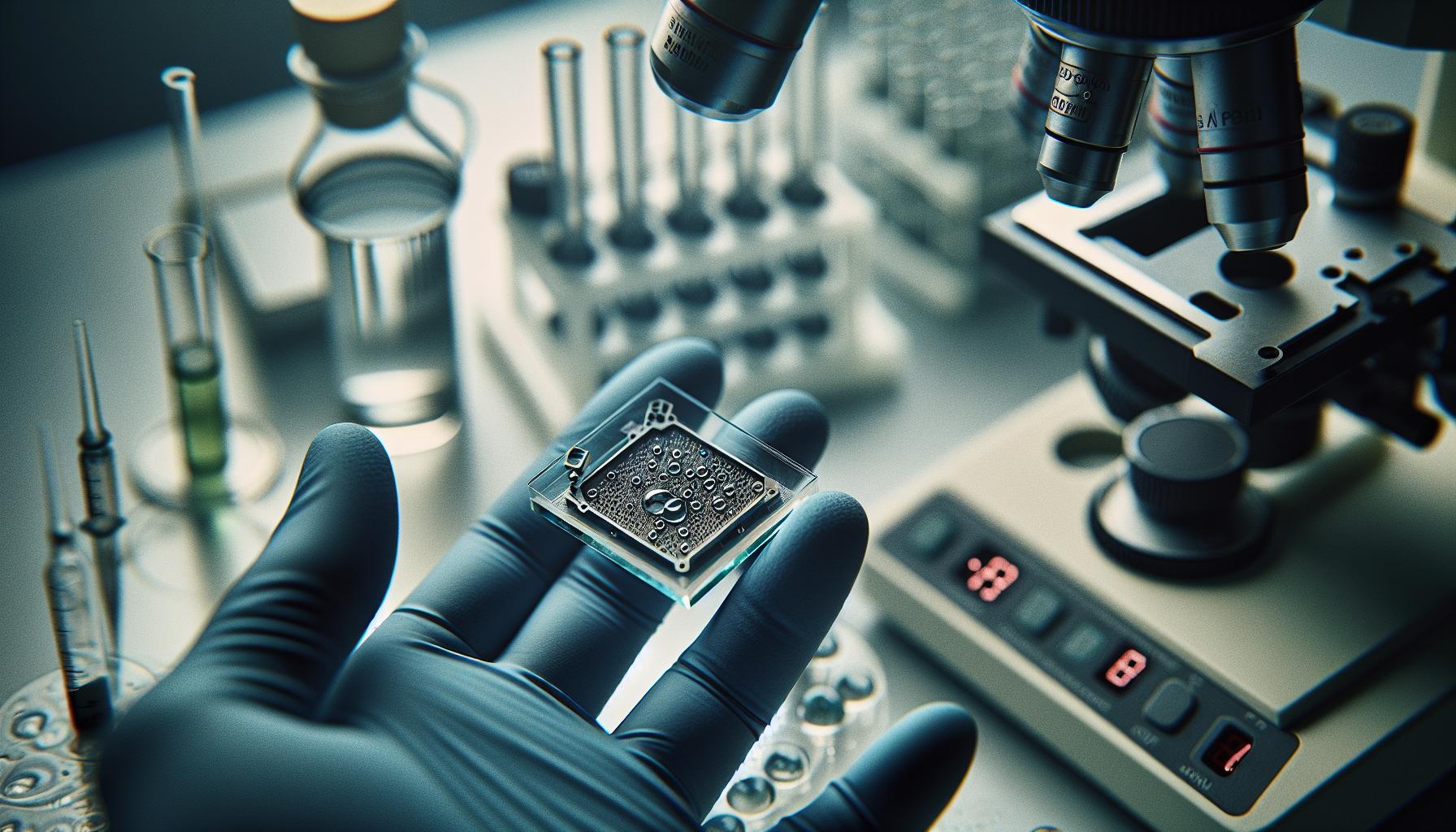
Microfluidic bubble traps are ingeniously designed components that serve a critical function in the smooth operation of microfluidic systems. At their core, these devices encompass several essential elements that enable them to efficiently capture and remove air bubbles from liquid flows. Understanding these components not only aids in the effective selection and implementation of a bubble trap but also enhances the overall reliability of microfluidic experiments.
One of the primary components of a microfluidic bubble trap is the inlet and outlet channel system. The design of these channels is paramount, as they dictate how fluids and bubbles interact within the trap. The inlet must be positioned to facilitate the entry of liquid while minimizing the potential for bubbles to enter. Typically, a wider inlet can help mitigate the impact of turbulent flows that might introduce bubbles. The outlet, on the other hand, is designed to ensure that the fluid exits the trap bubble-free and at a consistent flow rate. The geometric configuration, including curvature and angle, influences the efficacy of bubble separation.
Another critical component is the bubble separation mechanism, which leverages principles such as buoyancy and differential pressure. Buoyancy takes advantage of the fact that air bubbles are less dense than the liquid, allowing them to rise and accumulate at the top of the trap. Some bubble traps employ a curved or angled design that enhances this effect, guiding the bubbles toward a collection area. Additionally, differential pressure can be utilized, where variations in fluid pressure help move the bubbles away from the liquid phase. This interplay of fluid dynamics and buoyancy is crucial for achieving optimal bubble trapping efficiency.
Lastly, materials used in constructing bubble traps significantly influence their performance. Commonly, materials like PEEK and PTFE are favored due to their excellent chemical resistance and capacity to withstand a variety of sterilization processes, making them suitable for sensitive biological applications. The choice of material also affects the clarity and transparency of the trap, which can be pivotal for visual inspections or when integrated with optical systems.
In summary, grasping the underlying components of microfluidic bubble traps-from channel design to material selection-enables researchers to tailor their setups for maximum functionality. By optimizing these elements, one can significantly enhance the effectiveness of microfluidic applications, ensuring that air bubbles are efficiently managed and fluid flow remains undisturbed.
Principles Behind Microfluidic Bubble Trapping
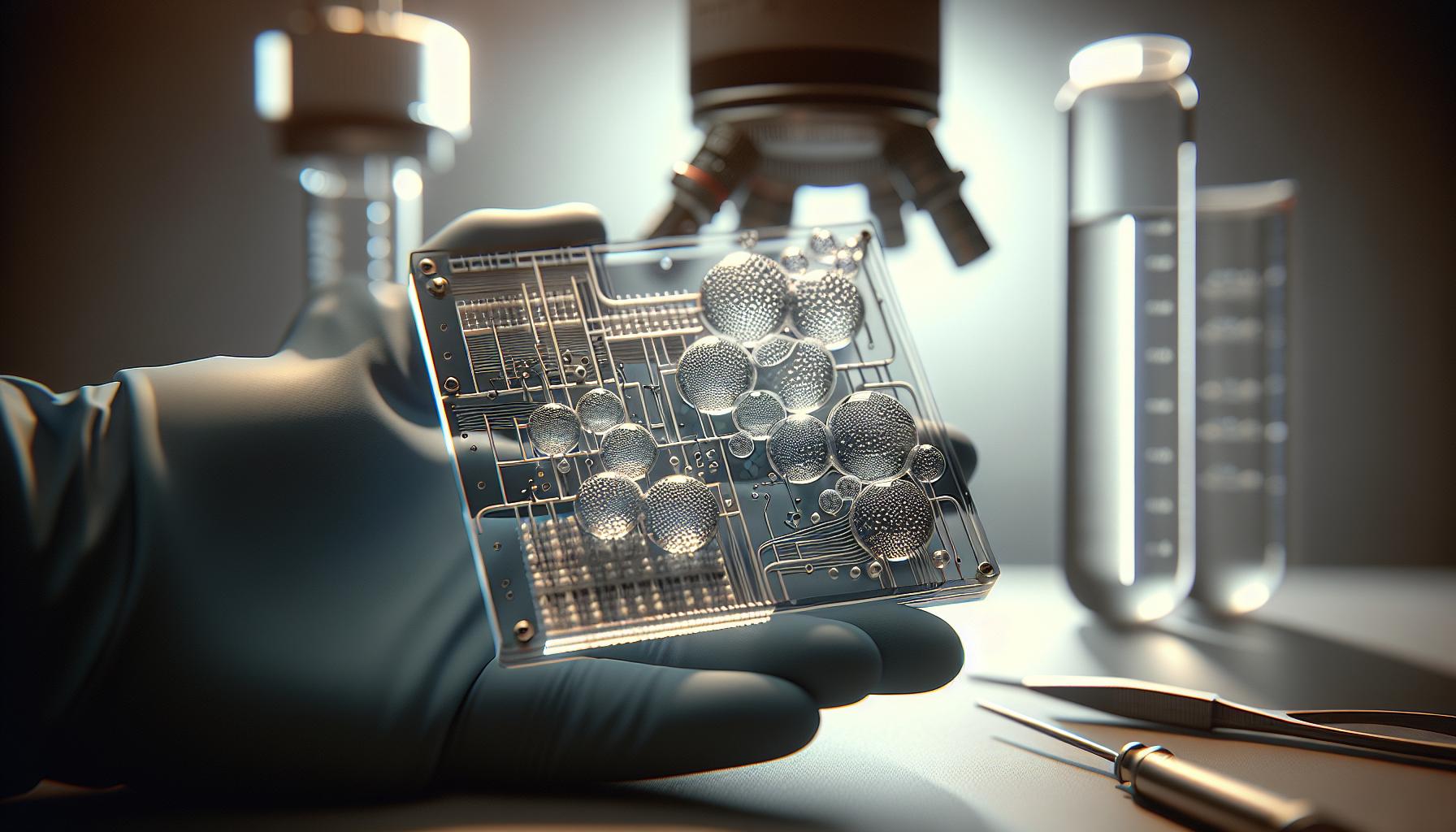
Microfluidic systems are highly sensitive to the presence of air bubbles, which can disrupt fluid dynamics and compromise experimental outcomes. Understanding the principles behind bubble trapping is essential for optimizing the performance of these systems. At the heart of bubble trapping technology are fundamental concepts such as buoyancy and the manipulation of fluid dynamics, enabling researchers to efficiently isolate and remove entrained air bubbles from liquid flows.
Buoyancy plays a pivotal role in this process. Air bubbles, being less dense than the liquid they are suspended in, are naturally inclined to rise. By designing bubble traps that exploit this property, engineers can create devices where the geometry encourages bubbles to ascend, often toward a designated collection area. For example, curved or angled channels can enhance this buoyancy effect, facilitating the effective separation of bubbles from the flowing liquid. A well-designed inlet can also minimize the introduction of new bubbles, ensuring that the system remains free of disruptive gas inclusions during fluid transport.
Additionally, manipulating differential pressure within the trap can further improve bubble removal efficiency. By creating pressure gradients, researchers can compel bubbles to navigate away from the main flow of liquid, effectively transporting them toward areas where they can be safely collected or vented out of the system. This interplay between buoyancy and pressure dynamics is critical for achieving optimal performance in applications that require precise fluid handling, such as in biomedical diagnostics or microreactor technologies.
In summary, the are rooted in fluid mechanics and material properties, allowing for the controlled separation of air from liquids. By leveraging buoyancy and differential pressure, microfluidic bubble traps can significantly reduce the occurrence of bubble-related artifacts, enabling more reliable and reproducible experimental results. Whether integrating existing technologies or developing new applications, understanding these principles is key to harnessing the full potential of microfluidic systems.
Applications of Microfluidic Bubble Traps in Research
Microfluidic bubble traps are essential tools that significantly enhance the performance of various research applications by preventing the interference of air bubbles in liquid flows. These devices are not only critical for maintaining optimal fluid dynamics but also for enabling precise control in experimental settings. The presence of bubbles can lead to skewed results, making their efficient removal paramount in fields ranging from biomedical analysis to chemical synthesis.
One of the primary applications of microfluidic bubble traps is in biomedical diagnostics. Here, they help maintain the integrity of fluid samples, ensuring accurate readings in devices such as lab-on-a-chip systems. For example, in point-of-care diagnostics, bubble traps can keep blood samples free of bubbles that might otherwise affect the interaction dynamics during assays, thus improving sensitivity and specificity. Similarly, microfluidic bubble traps play a vital role in drug delivery systems, where the precise control of liquid flow is crucial for effectively administering therapeutics in targeted areas of the body.
Bubble traps are also pivotal in chemical synthesis within microreactor technologies. They ensure that reactions occur without the disruption caused by air entrapment, which could lead to incomplete reactions or the formation of undesired products. By utilizing bubble traps in these settings, researchers can achieve higher yields and better purity of chemical products. Moreover, in fields like environmental monitoring, bubble traps facilitate the collection of liquid samples for analysis, enabling clearer measurements free from air interference.
Incorporating a microfluidic bubble trap into research protocols not only improves the reliability of experiment outcomes but also advances overall experimental efficiency. For researchers venturing into new applications or optimizing existing systems, understanding the appropriateness and benefits of integrating bubble traps can lead to innovative troubleshoot solutions that enhance research methodologies.
Step-by-Step Guide to Implementing a Bubble Trap
Implementing a microfluidic bubble trap in your research setup can significantly enhance the accuracy and reliability of your experiments. The integration of this technology is not just beneficial; it’s essential for minimizing the interference caused by air bubbles in fluid flows. Here’s a straightforward guide to help you successfully integrate a bubble trap into your microfluidic systems.
Start by selecting the appropriate bubble trap model for your application. Depending on your fluid characteristics and experimental requirements, different configurations may be more suitable. For instance, if you work with viscous fluids, you might prefer a design that maximizes the surface area for bubble capture. Once you’ve chosen a model, the installation process begins.
Installation Steps
- Position the Bubble Trap: Ensure that the bubble trap is placed inline with the fluidic path, preferably after the pump and before any sensitive detection systems or reaction chambers. This positioning allows efficient removal of bubbles generated during fluid transport.
- Connect the Tubing: Use appropriate tubing to connect the inlet and outlet of the bubble trap to your microfluidic system. Make sure that the tubing is securely attached and leak-proof to maintain system integrity.
- Calibrate for Optimal Flow: After installation, you must calibrate the system to ensure that fluid flows consistently through the bubble trap. Adjust pump settings as necessary to achieve the right flow rate while monitoring for any bubbles that may persist.
- Testing and Validation: Before commencing your main experiments, conduct a series of tests to observe the bubble trap’s performance. Introduce known volumes of bubbles into the system to verify that the trap effectively captures them without obstructing the fluid flow.
- Monitor Regularly: Continuous monitoring is key to maintaining efficient operation. Implement a routine check to ensure that the trap is free of clogs and operational.
Utilizing a bubble trap not only reduces the risk of experimental errors caused by bubbles but also contributes to the robustness of your microfluidic applications. By following these steps, you can optimize your research performance and ensure cleaner, more reliable results across various applications, whether in diagnostics, drug delivery, or chemical synthesis. Always remember to stay updated on the latest advancements in bubble trap technologies to continuously enhance your setups.
Common Challenges and Solutions in Microfluidic Systems
In the realm of microfluidics, the management of air bubbles poses significant challenges that can undermine experimental integrity. Bubbles can disrupt fluid flow, interfere with measurements, and ultimately lead to incorrect results. One of the primary hurdles researchers face is the generation of bubbles during fluid transport. These can arise from several sources, including pump operation, fluid dynamics, and even the introduction of reagents. Understanding how to mitigate these challenges is essential for the successful implementation of microfluidic systems.
A common approach to bubble management is the use of a bubble trap, which plays a crucial role in the removal of unwanted air from fluid streams. However, these traps are not without their own set of challenges. For instance, improper positioning or integration into the fluidic system can lead to accumulation of bubbles instead of removal. To combat this, it is vital to install the bubble trap in an optimal location within the flow path-typically after the pump and before sensitive components-to maximize efficiency. Additionally, ensuring leak-proof connections with the right tubing can significantly reduce the chances of air ingress.
Another frequent issue involves calibration and flow rates. An improperly calibrated system may allow bubbles to slip through undetected. Regular calibration checks and adjustments are necessary, particularly when working with fluids of varying viscosity. Monitoring flow rates and adjusting pump settings accordingly can help maintain a consistent performance. In practice, conducting controlled experiments where known bubble volumes are injected can also validate the effectiveness of the bubble trap setup.
Furthermore, routine maintenance and monitoring are fundamental to overcoming the persistent issues associated with bubble traps. Regular inspections for clogs or blockages ensure that the system operates effectively over time. Integrating sensors that can provide real-time feedback on bubble presence can enhance the reliability of the system, allowing for immediate responses should bubbles be detected. By addressing these challenges proactively, researchers can leverage the full potential of microfluidic bubble traps, ensuring accurate and reproducible results in their experiments.
Advanced Techniques for Optimizing Bubble Traps
In the intricate world of microfluidics, the capability to enhance the efficiency of bubble traps can significantly transform experimental outcomes. The presence of air bubbles can introduce variability, skew results, and complicate fluid transport; hence optimizing bubble traps is essential for achieving precise control over fluid behavior. Researchers and engineers can harness several advanced techniques to not only improve bubble trap functionality but also tailor them to specific applications and system dynamics.
Flow Optimization Strategies
One effective approach to optimizing bubble traps involves refining the fluid flow dynamics. By adjusting the flow rate and incorporating tapered passages within the trap design, researchers can facilitate better bubble separation and removal. For instance, increasing the fluid velocity using a pump with variable speed settings can help dislodge trapped bubbles more effectively. Additionally, using expansion sections that allow for gradual changes in direction can minimize turbulence and further enhance bubble exit from the fluid stream. Utilizing computational fluid dynamics (CFD) simulations to model flow profiles can also assist in identifying optimal configurations and improving the design before physical prototyping.
Material Selection and Design Innovations
The choice of materials and structural design can greatly impact the performance of bubble traps. Using biocompatible and autoclavable materials such as PEEK or PMMA ensures that the system is durable and suitable for a variety of experimental conditions, including sterilization cycles. Innovative designs such as integrating hydrophobic filter membranes can also trap bubbles while allowing the desired fluid to pass through, thereby increasing the functionality of bubble traps. In some instances, adding geometric features like microchannels or vortex generators within the trap can initiate swirling motions that enhance the disengagement of bubbles from the fluid.
Integrating Monitoring and Feedback Mechanisms
Advanced techniques now include real-time monitoring and feedback systems that can dynamically adjust operational parameters based on bubble presence. By embedding sensors within the bubble traps that detect changes in pressure or fluid velocity, researchers can actively monitor for bubble formation and react accordingly-whether by altering flow rates or triggering purging mechanisms. This kind of adaptive control is particularly beneficial in sensitive applications where maintaining flow stability is critical.
Case Studies and Practical Applications
Various studies illustrate the effectiveness of these advanced techniques. For example, researchers using bubble traps in drug delivery systems have reported substantial improvements in delivery accuracy by implementing vortex-enhancing designs that promote bubble detachment. Similarly, in environmental monitoring applications, the use of real-time monitoring systems has enabled rapid adjustments to be made during analysis, significantly improving outcomes.
By adopting these advanced optimization techniques, researchers can significantly enhance the performance of microfluidic bubble traps, fostering a more reliable and efficient framework for experimental work. This not only drives forward the precision of fluidic systems but also broadens the scope of applications possible within the realms of microfluidics.
Comparing Microfluidic Bubble Traps to Traditional Methods
In microfluidic systems, managing air bubbles is critical to ensuring consistent and reliable experimental outcomes. Traditional methods for bubble removal often involve passive strategies, such as using gravity or mechanical devices to separate bubbles from liquids. While these approaches can be effective, they typically lack the precision and responsiveness of microfluidic bubble traps, which are designed to actively engage with fluid dynamics at a much finer scale.
Microfluidic bubble traps utilize principles of fluid mechanics to enhance bubble removal efficiency. Unlike traditional methods, which may rely heavily on the inertial forces or gravity, these sophisticated devices can create tailored environments that facilitate the movement and elimination of bubbles from the fluid. For instance, by employing tapered channels and specific geometric designs, microfluidic traps can increase the fluid velocity, creating conditions that actively dislodge bubbles as they travel through the system. This contrasts sharply with conventional systems where bubbles may linger, negatively impacting flow stability and analytical accuracy.
Another key advantage of microfluidic bubble traps is their integration into automated systems. Many modern microfluidic setups include sensors and feedback mechanisms that allow for real-time monitoring of bubble formation. This capability enables researchers to adjust flow rates dynamically and optimize processing conditions on-the-fly-something traditional methods struggle to accomplish without manual intervention. The adaptive nature of these systems not only improves efficiency but can also reduce the risk of sample loss or contamination, a common concern with traditional bubble management methods.
In summary, while traditional techniques for bubble removal possess their own merits, they often fall short in high-precision applications where every variable must be controlled. The development of microfluidic bubble traps presents a significant advancement, offering higher efficiency, adaptability, and a more nuanced approach to managing fluid flows in sophisticated microfluidic devices. As research and applications continue to evolve, embracing these innovations will be essential for achieving optimal results in the dynamic field of microfluidics.
Recent Innovations in Bubble Trap Technology
In recent years, the landscape of microfluidic bubble trap technology has seen remarkable advancements that enhance performance and usability. Notably, the development of smart bubble traps equipped with integrated sensors marks a significant leap forward. These systems can continuously monitor the flow and bubble dynamics in real time, enabling automatic adjustments to the flow rates or vacuum levels. This automation significantly reduces human error and increases the system’s reliability. For researchers working in environments requiring high precision, such as biological assays or chemical reactions, having this level of control means enhanced reproducibility and reliability of results.
Furthermore, innovations in materials used for bubble traps have contributed to improved performance characteristics. The introduction of advanced polymers with anti-fouling properties is a game-changer. These materials resist adhesion from both cellular and non-cellular particles, which can lead to bubble accumulation. By maintaining cleaner channel surfaces, these traps ensure that bubble removal efficiency remains high, even over extended periods. As a result, research teams can conduct long experiments without the need for constant maintenance to clear blockages caused by debris.
Another exciting development is the integration of bubble traps with microfluidic oscillators. By combining these technologies, researchers can not only trap bubbles but also manipulate fluid flow patterns more effectively. This approach allows for enhanced mixing and reaction kinetics, crucial in applications like drug formulation and biomolecular analysis. Such devices utilize specific frequencies to oscillate the flow, creating conditions that facilitate bubble dislodgment and the subsequent removal, demonstrating the creative use of acoustic energy to benefit fluid systems.
These advancements underscore a broader trend towards creating multifunctional, adaptable microfluidic devices capable of addressing a myriad of scientific challenges. As these innovations continue to evolve, they promise to push the boundaries of microfluidic research and applications, paving the way for even more sophisticated laboratory setups that can cater to a wider array of experimental needs. Embracing these innovations not only prepares researchers for the future of fluid dynamics in microfluidics but also opens doors to entirely new applications that were previously constrained by technological limitations.
Best Practices for Maintenance and Calibration
Maintaining the performance and reliability of microfluidic bubble traps is crucial for ensuring the integrity of experiments and precise outcomes. Regular maintenance and calibration not only extend the lifespan of the equipment but also enhance the overall efficiency of fluid handling in microfluidics. With the right practices, researchers can minimize downtime and maintain optimal functionality.
To start, it’s essential to perform routine inspections of your bubble trap system. This involves checking for any visible signs of wear, leakage, or contamination. Look for debris accumulation in the trap; even small particles can disrupt fluid flow and bubble dynamics. Regular cleaning with appropriate solvents designed for your trap materials (considering compatibility) is vital. It’s recommended to establish a cleaning schedule based on usage frequency-more intensive applications may require daily checks, while less frequent ones can be monitored weekly.
Calibration is another cornerstone of reliable performance. Setting up a calibration protocol helps ensure that flow rates and pressure levels are maintained at optimal settings according to your experimental requirements. Use reference standards or flow meters to confirm that the bubble trap operates within specified parameters. Keeping a log of calibration dates, adjustments, and any anomalies can aid in troubleshooting and serve as a useful record for future experiments.
Lastly, consider integrating smart technology where possible. Advanced bubble traps that utilize sensors can continuously monitor flow conditions and bubble presence. Such systems can provide real-time data and alert researchers to anomalies, allowing for immediate adjustments and reducing the risk of experimental errors caused by bubble interference. By embracing these technological advancements and adhering to diligent maintenance practices, researchers can significantly enhance the reliability and efficacy of their microfluidic systems.
User Experiences: Case Studies of Bubble Trap Applications
In the fast-paced world of microfluidics, the importance of eliminating air bubbles cannot be overstated. Researchers have found that even a single bubble can disrupt the accuracy of experiments or skew analytical results. In one case study, a group working on diagnosing diseases using microfluidic chips faced consistent challenges due to bubble formation in their assays. The introduction of a microfluidic bubble trap not only mitigated these air pockets but also improved the reproducibility of their results. By integrating the bubble trap into their system, they achieved a significant reduction in experimental error, leading to more reliable diagnostic outcomes.
Another illuminating example comes from a university research lab focusing on drug delivery systems. Initially, their microfluidic platform was plagued with bubbles interfering with the precise dosing of therapeutic agents. After implementing a microfluidic bubble trap, the team noticed a remarkable stabilization in flow rates and a marked enhancement in drug encapsulation efficiency. This transition allowed for more accurate testing of drug interactions and a deeper understanding of how their formulations behaved under varying conditions. The researchers reported not only improved performance in their experiments but also time and resource savings due to fewer trial-and-error iterations.
Furthermore, microfluidic bubble traps have become indispensable in the development of organ-on-a-chip technologies. A biotech company developing such chips for modeling human tissues reported that incorporating bubble traps helped streamline their fluid dynamics significantly. This enhancement allowed for smoother nutrient flow and better waste removal, which directly translated to more accurate simulations of physiological conditions. As a result, they were able to make substantial progress in their development timelines, ultimately leading to quicker advancements in therapeutic research.
These case studies underline the tangible benefits that microfluidic bubble traps provide across various applications. By addressing one of the most common yet critical challenges in microfluidic systems, researchers can enhance their experimental validity, optimize resource usage, and ultimately drive innovation in their respective fields. Implementing a bubble trap is not just about removing bubbles-it’s about paving the way for groundbreaking discoveries and advancements in technology.
Faq
Q: What is a microfluidic bubble trap and how does it work?
A: A microfluidic bubble trap is a device designed to separate unwanted air bubbles from liquid flow in microfluidic systems. It uses hydrophobic membranes to allow bubbles to pass through while retaining the liquid, ensuring smooth flow and improved experiment accuracy [[2](https://www.fluigent.com/research/instruments/accessories/bubble-trap/)].
Q: Why are air bubbles problematic in microfluidic applications?
A: Air bubbles hinder fluid flow, disrupt reactions, and may lead to inaccurate results in microfluidic experiments. Removing these bubbles is crucial for maintaining consistent and reliable performance in biological assays and chemical analyses [[3](https://elveflow.com/microfluidic-reviews/why-and-how-to-use-a-microfluidic-bubble-trap/)].
Q: How can I optimize the performance of a microfluidic bubble trap?
A: To optimize a bubble trap, maintain consistent fluid flow rates, regularly check and replace hydrophobic membranes, and ensure that the trap is appropriately sized for the specific application. Consider integrating advanced monitoring systems for real-time adjustments [[1](https://www.nature.com/articles/srep09942)].
Q: When should I consider using a bubble trap in my microfluidic system?
A: You should use a bubble trap when working with fluids that tend to form air bubbles, such as those with high gas solubility or during rapid fluidic changes. Implementing a bubble trap early in your microfluidic setup can save time and enhance data reliability [[3](https://elveflow.com/microfluidic-reviews/why-and-how-to-use-a-microfluidic-bubble-trap/)].
Q: Where can I find microfluidic bubble traps suitable for my research?
A: Microfluidic bubble traps can be sourced from specialized manufacturers such as Fluigent and Elveflow. It’s advisable to review product specifications to select a model that fits your experimental requirements. Check their official websites for detailed catalogs and support [[2](https://www.fluigent.com/research/instruments/accessories/bubble-trap/)][[3](https://elveflow.com/microfluidic-reviews/why-and-how-to-use-a-microfluidic-bubble-trap/)].
Q: What maintenance is required for microfluidic bubble traps?
A: Regular maintenance for bubble traps includes cleaning or replacing hydrophobic membranes, checking for clogs, and monitoring fluid flow integrity. Establishing a routine inspection schedule can ensure optimal performance and longevity of the bubble trap [[1](https://www.nature.com/articles/srep09942)].
Q: Can bubble traps be used in all types of microfluidic systems?
A: While bubble traps are effective in many microfluidic systems, their compatibility depends on the specific design and purpose of your setup. Assess your system’s requirements and fluid properties to ensure a bubble trap will enhance performance [[2](https://www.fluigent.com/research/instruments/accessories/bubble-trap/)].
Q: What innovative technologies are emerging in bubble trap design?
A: Recent innovations in bubble trap technology include improved hydrophobic materials, integrated sensors for real-time monitoring, and modular designs that allow for easier integration into existing systems. Staying updated with scientific literature can help you discover the latest advancements [[1](https://www.nature.com/articles/srep09942)].
Wrapping Up
In conclusion, effectively utilizing a microfluidic bubble trap is essential for ensuring smooth and error-free operation in your fluidic systems. By preventing air bubbles from interfering with experiments, you enhance accuracy and reliability, which is crucial for any serious researcher or technician. Ready to elevate your microfluidic applications? Explore our detailed guides on optimizing microfluidic systems and learn about innovative techniques for bubble control that can further enhance your work.
Don’t let air bubbles compromise your results any longer-take action today! For further insights, visit our resources on advanced microfluidic devices and practical applications in research. We invite you to subscribe to our newsletter for the latest updates and expert tips. Join the conversation-share your experiences or questions in the comments below, and let’s keep pushing the boundaries of microfluidics together!
Get our latest guides, news, and insights highlighted in your Google Search & AI Overviews.