
Did you know that the vacuum conditions in an experiment can significantly influence the results, yet are often overlooked as variables? In “Vacuum Not a Controlled Variable: Experimental Design Tips,” we will explore how failing to properly account for vacuum in your experimental designs can lead to misleading outcomes. Understanding the role of vacuum isn’t just a technical detail; it can be the difference between replicable findings and experimental chaos. As you delve into this article, you will discover practical strategies to ensure that your experiments maintain reliability and validity, ultimately improving your research outcomes. Whether you’re a seasoned researcher or a budding scientist, these insights will not only enhance your experimental designs but also elevate the quality of your scientific contributions. Let’s uncover how to master the nuances of vacuum in experiments, so you can focus on what really matters-driving innovation and discovery.
Understanding Controlled Variables in Experiments
is essential for achieving reliable and reproducible results. Controlled variables are the conditions or factors that researchers keep constant throughout the experiment to isolate the effects of the independent variable on the dependent variable. By maintaining these variables, scientists can accurately determine causation versus correlation, allowing them to draw valid conclusions. For instance, in experiments that involve vacuum environments, other variables such as temperature, humidity, and material composition must be precisely controlled to ensure that any changes in the outcome can be attributed solely to changes in the vacuum conditions.
Effective management of controlled variables requires careful planning and execution. Researchers should begin by identifying all relevant factors that could potentially influence the results of their experiments. This process involves conducting preliminary tests or literature reviews to understand what variables are critical in their specific context. Once identified, these variables must be monitored and adjusted as necessary throughout the duration of the experiment. For example, in a vacuum application, keeping the temperature consistent is crucial; fluctuations could affect the behavior of materials or reactions that are sensitive to thermal conditions.
To facilitate control, employing rigorous experimental design techniques is key. This includes using randomization strategies to prevent bias, standardizing measurement approaches, and utilizing replication to reinforce findings. Documentation is also vital; keeping meticulous records about all aspects of the experimental setup can aid in troubleshooting and verifying the integrity of results. By following these best practices, researchers can enhance the reliability of their data and foster greater confidence in their conclusions.
Lastly, it is crucial for researchers to remain adaptive. Even with thorough planning, unforeseen variables can emerge, particularly in complex systems like those utilizing vacuum environments. Regularly reviewing the experimental design and being ready to adjust controlled variables can be the difference between a successful experiment and one that yields ambiguous or misleading results. By approaching experimentation with a mindset geared toward precise control and adaptability, researchers pave the way for significant advancements in their fields.
The Importance of Vacuum in Experimental Design
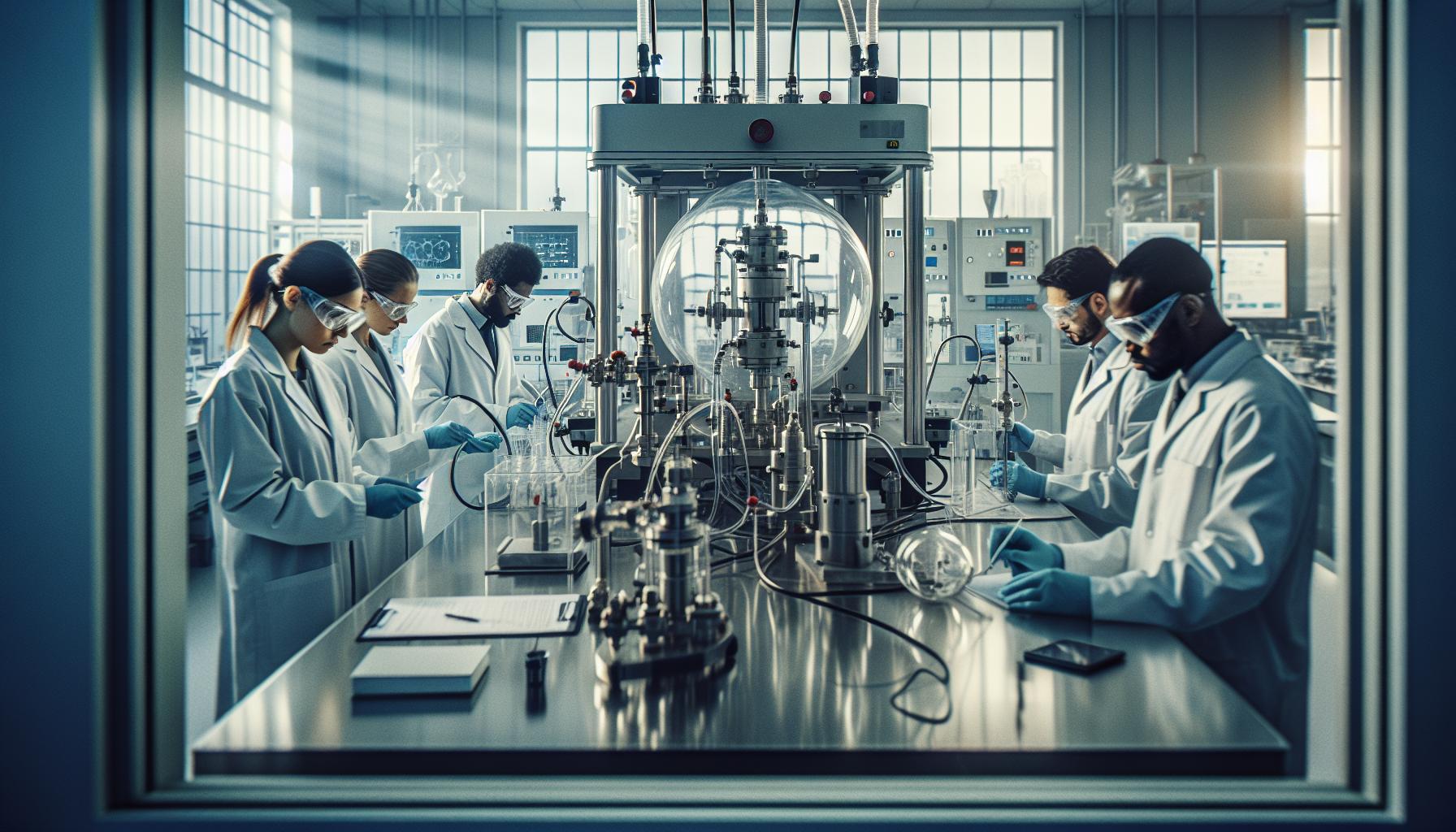
In the realm of experimental design, the vacuum is not just a curious concept; it plays a pivotal role in determining the fidelity of scientific results. Operating in a vacuum allows researchers to eliminate variables that might skew results due to the influence of air and other gaseous substances. When physical processes occur in a vacuum, experiments can more accurately reflect the inherent properties of materials and reactions, free from atmospheric interference. This is particularly critical in fields such as materials science, chemistry, and physics, where even slight variations in environmental conditions can lead to significant differences in outcomes.
One of the primary advantages of utilizing a vacuum is its ability to minimize oxidation and contamination. For example, when conducting experiments involving reactive substances or sensitive biological samples, a vacuum environment can prevent unwanted interactions with oxygen or moisture. This controlled setting is essential for experiments requiring high precision, such as in the fabrication of semiconductors or the study of gas-phase reactions. By removing air molecules, researchers can isolate their variables more effectively, enhancing the reproducibility of their results.
Moreover, achieving a stable vacuum level is crucial. Fluctuations in vacuum pressure can affect the behavior of materials undergoing experiments, leading to inconsistent results. To ensure that the vacuum remains constant, researchers must utilize reliable vacuum pumps and monitoring systems that notify them of any deviations. It’s also essential to consider the design of vacuum chambers; these should be constructed from materials that do not outgas, which could introduce additional variables into the experiment.
Understanding can direct researchers toward thoughtful approaches that uphold the integrity of their findings. Regular calibration of vacuum measuring instruments and thorough training on vacuum system maintenance can significantly bolster the effectiveness of experiments. Emphasizing this environment as a critical factor can help researchers gain clarity in their experimental designs, ultimately leading to more valid conclusions and advancements in their fields.
Common Pitfalls When Managing Vacuum Levels
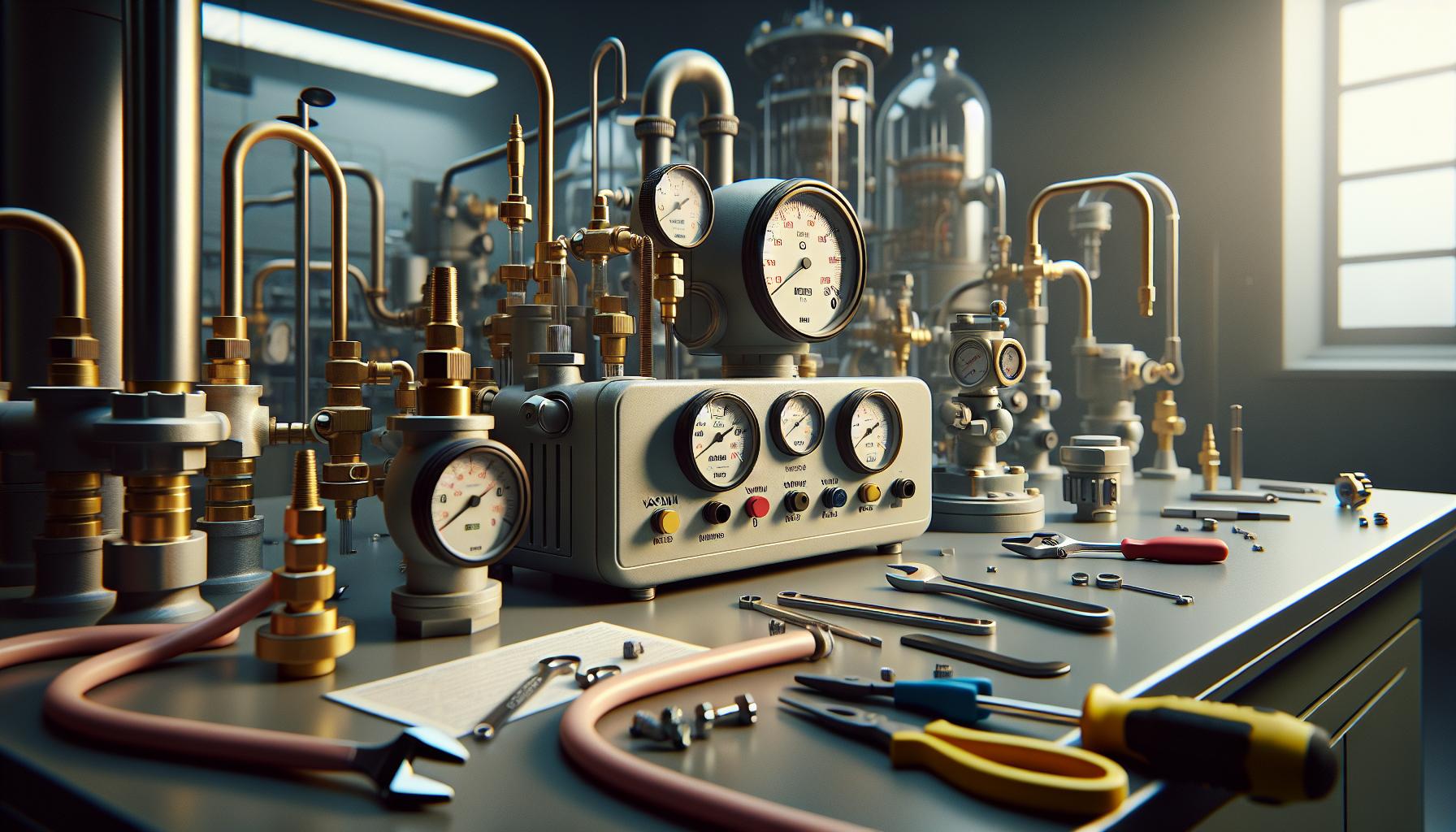
In the meticulous world of vacuum experimentation, even minor oversights can lead to significant setbacks. One common pitfall researchers face is underestimating the importance of proper sealing in vacuum apparatus. Many experimental setups depend heavily on the integrity of seals to maintain appropriate vacuum levels. A compromised seal can introduce atmospheric air, skewing results and leading to erroneous data. Thus, it’s essential to regularly inspect and replace seals as necessary, ensuring that they are compatible with the specific vacuum environment-some materials may outgas or degrade over time, compromising their effectiveness.
Another frequent issue arises from inconsistent monitoring of vacuum levels. Without diligent tracking, fluctuations in pressure can go unnoticed, affecting experimental outcomes. Researchers should implement reliable vacuum gauges and consider automated monitoring systems that alert them to any significant changes. This proactive approach not only helps maintain stability but also provides data that can be crucial during analysis. Regular calibration of these instruments is also critical; a gauge that isn’t functioning correctly may give a false sense of security regarding vacuum conditions.
Inadequate Training and Protocols
Equally important is the training of personnel involved with vacuum systems. Researchers and technicians must understand the intricacies of the equipment and the potential consequences of mismanagement. Regular training sessions and updated protocols can help mitigate risks associated with human error. Consistency in maintaining protocols, such as the proper methods for venting or loading materials into the vacuum chamber, can greatly enhance both safety and experimental reliability.
Ultimately, recognizing these pitfalls and implementing preventative measures will not only strengthen the integrity of research outcomes but also facilitate a more systematic understanding of the experiments conducted. By prioritizing secure seals, diligent monitoring, and comprehensive training, researchers can navigate the complexities of vacuum experimentation with greater confidence and success.
Best Practices for Setting Up Controlled Variables

In the realm of vacuum experimentation, setting up controlled variables effectively is vital for achieving reliable results. The integrity of your data hinges on how well you can isolate the variables of interest, particularly in a vacuum environment where external factors can easily skew results. Recognizing that vacuum is not a controlled variable, but rather an instrumental condition, refines your approach to experimental design and increases your chances of success.
One of the foundational best practices is to define your variables clearly. Start by sorting out the elements that you can control-like temperature, pressure, and time-and establish which variables need to remain constant. Ensuring that your vacuum level is consistent across trials is key, as even small fluctuations can lead to different outcomes. Utilize reliable equipment, such as precision vacuum gauges, to monitor pressure continuously. Setting thresholds for acceptable pressure ranges helps in immediately identifying when your conditions deviate from the controlled framework.
Another crucial aspect is systematic randomization. When dealing with experiments involving vacuum conditions, varying the order in which trials are conducted helps prevent systematic bias. For instance, if you’re testing multiple samples under vacuum, consider randomizing the sequence in which samples are introduced into the chamber. This approach is particularly beneficial if experimental outcomes are affected by environmental variables that may be inadvertently linked to the order of testing.
Moreover, documentation cannot be overstated. Maintain a detailed log of all settings, pressures, and timings for each experiment. This record not only aids in troubleshooting but also serves as a reference point for future studies. When analyzing data, you’ll have the context needed to interpret anomalies or unexpected results confidently. Building such robust protocols provides a safety net against the complexities of vacuum experimentation.
By employing these strategies, researchers can navigate the challenges of maintaining controlled variables in vacuum scenarios effectively. As you refine your experimental design, remember that attention to detail in variable management can elevate your research quality and credibility significantly.
Advanced Techniques for Vacuum Manipulation
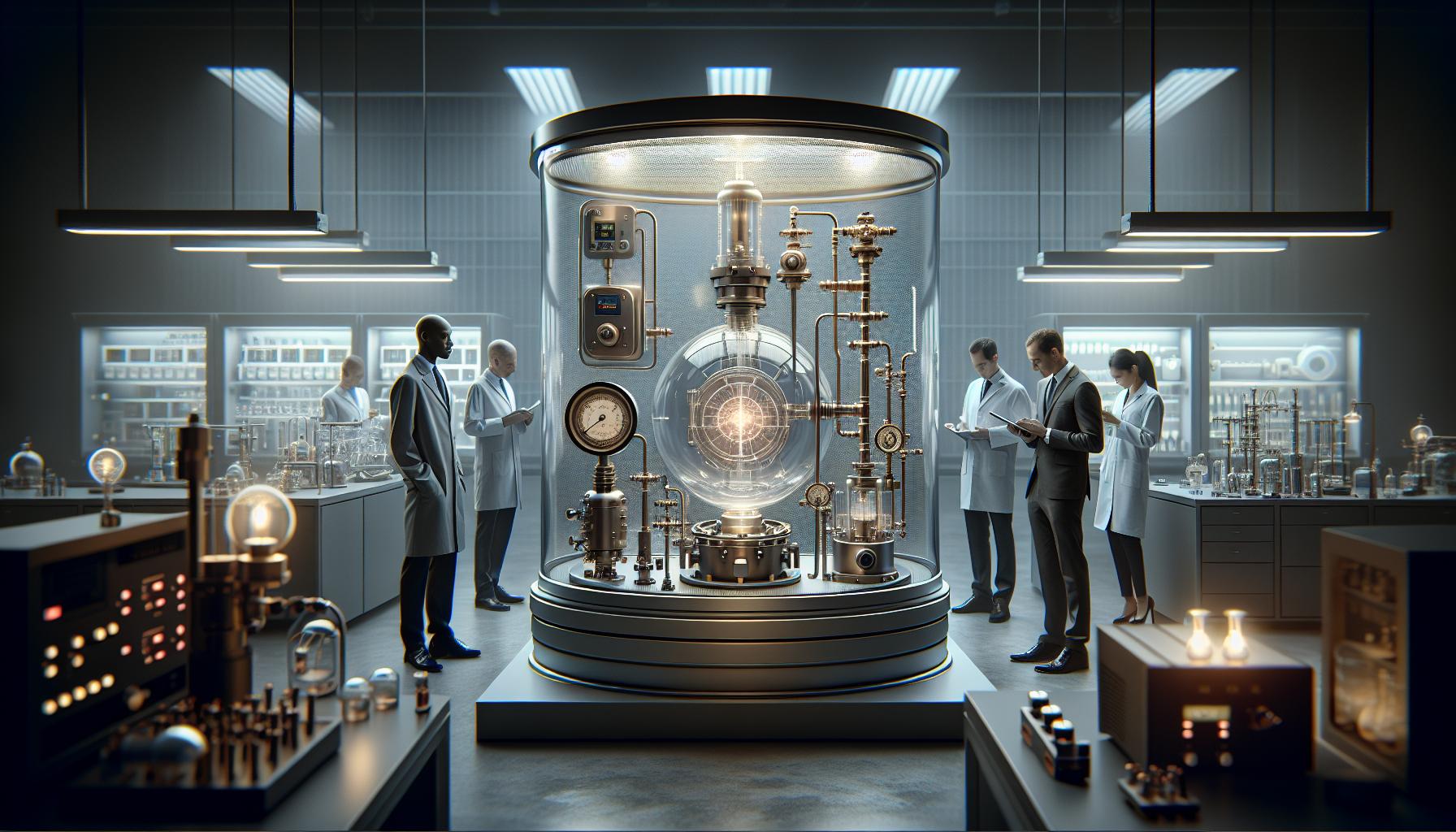
Manipulating vacuum conditions effectively is crucial for achieving precise outcomes in experimental design. With advancements in technology, researchers have access to a range of techniques that can enhance the control of vacuum environments, thereby minimizing variability and improving data reliability. Here, we explore several advanced strategies that can empower you to optimize vacuum manipulation during your experiments.
Dynamic Control Systems
One of the most effective techniques for sophisticated vacuum manipulation is the use of dynamic control systems. These systems allow real-time monitoring and adjustment of vacuum pressure, enabling researchers to maintain exact conditions throughout an experiment. By integrating high-precision vacuum sensors with automated control loops, it’s possible to respond instantly to fluctuations in pressure. This can be particularly valuable in processes such as thin-film deposition or chemical reactions, where even minor deviations can lead to significant changes in the outcome.
To implement dynamic control, consider employing programmable pressure controllers that can automatically adjust pump speed based on sensor feedback. For instance, if the pressure begins to rise unexpectedly due to gas leaks or sample outgassing, the system can increase the pump’s activity instantly to restore the desired vacuum level. This proactive management not only stabilizes conditions but also enhances repeatability across trials.
Vacuum Leak Detection Techniques
Another critical aspect of maintaining a stable vacuum environment is promptly identifying and addressing leaks. Advanced leak detection methods, such as helium leak testing or using mass spectrometry, can provide rapid diagnostics. Utilizing these techniques ensures that any unintended introduction of gases is detected immediately, allowing for corrective actions before significant distortion of experimental results occurs.
Additionally, routine maintenance checks coupled with visual inspections can prevent leaks before they become problematic. As a best practice, maintain a detailed log of all vacuum components and their performance, which can help spot trends that precede a leak. Regular calibration of your leak detection equipment also ensures its reliability, further solidifying your vacuum conditions.
Multi-Seal and Valve Systems
Employing multi-seal and valve systems can greatly enhance vacuum integrity. By utilizing a series of high-quality seals and strategically placed valves, researchers can isolate segments of their vacuum system. This compartmentalization allows for targeted maintenance without compromising the entire vacuum environment. For example, if one chamber requires servicing, valves can isolate it from the main system, maintaining vacuum pressure elsewhere.
In practice, consider a design that incorporates quick-exchange valves or pressure relief valves. These devices facilitate swift transitions and minimize the time the system is under a less-than-ideal vacuum condition. Furthermore, using multiple types of seals-such as O-rings and metal gaskets-depending on the specific application needs will provide a more robust and reliable sealing strategy.
By implementing these advanced techniques, researchers can enhance their ability to control vacuum conditions meticulously, paving the way for more reliable and interpretable experimental outcomes. Whether you are conducting fundamental studies or complex applications, these strategies provide the tools necessary to maintain a stable and effective vacuum environment.
Case Studies: Successful Vacuum Experiment Designs
Successful vacuum experiment designs can often hinge on the intricate balance between controlled variables and the unpredictable nature of vacuum levels, making it vital to showcase practical examples that illustrate effective strategies. Consider a case involving thin-film deposition, a critical process in electronics and optics. Researchers at a leading university implemented a vacuum system that utilized both dynamic control systems and real-time pressure monitoring. By setting precise pressure thresholds and automating pump adjustments, they were able to significantly reduce variability in film thickness from batch to batch, leading to improved device performance and reliability.
In another scenario, a lab focused on materials science faced challenges with vacuum integrity during a series of chemical vapor deposition experiments. They adopted advanced leak detection techniques, integrating helium leak testing as standard operating procedure. This proactive approach allowed them to identify and rectify minor leaks immediately, preempting larger issues that could compromise their results. Their strategy included routine system audits and visual inspections, which helped maintain optimal conditions and extend equipment lifespan.
Moreover, researchers working on vacuum-insulated panels discovered the importance of compartmentalization in their experiments. By employing a multi-seal and valve system, they could isolate different sections of their vacuum setup. This design facilitated targeted maintenance without disrupting overall vacuum integrity, allowing them to conduct experiments continuously. The flexibility provided by having strategic isolation measures meant they could troubleshoot components swiftly, ensuring that their experiments remained consistent and reliable.
These examples highlight practical approaches for managing vacuum as a controlled variable. By leveraging dynamic controls, rigorous leak detection, and effective system design, researchers can enhance their experimental outcomes, paving the way for innovation and exploration in various scientific fields. Understanding these successful cases provides a roadmap for others aiming to optimize their own vacuum environments, ensuring that the associated variables are well-managed and that the integrity of their data remains intact.
Comparing Vacuum Systems: What You Need to Know
When embarking on experiments that rely on vacuum systems, there’s much to consider beyond just achieving low pressure. The type of vacuum system you select can drastically influence your experimental results, efficiency, and even safety. Understanding the various types of vacuum systems-such as positive displacement pumps, momentum transfer pumps, and cryopumps-equips researchers and technicians to make informed decisions tailored to their experimental needs.
Types of Vacuum Systems
- Positive Displacement Pumps: Often used in low to medium vacuum applications, these pumps operate by trapping a volume of gas and displacing it. They are known for their reliability and cost-effectiveness. However, they may struggle with maintaining low vacuum levels, making them less ideal for high-precision experiments where a high vacuum is required.
- Momentum Transfer Pumps: Including turbo pumps, these systems are excellent for high vacuum applications. They work by using high-speed blades to impart momentum to gas molecules, effectively pushing them out of the chamber. Their ability to achieve very low pressures makes them essential for processes like thin-film deposition and surface science.
- Cryopumps: These pumps utilize extremely low temperatures to condense gases, allowing for the removal of even stubborn molecular species. They are particularly valuable in systems requiring ultra-high vacuum (UHV) environments, as they can provide minimal contamination and a clean vacuum atmosphere critical for sensitive experiments.
Factors to Consider When Choosing a Vacuum System
Selecting the right vacuum system entails examining several critical factors:
- Desired Vacuum Level: Determine whether your experiment requires low, medium, high, or ultra-high vacuum conditions.
- System Size and Portability: Evaluate the physical dimensions and weight of the vacuum system based on your laboratory space and whether mobility is a requirement.
- Maintenance Needs: Consider systems that offer a balance between performance and ease of maintenance, ensuring minimal downtime.
- Cost: Align your choice with budget constraints while factoring in long-term operational costs, including energy consumption and service needs.
A common pitfall occurs when researchers overlook the interactions between the vacuum system and the materials being used. For instance, if a newly developed material releases volatile components, they can contaminate vacuum lines or sensors, severely impacting the experiment’s validity. Proper system selection, informed by an understanding of both the scientific application and the technology, ensures that vacuum levels remain controlled-and thereby become a powerful ally rather than an uncontrollable variable.
In conclusion, comparing vacuum systems entails a careful evaluation of the requirements for your specific experimental setup. By matching the right system with operational needs, researchers can achieve ideal conditions that facilitate reliable results. With the right information, you can navigate the complexities of vacuum technology effectively, turning challenges into opportunities for innovation.
Practical Tips for Measuring Vacuum Pressure
To achieve reliable results in vacuum experiments, accurately measuring vacuum pressure is essential. Precise pressure measurements help define the experimental environment and ensure that it meets the required specifications. Here are some practical tips that can enhance your vacuum pressure measurement process and improve the reliability of your experiments.
Firstly, select the appropriate gauge for the pressure range you are working in. Different types of vacuum gauges, such as mechanical, thermal, and ion gauges, have varying operational ranges and sensitivities. For medium vacuum levels (0.01 to 1000 mbar), a mechanical gauge might suffice, while for high vacuum (below 0.01 mbar), thermocouples or ion gauges are preferred. Understanding the limitations and capabilities of these instruments is crucial for obtaining accurate readings.
Next, consider the placement of your pressure gauges. Positioning is key in measurements; gauges should be installed close to the chamber where the measurements are being taken. However, avoid mounting them directly on ports that might introduce contamination or turbulence. Ideally, placing gauges on separate, designated ports can prevent discrepancies caused by gas flow and help achieve more stable readings. Additionally, ensure that the gauge is free from any debris or contaminants that could impede its function.
It’s also vital to maintain your measurement system regularly. Calibration is non-negotiable; regularly calibrate your gauges against known standards to ensure accuracy over time. Check manufacturer recommendations for frequency. In addition, performing periodic maintenance, such as cleaning and leak testing your vacuum system, can prevent measurement drift and errors. Remember, even minor leaks can drastically affect vacuum conditions and create false pressure readings.
Finally, record your measurements meticulously. Logging data from your vacuum experiments allows for easier troubleshooting when unexpected results occur. Keeping a comprehensive log that includes the pressure data, the date of measurement, the calibration status of the gauges, and any observed anomalies can provide valuable insights during analysis and help identify trends that contribute to experimental variability.
By following these practical tips-selecting the right gauges, properly positioning them, maintaining and calibrating them regularly, and keeping thorough records-you will enhance the reliability of your vacuum pressure measurements. This focus on precise measurement will create a more controlled experimental environment, ultimately leading to more valid and reproducible results.
Exploring Alternative Variables in Experimental Design
In experimental design, considering alternative variables can unlock new dimensions of understanding and improve the robustness of your findings. While vacuum conditions are often treated as controlled variables in experiments, it’s important to recognize that other factors can significantly influence results. By exploring these alternative variables, researchers can better tailor their experimental setups to yield clearer insights and mitigate confounding influences.
One strategy is to evaluate the effects of temperature variations within vacuum systems. Temperature can affect the behavior of molecules and influence reactions in a vacuum environment. When conducting experiments, consider using temperature control systems to maintain a stable environment, or systematically vary temperatures to observe their impact. For example, in materials science, studying how a substance behaves at different temperatures under vacuum can reveal insights into stability, evaporation rates, or magnetic properties that would be missed in a strictly controlled vacuum without temperature considerations.
Another key area to assess is the influence of time on experimental outcomes. Variability in the duration of exposure to vacuum conditions can lead to differences in molecular interactions and material behaviors. Implementing time as an alternative variable can create a timeline of responses, enhancing the understanding of processes such as desorption rates or the effects of outgassing. By rigorously documenting these time-dependent changes and correlating them with other measured variables, researchers can create a more comprehensive picture of their experimental systems.
Furthermore, the composition of the gas within the vacuum can also serve as a critical alternative variable. Different gases can react differently and can influence phenomena such as surface reactions and contamination rates. For instance, using a controlled mixture of gases or varying the gas type in dynamic vacuum environments can lead to unexpected insights about catalytic processes or film deposition. Including gas composition as an experimental variable alongside vacuum pressure will not only improve reproducibility but can facilitate discovery in novel material synthesis and chemical reactions.
By broadening the scope of variables examined, researchers can enhance the reliability and depth of their experimental findings. Emphasizing factors like temperature, time, and gas composition empowers scientists to yield more nuanced understandings of their vacuum-based systems, ultimately leading to breakthrough innovations and refined methodologies in experimental design.
Troubleshooting Vacuum-Related Experimental Errors
is essential for ensuring the validity and reliability of your experimental results. A seemingly minor issue can lead to significant variations in outcomes. Understanding the common pitfalls and maintaining a systematic approach to troubleshooting can help you mitigate errors and enhance the integrity of your experiments.
One primary source of vacuum-related errors is leaks in the system. Even small leaks can lead to fluctuations in pressure, undermining the controlled environment required for your experiments. Regularly check seals, fittings, and flanges for any signs of wear or damage. Using a helium leak detector can be particularly effective, as helium is small enough to escape through tiny openings that may not be detectable through visual inspection alone. If a leak is suspected, isolate sections of the vacuum system and test them individually to pinpoint the issue.
Another common error stems from inadequate calibration of vacuum gauges. Because accurate pressure measurements are critical for maintaining controlled conditions, ensure that your gauges are regularly calibrated. Referencing your readings against a known standard will help identify discrepancies. Additionally, consider using multiple pressure measuring devices to cross-check data. If you observe significant variation between devices, this may indicate that one or more of your instruments is malfunctioning.
Uncontrolled outgassing from materials placed within the vacuum can also introduce unexpected variables into your experiments. Materials can release gases when under vacuum, contaminating the environment and skewing results. To manage outgassing, precondition materials at the expected operational temperature and vacuum level before conducting experiments. This process allows any volatile substances to be removed from the material, leading to a more stable experimental setup.
Lastly, keep in mind the temperature variations within your vacuum system. These variations can occur due to external changes or improperly regulated heating systems. Implementing a robust temperature control strategy, such as using thermal jackets on sensitive components, can help maintain a stable environment. If possible, use real-time monitoring tools to track any temperature fluctuations during your experiments.
By systematically addressing these issues-leaks, calibration errors, outgassing, and temperature variations-you can significantly improve the reliability of your vacuum-based experiments. Each troubleshooting step not only safeguards your findings but also enhances your understanding of the intricate behavior of materials in varying vacuum conditions. This practice will ultimately contribute to more nuanced and meaningful scientific discoveries.
The Role of Environmental Factors in Vacuum Experiments
In the realm of vacuum experiments, the often-overlooked influence of environmental factors can have a substantial impact on your results. These factors extend beyond mere vacuum levels; they encompass temperature fluctuations, humidity, and even external electromagnetic fields, each of which can introduce unwanted variability into your controlled setup. Understanding these influences is essential for designing experiments that yield reliable and reproducible results.
Temperature Effects
The temperature of both the vacuum chamber and its contents plays a critical role in the fidelity of your experimental results. Temperature variations can affect gas behavior, material properties, and outgassing rates. For instance, increasing temperatures can enhance the release of gases from materials, skewing your vacuum’s pressure readings. Implementing temperature control mechanisms, such as thermal insulation or heating jackets, can mitigate these effects. Running experiments at constant temperatures and monitoring these settings with precision instruments ensures that you establish a stable baseline conducive to accurate measurements.
Humidity and Contamination
Humidity is another environmental factor that can compromise vacuum integrity, especially in experiments sensitive to moisture levels. Even minuscule amounts of water vapor can precipitate reactions or affect physical properties, ultimately altering your experimental outcomes. Prior to experiments, thoroughly drying all components and ensuring the entire system is conditioned to the desired humidity level can help minimize these risks. Utilizing desiccators or cryogenic traps may further control moisture levels within the chamber, contributing to more trustworthy results.
Electromagnetic Interference
Lastly, consider the potential impact of electromagnetic fields on sensitive measurements and equipment. Fluctuations in electromagnetic fields can interfere with electronic control systems and measurement devices, leading to erroneous data. Shielding your vacuum system and adjacent equipment from such interference, as well as employing grounded cables and equipment, can safeguard your experiments from unexpected variables.
By proactively addressing these environmental factors-temperature, humidity, and electromagnetic interference-you can maintain a truly controlled experimental environment. This attention to detail not only bolsters the reliability of your data but also enhances the overall credibility of your research, paving the way for more significant scientific advancements.
Future Trends in Vacuum System Research and Development
As the scientific community pushes the boundaries of vacuum technology, researchers are increasingly focusing on innovative methods to refine vacuum systems for experimental design. One exciting trend is the integration of automation and real-time monitoring systems, which facilitate precise control over vacuum conditions. This advancement is particularly beneficial in high-stakes environments, such as semiconductor manufacturing and material science, where maintaining a specific vacuum level is critical. By utilizing sensors linked to automated feedback systems, researchers can adjust vacuum levels dynamically, ensuring consistent experimental conditions even amidst environmental fluctuations.
Advanced Materials and Design
Another notable trend is the development of advanced materials for vacuum chambers and pumps. New alloys, ceramics, and composite materials are being engineered to withstand extreme pressures and temperatures, significantly enhancing durability and performance. For instance, cryogenically treated materials are being explored for their ability to maintain vacuum integrity while minimizing outgassing-essential for sensitive experiments. This innovation not only improves the longevity of vacuum systems but also optimizes the overall experimental efficiency by reducing the frequency of maintenance checks.
Eco-Friendly Vacuum Technologies
In recent years, a shift towards sustainability has influenced vacuum technology research, prompting the exploration of eco-friendly alternatives. Innovations such as oil-free vacuum pumps and materials with lower environmental impacts are gaining traction. These technologies not only address environmental concerns but also offer advantages such as reduced maintenance costs and enhanced safety measures, making them ideal for diverse applications in academia and industry alike.
In summary, the future of vacuum system research is bright, characterized by automation, advanced materials, and sustainable practices. By embracing these trends, researchers can enhance the reliability and efficiency of their experiments, paving the way for groundbreaking discoveries across various scientific domains. As these technologies continue to evolve, the potential for new applications and improved results in vacuum-related studies becomes increasingly promising.
Frequently asked questions
Q: What impact does vacuum variation have on experimental results?
A: Vacuum variation can significantly affect experimental outcomes by altering reaction rates, physical properties, and measurement accuracy. Ensuring a stable vacuum level is paramount, as fluctuations might lead to unreliable data. Refer to the section on Common Pitfalls When Managing Vacuum Levels for strategies to mitigate these effects.
Q: How can I efficiently troubleshoot vacuum-related issues in experiments?
A: Efficient troubleshooting of vacuum issues involves systematic checks of vacuum seals, pumps, and gauges. Regular maintenance and calibration of equipment are essential. Review the Troubleshooting Vacuum-Related Experimental Errors section for practical steps to identify and resolve common problems.
Q: Why might vacuum not be considered a controlled variable in specific experiments?
A: Vacuum may not be a controlled variable if its fluctuations are inherent to the experimental setup or are influenced by external factors. In these cases, it could be categorized as a nuisance variable, affecting the validity of results. Understanding this distinction is critical, as detailed in Exploring Alternative Variables in Experimental Design.
Q: What are the best practices for monitoring vacuum levels during experiments?
A: Best practices for monitoring vacuum levels include using accurate and calibrated gauges, implementing continuous monitoring systems, and recording measurements at regular intervals. For comprehensive monitoring techniques, see the Practical Tips for Measuring Vacuum Pressure section of the article.
Q: When should alternative experimental designs be considered in vacuum studies?
A: Alternative experimental designs should be considered when traditional setups prove insufficient or when vacuum conditions are unpredictable. Exploring other methodologies can enhance reliability and data integrity. Check the Advanced Techniques for Vacuum Manipulation section for innovative approaches.
Q: How does environmental control affect vacuum experiments?
A: Environmental control is crucial in vacuum experiments as variations in temperature, humidity, and atmospheric pressure can compromise results. Establishing stringent environmental conditions can help maintain consistent vacuum levels and enhance experiment reliability, as discussed in The Role of Environmental Factors in Vacuum Experiments.
Q: What common mistakes should be avoided when designing vacuum experiments?
A: Common mistakes in vacuum experiment design include neglecting to account for system leakages, inadequate gauge calibration, and improper setup of experimental controls. Avoiding these pitfalls is essential for achieving valid results. For more insight, refer to Common Pitfalls When Managing Vacuum Levels.
Q: How do I choose the right vacuum system for my experimental needs?
A: Choosing the right vacuum system involves evaluating factors such as the required vacuum level, volume, and specific application needs. Consulting with case studies and examples in the Comparing Vacuum Systems: What You Need to Know section can provide valuable guidance in this decision-making process.
Key Takeaways
Understanding the nuances of experimental design, particularly the role of vacuum as not a controlled variable, is crucial for achieving accurate results. Remember, creating a robust framework for your experiments can drastically improve the reliability of your findings. If you’re ready to take your research to the next level, explore our in-depth guides on data analysis and experimental variables to deepen your understanding. Don’t hesitate-these insights can help streamline your future projects.
As you implement these tips, consider subscribing to our newsletter for exclusive content that will enhance your experimental toolkit. Still have questions or need further clarification? Join the conversation in the comments below, share your experiences, or check out related articles on best practices in experimental design. Your next breakthrough is just a click away!
Get our latest guides, news, and insights highlighted in your Google Search & AI Overviews.