
Acoustic Wave Therapy (AWT) is transforming how we approach recovery and relief from chronic pain, injuries, and health conditions. This innovative, non-invasive technique utilizes low-intensity sound waves to stimulate healing processes deep within the body, promoting blood flow and reducing inflammation. Imagine a treatment that harnesses the power of sound to enhance your body’s natural ability to heal-it’s not just a futuristic idea; it’s a tangible solution available today. Whether you’re an athlete seeking faster recovery, someone managing chronic pain, or simply curious about breakthrough therapies, understanding the physics behind AWT can empower you to make informed health decisions. As we dive into the mechanics of how this therapy works, you’ll discover the science that underpins its effectiveness, demystifying the technology that could very well reshape your journey to wellness.
Understanding Acoustic Wave Therapy: A Comprehensive Overview
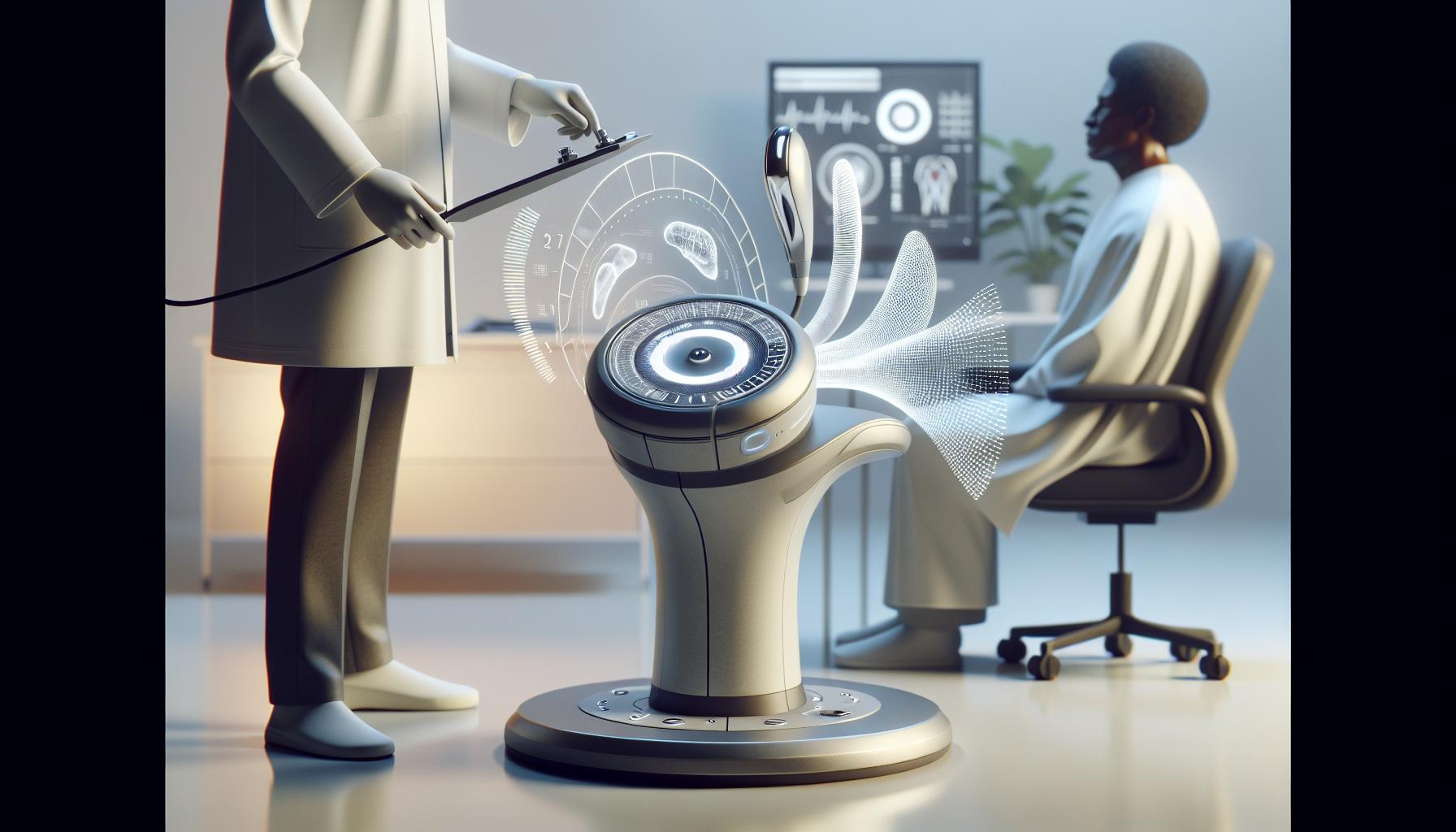
Acoustic Wave Therapy (AWT) represents a groundbreaking approach in the realm of non-invasive medical treatments, using sound waves to promote healing and recovery in various conditions. The underlying principle of AWT is the delivery of low-intensity acoustic waves to targeted tissues. These waves trigger a series of biological processes that help improve blood circulation, stimulate cell regeneration, and reduce inflammation. As a result, patients often experience relief from pain and enhanced mobility without the need for surgical interventions or prolonged recovery periods.
The mechanics of how acoustic waves interact with human tissues are fascinating. When sound waves penetrate the skin, they create a series of compressions and rarefactions in the tissue. This mechanical stimulation encourages the production of growth factors and collagen, critical components in tissue repair and regeneration. Additionally, the vibrations help break down scar tissue and enhance the permeability of cell membranes, facilitating better nutrient and oxygen uptake. This multifaceted approach not only addresses symptoms but addresses underlying issues, making AWT a versatile tool in pain management and rehabilitation.
Moreover, the applications of acoustic wave therapy extend beyond standard pain relief. It is effectively used to treat a variety of conditions, including musculoskeletal disorders, erectile dysfunction, and even cellulite reduction. Each of these applications highlights the therapy’s adaptability and effectiveness across different medical fields. The growing body of research supporting AWT underscores its role in modern medicine as a safe and effective alternative or complement to traditional treatment modalities. With continued advancements in technology and understanding of acoustic wave dynamics, the future of AWT promises even more innovative applications and improved patient outcomes.
The Science Behind Acoustic Waves: Key Principles Explained
Acoustic Wave Therapy (AWT) operates on foundational principles of physics, particularly the behavior of sound waves as they interact with biological tissues. At its core, AWT employs low-intensity sound waves-often referred to as acoustic waves-that propagate through various mediums, in this case, human tissue. Understanding how these waves work involves an exploration of their characteristics, including frequency, amplitude, and speed, and how these factors influence their therapeutic effects.
When acoustic waves are generated, they create alternating zones of compression and rarefaction. This is crucial for AWT, as the compressive forces exerted by the waves stimulate tissues in their path. As these waves travel deeper into the tissue, they can cause microscopic oscillations in cells, effectively shaking loose debris, promoting increased circulation, and stimulating biological responses such as cell regeneration. The waves are typically applied at frequencies ranging from 1 to 5 MHz, allowing for targeted treatment of specific injuries or conditions while ensuring minimal discomfort to the patient.
Another significant aspect of AWT is its ability to enhance the permeability of cell membranes, facilitating improved absorption of nutrients and oxygen, which are vital for healing. By increasing membrane permeability, AWT creates an optimal environment for cellular repair and growth. Additionally, the therapy encourages the release of growth factors and activates fibroblasts-a type of cell critical for the production of collagen and extracellular matrix. This process provides not just symptomatic relief but also addresses the underlying factors of chronic pain or dysfunction.
In practice, this means patients can experience significant improvements in conditions like tendon injuries, arthritis, and even erectile dysfunction, with treatments that are non-invasive and carry lower risks than surgical options. As research continues to evolve, the physics of AWT highlights its role not merely as a temporary relief measure but as a foundational tool for long-term health improvement, paving the way for healthcare professionals to refine and expand its applications in clinical settings.
Types of Acoustic Wave Therapy: Differences and Applications
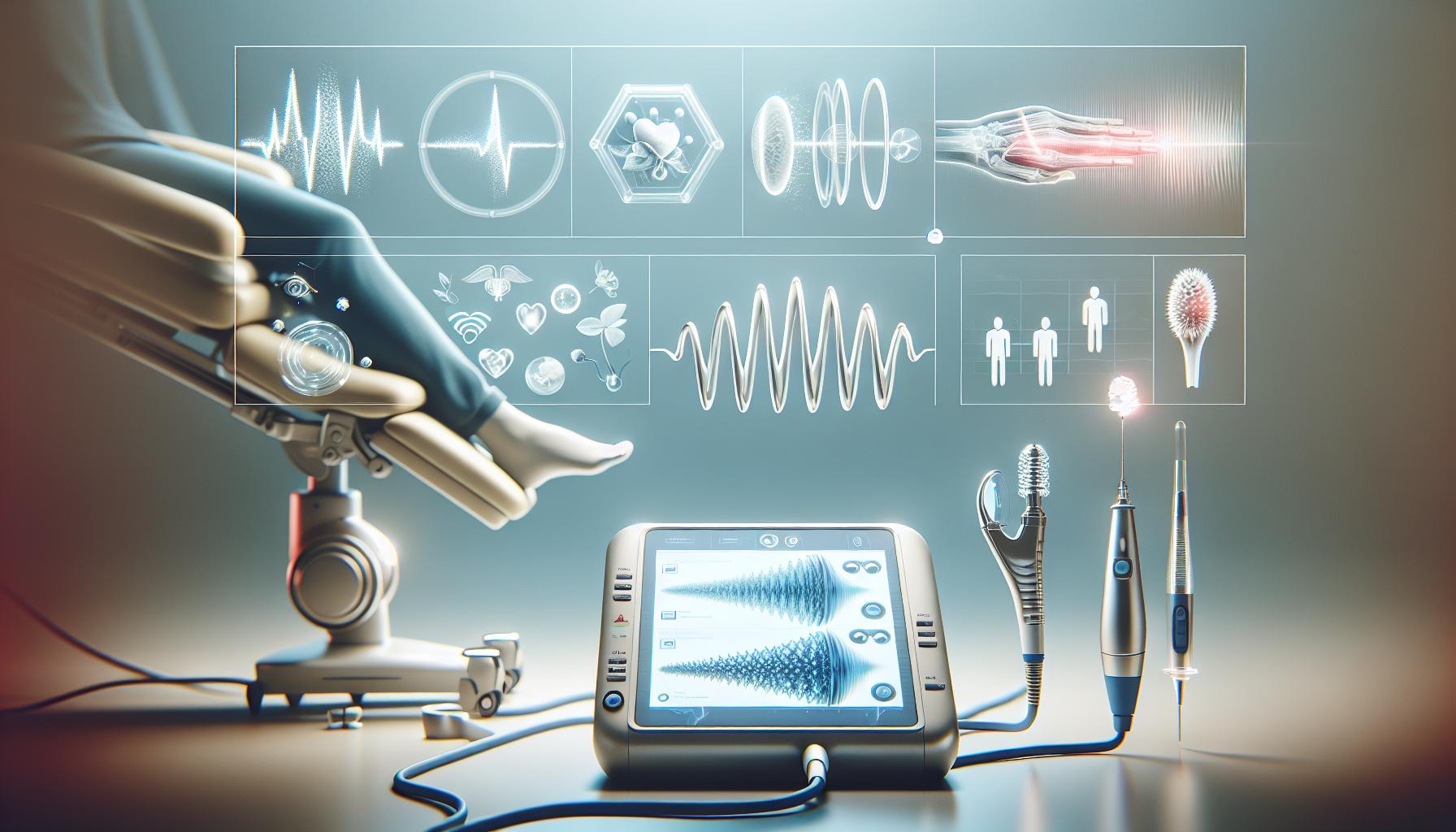
Acoustic wave therapy has evolved into a versatile treatment modality with various techniques tailored for specific conditions. Understanding the different types of acoustic wave therapy helps clarify its applications and potential benefits in numerous health contexts. This therapy primarily utilizes low-frequency sound waves to target various tissues and induce therapeutic effects, but the methods of application and the specific types of waves used can differ significantly.
One prominent type is Radial Shockwave Therapy (RSWT), which employs radial acoustic waves that disperse outward from the source, making it particularly effective for treating conditions like musculoskeletal injuries. Due to its capability to penetrate superficial tissues, RSWT is often utilized in sports medicine and orthopedics to alleviate pain and promote healing in tendons and fascia. It is known for its non-invasive nature and the relative speed of treatment sessions, which typically last around 15 to 20 minutes.
In contrast, Lithotripsy is another specialized form of acoustic wave therapy, primarily used to treat kidney stones. This method uses shockwaves to fragment stones into small pieces that can be passed naturally, demonstrating how the principles of acoustic wave therapy can be adapted for internal applications. The targeting precision of lithotripsy showcases the capacity of focused acoustic waves to interact with tissues based on their physical properties, which is essential for minimizing damage to adjacent structures.
Furthermore, Focused Shockwave Therapy is designed for deeper penetration compared to radial therapy. This technique generates higher intensity waves that can reach deeper tissues, offering enhanced treatment for chronic pain conditions like plantar fasciitis or pelvic pain syndromes. The focus and intensity can be adjusted based on the specific medical scenario, thus increasing its therapeutic efficacy while ensuring patient comfort.
The diverse applications of acoustic wave therapy underscore its importance in modern medicine. As research progresses, healthcare professionals are continually exploring new uses, further enhancing the potential of acoustic waves beyond their traditional boundaries. From muscle rehabilitation to pain relief and beyond, the adaptability of in these therapies illustrates how sound waves can transform treatment paradigms across disciplines.
How Acoustic Waves Interact with Human Tissue
To truly appreciate how acoustic waves influence human tissue, it’s essential to understand their foundational principles. Sound waves, particularly those used in acoustic wave therapy, employ mechanical vibrations that travel through various mediums, including human tissue. When these low-frequency sound waves are applied, they induce a series of biochemical and mechanical responses within the body that can significantly contribute to healing and tissue regeneration.
The interaction between acoustic waves and tissue occurs on a cellular level. As the waves penetrate the skin, they create controlled mechanical stress that promotes vasodilation, increasing blood flow to the targeted area. This enhanced microcirculation is crucial for delivering essential nutrients and removal of metabolic waste, which accelerates the healing process. Furthermore, these mechanical waves stimulate the release of growth factors and mobilize stem cells, which are pivotal for tissue repair and regeneration.
- Mechanical Stress: The pressure waves apply controlled mechanical stress that can break down fibrotic tissue and stimulate healing.
- Microcirculation Enhancement: Increased blood flow can aid in reducing inflammation and promoting the growth of new capillaries, essential for tissue repair.
- Cellular Activation: Acoustic waves can activate repair mechanisms in cells, leading to the release of growth factors necessary for tissue regeneration.
Another fascinating aspect of this interaction is the concept of resonant frequency. Different tissues possess unique physical properties, including density and elasticity, which means they respond differently to acoustic stimulation. For instance, muscle tissues may resonate more favorably at specific frequencies compared to tendons or bones. This understanding allows practitioners to tailor acoustic wave therapy for various conditions, ensuring deeper penetration and more effective treatment.
In summary, the efficacy of acoustic wave therapy hinges on its ability to interact dynamically with human tissue, utilizing mechanical waves to enhance circulation, stimulate cellular activity, and promote healing at multiple levels. As research in this field continues to evolve, we gain deeper insights into optimizing these interactions for improved therapeutic outcomes.
Mechanisms of Action: How Acoustic Wave Therapy Works
Acoustic wave therapy (AWT) harnesses the power of sound waves to stimulate healing processes within the body, operating on principles derived from physics and biology. At its core, AWT utilizes low-intensity, high-frequency sound waves, which create mechanical vibrations in the targeted tissues. This interaction sets off a cascade of physiological responses that promote healing and regeneration.
The mechanics of acoustic wave therapy hinge on several key principles. When sound waves penetrate the skin, they generate controlled mechanical stress, leading to multiple beneficial effects. One of the most critical effects is vasodilation, where blood vessels widen, enhancing circulation in the area being treated. Improved blood flow means that oxygen and nutrients are delivered more effectively to the tissues, while metabolic waste is efficiently removed. This process not only accelerates healing but also helps reduce inflammation, making it particularly valuable for treating chronic conditions.
Furthermore, these mechanical waves induce microtraumas at a cellular level, which can stimulate a natural healing response. When the cells detect these controlled stresses, they activate their repair mechanisms, often leading to the release of growth factors and signals that recruit stem cells to the site of injury. This biological activity is essential for tissue regeneration, as stem cells can differentiate into various types of tissues needed for repair.
In addition to these biological responses, the concept of resonant frequency plays a significant role in the efficacy of AWT. Different types of tissue respond variably to sound waves based on their density and elasticity. Practitioners can customize treatments by selecting appropriate frequencies, maximizing the therapeutic effects. For instance, muscle tissues may require different acoustic frequencies compared to tendons or bone.
This synergy between sound physics and biological processes underscores why acoustic wave therapy is increasingly used in clinical settings, promoting healing in a non-invasive manner. As research continues to explore these mechanisms, AWT shows promise not only for musculoskeletal issues but also for a variety of other medical concerns, paving the way for innovative therapeutic applications.
Benefits of Acoustic Wave Therapy: What the Research Shows
Emerging research on acoustic wave therapy (AWT) illustrates its extensive benefits for various health conditions, showcasing the method’s potential to enhance healing and reduce pain. One compelling aspect of AWT is its impact on promoting tissue regeneration. Studies demonstrate that the sound waves stimulate blood flow and activate cellular mechanisms that facilitate the healing process. In particular, AWT has been shown to increase the release of growth factors and mobilize stem cells, essential components in the body’s repair system. This is particularly beneficial for chronic injuries and musculoskeletal disorders, where traditional treatments may fall short.
Some of the significant advantages supported by evidence include:
- Pain Reduction: Clinical trials have reported significant decreases in pain levels in patients with conditions such as tendonitis, plantar fasciitis, and other chronic pain syndromes.
- Improved Mobility: Patients receiving AWT often experience enhancements in their range of motion, as the therapy helps reduce inflammation and improve tissue elasticity.
- Non-Invasiveness: Unlike surgical interventions, AWT is a non-invasive technique that typically requires no downtime, making it an attractive option for many patients.
- Quick Recovery: Studies have shown that AWT can speed up recovery times for injuries, allowing individuals to return to their daily activities more quickly than with conventional treatments.
Additionally, AWT has been successfully employed in various applications beyond musculoskeletal issues. Research has indicated positive outcomes in treating erectile dysfunction and cellulite, indicating AWT’s versatility across different medical fields. For instance, in urology, studies have highlighted improvements in erectile function following therapy sessions, providing promising alternatives for men seeking non-invasive treatments.
The growing body of research on AWT is driving its acceptance in both clinical and regenerative medicine settings. Its ability to harness the principles of physics to promote natural healing processes opens the door to new therapeutic applications. As continued studies refine our understanding of AWT’s mechanisms and benefits, it holds great promise for enhancing patient care and expanding treatment options.
Real-World Applications: Case Studies and Success Stories
Recent advancements in acoustic wave therapy (AWT) are reshaping the landscape of non-invasive treatments across various medical fields. Real-world applications showcase impressive outcomes for patients, underscoring AWT’s versatility and effectiveness. For instance, athletes frequently utilize AWT for recovery, with many reporting remarkable reductions in pain and swelling post-treatment. One standout case involved a professional football player who struggled with a chronic Achilles tendon injury. After several sessions of AWT, he experienced a significant reduction in pain and was able to return to full training within weeks-a clear testament to the therapy’s efficacy in promoting tissue regeneration and healing.
Another compelling example comes from urology, where AWT has emerged as a game-changer for erectile dysfunction. In a clinical study, a cohort of men who had not responded to traditional treatments underwent AWT. The results were striking: approximately 70% reported improvements in erectile function after completing a series of sessions. This illustrates not only the breadth of AWT’s applicability but also the potential for patients to reclaim their quality of life without resorting to surgical options or pharmaceutical interventions.
Case Studies in Other Applications
AWT is also making waves in the treatment of cellulite and skin rejuvenation. Aesthetic clinics have reported positive results using this technology to enhance skin texture and reduce the appearance of cellulite. A notable case involved a middle-aged woman who sought treatment for persistent cellulite on her thighs. Following a course of AWT sessions, patient reviews indicated a visible improvement in skin smoothness and elasticity. These outcomes affirm the promise AWT holds in cosmetic procedures, bridging the gap between functional and aesthetic applications.
In all these scenarios, the ability of acoustic waves to stimulate biological responses, including increased blood flow and cellular activity, is central to AWT’s success. As evidence mounts through these real-world applications, the growing acceptance of AWT in both medical and therapeutic settings will likely promote further innovations and expand treatment horizons for patients everywhere. Ultimately, this exemplifies how merging theoretical foundations of physics with practical, patient-centered care can generate transformative health outcomes.
Safety and Side Effects: What to Expect During Treatment
During sessions of acoustic wave therapy (AWT), patients often report minimal discomfort, typically describing the sensation as a mild pulsing or tapping. This is primarily due to the non-invasive nature of the therapy, which utilizes controlled, low-intensity sound waves to stimulate healing processes in the body. The mechanical pressure waves penetrate the tissue, promoting circulation and cellular activity without the need for surgical intervention. However, as with any medical treatment, it is important to understand the safety profile and potential side effects associated with AWT.
Most individuals experience few, if any, adverse effects. Commonly reported side effects may include temporary soreness or mild bruising in the treated area, akin to the feeling after a deep tissue massage. These effects are generally transient and resolve quickly, often within a few hours to a couple of days post-treatment. In some cases, patients might experience swelling or redness, which usually subsides shortly after the session concludes. It is essential for practitioners to explain these possibilities to patients beforehand, ensuring they have realistic expectations regarding their treatment outcomes.
Possible Risks and Important Considerations
While AWT is considered safe for a wide variety of conditions, certain individuals should approach this treatment with caution. Those with bleeding disorders, active infections, or severe circulatory issues may be at higher risk for complications and should consult their healthcare provider before undergoing therapy. Additionally, patients with pacemakers or other implanted medical devices should disclose this information to their therapist, as the acoustic waves could potentially interfere with their function.
Before commencing treatment, it’s wise for patients to undergo a thorough assessment to identify any contraindications. Practitioners should also maintain open communication during treatment, encouraging patients to share their experiences and discomfort levels. This collaborative approach not only enhances safety but also fosters trust in the therapeutic process, allowing for adjustments to be made as necessary. By prioritizing patient safety and individual response, AWT can serve as a valuable tool in enhancing recovery and improving patient outcomes.
Who Can Benefit from Acoustic Wave Therapy?
Individuals across various demographics can find significant benefits from acoustic wave therapy, thanks to its versatile range of applications. This innovative treatment leverages low-intensity sound waves to promote healing and recovery, making it useful for anyone from athletes dealing with injuries to those seeking non-invasive treatments for erectile dysfunction or cellulite reduction.
People experiencing chronic pain conditions, such as tendonitis or plantar fasciitis, can also improve their quality of life through this therapy. The mechanical pressure waves generated during treatment enhance microcirculation and stimulate tissue regeneration, promoting healing in damaged areas. For athletes recovering from sports injuries, acoustic wave therapy can accelerate return to activity by reducing inflammation and pain more effectively than traditional therapies alone.
Specific Conditions and Scenarios
- Athletes: Rehabilitating from injuries or aiming to improve overall performance.
- Individuals with chronic pain: Patients suffering from conditions like arthritis or tendinopathy.
- Men with erectile dysfunction: Non-invasive treatment option with promising results.
- Cosmetic concerns: Those looking to reduce the appearance of cellulite or enhance skin tone and texture.
Beyond these specific groups, individuals looking for preventative care or those who wish to enhance post-surgical recovery can also benefit. This therapy’s ability to mobilize stem cells and promote reparative growth factors underscores its potential as a proactive measure for those interested in maintaining their health and wellness. As the science of acoustic wave therapy evolves, ongoing research continues to uncover new applications and benefits, ensuring a broader audience can leverage its advantages for various health and aesthetic concerns.
Comparing Acoustic Wave Therapy with Other Treatments
In recent years, acoustic wave therapy (AWT) has emerged as a promising alternative to many conventional treatments for various conditions. This non-invasive procedure utilizes low-intensity sound waves to stimulate healing in tissues, offering benefits that can help patients find relief where traditional methods may fall short. When comparing AWT to other therapies, its mechanisms and applications reveal significant differences that make it a compelling choice for many.
One of the standout features of acoustic wave therapy is its ability to promote healing without the need for surgery or extensive downtime. Unlike more invasive treatments, such as surgical interventions or even some types of injections, AWT is typically quick, painless, and requires minimal recovery time. This makes it particularly appealing to athletes looking to recover from injuries or individuals seeking cosmetic improvements like cellulite reduction. The mechanical pressure waves used in AWT improve blood circulation and stimulate cellular repair, translating to faster recovery times compared to conventional physical therapy that may involve more limited modalities such as manual manipulation or ultrasound therapy.
Another important comparison lies in AWT’s versatility. While some treatments are highly specific-targeting either skin texture issues or pain management-acoustic wave therapy effectively addresses multiple concerns simultaneously, including pain relief, tissue regeneration, and improved skin appearance. This multifaceted approach not only streamlines treatment plans but also enhances patient compliance, as individuals appreciate fewer visits for comprehensive care. For example, an individual suffering from chronic pain due to tendonitis can benefit from AWT while also receiving improvements in skin quality in the target treatment area, offering a dual effect that many other treatments do not.
Furthermore, the safety profile of acoustic wave therapy is noteworthy. With minimal side effects reported, such as temporary soreness or redness, AWT poses fewer risks compared to pharmacological treatments that might carry potential side effects or the risk of dependency. The natural processes engaged by AWT amplify the body’s healing mechanisms, which resonates well in a healthcare climate increasingly focused on holistic and integrative approaches.
In conclusion, when weighing the benefits of acoustic wave therapy against other treatment options, it becomes clear why many are turning to this innovative therapy. Its non-invasive nature, combined with a broad application range and strong safety profile, makes it a forward-thinking choice for patients seeking effective solutions to improve their health and wellness outcomes. Whether you are managing chronic pain, recovering from an injury, or looking to enhance your skin’s appearance, AWT provides a valuable alternative that deserves consideration alongside traditional therapies.
Future Trends in Acoustic Wave Therapy: What’s Next?
New advancements in acoustic wave therapy (AWT) are bringing this innovative treatment into exciting new territories. As research continues to validate its effectiveness across various medical and cosmetic applications, we anticipate a growing integration of AWT into mainstream healthcare and therapeutic practices. This shift is not only focused on enhancing current modalities but also on developing new technologies that leverage acoustic waves for deeper tissue treatments and broader health implications.
One notable trend is the refinement of device technology. Current devices primarily emit low-intensity sound waves; however, newer equipment is being developed to target specific frequencies and pressures more accurately, optimizing outcomes for conditions such as chronic pain, injury recovery, and even skin rejuvenation. For example, devices with adjustable parameters may allow practitioners to customize treatments based on individual patient responses, potentially increasing efficacy and reducing treatment times.
The use of artificial intelligence (AI) in acoustic wave therapy is another frontier to watch. AI algorithms can analyze treatment responses in real-time, adjusting parameters on-the-fly to maximize therapeutic impact. This capability might not only enhance treatment personalization but also contribute to larger datasets that can inform ongoing research, improving our understanding of how AWT impacts various tissue types and conditions. As practitioners begin to incorporate data-driven approaches, patient outcomes could improve significantly, fostering broader acceptance and utilization of AWT in clinical settings.
Moreover, collaborations between researchers and technology developers are beginning to yield innovative applications beyond traditional uses. For instance, there is growing interest in using AWT for regenerative medicine, particularly in enhancing the healing of complex tissues such as cartilage and ligaments. This could lead to breakthroughs in treating sports injuries and degenerative joint conditions, potentially paving the way for less invasive surgical options or enhancing the effectiveness of physical therapy protocols.
As we look ahead, education and awareness will play crucial roles in the future of acoustic wave therapy. By training healthcare providers in the most recent techniques and findings, the understanding and implementation of AWT will likely expand, reaching a growing number of patients who could benefit from its capabilities. Ultimately, these trends indicate a promising horizon for acoustic wave therapy, suggesting it will become an integral part of holistic treatment strategies in healthcare.
Exploring Advanced Techniques: Innovations in Acoustic Therapy
Revolutionary advancements in acoustic wave therapy (AWT) are transforming how we understand and apply this remarkable treatment modality. The physics behind AWT hinges on its ability to harness sound waves, which are mechanical vibrations, to induce biological effects in human tissue. This process not only stimulates healing but also promotes regenerative processes at a cellular level, making it an exciting area for both research and clinical application.
One noteworthy innovation involves the use of specific frequencies that can be fine-tuned to target various tissue types more effectively. Recent developments in device technology allow clinicians to modify parameters such as frequency, pressure, and pulse duration during treatment sessions. This customized approach enhances treatment efficacy for conditions ranging from chronic pain to tissue regeneration. For instance, different frequencies can be applied to differentiate treatments for muscle tissues versus tendons or ligaments, optimizing healing responses according to the unique characteristics of each tissue type.
Another intriguing advancement is the integration of artificial intelligence (AI) into AWT protocols. By employing AI algorithms that analyze patient data in real-time, practitioners can adjust treatment settings dynamically based on immediate feedback about how tissues are responding. This capability not only increases the precision of acoustic wave applications but also supports ongoing research by accumulating comprehensive datasets about treatment outcomes. As AI takes a more prominent role, we can expect AWT to become increasingly tailored to individual patient needs, leading to improved outcomes.
Furthermore, the scope of AWT is expanding into regenerative medicine. Innovations are paving the way for utilizing acoustic waves in more complex treatments, such as enhancing the repair processes of cartilage or ligaments. These advancements could significantly impact the management of sports injuries and degenerative conditions, offering less invasive alternatives to surgical interventions. The collaborative efforts among researchers, clinicians, and technology developers are essential in driving these innovations forward, as they explore the pathways through which acoustic waves can facilitate not only healing but also rejuvenation of aging tissues.
In summary, the intersection of advanced technology with acoustic wave therapy is creating a future ripe with possibilities. As we continue to deepen our understanding of the physics underlying AWT, coupled with robust clinical practices, the potential for this therapy to revolutionize treatment landscapes grows exponentially. By preparing healthcare professionals to utilize these cutting-edge techniques, we can ensure that patients gain access to highly effective, personalized therapy options that challenge conventional treatment paradigms.
Q&A
Q: How do sound waves in acoustic wave therapy work?
A: Sound waves in acoustic wave therapy work by producing low-intensity vibrations that penetrate tissues. These sound waves cause micro-traumas, triggering the body’s natural healing processes, promoting tissue repair, and enhancing blood circulation, ultimately aiding in the regeneration of damaged areas.
Q: What are the physical principles behind acoustic wave therapy?
A: The physical principles behind acoustic wave therapy include the generation of mechanical vibrations using sound waves. These vibrations create pressure changes in tissues, stimulating cell activity and collagen production, which are crucial for healing and pain relief.
Q: What types of acoustic waves are used in therapy?
A: Two main types of acoustic waves used in therapy are shock waves and sound waves. Shock waves are high-energy pulses used for applications like kidney stones, while lower-energy sound waves are typically used for soft tissue treatment to promote healing and pain relief.
Q: How does acoustic wave therapy affect tissue at a cellular level?
A: Acoustic wave therapy affects tissue at a cellular level by promoting cellular metabolism and repair. It increases cellular activity, enhances nutrient delivery, and stimulates the growth of collagen and elastin, which are vital for tissue integrity and healing.
Q: Why is acoustic wave therapy considered non-invasive?
A: Acoustic wave therapy is considered non-invasive because it does not require incisions or injections. The procedure utilizes sound waves to achieve therapeutic effects without damaging surrounding tissues, making it a safer alternative to surgical interventions.
Q: When can patients expect to see results from acoustic wave therapy?
A: Patients can typically expect to see results from acoustic wave therapy within a few sessions, often starting with improvements after the first few treatments. Long-term benefits may develop as the body continues to heal and regenerate over weeks following the therapy.
Q: Where can acoustic wave therapy be applied on the body?
A: Acoustic wave therapy can be applied to various areas of the body, including the muscles, tendons, joints, and skin. It is particularly effective for treating conditions like tendonitis, fascial pain, and even promoting skin rejuvenation.
Q: How do practitioners determine the effectiveness of acoustic wave therapy?
A: Practitioners determine the effectiveness of acoustic wave therapy by assessing patient symptoms, improvements in mobility, reduction in pain levels, and overall functional recovery after treatment. Follow-up evaluations and patient feedback are crucial for this assessment.
To Conclude
Having explored the fascinating mechanics behind acoustic wave therapy, it’s clear that this innovative treatment taps into the healing potential of sound waves, offering non-invasive solutions for various conditions. If you’re considering acoustic wave therapy, now is the perfect time to take action – don’t let pain or discomfort hold you back any longer. Explore our comprehensive guides on related topics such as the benefits of shockwave therapy and patient success stories to help you make a fully informed decision.
We invite you to join our newsletter for insights on cutting-edge treatments and to stay updated on the latest research. Still have questions? Schedule a consultation to speak with one of our specialists who can provide personalized answers and address any concerns. Embrace a path toward improved health today – your journey starts here! By diving deeper into our resources, you’ll find the confidence and knowledge to make the best choice for your well-being.
Get our latest guides, news, and insights highlighted in your Google Search & AI Overviews.