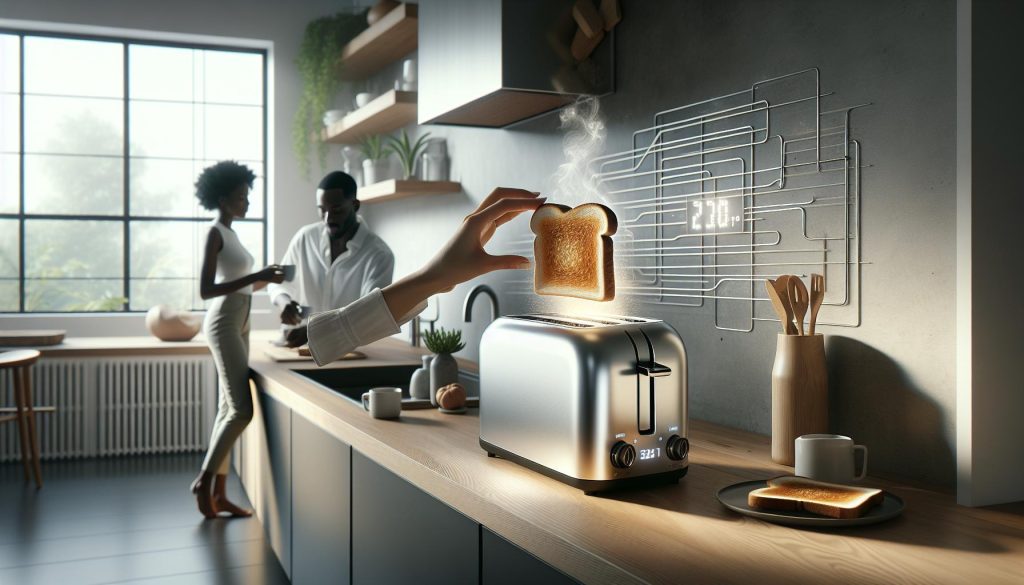
Every morning, millions of us rely on toasters to transform our bread into a golden, crispy breakfast staple. But have you ever wondered what type of heat transfer makes this delicious transformation possible? In this article, we’ll uncover the science behind how toasters work, focusing on the principles of conduction, convection, and radiation. Understanding these concepts not only enhances your kitchen knowledge but also empowers you to optimize your toasting skills. Whether you’re a curious home cook or a student of culinary science, grasping the heat transfer processes at play in a toaster can lead to mouthwatering results. Let’s dive into the exciting world of kitchen science and see how heat turns simple bread into a breakfast masterpiece!
What Is Heat Transfer in Cooking?
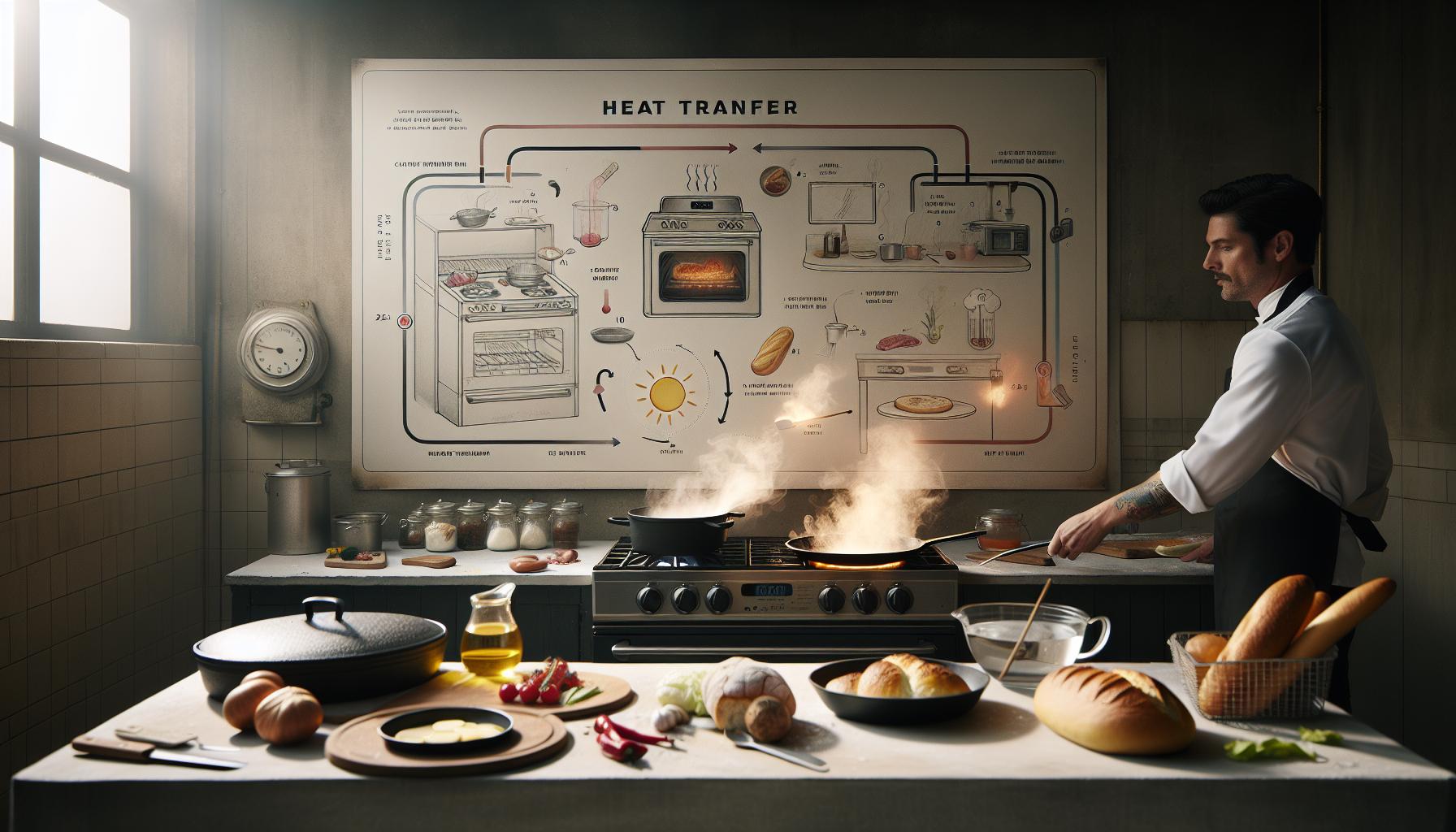
Heat transfer is a fundamental concept in cooking that influences how food is prepared and cooked. At its core, heat transfer involves the movement of thermal energy from one body to another. In the kitchen, understanding how this energy moves can dramatically improve your cooking techniques. When you apply heat to a food item, the way that heat circulates or interacts with the food’s surface determines the final texture and flavor. It is essential for achieving everything from perfectly toasted bread to evenly cooked chicken breasts.
There are three primary methods of heat transfer: conduction, convection, and radiation. Conduction occurs when heat is transferred directly through contact; for instance, when a pan on the stove heats up and cooks the food inside it. Convection involves the movement of heat through liquids and gases, where hotter, less dense areas rise, pushing the cooler, denser areas down, creating a circular motion. This is often seen in ovens or boiling water. Finally, radiation is the transfer of heat in the form of electromagnetic waves; grilling or broiling are prime examples where direct heat from the source cooks food without requiring contact.
Understanding these methods is crucial not just for cooking efficiency but also for food safety. For instance, cooking food thoroughly involves ensuring that heat is evenly distributed throughout. This prevents the growth of harmful bacteria, which can thrive in undercooked areas. By mastering these principles, home cooks can adapt their techniques to the tools and methods they prefer, leading to better outcomes in their culinary endeavors.
Understanding Conduction, Convection, and Radiation
When we think of toasters, we often picture crisp, golden-brown slices of bread emerging, ready for butter or jam. But what happens at a microscopic level to achieve that delightful transformation? It boils down to the principles of heat transfer: conduction, convection, and radiation. Each of these methods plays a crucial role in how a toaster works, affecting everything from the browning of your toast to its overall texture.
In a toaster, the primary mechanism at work is conduction. This occurs when heat is transferred directly from the heating elements to the bread through contact. The metal surfaces of the toaster’s heating elements conduct heat very efficiently, warming up rapidly. As the bread comes into contact with these heated surfaces, thermal energy flows into it, raising its temperature and causing the Maillard reaction, which is responsible for that wonderful toasty flavor and golden color. Understanding this process helps emphasize why evenly placed slices in the toaster optimize toast quality-more surface area in contact leads to a more uniform browning.
While conduction is vital, radiation also plays an important role. Toasters often incorporate radiant heat from electric coils that emit infrared radiation. This form of heat transfer does not require contact; instead, it works by infrared waves striking the bread, further increasing its temperature and contributing to a crispy texture. The design of the toaster’s elements is specifically engineered to deliver this radiant heat evenly across the surfaces of the bread, enhancing the overall toasting process.
Finally, some toasters integrate convection principles, particularly those with built-in fans or more complex heating systems. Convection involves the movement of heated air, which can help distribute warmth more uniformly throughout the toaster’s interior. In such models, the heated air circulates around the bread, ensuring that each side receives sufficient heat without relying solely on direct contact, improving toasting efficiency and enhancing the final product.
In summary, understanding the interplay between conduction, radiation, and convection in toasting can elevate your culinary skills, allowing you to achieve perfection in achieving that ideal toast. Whether you’re enjoying a simple breakfast or crafting a gourmet sandwich, appreciating these heat transfer mechanisms can lead to better kitchen outcomes.
How Toasters Use Heat Transfer Mechanics
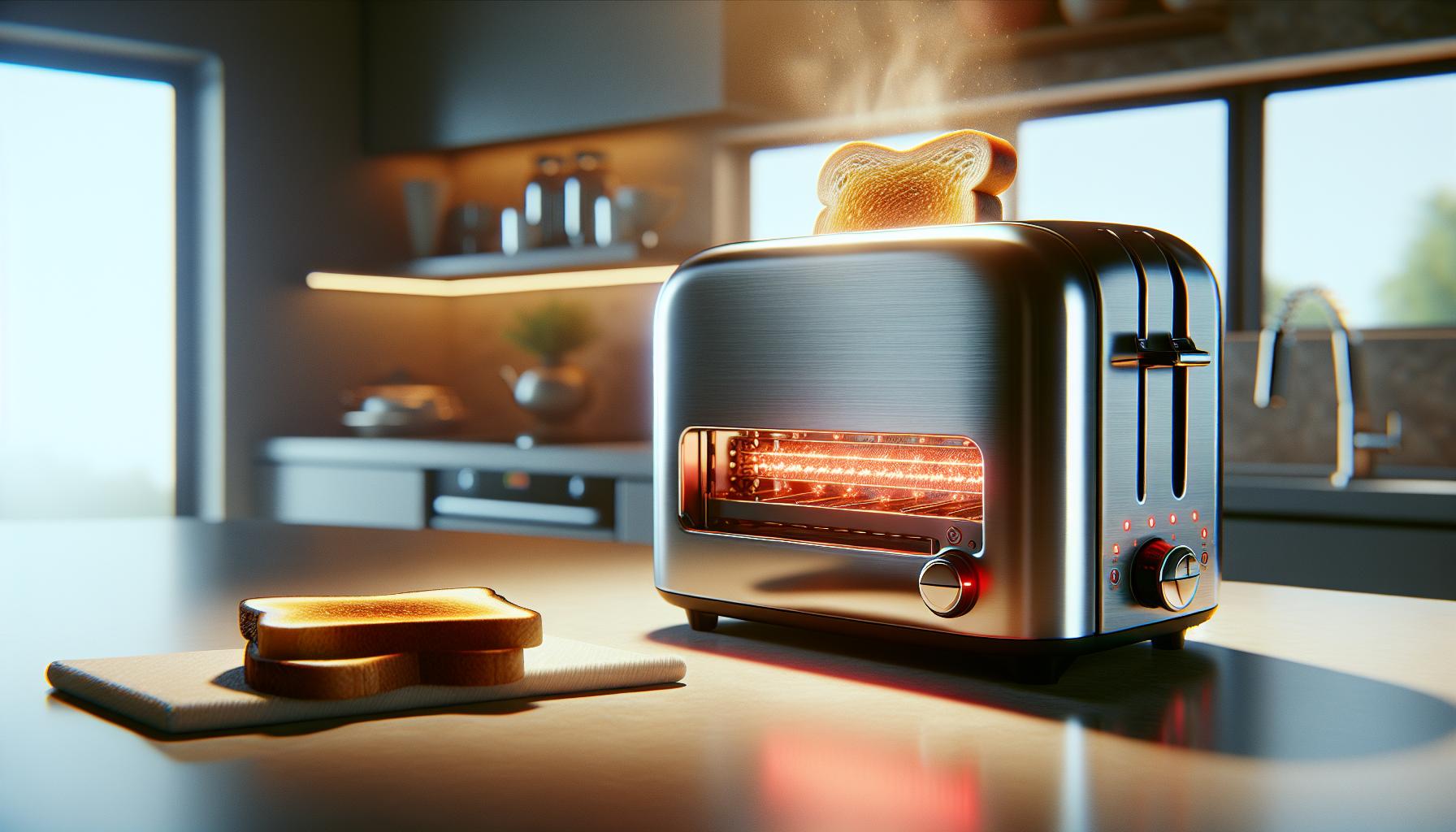
Toasters are everyday kitchen heroes, effortlessly transforming plain slices of bread into warm, crispy delights. But have you ever wondered what makes this transformation possible? The magic lies in a combination of heat transfer methods: conduction, convection, and radiation, each playing a distinct role in the toasting process.
The primary mechanism at work in most toasters is conduction. This is the process where heat is transferred directly from the heating elements to the bread through physical contact. The metal parts of the toaster heat up rapidly and transfer that heat to the bread slices. This contact not only warms the bread but also initiates the Maillard reaction, which is responsible for the delicious brown crust we associate with perfectly toasted bread. To maximize this effect, it’s essential to position the bread evenly in the toaster; more surface area in contact with the heating elements leads to a more uniform toasting result.
In addition to conduction, many toasters utilize radiation. The heating coils emit infrared radiation, which transfers heat to the bread without requiring contact. This form of heat transfer helps create a consistent crust, as the infrared waves penetrate the bread, raising its temperature and contributing to that satisfying crunch. The design of the toaster, including the spacing and reflectiveness of the heating elements, is engineered to ensure that radiant heat is spread evenly, enhancing the toasting experience.
Some advanced toaster models incorporate convection, a method of heat distribution involving the movement of heated air. Toasters equipped with fans circulate warm air around the bread, ensuring that heat reaches all sides evenly. This is particularly beneficial for achieving that perfect toast texture while reducing the risk of burnt edges. Understanding these heat transfer methods not only helps you appreciate the science behind your toaster but also empowers you to achieve better results in your daily cooking. By harnessing these principles effectively, whether through the careful placement of bread or the selection of toaster settings, you can elevate your toasting game to achieve breakfast perfection every time.
The Science Behind Electric Toaster Heat
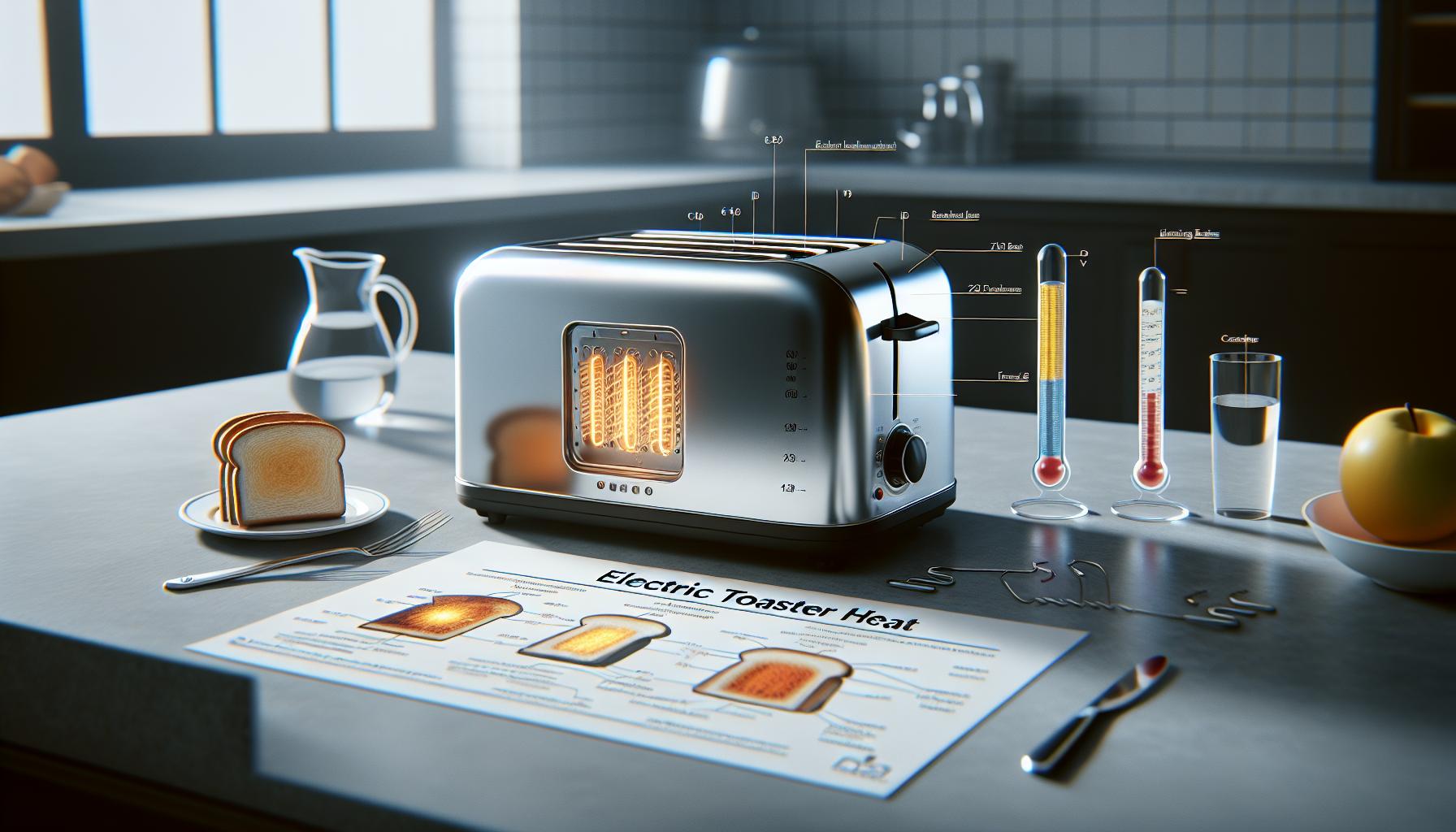
Electric toasters operate on fascinating principles of heat transfer, combining conduction, convection, and radiation to transform simple bread into perfectly toasted slices. Every time you drop a piece of bread into a toaster, energy flows from the heating elements to the bread, initiating a series of physical and chemical reactions that change its texture and flavor. Understanding how toasters work can elevate your toasting game, enabling you to achieve that ideal crispiness quickly and efficiently.
The primary method of heat transfer in most conventional toasters is conduction. When the metal heating elements become hot, they directly transfer heat to the bread through contact. This method is vital for creating that distinct brown crust, as the heat facilitates the Maillard reaction-an essential process for browning food and developing those rich, complex flavors we love in toast. To improve the toasting effect through conduction, ensure that the bread fits snugly in the slots to maximize surface area contact with the heating elements.
Many modern toasters also benefit from radiative heat transfer. The heating coils emit infrared radiation that warms the bread without direct contact, providing a more evenly toasted finish. This is particularly effective for achieving a uniform crust, as these infrared waves penetrate the bread and raise its temperature from the outside in. The placement and reflectiveness of the heating elements are designed to enhance this effect, allowing the toaster to produce consistently excellent results across multiple toasting cycles.
In more advanced toaster designs, convection plays a role as well. Certain models feature built-in fans that circulate hot air around the bread, ensuring that heat reaches all surfaces evenly. This method minimizes burnt edges and enhances overall toast quality by creating a balanced toasting environment. By understanding these underlying principles of heat transfer, you can not only appreciate the craftsmanship behind toaster technology but also apply this knowledge to individual preferences, adjusting settings and bread placement for the most delightful toast every time.
Comparing Toaster Types: Convection vs. Radiant Heat
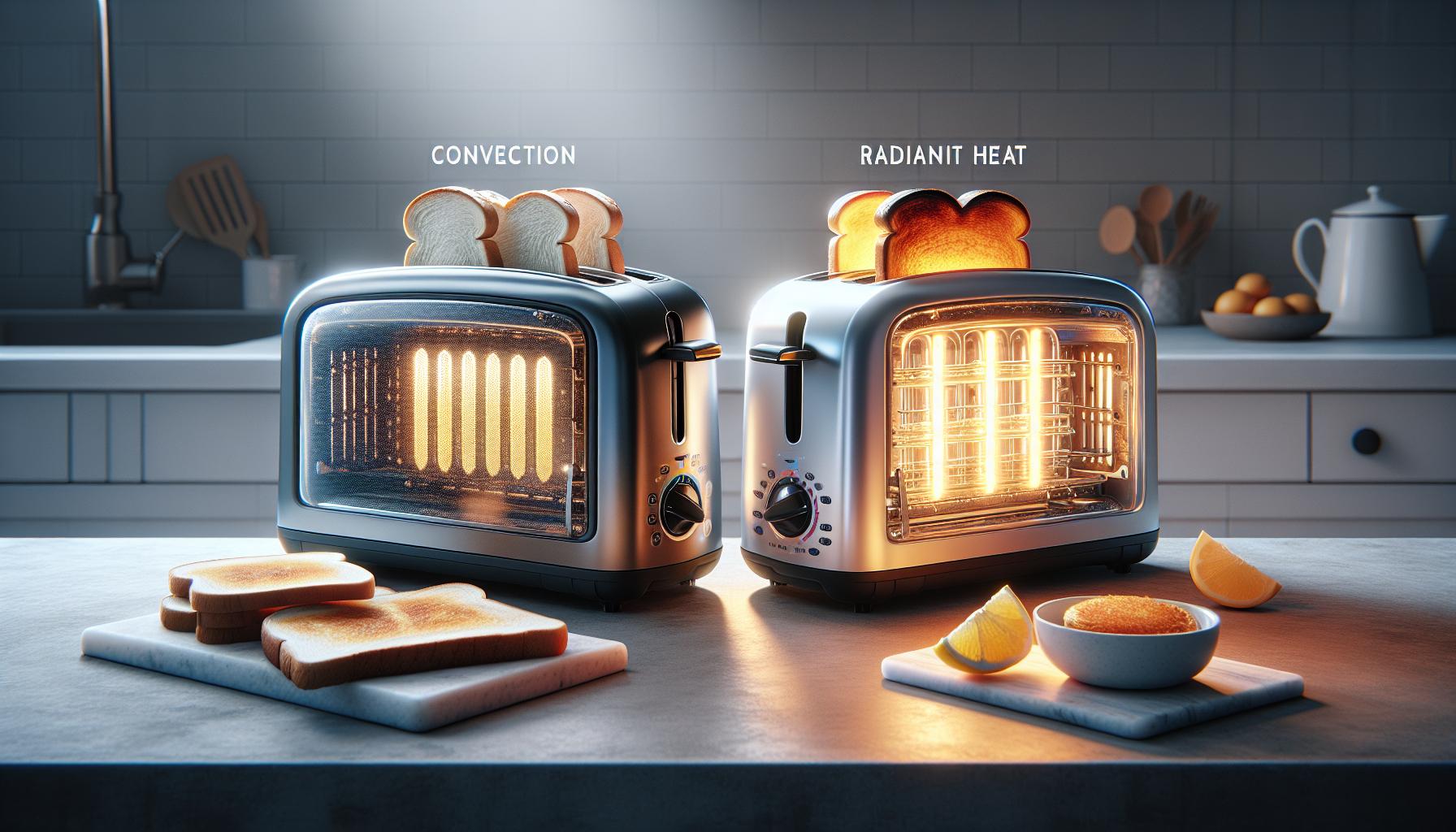
Electric toasters are not just simple kitchen gadgets; they exemplify fascinating principles of heat transfer that can significantly affect the quality of your toast. When it comes to designing toasters, two prevalent methods are convection and radiant heat. Understanding the differences between these two types of heating can help you choose the best toaster for your needs and achieve that perfect golden-brown crunch.
Convection Heating
Convection toasters operate on the principle of circulating hot air to evenly distribute heat around the bread. These models often include built-in fans that agitate the air inside the toaster, promoting uniform heating. This method not only warms the toast thoroughly but also minimizes the risk of burning the outer edges while leaving the inner part undercooked. If you frequently toast thicker slices of bread or bagels, a convection toaster might be your best bet, as it ensures even heating throughout the larger surface area.
Another advantage of convection heating is speed. By continually moving hot air around, convection toasters can reduce cooking time, allowing you to enjoy your breakfast more quickly. This method is particularly effective in achieving a crispy exterior while keeping the interior fluffy, which can be crucial if you’re preparing artisan bread or homemade baked goods.
Radiant Heating
In contrast, radiant heating uses infrared radiation emitted by metal coils or heating elements to directly warm the bread. This method relies on direct contact to transfer heat, which can make it more efficient for quick toasting. Radiant toasters typically have a simpler design with fewer moving parts, often making them more compact and easier to clean. However, they can sometimes produce uneven toasting, particularly if the bread is not positioned correctly or if it varies in thickness.
The primary benefit of radiant heating lies in its ability to create a well-defined crust through the Maillard reaction, which occurs when the sugars and amino acids in the bread react to heat. This results in that delicious caramelized flavor we all associate with perfect toast. If you cherish the deep, rich flavor of well-toasted bread, a radiant toaster may provide just that, though it requires careful monitoring to avoid over-toasting.
Choosing between a convection and a radiant toaster ultimately depends on your preferences and needs. If you’re looking for uniformity and speed, a convection toaster may be the way to go. Meanwhile, if you’re all about flavor and crispy texture, a radiant toaster could enhance your breakfast experience. Whichever type you choose, appreciating the mechanics at work will elevate your toast-making to an art form.
Factors Affecting Toasting Efficiency
Toasting efficiency hinges on several interrelated factors that can dramatically influence the outcome of your breakfast staple. Understanding these variables not only enhances the toasting experience but also empowers you to achieve that ideal crispness and flavor. One of the primary elements is bread thickness. Thicker slices, such as artisan breads or bagels, require more time and heat to ensure even cooking throughout. If the toaster is not equipped to accommodate thicker items, the outside may become overly browned while the inside remains undercooked.
Another significant factor is the moisture content of the bread. Freshly-baked bread typically contains more moisture, which can lead to longer toasting times compared to stale or dried bread. When moisture evaporates during the toasting process, it turns to steam, creating an environment that counters the dryness needed for browning. Consequently, keeping slices at room temperature or opting for bread that’s been left out for a day or two can optimize toasting results.
Toasting temperature and time are also critical. Most modern toasters have adjustable settings that provide flexibility based on personal preference. Experimenting with these controls allows you to find the sweet spot between a lightly golden slice and one that’s perfectly toasted through. Too high a setting might result in burnt edges, while too low can lead to insufficient browning. Additionally, a toaster’s heating elements play a crucial role; radiant heating elements may vary in their intensity over time, impacting how evenly and quickly the bread toasts.
Finally, placement of the bread within the toaster affects cooking efficiency. Bread placed too close to the heating coils may toast more quickly on one side, leading to an uneven toast. Rotating the slice periodically or using a toaster with a consistent heating mechanism can alleviate this issue. In summary, by considering these factors – thickness, moisture content, temperature settings, and placement – you can significantly enhance toasting efficiency and achieve that perfectly golden-brown toast everyone loves.
Common Heat Transfer Misconceptions
Misconceptions about heat transfer in cooking often lead to confusion and can impact the efficiency and outcome of your culinary endeavors. A common myth is that heat is a substance that travels; in reality, heat is energy in transit, moving from a hotter object to a cooler one. This is crucial to understand when using a toaster, which employs specific heat transfer mechanisms.
Many people assume that toasting bread relies solely on conduction. While conduction (the direct transfer of heat through contact) does play a role, especially between the heating elements and the bread, radiation also significantly influences the toasting process. The heating elements emit infrared radiation, which cooks the surface of the bread even when they’re not in direct physical contact. This dual mechanism is essential for achieving that golden-brown effect, debunking the misconception that toasting is exclusively a conduction process.
Another prevalent misunderstanding is the perception that thinner bread always toasts faster than thicker varieties. While it might seem logical, factors like moisture content and density can dramatically alter this expectation. Thicker breads, for instance, often retain more moisture, prolonging the toasting time as it takes longer for the moisture to evaporate. Conversely, very dry, thin slices may quickly become overcooked if the toaster’s settings are not appropriately adjusted. Recognizing these nuances allows you to tailor your toasting strategy for a better outcome.
To maximize your toasting experience, it’s essential to consider both the type of bread you’re working with and how your toaster operates. This includes understanding heating technologies and adjusting settings based on your preferences. By addressing these common misconceptions, you can achieve perfect toast consistently, combining science with practical kitchen skills for delightful breakfasts.
Real-World Applications of Heat Transfer in the Kitchen
The kitchen is a hub of heat transfer, where understanding various cooking techniques can transform everyday meals into culinary masterpieces. From stovetop frying to baking in the oven, the principles of conduction, convection, and radiation are at play every time we prepare food. Each method harnesses specific heat transfer mechanics that can dramatically affect flavor, texture, and overall cooking efficiency.
When you cook on a stovetop, for instance, you’re primarily using conduction-heat transfers directly from the burner to the pan and then to the food. However, in an oven, convection plays a significant role; the hot air circulates around the food, cooking it evenly. This is also where appliances like convection ovens set themselves apart by enhancing the effectiveness of heat transfer, allowing for faster and more uniform cooking, crucial for baking. Additionally, radiant heat-utilized by broilers-provides a direct source of heat from above, crisping the top of dishes like casseroles beautifully.
Toasters epitomize these principles by employing both conduction and radiation. As the heating elements warm up, they conduct heat directly to the bread while also emitting infrared radiation that toasts the bread’s outer layer. Understanding these processes can help you optimize your toasting experience. For instance, selecting the right bread type-whether it’s a denser sourdough or a fluffy white slice-can influence the toasting time.
Moreover, heat transfer techniques extend to food storage and preservation. For instance, understanding conduction can help you make informed choices about cookware materials-such as opting for stainless steel for better heat retention and distribution. By harnessing these scientific principles, home cooks can not only enhance the quality of their dishes but also refine their cooking methods, ensuring every meal is satisfying and complete.
How to Optimize Your Toaster for Perfect Toast
Toasting bread might seem like a simple task, but achieving the perfect slice often requires a touch of science. Understanding how to optimize your toaster can elevate your breakfast routine from mundane to magnificent. One of the keys to great toasting lies in how heat transfer, particularly conduction and radiation, functions in your toaster. The right combination of these two methods ensures your bread is evenly toasted without burning.
Understanding Your Toaster Settings
Most toasters come with adjustable browning controls, which can be an ally in your quest for the perfect toast. Higher settings generate more heat, increasing the temperature and thus the toasting speed. Conversely, lower settings allow for slower heat transfer, which is ideal for denser bread like whole grains or artisanal loaves, preventing the outside from burning while the inside warms through. It’s a good practice to start at a medium setting and adjust according to taste and the type of bread you are using. Here’s a quick guide to help you choose the right setting:
- Light Toast: Use for soft breads like brioche or white
- Medium Toast: Ideal for standard sandwich breads
- Dark Toast: Best for hearty whole grain loaves or sourdough
Bread Type Matters
Interestingly, not all breads toast the same way. Choosing the right bread can significantly impact your toasting experience. For instance, thicker slices or those with a higher moisture content (think bagels or fresh bread) will require longer toasting times. These types of bread provide a barrier to heat transfer, making it crucial to monitor your toaster closely to avoid overdoing it. If you’re using frozen bread, start with a lower setting or use the dedicated defrost feature, if available.
Positioning and Additional Tips
Another factor is how the bread is positioned in the slots. Make sure the slice fits snugly without being jammed, as proper airflow is necessary for even browning. If you find yourself regularly toasting more than two slices, consider a larger capacity toaster or a toaster oven, which can often toast more evenly due to better heat distribution.
By understanding the interplay of bread type, toaster settings, and careful monitoring, you can turn a simple act of toasting into a precise science that delivers perfect results every time. Enjoy your perfectly toasted slices by applying these tips, and elevate your culinary experience every morning!
Innovations in Toaster Technology and Heat Transfer
The world of toasters has evolved significantly, transforming this humble appliance into a marvel of modern technology. Today’s toasters incorporate advanced features that optimize heat transfer and enhance the toasting experience. For instance, some models utilize infrared heating elements that emit wavelengths of light preferentially absorbed by bread, allowing for more uniform browning while minimizing the risk of burning. This innovation not only improves efficiency but also delivers that perfectly crispy exterior we crave.
Smart Technology in Toasters
Smart toasters have also entered the scene, integrating connectivity and user-friendly interfaces that allow for precision toasting. With Wi-Fi capabilities, you can control your toaster via a smartphone app, specifying the browning level down to the precise second. Some smart models even feature automatic sensors that detect moisture levels in the bread, adjusting the toasting time accordingly. This level of customization ensures each slice achieves your desired finish, making breakfast preparation more efficient and tailored to your taste.
Materials and Design Innovations
Not only has the technology evolved, but so have the materials used in toaster construction. Modern toasters often feature stainless steel bodies that enhance heat retention and durability. Moreover, innovative insulation materials help minimize heat loss, making these appliances more energy-efficient. Design advancements, such as extra-wide slots and innovative crumb trays, contribute to improved functionality, allowing for a wider variety of items-such as artisanal breads and bagels-to be toasted evenly.
Enhancing Safety and Convenience
Safety has also become a primary focus, with many toasters now incorporating features like automatic shut-off systems that prevent overheating. Advanced heat sensors and anti-jam technology enhance safety and user experience, allowing you to toast with peace of mind. Additionally, pop-up toasters are becoming increasingly versatile; some now include settings for grilling and reheating, further expanding their utility in the kitchen.
In conclusion, the advancements in toaster technology reflect a broader trend towards smarter, more energy-efficient kitchen appliances. These innovations not only improve the toasting process but also enhance user experience, allowing for precision, safety, and convenience that align with modern lifestyles. Whether you’re a casual toasting enthusiast or a kitchen gadget aficionado, the evolution of toasters offers something for everyone.
Safety Measures Involved with Heat Transfer in Appliances
In the world of kitchen appliances, safety is paramount, especially when dealing with devices that transfer heat. A toaster primarily utilizes the principles of conduction and radiation to achieve the perfect toast, but with great heat comes great responsibility. Modern toasters have integrated several safety measures designed to mitigate risks associated with overheating and ensure a secure user experience.
One of the most significant advancements is the incorporation of automatic shut-off systems. These mechanisms will deactivate the toaster after a set period, preventing overheating and the potential for fire hazards. This feature is particularly beneficial for busy kitchens where appliances may be left unattended for moments, providing peace of mind for users who juggle multiple tasks at once.
Advanced Sensors for Enhanced Safety
To further enhance the safety profile, many contemporary toasters are equipped with advanced heat sensors. These sensors monitor the internal temperature and automatically adjust heating elements if they detect any discrepancies that could lead to overheating. Moreover, anti-jam technology plays a crucial role in preventing bread from getting stuck, which can be a notable fire hazard. If the toaster senses that the bread has jammed, it will halt operation until the issue is resolved.
Material Safety and Design Considerations
Safety also extends to design and materials used in toaster construction. For instance, insulated materials are now commonplace, reducing the exterior temperature of toasters, thereby minimizing the risk of burns. Models with cool-touch exteriors allow users to handle the appliance without fear, even shortly after the toasting process. Additionally, innovative designs often include safety locks that ensure the toaster operates only when the lever is depressed, preventing accidental activation.
Incorporating these safety features not only enhances user confidence but also promotes responsible cooking practices. By understanding the science of heat transfer and the mechanisms in place to safeguard against its hazards, users can enjoy their culinary endeavors while prioritizing safety. Whether you’re an amateur or a seasoned chef, being informed about the operation and safety systems of your toaster can markedly improve your cooking experience.
FAQ
Q: What type of energy transfer occurs in a toaster?
A: A toaster primarily uses thermal conduction to transfer heat. The heating elements warm up, transferring heat directly to the bread through contact, resulting in even toasting on both sides.
Q: Why do toasters use conduction for heat transfer?
A: Toasters utilize conduction because it allows for efficient heat transfer directly to the food. The solid components of the toaster, such as the heating elements, conduct heat to the bread, ensuring quick and even browning.
Q: How can I improve the toasting efficiency of my toaster?
A: To enhance toasting efficiency, ensure your toaster is clean and free from crumbs that can insulate heat. Additionally, slice bread evenly and avoid overloading the toaster, as proper spacing allows for better heat distribution.
Q: What is the difference between conduction and convection in kitchen appliances?
A: Conduction involves heat transfer through direct contact, as seen in toasters. In contrast, convection involves heat transfer through moving fluids (like air), found in convection ovens where hot air circulates around the food for even cooking.
Q: How does the design of a toaster affect its heat transfer?
A: The design of a toaster impacts heat transfer efficiency. Features like reflective surfaces can enhance radiant heat, while adequate spacing between heating elements ensures even heat distribution, improving overall toasting effectiveness.
Q: What types of bread toast best in a toaster?
A: Bread with a denser texture, like sourdough or whole grain, toasts better in a toaster due to its ability to absorb heat efficiently. Thicker slices also require more time to achieve the desired browning, making them ideal for most standard toasters.
Q: Can using different types of bread affect my toaster’s performance?
A: Yes, using different bread types can significantly impact toasting performance. Lighter breads may toast too quickly and burn, while denser varieties take longer but yield better flavor and texture. Experimenting can help you find the best match for your model.
Q: How does ambient temperature influence toaster performance?
A: Ambient temperature can affect toaster performance; in colder environments, the toaster may struggle to reach the desired temperature quickly. Pre-warming the toaster for a few seconds before use can help improve its efficiency in low temperatures.
Final Thoughts
Now that you understand how a toaster utilizes convection and conduction to transform your bread into toast, consider exploring the science behind other kitchen appliances-like “How Does a Microwave Work?” or “The Chemistry of Baking.” These resources can deepen your knowledge and enhance your culinary skills. Don’t forget to subscribe to our newsletter for the latest insights and tips on kitchen science! Have questions or insights about heat transfer? Share them in the comments below; we love hearing from you!
Remember, grasping the science behind your cooking not only makes you a better chef but also adds an extra layer of enjoyment to your kitchen experiments. Stay curious, and keep experimenting! Your next culinary breakthrough could just be a toaster away.
Get our latest guides, news, and insights highlighted in your Google Search & AI Overviews.