
Did you know that heat can travel through the vast emptiness of space? Unlike conduction and convection, the method of heat transfer that occurs in a vacuum is radiation. This process is not only vital for understanding how the sun warms our planet but also plays a critical role in the workings of satellites and deep-space missions. Grasping how radiation operates helps us understand phenomena from everyday life-like feeling the warmth of a fire from a distance-to cutting-edge technology in thermal management. This exploration will unravel the principles of thermal radiation and its implications for both scientific innovation and practical applications. Join us as we delve into the fascinating world of heat transfer in empty space, uncovering the mechanisms and real-world impacts of this essential process.
The Three Methods of Heat Transfer Explained
Heat transfer plays a critical role in understanding the universe, especially in the context of space where conditions differ dramatically from those on Earth. There are three fundamental methods of heat transfer: conduction, convection, and radiation, each of which has distinct mechanisms and implications, particularly when we consider their applicability in the vacuum of space.
Conduction is the process by which heat transfers through direct contact between materials. In solid objects, this occurs as vibrating atoms collide and transfer energy to neighboring atoms. However, conduction is ineffective in a vacuum, as there are no particles to facilitate the transfer of heat. This means that in the vast emptiness of space, conduction cannot occur, making it crucial to utilize materials effectively designed to manage heat in a spacecraft or in other environments in space.
Convection, on the other hand, relies on the movement of fluids (liquids or gases) to carry heat. When a fluid is heated, it becomes less dense and rises, while cooler fluid descends, creating a circulation pattern that effectively transfers thermal energy. In the absence of an atmosphere in space, convection is also unable to take place. This limitation is particularly significant for heat management in spacecraft, where reliance on design features that minimize reliance on convection is essential.
Radiation, however, stands out as the only method of heat transfer capable of occurring in the vacuum of space. This process involves the emission of electromagnetic waves, which can transport energy through empty space. For instance, the warmth felt from sunlight is a direct result of radiant heat transfer. Objects in space, including spacecraft, can lose heat by emitting infrared radiation, which becomes vital for temperature regulation. Engineers and scientists must carefully design thermal protection systems that harness or mitigate these radiative properties to ensure the safety and functionality of missions far from Earth.
In summary, while conduction and convection are vital in many terrestrial applications, space relies solely on radiation for heat transfer. Understanding these concepts not only aids in designing efficient spacecraft but also enhances our knowledge of thermal dynamics in the universe, guiding future innovations in heat transfer technology.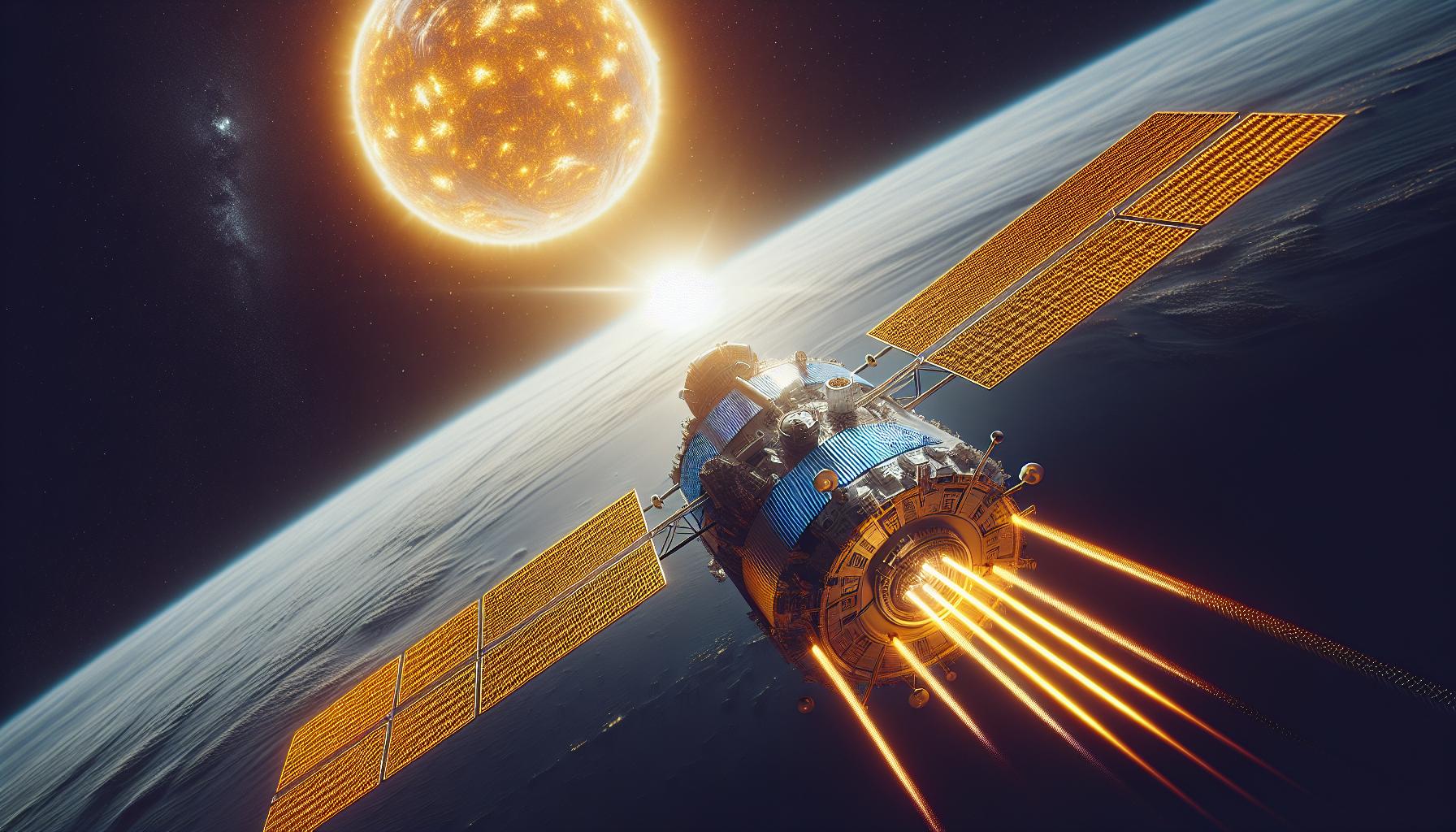
Why Does Heat Transfer Matter in Space?
Understanding how heat transfer occurs in space is fundamental for the success and safety of space missions. Unlike Earth, where the atmosphere facilitates conduction and convection, space presents a unique challenge because it is primarily a vacuum. Thus, the only method of heat transfer available is radiation. This difference plays a crucial role in spacecraft design, thermal energy management, and the overall efficiency of missions in outer space.
One of the main reasons heat transfer is critical in space is temperature regulation. Spacecraft and space habitats operate under extreme varying temperatures, from intense heat when exposed to the sun to frigid cold in the shadow of planets or during long stretches without direct sunlight. Engineers must design systems that promote effective heat dissipation or retention by maximizing or minimizing radiative heat transfer depending on the circumstances. For example, the use of specialized coatings that reflect solar radiation can help maintain comfortable temperatures within a spacecraft, while also protecting sensitive instruments from overheating.
Moreover, understanding heat transfer is vital for the safety of astronauts. Space helmets and suits feature materials that not only protect from radiation but also manage the heat generated by the human body. The thermal control systems in these suits utilize radiant heat transfer principles to keep the wearer comfortable and functional, enabling them to perform tasks efficiently without overheating. Furthermore, mismanagement of heat transfer could lead to equipment failure or compromise the structural integrity of spacecraft, highlighting the need for precise engineering and ongoing research in this area.
In summary, the significance of heat transfer in space cannot be overstated; it influences every aspect of space exploration, from equipment design to astronaut safety. Innovations in thermal management technologies continue to evolve, ensuring that future missions can withstand the harsh conditions of space while maximizing scientific return and operational success. To navigate these challenges, continual research and development in understanding and applying the principles of radiant heat transfer is essential.
Understanding Heat Conduction in Various Materials
Heat conduction is the process by which heat energy is transferred through a material without the movement of the material itself. This essential mechanism occurs at the molecular level as particles collide and transfer kinetic energy. While it is a prevalent phenomenon on Earth, understanding how conduction works across various materials is vital, especially for applications in extreme environments such as space. When considering the vacuum of space, however, conduction cannot occur because it requires direct contact between materials.
Different materials exhibit varying thermal conductivities, influencing how effectively they can transfer heat. For instance, metals such as copper and aluminum are known for their high thermal conductivities, making them excellent choices for heat sinks or thermal management systems in both terrestrial and spacecraft applications. In contrast, materials like wood or plastic have low thermal conductivities, acting as insulators and preventing heat transfer, which is desirable in many construction applications.
To visualize this concept, consider a simple experiment: if you place a metal rod and a wooden stick in hot water, the end of the metal rod will become warm much quicker than the wooden stick. This difference is due to the thermal conductivity of the materials involved. Understanding these properties helps engineers select suitable materials for spacecraft components, where managing heat is crucial for the safety and efficiency of mission operations.
In applications related to space missions, engineers often combine materials to exploit their unique properties. For instance, using a sandwich of high-conductivity metals with insulating materials can optimize heat transfer where necessary while preventing unwanted heat loss. This strategic design approach not only enhances performance but also helps to maintain essential operational temperatures, safeguarding both equipment and astronauts from extreme conditions. As research continues to advance, the development of new materials and composites with tailored thermal properties will further improve our ability to manage heat in the unforgiving environment of space.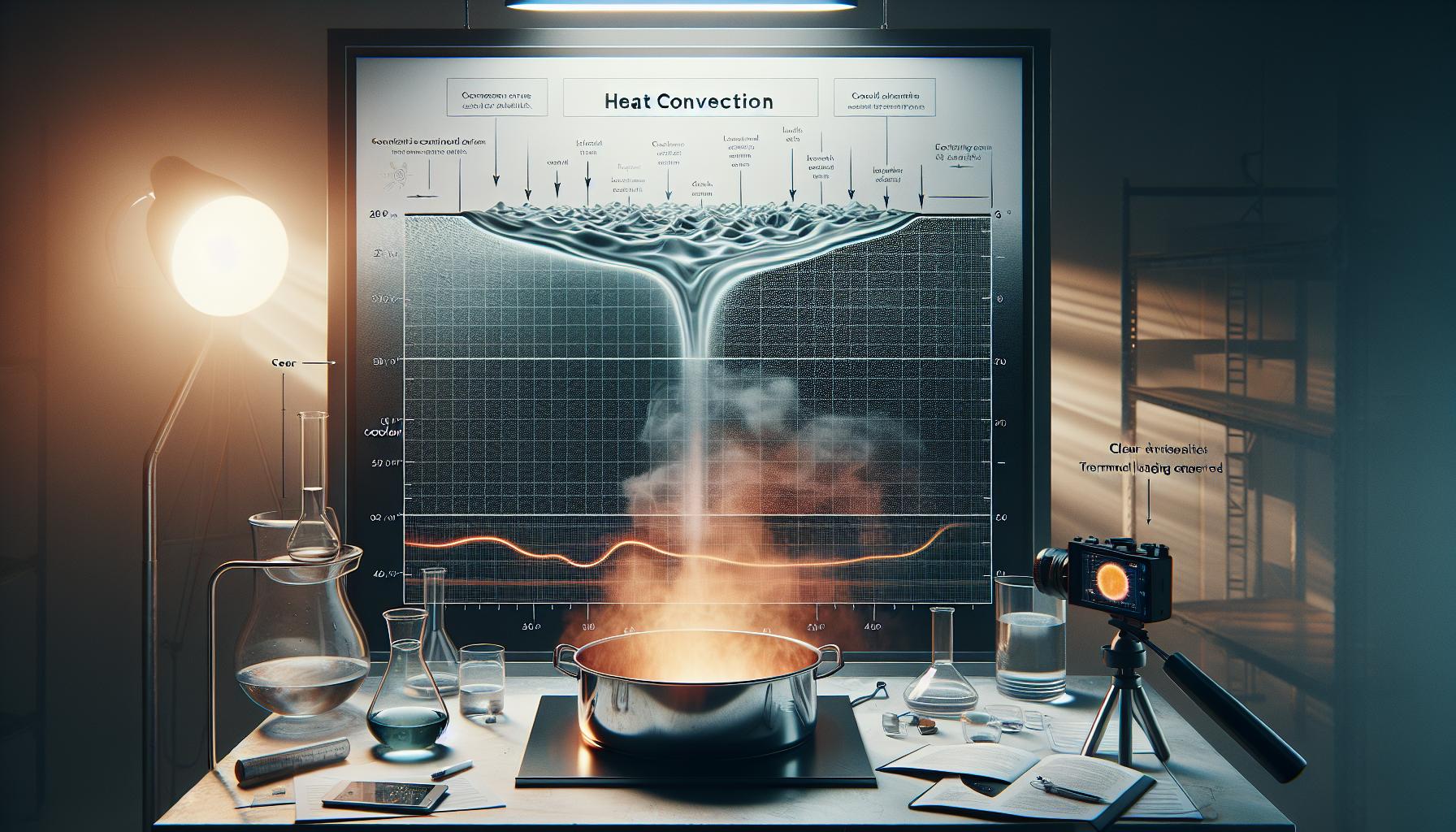
Exploring Heat Convection and Its Limitations
In the cosmic realm, where conditions can vary drastically from what we experience on Earth, understanding how heat transfer operates-especially convection-becomes crucial. Heat convection, relying on the movement of fluids (liquids or gases), facilitates the transfer of heat by circulating these substances. Imagine boiling water in a pot; as the water at the bottom heats up, it expands and becomes less dense, causing it to rise while cooler, denser water sinks. This continuous cycle efficiently distributes heat throughout the entire pot.
However, the principles of convection are fundamentally challenged in outer space. A notable limitation of convection is that it requires a medium to carry the heat-something that does not exist in the vacuum of space. While Earth’s atmosphere and oceans facilitate this process, in the void beyond our planet, no air or water is available to transport heat. Therefore, convection cannot occur in empty space, which leads engineers and scientists to rely on other methods of heat transfer, particularly conduction and radiation, for thermal management in spacecraft.
When considering thermal strategies for space missions, the lack of convection means that engineers primarily focus on designing systems that can effectively manage heat through conduction (where heat is transferred through direct contact in solid materials) and radiation (where heat is emitted as electromagnetic waves). For example, spacecraft often employ reflective materials to minimize heat absorption from solar radiation while ensuring that internal heat from equipment can be efficiently radiated away to prevent overheating.
Additionally, advancements in thermal insulation materials help mitigate the effects of heat transfer in space. The application of specialized coatings and multi-layer insulation (MLI) prevents excess heat from entering or escaping from spacecraft, allowing for controlled environments suitable for both equipment and human occupants. As research progresses, innovative approaches-such as using nanomaterials-are being explored to enhance thermal management techniques where convection is nonexistent, ensuring robust performance in the harshness of space.
In summary, understanding convection’s limitations in space highlights the need for alternative strategies in thermal management, underscoring the continuous innovation required to support safe and successful missions beyond Earth.
Unraveling Radiant Heat Transfer: How It Works
In the vast expanse of space, where traditional methods of heat transfer like convection are rendered ineffective, radiant heat transfer emerges as a pivotal mechanism. This method does not rely on any medium; instead, it transmits energy via electromagnetic waves, fundamentally essential in the vacuum of space. The very reason the Sun’s warmth reaches Earth across 93 million miles is a testament to the power of radiation. As objects emit and absorb radiation, the dynamics of thermal energy shift dramatically, influencing design and operational strategies in spacecraft.
Understanding radiant heat transfer involves grasping its key characteristics. While conduction requires contact and convection necessitates fluid flow, radiation operates independently of materials. It occurs through the emission of photons, which carry energy away from a heated surface. For instance, an astronaut’s body, while encased in a spacesuit, loses heat primarily through radiation. This process can be markedly efficient; surfaces can be optimized to either emit or absorb radiation effectively. Highly polished materials reflect radiant energy, whereas darker surfaces tend to absorb more, making material choice crucial in space applications.
The implications of radiant heat transfer are profound for spacecraft design. Engineers often incorporate multi-layer insulation (MLI), composed of several thin layers of reflective materials, to minimize unwanted heat loss or absorption. This is particularly vital for sensitive instruments that require stable thermal environments. For example, the Mars rovers utilize such technology to maintain operational temperatures, shielding them from the extreme temperatures experienced on the Martian surface.
In addition to insulation materials, spacecraft also employ radiative cooling systems. These systems are designed to release excess heat generated by onboard electronics and instruments into space, preventing overheating. The effectiveness of these systems underscores the necessity of radiative heat transfer in space missions, ensuring that equipment operates within the desired thermal ranges and thereby contributes to mission success. By leveraging the principles of radiant heat transfer, engineers pave the way for continued exploration and innovation beyond our home planet.
Real-World Applications of Heat Transfer in Space
In the universe’s silent vacuum, where sound cannot travel and traditional methods of heat transfer fall short, radiant heat transfer reigns supreme. This energy transfer mechanism, conducted through electromagnetic waves, serves as a cornerstone for spacecraft design and operation. It is not just an academic idea; it’s a critical factor in the success of missions that venture beyond Earth’s atmosphere. The distinction between effective and ineffective thermal management in space can mean the difference between mission success and failure.
One of the most practical applications of radiant heat transfer is found in the thermal control systems of spacecraft. Engineers carefully design these systems to maintain optimal operating temperatures for a variety of instruments and components. They utilize multi-layer insulation (MLI), which consists of multiple reflective layers that minimize heat loss through radiation. For example, during missions to Mars, rovers like Perseverance employ MLI and other insulation technologies to shield sensitive electronic systems from the extreme temperature fluctuations on the Martian surface. Such materials are not merely protective; they actively enhance the efficiency of heat management.
Moreover, in addition to passive thermal control, spacecraft also incorporate active cooling systems that rely on radiative heat transfer. These systems draw excess heat away from critical components and dissipate it into space, where it can be radiated away effectively. An example is the radiators found on the International Space Station (ISS), which facilitate the release of heat generated by onboard systems, ensuring that the station remains within safe thermal ranges for both equipment and crew. This aspect of design underlines the importance of understanding radiant heat transfer, as engineers continually refine their approaches to handle heat in the unique conditions of space.
With these pragmatic applications in mind, it’s easy to appreciate why mastering radiant heat transfer is essential for future advancements in space exploration. As missions become more ambitious, the challenges associated with managing heat in the vacuum of space will require innovative solutions that build on our understanding of thermal dynamics. This ongoing research not only enhances our current technologies but also paves the way for breakthroughs that could one day enable deeper exploration of our solar system and beyond.
The Role of Vacuum in Heat Transfer Dynamics
In the unique environment of space, where matter is scarce and traditional methods of heat transfer are severely diminished, the vacuum plays a critical role in thermal dynamics. Unlike our familiar Earth environment, where conduction and convection can operate efficiently through molecules interacting in a medium, the vacuum of space leaves radiant heat transfer as the sole viable method for energy exchange. This fact is pivotal for designing spacecraft and ensures effective thermal management in the harshness of outer space.
Radiant heat transfer relies on electromagnetic waves, primarily infrared radiation, to convey thermal energy. This method can occur even in the absence of a medium, which makes it essential for spacecraft operating in the vacuum of space. When a spacecraft is exposed to sunlight, for example, it absorbs solar radiation that increases its temperature. Likewise, components within the spacecraft can also radiate heat away to maintain optimal operating conditions. This mechanism becomes a dance of energy whereby the spacecraft seeks equilibrium between incoming solar energy and outgoing thermal radiation.
The design of thermal control systems must account for this radiant heat transfer. Engineers implement multi-layer insulation (MLI) and strategically placed radiators to manage how efficiently a spacecraft absorbs or dissipates heat. MLI consists of multiple thin layers, often composed of reflective materials, that significantly limit radiative heat loss, keeping sensitive equipment cool even under the intense temperature variations encountered in space. Additionally, technologies such as heat pipes utilize thermal conduction within vacuum-sealed structures to transport heat away from critical components to radiators.
Understanding the implications of a vacuum on heat transfer is not merely an academic pursuit; it has practical implications for every mission launched into space. As we push further into solar system exploration, the methods for managing heat efficiently will only become more sophisticated. Future developments may lead to advancements like active thermal control systems that dynamically adjust to varying thermal loads. By mastering the nuances of heat transfer in a vacuum, engineers ensure that our exploration tools remain safe and functional, paving the way to further discoveries beyond our planet.
Comparing Heat Transfer in Space Versus Earth
In the vastness of space, understanding how heat transfer operates is radically different from what we experience on Earth. The three primary methods of heat transfer-conduction, convection, and radiation-show distinct behaviors when analyzed in these two environments. On Earth, conduction occurs through direct contact between materials, while convection relies on fluid movement to transfer energy. However, in the vacuum of space, where air (and therefore convection) is absent, radiant heat transfer becomes the unequivocal method for thermal energy movement.
The Dominance of Radiation in Space
Radiant heat transfer is driven by electromagnetic radiation, primarily in the infrared spectrum. This process allows heat to travel even in the lack of any medium, making it the sole method for heat exchange in the emptiness of space. When a spacecraft or celestial body absorbs sunlight, it converts that energy into heat, which then can be radiated away into the void. This mechanism contrasts sharply with Earth’s environment, where we can physically touch a hot surface (conduction) or feel warm air currents (convection) and thus manage heat in a more tangible way.
Practical Implications for Spacecraft Design
In designing spacecraft, engineers must create systems that account for the lack of convection and the predominance of radiation. For example, spacecraft utilize multi-layer insulation (MLI) to reflect radiant heat back toward the source or away from critical components. The effectiveness of thermal control systems is paramount, as they must balance absorption from sunlight while efficiently dissipating excess heat through radiation. On Earth, materials like water significantly influence temperature regulation through convection, creating reliable systems like cooling towers or radiators. In space, these methods become obsolete, reinforcing the need for creative solutions to manage thermal conditions.
The contrast between heat transfer mechanisms in space and on Earth highlights the unique challenges faced in aerospace engineering. Engineers must anticipate extreme temperature fluctuations and design systems capable of handling these conditions without the benefit of familiar methods like convection. As exploration continues deeper into the solar system, mastering these differences will be crucial for the success of future missions.
Innovations in Heat Transfer Technology
Innovations in thermal management technology are vital for effective heat transfer in the extreme conditions of space. Unlike terrestrial environments where conduction and convection dominate, the vacuum of space relies solely on radiant heat transfer. This means that engineers and scientists are constantly developing new materials and systems to optimize thermal control, ensuring that spacecraft operate efficiently within a wide range of temperatures.
One groundbreaking approach involves the use of coatings engineered for specific emissivity and absorptivity properties. These tailored coatings allow surfaces to either retain or dissipate heat effectively based on mission requirements. For instance, solar sails designed to harness sunlight can have high absorptivity to collect energy, while critical components nearby require low emissivity coatings to minimize heat loss. This dual-system approach enhances efficiency and protects sensitive electronics from thermal overload.
In addition to advanced materials, innovative heat exchangers and thermal loops are being designed specifically for use in space. These systems utilize closed-loop designs that circulate fluids to transport heat away from critical components, even in the absence of convection. Recent developments in cryogenic cooling technologies have enabled spacecraft to maintain operational temperatures for instruments sensitive to thermal variations, utilizing techniques such as phase-change cooling or thermoelectric cooling that are efficient and reliable.
Furthermore, ongoing research into nanotechnology is paving the way for the next generation of thermal management solutions. Nanostructured materials can significantly enhance thermal conductivity, improving the response time of thermal control systems. For instance, integrating carbon nanotubes into traditional materials can provide pathways for heat transfer that are not available at a larger scale, potentially revolutionizing spacecraft design and mission longevity.
In summary, the evolution of heat transfer technologies for space applications hinges on innovative materials and clever engineering solutions. By focusing on tailored coatings, efficient heat exchangers, and cutting-edge nanotechnology, researchers and engineers are ensuring that spacecraft adapt to the unique challenges of the space environment, ultimately enhancing the performance and safety of space missions.
Impacts of Heat Transfer on Space Missions
Without an atmosphere to facilitate conduction and convection, heat transfer in space relies solely on radiation, profoundly influencing the design and functionality of space missions. Understanding this distinction is essential for ensuring that spacecraft maintain the necessary operational temperatures for sensitive components and instruments. Radiation is the transfer of heat through electromagnetic waves, allowing energy to be emitted or absorbed by materials without physical contact or a medium.
For instance, consider the role of thermal coatings on spacecraft. These specialized coatings optimize how surfaces interact with radiant energy. High-emissivity coatings enable structures to effectively release excess heat, essential for components that generate thermal energy during operation. Conversely, low-emissivity coatings help in retaining heat within certain layers, crucial for maintaining temperature stability in electronics during extreme conditions. The balance of these properties directly impacts a spacecraft’s thermal control system and its ability to function properly in the harsh environment of space.
The implications of heat transfer are evident when examining spacecraft during missions. For example, the Mars rovers must withstand drastic temperature fluctuations, from scorching heat during the day to frigid cold at night. The thermal management systems employed on these rovers strategically utilize radiative heat transfer properties to regulate internal temperatures, ensuring instruments remain within their operational limits. Moreover, these systems are designed to prevent overheating from absorbed solar radiation and to manage heat loss during the cold Martian nights.
Innovations in heat transfer technology are continuously evolving to meet the challenges presented by space exploration. Engineers are developing advanced heat exchangers that efficiently manage heat removal without the aid of convective processes. For example, closed-loop systems utilizing specialized fluids can circulate to transport heat away from sensitive components despite the vacuum of space. As missions progress further into deep space, understanding and harnessing radiant heat transfer will be pivotal in advancing spacecraft design and ensuring mission success.
In summary, the underscore the importance of developing effective thermal management strategies. By leveraging the unique properties of radiation, engineers can design spacecraft that not only survive but thrive in the unforgiving environment of space, paving the way for future exploration and innovation.
Common Misconceptions About Heat Transfer in Space
The idea that heat can be transferred in space is often misunderstood. Many believe that because space is a vacuum, no transfer of heat occurs at all. This misconception stems from a limited understanding of heat transfer methods. In reality, the primary mode of heat transfer in the vacuum of space is radiation, which involves the emission and absorption of electromagnetic waves. Unlike conduction and convection, which depend on contact and the presence of a medium (such as air or water), radiation can occur in the absence of matter. This distinction is crucial for understanding how spacecraft manage heat in their operations.
One common assumption is that all heat transfer requires a medium, which leads to confusion about why spacecraft do not overheat or freeze in the emptiness of space. In a vacuum, any object can emit infrared radiation, losing heat when it emits these energy waves. For example, satellite systems utilize materials and surface coatings that optimize their emissivity, allowing them to effectively shed excess heat generated by onboard electronics or solar exposure. Engineers carefully balance high and low emissivity properties in thermal management systems to achieve the desired results.
Another misconception is the belief that solar radiation is the only heat source in space. While the sun is indeed a significant contributor, other sources of radiant heat, like cosmic microwave background radiation, also exist. Additionally, spacecraft experience a range of thermal conditions based on their positioning relative to the Earth, sun, and other celestial bodies. The nuanced understanding of radiation helps in designing components that ensure functionality across varying thermal environments.
As we push the boundaries of space exploration, it’s vital for researchers and engineers alike to dispel these misconceptions. A well-rounded grasp of how heat transfer operates in a vacuum not only aids in the design of more efficient space technologies but also enhances our overall understanding of thermal physics. With clarified concepts, we can better prepare for future missions, ensuring the reliability of equipment that operates under unique environmental conditions.
Future Research Directions in Heat Transfer Science
The exploration of heat transfer in space is an exciting frontier, continually evolving as we develop new technologies and missions. A fascinating area of future research involves enhancing our understanding of radiative heat transfer, particularly in the harsh environments of space. The unique nature of radiation – where heat is transferred through electromagnetic waves – calls for advanced materials and coatings that optimize emissivity and absorptivity. Innovations in this area could lead to spacecraft that can better manage temperature fluctuations from solar exposure or interstellar radiation, improving their operational efficiency and longevity.
Furthermore, the intersection of heat transfer mechanisms opens new research pathways. While radiation is the sole method available in the vacuum of space, integrating knowledge from conduction and convection, even if theoretically, can encourage fresh perspectives. For instance, investigating how materials that perform well under conduction might behave if introduced into a spacecraft’s thermal design can yield insights into hybrid systems that leverage these principles during shuttle launch or planetary lander operations.
Emerging Technologies and Materials
Researchers are currently examining advanced materials, such as meta-materials that exhibit unique thermal properties. These meta-materials can potentially manipulate thermal radiation in ways that traditional materials cannot, allowing for unprecedented control over heat management. Developing materials that can reflect, absorb, or emit heat selectively based on situational requirements could revolutionize thermal management in spacecraft, enabling more adaptable and resilient designs.
Moreover, there’s growing interest in the application of nanotechnology for thermal control. Nanostructured materials may enhance the efficiency of heat transfer by maximizing surface area and improving the effectiveness of radiative heat dissipation. For example, coatings infused with nanoparticles could improve a spacecraft’s ability to shed heat in the unforgiving vacuum of space while maintaining structural integrity.
Implications for Future Space Missions
As space missions become more ambitious-targeting long-duration flights to Mars or beyond-understanding and innovating thermal management technologies will be crucial. The limitations of current heat transfer techniques necessitate research into more efficient methods that accommodate extended exposure to extreme temperatures. Future studies could explore how these advancements not only enhance spacecraft design but also influence life support systems and scientific instruments, ultimately impacting mission success.
A holistic approach that also considers heat transfer in relation to other mission parameters will likely propel research forward, turning theoretical insights into practical applications. The continued exploration of heat transfer science in space will thus play a vital role in advancing our capabilities for exploration and understanding the mysteries of the universe.
Frequently asked questions
Q: Which heat transfer method is effective in a vacuum?
A: Radiation is the primary method of heat transfer that occurs in a vacuum. Unlike conduction and convection, which require a medium, radiation can transfer heat through electromagnetic waves. This is crucial in space, where there is no air or matter to facilitate other forms of heat transfer.
Q: How does heat transfer by radiation work?
A: Heat transfer by radiation involves the emission of energy in the form of electromagnetic waves. All bodies emit thermal radiation depending on their temperature. Hotter objects emit more radiation, allowing heat to be transferred between bodies in a vacuum, such as between a spaceship and the sun.
Q: What are the implications of heat transfer in space?
A: Understanding heat transfer in space is vital for the design of spacecraft and satellites. Engineers must account for radiative heat transfer to ensure components do not overheat or get too cold, directly affecting functionality and crew safety on manned missions.
Q: Can convection occur in space?
A: Convection cannot occur in space as it requires a fluid medium (like air or water) for heat transfer. In a vacuum, the absence of such a medium eliminates the possibility of convection, which is why radiation becomes the sole transfer method.
Q: Why is radiation more significant in space than on Earth?
A: Radiation becomes more significant in space due to the lack of atmospheric materials that facilitate conduction and convection. In space, all thermal exchanges rely solely on radiative processes, which is crucial for thermal management in spacecraft.
Q: How does the vacuum impact heat transfer dynamics?
A: A vacuum affects heat transfer by eliminating conduction and convection, compelling heat transfer to occur via radiation alone. This alters thermal control strategies in engineering solutions for environmental extremes found in space.
Q: What materials are best for thermal insulation in space?
A: Materials with low thermal conductivity and high reflectivity, such as multi-layer insulation (MLI), are best for thermal protection in space. These materials effectively minimize radiative heat loss and are essential for maintaining the temperature of spacecraft.
Q: How do astronauts manage heat in space?
A: Astronauts manage heat in space by wearing space suits designed with materials that provide insulation and incorporate layers that reflect solar radiation. Additionally, spacecraft utilize thermal control systems to regulate interior temperatures, relying on radiative cooling techniques to prevent overheating.
Insights and Conclusions
Understanding how heat transfer occurs in empty space, primarily through radiation, opens up numerous practical applications, from space technology to energy efficiency in everyday life. Don’t miss out on leveraging this knowledge-explore our related articles on thermal energy management and the principles of thermodynamics to deepen your understanding.
If you have questions or insights, we’d love to hear from you in the comments below! For more informative content like this, consider subscribing to our newsletter for the latest updates and expert insights. Equip yourself with the knowledge necessary to innovate and excel in your field!
Get our latest guides, news, and insights highlighted in your Google Search & AI Overviews.