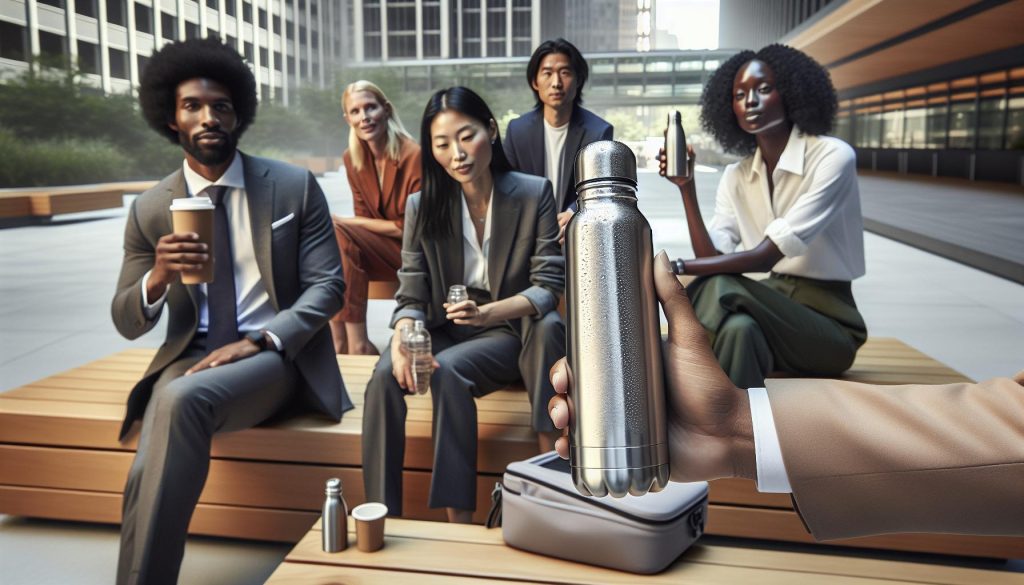
Have you ever wondered why your hot coffee stays steaming after hours or why your iced tea doesn’t turn lukewarm by lunchtime? The answer lies in the innovative design of thermos bottles, which expertly control heat transfer through a method called vacuum insulation. This technology creates a nearly airless space between two walls, drastically reducing heat exchange through conduction and convection.
Understanding how thermos bottles function is crucial for anyone who values their beverages at the ideal temperature. Whether you’re a busy commuter, an outdoor enthusiast, or simply someone who enjoys a perfectly brewed drink, the performance of your thermos directly impacts your daily experience. So, let’s explore the science behind this remarkable heat retention method and uncover the secrets that keep your drinks at their best, ensuring you stay refreshed and satisfied, no matter where the day takes you.
Thermal Insulation Explained: The Science Behind Thermos Bottles
A thermos bottle is an incredible piece of engineering designed to control heat transfer, keeping beverages hot or cold for extended periods. The main mechanism at play is thermal insulation, which serves to minimize the flow of heat into or out of the bottle. Understanding the principles that make this possible helps us appreciate just how effective a thermos can be in maintaining the desired temperature of our drinks.
At the heart of a thermos is a vacuum layer, which is the most critical part of its insulation design. This vacuum effectively eliminates heat transfer by convection and conduction, two predominant methods of heat transfer. Without air in the vacuum, there are no molecules to collide and transfer heat. Moreover, the walls of the thermos are typically made from materials like stainless steel or glass that reflect thermal radiation back into the contents of the thermos, further reducing heat loss. This combination of vacuum insulation and reflective materials is what gives a thermos its remarkable ability to maintain temperature.
The science behind thermos bottles also involves understanding the three modes of heat transfer: conduction, convection, and radiation. Conduction occurs when heat is transferred through solid materials; in a thermos, this is minimized by using materials that are poor conductors of heat. Convection involves the movement of heat through fluids (like air), which is effectively eliminated by the vacuum seal. Lastly, radiation, the transfer of heat through electromagnetic waves, is addressed by using reflective surfaces that bounce thermal radiation back toward the liquid inside the bottle.
In practical terms, this means that if you pour a hot beverage into a thermos, it stays hot for hours, while a cold drink remains chilled even in warm conditions. The careful balance of preventing heat movement through these three modes makes the thermos bottle a marvel of thermodynamic efficiency. Understanding this science not only informs better product choices but also enhances appreciation for this everyday item that combines rigorous physics with convenience.
How Thermos Bottles Utilize Conduction, Convection, and Radiation
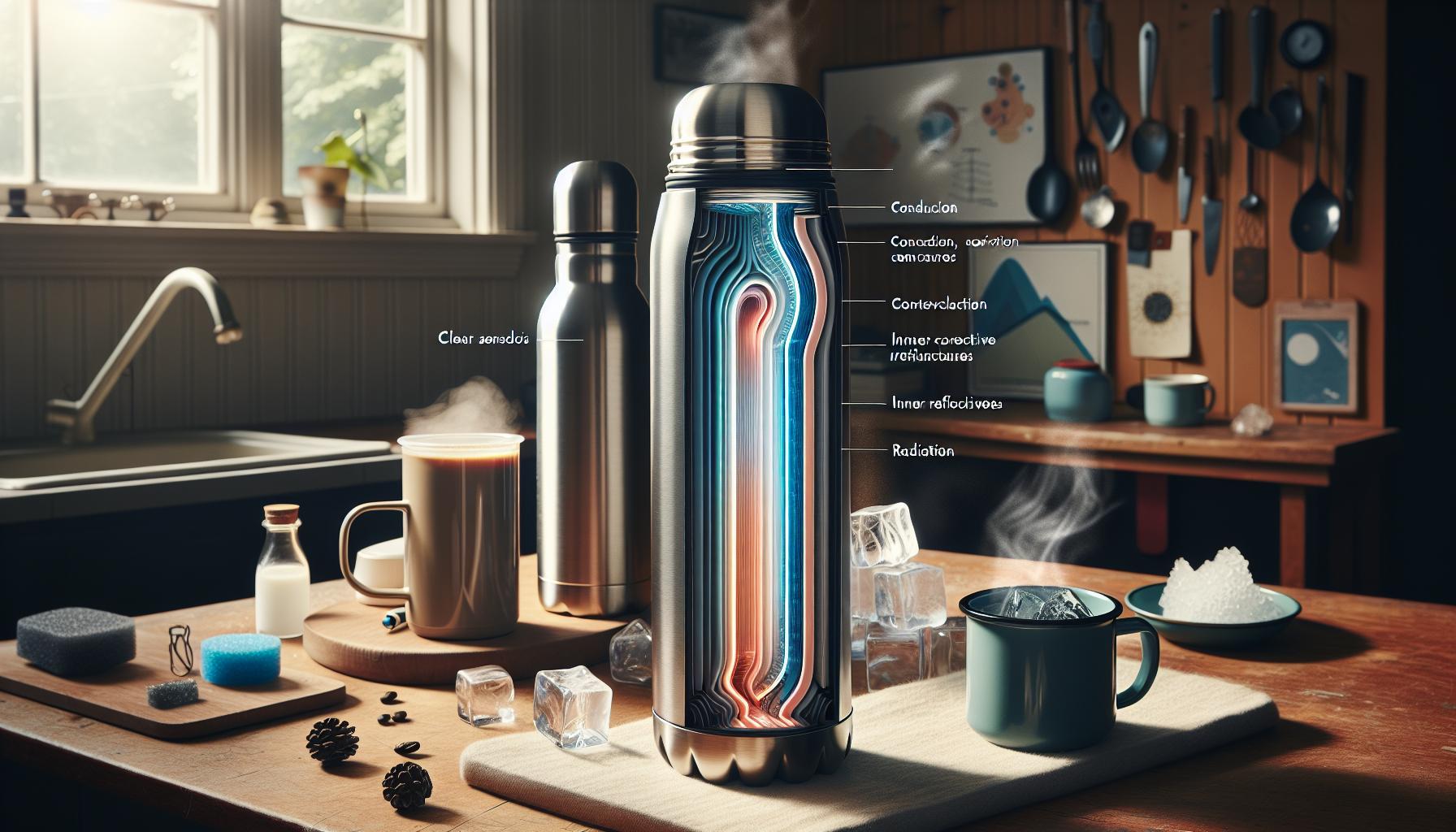
The incredible efficiency of a thermos bottle lies in its mastery of heat transfer dynamics, specifically through the mechanisms of conduction, convection, and radiation. Each of these processes plays a distinct role in how a thermos maintains temperatures, effectively keeping hot liquids hot and cold liquids cold.
Conduction occurs when heat moves through materials. In a thermos, the materials chosen for construction, typically stainless steel or glass, are selected for their poor thermal conductivity. This means that they don’t conduct heat well, reducing heat loss from the contents of the bottle to the external environment. When you pour hot coffee into your thermos, the heat from the coffee attempts to escape, but the bottle’s walls resist this transfer, keeping the heat where it belongs.
Convection, the heat transfer process in fluids (like air), is effectively neutralized by the thermos’s vacuum layer. A vacuum is void of matter; therefore, there are no air molecules to facilitate the movement of heat away from the liquid inside. This is particularly crucial in maintaining temperature because, in a normal environment, warm air rising would typically take heat away from the beverage. Without this movement, the thermos preserves the liquid’s temperature better than an insulated bottle with air-filled spaces.
Radiation is the final mechanism addressed by a thermos’s design. Heat can escape in the form of electromagnetic waves, which is particularly relevant for hot liquids. To combat this, most thermoses incorporate reflective materials on their inner surfaces, such as polished stainless steel. These surfaces reflect thermal radiation back to the contents, effectively keeping heat within the thermos. This reflective barrier diminishes heat loss through radiation, further enhancing the thermos’s ability to maintain the desired temperature for extended periods.
By understanding these principles-how conduction is minimized, convection is eliminated, and radiation is reflected-we can appreciate the sophisticated engineering behind thermos bottles. This knowledge not only informs our choices when selecting thermoses but also enriches our everyday experience, reminding us of the intricate science that keeps our drinks just the way we like them.
Comparing Different Insulation Methods in Thermoses
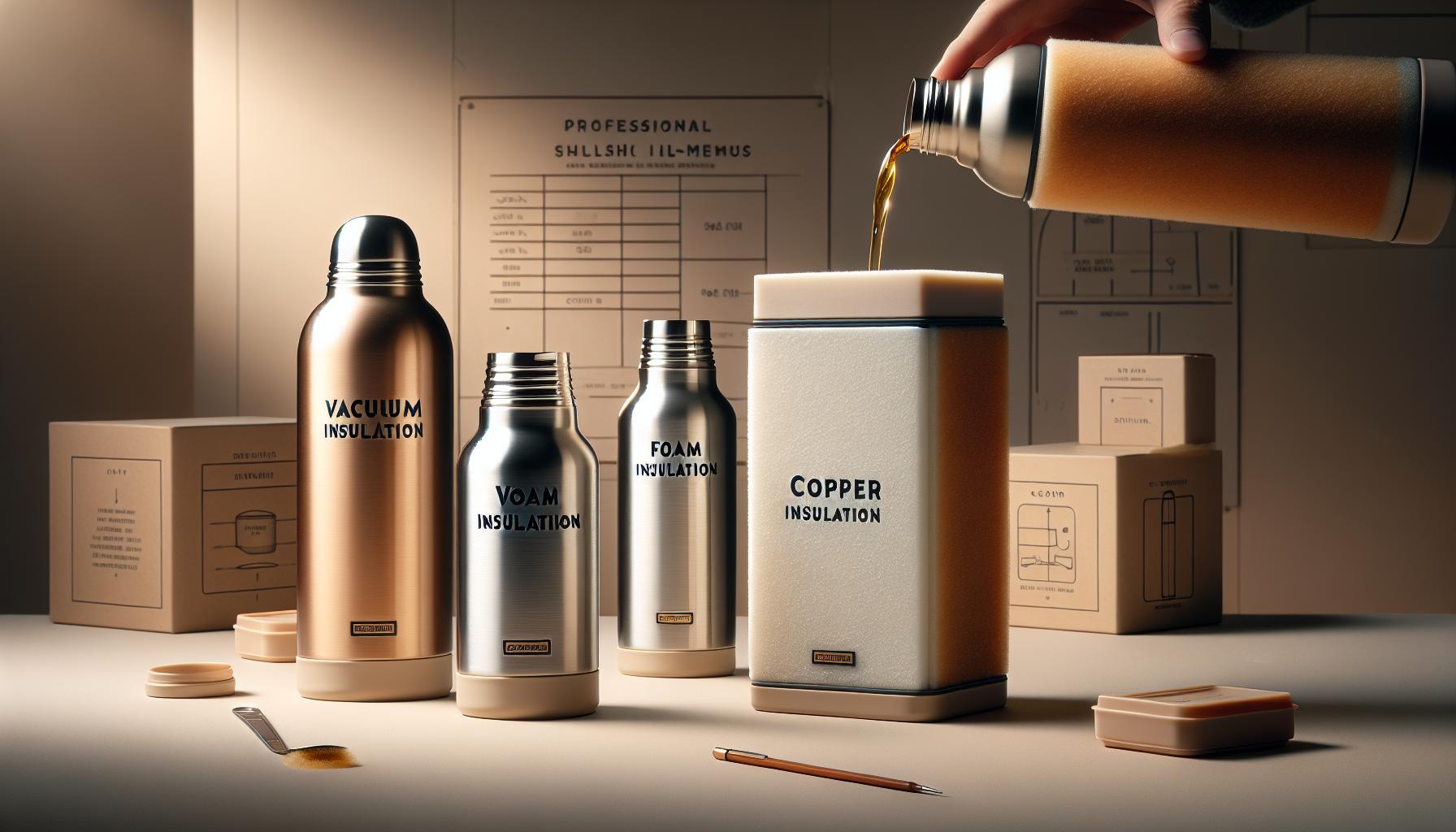
Comparing insulation methods in thermoses reveals the creative engineering behind retaining temperatures, making it easier for consumers to choose the right product for their needs. The most common insulation techniques include vacuum insulation, foam insulation, and double-walled construction, each with its pros and cons impacting efficiency, weight, and usability.
One of the leading methods is vacuum insulation, where a double-walled container creates a space devoid of air between two layers. This vacuum effectively eliminates heat transfer through conduction and convection, two primary mechanisms of heat loss. Since there are no air molecules to facilitate heat transfer, the beverage inside maintains its temperature efficiently over extended periods. This method is prominent in high-quality thermoses and is the reason they excel in both keeping drinks hot or cold for several hours.
Another method involves using foam insulation, which typically fills the space between the inner and outer walls. Foam is a good insulator primarily due to its air pockets that hinder heat movement through conduction. However, it can be less effective than a vacuum, particularly in extreme temperature conditions, since it still allows some air flow. While foam-insulated bottles can be more lightweight and cost-effective, they do not provide the same level of thermal retention as vacuum-sealed options.
Finally, double-walled construction, even without a vacuum or foam, can offer improved thermal performance compared to single-walled designs by slowing down heat transfer. These bottles use the principle that adding an extra layer of material reduces the speed of heat conduction. However, without specialized insulating techniques, such as vacuum sealing or foam, the performance would typically be inferior, depending solely on the materials used.
Ultimately, the choice of insulation type can significantly affect performance and user experience. When selecting a thermos, consider how long you need to maintain temperatures, the potential weight of the thermos, and how often you’ll transport it. High-quality vacuum-insulated thermoses are ideal for serious users who need drinks to stay at the desired temperature longer, while foam-insulated bottles may suffice for casual use. Understanding these differences empowers consumers to make informed decisions tailored to their specific lifestyle needs.
The Role of Vacuum Insulation in Heat Retention
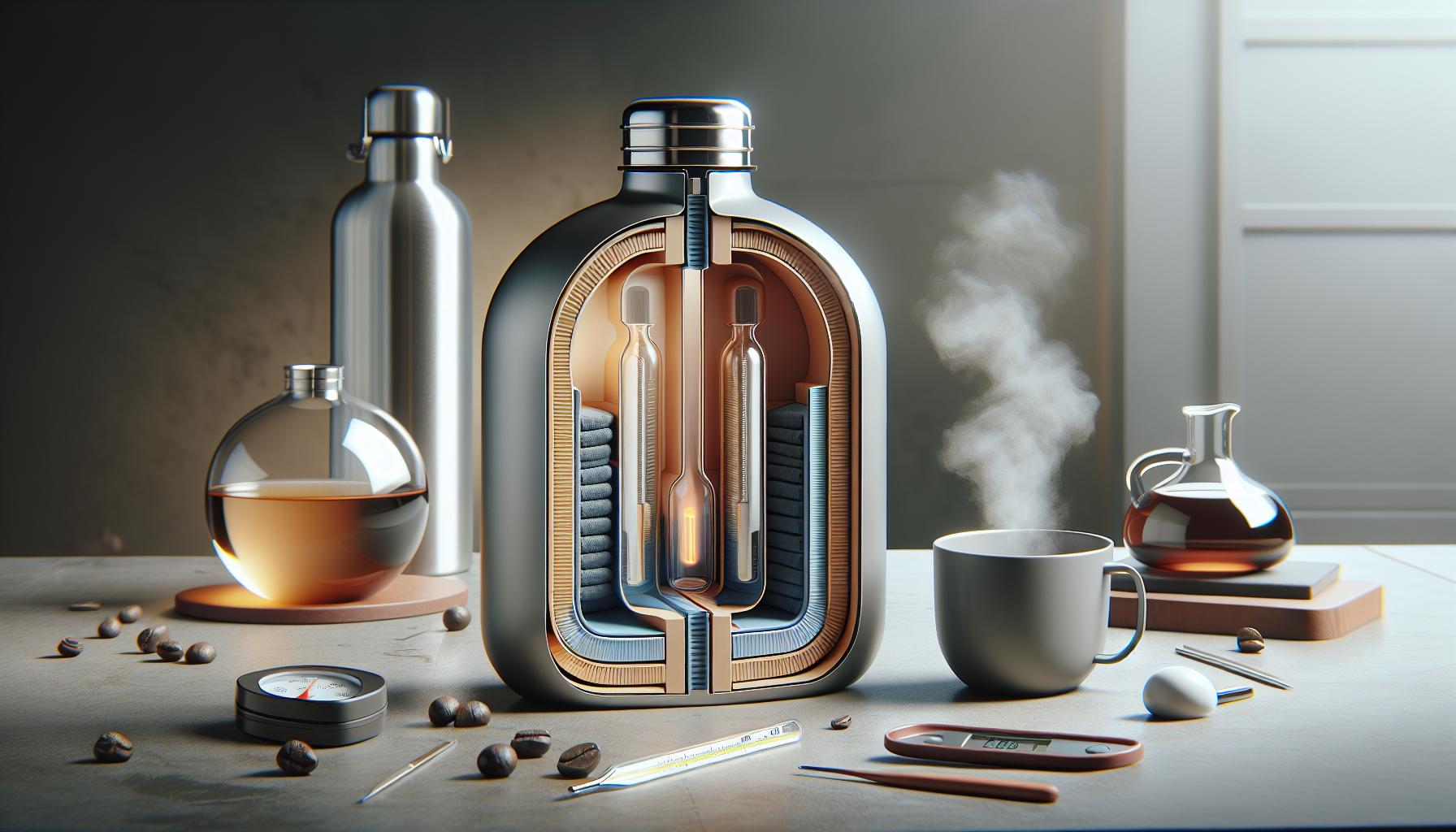
The remarkable efficiency of vacuum insulation in thermoses allows them to maintain temperature for extended periods, making them indispensable for anyone who enjoys hot coffee on a chilly morning or cold beverages during a summer picnic. At the heart of this technology is a simple yet ingenious concept: removing air from the space between two walls of material. This vacuum barrier is crucial because it virtually eliminates heat transfer through conduction and convection, the two primary modes of heat transfer that typically cause unwanted heat loss.
When you pour hot coffee into a thermos, the heat energy attempts to escape into the cooler surrounding environment. In a standard container, air is the medium that facilitates this heat transfer. However, in a vacuum-insulated thermos, that space is devoid of air. As a result, there are no air molecules to conduct heat away from the liquid. The effectiveness of this method means that a drink can stay hot for hours, while cold drinks maintain their chill similarly. This simple mechanism is a game-changer, effectively making your drink’s temperature twice as resilient against external fluctuations compared to traditional containers.
Understanding the Mechanics
To appreciate how vacuum insulation works, it’s essential to understand the physics of heat transfer. Conduction occurs when heat moves through a material, while convection depends on the movement of fluid (like air) carrying heat energy away. By creating a vacuum, both processes are significantly hindered. This makes vacuum insulation the gold standard for thermal retention, particularly in high-quality thermoses. As an added benefit, since vacuum insulation often results in lighter products, it enhances portability without sacrificing functionality.
Additionally, vacuum insulation technology has seen innovative advancements. Some manufacturers are incorporating reflective coatings on the inner wall of the vacuum layer. This reflects thermal radiation back towards the liquid, further minimizing heat loss. This layered approach not only enhances thermal performance but also ensures that consumers can enjoy their drinks at the desired temperature for longer periods.
Ul>
- Long-lasting temperature control: Ideal for extending the lifespan of comfort in beverages.
- Lightweight design: Facilitates easy carrying and transportation without compromising on thermal efficiency.
- Enhanced performance through reflective surfaces: New technology continues to improve heat retention capabilities.
In conclusion, the role of vacuum insulation in thermoses revolutionizes our experience with beverages, merging science with daily utility. Its effective heat retention using the principles of thermodynamics not only serves practical needs but also invites us to rethink how we enjoy our drinks, whether at home or on the go.
Understanding Thermal Properties of Materials Used in Thermoses
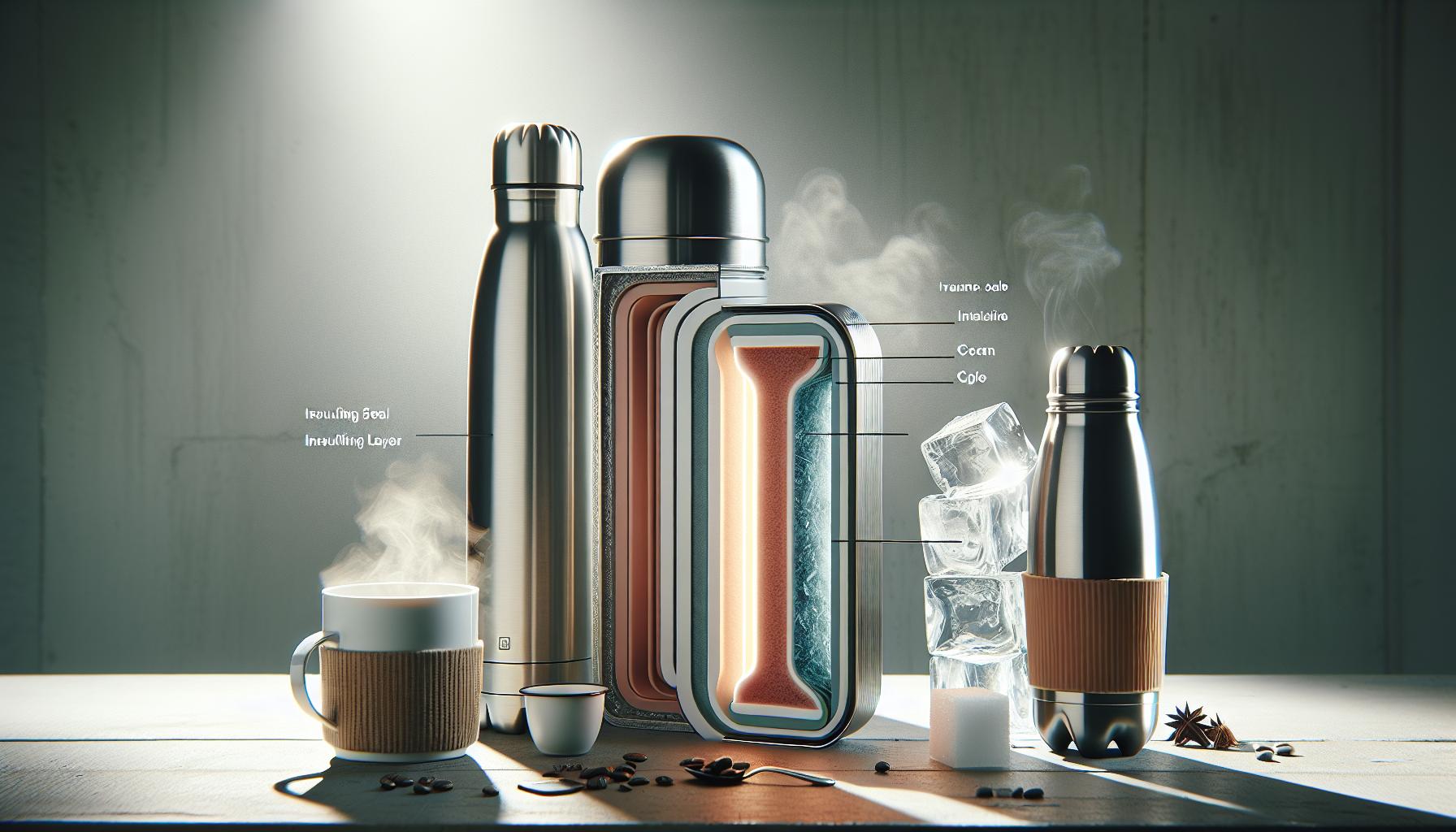
The materials used in thermos bottles play a crucial role in their ability to control heat transfer, which directly impacts the effectiveness of temperature retention. While the vacuum between the bottle’s walls is essential for eliminating heat transfer through conduction and convection, the properties of the materials themselves are just as significant. Most thermoses are typically made from stainless steel, glass, or plastic, each bringing unique benefits and limitations.
Stainless steel is a common choice for the outer layer of thermoses due to its durability and resistance to corrosion. Additionally, it has relatively low thermal conductivity compared to other metals, which helps in minimizing heat loss. The specific grades of stainless steel used can further enhance performance; for instance, food-grade stainless steel is often favored for its safety and longevity, ensuring that beverages remain fresh without any metallic taste. Furthermore, the use of double-walled construction enhances insulation by trapping air between the layers, with thin air acting as an additional insulator.
Glass thermos bottles, while less common for portable designs, also serve as excellent insulators. They do not react with beverages, preserving the flavor and integrity of the contents. However, their fragility limits practical applications, especially for active lifestyles. On the other hand, advancements in glass technology have led to more robust options that still maintain excellent thermal properties.
Plastics are another effective material, often used in the construction of caps and inner linings. While they are generally less effective insulators than metal or glass, advances in polymer science have developed plastics that can help in thermal retention without adding significant weight. These materials may also include coatings that reflect thermal radiation back into the beverage, enhancing the thermos’s capability to keep drinks hot or cold.
In summary, the thermal properties of materials used in thermoses significantly influence their ability to manage heat transfer. The use of stainless steel, glass, and advanced plastics allows for a balance of durability, safety, and thermal efficiency, ensuring that thermos bottles can maintain the desired temperature of their contents effectively. Understanding these material properties is essential for anyone looking to choose the right thermos for their needs, as each option offers distinct advantages that cater to different preferences and lifestyles.
Real-World Applications: How Thermos Bottles Keep Your Drinks Hot or Cold
Imagine taking a refreshing sip of hot coffee on a chilly winter morning or enjoying ice-cold lemonade during a sweltering summer day. Thermos bottles are designed to make these scenarios possible by ingeniously managing heat transfer through advanced thermal insulation techniques. By effectively controlling the three primary modes of heat transfer-conduction, convection, and radiation-thermoses help maintain beverage temperatures over extended periods, regardless of outside conditions.
The star of the thermos design is the vacuum sealed between its double walls. This absence of air dramatically reduces heat transfer. Since conduction requires direct contact of particles, and convection relies on the movement of fluids (such as air), the vacuum effectively eliminates these pathways. Simultaneously, the reflective inner lining of some thermoses combats radiant heat transfer by reflecting thermal energy back into the liquid, maintaining warmth. For instance, when you pour hot soup into a vacuum-insulated container, that heat stays put, preventing the soup from cooling down. Conversely, when ice water is stored, the thermos limits the heat entering from outside, keeping your drink chilled much longer.
Real-world applications extend beyond personal use. In professional settings, thermos bottles are invaluable for field workers, healthcare professionals, and outdoor enthusiasts. Campers and hikers find thermoses essential for keeping their meals warm without the hassle of constant reheating. Medical staff rely on them to transport temperature-sensitive medications. Even in scientific and research fields, insulated containers are crucial for experiments that require strict temperature control. The versatility of thermoses illustrates their importance not only in daily life but also in various professional domains.
Moreover, advancements in thermos technology are introducing innovations that enhance user experience. Some modern thermoses feature built-in thermometers or smart technology that allows you to monitor beverage temperatures through a mobile app. This evolution not only elevates convenience but also signifies a commitment to energy efficiency and sustainability in product design. As thermos bottles innovate, they continue to sustain the essential balance between user needs and the principles of thermodynamics, demonstrating just how significant these seemingly simple containers are in our everyday lives.
Innovations in Thermos Technology: What’s New?
The world of thermos technology is continuously evolving, bringing exciting innovations that enhance not only functionality but also user experience. Recent advancements encompass smart features and improved designs that leverage cutting-edge materials for enhanced thermal insulation. For instance, some modern thermoses now incorporate built-in sensors that allow users to monitor and adjust the temperature of their beverages in real time. This is done through companion apps that track how long a drink has been stored and predict when it might be getting cold or too warm, increasing user awareness and satisfaction.
Another noteworthy trend is the use of advanced materials that improve heat retention and durability. Manufacturers are experimenting with space-age polymers and metals that provide better thermal insulation than traditional materials. These new composites not only enhance heat retention but also lighten the overall weight of the thermos, making it more portable. Some thermoses even incorporate vacuum-insulated layers that are thinner yet more effective, allowing consumers to enjoy sleek designs without sacrificing performance.
Eco-Friendly Innovations
An increasing focus on sustainability has also shaped thermos technology. Many brands are now utilizing recycled materials in their construction and adopting eco-friendly manufacturing processes. This approach not only reduces the carbon footprint but also appeals to environmentally conscious consumers. Expect to see more options made with biodegradable materials or those that are fully recyclable, aligning performance with the growing demand for green products.
Personalization and Design
Lastly, personalization options are becoming more prevalent, allowing consumers to choose designs, colors, and custom engravings that reflect their personality. This trend is particularly popular among younger audiences seeking unique, customizable products that stand out. Enhanced design aesthetics paired with functionality make these thermoses not just practical items but also stylish accessories that users are proud to carry.
Incorporating these exciting innovations, modern thermos bottles are not just containers; they embody the fusion of technology and daily functionality, redefining how we think about hydration and temperature control. With every upgrade, they bridge the gap between timeless utility and contemporary design, ensuring that users get the best from their thermos experience.
Common Misconceptions About Thermos Bottles and Heat Transfer
The functionality of a thermos bottle is often surrounded by misconceptions that can lead to confusion about its effectiveness in controlling heat transfer. One prevalent myth is that a thermos merely insulates by trapping air within its walls. While it’s true that air is an insulator, a modern thermos employs advanced insulation techniques that go beyond mere air pockets. The defining feature of a thermos is the vacuum insulation between its internal and external walls. This vacuum significantly reduces heat transfer via conduction and convection-two primary methods of heat transfer that occur when air or other materials can move and carry heat.
Another common misunderstanding is that all thermos bottles are created equal in terms of temperature retention. The reality is that various materials and construction techniques greatly influence a thermos’s performance. For instance, some thermoses utilize stainless steel lined with special coatings to reflect radiation, effectively minimizing heat loss. This method of reflective insulation works by bouncing radiant heat back into the liquid, a principle grounded in physics that many users overlook. Consumers should be aware that not just any thermos will keep drinks hot or cold for extended periods; selecting one with quality materials and proper construction is critical.
Understanding Common Misconceptions
Misconceptions can also lead to unrealistic expectations about how long a thermos will maintain temperature. Many people believe that if a thermos can keep coffee hot for several hours, it will do the same for days; however, all thermoses have limits based on their design and the initial temperature of the contents. Factors such as the outside temperature, frequency of opening the bottle, and the types of beverages within (a hot liquid may lose heat faster than a cold one) heavily influence the thermos’s performance.
To navigate these misconceptions, it’s helpful for users to consider their specific needs when choosing a thermos. Users should look for thermos models specifically designed for extreme temperature retention if they plan on keeping items at their original temperature for extended periods. Additionally, understanding these principles not only helps maximize the thermos’s utility but also enhances user satisfaction, ensuring that consumers make informed choices that align with their hydration needs. By addressing these common misconceptions, users can make more informed choices about the thermoses they purchase, leading to better performance and an overall improved experience with their heat-retaining products.
How to Choose the Right Thermos Bottle for Your Needs
Selecting the ideal thermos bottle isn’t just about aesthetics; it’s about matching the right features to your specific needs. Different models offer various insulation technologies, sizes, and designs, each impacting how well your thermos will maintain temperature. A quality thermos uses methods such as vacuum insulation, which drastically minimizes heat transfer, ensuring that your coffee stays hot for hours or your iced tea remains refreshingly cold long after you’ve filled it. Understanding these features can simplify your choice and enhance your drinking experience.
In considering options, first evaluate the intended use. Are you hiking, commuting, or simply enjoying a picnic? Depending on your activities, factors like size, weight, and durability become crucial. For instance, a smaller, lightweight design may be ideal for a day hike, while a larger, more robust model could be beneficial for travel or work. Look for bottles that feature double-wall vacuum insulation, as this technology significantly improves heat retention by minimizing conduction and convection-key processes that lead to temperature loss.
Beyond insulation technology, you should also consider the material of the thermos. Stainless steel is often preferred for its durability and resistance to rust and corrosion. Some thermoses also incorporate specialized coatings that reflect radiant heat, providing an extra layer of temperature control. Seek out bottles that are BPA-free, easy to clean, and have an airtight seal to prevent leaks. Additionally, check for designs that offer wide mouths for easy filling and cleaning, especially if you’re planning to store soups or chunky beverages.
Finally, don’t overlook aesthetic and functional features such as lid design, spouts, or carrying options. A thermos with a one-handed opening mechanism can be convenient on the go, while a generous spout allows for easier pouring without spills. As technology continues to evolve, you may also find innovations like smart insulation that tracks temperatures or allows temperature adjustments via a smartphone app. By considering these elements, you can choose a thermos that not only meets your functional requirements but also enhances your everyday hydration experience.
Maintenance Tips to Maximize Your Thermos’s Performance
To ensure your thermos bottle performs optimally and maintains its temperature-retaining capabilities, regular maintenance is essential. Even the best thermal insulation methods-like double-wall vacuum insulation-can be compromised if the thermos isn’t well cared for. Here are some practical tips to help you maximize the efficiency of your thermos and extend its lifespan.
Start by cleaning your thermos thoroughly after each use. Residue from beverages, especially those that are sweet or creamy, can lead to unwanted odors and even affect the taste of future drinks. For regular cleaning, you can mix warm soapy water with a bit of baking soda to scrub the inside. A bottle brush can help reach stubborn spots. Rinse it out completely to avoid leaving any detergent behind, which could alter the flavor of your beverages. Additionally, consider using vinegar or a specialized bottle cleaner for deep cleaning, especially if you notice any lingering smells.
Seal Integrity and Insulation Maintenance
Next, pay attention to the sealing mechanisms. The lid should create a proper airtight seal to minimize heat transfer. Regularly check for cracks or damages that might affect this seal, and ensure that the rubber gaskets are clean and intact. If you notice any wear and tear, it’s advisable to replace these parts to maintain the thermos’ performance. A compromised seal can allow air exchange, significantly diminishing the thermos’s ability to keep drinks hot or cold.
Finally, store your thermos correctly. Avoid leaving it in extreme temperatures, such as direct sunlight or freezing conditions, as these can warp materials and affect the integrity of the vacuum seal. When not in use, keep it upright and allow the lid to dry completely to prevent moisture buildup inside, which can lead to mold growth. By taking these simple steps, you can ensure that your thermos remains a reliable companion for hot coffee on chilly mornings or iced tea during summer picnics, maximizing both its life and performance.
The Future of Thermos Bottle Design and Technology
The latest advancements in thermos bottle design and technology are paving the way for even more efficient heat retention. One of the most exciting developments is the incorporation of advanced materials that enhance insulation performance. For instance, manufacturers are exploring aerogel, a super-lightweight material that provides incredible insulation properties while maintaining a compact size. This advancement will allow thermos bottles to be lighter and more portable without sacrificing their ability to keep beverages hot or cold for extended periods.
Another significant trend in thermos technology is the integration of smart features. These bottles are equipped with sensors and companion apps that track the temperature of the contents, reminding users of optimum drinking conditions. This technology not only enhances user experience but also encourages healthier habits, such as hydrating at the right temperature. Imagine drinking your coffee at the perfect warmth or monitoring your water intake effortlessly, all thanks to built-in technology that makes it simple.
Environmental Considerations
With an increasing focus on sustainability, manufacturers are also innovating in the realm of eco-friendly materials. Some brands are sourcing biodegradable plastics or using recycled materials to construct their thermos bottles. This shift not only helps reduce environmental impact but also appeals to a growing market of environmentally conscious consumers. The balance between functionality and sustainability is crucial for future designs, as more users prefer products that align with their values while delivering exceptional performance.
As researchers continue to break ground in thermal insulation technology, we can anticipate even more breakthroughs that will change how we think about everyday items like thermos bottles. Future models may utilize graphene layers for enhanced durability and insulation, offering consumers a product that is not only effective but also long-lasting. The intersection of material science and consumer products is leading to a new era of thermos bottle design where efficiency and innovation go hand in hand.
Frequently Asked Questions
Q: How does a thermos bottle slow down heat transfer?
A: A thermos bottle slows down heat transfer primarily through vacuum insulation, which effectively minimizes conduction and convection by creating a space devoid of air. This isolation keeps hot liquids hot and cold liquids cold for extended periods. For more details, see our section on The Role of Vacuum Insulation in Heat Retention.
Q: What is the impact of material choice on a thermos bottle’s performance?
A: The materials used in a thermos bottle, such as stainless steel or glass, greatly influence its thermal efficiency. Metal bottles typically offer durability, while glass provides excellent insulation properties. For an in-depth analysis, refer to Understanding Thermal Properties of Materials Used in Thermoses.
Q: Why is a thermos bottle effective at maintaining temperature?
A: A thermos bottle maintains temperature effectively by combining vacuum insulation with reflective surfaces that reduce radiation heat transfer. This dual approach minimizes heat loss and prolongs the desired temperature of liquids inside. Learn more in our Comparing Different Insulation Methods in Thermoses section.
Q: How do environmental factors influence thermos bottle performance?
A: Environmental factors like ambient temperature and sun exposure can affect a thermos bottle’s performance. Extreme conditions may challenge its insulation properties, impacting how long it retains heat or cold. For tips on optimizing your thermos’s performance, see Maintenance Tips to Maximize Your Thermos’s Performance.
Q: Can a thermos bottle be used for both hot and cold beverages?
A: Yes, a thermos bottle can be used for both hot and cold beverages. Its design, particularly the vacuum insulation, allows it to effectively maintain the temperature of any liquid, making it versatile for different types of drinks. Explore our section on Real-World Applications: How Thermos Bottles Keep Your Drinks Hot or Cold for more insights.
Q: What innovations are changing thermos bottle technology?
A: Recent innovations in thermos technology include enhanced insulation materials and smart features like temperature indicators. These advancements help consumers monitor their beverages and improve overall functionality. Check out Innovations in Thermos Technology: What’s New? for a deeper look.
Q: How does heat conduction differ from convection in thermos bottles?
A: In thermos bottles, conduction occurs through direct contact between materials, while convection involves the movement of liquids or gases around the bottle. Thermos designs minimize both processes to ensure effective temperature maintenance. For a thorough understanding, refer to How Thermos Bottles Utilize Conduction, Convection, and Radiation.
Q: What should I consider when choosing a thermos bottle?
A: When choosing a thermos bottle, consider factors like size, material, and insulation type. These elements will determine its effectiveness and suitability for your needs. Visit How to Choose the Right Thermos Bottle for Your Needs for more guidance.
Future Outlook
Thermos bottles are ingeniously designed to control heat transfer through advanced vacuum insulation, effectively keeping your beverages hot or cold for hours. Understanding this technology highlights why Thermos is a trusted choice for anyone needing reliable temperature control. Ready to upgrade your hydration gear? Explore our top-selling products like the 40oz Insulated Cup Holder Mug, perfect for both commuting and leisurely use by visiting our product page [[3]].
Still curious about the science behind Thermos technology? Dive deeper into our history of innovation and see how we’ve been perfecting this art since 1904 [[2]]. Don’t forget to check out our mugs and tumblers collection for stylish options to elevate your on-the-go experience [[1]]. Join our newsletter for the latest insights on temperature control solutions and exclusive offers. Experience the difference for yourself today!
Get our latest guides, news, and insights highlighted in your Google Search & AI Overviews.