
Heat transfer is a fundamental concept in physics that impacts everything from cooking to climate control. Among the various methods of heat transfer-conduction, convection, and radiation-direct heat transfer is the most straightforward and essential process. Understanding how heat moves directly from one object to another not only fuels our everyday experiences but also is crucial for a variety of applications, such as designing energy-efficient systems and improving thermal management in technology. If you’re curious about how heat travels effectively and efficiently, this exploration will reveal key insights you need to grasp the underlying principles and practical implications. Dive in to uncover the direct pathways of heat transfer and their relevance in both science and everyday life.
What Is Direct Heat Transfer? A Simple Explanation
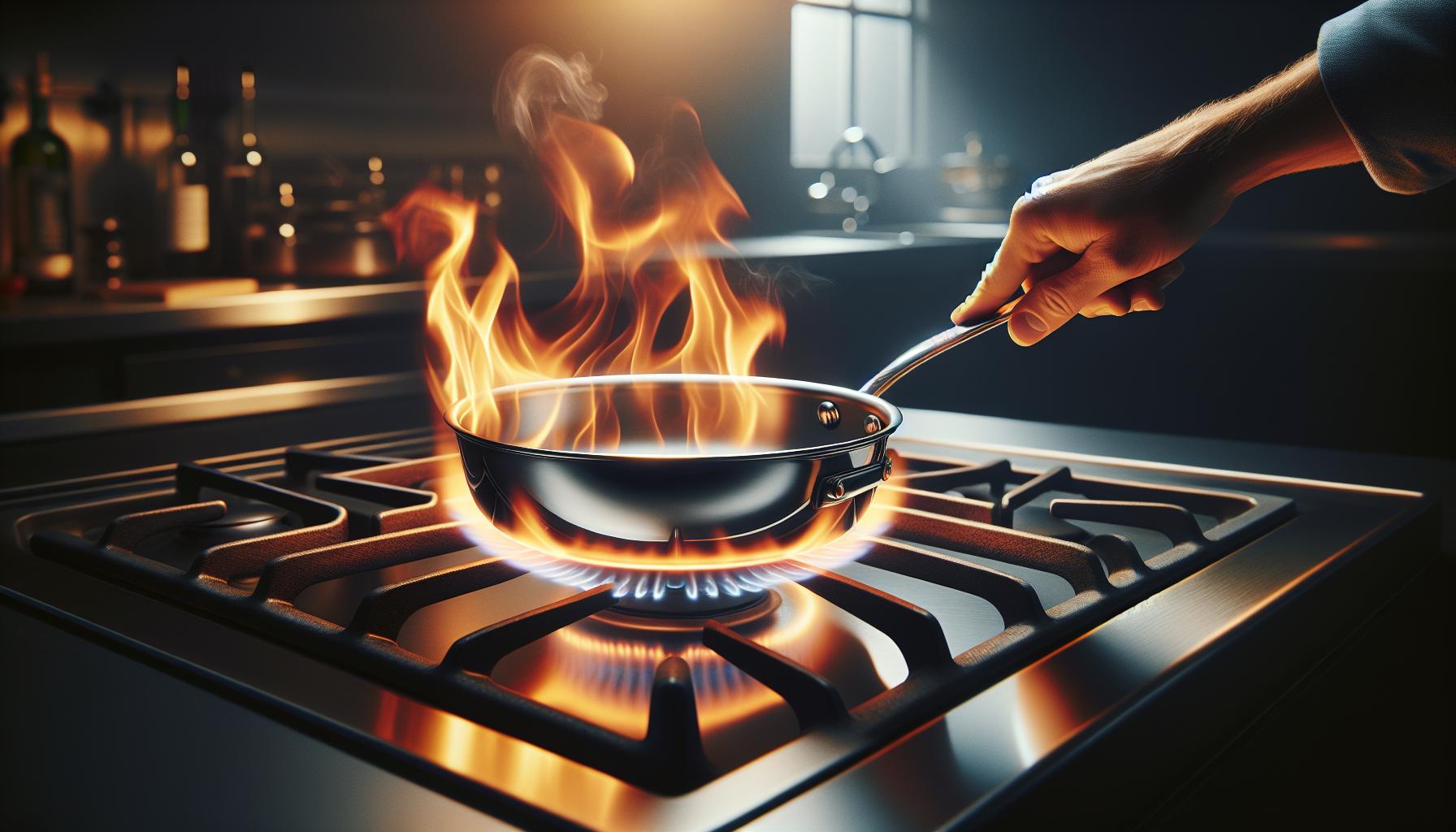
Heat transfer is a fascinating and integral aspect of both science and everyday life, and direct heat transfer is at its core. This process occurs when heat moves from one substance to another through direct contact, making it the most straightforward and immediate form of heat transfer. The interaction is characterized by the direct exchange of kinetic energy between the particles of two materials. For example, when you touch a warm stove, the heat from the stove immediately transfers to your hand. This immediate sensation is a clear illustration of direct heat transfer in action.
In terms of classification, direct heat transfer primarily involves conduction, where heat energy is passed through materials without any movement of the materials themselves. This can be seen in metals, where heat is transferred from hot ends to cooler areas effectively due to the close arrangement of atoms, which allows for rapid energy transfer. Contrast this with other forms of heat transfer-like convection and radiation-where the mechanisms involve fluid movements or electromagnetic waves, respectively.
Understanding direct heat transfer has significant implications in various fields, especially in cooking and manufacturing. In cooking, for example, grilling or frying involves direct contact between food and the heated surface, resulting in rapid cooking. Similarly, in industrial settings, knowing how to efficiently conduct heat can enhance processes, reduce energy costs, and improve product quality. By mastering the principles of direct heat transfer, one can optimize many practical applications, from culinary techniques to engineering designs, ensuring effective energy utilization and performance.
Types of Heat Transfer: Conduction, Convection, and Radiation
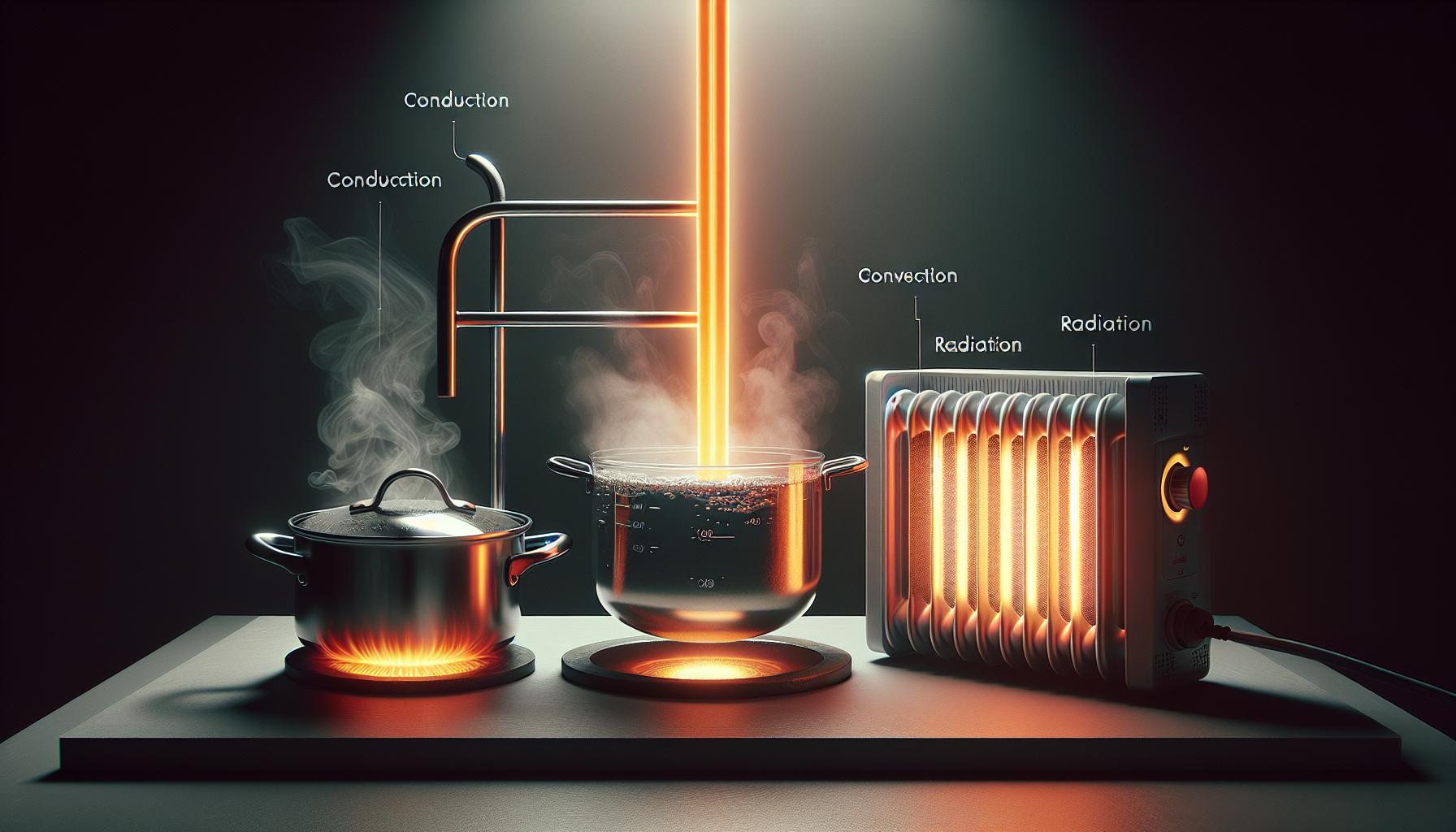
Heat transfer is not just an abstract scientific concept; it’s part of our daily experiences, from cooking to building technologies. When discussing the most direct type of heat transfer, it becomes essential to understand the three primary mechanisms: conduction, convection, and radiation. Each method plays a vital role in how energy moves from one place to another, influencing practices in various fields.
- Conduction is the primary method of direct heat transfer, occurring through direct contact between materials. For example, when a metal spoon is placed in a hot pot, the heat from the pot moves directly to the spoon, making the spoon hot to the touch. This process is particularly efficient in solids, especially metals, due to closely packed atoms that facilitate quick energy transfer.
- Convection involves the movement of fluids-liquids or gases. As a fluid heats up, it becomes less dense and rises, while cooler, denser fluid sinks. This creates a circulation pattern that helps distribute heat throughout the fluid. A common example is boiling water, where the hot water at the bottom of the pot rises as it heats, eventually leading to a uniform temperature throughout.
- Radiation is the transfer of heat through electromagnetic waves and can occur in a vacuum. This is how the sun warms the Earth; energy travels through space and reaches us without needing a medium. Every object emits radiation based on its temperature, and this form of heat transfer does not require contact or a material medium.
Understanding these types of heat transfer is crucial in many applications. In cooking, for instance, knowing when to apply conduction (like grilling) versus when convection (like baking in an oven) can enhance the final result. Recognizing the roles of each transfer type can also inform energy efficiency technologies-like improving insulation in buildings via conduction or using reflective materials to manage radiative heat loss. Whether you’re a culinary enthusiast or an engineering professional, mastering the principles of heat transfer allows for more effective and innovative applications in your work.
Why Direct Heat Transfer Matters in Everyday Life
In our daily interactions with the world, direct heat transfer plays an essential role, often without us even realizing it. Consider this: when you touch a hot stove, the immediate warmth spreading through your fingertips is a clear example of conduction in action. This type of heat transfer is not just a scientific principle; it is a fundamental aspect of how we cook, stay warm, and even how buildings are designed to be energy efficient. By understanding the mechanisms behind direct heat transfer, we can make informed choices that enhance our efficiency and safety in everyday life.
Direct heat transfer is particularly relevant in cooking techniques, where the choice between different methods can significantly impact the quality of the food. For example, grilling utilizes conduction to transfer heat directly from the grates to the food, creating those coveted sear marks and enhancing flavors. Conversely, when baking, convection becomes crucial as it provides even heating throughout the oven, ensuring that the baked goods rise evenly. By recognizing when to apply each method of heat transfer, cooks can elevate their culinary creations, achieving higher quality results without relying on guesswork.
Furthermore, understanding direct heat transfer can have broader implications, especially in energy efficiency. For instance, in home construction, materials that conduct heat effectively, such as metals, can contribute to heat loss if not managed properly. Insulation works to mitigate this by reducing conductive heat transfer, keeping homes warmer in winter and cooler in summer. Innovations in reflective materials can also minimize radiant heat loss from homes, leading to greater energy savings. Overall, a solid grasp of how direct heat transfer operates can not only improve day-to-day activities like cooking but also inform significant decisions in home design and energy use, ultimately contributing to more sustainable living practices.
Real-World Applications of Direct Heat Transfer
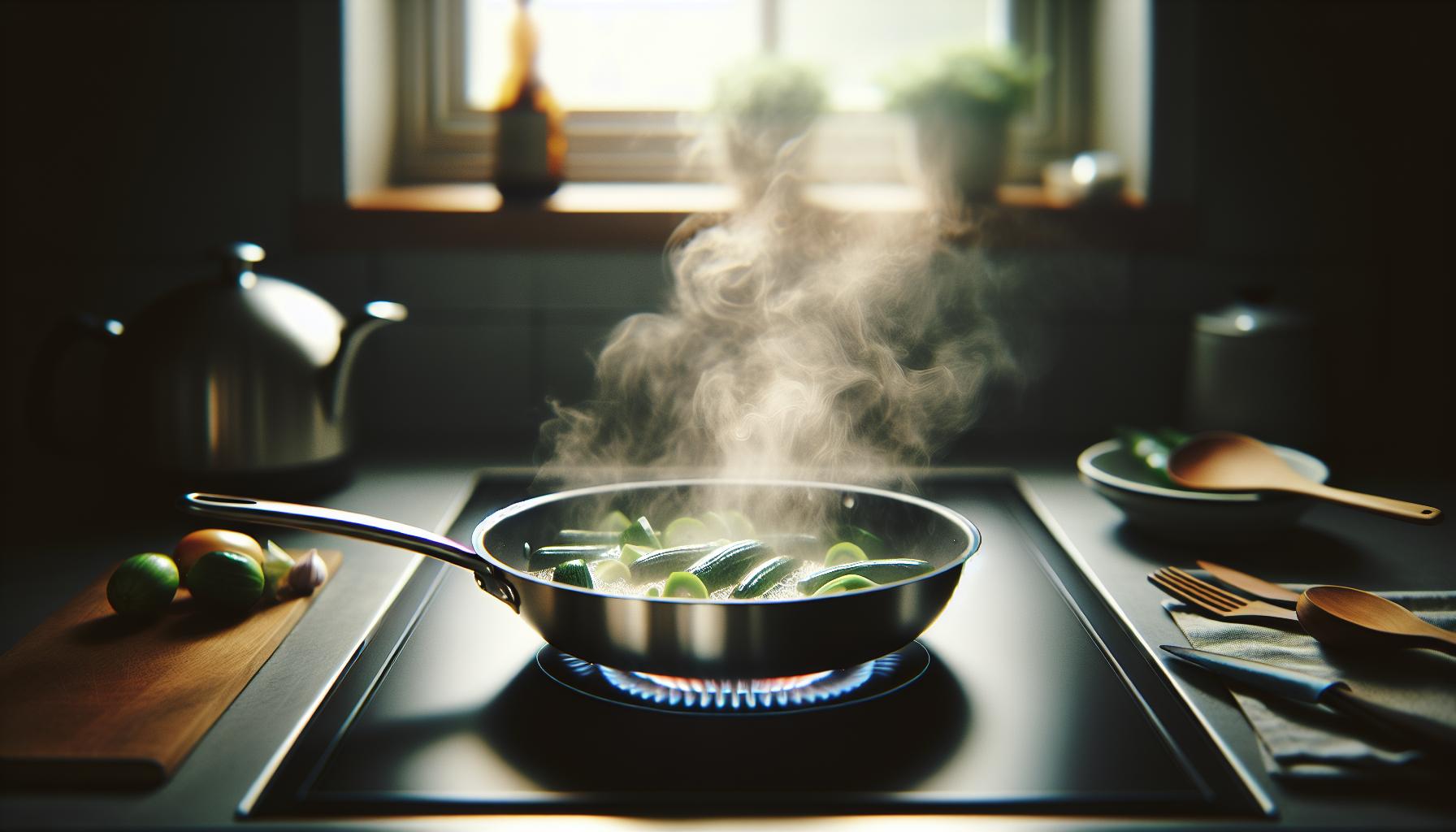
In various aspects of our daily lives, direct heat transfer manifests in many practical and impactful applications. One of the most common examples occurs in the kitchen. When grilling a steak, the direct contact between the meat and the hot grill grates facilitates conduction, which delivers heat directly from the grill to the food. This not only cooks the steak but also imparts those sought-after grill marks that enhance both the visual appeal and flavor of the dish. Similarly, when searing vegetables in a pan, the heat from the surface of the cookware transfers directly into the food, creating delicious caramelization and improving taste.
Beyond culinary uses, direct heat transfer plays a significant role in building and construction. For instance, metal roofing materials effectively conduct heat, which can lead to increased temperatures inside a building during summer months. Understanding this concept allows builders to choose appropriate insulation materials and techniques to mitigate heat transfer. Reflective roofing materials help reduce heat absorption, thus lowering cooling costs. In cold climates, direct heat transfer can also be mitigated through energy-efficient windows that minimize heat loss, keeping interiors warmer without excessive energy expenditure.
Applications in Technology
The significance of direct heat transfer extends into various technological fields. Electronic devices, for example, generate a significant amount of heat during operation. Engineers design heat sinks that utilize direct heat transfer to dissipate heat away from sensitive components, enhancing performance and prolonging device life. Innovations in materials, such as thermal interface materials (TIMs), improve the effectiveness of this heat transfer by enhancing the thermal conductivity between components, allowing devices to operate at optimal temperatures.
Another area where direct heat transfer is crucial is in renewable energy, particularly solar thermal technology. Systems that capture sunlight and convert it into heat rely on direct heat transfer principles to warm water or other fluids, which can then be used for heating or even electricity generation. This method is not only efficient but also environmentally friendly, showcasing how understanding direct heat transfer can lead to sustainable practices that benefit both the economy and the planet.
In essence, recognizing and leveraging direct heat transfer can significantly influence our approach to cooking, construction, technology, and energy conservation, fostering more effective and sustainable practices across multiple domains.
Comparing Direct vs. Indirect Heat Transfer: Key Differences

In exploring the realm of heat transfer, understanding the distinct differences between direct and indirect heat transfer is essential. Each method has its own applications, advantages, and implications, particularly in cooking and engineering contexts. Direct heat transfer occurs when heat moves directly from one object to another through physical contact. This can be observed in cooking techniques such as frying or grilling, where contact between the food and a heat source-like a pan or grill-results in immediate heat delivery and rapid cooking. The efficiency of this method lies in its ability to deliver concentrated heat, making it ideal for applications requiring quick, intense heat.
On the other hand, indirect heat transfer involves the movement of heat through an intermediary, such as air, water, or another substance, before it reaches the target object. This is commonly seen in methods like baking, where the heat circulates around the food, gradually cooking it through convection. Although this method can provide more even cooking and prevent burning, it often takes longer and may require adjustments to cooking times and temperatures.
Key Differences
- Heat Transfer Method: Direct heat transfer relies on physical contact, while indirect heat transfer uses an intermediary substance to convey heat.
- Speed: Direct methods generally transfer heat faster, making them suitable for quick cooking techniques like sautéing and searing. Indirect methods, while slower, can promote better flavor development and texture by ensuring even cooking.
- Application: Direct transfer is often preferred for techniques requiring high heat and quick cooking, such as grilling and frying. Indirect transfer is more suited for baking, roasting, and simmering, where uniform heat is beneficial.
- Temperature Control: Direct heat can lead to more precise temperature control over the food at the point of contact, while indirect heat may require more attention to overall temperature management in the cooking environment.
Understanding these differences can significantly impact how you approach cooking or engineering designs. For instance, when grilling, one can leverage the benefits of direct contact to achieve a perfect sear on meats, while baking enthusiasts can take advantage of indirect heat to create fluffy breads and cakes. Emphasizing the right method for your needs can enhance both the performance of your cooking endeavors and the efficiency of thermal systems in engineering applications.
How Direct Heat Transfer Impacts Cooking Techniques
Direct heat transfer is a crucial concept in the culinary world, fundamentally shaping how we cook and the flavors we develop. When using direct heat, the food comes into direct contact with the heat source, delivering concentrated energy and allowing for rapid cooking. Techniques like grilling, searing, and frying showcase the power of this method. For instance, when grilling a steak, the intense heat from the grill creates a Maillard reaction, producing that desirable crust and complex flavors while keeping the inside tender and juicy.
One of the greatest advantages of direct heat transfer is its ability to reflect temperature control precisely. This immediacy allows cooks to manipulate their techniques for desired outcomes: a high heat sear can generate a flavorful caramelization, while a lower temperature can lend itself to delicate cooking, such as sautéing vegetables without burning. For example, when stir-frying, maintaining a high temperature through direct contact ensures the vegetables retain their vibrant colors and crisp textures, a feat difficult to achieve through indirect methods.
Moreover, mastering direct heat techniques can enhance kitchen efficiency. Cooks can achieve quicker meal preparation, a vital factor in both home cooking and professional kitchens. Familiarizing oneself with the characteristics of various cooking surfaces-like cast iron, stainless steel, or non-stick-can also significantly improve outcomes. Each material conducts heat differently, influencing how quickly and evenly the heat is distributed to food.
In summary, understanding how direct heat impacts cooking techniques allows cooks to make informed choices based on the immediate energy transfer that occurs during the cooking process. By leveraging direct heat effectively, whether in a home kitchen or a restaurant, one can unlock deeper flavors and textures, providing a satisfying culinary experience.
The Science Behind Direct Heat Transfer: Concepts Explained
Direct heat transfer is all about energy moving in the most straightforward way: from a heat source directly to an object without any intermediary. At its core, this transfer happens through conduction, where heat moves through materials when they are in contact. Imagine a hot frying pan on the stove; the heat from the burner is conducted through the metal pan to the food placed directly on it. The efficiency of this process depends heavily on the material’s thermal conductivity-metals, for example, are excellent conductors, making them ideal for cooking.
Another essential concept in direct heat transfer is the role of the heat source’s temperature. The higher the temperature difference between the two surfaces-the heat source and the food-the faster the heat transfers. This is governed by Fourier’s Law of Heat Conduction, which states that the rate of heat transfer is proportional to the area through which heat is being transferred and the temperature gradient. In practical terms, this means bigger and hotter surfaces will cook food faster and more evenly, which is why techniques like grilling and frying are so effective.
When we talk about the most direct type of heat transfer, we’re primarily referring to conduction, but it’s crucial to understand that context matters. For instance, grilling involves not just conduction but also a bit of convection, as hot air and gases circulate around the food. The Maillard reaction, which gives grilled food its delicious crust, relies on the direct application of heat to achieve that perfect browning at the surface. Hence, while conduction is the most straightforward method, practical cooking often embraces a combination of these heat transfer methods to enhance flavor and texture.
In summary, mastering direct heat transfer in cooking requires an understanding of both the physical principles involved-like thermal conductivity and temperature gradients-and the practical applications like selecting the right cooking surface and adjusting temperatures. This synergy between science and cooking technique leads to better results, giving home cooks and chefs alike the ability to create delicious meals efficiently.
Common Misconceptions About Direct Heat Transfer
Understanding the nuances of direct heat transfer can help demystify some common misconceptions that many people hold. For instance, a frequent belief is that all cooking methods that involve direct contact with heat, like frying or grilling, rely solely on conduction. While conduction is indeed pivotal in these scenarios, it often collaborates with other heat transfer mechanisms like convection and radiation to enhance cooking effectiveness. For example, when you grill meat, the intense heat from the grill plate directly conducts heat into the food while the hot air surrounding it assists in cooking the outer layers, giving it that perfect sear and flavor.
Another prevalent misconception is the idea that higher temperatures always result in faster cooking times due to direct heat transfer. While it may seem intuitive, it’s crucial to remember that there’s a balance to be struck. For instance, using excessively high heat can lead to burnt exteriors while leaving the interior undercooked. This compromise occurs because the heat may not conduct deeply enough into the food before the surface gets charred. Understanding the principles of direct heat transfer, such as the optimal temperature gradients and cooking times, can lead to better culinary results and prevent kitchen mishaps.
Furthermore, there’s a tendency to overlook the role of material properties in direct heat transfer. Not all metals conduct heat equally, which can significantly affect cooking efficiency and outcomes. For instance, cast iron retains heat well, providing even heat distribution, while stainless steel may heat unevenly. Thus, having the right cookware is essential for optimizing direct heat transfer and achieving your desired cooking results. Selecting the appropriate material based on heat conductivity can drastically change how effectively and evenly a dish cooks.
In summary, debunking these misconceptions reinforces the importance of not only understanding the basic principles of direct heat transfer but also considering how various factors influence the cooking process. By embracing a more nuanced view, cooks can elevate their culinary skills, ensuring improved performance in the kitchen and deliciously consistent results.
Energy Efficiency Tips for Effective Heat Transfer
Understanding how to optimize energy efficiency during heat transfer can significantly enhance both cooking effectiveness and sustainability in the kitchen. With the right strategies, you can maximize heat utilization, resulting in better cooking results while minimizing energy consumption. Here are several key tips designed to help you achieve effective heat transfer efficiently.
One effective approach is to choose the right cookware. Different materials conduct heat at varying rates and efficiencies. For instance, cast iron retains heat exceptionally well and can hold a consistent temperature, making it ideal for frying and searing. Copper, on the other hand, offers excellent thermal conductivity, allowing for rapid heating and cooling, which is essential for delicate tasks like sauce making. When selecting your cookware, prioritizing materials that suit your cooking method can lead to improved energy efficiency and cooking performance.
Utilize the Right Cooking Technique
Consider the techniques you employ in the kitchen. For direct heat transfer methods such as grilling or frying, make sure the cooking surface is adequately preheated before introducing your food. This prevents unnecessary energy loss and ensures that food starts cooking instantly, leading to better flavor development and texture. Additionally, using lid coverings can trap heat and steam, significantly speeding up the cooking process while also conserving energy.
Maintaining Equipment and Kitchen Space
Keep your kitchen appliances in good working order. Clean stovetops and ovens allow for better heat transfer; for example, grease build-up can act as an insulator, reducing the effectiveness of direct heat. When using an oven, avoid opening the door frequently, as this leads to heat loss and extended cooking times.
Another essential tip is to manage the kitchen environment. If possible, use your pots and pans that snugly fit the heating elements of your stove. This practice minimizes energy loss as heat escapes around the edges of cookware. Moreover, consider using pressure cookers or air fryers to take advantage of high heat in a confined space, significantly reducing cooking times and energy expenditure.
By adopting these energy efficiency strategies, you can create a more sustainable cooking environment that not only enhances your culinary skills but also contributes positively to energy conservation efforts. Embracing these practices not only benefits the planet but may also lead to healthier cooking habits and delicious results in your kitchen.
Future Innovations in Heat Transfer Technology
As we look to the future of heat transfer technology, the innovations on the horizon promise to revolutionize both cooking and energy efficiency. One captivating trend involves the development of advanced materials that enhance direct heat transfer. For instance, scientists are exploring nanoscale coatings and composites that can significantly improve thermal conductivity. These materials can be integrated into cookware, making pots and pans heat up faster and maintain consistent temperatures, thus optimizing cooking performance.
Moreover, smart technology is making its way into the kitchen, allowing for real-time monitoring of cooking temperatures. Smart sensors can be embedded in cookware to provide feedback to home cooks about the temperature of their food, ensuring that dishes are cooked to perfection every time. This not only improves culinary results but also enhances energy efficiency by preventing overcooking, which can waste both food and energy.
In parallel, there is a growing interest in sustainable heat transfer methods. Innovations like solar-powered cooking devices are emerging, utilizing direct sunlight to achieve high cooking temperatures without relying on fossil fuels. These devices not only promote environmental sustainability but also offer practical advantages in regions where traditional energy sources are scarce or expensive.
As these technologies advance, we can expect cooking to become not only more efficient but also more enjoyable and sustainable. Embracing innovations in heat transfer technology will empower both chefs and home cooks alike, making cooking a more precise, efficient, and eco-friendly endeavor.
Understanding Heat Transfer in Engineering and Design
Understanding the intricacies of direct heat transfer is crucial for engineers and designers aiming to optimize thermal systems across various applications. In engineering and design, direct heat transfer primarily manifests through conduction, where heat moves through materials due to a temperature gradient. This principle is essential in scenarios ranging from building insulation to the design of efficient heat exchangers.
In practical applications, consider how different materials respond to heat. For example, metals typically exhibit high thermal conductivity, making them ideal candidates for heat sinks in electronics. This allows engineers to design components that effectively dissipate heat, thus preventing overheating and extending equipment lifespan. When evaluating materials for a project, designers often employ models to predict heat transfer efficiency, allowing them to tailor solutions that match specific thermal requirements.
Engineering Applications and Innovations
Moreover, advancements in composite materials are transforming how engineers approach heat transfer. By layering materials with varying thermal properties, it’s possible to create systems that utilize direct heat transfer for maximum efficiency. For instance, in automotive design, engineers are exploring the use of heat-resistant plastics combined with metals to not only manage engine heat but also to improve fuel efficiency.
Also, the integration of simulation software has enhanced the ability of engineers to analyze thermal dynamics in their designs. These tools enable a thorough examination of how heat moves through systems, allowing for real-time adjustments and improved overall design effectiveness. By understanding direct heat transfer mechanisms, designers can not only meet performance standards but also innovate towards more sustainable solutions, contributing to energy efficiency and aligning with modern environmental goals.
In conclusion, mastering the concepts of direct heat transfer equips engineers and designers with the necessary tools to create efficient, effective, and innovative thermal solutions tailored to the demands of their specific projects.
Frequently Asked Questions
Q: What is the most efficient type of heat transfer in cooking?
A: The most efficient type of heat transfer in cooking is conduction, where heat is directly transferred through solid materials. For example, when a pan is placed on a burner, the heat moves directly from the burner to the pan, quickly cooking the food. To optimize conduction, use metals like copper or aluminum, known for their excellent thermal conductivity.
Q: How does conduction compare to convection in heat transfer?
A: Conduction involves direct heat transfer through materials, while convection transfers heat through the movement of fluids. In cooking, conduction is faster when using solid surfaces, whereas convection is important for even heating in liquids, like boiling water. Understanding both can enhance your cooking techniques.
Q: What role does radiation play in heat transfer?
A: Radiation is a type of heat transfer that occurs through electromagnetic waves, allowing heat to travel through space. For example, the sun warms your skin via radiant heat. It complements conduction and convection in cooking, especially in methods like grilling or broiling, where heat is radiated directly to the food.
Q: When is indirect heat transfer more beneficial?
A: Indirect heat transfer is more beneficial when slow, even cooking is desired, such as in baking or roasting. By using an oven or a slow cooker, food cooks evenly without burning. This method is perfect for large cuts of meat or delicate dishes that require controlled temperatures over longer periods.
Q: How do materials affect heat transfer efficiency?
A: The heat transfer efficiency depends on a material’s thermal conductivity. Metals like copper and aluminum facilitate better conduction, while materials like wood or glass are less effective. For optimal cooking, choose pots and pans made from materials with high thermal conductivity to speed up the cooking process.
Q: Why is understanding heat transfer important for engineers?
A: Understanding heat transfer is crucial for engineers as it influences the design of systems like HVAC, refrigeration, and thermal management in electronics. Engineers apply principles of conduction, convection, and radiation to optimize energy efficiency and improve system performance in varying environments.
Q: How can I improve energy efficiency in heat transfer?
A: To improve energy efficiency, choose cooking methods like roasting or steaming, which utilize convection effectively. Additionally, use lids on pots to retain heat during boiling and opt for cookware with good heat retention properties. These strategies minimize energy loss and optimize the heat transfer process.
Q: What are some common misconceptions about heat transfer?
A: A common misconception is that all heat transfer is the same. In reality, conduction, convection, and radiation each have distinct properties and applications. Understanding these differences helps in selecting appropriate heating methods in cooking and engineering, enhancing both results and efficiency.
Closing Remarks
Understanding the most direct type of heat transfer is crucial for various applications in science and engineering. As you’ve learned, conduction stands out for its efficiency in transferring heat through direct contact. If you’re curious about practical applications, check out our articles on “Heat Transfer in Everyday Appliances” and “Thermal Conductivity in Materials” to deepen your knowledge.
Don’t miss out on more insights-subscribe to our newsletter for the latest updates in thermal science and engineering! Have questions or need further clarification? Join the discussion in the comments below. Your engagement not only enriches our community but also helps us cater our content to your needs. Explore more related topics and continue your journey into the fascinating world of heat transfer today!
Get our latest guides, news, and insights highlighted in your Google Search & AI Overviews.