
Microfluidics is revolutionizing fields like biomedical research and environmental monitoring by manipulating small amounts of fluids at the microscale. This technology enables precise control over chemical reactions and biological processes, unlocking new possibilities for diagnostics and drug development. As you explore the top YouTube learning resources on microfluidics, you’ll discover how this cutting-edge field addresses pressing challenges, fosters innovation, and enhances experimental efficiency. Whether you’re a student, researcher, or technical maker, these curated videos will not only deepen your understanding but also inspire you to harness microfluidics in your own projects. Dive in and discover the fascinating world where science meets technology!
Understanding Microfluidics: An Introduction to the Field
Microfluidics is a fascinating domain of science that manipulates tiny volumes of fluids, typically in the microliter or nanoliter range. This precision allows researchers and scientists to conduct experiments and analyses with unparalleled accuracy and efficiency. Imagine being able to run numerous biochemical reactions simultaneously on a single chip, which is not just a theoretical concept-it’s a practical reality enabled by microfluidic technologies. The ability to manage fluids at such a minute scale is revolutionizing fields such as biology, chemistry, and materials science, leading to advancements that were previously thought impossible.
One of the critical features that defines microfluidics is the integration of fluid handling, mixing, and reaction processes on a miniaturized platform. This integration results in faster reaction times, reduced reagent consumption, and enhanced control over experimental conditions. The underlying physics of microfluidics typically leverage concepts like laminar flow, where fluid layers move along parallel paths without turbulence, allowing for predictable interactions between different fluid components. This phenomenon is crucial when designing microfluidic devices, as it enables the precise control needed for applications ranging from medical diagnostics to chemical synthesis.
Microfluidics is not just a theoretical exercise; it has practical implications that are transforming industries. In healthcare, for example, point-of-care diagnostics benefit immensely from microfluidic technologies, offering rapid testing with minimal sample volumes, which can lead to quicker patient management and tailored treatment. Moreover, the incorporation of microfluidics into biological research facilitates high-throughput screening for drug development and helps in understanding complex biological systems by enabling the study of cells and biomolecules in controlled environments.
As this field continues to evolve, it becomes increasingly important to glean knowledge from a variety of resources. YouTube serves as a treasure trove of information, providing access to practical demonstrations, academic lectures, and tutorials that simplify complex microfluidic concepts. By engaging with this visual content, learners can effectively bridge the gap between theory and practical application, enriching their understanding of microfluidics and its myriad uses in modern science and technology.
Key Principles of Microfluidics: How It Works
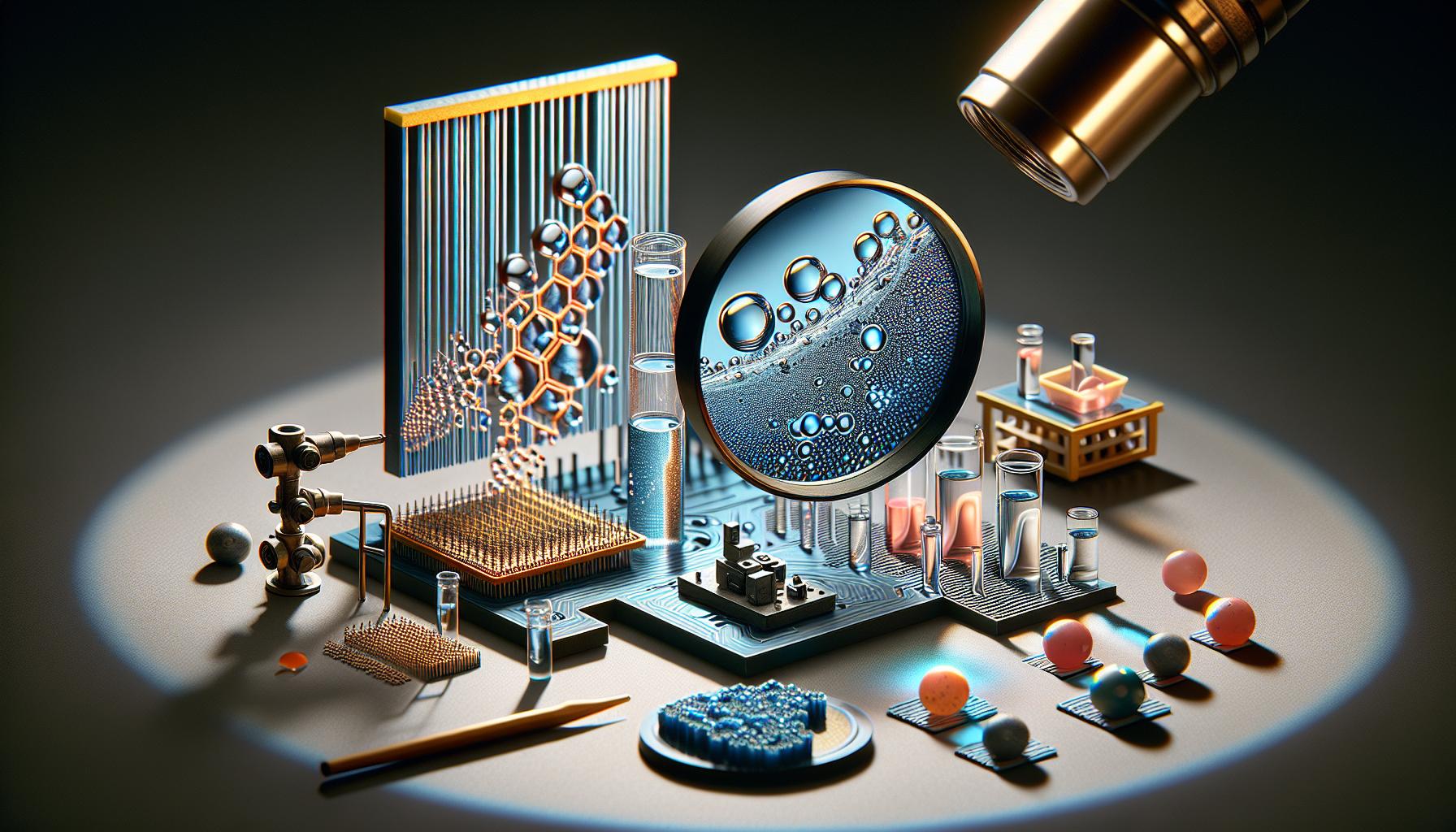
In microfluidics, the fundamental principles governing fluid behavior at the microscale are crucial to understanding how these systems operate. At the heart of this technology lies the concept of laminar flow, where fluids move smoothly in parallel layers without turbulence. This predictable flow behavior is what sets microfluidic systems apart from traditional large-scale systems, enabling vastly improved control over fluid motion, mixing, and reaction dynamics. By manipulating fluid flows on the microscale, researchers can achieve remarkable precision in experiments, such as conducting multiple biochemical reactions simultaneously on a tiny chip.
One key mechanism utilized in microfluidics is the semi-permeable membrane, which facilitates selective transport of fluids and solutes between various chambers. This technology allows for orchestrating complex interfacial reactions and separations. Devices can be designed to retain specific components while allowing others to pass, such as when isolating cells or analyzing biomolecules. This capability is pivotal for applications in medical diagnostics and therapeutic testing, as it enables the rapid and efficient processing of samples with minimal volumes.
Another fundamental principle is the surface tension of the fluids involved, which can dramatically influence the behavior of droplets in microfluidic channels. By leveraging hydrophobic and hydrophilic surfaces within the device architecture, fluid behavior can be manipulated to facilitate precise mixing or swift transport of small volumes. For example, creating surfaces that promote droplet formation can enhance the efficiency of biological assays or chemical reactions, streamlining processes that traditionally require larger, bulkier setups.
Overall, understanding the principles of microfluidics equips researchers and practitioners with the tools to create innovative solutions across various fields. Whether it’s for rapid drug screening in pharmaceuticals or sensitive biomarker detection in clinical settings, the ability to control small fluid volumes translates into significant advancements in research and industry. By diving into educational resources on platforms like YouTube, learners can visualize these principles through engaging demonstrations, deepening their grasp of how microfluidics is reshaping the scientific landscape.
Applications of Microfluidics in Science and Industry

Microfluidics is revolutionizing a wide array of fields by enabling precise manipulation of fluids at the microscale. This miniaturization transforms complex laboratory processes into streamlined procedures, enhancing efficiency and accuracy. Researchers and industries harness microfluidics for applications ranging from fundamental biomedical research to commercial product development, owing to its capacity to perform multiple analyses simultaneously using minimal samples.
Biomedical Applications
In the biomedical field, microfluidics plays a crucial role in diagnostics and therapeutic development. One prominent use is in point-of-care testing devices that allow for rapid diagnosis of diseases like diabetes and infections through small blood samples. Devices such as microfluidic biosensors can detect specific biomarkers, enabling early disease detection and personalized medicine. For example, Lab-on-a-chip technologies integrate multiple laboratory functions into a single chip, allowing for the analysis of DNA, RNA, and proteins with minimal reagent volumes. This innovation not only accelerates testing times but also reduces costs associated with traditional laboratory setups.
Pharmaceutical Development
The pharmaceutical industry also benefits significantly from microfluidics. These systems enable high-throughput screening of compounds, facilitating the rapid evaluation of potential drug candidates. By using microfluidic devices, researchers can conduct hundreds of tests simultaneously, decreasing the time required for drug discovery and development. Additionally, microreactors are utilized for synthesizing chemical compounds, offering better control over reaction conditions such as temperature and mixing efficiency. This precision can lead to higher yields and purities compared to traditional methods.
Environmental Monitoring
Microfluidics is gaining traction in environmental science, particularly for monitoring pollutants and pathogens in water sources. Microfluidic sensors can provide real-time analysis of water quality, detecting contaminants with high sensitivity and specificity. These devices can be deployed in remote locations, facilitating continuous monitoring without the need for cumbersome laboratory setups. Such applications are critical not only for ensuring safe drinking water but also for assessing ecological impacts.
As you delve deeper into the world of microfluidics, numerous excellent educational resources are available on platforms like YouTube. Channels dedicated to engineering and biology often showcase practical demonstrations and detailed explanations of microfluidic applications, allowing enthusiasts to visualize how these technologies are shaping various industries. Whether you’re a student seeking foundational knowledge or a professional aiming to advance your expertise, these visual aids serve as accessible tools for understanding and exploring this innovative field.
Popular Microfluidic Devices You Should Know About
Microfluidics has given rise to a fascinating array of devices that are not only innovative but also transformative in both research and industry. These devices allow for precise control of fluids at the microscale, enabling complex experiments and processes that were once cumbersome and time-consuming. Some of the most popular microfluidic devices worth knowing about are lab-on-a-chip systems, microreactors, and organ-on-a-chip models.
Lab-on-a-Chip Systems
Lab-on-a-chip (LOC) devices integrate multiple laboratory functions onto a single chip, facilitating various analytical processes including sample preparation, chemical reactions, and detection. These chips are typically fabricated using materials like polydimethylsiloxane (PDMS) or glass. They’re particularly beneficial in biomedical applications for point-of-care testing. For example, some LOC devices can analyze blood samples for biomarkers associated with diseases like cancer or cardiac conditions, leading to rapid diagnostics with minimal sample volume. Videos showcasing the innovative designs and uses of LOC devices can be found on platforms like YouTube, where you can see live demonstrations of how these chips operate in real-time diagnostics.
Microreactors
Microreactors are another exciting facet of microfluidic technology. They enable precise chemical reactions to occur under tightly controlled conditions, such as temperature and pressure, due to their small volume. This capacity allows chemists to optimize reaction parameters for higher yields and purities that are often unattainable with traditional batch reactors. Microreactors are commonly used in pharmaceutical development for synthesizing drug compounds and studying reaction kinetics. YouTube features several tutorials and presentations on microreactor applications that can give viewers insights into their operation and benefits for accelerating chemical research.
Organ-on-a-Chip Models
One of the most thrilling advancements in microfluidics is the development of organ-on-a-chip technology. These devices mimic the physiological responses of human organs, allowing researchers to study drug interactions and disease mechanisms in a more representative environment than traditional cell culture systems. For instance, a liver-on-a-chip can simulate liver functions and toxicology studies while integrating endothelial cells and immune cells for a more comprehensive understanding. Great educational channels on YouTube highlight these models, exploring their design and real-world implications in drug testing and toxicology.
These devices embody the potential of microfluidics to revolutionize various fields, from healthcare to environmental testing. For anyone interested in learning more, diving into visual content on platforms such as YouTube can provide both foundational knowledge and practical insights into these groundbreaking technologies. As you explore this realm, consider the tutorials and demonstrations that can enrich your understanding and inspire practical applications in your studies or research endeavors.
Top Educational YouTube Channels for Learning Microfluidics
YouTube has become an invaluable resource for anyone looking to dive into the world of microfluidics. With its vast range of channels dedicated to science and technology, you can find expert insights, practical demonstrations, and a community of passionate learners. For those interested in mastering microfluidics, a few standout educational channels provide high-quality content that balances theoretical knowledge with practical applications.
Top Educational Channels
- Elveflow: This channel features an array of tutorials and expert talks focused on microfluidic techniques and devices. Elveflow publishes videos that cover various aspects of microfluidics, from the fundamentals to advanced applications, making it an excellent starting point for beginners and seasoned researchers alike.
- Microfluidics Academy: Aimed specifically at those entering the field, this channel offers comprehensive lessons on the principles of microfluidics. Content includes understanding flow dynamics, device fabrication techniques, and the latest applications in research. Their series on microfluidic system design is particularly useful.
- Science Channel: This broader science-focused channel frequently highlights innovative projects in microfluidics and related technologies. By showcasing current research and breakthroughs, viewers can stay updated on the latest trends and practical implications of microfluidics in various industries.
- University Lectures: Many universities now upload full lectures and seminars on microfluidics. Channels like MIT OpenCourseWare and Stanford Online feature materials that offer in-depth academic perspectives alongside practical insights, making them great resources for both students and professionals looking to expand their knowledge.
Every channel mentioned offers a unique perspective, catering to different learning preferences. Whether you prefer in-depth lessons, quick tutorials, or real-world applications, these resources help bridge the gap between theoretical frameworks and practical experimentation. Engaging with these videos not only enhances your understanding but also provides visual and contextual examples that can be pivotal when working on microfluidic devices or conducting related research.
Must-Watch Microfluidics Demonstrations on YouTube
Microfluidics is revolutionizing many fields, from healthcare to environmental monitoring, and YouTube hosts a wealth of demonstrations that illustrate its potential. Watching these dynamic presentations can clarify complex concepts and inspire new ideas for your own projects. Here are some notable demonstrations that stand out for their educational value and engaging content.
One compelling demonstration is the creation of a microfluidic chip from start to finish. This video walks viewers through the process of designing, fabricating, and testing a microchip, making it an invaluable resource for anyone looking to understand the practical aspects of microfluidic technology. The creator pays close attention to detail, explaining the materials used, the techniques applied, and the underlying principles behind each step. Such visual guides not only make the information more digestible but also show how theoretical concepts are applied in real-world scenarios.
Another must-watch is the series on droplet-based microfluidics. These videos illustrate how droplets can be manipulated in a controlled manner and alternate the flow rates to achieve precise mixing and reactions. The clear visuals of droplets merging and splitting will captivate viewers and provide insight into how microfluidic devices can be designed for applications in drug delivery and diagnostics. Real-time visualization of the processes involved can bridge the gap between basic microfluidic principles and their innovative applications in research.
Lastly, it’s worth checking out demonstrations that showcase the integration of microfluidics with advanced imaging techniques. These videos often highlight how microfluidic devices are used in combination with microscopy to study biological samples at a cellular level. They offer a glimpse into the future of high-throughput screening and diagnostics, demonstrating the powerful synergy between microfluidic technologies and imaging sciences.
Engaging with these demonstrations not only enhances your understanding but also provides an opportunity to visualize the immense possibilities of microfluidics in various domains. As you explore these resources, you’ll find that the combination of theory and hands-on experience is essential for mastering this cutting-edge technology.
Exploring Advanced Concepts in Microfluidics
Microfluidics isn’t just a trend; it’s paving the way for breakthroughs in fields such as diagnostics, drug delivery, and environmental monitoring. To truly grasp these advanced concepts, many educators and enthusiasts have turned to YouTube, which offers a plethora of resources that delve into the depth of microfluidics. One can find videos that not only illuminate foundational theories but also explore cutting-edge innovations and applications in real time.
Understanding the intricate dynamics of microfluidics begins with mastering the principles of fluid mechanics at the microscale. YouTube channels dedicated to science often feature detailed animations and explanations about laminar flow, the Reynolds number, and capillary action, all of which are critical for manipulating fluids with precision. A well-explained video may illustrate how changes in channel dimensions can lead to significant shifts in flow behavior, empowering viewers to visualize concepts that can seem abstract in text.
Moreover, visual demonstrations are invaluable in understanding multi-phase flow and droplet microfluidics. Educational videos frequently showcase techniques such as droplet generation and manipulation, which are used for applications in personalized medicine. By watching these processes unfold, one can gain insights into how microfluidic devices can accomplish complex tasks, such as mixing reagents or separating particles with high efficiency. This hands-on visualization is essential for budding researchers and students looking to bridge the gap between theory and practical applications.
Lastly, channels that focus on innovation often address future trends in microfluidics, such as integration with AI and machine learning. These discussions can reveal how data analytics are driving the next generation of microfluidic technologies, helping to enhance the precision of diagnostic tests or streamline manufacturing processes for pharmaceuticals. Engaging with such content encourages a forward-thinking mindset and highlights the importance of continuous learning in this rapidly evolving field.
In summary, leveraging YouTube as a learning tool allows individuals to explore advanced concepts in microfluidics in an engaging and visually appealing way. From fundamental principles to future innovations, these resources are indispensable for those aiming to deepen their understanding or spark creativity in their projects.
Innovations in Microfluidics: Future Trends and Technologies
The integration of advanced technologies into microfluidics is set to revolutionize various fields, especially healthcare and diagnostics. One of the most exciting trends is the application of artificial intelligence (AI) and machine learning. These technologies can enhance the design and optimization of microfluidic devices by predicting fluid dynamics and reaction outcomes based on large datasets. For instance, AI algorithms can analyze previous experimental data to suggest optimal conditions for new experiments, making the development process faster and more efficient. This approach not only helps in streamlining diagnostics but also in personalizing medicine, by allowing tailored treatment strategies based on individual patient data.
Innovative Material Development
In addition to software advancements, the materials used in microfluidics are evolving. Researchers are increasingly exploring biocompatible polymers and smart materials that can change properties in response to environmental stimuli. These materials enable on-demand control of fluid behavior, allowing for more sophisticated applications like responsive drug delivery systems or improved cell culture environments. 3D printing technology is another game changer, allowing for rapid prototyping and customization of microfluidic devices, which can reduce costs and enhance accessibility for researchers and smaller laboratories.
Point-of-Care Testing and Portable Devices
The push towards point-of-care diagnostics is gaining momentum as more microfluidic devices are designed to be portable and easy to use outside traditional lab settings. This innovation is crucial in developing countries and remote areas, where access to advanced laboratory facilities is limited. YouTube has played an essential role in showcasing these advancements, with creators demonstrating new devices that promise fast, reliable testing for diseases like malaria and COVID-19 directly at the patient’s location, drastically shortening the time between diagnosis and treatment.
By keeping an eye on these innovations and exploring educational videos, anyone interested in microfluidics can stay informed about the latest breakthroughs and their practical applications. This engagement with multimedia resources not only enhances understanding but also fosters a community of learners eager to contribute to this rapidly advancing field.
Comparative Analysis: Microfluidics vs. Traditional Lab Techniques
The rise of microfluidics represents a paradigm shift in scientific experimentation and analysis, particularly when comparing it to traditional laboratory techniques. Microfluidics manipulates small volumes of fluids on the micrometer scale, allowing for processes that are not only faster but also more efficient. For example, where a conventional test might require a full laboratory setup-potentially taking hours or even days to yield results-microfluidic systems can process reactions in a fraction of that time, often in mere minutes. This efficiency is not just a matter of speed; it’s an opportunity for high-throughput experimentation, enabling researchers to conduct multiple tests simultaneously with minimal sample volumes.
Cost Efficiency and Resource Management
One of the most significant advantages of microfluidics is its cost efficiency. Traditional lab methods often require substantial amounts of reagents, consumables, and time-consuming procedures. In contrast, microfluidic devices use significantly smaller volumes of materials, which can lead to substantial savings in operational costs. This technology also allows for automation and integration, minimizing human error and reducing labor costs. The scaling down of sample size not only conserves expensive reagents but also allows for the use of scarce biological samples, making microfluidics a compelling choice for fields like diagnostics and pharmacology.
Adaptability and Versatility
Microfluidic systems are highly customizable and adaptable to a variety of applications, from biomedical tests to chemical syntheses. Unlike traditional methods which might require specific setups for different experiments, microfluidics can be tailored to perform multiple functions through the use of different channel designs and control strategies. For instance, a single microfluidic chip can be employed for tasks such as mixing, splitting, and sorting samples, which you typically need multiple devices to perform in a traditional setting. This level of versatility enhances experimental designs and fosters innovation.
In terms of accessibility, the integration of microfluidics in point-of-care testing presents an exciting frontier. Traditional lab techniques necessitate complex infrastructures that are often unavailable in remote or under-resourced regions. Microfluidics can facilitate portable, user-friendly devices, enabling rapid diagnostics outside conventional lab environments. YouTube channels dedicated to showcasing these advancements often illustrate how portable devices can be designed and deployed in real-world scenarios, demonstrating the transformative potential of microfluidics in enhancing healthcare delivery globally.
The comparison between microfluidics and traditional laboratory techniques underscores a clear trend; as we develop finer control over fluid manipulation at micro scales, we simultaneously unlock new possibilities for innovation in research and diagnostics, making microfluidics a backbone technology for the future of scientific investigation.
Practical Microfluidic Techniques for Research and Development
Microfluidics, with its dexterity in manipulating fluids at the micrometer scale, allows researchers to achieve unprecedented precision and efficiency in experiments. By integrating cutting-edge techniques, microfluidic platforms can streamline sample preparation, reaction processing, and analytical measurements-all within a compact device. This brings not just rapid results but also enhances the ability to conduct high-throughput experiments effectively. Here’s a look at some practical techniques and insights that are transforming research and development.
One popular technique in microfluidics is the use of laminar flow. This principle dictates how fluids move smoothly in parallel layers without mixing. In practice, this means that different reagents can be introduced simultaneously into a microfluidic channel, allowing for controlled reactions that mimic biological processes. Researchers often visualize this principle through simple designs shown in many instructional YouTube videos, demonstrating how adjustments in channel width and flow rates can drastically alter the outcomes of experiments.
Another innovative approach is digital microfluidics, which uses electrowetting technology to manipulate droplets on a surface. This technique excels in applications such as synthesizing nanoparticles or performing multiplex biomarker analysis. Students and researchers can delve deeper into hands-on demonstrations available on educational YouTube channels, showcasing how droplets can be reconfigured to optimize reactions without the need for integrated pumps or complex setups. This flexibility is particularly useful for labs with limited resources, as it reduces infrastructure demands.
Furthermore, a variety of materials can be utilized in microfluidic device fabrication, including polymers like PDMS (polydimethylsiloxane), glass, and silicon. Each material brings distinct advantages; for instance, PDMS devices are particularly favorable for biological applications due to their permeability and biocompatibility. Understanding these differences is crucial for selecting the right substrate based on the specific needs of an experiment, a topic frequently explored in practical tutorials on YouTube.
As you explore these techniques, consider enhancing your skill set through online courses and tutorials available on platforms that specialize in fluid mechanics and lab equipment design. Tracking advancements in microfluidic technology not only boosts your experimental capabilities but also prepares you for the innovative future of laboratory research. With user-friendly devices and automation paving the way, the field of microfluidics stands ready to offer powerful tools for researchers across disciplines.
Microfluidics for Beginners: Resources to Get Started
Getting started with microfluidics can feel overwhelming due to its intricate concepts and specialized terminology. However, a treasure trove of resources is just a few clicks away, especially on platforms like YouTube. This medium not only offers visual demonstrations but also provides in-depth explanations, making complex ideas more accessible. Here are some essential starting points to enhance your understanding and application of microfluidics.
One of the most valuable aspects of YouTube is its diverse selection of educational channels focused on microfluidics. Channels like LabX and Microlab provide a wealth of tutorials that range from introductory overviews to advanced experimental techniques. These channels often feature resident experts who break down complex topics, like laminar flow and droplet manipulation, into manageable segments. Engaging with these videos allows beginners to see real-world applications of microfluidics technology and understand how these principles translate into practical experiments.
For hands-on learners, tutorials demonstrating specific microfluidic device construction are particularly useful. Videos often guide viewers through the fabrication process of devices using PDMS or glass, offering step-by-step instructions that can be followed at home or in the lab. These demonstrations are not only informative but also inspire experimentation and innovation, encouraging viewers to create their custom setups. Encouragingly, many channels include troubleshooting tips, which are invaluable for newcomers navigating the learning curve.
Another excellent resource is online courses that accompany YouTube content. Websites like Coursera and edX provide structured learning paths, often led by universities and industry experts. Pairing these courses with YouTube videos creates a comprehensive learning environment-videos reinforce course theories, while courses add the rigor of structured assessments. This dual approach ensures that you not only absorb theoretical knowledge but also acquire practical skills, creating a balanced educational experience.
To summarize, harness the power of visual learning through specialized YouTube channels, combine insights with hands-on tutorials, and supplement your study with structured online courses. This multi-faceted approach can significantly enhance your knowledge and confidence in microfluidics, paving the way for deeper exploration and innovation in the field. Happy learning!
Building Your Microfluidics Skill Set: Online Courses and Tutorials
Microfluidics is at the intersection of engineering and biology, meditating complex processes at minuscule scales. To harness its potential effectively, aspiring professionals can significantly benefit from a mix of online courses and high-quality video tutorials. These resources serve not only to build foundational knowledge but also to cultivate practical skills necessary for hands-on experimentation and innovation.
Explore Comprehensive Online Courses
Numerous platforms like Coursera and edX offer structured online courses that delve deep into microfluidics theory and applications. These courses are often developed by esteemed universities and industry leaders, ensuring that the content is up-to-date and relevant. Participants can find courses ranging from introductory modules that cover the basic principles of fluid dynamics to advanced classes focused on specific applications in diagnostics or drug development.
Looking to gain practical skills? Consider enrolling in courses that include lab simulations or design projects. For instance, the “Microfluidics for Biomedical Applications” course often includes real-world case studies, allowing students to see how microfluidics is applied in clinical settings. This bridge between theory and practice is crucial for cementing knowledge and fostering a deeper understanding of how microfluidic systems function in various contexts.
Leverage Engaging YouTube Tutorials
In addition to traditional coursework, YouTube is an invaluable resource for visual learners. Channels dedicated to microfluidics, such as LabX and Microlab, provide step-by-step tutorials that break down complex fabrication methods and experimental techniques. Watching experts demonstrate processes, such as the assembly of a PDMS microfluidic device, not only clarifies theoretical concepts but also guides you through the practical aspects of device creation.
For example, many videos include troubleshooting tips that can be incredibly beneficial for those who are just starting. These practical insights can save time and frustration during the initial stages of experimentation. Moreover, the interactive nature of video content allows you to revisit complex topics and clarify doubts at your own pace, making it easier to master advanced techniques.
Combining Resources for Maximum Impact
To expedite learning, it’s advisable to combine online courses with YouTube tutorials. This multi-faceted approach can deepen understanding and enhance retention. While structured courses provide a solid theoretical framework, YouTube’s visual and practical insights can reinforce what’s been learned and facilitate practical experimentation.
Engaging with both types of resources allows learners to bridge the gap between academic knowledge and practical application. For instance, following a course on microfluidics principles with relevant YouTube demonstrations can solidify your grasp on concepts like laminar flow and droplet dynamics, paving the way for innovation in your projects.
By approaching your microfluidics education holistically, utilizing both structured courses and engaging video tutorials, you can develop a robust skill set that prepares you for a successful career in this exciting interdisciplinary field.
Frequently asked questions
Q: What are the best YouTube channels for learning about microfluidics?
A: The best YouTube channels for learning about microfluidics include Microfluidics Lab, Educational YouTube channels like Lab – on – a – Chip, and YouTube channels dedicated to bioengineering. These platforms feature tutorials, demonstrations, and discussions that are excellent for grasping microfluidic concepts. Explore the Top Educational YouTube Channels for Learning Microfluidics section in the main article for more options.
Q: How can I find practical examples of microfluidics in action on YouTube?
A: You can find practical examples of microfluidics in action by searching for demonstrations tagged with “microfluidics applications” or “lab-on-chip experiments”. The Must-Watch Microfluidics Demonstrations on YouTube section in the article provides curated links to high-quality examples for deeper insight.
Q: Why is YouTube a valuable resource for learning about microfluidics?
A: YouTube is valuable for learning about microfluidics because it offers visual demonstrations, interactive tutorials, and expert lectures. This multimedia approach enhances understanding of complex concepts in an accessible format. Refer to the article to discover more educational resources.
Q: What kind of tutorials can I expect to find about microfluidics on YouTube?
A: On YouTube, you can find various tutorials ranging from basic principles of microfluidics to advanced techniques in device fabrication and application. These videos often include step-by-step guides that can aid hands-on learning. Check the Building Your Microfluidics Skill Set: Online Courses and Tutorials section for recommended tutorials.
Q: Are there specific YouTube videos recommended for microfluidics beginners?
A: Yes, many YouTube videos cater specifically to beginners, focusing on foundational concepts and introductory techniques. Look for playlists or series labeled “Microfluidics 101” or “Beginner’s Guide to Microfluidics”. The article’s Microfluidics for Beginners: Resources to Get Started section has curated links.
Q: How do YouTube videos on microfluidics compare to traditional textbooks?
A: YouTube videos on microfluidics provide a dynamic learning experience, complementing traditional textbooks. They show real-life applications, allowing visual learners to grasp concepts faster. For a deeper understanding, refer to the Comparative Analysis: Microfluidics vs. Traditional Lab Techniques section in the main article.
Q: When should I use YouTube as a resource for microfluidics education?
A: Use YouTube as a resource for microfluidics education when you need visual guidance, real-time demonstrations, or updated techniques. It’s particularly useful when you encounter challenging concepts in your studies. Explore the Exploring Advanced Concepts in Microfluidics section for advanced video resources.
Q: Can YouTube help with troubleshooting microfluidic experiments?
A: Yes, many YouTube videos focus on troubleshooting common microfluidic issues, providing valuable tips and solutions. Search for symptoms or problems you face to find practical advice. The article mentions practical microfluidic techniques that can assist you further.
To Conclude
Thank you for exploring “What Is Microfluidics” with us! Now that you have insights into this cutting-edge technology, we encourage you to dive deeper. Check out our in-depth guide on microfluidic applications in chemistry and medical diagnostics to truly grasp its potential. Don’t miss our featured videos on the latest trends in microfluidics and innovative lab-on-a-chip technologies that are shaping the future of research.
Ready to take the next step? Subscribe to our newsletter for exclusive content and updates, or visit our resource hub for tools and insights that can elevate your understanding and application of microfluidics. Your engagement matters-leave a comment with your thoughts or questions, and let’s discuss how microfluidic systems can revolutionize your projects. Keep exploring, as there’s so much more to discover in this fascinating field!
Get our latest guides, news, and insights highlighted in your Google Search & AI Overviews.