
In industrial settings, precision and efficiency are paramount, and heat transfer oils play a crucial role in achieving both. These specialized fluids are designed to transfer heat effectively, making them essential in various applications such as manufacturing, chemical processing, and energy production. With their ability to maintain stable temperatures and minimize energy consumption, heat transfer oils not only enhance productivity but also ensure safety in high-temperature processes. Whether you’re a seasoned engineer or just starting your exploration of thermal systems, understanding the advantages and applications of heat transfer oils is key to optimizing performance and reliability in your operations. Dive deeper to discover how these oils can revolutionize your industrial processes and drive success.
What Is Heat Transfer Oil? An Overview
Heat transfer oil plays a critical role in industrial processes, providing an efficient means for transferring heat within a system. Unlike water, which has a relatively low boiling point, heat transfer oils are engineered to withstand higher temperatures without evaporating. This capability makes them ideal for applications where temperature control is essential, often exceeding 300°C (572°F). These oils are typically petroleum-based or synthetic fluids that are chemically stable, offering both heat transfer efficiency and safety in operation.
One of the key advantages of heat transfer oil is its ability to maintain high thermal stability and viscosity at varying temperatures. This stability ensures that the oil remains fluid and effective even under high heat conditions. Furthermore, heat transfer oils are designed to minimize oxidation and thermal degradation, leading to longer service life and reduced maintenance costs. Industries such as food processing, chemical manufacturing, and plastics rely on these oils for precision temperature control, which is crucial for maintaining product quality and process efficiency.
Improved heat transfer efficiency is another major benefit of these oils. They provide superior heat conduction compared to water, allowing for more rapid temperature changes and consistent heating profiles. This quality is particularly valuable in applications such as batch processing, where precise temperature control can significantly impact the final product. Keeping heat transfer oils well-maintained and at the correct levels also prevents operational issues that could disrupt production and lead to increased costs.
In summary, heat transfer oils are versatile and essential in many industrial applications. By choosing the right type of heat transfer oil, industries can enhance their operational efficiency, improve product quality, and extend the lifespan of their equipment, making these fluids a crucial component of modern manufacturing processes.
Key Industrial Applications of Heat Transfer Oil
Heat transfer oils are indispensable in a diverse array of industrial applications, playing a crucial role in processes that demand precise temperature control and efficient heat transfer. These oils are preferred over water and other fluids due to their ability to operate at much higher temperatures without boiling off, which can be particularly advantageous in high-heat industrial environments.
One of the primary applications of heat transfer oils is in the manufacturing and production of plastics. The plastics industry often utilizes heat transfer oil systems in processes such as extrusion and molding, where maintaining a consistent temperature is vital for the quality of the final product. By ensuring that temperatures remain steady throughout the production process, heat transfer oils help prevent defects and improve the mechanical properties of the molded items.
In the food processing industry, heat transfer oils are used in cooking, frying, and batching operations. These oils provide an efficient means to transfer heat uniformly throughout the cooking medium, ensuring that food is cooked evenly and meets safety standards. Moreover, they are favored for their stability at high temperatures, which allows food manufacturers to achieve the desired texture and flavor profile without the risk of burning or nutrient loss.
Another key application can be found in the chemical manufacturing sector. Many chemical processes require precise temperature control for reactions, which can often generate significant amounts of heat. Heat transfer oils facilitate the effective removal of excess heat, enhancing process safety and efficiency. This capability is essential in preventing hazardous situations, such as thermal breakdown or unwanted reactions due to overheating.
In summary, the versatility of heat transfer oils spans multiple industries, enhancing not only safety and efficiency but also product quality. By selecting the right type of heat transfer oil tailored for specific operational requirements, industries can optimize their processes and significantly reduce downtime and maintenance costs, leading to improved overall productivity.
Benefits of Using Heat Transfer Oil in Industry
Heat transfer oils provide a multitude of advantages in industrial settings, making them an essential component in processes that demand effective temperature management. Their ability to withstand higher temperatures than traditional fluids without boiling makes them particularly valuable in industries such as plastics, food processing, and chemical manufacturing. By utilizing heat transfer oils, companies can significantly enhance operational efficiency and product quality, translating into financial savings and increased productivity.
One major benefit of using heat transfer oils is their superior thermal stability. These oils maintain their properties even under extreme conditions, ensuring consistent heat transfer without degrading. This consistency is vital; for instance, in the plastic molding process, maintaining an even temperature is crucial to prevent defects and ensure that the final products meet required specifications. Similarly, in the food industry, oils that can endure high temperatures help in achieving the desired cooking outcomes without compromising safety or quality.
Another significant advantage is the reduced energy consumption associated with heat transfer oils. Since these oils can effectively transfer heat at lower flow rates compared to water or steam, systems designed to use them can often be more compact and efficient. This not only reduces operational costs but also minimizes the environmental impact by lowering energy requirements. Moreover, the ability of heat transfer oils to operate in a closed-loop system helps in minimizing thermal losses, further enhancing efficiency.
Furthermore, the safety aspect of heat transfer oils cannot be overlooked. Many industrial processes operate at high temperatures, and the use of heat transfer oils mitigates the risks associated with pressurized steam or boiling water, such as leaks or explosions. By providing a safer alternative, heat transfer oils allow for smoother operation and greater peace of mind for plant managers and operators.
In conclusion, the use of heat transfer oils in industrial applications offers numerous advantages, including improved efficiency, enhanced safety, and better product quality. By understanding and leveraging these benefits, industries can optimize their operations and ensure that they remain competitive in an ever-evolving marketplace.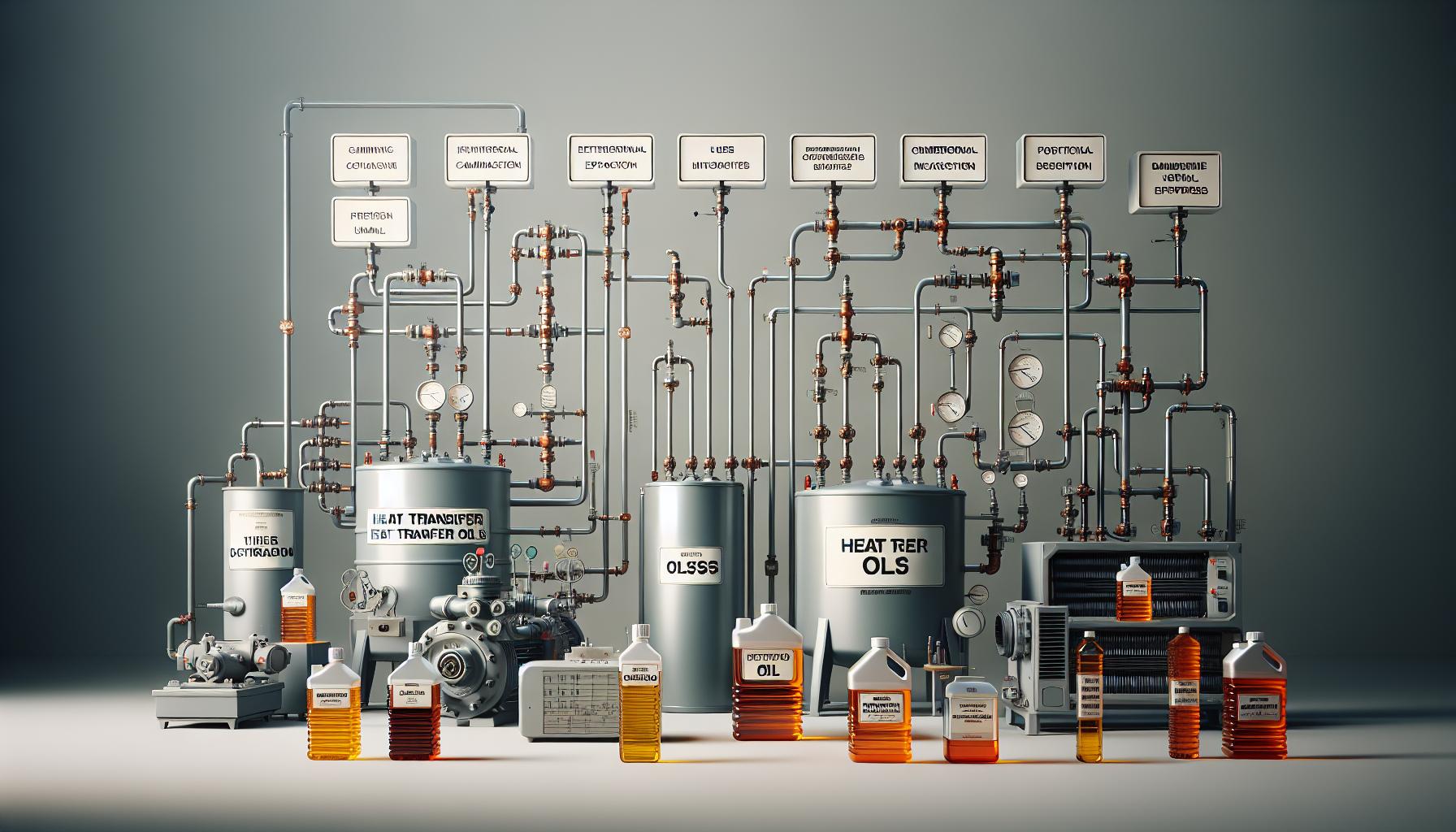
Types of Heat Transfer Oils: A Comparative Guide
In the world of industrial temperature management, the choice of heat transfer oil can significantly affect system efficiency and operational safety. Not all heat transfer oils are created equal; they vary widely in properties, formulation, and applications. Understanding the different types of heat transfer oils available is essential for optimizing your system’s performance and ensuring durability.
Mineral Oils
Mineral oils are a popular choice in many industrial applications due to their broad availability and cost-effectiveness. These oils are derived from refined crude oils and are characterized by good thermal conductivity and stability. However, they typically have a lower thermal range compared to synthetic oils, making them suitable for applications where extreme heat is not a concern.
Synthetic Oils
Designed for high-performance requirements, synthetic heat transfer oils can withstand much higher temperatures and have better thermal stability than their mineral counterparts. They resist oxidation and thermal cracking, which prolongs their operational life. Industries that require precise temperature control, such as pharmaceuticals and aerospace, often favor synthetic oils despite their higher initial cost.
Biodegradable Oils
With increasing environmental concerns, biodegradable heat transfer oils are gaining popularity. These oils are made from natural sources such as vegetable oils and are designed to minimize the ecological footprint. While they may not offer the same thermal efficiencies as synthetic oils, their environmental advantages are significant, especially in industries where spills could pose contamination risks.
Comparison Table
| Type | Thermal Range | Stability | Cost | Environmental Impact |
|---|---|---|---|---|
| Mineral Oils | Up to 300°C | Moderate | Low | Moderate |
| Synthetic Oils | Up to 400°C+ | High | High | Low |
| Biodegradable Oils | Up to 250°C | Variable | Moderate to High | Low |
The selection of the right type of heat transfer oil largely depends on the specific needs of your process, including required temperature ranges, safety considerations, and environmental regulations. By understanding the strengths and limitations of each oil type, you can make informed decisions that align with your operational goals and sustainability practices.
Understanding Heat Transfer Mechanisms
Understanding how heat transfer mechanisms operate is crucial for effectively using heat transfer oils in various industrial applications. At its core, heat transfer involves the movement of thermal energy from one material or medium to another, and this process can occur through conduction, convection, and radiation.
In conduction, heat moves through a material without the bulk movement of the medium itself. For heat transfer oils, this is particularly significant in pipe systems or heat exchangers where the oil directly contacts heated surfaces. The rate of conduction is influenced by the thermal conductivity of the oil-a property that varies among different types of oils. Oils designed for thermal stability and conductivity can enhance the efficiency of heat transfer systems, making them instrumental in applications requiring precise temperature control.
Convection, on the other hand, involves the bulk movement of fluid, in this case, the heat transfer oil, which circulates to transport heat. This can happen in both natural and forced convection systems. In natural convection, the movement occurs due to density differences in the fluid as it warms and cools. Forced convection, commonly seen in systems with pumps or fans, enhances heat transfer rates significantly. A deeper understanding of the heating and cooling cycles within these systems can lead to optimized designs and better energy efficiency.
Lastly, radiation refers to heat transfer through electromagnetic waves. While less relevant for most heat transfer oil applications compared to conduction and convection, it can play a role in high-temperature environments where surfaces radiate heat.
In practice, these heat transfer mechanisms interact within a system, necessitating careful selection and maintenance of heat transfer oils. By understanding these principles, an engineer can better customize oil types and system designs, leading to optimized performance and operational safety. For instance, selecting a synthetic oil with high thermal stability can maximize efficiency in high-heat applications, while opting for biodegradable oils can be beneficial from an ecological standpoint when spills are a concern. Balancing these factors ultimately results in improved reliability and effectiveness in industrial processes.
Factors Influencing Heat Transfer Oil Selection
Selecting the right heat transfer oil for an industrial application is akin to finding the perfect recipe for a dish-every ingredient plays a critical role, and the harmony among them determines the final outcome. Various factors influence this selection process, making it essential for engineers and maintenance professionals to consider specific parameters that align with their operational goals. Understanding these factors can optimize performance, enhance safety, and improve overall efficiency.
Key Considerations for Selecting Heat Transfer Oil
- Temperature Stability: The maximum operating temperature of the system is a prime factor. Heat transfer oils must maintain their physical and chemical properties without breaking down at high temperatures. Synthetic oils often provide better thermal stability compared to mineral oils.
- Viscosity: The oil’s viscosity affects its flow rate and heat transfer efficiency. Lower viscosity oils can reduce pumping costs and improve heat transfer but may not provide adequate lubrication under high-pressure conditions.
- Thermal Conductivity: Oils with high thermal conductivity facilitate more efficient heat transfer. This is particularly crucial in applications requiring quick temperature responses, such as in food processing or chemical manufacturing.
- Chemical Compatibility: Ensure that the chosen oil is compatible with other materials in the system, including seals, gaskets, and thermal management components. Incompatibility can lead to failures and costly downtime.
- Environmental Impact: The ecological footprint of the heat transfer oil is increasingly important. Options such as biodegradable oils may be preferred in environmentally sensitive applications.
Opting for a heat transfer oil also involves assessing the specific needs of the operation, such as the required heat transfer rate and the system’s design. For example, systems with extensive piping may benefit from oils with low viscosity to ensure efficient circulation. Furthermore, regular performance testing and monitoring can help in making informed decisions regarding maintenance and potential replacements.
In conclusion, the selection of heat transfer oil is not a one-size-fits-all process. By evaluating the criteria outlined above and understanding their implications on the operational efficacy, professionals can make informed choices that enhance both productivity and safety in industrial applications.
Environmental Considerations for Heat Transfer Oils
It’s intriguing to consider that the choice of heat transfer oil can significantly impact not only operational efficiency but also the environment. As industries increasingly prioritize sustainability, selecting a heat transfer oil must go beyond performance metrics to include its ecological ramifications. Using environmentally friendly oils not only aids compliance with regulatory standards but also aligns with the growing consumer demand for green practices.
One of the paramount considerations when selecting heat transfer oils is their biodegradability. Traditional mineral oils can pose significant environmental hazards when spilled or improperly disposed of, contaminating soil and water sources. In contrast, biodegradable heat transfer oils, often derived from renewable resources, are designed to break down naturally over time, minimizing their long-term ecological footprint. This shift toward eco-friendly options is not just a trend; regulatory bodies are beginning to impose stricter guidelines on industrial practices, making the adoption of such oils both a responsible and necessary decision.
Another critical aspect is the energy efficiency linked to the heat transfer fluid’s properties. Oils with superior thermal conductivity can lead to lower energy consumption, ultimately reducing greenhouse gas emissions associated with heating processes. Furthermore, the maintenance practices around these oils, such as monitoring for leaks and proper disposal methods, also play a role in mitigating environmental impact. For instance, implementing regular audits and using integrated monitoring systems can help ensure that any potential issues are addressed promptly, thus preventing environmental contamination.
In summary, the environmental considerations surrounding heat transfer oils encompass not only the choice of the fluid itself but also the practices in its management and usage. As organizations strive to enhance their sustainability efforts, focusing on the ecological aspects of heat transfer oils can lead to more responsible operations and a positive contribution to environmental conservation.
Maintenance Best Practices for Heat Transfer Oils
Keeping heat transfer oils in optimal condition is crucial for enhancing performance, extending equipment life, and ensuring safety. Many facilities overlook the significance of regular maintenance, which can lead to costly system failures and inefficient operations. For example, a small leak or contamination unnoticed during routine checks can escalate into a major issue, resulting in unplanned downtimes and financial losses. Here’s how to establish effective .
Regular Monitoring and Testing
Implementing a routine monitoring schedule is the foundation of oil maintenance. Regular sampling, testing, and analyzing the heat transfer fluid’s properties is essential. Key parameters to monitor include viscosity, acidity, and thermal stability. For example, if viscosity levels increase significantly, it may indicate contamination or degradation, prompting corrective action before transfer efficiency diminishes.
Adopting a proactive approach, such as predictive maintenance techniques, allows for the analysis of trends in the fluid’s condition. Such data can guide timely interventions, ultimately reducing maintenance costs and downtime. Consider using automated monitoring systems that provide real-time data on oil performance, helping operators identify potential issues before they escalate.
Contamination Control
Contamination-be it from water, particulate matter, or other oils-can severely disrupt the efficacy of heat transfer systems. Establishing contamination controls is critical. Implementing stringent filtration systems can significantly reduce particulates in the oil. Regularly checking the seal integrity of storage tanks and piping will further help prevent water ingress.
Incorporating the “clean-in-place” (CIP) technique allows for the easy removal of contaminants without requiring complete system shutdowns. Ensuring that maintenance personnel are trained to recognize and address contamination risks can also limit incidents that may harm the system.
Proper Disposal and Changeout Procedures
Eventually, all heat transfer oils will require replacement. Having a clear disposal protocol is essential, as improper disposal can incur environmental liabilities and compliance penalties. Establishing a changeout procedure that involves draining, filtering, and cleaning the system thoroughly before adding new oil is vital. This practice helps to eliminate residue from previous oils, reducing the risk of premature degradation.
Lastly, maintaining thorough records of all maintenance activities is essential for compliance and future reference. Documentation should include test results, maintenance activities, fluid changes, and contamination incidents, providing valuable insights into the operational history of the heat transfer system.
In conclusion, implementing these structured maintenance practices for heat transfer oils not only maximizes operational efficiency but also enhances safety and environmental compliance. By prioritizing regular monitoring, contamination control, and proper disposal practices, facilities can foster a more effective and sustainable operation.
Cost Analysis: Heat Transfer Oil vs. Other Fluids
Cost considerations play a significant role in selecting heat transfer fluids for industrial applications. While heat transfer oils might initially seem more expensive than alternatives, their long-term value often justifies the upfront investment. When comparing heat transfer oils to other fluids, such as water or glycol mixtures, several factors come into play, including thermal efficiency, stability, and maintenance costs.
One of the key advantages of heat transfer oils is their superior thermal stability at high temperatures. This characteristic allows systems to operate efficiently at elevated temperatures without the risk of boiling or degradation, which can lead to costly downtime. In contrast, water-based systems, while cheaper, may require more robust control systems to manage high-pressure steam and higher energy costs associated with maintaining optimal temperatures.
Thermal conductivity also plays a crucial role in the cost analysis. Heat transfer oils often offer better thermal conductivity compared to alternatives, leading to more efficient heat exchange and reduced energy consumption. The energy savings accrued from improved efficiency can offset the higher initial costs over time. To further illustrate, consider the following comparative analysis:
| Fluid Type | Initial Cost per Gallon | Thermal Stability (°F) | Maintenance Cost (Annual) | Energy Savings Potential (% Savings) |
|---|---|---|---|---|
| Heat Transfer Oil | $5.00 | 400+ | $750 | 10-20% |
| Water | $0.50 | 212 | $1,200 | 5-10% |
| Glycol Mixture | $3.00 | 250 | $900 | 5-15% |
In examining long-term viability, the enhanced lifespan of heat transfer oils compared to other fluids significantly influences overall cost efficiency. Heat transfer oils are less prone to corrosion and have lower rates of evaporation, reducing replenishment frequencies and associated costs. Moreover, because they require less frequent replacement and less intensive maintenance routines, facilities can allocate resources more strategically, enhancing overall production efficiency.
Ultimately, the decision between heat transfer oils and other fluids should factor in both initial costs and longer-term operational efficiency. Understanding these dynamics equips decision-makers with the insights necessary to optimize fluid selection, leading to enhanced performance, reduced operational interruptions, and significant cost savings over time.
Safety Considerations in Heat Transfer Oil Usage
Heat transfer oils serve a crucial role in many industrial applications, but their usage comes with inherent safety concerns that must be addressed diligently. One of the most notable hazards is the risk of fire and explosion, particularly when these oils are heated to high temperatures. It’s essential to use fire-resistant or fire-retardant oils when operating in environments where ignition sources are present. Furthermore, adequate ventilation is vital to mitigate the accumulation of flammable vapors. Operators should also be well-versed in the data sheets of the oils in use, ensuring they are familiar with the specific flash points and handling recommendations.
In addition to fire hazards, exposure to heat transfer oils can present health risks. Many commercial oils contain additives that, while enhancing performance, may pose dermal or respiratory hazards. It is important to utilize proper personal protective equipment (PPE), such as gloves, goggles, and protective clothing, to minimize exposure during handling or maintenance operations. Implementing spill management protocols is another critical safety measure. In the event of a leak, swift containment efforts can prevent environmental contamination and reduce slip hazards in the workplace.
Operational Best Practices
To promote a strong safety culture surrounding heat transfer oils, consider implementing systematic training for employees. Regular safety drills and refreshers can enhance awareness of potential hazards and the proper procedures to follow. Additionally, ensuring that safety equipment-like fire extinguishers and spill kits-is always accessible and properly maintained will bolster emergency preparedness.
Implementing comprehensive monitoring systems is also invaluable. Equipment such as temperature sensors can help prevent overheating, while level sensors can monitor fluid levels to avoid dry operation, which may lead to overheating and potential equipment failure. By prioritizing these safety considerations, industrial facilities can harness the benefits of heat transfer oils while safeguarding the well-being of their personnel and the environment.
Future Trends in Heat Transfer Oil Technology
Emerging technologies and industry demands are shaping the future landscape of heat transfer oils, introducing innovative solutions that enhance efficiency, safety, and environmental sustainability. As industries evolve, the need for oils that perform at higher temperatures without degrading and provide better thermal stability is becoming increasingly critical. This demand is driving research into synthetic and bio-based heat transfer fluids, which offer superior performance and longer service life compared to traditional mineral oils.
One of the key trends is the development of environmentally friendly heat transfer oils. These oils are designed to minimize environmental impact through the use of biodegradable ingredients and lower levels of harmful additives. Companies are investing in formulations that not only meet regulatory requirements but also appeal to industries seeking sustainable operations. For instance, several manufacturers are focusing on plant-based esters that offer excellent thermal conductivity and safety profiles, making them suitable for applications in sensitive environments.
Another significant trend is the adoption of smart monitoring technologies integrated with heat transfer systems. The use of sensors and IoT (Internet of Things) technology allows for real-time data collection regarding temperature, viscosity, and oil quality. This proactive approach enables predictive maintenance, reducing downtime and enhancing system efficiency. By implementing automated monitoring systems, companies can quickly identify potential issues before they lead to system failures, thereby saving costs and ensuring uninterrupted operations.
Furthermore, advancements in fire-resistant and non-toxic oil formulations are helping industries operate in safer environments. The focus on safety is prompting manufacturers to innovate oils that can withstand higher temperatures and remain stable without posing significant risks of ignition or release of hazardous fumes. As regulations tighten and industries prioritize worker safety, such developments are vital in maintaining compliance and ensuring the well-being of personnel.
In summary, the future of heat transfer oil technology is characterized by a strong emphasis on sustainability, safety, and efficiency. By embracing innovative formulations and smart technologies, industries can not only enhance their operational performance but also align with global trends towards environmental responsibility and safety compliance.
Q&A
Q: What are the common uses of heat transfer oil in industries?
A: Heat transfer oil is widely used in industries such as chemical manufacturing, petroleum refining, and food processing for temperature-controlled processes. It facilitates effective heat management in applications like extrusion, drying, and heating of equipment. For insights on its industrial applications, refer to the section on Key Industrial Applications.
Q: How does heat transfer oil differ from water as a heat transfer fluid?
A: Heat transfer oil operates at higher temperatures than water, providing better thermal stability and lower volatility. Unlike water, it prevents corrosion and scale formation in systems. For a detailed comparison, see the section on Types of Heat Transfer Oils: A Comparative Guide.
Q: Why is maintenance crucial for heat transfer oil systems?
A: Regular maintenance ensures optimal performance, prevents degradation, and extends the lifespan of heat transfer oil systems. It includes monitoring fluid quality, levels, and system cleanliness. Check out Maintenance Best Practices for Heat Transfer Oils for effective strategies.
Q: When should heat transfer oil be replaced?
A: Heat transfer oil should be replaced when it shows signs of oxidation, high acidity, or particulate contamination. Regular testing every 6-12 months can help determine its condition. For more details, refer to Maintenance Best Practices for Heat Transfer Oils.
Q: What are the environmental impacts of using heat transfer oils?
A: Heat transfer oils can pose environmental risks due to potential leaks or spills. Selecting oils with lower toxicity and better biodegradability can mitigate these risks. For more information, check the section on Environmental Considerations for Heat Transfer Oils.
Q: How do temperature and pressure affect heat transfer oil performance?
A: Higher temperatures can enhance the efficiency of heat transfer oils, but excessive pressure may lead to equipment failure. Properly calibrating your system is essential for avoiding damage. Understanding these factors can be explored further in the Understanding Heat Transfer Mechanisms section.
Q: What safety precautions need to be taken when handling heat transfer oils?
A: Key safety measures include using personal protective equipment (PPE), proper storage, and handling procedures to minimize exposure risks. It’s crucial to follow the Safety Considerations in Heat Transfer Oil Usage guidelines for comprehensive safety protocols.
Q: What are the future trends in heat transfer oil technology?
A: Recent trends include the development of biodegradable oils, improved thermal efficiencies, and advanced monitoring technologies. Staying updated on these innovations in the Future Trends in Heat Transfer Oil Technology section will enhance understanding of industry advancements.
Wrapping Up
In conclusion, understanding heat transfer oil is essential for optimizing industrial operations, enhancing efficiency, and ensuring safety in a range of applications. With its superior thermal stability and performance, heat transfer oil stands out as a critical resource across diverse sectors. Don’t wait to elevate your operations-explore our comprehensive guide on selecting the right heat transfer fluid for your needs and discover the latest innovations in thermal management solutions.
For more insights, check out our articles on the benefits of regular maintenance for heat transfer systems and tips for maximizing energy efficiency in industrial processes. If you have questions, feel free to leave a comment below or reach out for personalized consultation. Join our newsletter for the latest updates and resources that will empower your operations. Your journey towards improved efficiency starts now!
Get our latest guides, news, and insights highlighted in your Google Search & AI Overviews.