
Imagine transforming energy into matter while enhancing precision in nanoparticle concentration-a revolutionary approach that could redefine materials science. “Thermocouple Driven Thermophoretic: Nanoparticle Concentration” explores how the innovative use of thermocouples can precisely control thermal gradients to manipulate nanoparticles, achieving high levels of concentration with minimal aggregation. This technology holds the potential to advance fields from biomedical applications to electronics, addressing common challenges in nanoparticle synthesis and manipulation. As researchers and students alike seek efficient methods to optimize material properties, understanding this technique is crucial. Join us as we dive deeper into the mechanics and applications of thermophoretic manipulation, uncovering how this breakthrough can shape future innovations.
Thermocouples: Principles and Functions in Thermophoretic Applications
Understanding the role of thermocouples in thermophoretic applications reveals their significance in enhancing the efficiency of nanoparticle concentration techniques. Thermocouples, which are devices that measure temperature by converting the temperature difference into an electric voltage, play a critical role in monitoring and controlling temperature gradients. These temperature changes are pivotal in thermophoresis, where particles migrate in response to a temperature gradient, allowing for more efficient separation and concentration of nanoparticles.
In thermophoretic processes, maintaining precise temperature control is essential. Thermocouples can provide real-time feedback, enabling dynamic adjustments to temperature settings. This capability not only ensures optimal conditions for nanoparticle movement but also allows researchers to fine-tune experimental setups for maximum efficiency. The versatility of thermocouples, available in various types like Types K and T, adds to their suitability for diverse applications, ranging from industrial processes to sophisticated laboratory experiments.
One of the primary advantages of using thermocouples in these applications is their rapid response time. Because they provide immediate temperature readings, thermocouples allow for quick adjustments to temperature fluctuations that could disrupt nanoparticle concentration. Furthermore, their ability to perform under high temperature variations makes them particularly valuable in thermophoretic techniques, where precision is crucial for both research and industrial applications.
In summary, the integration of thermocouples into thermophoretic applications not only enhances the measurement and control of temperature gradients but also improves the overall efficiency of nanoparticle concentration methods. With these tools in hand, researchers and practitioners can more effectively harness the principles of thermophoresis to achieve their desired outcomes in various fields, from material science to environmental technology.
Understanding Thermophoresis in Nanoparticle Concentration
The fascinating phenomenon of thermophoresis – the movement of particles in a fluid in response to a temperature gradient – is vital in achieving precise control over nanoparticle concentration techniques. When a temperature difference is established within a medium, particles tend to migrate from cooler regions toward warmer areas. This movement is not just a passive response; rather, it’s intricately linked to the thermal energy of the particles involved. In the context of nanoparticle manipulation, understanding the nuanced behavior of these tiny entities under varying thermal conditions can lead to significant advancements in material science and engineering applications.
Utilizing thermocouples in these processes is crucial, as they can accurately monitor and manage temperature gradients essential for effective thermophoresis. For instance, in experimental settings aiming to separate nanoparticles, consistent temperature measurement provided by thermocouples allows for the fine-tuning of environments to optimize particle movement. The electrical output from thermocouples enables researchers to track minute temperature changes, ensuring that the heat is applied uniformly and effectively throughout the sample. This real-time feedback becomes invaluable when experimenting with diverse types of nanoparticles, which may respond differently to temperature variations due to their size, shape, and material properties.
The interplay between thermophoresis and thermocouple technology exemplifies how precise control can yield high levels of efficiency in nanoparticle concentration. For instance, in practical applications, such as drug delivery systems or catalytic converters, controlling the distribution of nanoparticles can significantly enhance performance and efficacy. The ability to adjust temperatures dynamically ensures that researchers can maintain optimal conditions, pushing the boundaries of what is achievable in thermophoretic techniques. By combining advanced temperature measurement with innovative thermophoresis strategies, new frontiers in nanoparticle applications are being opened, offering solutions to challenges across various industries.
In summary, thermophoresis stands at the forefront of manipulating nanoparticle behavior, with thermocouples acting as critical instruments in this process. By mastering the relationship between temperature gradients and particle movement, industries can unlock new potentials in technology and materials science, paving the way for more effective and efficient applications. This knowledge not only furthers scientific understanding but also catalyzes innovation across multiple fields, addressing real-world challenges with sophisticated solutions.
Key Factors Influencing Nanoparticle Movement
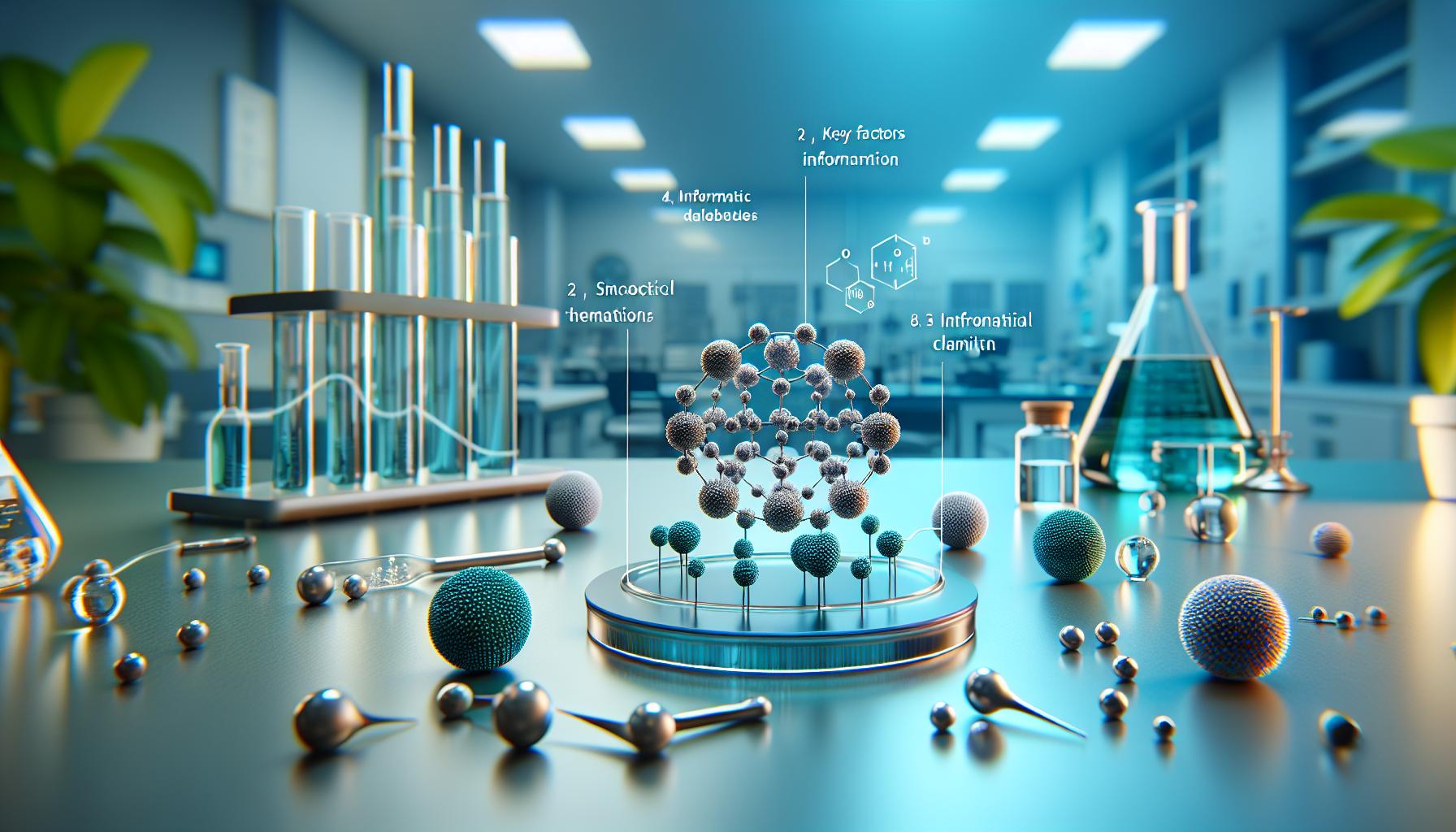
The intricate dance of nanoparticles under the influence of thermal gradients is a fascinating subject, with several critical factors at play. Understanding these key influences is essential for optimizing thermophoretic processes and enhancing the effectiveness of applications ranging from drug delivery to materials engineering.
Firstly, the size and shape of nanoparticles significantly affect their mobility in response to temperature changes. Smaller particles generally exhibit a higher diffusion coefficient, enabling them to move more freely toward warmer areas. Conversely, larger or irregularly shaped nanoparticles may experience more resistance in fluid media, affecting their thermophoretic response. Additionally, the surface properties of nanoparticles-such as hydrophobicity or hydrophilicity-alter their interactions with the surrounding fluid and can impact their overall movement. Research indicates that modifications at the nanoscale, like surface functionalization, can lead to tailored movement characteristics, allowing for more precise control in thermophoretic applications.
Next, the viscosity of the surrounding medium plays a pivotal role in determining how effectively nanoparticles can move in response to thermal gradients. Higher viscosity fluids create greater drag forces on nanoparticles, which can lessen their thermophoretic velocities. In practical scenarios, this means that if researchers are working with a denser fluid medium, adjustments in temperature gradients must be carefully calibrated to compensate for these changes in viscosity, ensuring optimal movement of the nanoparticles.
Another significant factor is the magnitude and gradient of the applied temperature. The steeper the temperature gradient, the stronger the thermophoretic force acting on the nanoparticles. This relationship underscores the importance of precise temperature control, which thermocouples facilitate by providing real-time monitoring of thermal conditions. By maintaining optimal gradients, researchers can dramatically enhance the efficiency of nanoparticle concentration and manipulation processes.
Lastly, interactions between particles themselves cannot be overlooked; these interactions can lead to phenomena such as clustering, which may hinder individual particle movement and impact overall efficiency. The dynamics of these interactions are influenced by both temperature and the concentration of nanoparticles, thus adding another layer of complexity to the thermophoretic behavior.
In summary, mastering the effects of size, shape, fluid viscosity, temperature gradients, and inter-particle interactions is paramount for successfully harnessing thermophoresis in nanoparticle concentration. This comprehensive understanding empowers researchers to develop optimized protocols for various industrial applications, ultimately leading to advancements in fields such as drug delivery and nanotechnology.
Applications of Thermophoretic Techniques in Industry
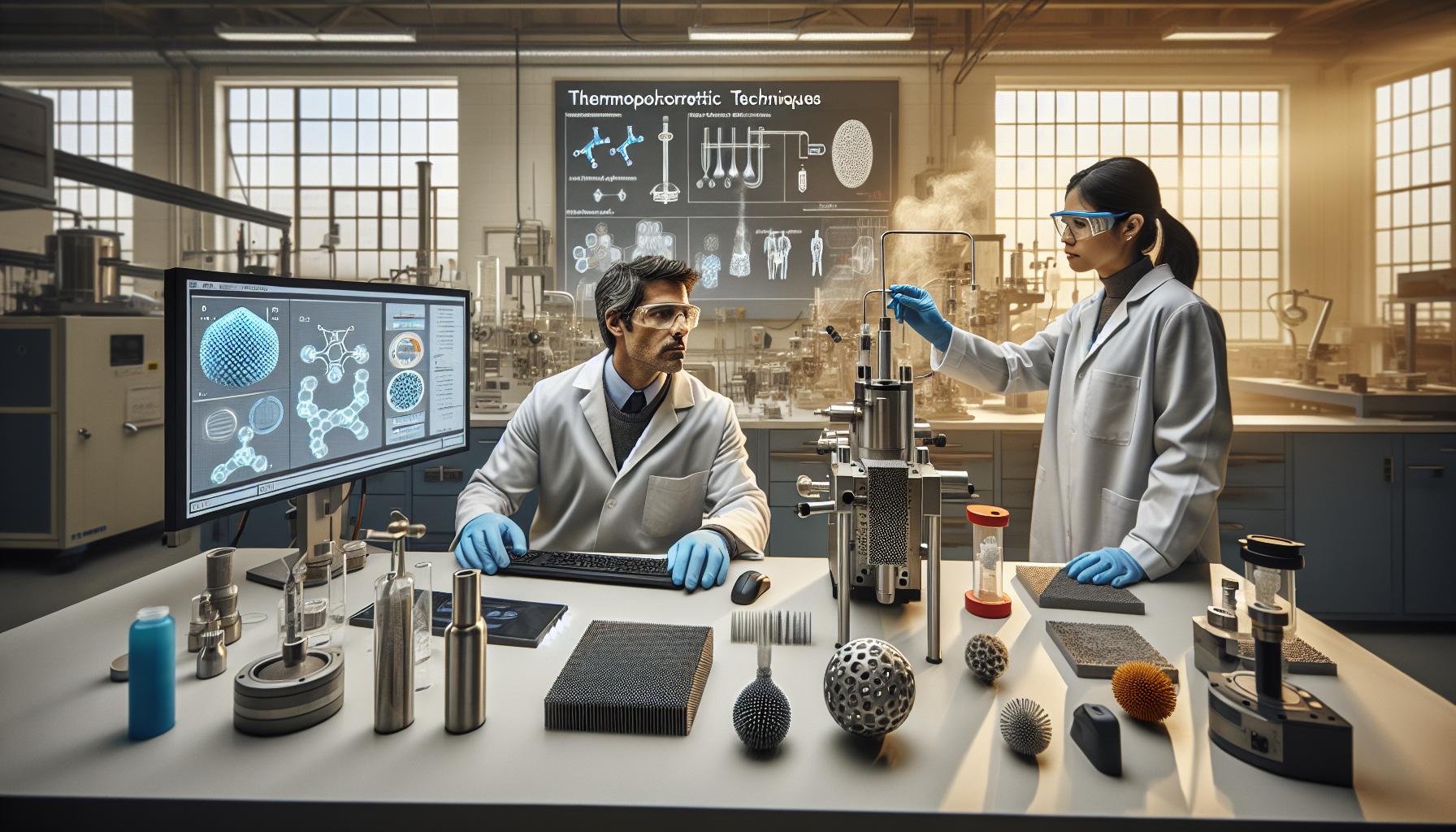
The potential of thermophoretic techniques powered by thermocouples has transformed various industrial processes, making the manipulation and concentration of nanoparticles not only more efficient but also highly precise. Industries ranging from pharmaceuticals to electronics are beginning to integrate this technology, capitalizing on the ability to control thermal gradients precisely. By leveraging these capabilities, companies can enhance their product development, optimize manufacturing processes, and ultimately reduce costs.
In the pharmaceutical industry, for instance, thermophoresis can facilitate the targeted delivery of drugs by efficiently concentrating therapeutic nanoparticles at specific sites within the body. This technique minimizes systemic exposure and maximizes therapeutic efficacy, which is particularly critical in the development of cancer treatments. Researchers utilize thermocouples to monitor and adjust thermal environments in real-time, ensuring that nanoparticles are directed exactly where they are most needed, thus improving treatment outcomes.
Similarly, in the materials science sector, thermophoretic methods are employed to engineer novel composite materials with enhanced properties. By using controlled heating to drive nanoparticle movements, manufacturers can influence the dispersion and alignment of nanoparticles within a matrix. This results in materials that exhibit superior strength, conductivity, or reactivity compared to traditional composites. For example, the production of thermally conductive adhesives can be optimized by precisely controlling the dispersion of conductive nanoparticles, resulting in products that are both lightweight and high-performance.
Automation and Monitoring
A critical advantage of thermocouple-driven thermophoretic systems is the ability to automate concentration processes. By integrating advanced sensors and feedback mechanisms, industries can achieve higher throughput with minimal human intervention. This automation not only increases efficiency but also significantly reduces the risk of human error. For instance, automated systems can adjust temperature gradients in real-time based on particle movement data, ensuring optimal conditions are maintained throughout the process.
Research and Future Applications
The versatility of thermophoretic techniques extends into emerging fields such as nanotechnology and environmental remediation. Researchers are exploring how these methods can be applied to separate contaminants at a nanoscale level, offering innovative solutions for cleanup operations. Future applications may also include the production of self-assembled nanostructures, where thermophoresis aids in the precise arrangement of nanoparticles to create advanced materials with specific functionalities.
In conclusion, the adoption of thermophoretic techniques in various industries heralds a new era of innovation, powered by the precision and adaptability of thermocouple technology. As these methods continue to evolve, they are likely to unlock new possibilities, paving the way for advancements that were previously thought to be unattainable. From improving drug delivery systems to creating high-performance materials, the future of thermophoretic applications looks promising, offering exciting opportunities for researchers and industries alike.
Innovative Methods for Measuring Concentration Levels

In the rapidly evolving field of thermophoretic applications, accurately measuring the concentration levels of nanoparticles is critical for enhancing process efficiency and ensuring product quality. Various innovative methods have emerged that leverage modern technology, particularly thermocouples, to achieve precise concentration measurements. These methods not only automate the process but also provide real-time data, which is vital for making informed adjustments during production.
One of the most effective techniques involves the use of optical density measurements. By shining a laser through a suspension of nanoparticles, the amount of light scattered can be correlated to the concentration of particles present. This approach can be integrated with thermocouple systems that regulate temperature gradients, allowing for adjustments in real time based on observed concentration changes. The integration of automated optical measurement systems with thermal control mechanisms ensures that nanoparticle concentration can be continuously monitored and optimized, reducing waste and increasing yield.
Another notable approach is the application of dynamic light scattering (DLS), which characterizes the size distribution and concentration of nanoparticles in suspension. DLS employs the principle of Brownian motion, where the movement of particles is tracked by the scattering of light. This technique, when combined with thermophoretic methods, allows for the assessment of how thermal gradients influence particle behavior and distribution. By correlating size and concentration data with thermocouple measurements, researchers can gain deeper insights into particle dynamics and the effectiveness of concentration processes.
Moreover, microfluidic devices offer an innovative platform for measuring concentrations with high precision. These devices can incorporate thermocouples to create controlled thermal gradients in small volumes, dramatically enhancing the effectiveness of nanoparticle manipulation. Utilizing integrated sensors within microfluidics, researchers can monitor concentration changes on the micro-scale while adjusting thermal conditions in real time. This combination of microfluidics and thermocouples not only improves measurement accuracy but also enables the scalability of the processes for industrial applications.
To summarize, the integration of modern measurement techniques with thermocouple-driven thermophoretic systems is revolutionizing nanoparticle concentration processes. Methods such as optical density measurements, dynamic light scattering, and microfluidic devices represent a new frontier in ensuring that concentration levels are measured accurately and efficiently. With continuous advancements in these areas, industries can look forward to enhanced capabilities that will empower better product development and manufacturing outcomes.
Comparative Analysis: Thermocouple vs. Traditional Methods
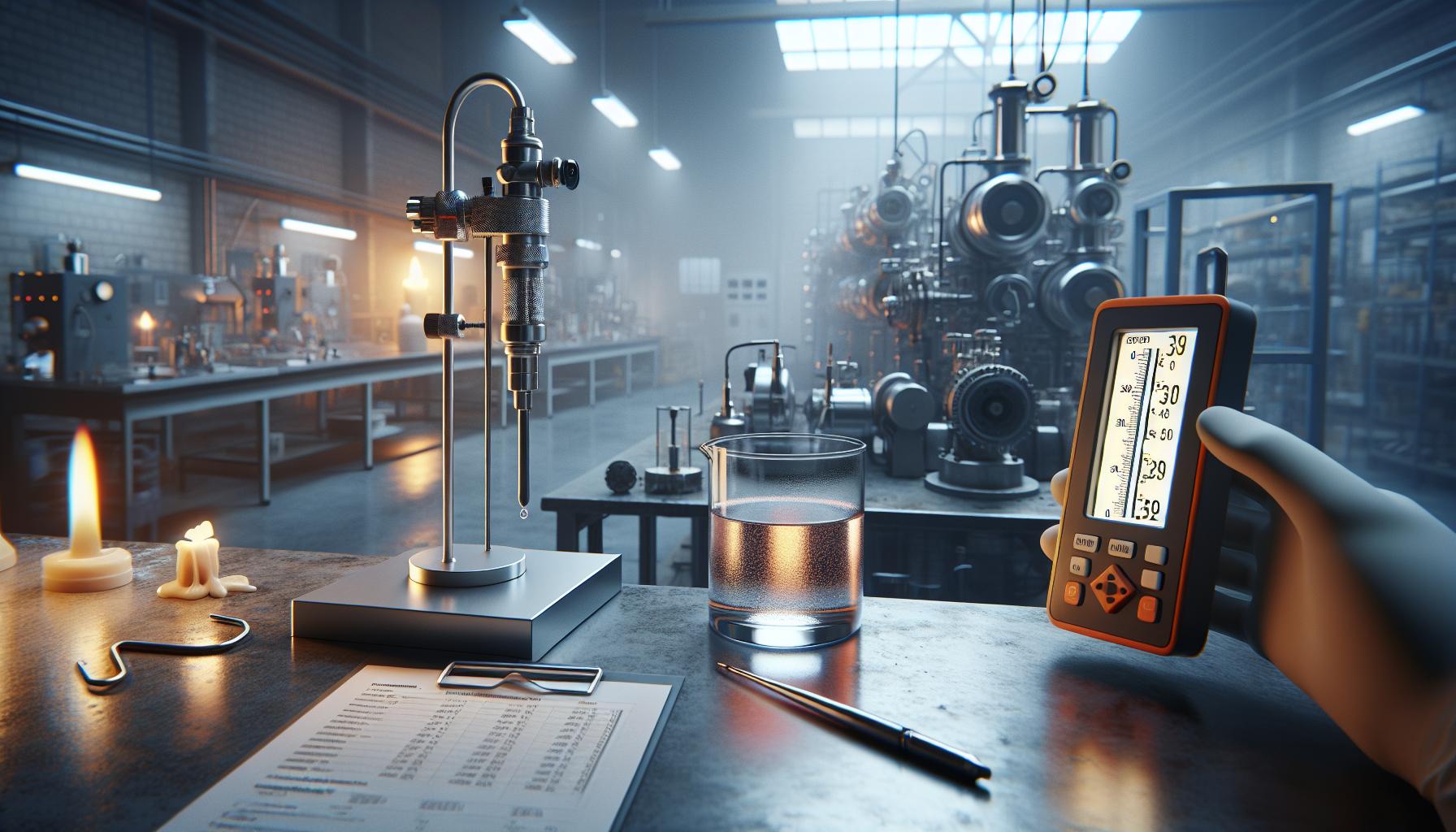
In the quest for precise nanoparticle concentration through thermophoretic techniques, choosing the right measurement method is paramount. Traditional measurement methods, while established, often fall short compared to the advanced capabilities offered by thermocouples. This comparative analysis highlights how the integration of thermocouples enhances measurement accuracy and responsiveness in thermophoretic applications.
One significant advantage of thermocouples lies in their ability to capture rapid temperature changes, which is crucial for effective thermophoresis. Traditional methods, such as resistive temperature devices (RTDs) or thermistors, may have slower response times and could lag in detecting quick temperature fluctuations. This is particularly problematic in dynamic nanoparticle environments where precise temperature gradients facilitate effective concentration. Thermocouples provide almost instantaneous readings due to their simple construction and short thermal mass, enabling real-time adjustments that can significantly improve process outcomes.
Furthermore, thermocouples are highly versatile and can operate across a wide range of temperatures, from cryogenic to high-temperature environments. This adaptability makes them suitable for various applications beyond what traditional methods can handle. For instance, in high-temperature processes or extreme conditions often encountered in industrial settings, thermocouples maintain their measurement integrity, ensuring that nanoparticle dynamics can be accurately monitored without the risk of sensor failure.
Another notable aspect is the integration of thermocouples into modern automated systems. These sensors can seamlessly connect with data acquisition systems, allowing for continuous monitoring and data logging. Traditional methods may require additional equipment or manual data entry, which can introduce errors and slow down the process. In contrast, the digital capabilities of thermocouples can provide a continuous stream of data that is vital for optimization and efficiency in nanoparticle concentration processes.
In summary, while traditional methods have their place, the speed, versatility, and integration potential of thermocouples make them the preferred choice for measuring temperature gradients in thermophoretic applications. As industries look towards optimizing nanoparticle concentration techniques, the transition to thermocouple-driven systems will undoubtedly play a crucial role in enhancing procedure quality and efficiency.
Case Studies: Successful Nanoparticle Concentration Techniques
In the rapidly evolving field of nanoparticle concentration, thermophoretic techniques that utilize thermocouples have demonstrated remarkable success in enhancing process efficiency and precision. One striking example comes from a recent study focused on the synthesis and concentration of silver nanoparticles. In this case, researchers employed a thermocouple-based thermophoretic setup that allowed for real-time monitoring of temperature gradients within the solution. The swift response time of thermocouples enabled them to maintain optimal thermal conditions, thus improving the yield and uniformity of the synthesized nanoparticles significantly.
Real-world applications showcase the versatility of thermocouples in thermophoretic systems. For instance, in a pharmaceutical context, a team aimed to concentrate drug-loaded nanoparticles for targeted delivery. By strategically applying localized heating, they achieved a pronounced thermal gradient that facilitated enhanced movement of the nanoparticles toward the hotter region. This technique not only concentrated the nanoparticles effectively but also maintained their structural integrity, a feat that is crucial for pharmaceutical applications. The integration of thermocouples ensured that any fluctuations in temperature were promptly addressed, allowing for fine-tuning of the process parameters as needed.
Additionally, a project involving the collection of environmental nanomaterials utilized a thermophoretic method driven by thermocouples to capture airborne nanoparticles. By creating a thermal gradient in a capturing medium, the researchers leveraged the thermophoretic effect to attract and concentrate nanoparticles from the air, demonstrating a practical application for environmental monitoring. The thermocouples provided continuous feedback on temperature variations, which was critical for adjusting the setup dynamically in response to changing environmental conditions.
These case studies underline the transformative impact of thermocouple technology on thermophoretic processes. By ensuring precision in temperature management and enabling responsive adjustments, thermocouples not only enhance nanoparticle concentration techniques but also open new avenues for research and industrial applications. As researchers continue to explore these methods, we are likely to see further innovations that harness the power of thermophoresis in various fields, from materials science to environmental engineering.
Challenges and Solutions in Thermocouple-Driven Processes
Maintaining precise temperature control is essential in thermophoretic processes, particularly when dealing with nanoparticles, yet it poses several challenges. One significant issue is the potential for thermal lag, where the response time of thermocouples may not align perfectly with rapid temperature fluctuations within the system. This can lead to inefficient concentration processes, as incorrect temperature readings can misguide the control mechanisms designed to optimize nanoparticle movement.
To mitigate thermal lag, a well-calibrated setup using advanced thermocouple materials can be employed. For example, integrating thermocouples with high thermal conductivity materials improves their response time significantly. Coupled with real-time data analysis and automated control systems, researchers can create a dynamic environment that adjusts heating in response to instantaneous readings. This ensures that temperature gradients remain consistent, enhancing the thermophoretic effect and ensuring effective nanoparticle concentration.
Another challenge arises from the potential for thermoelectric interference, where the junctions of thermocouples may introduce additional noise. This could skew the readings and impact the desired thermal profiles necessary for optimal nanoparticle movement. Utilizing shielding techniques, such as enclosing thermocouples in non-invasive non-conductive materials, protects against such interference. Additionally, implementing robust data filtering techniques can further refine the accuracy of the temperature data collected.
In the context of varying environmental conditions, ensuring temperature stability is vital. Fluctuations in ambient temperature can affect the performance of thermocouples and, consequently, the thermophoretic process. Using insulated chambers that maintain constant temperature environments can significantly improve the reliability of readings from thermocouples. Furthermore, equipping systems with multiple thermocouples placed strategically across the setup allows engineers to better understand temperature gradients, ensuring more effective control over nanoparticle behavior during concentration processes.
By addressing these challenges with innovative solutions, researchers can unlock the full potential of thermocouple-driven thermophoretic techniques for nanoparticle concentration, leading to improved efficiency and effectiveness across various applications.
Future Trends in Thermophoretic Technology
As researchers delve deeper into the fascinating world of nanoparticle concentration, the intersection of thermophoretic techniques and advanced thermocouple technologies paves the way for groundbreaking innovations. One exciting trend is the integration of machine learning algorithms with thermophoretic processes. By leveraging large datasets from temperature and nanoparticle movement, machine learning can enhance predictive modeling and optimize control systems, allowing for real-time adjustments that improve efficiency in concentration processes. This approach not only minimizes thermal lag issues but also refines the control mechanisms to respond precisely to dynamic environmental conditions.
Emerging Materials and Their Impact
Another promising development is the exploration of advanced materials for thermocouples and nanoparticle interaction. Researchers are investigating novel composite materials that offer improved thermal responsiveness and reduced interference from external factors. For instance, nanostructured thermoelectric materials could provide enhanced thermal stability and sensitivity, enabling more accurate temperature monitoring. Furthermore, the use of advanced coatings can mitigate contamination risks and enhance the lifespan of thermocouples, which is particularly critical in prolonged industrial processes.
Miniaturization and Integration
Miniaturization is also a key trend influencing future thermophoretic technologies. The development of microfabricated thermocouples allows for highly localized temperature measurements, which is crucial for understanding temperature gradients at the nanoscale. This precision can significantly improve the effectiveness of thermophoretic techniques, enabling researchers to achieve better control over nanoparticle dynamics. Moreover, integrating thermocouples with microfluidic systems will facilitate the creation of lab-on-a-chip devices, where precise temperature profiles are essential for high-throughput nanoparticle screening and analysis.
Future Applications in Diverse Fields
Looking ahead, the future applications of thermophoretic technologies are vast and diverse. Industries ranging from pharmaceuticals to renewable energy stand to benefit significantly. For instance, in drug delivery systems, fine-tuning nanoparticle concentration through thermophoretic techniques could enhance targeting capabilities, leading to more effective therapies. In the realm of energy, optimizing thermophoretic separation processes could lead to more efficient methods of harvesting materials from waste streams or enhancing the performance of solar cells.
By focusing on these trends, researchers and practitioners can cultivate an environment ripe for innovation, ultimately moving forward to harness the full potential of thermophoretic technology in various applications. The combination of advanced thermocouple integration, novel materials, and evolving methodologies provides an exciting frontier for enhancing nanoparticle concentration techniques, driving efficiencies, and achieving breakthroughs that were once beyond reach.
Exploring Advanced Materials for Enhanced Efficiency
The drive to enhance the efficiency of thermophoretic techniques is increasingly leading researchers to explore advanced materials that can transform how nanoparticle concentration is achieved. At the heart of this innovation is the development of composite materials designed for better thermal responsiveness and reduced environmental interference. For instance, employing nanostructured thermoelectric materials can significantly elevate thermal stability and sensitivity, providing more accurate temperature readings. This precision is crucial in applications where small fluctuations in temperature can yield substantial changes in nanoparticle behavior.
In addition to improving thermal characteristics, the integration of advanced coatings can play a vital role in extending the lifespan of thermocouples used in conjunction with thermophoretic processes. These coatings can safeguard against contamination, ensuring that the measurements remain reliable over extended periods. In environments like industrial production sites, where prolonged exposure to harsh conditions is common, these materials can provide the necessary resilience to ensure consistent performance.
Furthermore, the miniaturization of thermocouples represents a promising frontier in the realm of advanced materials. Microfabricated thermocouples can facilitate highly localized temperature measurements, which are essential for understanding the complex temperature gradients that dictate nanoparticle movement. By offering greater control and specificity in temperature analysis, these miniaturized sensors can refine thermophoretic techniques, enabling better manipulation and concentration of nanoparticles. This is particularly beneficial in applications like drug delivery, where precise control of nanoparticle concentration can enhance targeting accuracy and therapeutic effectiveness.
Overall, the ongoing research into advanced materials for thermocouples promises to bridge the gap between traditional measurement techniques and the dynamic needs of modern thermophoretic applications. By focusing on innovative materials and their unique properties, the field is poised to unlock new potential in nanoparticle manipulation and concentration, driving forward both industrial and academic interests in this exciting area of study.
Safety Considerations in Thermocouple Applications
Ensuring safety in thermocouple applications, particularly in the context of thermophoretic nanoparticle concentration, is critical due to the potential hazards associated with high temperatures and specific chemical interactions in experimental settings. For instance, when nanoparticles are manipulated under varying thermal conditions, there can be risks of overheating, which might lead to equipment failures or, worse, accidents that compromise laboratory safety. As a first step, it’s essential to employ thermocouples that are appropriately rated for the anticipated temperature ranges, minimizing the risk of thermal runaway, where uncontrolled temperature increases can occur.
Proper insulation and protective measures are also pivotal. When using thermocouples in environments with corrosive chemicals or reactive substances, ensuring that the thermocouple is housed in durable, chemically-resistant materials can prevent damage and contamination. Regular checks for proper calibration and wear can significantly reduce the risks associated with inaccurate readings, which can lead to mishandling of materials and unsafe temperature conditions. Additionally, utilizing thermocouples equipped with fail-safes or alarms can provide an extra layer of security, alerting operators to potential overheating or failure incidents before they escalate.
Operational protocols should include comprehensive safety training for all personnel involved in the process. This training should cover the potential hazards of working with thermocouples and nanoparticles, the importance of correct measurement techniques, and emergency procedures in case of an equipment failure. Furthermore, employing protective gear such as gloves and goggles can shield researchers from exposure to hazardous materials or spills.
Incorporating best practices in thermocouple monitoring can lead to enhanced safety and efficiency in thermophoretic processes. Regular maintenance schedules should be implemented to ensure that all equipment is functioning correctly and that safety protocols are being followed. By fostering a culture of safety and continuous improvement, researchers can push the boundaries of nanoparticle concentration techniques while safeguarding the health and well-being of laboratory personnel.
Integrating Thermophoretic Techniques with Emerging Technologies
The intersection of thermophoretic techniques and emerging technologies presents a thrilling frontier for advancing nanoparticle concentration strategies. As researchers continually seek out innovative methods to manipulate and measure nanoparticle behavior in various environments, integrating cutting-edge technologies with established thermophoretic principles can yield groundbreaking results. For instance, the adoption of machine learning algorithms in data collection and analysis can enhance the accuracy of temperature regulation and thermophoretic control, allowing for real-time adjustments based on observed patterns in nanoparticle movement.
Automated Systems and Smart Thermocouples
The integration of automated systems can vastly improve the operational efficiency of thermophoretic processes. Smart thermocouples, equipped with IoT (Internet of Things) capabilities, can transmit temperature data wirelessly to a central monitoring system. This technology allows for continuous oversight, enabling researchers to respond immediately to any deviations from established parameters. By incorporating feedback loops based on thermal readings, automated systems can dynamically adjust heat sources, ensuring optimal conditions for effective nanoparticle concentration. This approach not only minimizes human error but also maximizes experimental reproducibility.
Furthermore, the combination of thermophoretic techniques with microfluidic technologies opens doors to more precise control over nanoparticle environments. In microfluidic devices, customized flow patterns can be developed, facilitating the manipulation of temperature gradients with high spatial resolution. This enhanced precision can lead to significant improvements in the efficiency of concentrating nanoparticles. An example of this can be found in recent studies that utilize thermocouples integrated within microfluidic chips, where researchers can finely tune the thermal gradients to achieve desired nanoparticle distributions in real-time, fundamentally changing how concentration techniques are performed.
Interdisciplinary Collaborations and Future Innovations
Looking ahead, interdisciplinary collaborations will be crucial to pioneering novel methods that leverage both thermophoretic techniques and advanced technologies. The integration of artificial intelligence and big data analytics in the interpretation of thermophoretic data is a promising area of exploration. By analyzing extensive datasets generated from experimentations, AI can uncover trends and relationships that may not be immediately obvious, paving the way for more refined experimental designs and improved efficiency in nanoparticle manufacturing.
Another area ripe for innovation is the development of advanced materials suited for thermocouple applications in harsh environments. Creating thermocouples from new materials, such as graphene or other nanocomposites, could enhance thermal resistance and sensitivity, thereby enriching the thermophoretic capabilities. These advancements would empower researchers to explore extreme conditions, pushing the boundaries of what is feasible in nanoparticle science.
As the integration of thermophoretic techniques evolves alongside emerging technologies, this synergistic approach may well revolutionize the nanoparticle concentration landscape, enhancing both fundamental research and practical applications across industries.
Frequently Asked Questions
Q: What is thermocouple-driven thermophoresis in nanoparticle concentration?
A: Thermocouple-driven thermophoresis uses temperature gradients created by thermocouples to induce movement in nanoparticles. This technique enhances the concentration of nanoparticles by leveraging thermophoretic forces, which cause particles to migrate towards cooler areas, optimizing processes in materials engineering and nanotechnology.
Q: How does temperature affect nanoparticle movement in thermophoresis?
A: In thermophoresis, temperature differences create thermal gradients that influence the motion of nanoparticles. Higher temperatures can increase the kinetic energy of particles, leading to greater diffusion, while cooler areas attract particles, resulting in higher concentration at those sites. Adjusting temperatures can effectively control nanoparticle positioning.
Q: What are common applications of thermophoretic techniques in industry?
A: Thermophoretic techniques find applications in drug delivery systems, environmental remediation, and materials science for enhancing nanoparticle dispersion. Industries use these methods for precise control of particle concentration, improving efficiency in processes like photocatalysis and the development of composite materials.
Q: What advantages do thermocouple-driven methods have over traditional nanoparticle concentration techniques?
A: Thermocouple-driven methods provide greater precision and control over temperature gradients, leading to enhanced efficiency in nanoparticle concentration. Unlike traditional methods, they minimize the disturbance of nanoparticle structures and allow for real-time monitoring, facilitating improved outcomes in nanotechnology applications.
Q: How can the concentration levels of nanoparticles be measured in thermophoretic applications?
A: Concentration levels in thermophoretic applications can be measured using techniques like dynamic light scattering (DLS) or optical microscopy. These methods provide insights into particle size distribution and concentration, allowing researchers to tailor conditions for optimal thermophoretic effects.
Q: What are the challenges of implementing thermocouple-driven thermophoretic processes?
A: Common challenges include precise temperature control and maintaining stable gradients over time, as fluctuations can destabilize nanoparticle suspension. Additionally, achieving uniform nanoparticle distribution requires careful calibration and monitoring of environmental conditions to prevent aggregation.
Q: Are there safety considerations when using thermocouples in thermophoretic techniques?
A: Yes, when using thermocouples, it is essential to ensure they are properly insulated and that materials used are compatible with temperature ranges to prevent hazards. Additionally, handling nanoparticles requires adherence to safety protocols to mitigate exposure risks and environmental impacts.
Q: What future trends are emerging in thermophoretic technology for nanoparticle concentration?
A: Emerging trends include the integration of machine learning to optimize temperature control and concentration processes. Additionally, developments in nanomaterials and composite technologies are likely to enhance the efficiency and effectiveness of thermocouple-driven thermophoretic techniques in various applications.
The Conclusion
In summary, “Thermocouple Driven Thermophoretic: Nanoparticle Concentration” presents a cutting-edge approach to enhancing nanoparticle applications through precise thermal control. This technology not only boosts efficiency but also opens new avenues for research and development. Don’t miss the chance to leverage these advancements in your own work; explore further resources like our comprehensive guides on thermophoretic techniques [link to related content] and nanoparticle synthesis [link to related content].
If you have questions or want to dive deeper, comment below or consider signing up for our newsletter for the latest insights and updates on nanoparticle technology. Remember, the future of thermophoretic applications is bright-stay informed and ahead of the curve! For further engagements, check out our consultation services [link to product page] to see how we can support you in applying these breakthrough technologies effectively. Your next discovery could be just a click away!
Get our latest guides, news, and insights highlighted in your Google Search & AI Overviews.