
Imagine transforming your audio experience with unparalleled clarity and precision. The “Straightline Line Source” technology represents a significant breakthrough in audio engineering, allowing for more accurate sound reproduction across different spaces. This innovation addresses common concerns about sound dispersion and listener experience, ensuring that every note reaches your ears with the utmost fidelity. As we dive into the mechanics and advantages of this technology, you’ll discover how it bridges theoretical audio science with practical applications, enhancing both professional and personal listening environments. Whether you’re a researcher, student, or audio enthusiast, this exploration of the Straightline Line Source will provide you with valuable insights into the future of sound-inviting you to rethink the way you listen.
Understanding the Straightline Line Source Technology
Understanding Straightline Line Source Technology offers a leap into advanced audio delivery systems that are rapidly gaining popularity in both professional and consumer markets. At its core, this technology revolves around a line source setup, which utilizes multiple speaker drivers spaced along a vertical axis. This configuration significantly alters the way sound propagates, creating a more uniform sound field that can be advantageous in various listening environments.
The fundamental principle behind line source technology lies in its ability to reduce the impact of sound reflections and create a more coherent audio experience. Unlike traditional point source speakers, which emit sound from a single location, line source speakers emit sound along an extended line. This setup minimizes the destructive interference that often occurs in point sources, allowing for a clearer and more consistent sound across a wide area. As a result, listeners experience reduced distortion and enhanced clarity, particularly in larger spaces where sound waves can otherwise interact unpredictably.
When comparing this technology to conventional speaker systems, several benefits emerge. Line source speakers often provide better coverage in larger venues, such as concert halls and auditoriums, where sound consistency is paramount. They can maintain sound fidelity over longer distances, ensuring that every audience member receives a similar listening experience regardless of their location. Additionally, these systems tend to handle high sound pressure levels more effectively, offering a new level of dynamic range that can elevate the overall listening experience.
In summary, Straightline Line Source Technology represents a significant advancement in audio systems. By leveraging the physics of sound propagation, it enhances clarity, consistency, and overall performance, making it an invaluable tool for audio professionals and enthusiasts alike. As more users and designers embrace this technology, its applications and innovations in sound engineering continue to expand.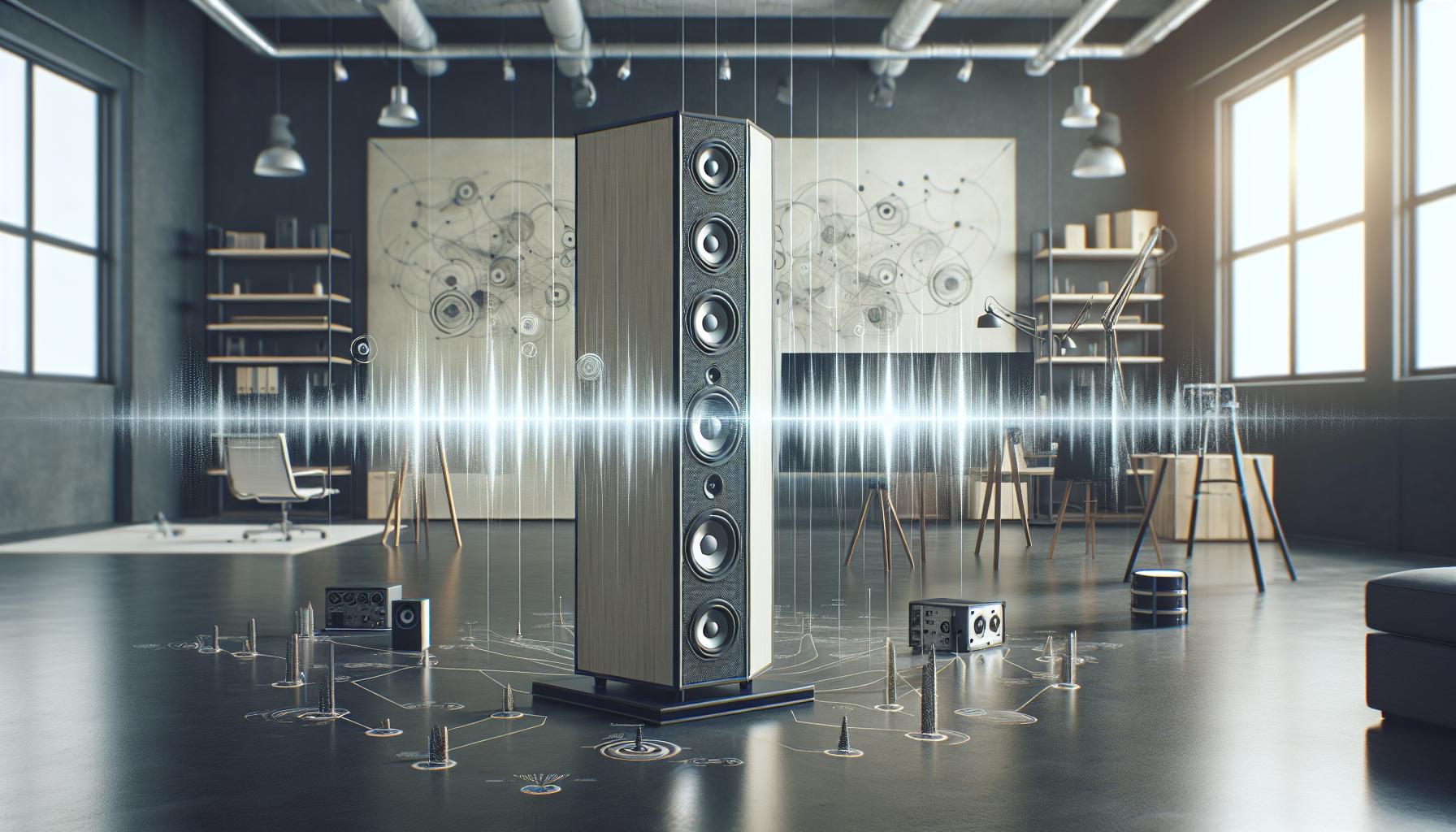
The Science Behind Line Source Audio
The unique design of line source speakers fundamentally alters sound propagation, tackling one of the more persistent challenges in audio engineering-how to maintain consistency and clarity over distance. Traditional point source speakers radiate sound in all directions from a single point, which can lead to uneven coverage, especially in larger spaces where sound may arrive at different times due to reflections and phase cancellation. In contrast, line source technology utilizes a series of drivers aligned vertically, creating a wavefront that spreads sound more uniformly across a broader area. This configuration not only enhances the sound experience for the audience but also reduces the negative effects of the room’s acoustics.
One of the core scientific principles behind line source audio is the phenomenon known as line source radiation. This happens when sound waves travel along the length of the source, making it behave as a continuous wave rather than a series of discrete points. This characteristic minimizes destructive interference, a common issue in point sources where reflections can cause certain frequencies to cancel each other out. The vertical alignment of the drivers means that the sound from each driver combines constructively, leading to improved clarity and reduced distortion. This is particularly beneficial in high-capacity venues like concert halls, where consistent sound quality is paramount for a rich listening experience.
Another aspect of line source technology that warrants discussion is its impact on directivity. Unlike traditional speakers, which often have a wide dispersion pattern, line source configurations allow for better control over the vertical sound coverage while maintaining a broader horizontal dispersion. This means that sound engineers can strategically place these systems to achieve optimal performance without being as susceptible to the challenges of room acoustics. This control over sound directionality not only enhances the performance in live settings but also paves the way for innovative applications in residential audio systems, where users seek minimal interference from environmental factors.
In summary, the scientific underpinnings of line source audio illustrate a remarkable shift in how sound can be delivered and experienced. By harnessing the principles of wave propagation and soundfield coherence, line source technology provides exceptional clarity and uniformity that is quickly becoming sought after in both professional and consumer audio setups. As this technology evolves, it offers exciting possibilities for future applications, promising to redefine audio experiences across various environments.
Benefits of Straightline Line Source Systems
The innovation of straightline line source systems revolutionizes how sound is delivered, addressing long-standing acoustic challenges with unprecedented efficacy. The primary advantage lies in their *ability to maintain consistent sound quality over large distances*. Unlike traditional speakers that emit sound from a single point, line source systems utilize arrays of vertically aligned drivers. This configuration generates a wavefront that radiates sound more uniformly, ensuring that every listener in a venue, whether at the front row or the balcony, experiences similarly rich audio.
Uniform Coverage and Clarity
One of the standout benefits of straightline technology is its remarkable *uniform coverage*. In large spaces like auditoriums or concert halls, uneven sound levels can distract from the auditory experience. With straightline systems, the vertical orientation of drivers reduces phase cancellation, which is a common problem with point sources that leads to varying sound intensity and clarity at different distances. By minimizing destructive interference, straightline line source systems enhance sound fidelity, providing a more immersive experience for all attendees.
Enhanced Control Over Sound Direction
Another compelling advantage is the *control over directivity* that straightline systems provide. The design allows for narrow vertical dispersion while maintaining broader horizontal coverage, facilitating precise sound placement. This is particularly beneficial in environments where sound engineers need to overcome challenging acoustic conditions, such as reflections from walls or ceilings. By strategically placing these systems, engineers can achieve optimal performance, directing sound exactly where it is needed without suffering from the unwanted effects of room reverberation.
Scalability and Flexibility
Moreover, straightline line source systems are scalable, catering to a variety of applications-from intimate venues to expansive festival stages. Their flexibility allows audio professionals to customize setups according to venue shape and size, thus maximizing acoustic performance. This characteristic makes straightline systems not only suitable for live events but also for installations in places like theaters, houses of worship, and corporate settings, providing a versatile solution for diverse audio needs.
In summary, the benefits offered by straightline line source technology are substantial, ranging from improved audio clarity and uniform sound distribution to enhanced structural versatility. By leveraging these advanced acoustic properties, audio engineers can deliver superior sound experiences that resonate with audiences, making this technology a preferred choice for both live and installed sound applications.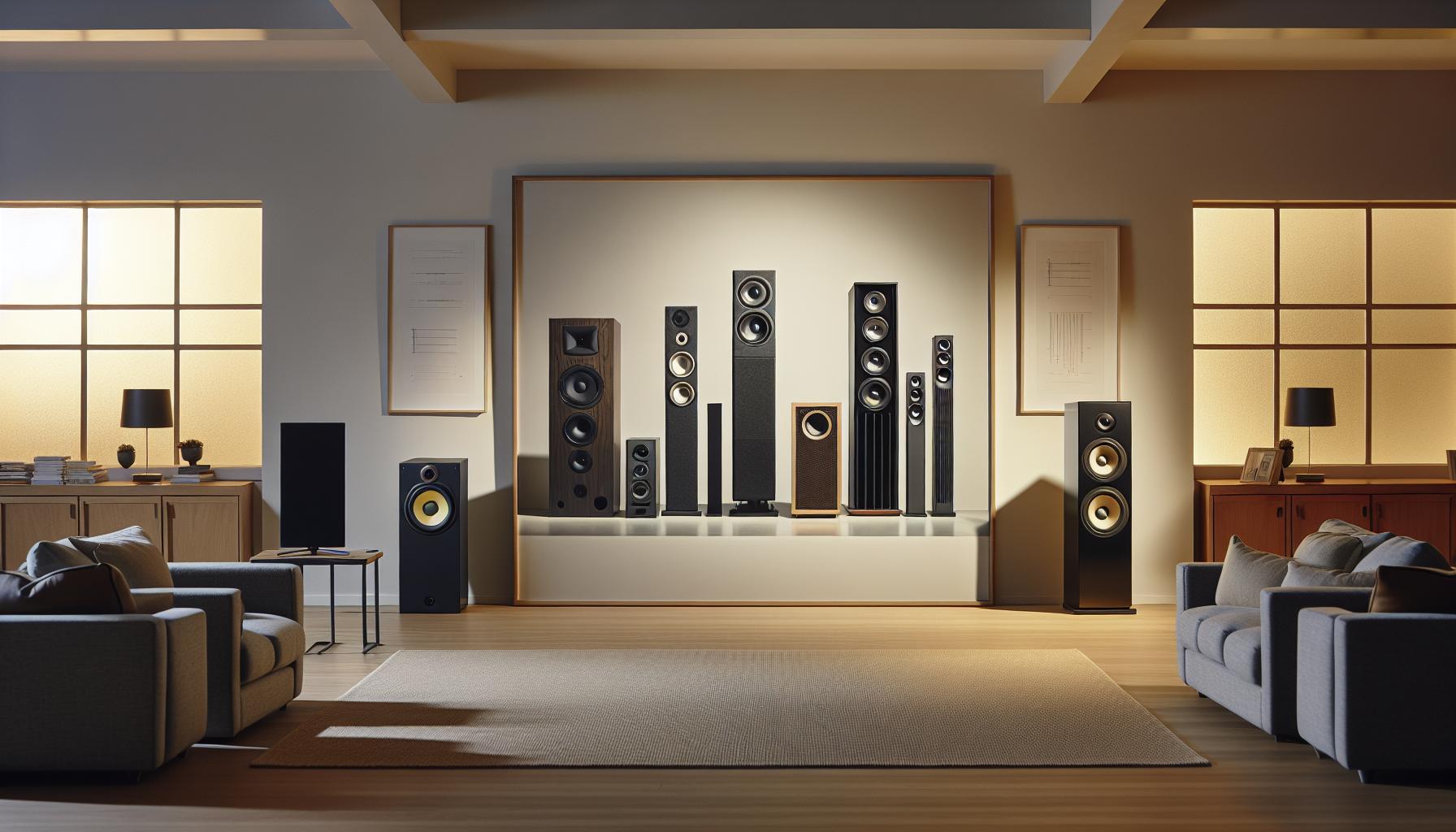
Comparing Traditional vs. Line Source Speakers
In the world of audio technology, the differences between traditional speakers and line source speakers can be quite striking. Traditional speakers typically use a point-source design, with sound emanating from a single location. This configuration leads to challenges such as uneven sound distribution and phase cancellation, especially in larger spaces. On the other hand, line source speakers utilize arrays of vertically arranged drivers, which create a more uniform sound wavefront. This breakthrough design not only overcomes the limitations associated with point-source systems but also enhances the listening experience significantly.
One of the most notable comparisons lies in sound dispersion. Traditional speakers often exhibit wide horizontal dispersion and limited vertical control, which can cause variations in sound levels. For example, in a concert hall, attendees seated far from the stage may struggle to hear certain frequencies clearly, while others close to the speakers might find the sound overwhelming. In contrast, line source systems maintain a narrow vertical dispersion and broader horizontal coverage, directing sound more effectively to all listeners regardless of their positioning. This means that whether you’re seated at the back of a venue or up close, the audio will be consistent and clear.
Moreover, the scalability and placement flexibility of line source speakers make them a game-changing option for audio professionals. They can be stacked or flown in various configurations to suit multiple types of venues, from intimate theaters to expansive outdoor festivals. This adaptability allows sound engineers to cater to specific acoustic challenges more effectively than traditional systems, which often require cumbersome adjustments or multiple units to achieve similar results. The improved control over directivity means that sound can be placed precisely where it’s needed, dramatically reducing unwanted room reflections and enhancing the overall quality of the performance.
In addition to these advantages, line source systems also offer better power handling and reduced distortion at higher volumes. Because they spread sound over a larger area, they can maintain sound quality even at elevated levels, which is crucial during live events where dynamics can fluctuate dramatically. This technological edge makes line source systems increasingly popular among sound engineers who demand reliability and exceptional sound fidelity in their setups. Ultimately, the choice between traditional and line source speakers can significantly impact the effectiveness of sound delivery in any audio setup, making it essential for audio professionals to understand these distinctions.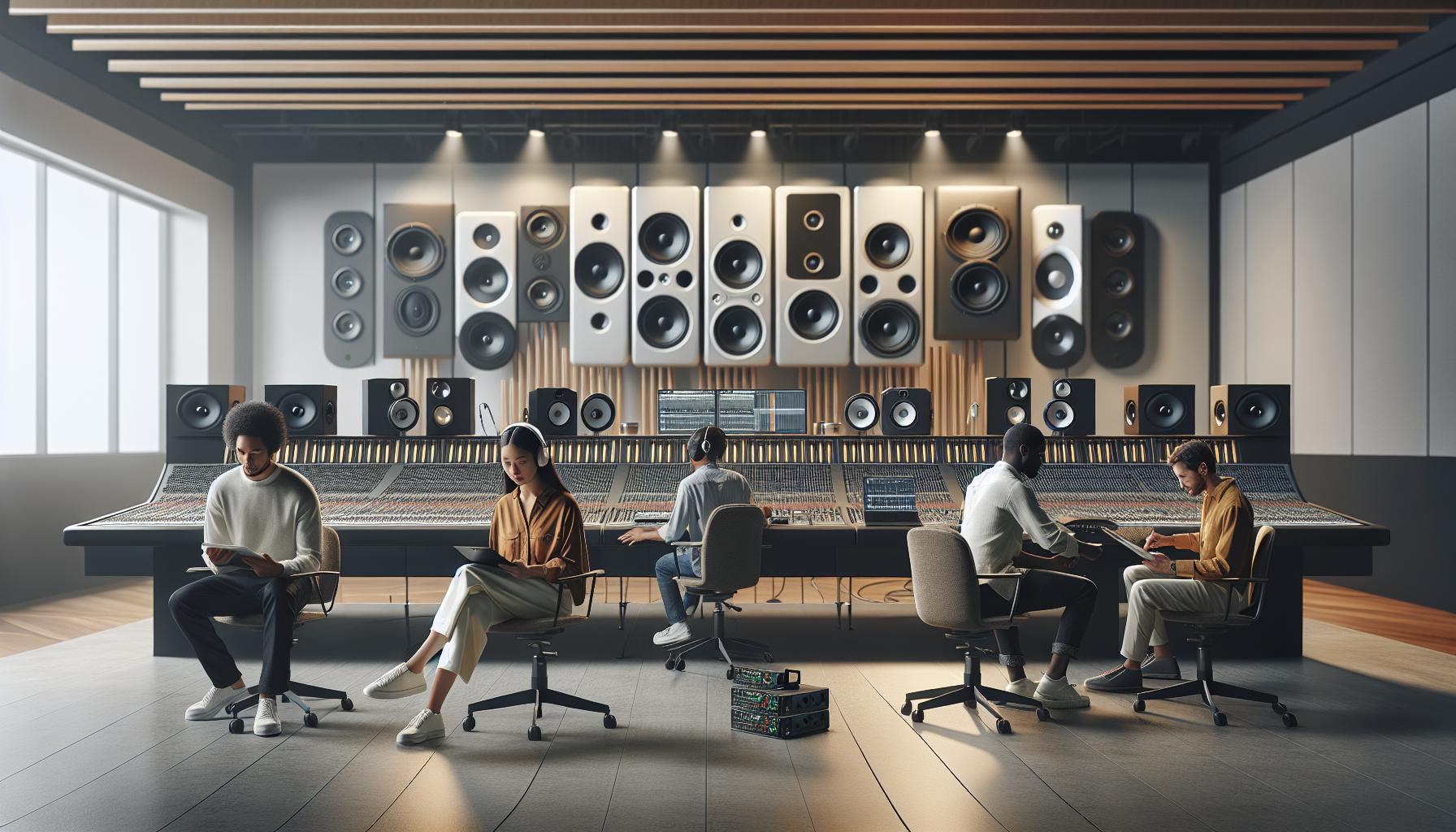
Applications of Straightline Line Source in Audio Design
In the realm of audio design, the versatility of straightline line source technology has sparked innovative advancements across various applications. From live sound reinforcement to installed sound systems in theaters and conference halls, this technology is redefining how sound is produced and distributed. Straightline line source speakers excel in environments where uniform sound coverage and precise control are paramount, making them a preferred choice for sound engineers seeking to deliver exceptional audio experiences.
One primary application of straightline line source systems is in concert venues and large auditoriums. These environments benefit significantly from the speakers’ narrow vertical dispersion. This characteristic minimizes reflections from ceilings and floors, which can cause phase issues and uneven audio playback. The broad horizontal coverage, on the other hand, ensures that audiences positioned both near and far from speakers receive balanced audio levels. For example, at a major concert, line source systems can deliver clear sound to thousands without the “hot spots” or dead zones typical of traditional point-source speakers.
Integration in Installed Sound Systems
Straightline technology is equally valuable in fixed installations such as theaters and conference rooms. Here, precise control over sound directionality is crucial. By deploying line source systems, audio professionals can avoid unwanted reverberation and achieve great vocal clarity, making presentations more impactful. These systems can be tailored to fit the acoustics of a specific space, allowing for seamless integration with architectural designs. For instance, a leading cultural center utilized straightline line source systems to enhance their acoustic performance during spoken-word events, resulting in significantly improved audience engagement and satisfaction.
Enhancing Live Events
Moreover, the scalability of line source speakers provides substantial advantages for outdoor events and festivals. Sound engineers can create scalable arrays that adapt to the varying requirements of different venues, whether they are small outdoor stages or large festival grounds. This adaptability allows for dynamic configurations that optimize sound coverage, ensuring that every attendee, regardless of their location, receives the same high-quality audio experience. Notably, during a recent outdoor music festival, engineers deployed straightline technology to deliver consistent audio quality across multiple stages, showcasing its capability to handle diverse performances.
The applications of straightline line source technology exemplify how integrating sophisticated audio solutions can transform the listening experience. With capabilities that address common challenges in sound distribution, these systems not only enhance the fidelity of live performances but also create engaging environments for all listeners. By embracing this technology, audio professionals can push the boundaries of sound design, creating immersive experiences that resonate with audiences across various settings.
How Straightline Technology Enhances Sound Quality
When exploring , it’s essential to recognize the fundamental principles of its design. Unlike traditional speakers, which often produce sound from a single point, straightline line source systems leverage a continuous line of drivers. This configuration allows for more efficient phase and timing management across frequencies, resulting in a notably clearer audio output.
One of the most significant advantages of line source systems is their narrow vertical dispersion. This characteristic minimizes unwanted reflections and reverberations from surrounding surfaces, such as floors and ceilings. These reflections can muddy the sound and create phase cancellation issues, where certain frequencies are amplified while others are diminished. By focusing sound projection in a specific direction, line source speakers ensure that the audio remains consistent and intelligible, significantly enhancing clarity. This aspect is particularly crucial in venues like theaters or concert halls, where every detail of a performance needs to be audible to all patrons, irrespective of where they sit.
Moreover, the technology’s broad horizontal coverage complements its vertical precision. Audience members positioned throughout the space experience balanced sound levels, thanks to the uniform distribution of audio waves. This consistency helps eliminate dead zones-areas with weak sound-often associated with conventional point-source speakers. For instance, during a live event, this means that attendees in the back rows receive the same high-quality audio as those nearer to the stage, creating a cohesive listening experience.
Optimizing Sound Experience
Straightline technology also allows for scalability in audio setups, making it easier to design systems for various event sizes and types. Whether implementing a large array for an outdoor festival or compact installations for intimate performances, audio engineers can customize configurations to suit specific acoustic environments. This adaptability not only enhances sound quality but also provides professionals with the tools needed to address unique challenges posed by different venues.
In summary, straightline technology elevates sound quality through its innovative design that enhances clarity, consistency, and adaptability. By minimizing phase issues and enabling precise sound direction, these systems transform how audiences engage with live performances, ensuring that every nuance is heard and appreciated. Through these advancements, audio professionals can deliver unprecedented auditory experiences that resonate powerfully, enhancing both the enjoyment and impact of sound.
Challenges and Limitations of Line Source Systems
The implementation of straightline line source systems revolutionizes audio delivery, but it does not come without its challenges and limitations. Understanding these obstacles is critical for audio professionals seeking to leverage this technology effectively.
One significant challenge lies in the precise installation and alignment of line source arrays. Unlike traditional speakers, which can often be placed in various configurations with some tolerance for positioning, line source systems require meticulous attention to detail. The drivers in a line source array must be positioned accurately within specified angles to ensure optimal sound dispersion and phase alignment. Even slight misalignment can lead to noticeable sound unevenness and degradation of audio quality. As such, extensive calibration and a deep understanding of acoustics are necessary-skills that not all technicians may possess.
Another limitation is the increased complexity and cost of deployment. Line source systems often require more sophisticated rigging and mounting solutions compared to conventional speakers. This can necessitate additional investment in equipment and skilled labor for setup. Moreover, due to their physical dimensions, these systems may not be suitable for smaller venues where space is limited. In such cases, traditional point-source speakers may still be the more practical choice.
Sound Reflection and Environment Challenges
While line source systems minimize vertical dispersion to reduce reflections, they are not immune to atmospheric conditions and environmental acoustics. Sound waves can still be affected by various surfaces, which can impact performance. For example, high ceilings and reflective surfaces can introduce echoes and standing waves, complicating the ideal sound distribution that these systems strive for. This can be particularly problematic in mixed-use spaces that are not specifically designed for optimal acoustics.
Finally, users should be aware of the tonal balance when deploying line source systems. While these systems excel in clarity and directionality, they may require more equalization adjustments compared to traditional systems. Achieving the desired warmth and fullness of sound takes careful planning and setup, particularly in varied acoustic environments. As such, an understanding of both the strengths and limitations of line source technology is crucial to achieving the best possible audio experience.
Installation and Setup Guide for Line Source Speakers
Setting up line source speakers is a meticulous process that requires both precision and an understanding of acoustical principles. Unlike traditional speakers, which can be relatively forgiving in terms of positioning, line source arrays rely on careful alignment to achieve optimal performance. The first step in installation is determining the optimal placement in your venue. This involves assessing the listening environment, including audience layout and the potential for sound reflections. Line source systems are designed to minimize vertical dispersion, so mounting them at the correct height and angle is crucial.
Once you have chosen the installation points, it’s important to employ suitable rigging solutions to ensure that the systems are securely mounted. Many line source setups use adjustable rigging hardware, allowing for fine-tuning of the speaker array’s tilt and orientation. A typical setup may look like this:
- Mounting points identified: Consideration of both aesthetic and acoustic impact.
- Rigging kit assessed: Ensure all components meet weight and size specifications of the speakers.
- Safety checks performed: Confirm that all rigging is secured before use.
After mounting, aligning the speakers for phase coherence is the next critical step. Use measurement tools or software to evaluate the phase alignment and adjust as necessary. This often requires live testing with acoustic measurement tools to verify that sound waves are combining correctly, ensuring an even dispersion of sound across the audience area. The goal is to achieve a unified sound field, which may require iterations of adjustments to get it right.
Continuous calibration is key. Start with basic equalization based on the room’s specific acoustics and any feedback from test audiences. Remember that while line source systems excel in directing sound where it’s needed, they can also require more frequent adjustments to maintain tonal balance across different events. Employing a professional acoustic engineer during this stage can greatly enhance the system’s setup and sound quality. This expertise helps in identifying issues like early reflections or dead spots that might not be immediately obvious.
Finally, regular maintenance and recalibration checks will ensure your line source system consistently performs at its best, adapting to any changes in the venue or usage patterns. This proactive approach not only extends the life of your investment but also guarantees that your audience experiences the high-quality sound that line source technology is capable of delivering.
Innovative Use Cases and Real-World Examples
The versatility of line source technology has led to innovative applications that extend beyond traditional audio setups, showcasing its ability to adapt to various environments and requirements. For instance, line array systems are increasingly used in large-scale concerts and festivals. These systems are capable of delivering a uniform sound field over vast distances, which is essential for outdoor venues where audience members are dispersed across a wide area. A prime example is the use of line source arrays in major music festivals like Coachella, where managing sound quality across expansive crowds is critical. The design allows for focused sound projection, resulting in a clear and impactful listening experience from any point in the audience.
Moreover, corporate events and conference settings have started to embrace line source technology to enhance speech intelligibility and musical performances. In large auditoriums or convention centers, traditional point-source speakers often struggle with sound consistency across the room. Line source arrays, however, minimize issues such as feedback and phase cancellations, ensuring that every attendee receives the same quality of audio. In a notable instance, a company utilized a line source system for a product launch presentation, allowing for crystal-clear audio that kept the audience engaged, regardless of their seating position.
Architectural Integration in Public Spaces
The blend of aesthetics and functionality is evident in the adoption of line source speakers within architectural designs. Urban plazas, shopping malls, and transportation hubs have integrated these systems elegantly, providing ambient sound without disrupting the visual appeal of the space. For example, a major city’s transit authority installed a concealed line source array within the ceiling of a busy station. This choice not only improved the auditory environment for commuters but also maintained the architectural integrity of the modern design. The system effectively delivers announcements and ambient music while minimizing sound spill into adjacent areas, enhancing the overall experience for visitors.
In the realm of worship spaces, line source technology has transformed traditional audio setups. Houses of worship often face acoustic challenges due to varied architectural features. By employing line source arrays, these venues can achieve better sound distribution, ensuring that congregational singing and spoken words resonate clearly throughout the building. An example includes a recently renovated church that replaced its conventional sound system with a line source solution, resulting in an increase in engagement and a more inclusive worship experience for all attendees.
Through these diverse applications, it’s clear that line source technology is not just an advancement in audio engineering; it’s reshaping how we experience sound in various environments. The ability to consistently deliver high-quality audio across both large and nuanced spaces illustrates the way this technology bridges the gap between technical performance and real-world usability.
Future Trends in Audio Technology with Line Source
The auditory landscape is evolving rapidly, and straightline line source technology is at the forefront of this innovation. With increasing focus on immersive and precise sound experiences, future trends in audio technology are likely to reflect a stronger integration of line source systems into everyday life. These systems not only promise improvements in sound quality but also bring new capabilities that are redefining how we perceive and interact with audio.
One of the notable trends is the advancement of digital signal processing (DSP) which is being paired with line source technology. Enhanced algorithms allow for better control over sound dispersion and frequency response, leading to customized audio experiences tailored to specific environments. For example, in venues like theaters or concert halls, real-time adjustments can optimize acoustics based on audience placement and environmental acoustics. The inclusion of machine learning in DSP is set to further refine these adjustments, providing even more personalized audio outputs that adapt dynamically to changing conditions.
Additionally, as the Internet of Things (IoT) continues to permeate various sectors, line source systems are being designed to communicate with other smart devices. This connectivity enables not just personal audio experiences in homes and offices but also highly efficient sound management in public spaces. Consider urban planning initiatives where smart line source systems could work with environmental sensors to adjust audio levels based on nearby noise levels, ensuring a pleasant experience in bustling city areas or parks.
Wireless and Aesthetic Innovations
Another exciting direction is the move towards wireless line source systems. The proliferation of wireless technology is making it possible to deploy line source arrays without the clutter of cables, facilitating cleaner installations in spaces where aesthetics matter. Wireless capabilities will not only simplify setups but also allow for more flexible configurations that can be adjusted to better fit the acoustics of any given space.
Furthermore, advances in materials science are leading to the development of more attractive designs for line source speakers that can blend seamlessly into their environments. Manufacturers are beginning to incorporate innovative materials that enhance not just sound quality but also visual design, integrating speakers into architectural features without compromising on functionality. The potential for these systems to be visually appealing, while still delivering exceptional audio performance, opens up new realms for installations in both commercial and residential settings.
In summary, the future of audio technology with straightline line source systems promises an exciting shift towards greater personalization, adaptability, and aesthetic harmony. As these systems become smarter and more integrated into our environments, they will redefine our auditory experiences, making sound not just heard but felt and experienced in profoundly meaningful ways.
User Feedback: Experiences with Straightline Technology
User experiences with straightline technology reveal a transformative impact on sound systems across various environments. Many users frequently highlight the distinct clarity and coherence of sound provided by line source speakers, particularly in larger venues such as concert halls and auditoriums. Unlike traditional point-source speakers, which can produce sound that varies in quality depending on the listener’s position, line source systems deliver a more uniform sound field. This consistency allows for an immersive listening experience, even in acoustically challenging spaces.
Moreover, technical professionals involved in installation often share their thoughts on the flexibility and scalability of straightline systems. The ability to adapt configurations to suit different environments-be it a corporate event, performance space, or public installation-has been praised extensively. Users appreciate how these systems can be seamlessly integrated into architectural designs, allowing for installations that are not only functional but also visually appealing. The minimalistic aesthetic, along with the wireless options now available, means that sound solutions can be implemented without compromising a space’s design integrity.
In practical applications, feedback from event organizers consistently underscores how line source technology enhances audience engagement through its superior sound dispersion. Attendees often comment on their immersive experience during performances where every seat feels like the best in the house. This uniformity ensures everyone in the venue enjoys the same high-quality audio, making events more enjoyable and memorable.
While many users are enthusiastic about the benefits, some have noted challenges as well. For instance, the installation complexity can be higher compared to traditional systems, and the initial investment may be more substantial. However, most professionals argue that the long-term benefits-such as reduced maintenance costs and energy efficiency-ultimately outweigh these initial concerns. Overall, feedback indicates a strong user satisfaction with straightline technology, affirming its evolving role as a cornerstone in modern audio design.
Expert Insights: Interviews with Audio Engineers
The advent of line source technology in audio systems has transformed the landscape of sound reinforcement, particularly in large venues. To glean deeper insights, we spoke with several audio engineers who have embraced this innovation. One profound observation they shared is the enhanced consistency of sound. Unlike traditional point-source speakers that can create dead zones or areas with diminished audio quality, line source arrays project sound uniformly over a wider area. This ability ensures that attendees experience a similar auditory quality, regardless of their seating position-a crucial factor in settings like concert halls and theaters.
The Configuration Advantage
Engineers also emphasized the versatility of line source systems. In practice, these setups can be expanded easily to fit different space requirements. For instance, when configuring a system for a corporate event or live performance, audio engineers can adjust the number of line array elements based on the venue size and acoustic characteristics. This adaptability not only improves sound distribution but also minimizes the amount of equipment needed, making setup more efficient. One engineer shared a success story from a recent festival where they were able to cover a sprawling outdoor area with significantly fewer speakers than would have been required using a conventional system.
Real-World Insights and Tips
When discussing challenges, the engineers highlighted the installation complexity associated with line source arrays. While these systems can deliver superior sound, they often require precise positioning and angling to achieve optimal performance. An experienced technician advised that thorough training for installation teams is essential. This commitment to understanding the nuances of line source technology can greatly enhance installation outcomes. Engineers also suggested using simulation software to visualize sound propagation and refine setups before physical installation, which can save time and resources on-site.
Moreover, as line source technology evolves, a growing trend among audio professionals is the integration of smart ergonomics in the design of these systems. Engineers are looking at how user-friendly interfaces and wireless connectivity can simplify both operation and adjustment during events. This forward-thinking approach reflects an overall trend in audio technology towards not only better sound but also improved usability for professionals.
By considering these expert perspectives, readers can appreciate the multifaceted benefits of line source technology while also understanding the practical implications of its use in diverse audio applications. This blend of theoretical knowledge and practical insight empowers users to make informed decisions in their own audio projects, whether for personal use or professional deployment.
Faq
Q: What is Straightline Line Source audio technology?
A: Straightline Line Source audio technology uses a unique speaker design that minimizes sound dispersion and controls the sound wave propagation. This results in a more coherent waveform and improved sound quality across the listening area. By reducing phase issues and enhancing directivity, it offers a superior auditory experience compared to traditional speakers.
Q: How does Straightline Line Source technology improve sound quality?
A: The technology enhances sound quality by aligning the sound waves along a straight line, which reduces distortion and phase cancellation. This alignment allows for a clearer sound reproduction, ensuring that all listeners receive a consistent audio experience regardless of their position in the room.
Q: What are the key benefits of using Straightline Line Source systems?
A: Key benefits of Straightline Line Source systems include improved sound clarity, greater coverage area, and reduced feedback. These systems effectively manage sound distribution, which allows for a consistent listening experience, ideal for large venues such as theaters and concert halls.
Q: Where can Straightline Line Source technology be applied?
A: Straightline Line Source technology is applicable in various environments, including concert halls, theaters, and auditoriums. Its design is beneficial for live sound reinforcement, where clear audio delivery to large audiences is essential, as discussed in the Applications of Straightline Line Source in Audio Design section.
Q: What challenges are associated with Straightline Line Source systems?
A: Challenges of Straightline Line Source systems include their complex installation requirements and the need for precise calibration to maintain performance. These systems also typically require more space compared to traditional speakers, which can limit their use in smaller venues, as noted in the Challenges and Limitations of Line Source Systems section.
Q: How do Straightline Line Source speakers compare with traditional speakers?
A: Straightline Line Source speakers differ from traditional speakers by offering enhanced directivity and sound consistency. While traditional speakers may provide uneven sound distribution, line source systems focus the sound energy more efficiently, resulting in less interference and a more immersive listening experience.
Q: What innovations have emerged in Straightline Line Source technology?
A: Recent innovations in Straightline Line Source technology include advanced materials for speaker components that enhance sound fidelity and integrations with smart audio systems. These developments aim to further improve the adaptability and efficiency of audio delivery in various environments, as described in the Future Trends in Audio Technology with Line Source section.
Q: When is the best time to consider upgrading to a Straightline Line Source system?
A: Upgrading to a Straightline Line Source system is best considered when there is a need for improved audio quality in larger venues or if existing systems fail to provide even sound coverage. If your audio needs have grown or you’re experiencing feedback issues, it’s a significant upgrade worth considering.
In Conclusion
Thank you for exploring the “Straightline Line Source: Audio Technology Breakthrough.” We hope you found valuable insights into how this innovative technology can reshape audio experiences. If you’re curious about practical applications, check out our article on advanced audio setups to see the technique in action, or dive into our guide on enhancing sound quality in various environments for more tips.
Don’t miss out on how you can stay ahead in audio tech-subscribe for our newsletter to receive the latest updates and exclusive content directly to your inbox! If you have questions or wish to share your experiences, please leave a comment below, and feel free to explore our other resources on audio solutions and technology innovations. Your journey into the world of cutting-edge audio technology is just beginning, and we’re excited to be part of it.
Get our latest guides, news, and insights highlighted in your Google Search & AI Overviews.