
Acoustic Wave Therapy (AWT) is generating considerable interest as a non-invasive treatment option for a range of medical conditions, from chronic pain to erectile dysfunction. This innovative technique uses sound waves to stimulate healing and promote tissue regeneration. If you’ve been grappling with persistent health issues or are curious about alternative therapies, understanding AWT’s clinical effectiveness could be pivotal for your wellness journey. In this exploration, we dive into the latest research and clinical results, shedding light on how AWT works, its applications, and what you can realistically expect. Join us as we unravel the science behind this groundbreaking therapy and its potential to transform lives.
Understanding Acoustic Wave Therapy Fundamentals
Acoustic Wave Therapy (AWT) is rapidly gaining recognition as a non-invasive alternative treatment for various conditions, leveraging the power of sound waves to stimulate healing and promote regeneration in targeted tissues. At its core, AWT utilizes low-intensity sound waves, or pressure waves, which penetrate the skin and reach the deeper layers of tissue. This innovative approach can address multiple health concerns, including cellulite reduction, musculoskeletal pain, and even erectile dysfunction. By understanding the fundamentals of AWT, patients can make informed decisions about their treatment options.
The mechanics of AWT are fascinating. When the sound waves are applied, they create micro-traumas in the tissues, which the body interprets as an injury, prompting a natural healing response. This process enhances blood circulation, promotes the release of growth factors, and encourages cellular repair and regeneration. Many healthcare practitioners find that this treatment not only alleviates pain but also improves the texture and elasticity of the skin, providing both functional and aesthetic benefits. The relationship between the physical mechanism and the therapeutic outcomes makes AWT a compelling choice for patients seeking effective alternatives.
Moreover, the versatility of AWT extends its application beyond just one field. For instance, in sports medicine, athletes use AWT for faster recovery from injuries, while dermatologists employ it primarily for cosmetic enhancements, such as improving skin laxity. As more practitioners adopt this therapy, a growing body of clinical studies is emerging to validate its effectiveness, offering promising results that encourage further exploration into its capabilities. As readers explore AWT, they should remain engaged with ongoing research and patient testimonials to better understand how this treatment can fit into their own health journeys.
In summary, understanding the fundamentals of Acoustic Wave Therapy reveals its significant potential as a treatment option. With its unique mechanism of action, applications across various medical fields, and increasing support from clinical evidence, AWT stands at the forefront of non-invasive therapies, marrying cutting-edge technology with practical health solutions. As this field continues to evolve, further insights and developments will undoubtedly enhance our understanding of how sound waves can revolutionize healing.
Mechanism of Action: How Acoustic Wave Therapy Works
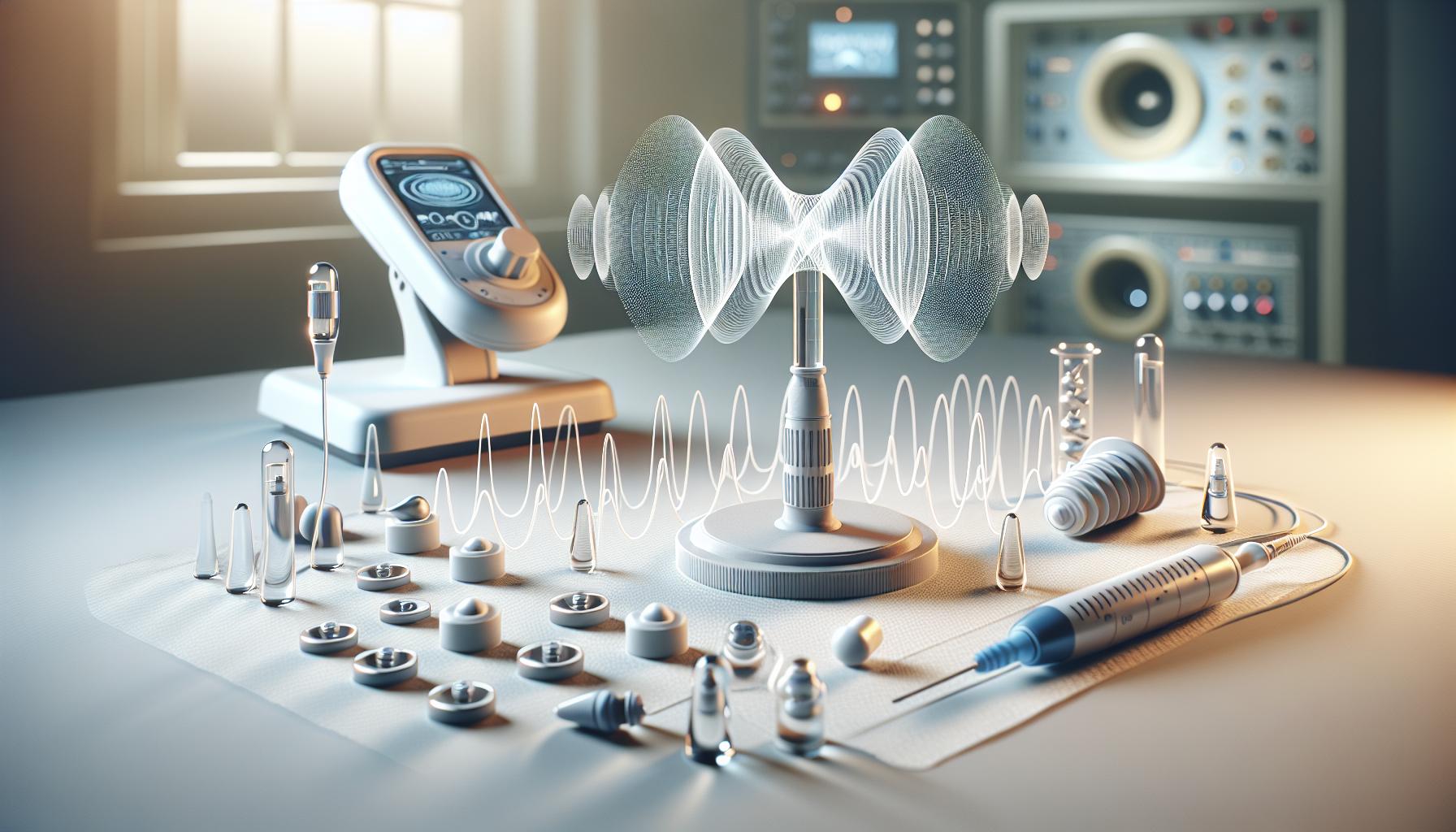
When exploring the efficacy of Acoustic Wave Therapy (AWT), it’s crucial to grasp how this innovative treatment works at a physiological level. AWT utilizes low-intensity sound waves, or acoustic waves, to penetrate the skin and activate cellular processes that facilitate healing and regeneration. This non-invasive approach involves generating high-frequency sound waves that create controlled micro-traumas in the targeted tissues. While this might sound counterintuitive, these micro-traumas stimulate the body’s natural healing mechanisms, promoting regeneration in the treated areas.
Understanding the Process
The application of acoustic waves leads to an increase in local blood circulation and the release of growth factors. This surge in blood flow helps nourish the affected tissues, effectively bringing more oxygen and nutrients crucial for repair. In addition, the micro-traumas instigate a process known as mechanotransduction, where cells convert mechanical stimuli into biochemical signals, ultimately enhancing cellular repair and proliferation.
Moreover, AWT has been found to enhance the production of collagen, a vital protein responsible for skin elasticity and strength. As collagen levels rise, improvements in skin texture and firmness can be observed, making AWT popular not only for pain management but also for cosmetic applications, such as reducing cellulite and improving skin laxity.
Practical Applications
A key aspect of AWT’s mechanism lies in its versatility. For instance, in sports medicine, athletes often turn to AWT to expedite recovery from injuries by reducing inflammation and pain. The therapy is equally relevant in urology, where it addresses erectile dysfunction by revitalizing blood flow to the pelvic area. Such broad applications underscore the treatment’s potential effectiveness across various health concerns.
The relationship between the mechanistic action of AWT and its therapeutic results is becoming increasingly well-documented through clinical studies. These investigations are critical for understanding not just whether AWT works, but how it fits into the broader landscape of treatment modalities. As more practitioners incorporate this tool into their practices, ongoing research will further illuminate the comprehensive benefits of acoustic wave therapy, consolidating its place as a cutting-edge, non-invasive treatment option.
Clinical Studies: Evidence Supporting Efficacy

Research into Acoustic Wave Therapy (AWT) has been gaining momentum, resulting in a growing body of evidence that underscores its efficacy for various applications, notably in pain management, sports medicine, and cosmetic treatments. Clinical studies have shown promising results, demonstrating not only the safety of AWT but also its significant therapeutic benefits. For instance, a systematic review published in a reputable medical journal examined multiple studies and found that AWT can effectively reduce pain in conditions like plantar fasciitis and tendinopathy, reinforcing its role as a viable alternative to more invasive treatments.
One notable study focused on the use of AWT for cellulite reduction. Participants receiving the therapy reported noticeable improvements in skin texture and firmness after a series of sessions. The researchers noted increases in collagen and elastin production, which are critical for maintaining skin elasticity. This evidence suggests that AWT does not merely mask symptoms but may address underlying physiological issues, thereby promoting long-lasting change in affected tissues.
In sports medicine, AWT has demonstrated effectiveness in promoting quicker recovery times for athletes. A randomized controlled trial highlighted reductions in time to return to play for athletes recovering from muscle injuries. The study concluded that the therapy could aid in reducing inflammation and enhancing blood circulation in injured areas, facilitating a faster healing process. These findings position AWT as a crucial tool for rehabilitation protocols in competitive sports, offering athletes a non-invasive option to regain their performance levels quickly.
Overall, the clinical findings surrounding Acoustic Wave Therapy provide a robust foundation for its application across diverse medical fields. As more practitioners adopt this treatment and additional studies continue to expand the evidence pool, AWT is likely to solidify its reputation as a cutting-edge, effective therapy that combines safety with significant therapeutic outcomes.
Comparative Analysis: Acoustic Wave vs. Other Therapies
Acoustic Wave Therapy (AWT) is rapidly gaining attention as a non-invasive treatment option, but how does it stack up against other therapies like physical therapy, corticosteroid injections, and surgical interventions? Understanding these comparisons can help patients make informed decisions about their treatment options.
One of the most significant advantages of AWT is its non-invasive nature. Unlike surgical procedures that require anesthesia and involve longer recovery times, AWT typically requires no downtime. Patients can return to their normal activities immediately after treatment. In contrast, physical therapy might require a more extended commitment of time and effort, with variably successful outcomes depending on the individual’s condition and compliance. Corticosteroid injections may provide rapid relief but come with risks such as infection and tissue damage if overused, and they do not address the underlying issues causing pain.
When we consider effectiveness, recent clinical studies suggest that AWT can be particularly beneficial for conditions like tendonitis and plantar fasciitis, often yielding comparable, if not superior, results to traditional therapies. In a randomized controlled trial, AWT not only reduced pain but also improved function in patients, paralleling the results of corticosteroids without the associated risks. AWT promotes the body’s natural healing process by stimulating blood flow and collagen production, leading to sustainable long-term benefits.
Furthermore, in the realm of cosmetic applications, AWT has emerged as a powerful alternative to more invasive techniques like liposuction or laser treatments for cellulite reduction. While traditional methods can involve significant discomfort and recovery time, AWT offers patients a gentler experience with noticeable results. This versatility broadens its appeal, aligning with the growing demand for treatments that prioritize safety and satisfaction.
In summary, Acoustic Wave Therapy presents an exciting option that challenges conventional treatment paradigms, particularly for musculoskeletal and cosmetic issues, providing a blend of safety, effectiveness, and patient satisfaction. As research continues to validate its use, AWT is poised to become an integral part of therapeutic protocols across diverse medical fields.
Patient Experiences: Testimonials and Case Studies
The stories of individuals who have undergone Acoustic Wave Therapy (AWT) reveal a fascinating spectrum of experiences, emphasizing its impact on both physical recovery and emotional well-being. One particularly striking testimonial comes from a 45-year-old former athlete suffering from chronic tendonitis. After several sessions of AWT, she reported a substantial decrease in pain levels, allowing her to return to her favorite activities, including running and playing tennis. Describing the treatment as “gentle yet effective,” she noted that the visible improvement in her mobility also boosted her overall mood, highlighting the therapy’s dual benefits of physical relief and emotional uplift.
Other patients have shared similar encouraging outcomes in combating cosmetic issues like cellulite. A 38-year-old mother of two, who struggled with the appearance of cellulite post-pregnancy, documented her experience with AWT on social media. After her treatment sessions, she expressed amazement at the notable reduction in the dimpled appearance of her skin, stating, “I feel more confident in shorts and swimsuits than I have in years.” This sentiment reflects a broader theme in patient responses; many report not just aesthetic improvements but also an enhanced quality of life and self-esteem.
In clinical settings, case studies have supported these anecdotal accounts with empirical evidence. For instance, a small pilot study evaluated the effects of AWT on patients suffering from plantar fasciitis. Participants recorded their pain levels before and after treatment, revealing a significant decrease in discomfort and improved function, reinforcing the potential of AWT as a viable non-invasive treatment option. These findings resonate deeply with a considerable number of individuals seeking alternative therapies that minimize surgical risks and downtime.
Ultimately, the testimonials and case studies surrounding Acoustic Wave Therapy paint a compelling picture of its efficacy. Patients not only relish the physical alleviation of chronic conditions but also enjoy psychological benefits stemming from improved self-image and life satisfaction. As awareness of AWT grows, it continues to emerge as a promising alternative in both medical and aesthetic realms, with many eager to share their positive outcomes.
Safety and Side Effects of Acoustic Wave Therapy
Acoustic Wave Therapy (AWT) is increasingly recognized for its therapeutic benefits, but like any medical treatment, understanding its safety profile is crucial for potential users. Generally regarded as a safe option, AWT utilizes sound waves to stimulate healing in various tissues without the need for invasive procedures. However, even non-invasive therapies can come with certain side effects that patients should be aware of before embarking on their treatment journey.
Among the most common side effects reported are mild discomfort and transient skin reactions. Patients may experience slight soreness in the treatment area, akin to a post-exercise sensation, which typically subsides within hours to a few days. Skin reactions such as redness or swelling can occur, usually resolving quickly without intervention. Rarely, some individuals may report bruising after treatment, particularly if they have sensitive skin or existing conditions such as varicose veins. These side effects are generally minor and tend to diminish swiftly, allowing most patients to resume their daily activities almost immediately.
Managing Potential Risks
While significant complications from AWT are uncommon, a few precautions can help mitigate any risks. For instance, individuals taking blood thinners should consult with their healthcare provider prior to undergoing AWT, as this can increase the likelihood of bruising. Moreover, patients with specific health concerns, including severe skin conditions or recent surgical sites in the area to be treated, should disclose these to their therapist during the initial consultation. A thorough assessment ensures that AWT is appropriate for their unique health status and expectations.
Ultimately, the low incidence of serious side effects makes Acoustic Wave Therapy an attractive option for those seeking non-invasive relief from conditions like chronic pain, cellulite, and skin rejuvenation. Understanding both the safety profile and the potential side effects helps patients make informed decisions about their treatment options, positioning them to harness the benefits of this innovative therapy with confidence.
Ideal Candidates: Who Can Benefit Most?
Individuals seeking non-invasive alternatives for pain relief, skin rejuvenation, or cellulite reduction may find Acoustic Wave Therapy (AWT) to be an effective option. AWT appeals particularly to those who prefer treatments without needles, surgery, or significant downtime. The therapy’s application of sound waves stimulates the body’s healing processes, making it a suitable choice for various conditions.
Chronic Pain and Injuries
Patients suffering from chronic pain conditions, such as tendonitis or plantar fasciitis, can significantly benefit from AWT. Studies have indicated that the therapy can reduce inflammation and promote tissue repair, leading to noticeable pain relief. Athletes recovering from soft tissue injuries have also reported positive outcomes, as AWT encourages faster healing by boosting blood flow to affected areas.
Cosmetic Enhancements
Also, those looking for cosmetic enhancements without invasive procedures are ideal candidates for AWT. This includes individuals dealing with the appearance of cellulite or wishing to tighten skin for a more youthful look. Many patients have seen improvements in skin texture and firmness following a series of AWT sessions, providing a non-surgical option for aesthetic concerns.
Considerations for Specific Health Conditions
However, not everyone is an ideal candidate. Those with certain conditions should approach AWT with caution. For example, individuals with severe skin disorders, recent surgical sites, or those on blood thinners should consult with their healthcare provider before commencing treatment. A thorough evaluation ensures that AWT aligns with the patient’s health status and treatment goals, maximizing the potential benefits while minimizing risks.
In summary, AWT stands out as a versatile therapy option for diverse patient populations-offering promising benefits for those with chronic pain and aesthetic concerns. Yet, it is vital for potential candidates to engage in open discussions with their healthcare providers to determine the best approach to their treatment needs.
Treatment Protocols: Session Duration and Frequency
Acoustic Wave Therapy (AWT) is becoming increasingly popular as an efficient treatment for both chronic pain and cosmetic concerns, yet many potential patients wonder about the specifics of treatment protocols, including session duration and frequency. Understanding these protocols is crucial for setting realistic expectations and optimizing outcomes.
Most AWT sessions typically last between 30 to 60 minutes, depending on the target area and the specific device used. During this time, trained practitioners apply pressure waves to the targeted tissues using a handheld device. It’s essential for patients to be comfortable during the session, and many report feeling only a mild, tolerable discomfort as the waves penetrate the skin. Providers often customize the intensity of treatment based on the individual’s response and specific health conditions.
For optimal results, treatment frequency usually ranges from once to twice a week for a series of 4 to 12 sessions. Those seeking relief from chronic pain conditions may benefit from a more intensive regimen initially, gradually shifting to maintenance sessions after significant improvements are achieved. For cosmetic enhancements like cellulite reduction or skin tightening, a standard course could involve more frequent sessions in the beginning, tapering off as results become evident. Regularly scheduled follow-ups can help maintain benefits and monitor any ongoing issues.
It’s also worth noting that individual factors such as age, the severity of the condition, and personal health history can influence the recommended treatment plan. As always, it’s critical for patients to discuss their goals and concerns with their healthcare provider to develop a personalized protocol that maximizes the benefits of AWT while ensuring safety and efficacy.
In summary, understanding the treatment protocols associated with Acoustic Wave Therapy can empower patients to take an active role in their healing journey, paving the way for better outcomes and satisfaction with the therapy.
Cost Considerations: Is it Worth the Investment?
Acoustic Wave Therapy (AWT) presents a compelling avenue for those seeking non-invasive treatment options for various ailments, yet a recurring query among potential patients is whether it justifies the financial investment. With costs typically ranging from $300 to $500 per session and several treatments often recommended for maximum effectiveness, understanding the long-term value of AWT is crucial for informed decision-making.
One of the key factors to consider is the potential for AWT to eliminate or significantly reduce the need for more invasive and expensive treatments. For patients dealing with chronic pain, erectile dysfunction, or cosmetic issues, AWT could be a cost-effective solution compared to ongoing medication, surgical interventions, or prolonged physical therapy sessions. In many cases, achieving sustained relief or improvement in quality of life from AWT can outweigh the initial investment.
Moreover, patient testimonials often highlight the swift recovery and increased mobility resulting from AWT, enhancing daily life more quickly than traditional treatment options. Patients have reported lasting benefits from a typically shorter series of AWT sessions, potentially alleviating future healthcare costs associated with more intensive therapies. For instance, individuals seeking treatment for conditions like plantar fasciitis or tendon injuries may find they return to normal activities faster with AWT, suggesting that the upfront cost could yield significant savings in both time and additional medical expenses.
Value Beyond Cost
The benefits of AWT extend beyond immediate financial considerations. Many patients experience enhanced wellbeing and satisfaction, factors that are challenging to quantify but impactful nonetheless. When evaluating whether AWT is worth the investment, potential patients should also consider these qualitative outcomes:
- Improved Quality of Life: Faster recovery times can lead to a quicker return to normal activities, thereby enhancing daily living.
- Non-Invasive Nature: AWT avoids the risks and recovery times associated with surgical procedures, making it a safer alternative for many.
- Minimal Side Effects: Compared to medications or surgical interventions, the side effects of AWT are generally mild and temporary, which can be a significant consideration for those wary of pharmaceutical treatments.
Ultimately, determining the worth of Acoustic Wave Therapy should involve a careful assessment of personal health goals, the extent of the condition being treated, and consultation with healthcare providers to create an effective treatment plan. By weighing the costs against the potential health benefits, individuals can make a more informed choice about whether AWT is an investment worth making for their specific needs and circumstances.
Emerging Research: Future Directions in Acoustic Wave Therapy
The landscape of Acoustic Wave Therapy (AWT) is evolving rapidly, with ongoing research uncovering new applications and enhancing our understanding of how this innovative treatment works. Central to this evolution is the exploration of AWT beyond its traditional uses in musculoskeletal conditions and cosmetic enhancements. Emerging studies are investigating the therapeutic potential of AWT in various fields, particularly in regenerative medicine and pain management. As researchers hone in on the underlying mechanisms of AWT, we are beginning to see exciting possibilities that may redefine its role in clinical practice.
One promising avenue of research focuses on the application of AWT in tissue regeneration and healing. Investigations are examining its effects on stem cell mobilization and tissue vascularization. Early findings suggest that AWT can enhance the recruitment of progenitor cells to damaged tissues, potentially accelerating recovery processes in conditions such as chronic wounds or soft tissue injuries. For instance, studies have indicated improved outcomes in patients with diabetic foot ulcers treated with AWT, highlighting its regenerative capabilities. This could lead to broader adoption of AWT in orthopedics, sports medicine, and even aesthetic procedures where enhanced healing is desired.
Moreover, collaborative efforts among researchers, clinicians, and engineers are paving the way for technological advancements that could optimize AWT’s efficiency and efficacy. The integration of artificial intelligence and machine learning in treatment protocols may enable personalized therapy regimens based on individual patient responses. These innovations could refine treatment parameters, such as acoustic intensity and frequency, ensuring that each patient receives the most effective dose tailored to their unique circumstances. The potential to utilize telemedicine for remote monitoring and consultation also opens doors for patient accessibility and streamlined care processes.
In summary, the future of Acoustic Wave Therapy holds great promise as ongoing research continues to expand its applications and efficacy. By embracing innovation and interdisciplinary collaboration, AWT may not only enhance recovery in current therapeutic areas but also unlock new possibilities in medicine that we have yet to fully explore. As this research progresses, it is crucial for practitioners to stay informed about developments, enabling them to provide the best possible care and leverage AWT’s full potential for their patients.
Expert Opinions: Insights from Medical Professionals
The promise of Acoustic Wave Therapy (AWT) lies in its innovative approach to healing and pain management, as highlighted by medical professionals who are witnessing its transformative effects in their practices. Renowned physicians and researchers emphasize that AWT harnesses the power of sound waves to stimulate natural healing mechanisms within the body. This non-invasive treatment not only aids in pain relief but also promotes tissue regeneration-a concept that has garnered considerable attention in the fields of sports medicine and orthopedics.
Clinical Insights and Impacts
Dr. Sarah Thompson, an orthopedic specialist, notes that her patients have experienced significant improvements in conditions such as plantar fasciitis and tendinitis after undergoing AWT. “The therapy seems to enhance blood flow and mobilize stem cells, which are crucial for repair and recovery,” she explains. “We’re starting to see AWT as a first-line treatment option in our clinics, particularly for those looking to avoid invasive surgeries.” The efficacy of AWT has been supported by numerous clinical studies, indicating up to an 80% improvement in pain levels and functionality in treated patients.
Similarly, Dr. James Rodriguez, a pain management expert, shares that AWT has become an invaluable tool in his practice. “I’ve had patients report not just pain relief, but also increased mobility and overall quality of life,” he says. He stresses the importance of considering AWT as part of a comprehensive treatment plan, combined with physical therapy and lifestyle modifications, to achieve optimal outcomes. The interdisciplinary approach allows clinicians to tailor treatments to individual patient needs, enhancing the effectiveness of AWT.
Looking Forward: AWT’s Future
Experts are excited about the future of AWT, particularly in its potential applications across various medical fields. “As research continues to validate its benefits, we’re uncovering new frontiers for AWT, including its use in chronic pain management and dermatological treatments,” Dr. Emily Chen, a regenerative medicine researcher, remarks. With ongoing advancements in technology, such as integrating AI to personalize treatment regimens, AWT could soon become a cornerstone in modern therapeutic practices.
For those considering AWT, it’s essential to consult with a knowledgeable healthcare provider who can assess individual conditions and determine the best course of action. By staying informed about emerging studies and expert opinions, patients can engage in discussions with their clinicians, making empowered choices about their health journey.
Regulatory Status and Guidelines for Practice
The integration of Acoustic Wave Therapy (AWT) into mainstream medical practice is gaining momentum, yet it exists within a complex framework of regulations and guidelines. Understanding these parameters is crucial for both practitioners and patients seeking safe and effective treatment options. Currently, AWT devices are classified as medical equipment, and in many jurisdictions, they require clearance from regulatory bodies such as the FDA in the United States or CE marking in Europe. This ensures that the devices meet safety and efficacy standards before they can be marketed for therapeutic use.
Practitioners should familiarize themselves with the specific state and national regulations governing AWT. For example, treatment protocols may vary depending on the condition being treated and the device used. While some countries have standardized protocols based on clinical studies, others might not have comprehensive regulations, leading to variations in treatment practices. Clinicians need to stay updated on these guidelines to provide informed consent to patients and ensure adherence to legal and ethical standards.
Moreover, practitioner training is an essential aspect of AWT’s regulatory landscape. Many regulatory agencies recommend that providers pursue specialized training and certification in the use of AWT devices. This training not only enhances the practitioner’s skills but also ensures that patients receive care that is consistent with best practices. Continued education through professional development courses can help clinicians remain informed about the latest advancements and evidence regarding AWT.
Key Recommendations for Practitioners
- Certifications: Seek out reputable training programs that offer credentials in AWT.
- Stay Informed: Regularly review the latest clinical guidelines and research studies to adapt your approach.
- Patient Education: Communicate clearly with patients about the regulations surrounding AWT, emphasizing the importance of using FDA-approved devices and adhering to recommended treatment protocols.
Navigating the regulatory landscape of Acoustic Wave Therapy requires diligence and commitment to best practices. By adhering to established guidelines and prioritizing patient safety and education, practitioners can effectively integrate AWT into their therapeutic arsenal, enhancing patient outcomes while fostering trust within their practice.
Frequently Asked Questions
Q: How effective is acoustic wave therapy for treating erectile dysfunction?
A: Acoustic wave therapy has shown promising results in treating erectile dysfunction by improving blood flow to the penis. Clinical studies suggest that many patients experience significant improvements in erectile function after a series of treatments. Consult a healthcare provider to determine suitability and expected outcomes.
Q: What conditions can acoustic wave therapy effectively treat?
A: Acoustic wave therapy is effective for various conditions, including musculoskeletal pain, cellulite reduction, and tendon injuries. Studies indicate it promotes healing and pain relief by stimulating tissue regeneration. Check the specific treatments available at your local clinic for personalized options.
Q: How long do the effects of acoustic wave therapy last?
A: The duration of effects from acoustic wave therapy varies by individual and condition treated, but many patients report lasting improvements for several months after completing a treatment series. Regular follow-up sessions may help maintain results, as discussed in the original article.
Q: Are the results of acoustic wave therapy permanent?
A: Results from acoustic wave therapy are not typically permanent. While many patients experience significant short-term benefits, ongoing treatments are often recommended to maintain results. Discuss maintenance plans with your healthcare provider to ensure long-term benefits.
Q: What is the patient satisfaction rate with acoustic wave therapy?
A: Patient satisfaction rates for acoustic wave therapy are generally high, often reported above 80%. Most patients appreciate the non-invasive nature and noticeable improvements in their conditions. Explore reviews and testimonials to understand other patients’ experiences more comprehensively.
Q: How does acoustic wave therapy compare to traditional treatments?
A: Acoustic wave therapy offers a non-invasive alternative to traditional treatments, with fewer side effects. Many patients prefer it over options like surgery or long-term medication for pain management and rejuvenation. For a detailed comparison, refer to the comparative analysis section of the main article.
Q: Is acoustic wave therapy safe for everyone?
A: Acoustic wave therapy is generally safe, but it may not be suitable for individuals with certain health conditions, such as acute infections or skin conditions in the treatment area. A thorough medical evaluation is essential to determine if you are an ideal candidate.
Q: When should one expect to see results from acoustic wave therapy?
A: Patients typically begin to notice improvements within a few weeks after starting acoustic wave therapy. However, the full benefits may take several sessions to become apparent. Engaging regularly with your healthcare provider can help monitor progress effectively.
The Conclusion
As we’ve explored in “Is Acoustic Wave Therapy Effective? Clinical Results,” this innovative treatment harnesses sound waves to stimulate natural healing, showing promising results for various conditions, including cellulite reduction and pain relief. If you’re curious about what these results mean for you or how Acoustic Wave Therapy might fit into your health journey, don’t wait-consider scheduling a consultation with a certified provider today.
For deeper insights, check out our articles on the science behind acoustic wave therapy and real patient testimonials. We invite you to explore these resources and join the conversation in the comments below. Your experience and questions matter to us! Remember, effective treatments are just a click away-don’t hesitate to take the next step towards a healthier you.
Get our latest guides, news, and insights highlighted in your Google Search & AI Overviews.