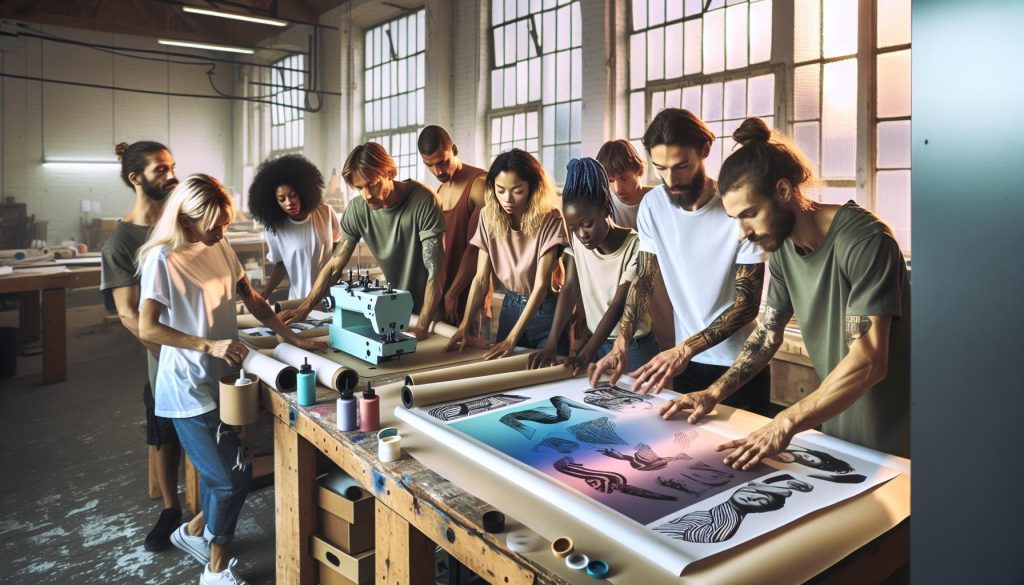
Layering heat transfer vinyl (HTV) opens up a world of creative possibilities for your projects, enabling vibrant designs and intricate details that stand out. However, many crafters often wonder if it’s even possible to layer HTV effectively without compromising the final result. Understanding the ins and outs of HTV layering is crucial for achieving professional-looking garments that amaze friends and customers alike. Whether you’re aiming for a bold graphic tee or a stylish layered effect on apparel, mastering this technique can elevate your designs and expand your skillset. Ready to dive into the tips and best practices for layering HTV? Let’s explore how to make your creative vision a reality!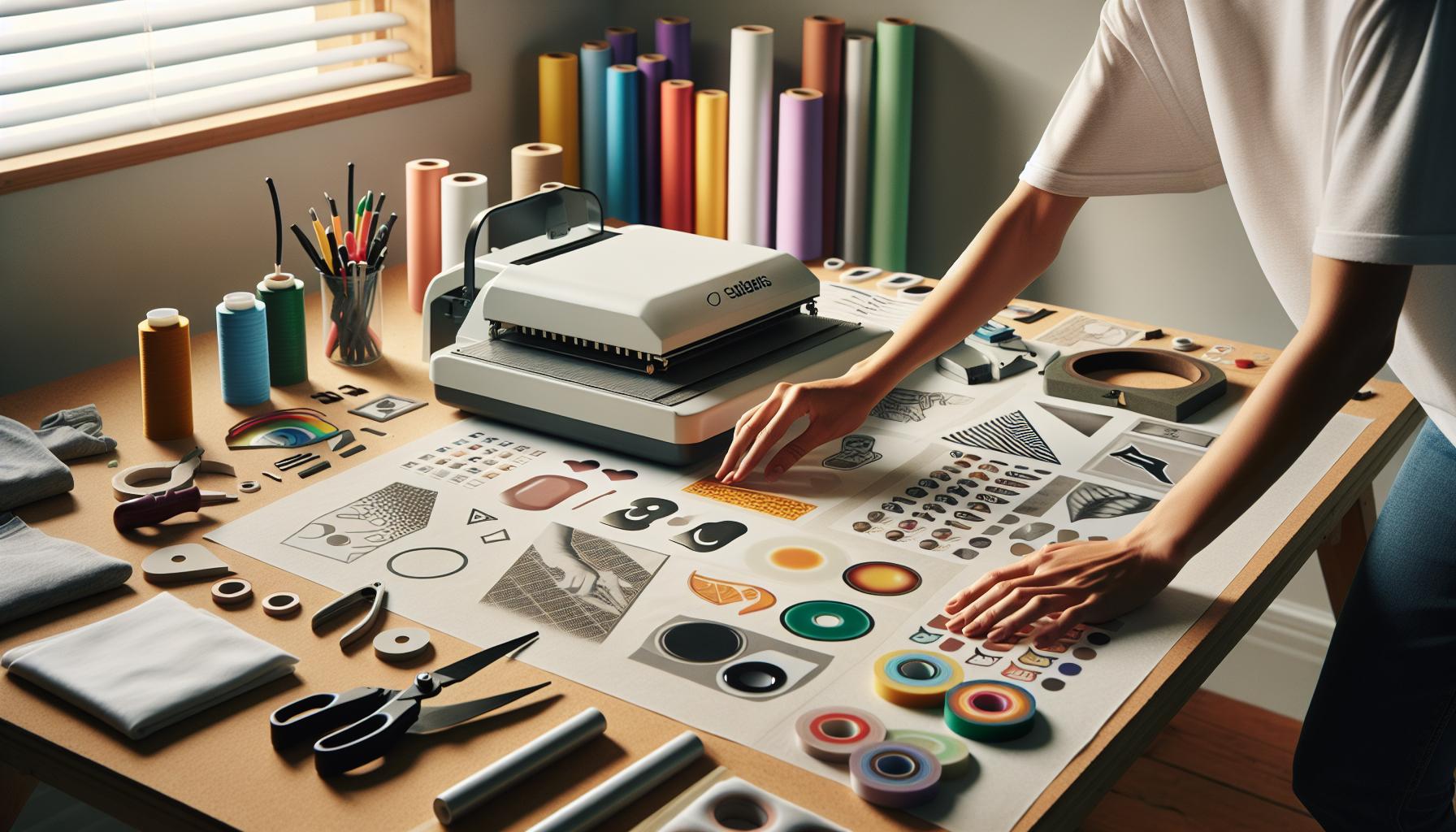
Understanding Heat Transfer Vinyl and Its Properties
To effectively work with heat transfer vinyl (HTV), understanding its properties is crucial. HTV consists of a polymer material that comes in various formulations, each tailored for specific applications and fabrics. The essence of HTV lies in its ability to adhere to substrates when exposed to both heat and pressure from a heat press or an iron. This characteristic makes it versatile for creating custom designs on apparel and other textiles.
One of the standout features of HTV is its flexibility. This allows for layering-applying multiple colors or designs on top of one another-without compromising the integrity of the finish. However, not all HTVs are created equal; they vary in terms of thickness, stretchability, and durability. For example, polyurethane (PU) HTV is known for its soft feel and stretch properties, making it ideal for athletic wear, whereas polyvinyl chloride (PVC) HTV is thicker and more suited for hard, flat surfaces. Understanding these differences is key when deciding which HTV to use for a specific project.
When layering HTV, consider the order of application and the heat settings. Some types of HTV require lower temperatures and shorter press times to avoid damaging the underlying layers. Ensuring that your base layer is secure before adding additional layers is essential to achieving a clean, professional look. Utilizing a heat press designed with precise temperature controls will provide the consistency needed to succeed with layered designs.
Another aspect to consider is the finish of the HTV, which can range from matte to glossy. This not only influences the aesthetic of the final product but also plays a role in how well the vinyl adheres and lasts through multiple washes. A proper understanding of these properties not only aids in selecting the right materials but also enhances the overall design process, enabling creative possibilities that are both practical and visually appealing.
Benefits of Layering Heat Transfer Vinyl
Layering heat transfer vinyl (HTV) is not just a design technique; it’s a creative strategy that opens doors to unique and personalized garment decoration. By applying multiple layers, you can enhance the visual depth and complexity of your designs, allowing for intricate patterns and bold combinations of colors that make your projects stand out. The ability to overlap different HTV types also lets you play with various textures and finishes, from glossy to matte, providing an additional layer of creativity that catches the eye.
One of the primary benefits of layering HTV is the freedom it provides in design composition. Designers can utilize different colors and effects that might otherwise be challenging to achieve with single-layer applications. For instance, combining a glitter HTV with a matte or metallic layer can create a dynamic contrast that draws attention and elevates the overall aesthetic. This technique is especially useful when creating custom apparel for events, sports teams, or promotional items where visual impact is essential.
Moreover, layering HTV can significantly enhance the durability of your designs. By using multiple layers, you can reinforce specific areas of a garment, making the decoration more resilient to wear and tear. This is beneficial for items intended for frequent use, like sports jerseys or work uniforms. However, it’s crucial to apply each layer correctly to avoid compromising adhesion; using a heat press with precise control is key to achieving that delicate balance of pressure and temperature, ensuring that each layer bonds effectively.
In summary, layering HTV not only adds artistic value but also contributes to the functionality and longevity of printed designs. By experimenting with different combinations and techniques, you can push the boundaries of traditional garment decoration, resulting in unique creations that showcase your individual style and craftsmanship.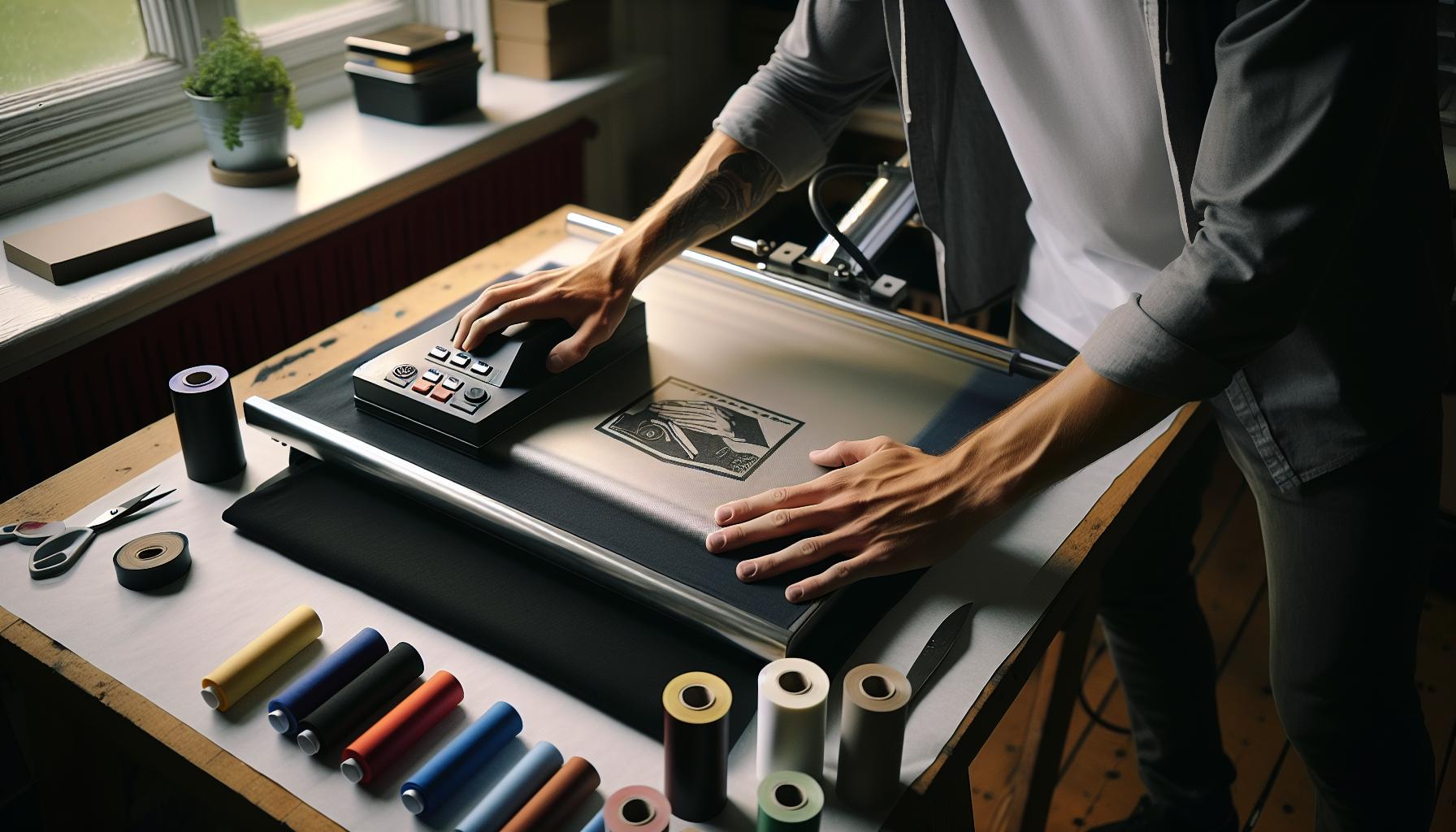
Creative Design Tips for Layering HTV
Layering heat transfer vinyl (HTV) can unlock a world of creative possibilities, transforming ordinary designs into eye-catching artwork. The beauty of layering lies in its ability to combine various textures, colors, and finishes, enabling you to craft unique compositions that stand out. By thoughtfully combining different types of HTV, you can create striking contrasts-like the sparkle of glitter vinyl paired with the subtlety of matte HTV-resulting in dynamic designs that draw the eye.
When approaching layering, consider the order of your layers carefully. Start with the more intricate bottom layers and build up to the simpler, more solid colors. This approach not only ensures better adhesion but also allows for easier manipulation and positioning of your design elements. If you’re working with multiple layers that require different application temperatures, remember to use a heat-resistant cover sheet to protect the layers underneath while applying the final layers.
Another vital aspect to consider is the compatibility of different HTV types. Not all HTVs adhere well to one another, especially when mixing materials like foil and regular HTV. Testing small samples before committing to a full design can save you time and resources. Experimenting with different types leads to surprising results and helps you refine your techniques. Additionally, remember to use the correct pressure and temperature settings tailored for each specific HTV type, as this will ensure optimal adhesion and longevity of your finished product.
Lastly, don’t shy away from pushing creative boundaries. Layering isn’t limited to color; it can also encompass patterns, textures, and even illuminated elements, creating designs that are not only visually appealing but also innovative. Consider integrating elements like flocked HTV for a plush feel or reflective vinyl for nighttime visibility. By exploring these options, you can enhance the functionality and aesthetic of your designs, captivating your audience and setting your creations apart in a crowded market.
Common Mistakes to Avoid When Layering
When layering heat transfer vinyl (HTV), certain pitfalls can turn a promising design into a frustrating failure. One of the most common mistakes is failing to fully understand the specific requirements for different types of HTV, particularly in terms of temperature and pressure settings. For instance, applying a high-temperature vinyl on top of one that requires a lower application setting without the correct precautions can lead to wrinkled or peeling layers. Always consult the manufacturer’s guidelines and remember that not all HTVs are compatible; testing materials before full application is essential.
Another frequent error occurs in the order of layering. Many beginners instinctively place the brightest or most complex colors at the base. However, starting with detailed, intricate layers and gradually adding simpler designs not only adheres better but also simplifies the alignment process. This method provides a clear path for adjustments and prevents distortions in more complex designs. Additionally, not using a protective cover sheet when heat pressing can cause the top layer to affect the layers beneath it, potentially damaging the overall design.
It’s crucial to anticipate how layers interact with each other. Not every vinyl adheres properly to others, particularly with varying textures like glitter or stretchable HTV. This misalignment can present issues such as lifting or bubbling, making a test run on scrap fabric a wise precaution before committing to your final piece. Keep in mind that each HTV type may have distinct properties; for example, flocked or glitter HTVs can add depth and texture but may require additional settings during application.
Lastly, overlooking the importance of precise cutting can lead to significant issues during layering. Inaccurately cut designs can result in gaps that spoil the visual integrity of the final product. Always double-check your settings on the cutter and ensure that the vinyl adheres well to the cutting mat. By addressing these common mistakes, you can elevate your HTV layering skills, ensuring that every piece is not just a project completed but a masterpiece created.
Best Practices for Heat Application Techniques
When it comes to applying heat transfer vinyl (HTV), precision and technique can make a significant difference in the success of your layering projects. Effective heat application is foundational to ensuring that each layer adheres properly without compromising the aesthetic quality of the design. A well-executed heat press can bring your creative vision to life, but it requires understanding the interplay of temperature, pressure, and timing for optimal results.
One of the key best practices is to preheat your heat press. By doing this for about 5 to 10 seconds, you can remove moisture and tension from the fabric, which can lead to better adhesion. This step is particularly crucial when working with fabrics such as polyester or blends that may have inconsistent textures. Additionally, always ensure your press is at the correct temperature for the specific type of HTV you are using; different vinyl may have unique requirements. Consult the manufacturer’s specifications to avoid common issues like bubbling or peeling.
Another critical aspect is the use of a protective cover sheet. This sheet helps distribute heat evenly and acts as a barrier that prevents the upper layer from affecting layers below it during the pressing process. If you’re using multiple layers, it’s wise to press each layer separately, allowing for a slight cool-down period before adding the next. This technique not only ensures better alignment but also reduces the risk of damaging lower layers.
Finally, consider performing a test run on scrap fabric before applying HTV to your main project. This practice allows you to experiment with pressure settings and temperature while observing how the layers interact with each other. It can save you time and materials in the long run. Remember, each project is a learning opportunity; taking notes on what works and what doesn’t will help you refine your techniques over time.
By employing these best practices, you can enhance your layering skills with HTV and create stunning, professional-quality designs that stand out.
Choosing the Right HTV for Layering Projects
Choosing the appropriate heat transfer vinyl (HTV) is pivotal for successful layering projects. Different types of HTV feature unique characteristics that can significantly impact your final design. For example, some HTVs are created with a thicker profile, making them less suitable for layering due to the risk of bulkiness. Conversely, lighter materials offer better flexibility and can adhere well without adding unnecessary weight to your garment.
When selecting HTV for layering, you should consider the composition and intended application. Popular options include:
- Standard HTV: Ideal for most projects, but be cautious with multiple layers due to noticeable thickness.
- Flock HTV: Offers a textured finish and is great for adding dimension, but it’s bulkier and may require more careful heat application.
- Glitter HTV: Adds sparkle and visual interest, but keep in mind it can be heavier, which affects layering.
- Stretch HTV: Best for stretchy fabrics, as it moves with the material, allowing for smoother layering without cracking.
It’s also essential to match the types of vinyl you’re layering. Using similar materials will ensure that they adhere properly and have a uniform appearance. For instance, a combination of standard HTV and glitter HTV might work, but be sure to press them according to the most delicate layer’s requirements to prevent damage.
Lastly, always verify the manufacturer’s recommendations for heat settings and layering techniques. Different brands and types may have their specifications that can affect adherence and durability. By thoroughly understanding your HTV options and their interaction, you’ll be able to choose the best vinyl for your layered designs, ensuring they look great and withstand the test of time.
Layering Techniques for Different Fabrics
Layering heat transfer vinyl (HTV) on various fabrics can create visually stunning designs, but the technique requires a nuanced approach since different materials react differently to heat and pressure. Understanding the unique properties of each fabric type is crucial for achieving a seamless finish. For instance, cotton is highly compatible with HTV due to its durability and heat resistance, making it an ideal candidate for intricate layering. Conversely, fabrics like nylon or polyester require special consideration; they are more susceptible to melting or distortion under high heat, so a lower heat setting and shorter pressing time are recommended.
When working with stretchy fabrics such as spandex or jersey, it’s essential to opt for stretchy HTV to maintain the garment’s elasticity. Standard HTV can easily crack or peel when applied to these materials. Using a heat press rather than an iron can also help distribute heat more evenly and reduce the risk of damage. Lay down the first layer of HTV, press lightly to avoid overdoing it, then gradually build up layers as needed. Each layer must be pressed according to its specific requirements for optimal compatibility.
For layering on textured or thicker fabrics like fleece, consider the thickness of your HTV. While layering can add dimension, it also can create bulk that may not adhere properly. Thinner HTVs or those designed specifically for textured surfaces work best here. Additionally, the application technique can vary; for example, using a cover sheet can help prevent fibers from sticking to your HTV.
Ultimately, proper planning and careful execution are vital. Test your layering technique on scrap pieces of fabric first to fine-tune your heat settings, pressure, and layering order. This practice not only saves materials but also allows for experimentation with creative designs without the pressure of ruining your intended project. By tailoring your approach to the fabric at hand, you can achieve beautiful layered designs that stand the test of time.
How to Troubleshoot Layering Issues
When layering heat transfer vinyl (HTV), experiencing issues can be frustrating, especially when you’ve put significant effort into your design. Whether it’s peeling, cracking, or improper adhesion, many common layering problems can be addressed effectively with a bit of troubleshooting knowledge. Understanding the root causes of these issues is essential to achieving the flawless finish you desire.
To tackle HTV layering issues, start by checking your heat settings and pressing times. Each type of HTV has specific recommendations for temperature and duration, which vary between manufacturers. If you notice peeling or lifting at the edges of your layers, it may mean that the initial layer wasn’t bonded properly prior to adding the second layer. Always ensure that your first layer is completely applied and cooled down before moving on. It’s also wise to conduct small test presses on scrap fabric to avoid wasting materials.
Another common issue arises from not using the appropriate HTV for the fabric type. For instance, applying standard HTV on stretchy fabrics like jersey can lead to cracking over time, particularly after washing. To prevent this, opt for stretchy or high-performance HTV specifically designed for elastic fabrics. When layering on thicker materials, use thinner HTVs to minimize bulk, which can also hinder adhesion. Additionally, employing a cover sheet during the pressing process helps protect your HTV from direct heat and can enhance the overall outcome.
Finally, if you’re encountering issues with your design alignment, consider using registration marks when cutting your vinyl. This practice ensures that all layers are precisely positioned, reducing the chance for misalignment that could result in unsightly overlaps or gaps. When faced with multiple complications, systematically address each aspect-heat, type of HTV, fabric compatibility, and alignment-thus ensuring a successful layering process and visually appealing designs.
Innovative Ideas for Layered HTV Designs
Layering heat transfer vinyl (HTV) opens up a world of creative possibilities that can elevate your projects to new heights. By combining different colors, textures, and finishes, you can create stunning designs that express individuality and style. One innovative idea is to use a gradient effect by layering different shades of the same color. Start with the lightest shade as your base layer and gradually add darker shades on top. This technique adds depth and dimension, making your design visually captivating.
Another exciting approach involves using patterned or specialty HTV for layering. For example, you could layer glitter HTV on top of a solid base, providing a sparkling highlight that catches the eye. You could also explore using flocked vinyl for a soft, raised texture, ideal for adding a unique touch to apparel or home décor. Mixing finishes-such as matte and glossy HTV-can also provide a striking contrast in your layered designs, making each element stand out even more.
When planning layered designs, pay attention to the layering order. Begin with the largest section of the design and work your way up to the smallest elements. This way, you minimize any risk of overlapping issues and ensure that each layer adheres properly without compromising the visibility of intricate details. Consider using transparency or semi-transparent HTV layers to create overlays that play with light and color, further enhancing the complexity of your design.
Lastly, think about themes that resonate with current trends. Seasonal designs, such as holiday-specific graphics or nature-inspired motifs, can benefit greatly from layering techniques. Utilize contrasting colors to make your design pop or incorporate textural elements that tell a story. By experimenting with different layering combinations, you can produce unique, on-trend pieces that truly showcase your creativity and craftsmanship.
Preparing Your Design Files for Layering
To create stunning layered designs with heat transfer vinyl (HTV), meticulous preparation of your design files is critical. This step not only ensures your graphics translate beautifully onto fabric but also prevents common pitfalls during the application process. When designing for layering, it is essential to use vector graphics software, such as Adobe Illustrator or CorelDRAW, which allows for precise manipulation of shapes and colors. Always start with a clean, high-resolution file that can be easily resized without losing quality.
When preparing your design files, consider the following key elements:
Design Layering Order
- Base Layer: Your largest and most fundamental element should serve as the first layer. This could be a solid color or a background pattern that provides a foundation for subsequent layers.
- Additional Elements: After establishing the base, strategically add smaller elements in varying colors and textures. This not only adds depth but also allows for better adherence when pressing.
Mirroring and Cutting
Before sending your designs to the cutter, remember to mirror your image, especially if it includes text or intricate designs. Mirroring ensures that the transfer appears correctly when applied to the fabric, as it will align properly against the base layer. If you’re using a cutting machine, utilize software that can directly communicate with your cutter, facilitating precise cuts and adjustments.
Color Layer Management
When layering multiple colors, keep an eye on the opacity settings of your files if your design software allows it. This technique helps you visualize how layering will look once applied. You might want to create swatches of colors to test how they interact with one another, especially if using transparent or semi-transparent HTVs.
In essence, preparation is the foundation of a successful HTV layering project. Thoughtful design strategies-like managing the order of layers, utilizing proper software tools, and meticulously checking settings such as mirroring-will ensure your final products are professional and visually appealing. Ultimately, an organized approach to your design files unlocks endless creative possibilities in the world of heat transfer vinyl layering.
Maintenance Tips for Layered HTV Projects
Maintaining the integrity of layered heat transfer vinyl (HTV) projects goes beyond the initial application; it involves careful handling, washing, and storage practices. Understanding how to care for your layered designs ensures they remain vibrant and intact for as long as possible. Certain materials and layering techniques can present challenges, but with the right approach, you can extend the life of your beautiful creations.
Washing and Care Instructions
To preserve the quality of layered HTV, it’s crucial to follow specific washing and care guidelines. Here are some essential tips:
- Turn Garment Inside Out: Always wash your layered HTV garments inside out. This minimizes direct friction on the vinyl and protects it from the detergent.
- Cold Water Wash: Use cold water and a gentle cycle to prevent shrinking and fading. Hot water can weaken the adhesive that bonds the vinyl to the fabric.
- Avoid Fabric Softeners: Fabric softeners and bleach can degrade the vinyl, leading to premature peeling or discoloration. Stick to mild detergents.
- Air Dry or Low Heat: Whenever possible, air dry your garments. If you must use a dryer, opt for a low heat setting to avoid damaging the vinyl.
Storage Recommendations
Proper storage is essential for keeping your HTV projects in pristine condition. When not in use, consider the following practices:
- Cool, Dry Place: Store your garments in a cool, dry area away from direct sunlight. UV exposure can cause colors to fade and adhesives to break down.
- Fold Carefully: Avoid creasing the vinyl by folding garments neatly. Use tissue paper to separate layers if stacking multiple items.
- Avoid Heavy Pressing: Ensure that other clothing or heavy items do not press down on layered HTV; this can warp or damage the vinyl designs.
By implementing these maintenance tips, you not only enhance the longevity of your layered HTV projects but also preserve the beauty and vibrancy that makes them stand out. In essence, a little care goes a long way in ensuring your hard work remains visible and appreciated.
Real-Life Examples of Successful Layered Designs
Creating layered heat transfer vinyl (HTV) designs opens up a world of creative possibilities for apparel and fabric projects. Successful implementations of layered HTV can often inspire your designs and techniques. For instance, consider a custom-designed t-shirt for a local sports team where multiple colors of HTV were layered to create a vibrant logo. The base layer was a bold color that served as the backdrop, with contrasting letters and designs layered on top. This approach not only added depth but also resulted in a striking and durable design that stood out during games.
Another fantastic example is from a small business that specializes in personalized gifts. They used a combination of textured and glitter HTV to create a layered effect for holiday-themed sweatshirts. By utilizing a solid color base and layering with glitter for festive designs and messages, they achieved an eye-catching product that appealed to customers seeking unique gift options. The use of layering not only enhanced the visual appeal but also provided a tactile element that many buyers found irresistible.
The key to mastering layered HTV lies in the careful selection of films that complement one another. For instance, when layering glitter HTV atop regular HTV, ensuring proper temperature and pressure settings is crucial to achieving a solid bond without risking damage to the underlying layers. By conducting tests on scrap fabrics before the final application, many enthusiasts and professionals have avoided common pitfalls and produced flawless results.
In summary, real-world success stories involving layered HTV not only showcase the versatility of this technique but also underline the importance of planning and experimenting to achieve desired outcomes. Engaging with community forums and sharing past projects often sparks new ideas that further push the boundaries of what layered designs can achieve.
FAQ
Q: Can you layer different colors of heat transfer vinyl?
A: Yes, you can layer different colors of heat transfer vinyl (HTV) to create vibrant designs. Ensure each layer is applied correctly, allowing for sufficient cooling time between applications. This technique allows you to achieve stunning, multi-colored effects in your projects.
Q: What is the best method for layering heat transfer vinyl?
A: The best method for layering HTV is to start with the bottom layer first. Use a heat press or an iron, applying heat according to the HTV manufacturer’s instructions. After the base layer cools, proceed with the next layers, ensuring you adapt the pressure and time to avoid damaging previous layers.
Q: How do I prevent peeling when layering heat transfer vinyl?
A: To prevent peeling when layering HTV, ensure proper adhesion by applying sufficient heat and pressure. Use a Teflon sheet to protect previous layers and let each layer cool before applying another. Avoid stretching the fabric, which can cause layers to lift over time.
Q: Can I layer too many colors of heat transfer vinyl?
A: Yes, layering too many colors can lead to bulkiness and potential issues with heat transfer. It is generally recommended to limit layers to three or four to maintain flexibility and prevent overheating, which might compromise the integrity of the design.
Q: What types of heat transfer vinyl can be layered?
A: Most types of HTV can be layered, including standard, glitter, and flocked vinyl. However, ensure compatibility by checking the manufacturer’s guidelines. For instance, some specialty vinyls may require different application temperatures that could affect earlier layers.
Q: Is layering heat transfer vinyl more time-consuming?
A: Yes, layering HTV can be more time-consuming as it involves multiple applications and cooling periods. Plan your design workflow efficiently, allowing for adequate time between the application of each layer to ensure a successful outcome without rushed mistakes.
Q: How can I troubleshoot common issues with layered heat transfer vinyl?
A: Common issues can include lifting and bubbling. To troubleshoot, ensure adequate heat and pressure, monitor application times closely, and allow layers to cool before applying new ones. If bubbling occurs, it may indicate excessive heat; reduce heat settings and try again.
Q: What design applications work best with layered heat transfer vinyl?
A: Layered HTV is ideal for t-shirts, tote bags, and home décor items. Complex and colorful designs often involve layering to achieve depth and dimension. For intricate designs, consider weeding thoroughly to eliminate excess vinyl, ensuring a clean final product.
For more detailed tips on layering HTV, you can explore the sections on Benefits of Layering Heat Transfer Vinyl and Common Mistakes to Avoid When Layering in our main article. Happy crafting!
The Conclusion
Now that you’ve discovered the intricacies of layering heat transfer vinyl, it’s time to put your newfound knowledge into action! Remember, layering HTV can create stunning, multi-dimensional designs that stand out. Don’t hesitate-try your hand at layering on your next project!
For further tips on heat transfer vinyl applications or to explore new design ideas, check out our guide on effective vinyl techniques and the latest trends in apparel decoration. Want to stay updated with tutorials and exclusive offers? Sign up for our newsletter and connect with a community of enthusiasts eager to share their experiences.
If you have questions or need assistance, drop a comment below! Your thoughts can inspire future content, and we love hearing from you. Keep experimenting and creating-your next masterpiece is just a layer away!
Get our latest guides, news, and insights highlighted in your Google Search & AI Overviews.