
Imagine controlling tiny droplets with the precision of a maestro conducting an orchestra. This is the essence of “Bounding Free Microfluidics: Revolutionizing Droplet Control.” In this exciting field, researchers harness the power of microfluidics to manipulate fluids at an exceptionally small scale, opening new avenues in diagnostics, drug delivery, and materials science.
Microfluidics leverages the unique behaviors of fluids in miniature systems to enable rapid, efficient analysis and processing. With potential applications ranging from point-of-care testing to personalized medicine, mastering droplet dynamics can greatly enhance experimental outcomes. As you delve into this article, you will discover the cutting-edge techniques that are transforming droplet control, the challenges faced, and the promising future that lies ahead in this dynamic field. Join us on this journey to uncover how bounding free microfluidics could redefine not just how we handle fluids but also the entire landscape of biomedical technology and beyond.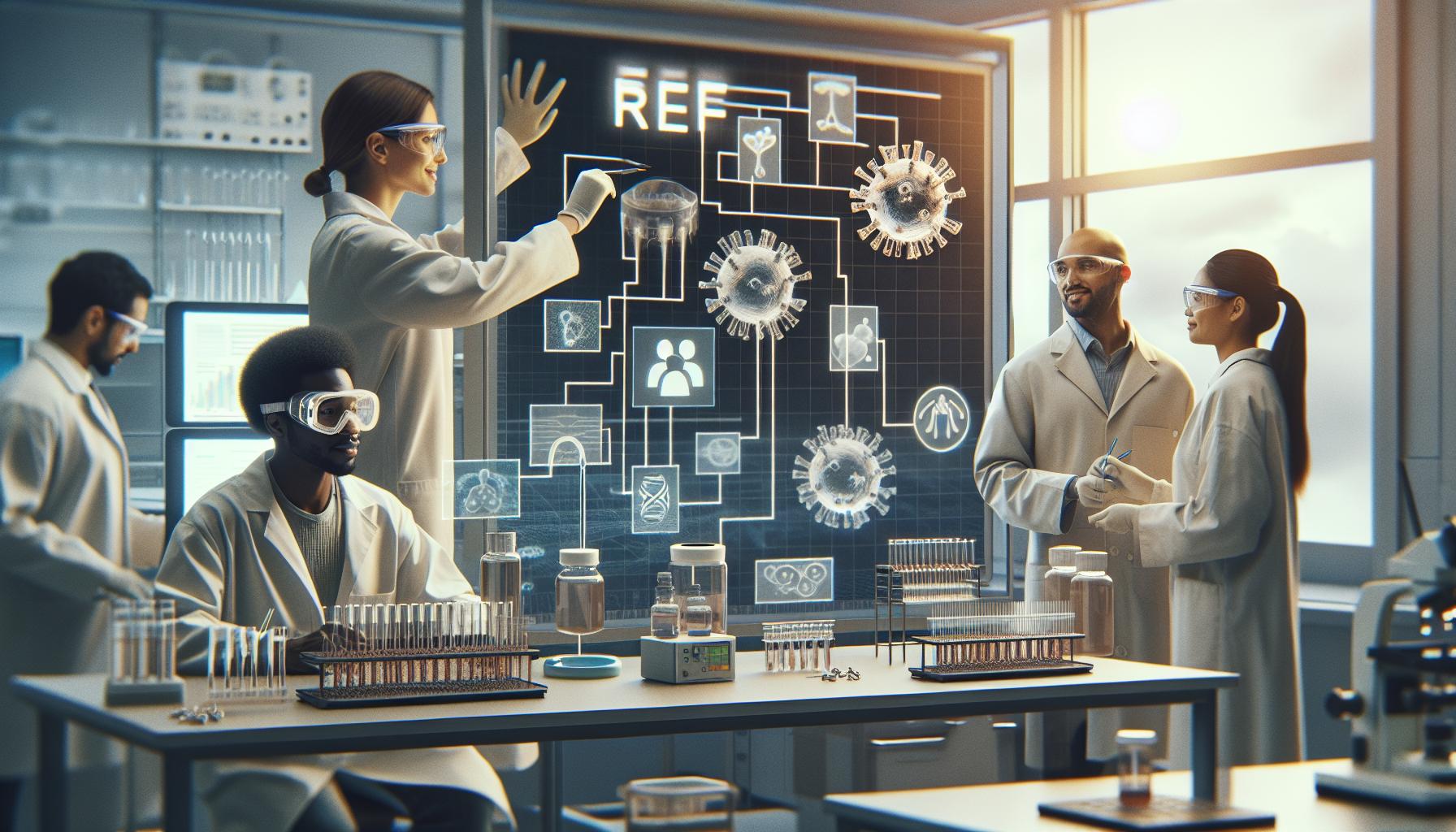
Understanding Free Microfluidics: A Primer
Microfluidics has transformed how researchers and industry professionals manipulate tiny volumes of liquids, enabling unprecedented control over chemical reactions and biological processes. In the realm of “free microfluidics,” a significant breakthrough stems from utilizing external forces, such as gravity and surface tension, to manage droplet movement without traditional channels and pumps. This method not only reduces costs and complexity but also enhances scalability, making microfluidics accessible for a broader range of applications.
At its core, free microfluidics leverages simple, yet powerful principles of physics. Droplets are generated and moved across surfaces designed to optimize interactions with the environment-such as hydrophilic and hydrophobic areas that guide fluid flow. This technique allows precise manipulation of droplets for applications in diagnostics, drug delivery, and even in developing lab-on-a-chip technologies. The beauty of this approach lies in its simplicity and effectiveness, enabling complex biochemical analysis without the need for intricate equipment or setups.
As researchers continue to explore innovative applications for free microfluidics, the potential for real-world impact grows. For example, creating portable diagnostic devices that can work under various environmental conditions, or devices capable of performing multiple functions from sample preparation to analysis. By integrating easy-to-use designs with principles of free microfluidics, we may soon witness a surge in DIY microfluidic devices, fostering creativity and rapid prototyping in academic and industrial settings.
Moreover, understanding the scalability and adaptability of free microfluidics opens pathways for exciting collaborations across disciplines. For instance, combining insights from materials science, chemistry, and engineering can lead to novel designs that meet specific industry needs, from healthcare to environmental monitoring. This synergy will likely drive the next wave of advancements in microfluidic technology, proving that simplicity can lead to extraordinary breakthroughs.
Key Principles of Droplet Control Technology
Droplet control technology in free microfluidics operates at the intersection of physics and engineering, relying on fundamental principles such as surface tension, gravity, and capillarity. These concepts allow for precise manipulation and movement of droplets across surfaces without the complex infrastructure of traditional microfluidic systems. This approach reduces costs and increases accessibility for a variety of applications, from biomedical diagnostics to chemical synthesis.
Effective droplet control hinges on the design of surfaces that exhibit either hydrophilic or hydrophobic characteristics. By strategically arranging these surfaces, researchers can create environments that guide droplets to flow along specific paths. For instance, a surface with alternating hydrophilic and hydrophobic regions can direct droplets to move in a predetermined manner, enabling controlled merging or splitting of droplets. Additionally, the use of external forces, such as electrostatic fields or thermal gradients, can further enhance droplet manipulation, offering more sophisticated control over timing and location.
Another critical principle is the generation of droplets themselves. Techniques such as inkjet printing or emulsification can be applied to create stable droplets with uniform sizes, which is essential for consistent results in applications like drug delivery. Once formed, droplets can be addressed individually, allowing for complex multi-step reactions to occur in sequence. This level of control not only streamlines processes but also minimizes waste, as each droplet can be treated as a microreactor containing a specific reagent or biological sample.
The implications of these principles stretch across various sectors. For instance, in medical diagnostics, portable devices utilizing these free microfluidic systems can perform rapid tests directly in the field, analyzing samples efficiently without the need for bulky laboratory equipment. As these technologies evolve, the integration of user-friendly designs will likely propel a new wave of innovation, fostering a creative landscape for DIY enthusiasts and researchers alike to explore the possibilities of microfluidics in their own labs.
Innovative Applications of Free Microfluidics
The transformative potential of free microfluidics is becoming increasingly evident across a range of fields, from healthcare to environmental science. This innovative approach, characterized by its ability to manipulate droplets with minimal infrastructure, opens doors to applications that were previously limited by the cost and complexity of traditional microfluidic systems. For instance, in point-of-care diagnostics, portable devices utilizing free microfluidic methods can conduct rapid tests on-site, greatly enhancing medical response times and accessibility.
Biomedical Applications
In biomedical settings, free microfluidics facilitates processes like drug delivery and biomarker analysis. By creating microreactors that can hold and manipulate tiny volumes of liquids, researchers can conduct high-throughput screening assays. This not only accelerates the discovery of new therapeutic agents but also allows for personalized medicine approaches, where treatments can be tailored based on the unique biochemical profiles of individuals. Moreover, these systems can be designed for ease of use in resource-limited environments, providing crucial tools for diagnosing diseases, such as infectious diseases, in remote areas.
Research and Development
On the frontier of research, free microfluidics allows scientists to explore new chemical reactions and materials. For example, by combining various droplets, researchers can promote unique chemistry that occurs at the droplet interface, leading to the synthesis of novel compounds. Such techniques also enable the creation of micro-environments that mimic cellular conditions, aiding in the study of cellular behavior and interactions. This capability has profound implications for developing new materials, enhancing our understanding of fundamental biological processes, and advancing the fields of synthetic biology and tissue engineering.
Environmental Monitoring
Environmental scientists are leveraging free microfluidic technology for monitoring pollutants and analyzing environmental samples. Portable microfluidic devices can be employed to rapidly assess water quality by detecting contaminants or pathogens, all while requiring minimal sample handling. This allows for timely interventions and better management of water resources. As such applications gain traction, they contribute to efforts in sustainable development and environmental protection, showcasing the broader societal impact of microfluidic innovations.
In summary, the span diverse disciplines, each unraveling new opportunities for efficiency and creativity in both research and practical implementation. The ongoing development in this field holds the promise of not only transforming current methodologies but also addressing pressing global challenges, positioning free microfluidics as a cornerstone of modern scientific advancement.
Comparative Analysis: Traditional vs. Free Microfluidics
The advent of free microfluidics is shifting the landscape of fluid manipulation, challenging traditional methods with its innovative approach. Traditional microfluidics relies heavily on complex, often expensive systems comprising of microchannels and pumps engineered to control fluid flow and droplet formation. These systems, while precise, require significant infrastructure and maintenance, making them less accessible for many applications, especially in resource-limited settings. In contrast, free microfluidics, which leverages concepts such as surface tension and electrostatic forces, enables the manipulation of droplets without intricate hardware setups, thereby revolutionizing accessibility to microfluidic technology.
One of the most striking advantages of free microfluidics is its cost-effectiveness. Traditional systems necessitate specialized materials and machinery, contributing to high operating costs. Free microfluidic devices, often made from simple materials like paper or low-cost plastics, can be produced on a large scale and tailored for specific functions with minimal investment. This democratization of technology facilitates its use in a wide array of fields, from widespread biomedical diagnostics to environmental monitoring. Moreover, the simplicity of design means that these devices can be easily adapted for various applications, making them attractive for researchers exploring new experimental designs.
Performance and Versatility
In terms of performance, traditional microfluidic systems excel in precision. They are capable of maintaining controlled environments for long durations, which is crucial for time-sensitive experiments. However, the relatively rigid nature of these systems can limit their adaptability in rapidly changing experimental conditions. On the other hand, free microfluidics offers remarkable versatility. Drops can be manipulated in real-time with minimal adjustments, allowing researchers to experiment freely with fluid combinations and reaction conditions. This adaptability is particularly beneficial in high-throughput screening and personalized medicine, where rapid modifications can lead to quicker insights and decision-making.
Limitations and Challenges
Despite its advantages, free microfluidics is not without its challenges. The reliance on passive techniques may limit the precision of droplet movement and size control compared to traditional systems, potentially impacting certain applications that demand high accuracy. Additionally, the scalability of free microfluidic methodologies to meet industrial needs is still being explored. Researchers and developers must continue to address these challenges to fully harness the potential of free microfluidics.
In conclusion, the comparative analysis between traditional and free microfluidics highlights a paradigm shift in droplet manipulation technologies. The balance between cost, accessibility, precision, and adaptability presents a compelling narrative for future research and application development. As we continue to innovate and refine these technologies, the possibilities for practical applications across diverse sectors only grow, setting the stage for groundbreaking advancements in microfluidics.
Techniques for Enhancing Droplet Manipulation
Contemporary droplet manipulation techniques have emerged as critical elements within free microfluidics, greatly enhancing control over fluid behavior in diverse applications. By leveraging principles such as surface tension, electrostatic forces, and specialized surface coatings, researchers can significantly improve droplet formation, movement, and merging, pushing the boundaries of microfluidic possibilities.
One effective approach involves using surface modification strategies. By altering the hydrophobicity or hydrophilicity of surfaces with coatings like polydimethylsiloxane (PDMS) or specialized polymers, it’s possible to guide droplets along predetermined paths. This technique is especially useful in creating microfluidic assays, where the accuracy of droplet positioning can greatly influence reaction outcomes. For instance, employing a gradient of wettability across a surface can direct droplets toward specific regions, facilitating easy mixing or merging of different reagents.
Another innovative method is the application of electrowetting, which allows for rapid manipulation of droplets by applying a voltage across electrodes positioned beneath a dielectric layer. This method simplifies control over droplet shape and movement, promoting agility in experiments that require real-time adjustments. Electrowetting systems have been successfully used for high-throughput screening processes, where multiple assays can be conducted simultaneously with precision.
Furthermore, integrating capillary forces offers a passive way to induce droplet movement without the need for external energy sources. Designing channels or structures that exploit these forces can guide droplets through complex pathways. This natural movement mechanism reduces the complexity and size of microfluidic devices, making them more accessible in resource-limited settings. Research has demonstrated that using micro-patterned surfaces can enhance the efficacy of capillary-driven systems, ensuring droplets follow specific routes efficiently.
By employing these techniques-surface modification, electrowetting, and leveraging capillary forces-researchers can revolutionize droplet manipulation in free microfluidics. The advent of these methods is paving the way for more sophisticated applications in fields ranging from biomedical diagnostics to chemical synthesis, directly impacting how we deploy microfluidic devices in practical scenarios.
Challenges in Implementing Free Microfluidics
Implementing free microfluidics presents a slew of challenges that require careful navigation for successful application across various fields. One of the most significant hurdles is the control of droplet behavior within complex fluid environments. While techniques such as electrowetting and surface modification have shown promise, achieving consistent and precise droplet movement in real-world scenarios is often problematic. Variability in droplet size, unexpected merging, or splitting can occur due to minor fluctuations in environmental conditions, such as temperature or humidity, complicating the reliable operation of microfluidic devices.
Another major challenge lies in the scalability and integration of free microfluidic systems. Many existing solutions are developed in controlled laboratory settings, but scaling these methods for large-scale production or for use in field applications introduces issues like stability and reproducibility. For instance, the materials used for surface coatings or electrodes may not perform similarly outside the lab, leading to inconsistent results. Moreover, the integration of these systems with existing laboratory infrastructure, such as data acquisition and analytical tools, can be complicated, often requiring specialized knowledge or additional equipment.
The economic factors also cannot be overlooked. While free microfluidics can potentially reduce costs associated with reagents and consumables, the initial investment in developing custom systems-particularly those employing innovative technologies-can be high. This financial barrier may deter smaller laboratories or startups from exploring these advanced techniques, limiting the broader adoption of free microfluidic solutions. Furthermore, accessibility to materials and technologies can also vary significantly across regions, potentially widening the gap between well-funded research facilities and those with fewer resources.
Lastly, as with any cutting-edge technology, regulatory challenges can stall progress. The pathway to market for new microfluidic technologies often faces scrutiny from regulatory bodies, which may require extensive validation and testing. Ensuring that new applications, especially in medical diagnostics or drug delivery, meet regulatory standards can prolong development timelines, consuming both time and financial resources. Navigating these challenges requires a multi-faceted approach, involving collaboration between researchers, manufacturers, and regulatory experts to create solutions that are not only innovative but also practical and reliable.
Future Trends in Microfluidic Systems
The rapid evolution of microfluidic systems reflects a broader trend toward miniaturization and automation in scientific research and diagnostics. Free microfluidics, which utilize external forces such as electric fields and surface tension to manipulate droplets, are carving a niche within this landscape by offering more flexible and user-friendly configurations. As researchers and developers strive to enhance droplet control, several future trends are beginning to crystallize.
One notable trend is the integration of digital microfluidics with software platforms that allow for streamlined programming and operation. This convergence makes it possible to automate complex experiments without intensive manual intervention, enhancing reproducibility and reducing human error. In addition, advancements in optical imaging techniques are set to revolutionize how researchers visualize and manipulate droplet behavior, opening up new avenues for real-time analysis and data collection. This capability is particularly transformative for areas such as high-throughput screening in drug discovery, where rapid iteration and assessment are critical.
Another significant trend is the focus on sustainability and resource efficiency. As concerns grow over the environmental impact of laboratory practices, there is a shift towards developing microfluidic devices that use fewer reagents and generate less waste. Innovative materials, such as biodegradable polymers and recyclable components, are increasingly being utilized, ensuring that advancements in technology do not come at the expense of ecological responsibility. This sustainability push aligns with global efforts to foster greener practices across all sectors, including healthcare and research.
AI and Machine Learning Integration
The incorporation of artificial intelligence (AI) and machine learning into the design and execution of microfluidic experiments is another compelling trend. AI algorithms can analyze vast datasets generated from microfluidic systems, enabling more accurate predictions of droplet behavior and improved system optimization. This synergy not only enhances the efficiency of research but also allows for the development of adaptive systems that can respond to real-time data, further refining the user experience.
As we look ahead, the evolution of free microfluidics carries promising implications for a myriad of applications, from personalized medicine and diagnostics to environmental monitoring. By fostering collaboration between technology developers and researchers, the microfluidic community can continue to push the boundaries of what’s possible, creating devices that are not only innovative but also practical for everyday use.
Case Studies on Effective Droplet Control
One of the most compelling advancements in microfluidics is the ability to exert precise control over droplet formation and manipulation, significantly enhancing experimental outcomes across various fields. A standout example is the successful application of droplet microfluidics in the realm of drug discovery. Researchers from Stanford University designed a digital microfluidic device that allowed for high-throughput screening of drug compounds. By generating and analyzing thousands of individual microdroplets in parallel, they achieved rapid testing of compound efficacy against cancer cells. This technique not only accelerated the drug discovery process but also improved the precision of dose-response assessments, demonstrating how effective droplet control can streamline research methodologies.
Another notable case study involved the use of free microfluidics for genetic sequencing applications. A team at the Massachusetts Institute of Technology developed a system that utilized electric fields to manipulate small droplets holding DNA samples. The precision in controlling these droplets allowed for optimized reagent mixing and minimized contamination, which are critical factors in genetic analysis. By fine-tuning the droplet size and velocity, the researchers maximized the reaction efficiency for polymerase chain reaction (PCR), resulting in quicker analysis times while maintaining high accuracy levels. This is a prime example of how enhanced droplet manipulation can lead to improved workflows in bioanalysis.
Key Techniques and Insights
Effective droplet control relies on several advanced techniques. Electrowetting, for instance, enables rapid manipulation of droplets through electrical forces, allowing researchers to dynamically change droplet position and shape on a surface. Another method, known as surface tension-driven flow, can facilitate the merging or splitting of droplets without the need for complex mechanical systems. These methods underscore the versatility of free microfluidics, making it possible to develop user-friendly devices that can be employed across diverse applications from chemical analysis to medical diagnostics.
The case studies collectively highlight that leveraging effective droplet control can not only streamline processes but also encourage innovation in research approaches. As microfluidic applications continue to expand, the insights gained from these studies provide a solid foundation for future developments. By understanding how to manipulate droplets with precision, researchers can tailor experiments to suit specific needs, ultimately leading to more robust experimental designs and outcomes.
Research Developments Transforming Microfluidics
The microfluidics landscape is rapidly evolving, driven by a slew of innovative research developments aimed at enhancing droplet control and manipulation. Today, advances in material science and digital technologies are transforming how droplets are generated, controlled, and utilized, establishing microfluidics as a fundamental technology across various scientific fields.
Significant strides in the use of functional materials have been instrumental in this transformation. For example, researchers are developing surfaces with tailored wettability properties that allow for precise control over droplet formation and movement. This innovation enables researchers to create complex droplet patterns and flow paths on demand, promoting applications in diagnostics and high-throughput screening. Additionally, the incorporation of smart materials, such as temperature-sensitive gels or light-responsive polymers, further adds to the versatility of microfluidic systems, allowing them to adapt dynamically to changing experimental conditions.
Another pivotal development comes from the application of machine learning (ML) and artificial intelligence (AI) in microfluidic research. These technologies are being employed to optimize droplet behaviors and predict outcomes based on various operational parameters. By analyzing large datasets generated from microfluidic experiments, AI can assist researchers in identifying optimal conditions for reactions or screenings, significantly reducing time and costs associated with trial-and-error methods. Moreover, AI-driven algorithms are facilitating the design of microfluidic devices themselves, enabling customized solutions for specific experimental needs or challenges.
In parallel, advances in lab-on-a-chip technologies are showcasing the transformative potential of bounded free microfluidics. Recent systems integrate multiple laboratory functions onto a single chip, allowing for streamlined processes ranging from sample processing to analytical detection. This holistic approach not only enhances efficiency but also reduces the volume of reagents used, aligning with the growing emphasis on sustainable research practices. As more researchers explore the capabilities of free microfluidics through practical, real-world applications, the field is poised for significant breakthroughs that will further enhance our understanding and manipulation of biomolecular processes, leading to innovations in healthcare, drug development, and beyond.
Overall, these research developments underscore a vibrant and evolving field where the convergence of cutting-edge materials, computational methods, and innovative applications is set to revolutionize droplet control in microfluidics. As we continue to draw connections between theory and practice, the implications for industries and research communities are profound and far-reaching.
Integrating AI with Microfluidic Technology
In the realm of microfluidics, the marriage of artificial intelligence (AI) with droplet control technology is not just a futuristic concept; it’s a present-day reality that is redefining experimental possibilities. Imagine a system where AI algorithms analyze droplet behavior in real-time, adjusting parameters on the fly to optimize reactions. This synergy has the potential to transform laboratory workflows, making them not only more efficient but also significantly more innovative.
By leveraging machine learning (ML) techniques, researchers can utilize historical data from microfluidic experiments to train models that predict the outcomes of new experiments. For instance, in applications involving biochemical reactions, AI can help identify optimal reagent concentrations or flow rates by analyzing previous successful configurations. This approach minimizes the guesswork often inherent in experimental setups, drastically cutting down both time and material costs. As researchers become more adept at integrating AI into their work, they are also discovering new patterns and correlations that may not have been obvious through traditional methods.
Practical Applications of AI in Microfluidics
The practical implications of this technology are enormous. Consider the development of automated lab-on-a-chip devices that continuously monitor and adjust droplet formation and transport based on real-time feedback. These devices can be programmed to execute complex experimental protocols that traditionally required extensive manual intervention, such as different mixing sequences or analyzing results at various time intervals. The result is not only enhanced throughput but also a higher degree of reproducibility and accuracy in experiments.
Moreover, AI can assist in the design phase of microfluidic devices. By using generative algorithms, researchers can create novel device architectures that are optimized for specific applications, such as disease detection or drug formulation. This capability allows for rapid prototyping and testing of new designs, ensuring that the most effective solutions are identified and brought into use efficiently.
Future Directions and Challenges
While the integration of AI with microfluidic technology offers exciting prospects, challenges remain. Ensuring that AI models accurately interpret complex biological data and translate them into actionable insights is crucial. Ongoing collaboration between data scientists and biologists will be essential to refine these systems. Additionally, there is a need for standardized protocols and data-sharing practices to facilitate the development of more robust AI applications in microfluidics.
As this field continues to evolve, the prospects for AI-powered microfluidics are immense. The combination of advanced computational techniques and innovative experimental designs stands to revolutionize not only how experiments are conducted but also the breadth of discoveries that can emerge from microfluidic applications.
DIY Microfluidic Project Ideas for Enthusiasts
Engaging with microfluidics at home can unleash a world of innovations and learning opportunities. Whether you’re a researcher, a student, or a tech enthusiast, constructing your microfluidic devices can be an exciting venture. From simple setups to more complex systems, your DIY projects can explore the fascinating principles of droplet control and fluid dynamics, enhancing both your practical skills and theoretical understanding.
Building a Basic Droplet Generator
One of the most accessible projects is creating a simple droplet generator using common materials. You’ll need a syringe, a needle, and a workspace to assemble the device. The principle is straightforward: by controlling the movement of the syringe plunger, you can precisely inject fluid through the needle, producing droplets of controlled size. This setup not only illustrates the basics of droplet formation but also allows you to experiment with different fluid properties, such as viscosity and surface tension.
Consider adding a basic electronics component by integrating a stepper motor to automate the syringe plunger’s movement. With a microcontroller like Arduino, you can code different droplet production patterns, experimenting with frequency and volume to see how these parameters affect droplet size and spacing. This project introduces you to both microfluidics and basic programming, making it an excellent learning opportunity.
Exploring T-junction Designs
For a more advanced project, try creating a T-junction mixer, which is fundamental in microfluidic studies. Using clear plastic tubing, cut and arrange the tubes into a T shape, connecting two distinct fluid sources. This system enables you to mix multiple fluids in a controlled manner, which is crucial for applications like chemical reactions or biological assays.
To enhance your experiments, use colored dyes in your fluids to visualize the mixing process. Adjust the flow rates of each fluid source to observe how this affects the mixing efficiency and droplet generation at the junction. Not only does this demonstrate the principles of fluid dynamics, but it also allows for hands-on exploration of key concepts in microfluidic design.
Utilizing 3D Printing for Custom Devices
As 3D printing technology becomes increasingly accessible, consider designing custom microfluidic devices tailored to your specific interests. You can create intricate channel designs that allow for unique droplet interactions and testing environments. Software like Tinkercad or Fusion 360 can aid in designing your channels, and many online services can help with printing your designs in materials suitable for microfluidics.
Once printed, you can assemble your device, connect it to a syringe pump, and calibrate the flow rates. This flexibility not only fosters creativity but offers a real-world application of engineering principles and fluid mechanics, making your projects both inspiring and educational.
By diving into DIY microfluidics, you not only grasp fundamental scientific principles but also contribute to a broader innovation landscape. Each project enhances your understanding of droplet control and microfluidic mechanisms, setting a solid foundation for advanced exploration in this exciting field.
Exploring Industry Collaborations and Partnerships
Collaborative efforts in the microfluidics field are cropping up across various sectors, signaling a transformative shift in how droplet control technologies are developed and utilized. These partnerships harness the expertise of multidisciplinary teams, combining insights from materials science, engineering, biology, and software development. Notably, startups are teaming with established corporations to enhance product capabilities and explore novel applications of free microfluidics, which is essential for driving innovation.
One striking example of such collaboration is the alliance between microfluidics companies and biomedical research institutions. This synergy allows researchers to leverage advanced microfluidic platforms for applications in diagnostics and personalized medicine. By integrating real-time data analytics and artificial intelligence, these partnerships can streamline the testing process, improving accuracy and speed. The ability to design and modify microfluidic devices dynamically paves the way for more efficient drug discovery and enhanced disease detection methodologies.
Industry collaborations also extend to academic institutions, where undergraduate and graduate students often participate in research projects through internships or co-op programs. This not only facilitates knowledge transfer but also prepares the next generation of engineers and scientists to work with cutting-edge technologies in droplet manipulation. Through hands-on experiences, students gain invaluable insights while contributing fresh perspectives that can inspire innovative solutions to existing challenges in the microfluidics domain.
As these partnerships continue to proliferate, the capacity to tackle complex scientific questions increases exponentially. By sharing resources, skills, and technologies, industry and academia can accelerate the development of new microfluidic applications that could revolutionize health care, environmental monitoring, and even consumer products. Embracing this spirit of collaboration will ultimately enhance the efficacy of microfluidic systems, making breakthroughs in droplet control an attainable reality.
Frequently Asked Questions
Q: What are the main benefits of Bounding Free Microfluidics for droplet control?
A: Bounding Free Microfluidics offers precise control over droplet formation and manipulation without physical barriers. This enhances efficiency in applications like pharmaceuticals and diagnostics, reduces contamination risk, and allows for more complex interactions among droplets, leading to innovative experimental setups.
Q: How does Bounding Free Microfluidics compare to traditional microfluidics?
A: Bounding Free Microfluidics eliminates physical channels, allowing droplets to move more freely. This results in reduced pressure drops, improved scalability, and greater flexibility in the design of fluidic circuits compared to traditional microfluidics, which relies on fixed pathways.
Q: What challenges exist in implementing Bounding Free Microfluidics?
A: Implementing Bounding Free Microfluidics can be challenging due to the need for precise control over fluid dynamics and the potential impacts of external conditions like temperature and viscosity. Researchers must also address material compatibility and fabrication methods for reliable device performance.
Q: What practical applications utilize Bounding Free Microfluidics?
A: Bounding Free Microfluidics is utilized in a variety of fields, including drug delivery, biochemical assays, and cell culture. Its ability to manipulate droplets allows researchers to conduct experiments on a microscale with high precision, enhancing the overall efficiency of these applications.
Q: How can AI integration improve Bounding Free Microfluidics systems?
A: Integrating AI into Bounding Free Microfluidics enhances droplet control through predictive modeling and real-time adjustments. AI algorithms can optimize parameters such as droplet size and movement patterns, leading to more efficient processes and innovative experimental techniques.
Q: What DIY projects can be done with Bounding Free Microfluidics technology?
A: DIY projects with Bounding Free Microfluidics might include building a simple droplet generator or a basic microfluidic device. Online resources often provide schematics and instructions for creating setups that demonstrate droplet manipulation principles using easily accessible materials.
Q: When is the future of microfluidic systems likely to be influenced by Bounding Free Microfluidics?
A: The future of microfluidic systems is set to evolve significantly as Bounding Free Microfluidics technology advances. Innovations in materials, AI integration, and multipurpose applications are expected to drive growth in areas like personalized medicine and high-throughput screening in research and industry.
Wrapping Up
As we conclude our discussion on “Bounding Free Microfluidics: Revolutionizing Droplet Control,” remember that this innovative technology not only enhances droplet manipulation but also opens doors to new possibilities in fields from diagnostics to drug delivery. If you’re curious about practical applications or want to dive deeper, explore our resources on microfluidic design principles and case studies showcasing successful implementations.
Don’t miss out on the chance to stay updated-subscribe to our newsletter for insights and breakthroughs in microfluidics. Also, consider reaching out for a consultation to see how these advancements can benefit your projects. Your engagement will foster a community of knowledge, so be sure to share your thoughts in the comments below!
Looking ahead, we invite you to check out our articles on emerging trends in microfluidics and the future of lab-on-a-chip technologies. Keep the conversation going and let’s explore the frontiers of droplet control together!
Get our latest guides, news, and insights highlighted in your Google Search & AI Overviews.