
In the rapidly evolving field of microfluidics, precision is paramount, and particle image velocimetry (PIV) technologies stand at the forefront of this innovation. By capturing high-resolution flow measurements at the micron scale, these systems unlock critical insights into fluid dynamics, enhancing our ability to design and optimize microfluidic devices. Given the increasing applications in biomedical engineering, environmental monitoring, and chemical analysis, understanding flow behavior in microenvironments has never been more vital. This article delves into the development and significance of a specialized PIV system tailored for microfluidics, exploring its capabilities and potential to drive breakthroughs in research and industry alike. Join us as we unravel the complexities of fluid motion on a microscopic level and discover practical solutions to pressing scientific challenges.
Understanding Particle Image Velocimetry in Microfluidics
In the world of microfluidics, where fluid behavior operates at the microscale, understanding flow dynamics is crucial for the design and optimization of devices. Particle Image Velocimetry (PIV) provides an innovative solution to visualize and quantify these flow patterns with remarkable precision. At its core, PIV uses tracer particles suspended in the fluid-these are typically made of a material that follows the flow accurately. A light source illuminates these particles, and high-speed cameras capture images of the particle distributions over time, allowing researchers to compute flow velocities based on the particles’ movement between frames.
The fundamental principle behind introducing these particles is to ensure that their size and density match those of the fluid. This interplay is vital; if the particles are too heavy, they will not follow the fluid flow accurately, leading to erroneous results. Conversely, if they are too light, they may drift away from the flow field. Typically, particles sized between 1 and 10 micrometers are employed to achieve a balance that allows for high-fidelity tracking in microfluidic environments.
How PIV Works in Microfluidics
Using PIV involves several steps that convert raw images into meaningful flow data:
- Image Acquisition: High-speed cameras capture pairs of images in rapid succession, freezing the movement of particles within a defined region of the microfluidic device.
- Cross-Correlation: Image analysis software compares two sequential images to identify and track particle patterns. By calculating the displacement of these particles, the software deduces the flow velocity.
- Data Processing: The acquired velocity fields can then be visualized through various graphical representations, such as vector fields or contour plots, which highlight areas of different flow rates.
This quantitative approach to measuring fluid motion is particularly valuable in the development of lab-on-a-chip technologies, biomedical diagnostics, and drug delivery systems. By accurately characterizing laminar flows that are typical in microfluidic devices, researchers can optimize channel designs, predict mixing behaviors, and enhance reaction efficiencies, leading to significant advancements in both research and practical applications.
As microfluidic technology continues to evolve, the integration of PIV systems not only aids in troubleshooting existing setups but also paves the way for novel applications that require meticulous fluid management at unprecedented scales.
Key Applications of Particle Image Velocimetry
Particle Image Velocimetry (PIV) is revolutionizing the study of fluid motion in microfluidics, opening up possibilities across diverse fields. One of the primary applications of PIV is in biomedical research, where it is instrumental in studying blood flow characteristics and interactions at the microvascular level. Understanding how blood flows through tiny capillaries can provide invaluable insights for designing more effective drug delivery systems, ensuring that medications can reach their targets efficiently. Moreover, PIV has also been applied in the development of lab-on-a-chip devices, where precise control over fluid behavior is essential for efficient sample processing and analysis.
In the realm of chemical engineering, PIV plays a critical role in optimizing mixing processes. By visualizing and quantifying micro-scale flows, researchers can fine-tune conditions to enhance reaction rates and product yields. This is especially significant in applications involving sensitive biochemical reactions, where slight alterations in flow dynamics can dramatically influence outcomes. For instance, PIV has been successfully used to study the interaction between reactants in microreactors, enabling engineers to design systems that maximize efficiency while minimizing unwanted byproducts.
Another key application lies in environmental monitoring. PIV systems are increasingly being deployed to assess the behavior of pollutants in microenvironments, allowing for detailed studies of how contaminants disperse in confined flows. This capability is vital for developing effective remediation strategies in both natural and engineered systems, where understanding flow patterns can lead to improved designs for filtration or absorption technologies.
Overall, the versatility of PIV in microfluidics cannot be overstated. By harnessing this technology, researchers are not only advancing scientific knowledge but also driving innovation in practical applications that impact daily life, from medical diagnostics to sustainable environmental practices. This interplay of theory and application positions PIV as an essential tool in modern microfluidics research, paving the way for future breakthroughs.
Components of a Microfluidic PIV System
To effectively harness the power of Particle Image Velocimetry (PIV) in microfluidic systems, it’s essential to understand the key components that make up a microfluidic PIV setup. Each element plays a critical role in ensuring accurate and reliable measurements of fluid flow at the microscale.
The cornerstone of a microfluidic PIV system is the optical setup, which typically includes a high-resolution camera and a light source, such as a laser. The camera captures images of tracer particles suspended in the fluid, while the laser illuminates the flow field. Using a coherent light source allows for high contrast images of the particles, which are vital for accurate tracking. The microfluidic channel, designed to manipulate small volumes of fluids, serves as the testbed for flow analysis, where flow rates and behaviors are studied.
Another essential component is the seeding mechanism, which involves introducing tracer particles into the fluid. These particles, often made from materials that reflect light well, such as polystyrene or silica, must be small enough to follow the flow dynamics without affecting the fluid properties. The choice of seeding material can significantly influence measurement accuracy, as the particles need to be representative of the fluid motion without altering it.
Data Processing and Analysis
The data acquisition system integrates the camera and computer software to process the captured images. Advanced algorithms analyze consecutive frames to determine particle displacements, enabling the calculation of velocity vectors across the flow field. This processing is often enhanced by specialized software that can handle the intricate data generated from rapid image capturing techniques.
Lastly, the overall experimental design must consider factors such as channel geometry, fluid properties, and external influences like temperature and pressure. Each of these elements can critically affect the flow characteristics and the resultant PIV data. Therefore, meticulous planning in the design phase is crucial to achieve reliable insights that align with the research objectives.
In summary, a microfluidic PIV system is a sophisticated integration of optical elements, seeding strategies, and data processing technology that collectively enable researchers to visualize and quantify fluid motion at an unprecedented scale. As microfluidic applications continue to expand, understanding the components of these systems will empower researchers to unlock new insights in fluid dynamics and improve applications across various disciplines.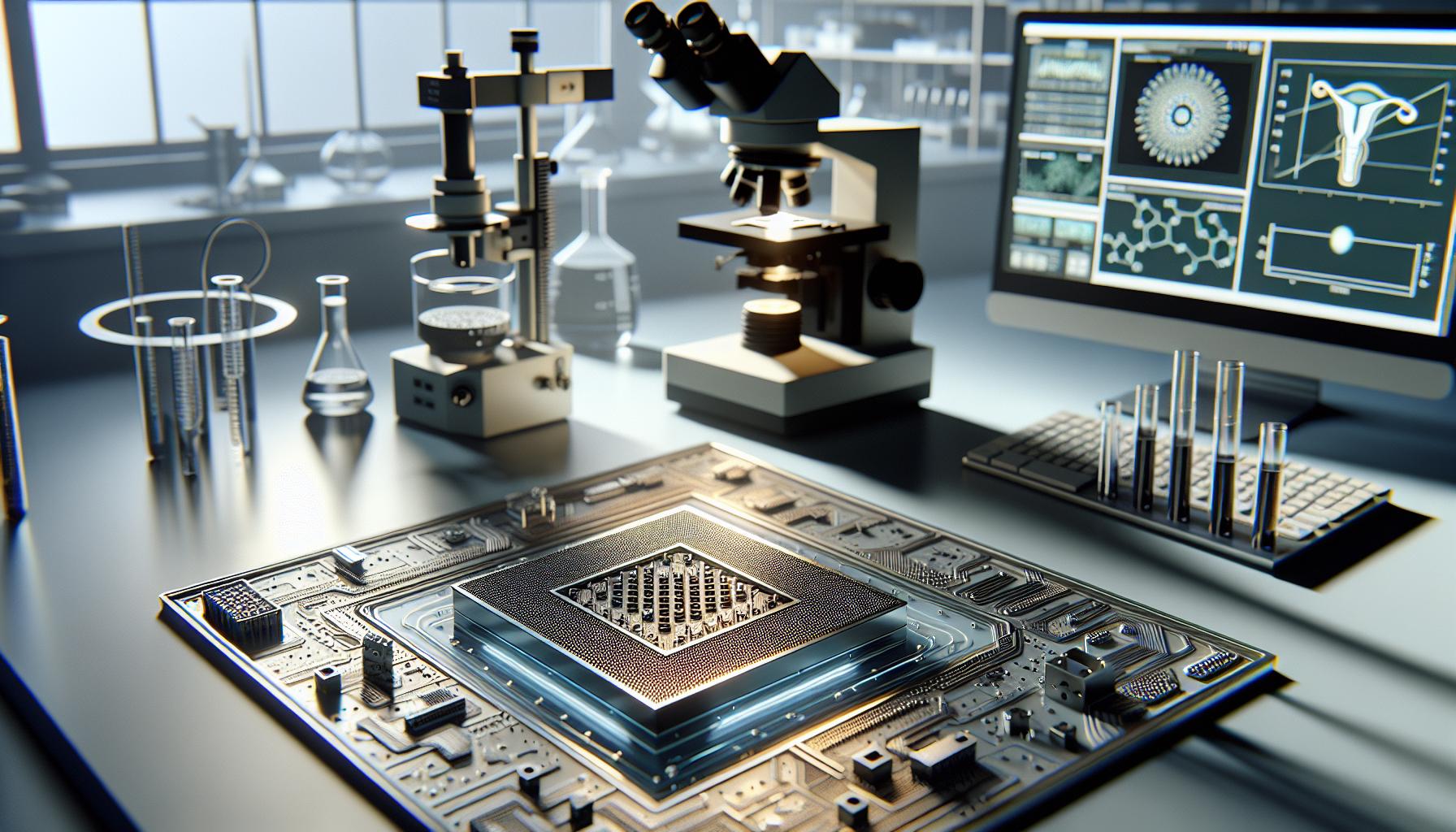
Designing Effective Microfluidic Channels
is critical to maximizing the performance of a Particle Image Velocimetry (PIV) system, particularly in achieving precise flow measurements. The design elements must align with both the optical system’s capabilities and the specific properties of the fluids being manipulated. Factors like channel geometry, fluid dynamics, and interaction effects must be taken into account to create channels that enable clear, unobstructed imaging of particle flow.
One fundamental aspect of channel design is maintaining optimal dimensions that minimize shear stress while allowing for sufficient particle tracking. For instance, channels that are too narrow can cause excessive resistance and turbulence, affecting measurements. Conversely, excessively wide channels may lead to flow instability and inconsistent data. Research often suggests designs ranging from 50 to 500 micrometers in width, depending on the application, to balance these effects effectively. Integrating features such as sharp bends or varying cross-sectional shapes can also promote complex flow behaviors, which are valuable for specific applications like mixing or reaction kinetics.
Material Selection and Surface Coating
The choice of materials for microfluidic channels also greatly influences the accuracy of PIV measurements. Common materials include glass, polydimethylsiloxane (PDMS), and silicon, each with its own set of characteristics. Glass channels provide excellent optical clarity, while PDMS is favored for its flexibility and ease of fabrication. Surface modifications, such as hydrophilicity or hydrophobicity treatments, can further enhance flow characteristics by influencing how fluids interact with channel walls. These coatings can help reduce bubble formation and improve particle tracking efficiency.
Moreover, the configuration of the channels can incorporate regions optimized for specific flow regimes. For example, employing tapered geometries can enable the control of flow rates and stabilize the fluid dynamics within the system. These designs not only streamline measurement processes but also give researchers the ability to tailor environments for experiments in biochemical assays or cellular biology.
In summary, careful consideration of channel design, including geometry, material selection, and surface properties, significantly enhances the efficiency and precision of microfluidic PIV systems. By bridging theoretical insights with practical design strategies, researchers can optimize fluid flow visualization, paving the way for advancements in microfluidics and broader applications across various scientific fields.
Techniques for Enhancing Measurement Precision
Achieving high precision in particle image velocimetry (PIV) systems is crucial, especially when working in the challenging realm of microfluidics. Factors affecting measurement accuracy range from hardware calibration to the properties of the tracer particles used in the fluid. By adopting well-established techniques, researchers can significantly elevate the reliability and resolution of the data collected.
A primary method for enhancing measurement precision is optimizing the optical configuration. Utilizing high-quality optics and ensuring proper alignment can reduce aberrations and improve image clarity, which is vital when tracking small particles in fluctuating flows. Employing advanced illumination techniques such as laser sheet illumination can also help create clearer images by providing uniform light across the measurement plane. Furthermore, selecting appropriate cameras with high frame rates and resolution is essential; a faster camera captures more images per second, which is particularly advantageous in dynamic fluid environments.
In addition to hardware considerations, the choice and behavior of tracer particles play a pivotal role. The particles must be appropriately sized relative to the flow or channel dimensions to minimize interaction effects that can mislead velocity measurements. Typically, sub-micron-sized particles are favorable in microfluidic contexts, as they can follow the flow without adding significant mass or altering it. Additionally, surface treatments on the particles can enhance their dispersion and stability within the fluid, preventing aggregation that could skew results.
Lastly, implementing robust data processing techniques, such as multi-pass interrogation and adaptive correlation methods, can lead to more accurate velocity vector determination. Instead of solely relying on ensemble averages, the ability to obtain instantaneous velocity fields enables researchers to better analyze transient phenomena and complex flow behaviors. Visualization tools that help interpret the resulting vector fields further aid in understanding the fluid dynamic landscapes captured during experiments.
By strategically addressing optical configuration, particle selection, and data processing, researchers can significantly improve the precision of their microfluidic PIV measurements, leading to more reliable and insightful outcomes. These enhancements not only facilitate deeper understandings of fluid dynamics at the microscale but also open up new avenues for applications in biomedical research and beyond.
Challenges in Microfluidic Velocimetry Analysis
In the complex realm of microfluidics, particle image velocimetry (PIV) analysis presents unique challenges that require careful consideration and innovative solutions. One significant hurdle is the interaction of tracer particles with the fluid medium. In micro PIV systems, the particles must be small enough to accurately follow the fluid flow without significantly impacting it. However, if they are too small, they may become overly dispersed or not provide sufficient contrast against the background, leading to unreliable measurements. Therefore, selecting the right tracer particle size and material is critical to achieve a balance between effective tracking and minimal disturbance.
Another challenge is detecting and analyzing flow in intricate microfluidic geometries. Microchannels often exhibit complex flow patterns that can include laminar flows, vortex formations, and non-Newtonian behaviors, particularly in biological applications. These phenomena can complicate the interpretation of PIV data. For instance, traditional PIV techniques may struggle to provide accurate velocity fields in regions with significant vortex activity or shear turbulence. To address this, researchers can utilize advanced imaging techniques and sophisticated data processing algorithms that enhance spatial resolution and temporal fidelity, enabling a more accurate capture of transient flow structures.
Moreover, environmental factors and system noise can heavily influence the results of micro PIV measurements. The optical setup must be precisely calibrated, and any fluctuations in light intensity can lead to variability in image capture, which subsequently affects the interrogation algorithms. Implementing robust noise-reduction techniques and ensuring consistent environmental conditions during experiments can mitigate these discrepancies. This involves not only optimizing the hardware but also refining the overall experimental protocol to minimize variations that could compromise data integrity.
Lastly, data interpretation and analysis can pose significant obstacles. Translating the raw phantoms from PIV back into meaningful fluid dynamic insights requires a solid understanding of both the technology and the fluid mechanics involved. As such, researchers must be adept at using sophisticated software tools and developing custom algorithms to filter out noise while capturing the details of the flow dynamics. By fostering continuous learning and collaboration among interdisciplinary teams, practitioners can better overcome these challenges and advance the applications of micro PIV in research and industry settings.
In summary, addressing these challenges demands not only technical expertise but also careful experimental design and rigorous analytical techniques. By being proactive in overcoming the obstacles inherent in microfluidic velocimetry, researchers can harness the full potential of PIV technology to unlock new insights into fluid dynamics at the microscale.
Recent Advances in PIV Technology for Microfluidics
In recent years, significant advancements in particle image velocimetry (PIV) technology have dramatically improved its application in microfluidics, making it an essential tool for researchers and engineers alike. These developments not only enhance measurement precision but also expand the range of scenarios where PIV can be effectively utilized. For instance, innovations in camera technology, such as high-speed and high-resolution imaging, allow for more detailed flow field observations, capturing faster events that were previously beyond reach. This capability is crucial for studying rapid biological processes and reactions in microfluidic systems.
Another promising advancement is the integration of machine learning and advanced image processing techniques. Traditional PIV methods can struggle with complex flow patterns, especially in scenarios with turbulence or vortical flows. However, new algorithms, which leverage machine learning, provide improved data interpretation capabilities by automatically identifying and correcting for anomalies more effectively than manual methods. This upgrade transforms how researchers extract quantitative data from PIV measurements, leading to more reliable insights into fluid dynamics.
Emerging Techniques and Applications
Additionally, researchers are increasingly focusing on using micro- or nano- particle tracers that can provide better tracking with minimal disturbance to the flow. The development of smart tracer particles, which respond to changes in environmental conditions or fluid properties, opens new avenues for real-time monitoring of microfluidic processes. These advancements facilitate enhanced spatial resolution and accuracy, allowing scientists to visualize and measure flows in more intricate microfluidic geometries, which is particularly beneficial in biomedical applications where understanding fluid behavior can inform diagnostics and therapeutic strategies.
Furthermore, advances in micro-optical setups, such as integrated waveguides and micro-lenses, have minimized the footprint of PIV systems, making them more accessible for laboratory setups and field applications. These compact systems can be integrated directly into microfluidic devices, allowing for real-time monitoring and reducing the need for complex external setups.
In summary, the recent technological strides in particle image velocimetry for microfluidics not only enhance measurement capabilities but also revolutionize the approach to studying complex fluid dynamics. As PIV technology continues to evolve with innovation, it promises to unlock new applications and provide deeper insights into the behavior of flows at the microscale, fundamentally advancing both research and practical applications in various fields.
Integrating PIV with Other Microfluidic Techniques
Integrating particle image velocimetry (PIV) with other microfluidic techniques can significantly enhance the capability and scope of fluid dynamics studies at the microscale. By merging these advanced technologies, researchers can create holistic systems that not only provide velocity measurements but also improve overall process understanding. This synergy opens doors to various applications, especially in the biomedical and chemical engineering fields, where precise fluid behavior is crucial.
One effective integration approach involves coupling PIV with fluorescence microscopy techniques. This combination enables researchers to visualize and measure both flow dynamics and chemical interactions in real time. For example, by utilizing fluorescent tracer particles, scientists can track flow patterns while simultaneously observing chemical reactions occurring within microchannels. This dual analysis not only increases the spatial resolution of dynamic events but also facilitates the study of reaction kinetics in a controlled environment. The value of this integrative framework becomes clear when investigating complex biological processes, such as drug delivery systems or micro-organism interactions, where flow patterns significantly influence outcomes.
Another promising combination is the integration of PIV with digital holographic microscopy (DHM). This pairing leverages the strengths of both techniques by allowing for three-dimensional flow field measurements while maintaining high spatial and temporal resolution. DHM can capture multiple layers of fluid behavior in microstructures, providing a comprehensive view of velocity distributions and enabling deeper insights into vortices and other flow phenomena that are typically challenging to analyze. Incorporating data from both systems enhances the accuracy of the resulting analysis and helps identify flow instabilities that could affect microfluidic system performance.
Moreover, using PIV in combination with pressure sensors provides an opportunity for dynamic feedback control in microfluidic systems. By continuously measuring flow dynamics and adjusting parameters in real-time, it is possible to optimize conditions for specific applications. This is particularly beneficial in processes requiring precise control over mixing, reaction time, or mass transfer, such as in micro-reactor systems used in pharmaceuticals. As researchers implement these integrations, they can expect not only to refine PIV measurements but also to significantly boost the overall efficiency and effectiveness of their microfluidic applications.
In summary, the integration of PIV with other microfluidic techniques presents an exciting frontier in fluid dynamics research. By combining complementary methods, researchers can achieve more comprehensive data collection and analysis, leading to advancements in various scientific and engineering fields. Such integrative strategies not only enhance measurement precision but also reveal intricate fluid behaviors, driving innovation in microfluidic system designs and applications.
Interpreting PIV Data: Insights and Techniques
Understanding and interpreting data from a Particle Image Velocimetry (PIV) system is crucial for obtaining valuable insights into fluid dynamics, particularly in the context of microfluidics. The precision of PIV techniques allows researchers to visualize and quantify flow patterns with exquisite detail, revealing intricate behaviors that can influence chemical reactions, biological processes, and system designs. However, the complexity of interpreting this data can pose challenges, necessitating a clear framework for analysis.
One fundamental aspect of interpreting PIV data lies in understanding the velocity field it generates. The output typically comprises two-dimensional vector fields representing the fluid velocity at various points within the microchannel. To effectively extract meaningful information, it’s vital to employ advanced post-processing techniques. These can include filtering noisy data, spatial interpolation, and averaging multiple PIV measurements to enhance signal quality. Additionally, generating contour plots or vector diagrams creates intuitive visualizations of flow dynamics, making the results accessible and actionable for practical applications.
Techniques for Data Interpretation
Implementing a systematic approach to data interpretation can greatly improve accuracy and efficiency. Here are some practical techniques to consider:
- Cross-Correlation Analysis: Using cross-correlation methods to analyze displacement between successive image pairs allows for robust velocity vector calculation, which is essential for areas with complex flow patterns.
- Gradient Analysis: Evaluating spatial gradients of the velocity field helps identify regions of high shear rates or recirculation zones, providing insights into mixing efficiency or flow stability.
- Time-Resolved PIV: Applying time-resolved PIV techniques enables the capture of transient flow phenomena, essential for understanding dynamic systems such as biological transport or micro-reactors.
Interpreting PIV data also involves contextualizing the findings within the experimental setup and the specific application. For instance, understanding how channel geometry, fluid properties, and external forces interact can lead to more informed interpretations of velocity profiles. Factors such as Reynolds number and flow regime should always be considered, as they provide critical insights into laminar versus turbulent flow behaviors.
Ultimately, embracing a multi-faceted approach to data interpretation not only advances knowledge in microfluidics but also equips researchers with the tools to innovate and optimize fluidic systems effectively. By blending computational techniques with empirical analysis, one can unlock the full potential of PIV in engineering and scientific applications.
Comparative Studies: PIV vs. Other Flow Measurement Methods
Particle Image Velocimetry (PIV) stands out as a premier technique for capturing the intricacies of fluid flow, especially within modern microfluidic systems. However, when selecting an appropriate method for flow measurement, it’s essential to consider how PIV compares with other technologies. Understanding these differences is key to choosing the right tool for specific applications.
One significant advantage of PIV is its ability to provide detailed two-dimensional flow fields without intrusive probes. This non-intrusive nature is paramount in microfluidics, where the integrity of the system must be preserved. In comparison, traditional methods such as hot-wire anemometry or pitot tubes can disrupt flow and alter the dynamics they intend to measure. PIV leverages digital imaging and sophisticated algorithms to calculate velocity fields from particle displacements in captured frames, allowing researchers to visualize complex flow behaviors effectively. This makes PIV particularly useful for applications where thorough insights into flow patterns, mixing, or shear rates are crucial.
On the other hand, alternatives like Laser Doppler Anemometry (LDA) offer advantages in certain scenarios, such as measuring high-velocity flows with very small probes. LDA is highly precise and can measure instantaneous velocities at a specific point, which can be advantageous when detailed point-wise measurements are required. However, it may fall short in providing spatially resolved data over larger areas compared to PIV’s comprehensive vector field outputs.
Each method also presents its unique challenges. PIV, while highly effective, relies on seeding particles within the fluid, which can affect flow behavior if not chosen properly. Furthermore, post-processing of images demands substantial computational effort. In contrast, techniques like micro-PIV, adapted for even smaller scales, often face challenges with noise and the need for specialized optics. Understanding these nuances helps researchers make informed decisions and optimize their microfluidic experiments for meaningful results.
In conclusion, while PIV is a powerful tool offering extensive flow visualization capabilities, the choice between PIV and other flow measurement techniques like LDA or anemometry ultimately hinges on the specific requirements of the study, including the scale of measurement, the nature of the fluid flow, and the level of detail needed. By evaluating these factors thoughtfully, researchers can leverage the full potential of fluid dynamic analysis in their projects.
Future Trends in Microfluidics and PIV Applications
As microfluidic applications continue to evolve, the integration of advanced particle image velocimetry (PIV) techniques stands at the forefront of innovation in fluid dynamics analysis. The increasing demand for precision in applications ranging from biomedical devices to chemical engineering underscores the relevance of PIV systems in characterizing microscopic flows with high accuracy. While traditional methods face limitations in spatial resolution and data richness, micro-PIV offers unparalleled benefits, paving the way for novel research and practical applications.
Emerging trends include the rise of real-time imaging systems that combine micro-PIV with high-speed cameras and machine learning algorithms. These advancements facilitate rapid data acquisition and processing, enabling researchers to visualize fluid dynamics in real time. For instance, in studies focusing on drug delivery mechanisms, integrating micro-PIV with intelligent algorithms can help optimize the flow of drug-laden nanoparticles through microchannels, ensuring efficient targeting and release. Additionally, the development of portable PIV systems broadens accessibility, allowing on-site analysis in diverse environments, from laboratory settings to point-of-care applications.
Moreover, the field is witnessing a shift toward multi-modal measurement techniques. By combining micro-PIV with other methods like fluorescence microscopy or electric field flow techniques, researchers can capture a more comprehensive picture of fluid behaviors and interactions. This integrative approach not only enhances measurement precision but also allows for the study of complex phenomena such as mixing, reaction kinetics in microreactors, and even biological processes at the cellular level.
As we look to the future, collaboration between academia and industry will be crucial in driving these advancements forward. Initiatives to standardize micro-PIV methodologies and develop open-source software platforms can foster innovation across disciplines. The ongoing miniaturization of optical components and sensors will further enhance the adaptability of PIV systems in diverse microfluidic applications, addressing the demands for cost-effective and efficient analysis tools. This dynamic landscape positions micro-PIV as an indispensable technique in the quest for deeper understanding and control of fluid dynamics in microfluidic systems, ultimately inspiring new solutions in health care, environmental monitoring, and beyond.
Case Studies: Successful Implementations of PIV Systems
Successful implementations of particle image velocimetry (PIV) systems in microfluidics highlight the immense potential of this technology across various scientific and industrial applications. One notable example is the use of micro-PIV in drug delivery research. In a case study focusing on the behavior of drug-laden nanoparticles in microchannels, researchers utilized a micro-PIV system to visualize and quantify flow profiles at micron scales. This allowed them to assess the efficiency of drug release mechanisms and optimize the design of microfluidic devices for targeted therapy, resulting in improved patient outcomes and reduced side effects.
Another compelling application of micro-PIV can be seen in biomedical engineering. A team at a leading university developed a microfluidic device to study the migration patterns of cancer cells under different flow conditions. By integrating micro-PIV with fluorescence imaging, they captured real-time data on cellular movement, revealing how varying shear stresses affect cell behavior. This dual-approach not only enhanced the understanding of tumor dynamics but also facilitated the development of targeted therapies aimed at inhibiting cancer metastasis.
Micro-PIV systems are also making waves in environmental monitoring. Researchers studying pollutant dispersion in water channels used a micro-PIV setup to measure flow velocities and visualize mixing patterns at micro levels. This data was crucial for modeling the transport phenomena of contaminants, ultimately aiding in the development of more effective remediation strategies. Through precise measurement of flow dynamics, these studies have informed policies on water quality control and environmental protection.
In summary, the versatility of particle image velocimetry systems in microfluidics is demonstrated through diverse case studies across fields such as drug delivery, cancer research, and environmental science. These examples not only illustrate the practical applications of micro-PIV technology but also underscore its potential for transformative impact in advancing both fundamental research and real-world solutions. By embracing such innovative techniques, researchers can continue to push the boundaries of what is possible in microfluidic analysis.
Q&A
Q: What are the benefits of using Particle Image Velocimetry (PIV) in microfluidics?
A: Particle Image Velocimetry (PIV) offers several benefits in microfluidics, including real-time velocity field measurements, high spatial resolution, and non-intrusive data collection. This allows for detailed analysis of micro-scale flows, enhancing the understanding of fluid dynamics in applications like drug delivery and biochemical assays.
Q: How does a microfluidic PIV system differ from traditional PIV systems?
A: A microfluidic PIV system is specifically designed to work with small volumes and confined geometries typical of microfluidics. It often uses smaller tracer particles, optimized laser illumination, and advanced image processing techniques to achieve high accuracy in complex flow environments, unlike traditional PIV, which may not be suitable for such conditions.
Q: What is the role of tracer particles in microfluidic PIV?
A: Tracer particles are essential in microfluidic PIV as they enhance the measurement of fluid velocities. These particles are small enough to follow the flow accurately and are illuminated by a laser to capture their motion, allowing for direct velocity field calculations through image analysis.
Q: Can PIV be integrated with other microfluidic techniques?
A: Yes, PIV can be effectively integrated with other microfluidic techniques, such as fluorescence imaging and electrokinetic manipulation. This integration can provide multi-faceted insights into fluid dynamics and enhance the functionality of microfluidic devices, improving applications like cell sorting and chemical reactions.
Q: What challenges are associated with microfluidic PIV analysis?
A: Key challenges in microfluidic PIV analysis include particle seeding difficulties, optical distortions due to microchannel geometries, and the need for high-speed image acquisition. Addressing these challenges requires careful experimental design and calibration to ensure accurate measurements.
Q: How can measurement precision be enhanced in microfluidic PIV?
A: To enhance measurement precision in microfluidic PIV, consider optimizing the size and density of tracer particles, using high-quality optics for illumination, and applying advanced image processing algorithms. Regular calibration of the system also aids in reducing measurement uncertainty.
Q: What are potential applications of microfluidic PIV technology?
A: Microfluidic PIV technology has various applications, including blood flow analysis, drug transport studies, and biochemical reaction monitoring. Its ability to provide detailed flow insights is valuable in both research and clinical settings.
Q: What advancements are currently being made in microfluidic PIV technology?
A: Recent advancements in microfluidic PIV technology include the development of microfabricated devices for more complex flow measurements, improved data processing algorithms that utilize machine learning, and miniaturized laser systems that enhance spatial resolution and accuracy in real-time flow assessment.
The Conclusion
Unlock the potential of microfluidics with our advanced Particle Image Velocimetry (PIV) system, designed for precise flow measurements that are essential for your research and development. By harnessing this cutting-edge technology, you can achieve unparalleled insights into fluid dynamics that drive innovation in your projects. Don’t miss out on the opportunity to elevate your research-explore our product features and see how easy it is to integrate PIV into your workflow.
Ready to take the next step? Learn more about our related solutions in fluid mechanics, or check out our comprehensive guide on PIV measurement principles for an in-depth understanding of how this technology can benefit you. Join our community of researchers and technical makers by subscribing to our newsletter for the latest updates and industry insights. Your journey into precision measurement starts here-let’s transform your data capabilities today!
Get our latest guides, news, and insights highlighted in your Google Search & AI Overviews.