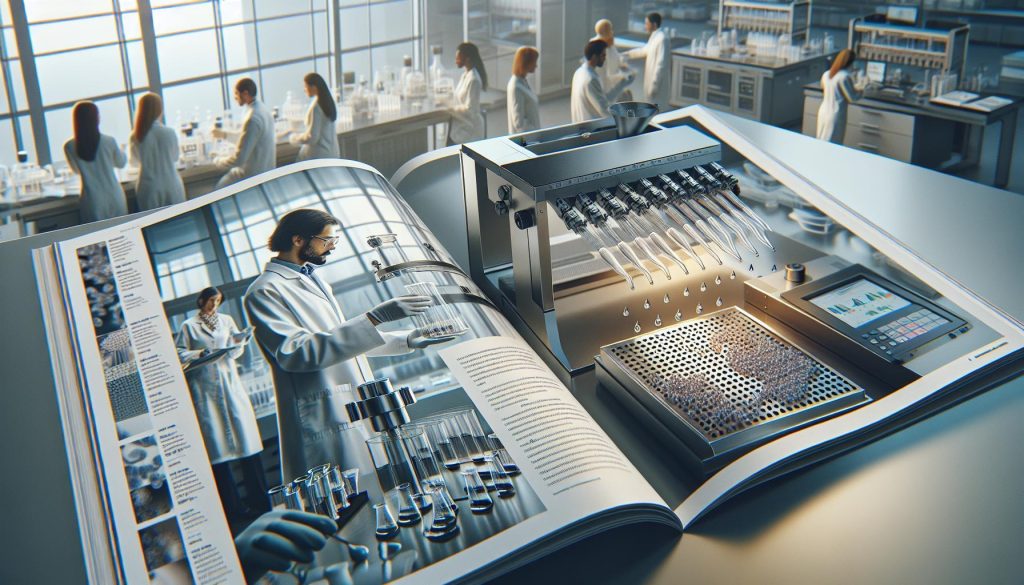
Every year, billions of tons of biomass are generated, much of which is rich in cellulose, a vital polysaccharide that forms the backbone of plant materials. Understanding and efficiently harnessing cellulase enzymes – which degrade cellulose into simpler sugars – holds immense potential for biofuel production, waste management, and various industrial applications. In this context, innovations in screening methods are crucial. Our introduction of a high-throughput cellulase screening system based on droplet technology represents a transformative approach to quickly identify and characterize effective cellulase producers, enabling researchers and industries to accelerate the development of sustainable solutions. Join us as we explore how this cutting-edge system can revolutionize enzyme discovery and biotechnology, ultimately contributing to a greener future. Curious about how these advancements can impact your research or business? Let’s dive into the details.
High-Throughput Cellulase Screening Overview
High-throughput cellulase screening is revolutionizing the way researchers identify and optimize enzymes for biomass conversion, a crucial step in biofuel production and waste management. As the world transitions towards sustainable energy and materials, the demand for efficient cellulases-enzymes that break down cellulose into fermentable sugars-has surged. High-throughput techniques facilitate rapid evaluation of numerous cellulase variants, allowing scientists to discover ideal candidates for industrial applications efficiently.
At the core of this process is the innovative use of droplet-based technologies. These systems create micro-environments where individual reactions can occur simultaneously, enabling the high-speed screening of thousands of samples with minimal reagent volume. Such an approach not only accelerates the identification of superior enzyme candidates but also minimizes resource consumption, making it an environmentally friendly option. The integration of automated platforms in droplet-based systems further enhances throughput and reproducibility, paving the way for scalable applications in various sectors, including agriculture and waste treatment.
To successfully implement a high-throughput screening system, a robust understanding of the key components is essential. This includes well-designed assays that accurately measure cellulase activity, efficient droplet generation techniques, and sophisticated data analysis tools. Optimizing these elements ensures that the screening process yields high-quality data, enabling informed decisions about enzyme candidates. Looking to the future, advancements in machine learning and artificial intelligence are poised to further refine screening methodologies, providing deeper insights into enzyme structure and function, and ultimately driving innovations in biotechnology.
Understanding Droplet-Based Technologies
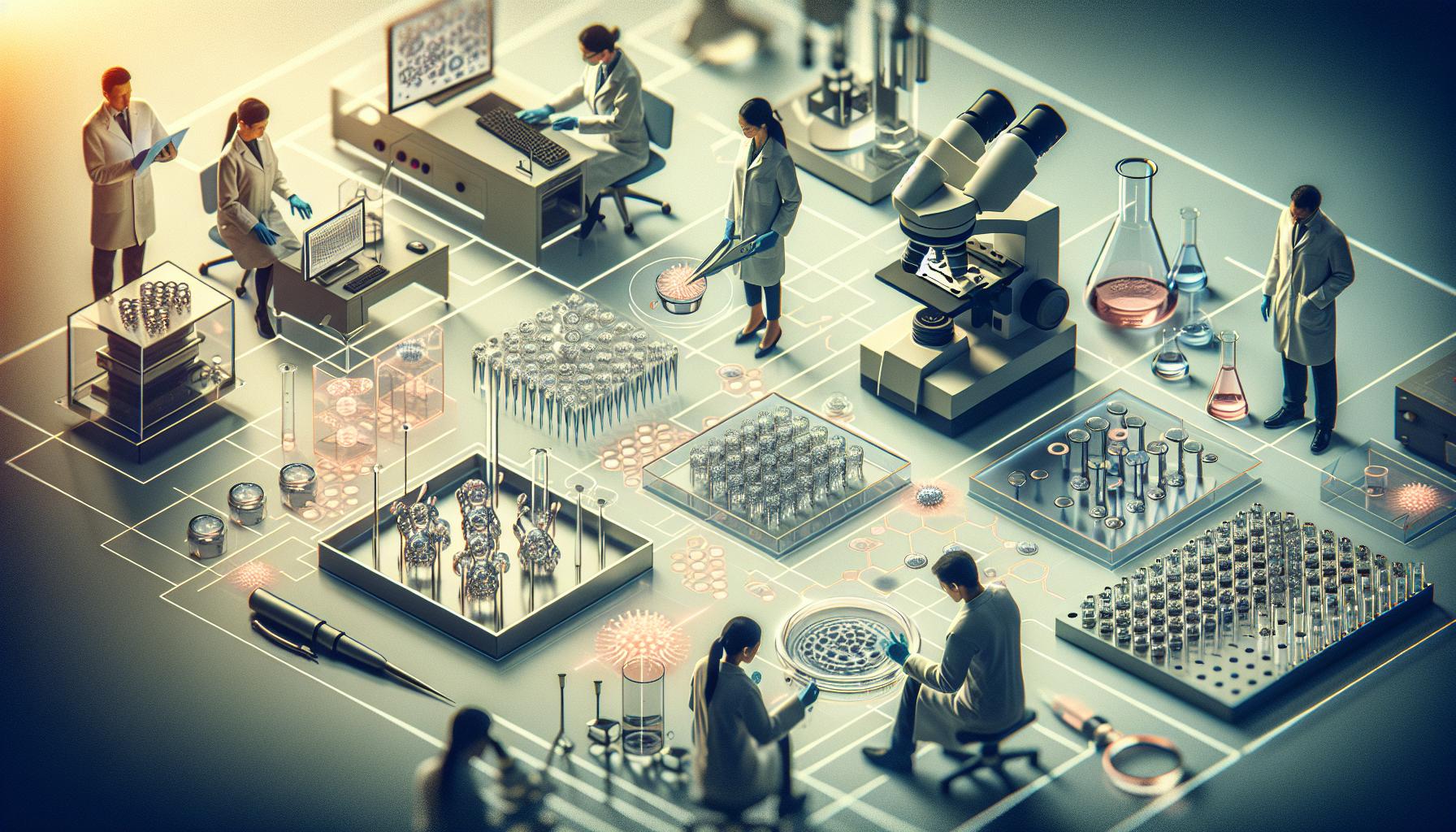
In the realm of high-throughput cellulase screening, droplet-based technologies stand out as a game changer. By creating miniature reaction environments, these systems allow researchers to conduct numerous assays simultaneously with significantly reduced reagent volumes. The beauty of this approach lies in its ability to generate thousands of reactions in parallel, enabling precise and rapid identification of effective cellulase variants that can transform biomass into usable sugars. This efficiency is particularly crucial as the demand for sustainable biofuels and materials rises.
Droplet-based systems typically employ microfluidic techniques to generate droplets that encapsulate individual samples and reagents. Each droplet acts as an isolated micro-reactor, which not only maintains distinct conditions (such as pH and temperature) but also allows for specific combinations of enzymes and substrates within a controlled space. This level of precision means that even small changes in reaction conditions can be observed and measured accurately, leading to robust data collection. Additionally, the automation of droplet creation and processing enhances throughput further by minimizing manual intervention and human error.
Another notable advantage of droplet-based technologies is the environmentally friendly aspect of their operation. By necessitating only small volumes of reagents, they significantly reduce the waste generated during the screening process. This is especially relevant in the context of screening cellulases, where conventional methods often require considerable amounts of enzymes and substrates that can lead to substantial costs and environmental burdens. Moreover, the ability to quickly iterate through various enzyme formulations accelerates the identification process, reducing the time from discovery to practical application in industry.
For researchers venturing into droplet technology for cellulase screening, a solid grasp of droplet generation methods, along with an understanding of how to efficiently encapsulate samples, is crucial. Techniques such as electrowetting and emulsification are commonly used, and knowledge of how to optimize these processes can lead to significant enhancements in screening efficiency and outcome reliability. By leveraging these cutting-edge technologies, researchers can advance their work in biotechnology, facilitating breakthroughs that align with the urgent global need for sustainable energy solutions.
Advantages of High-Throughput Screening
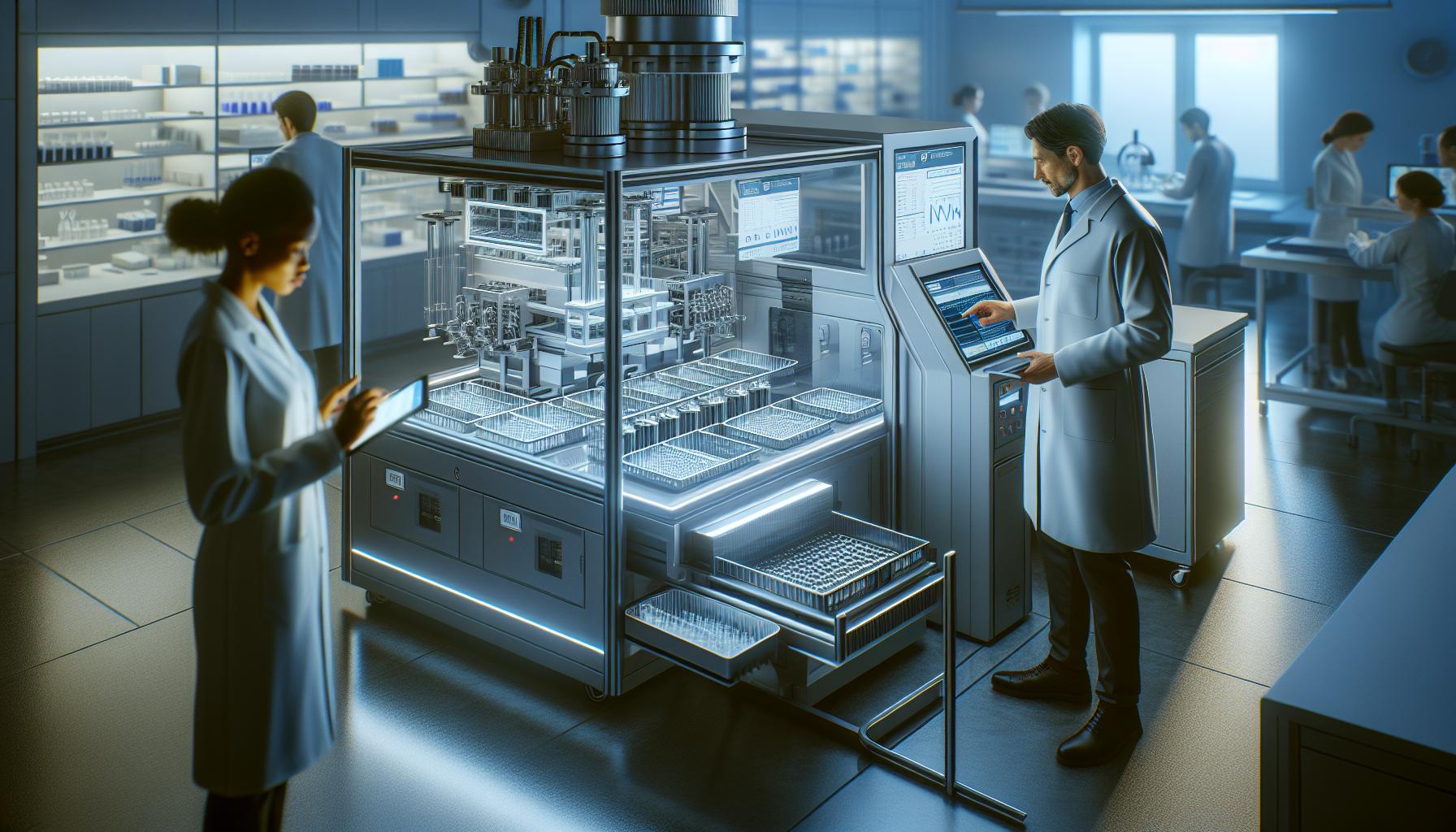
In the fast-evolving field of biotechnology, the shift towards high-throughput screening is revolutionizing how researchers identify and optimize cellulases-enzymes pivotal for breaking down complex biomass into fermentable sugars. This approach not only accelerates the research process but also enhances the efficiency and effectiveness of experiments. By enabling the simultaneous testing of hundreds to thousands of samples, high-throughput screening drastically reduces the time and resources typically required for experimentations.
One of the primary systems is their ability to yield a vast amount of data in a short timeframe. Researchers can conduct multiple assays simultaneously using microfluidics, where tiny droplets serve as individual reaction vessels. Each droplet can house different enzyme formulations or concentrations of substrate, making it possible to screen a multitude of conditions at once. This parallel processing capability significantly diminishes the time to identify promising cellulase variants that can have a transformative impact on biofuel production and other applications.
Moreover, high-throughput systems inherently support a more systematic approach to enzyme optimization. By automating sample preparation and reaction monitoring, they minimize the variability often introduced by manual processes. This consistency is crucial for drawing reliable conclusions from experimental data. For instance, small adjustments in reaction conditions-such as pH or temperature-can be systematically varied across numerous droplets, allowing for the precise determination of optimal conditions for cellulase activity.
Another compelling benefit is the reduction in reagent usage and waste generation. Traditional cellulase screening methods often require larger quantities of materials, leading not only to higher costs but also to significant environmental implications. In contrast, droplet-based technologies use tiny volumes of reagents, which aligns with the increasing demand for sustainable laboratory practices. This waste reduction is not just economically beneficial; it also reflects a commitment to more environmentally responsible research methodologies.
In summary, high-throughput screening empowers researchers by saving time, enhancing data collection, and fostering eco-friendly practices. These advantages collectively pave the way for rapid advancements in cellulase research, thereby supporting the pursuit of sustainable energy solutions and biotechnological innovations that can meet global demands.
Key Components of the Screening System

Utilizing high-throughput screening technology for cellulase production is not just about processing samples quickly-it involves carefully orchestrating several key components that ensure accuracy, efficiency, and reliability in results. The primary elements of a droplet-based high-throughput screening system can profoundly impact the success of enzyme optimization endeavors.
One of the most crucial components is the microfluidic setup. This technology enables the generation of numerous droplets, each acting as an independent reaction vessel containing different enzyme formulations and substrates. The precision of microfluidics allows for uniform droplet sizes, ensuring consistent conditions across experiments. The ability to control the droplet formation process-whether through flow focusing or passive droplet generation techniques-can significantly influence the screening outcomes. Researchers must select the appropriate method based on their specific needs, balancing throughput with reliability.
Equally important is the reaction monitoring system that facilitates real-time analysis of enzyme activity. This typically involves integrating optical or electrochemical sensors within the droplet environment. Such sensors can detect changes in fluorescence or signals corresponding to substrate consumption or product formation. For example, using fluorescence spectroscopy allows researchers to monitor enzymatic reactions continuously, providing immediate feedback that can guide further experiments. Implementing these sensors requires careful consideration of their compatibility with the reaction conditions and the stability of the reagents involved.
Moreover, an effective data management and analysis framework is indispensable for making sense of the vast amounts of data generated through high-throughput screening. With hundreds to thousands of assays performed simultaneously, robust software solutions are necessary for data collection, processing, and interpretation. This framework should not only facilitate statistical analysis but also support machine learning algorithms to identify patterns and predict optimal conditions for cellulase activity. Researchers are encouraged to set up data pipelines that connect real-time monitoring with analytical tools, thereby streamlining the entire workflow.
Ultimately, the integration of these components-microfluidics, real-time monitoring, and data analysis-creates a comprehensive, efficient screening system. By understanding and optimizing each element of this setup, researchers can enhance the discovery and characterization of novel cellulases, paving the way for significant advancements in biofuel development and other biotechnological applications.
Optimizing Cellulase Production in Droplets
To achieve optimal cellulase production in droplet-based systems, a meticulous balance of biochemical conditions and microfluidic parameters is essential. The unique feature of droplet technology lies in its capacity to create numerous micro-reactors in parallel, allowing individual enzyme formulations and substrate combinations to be tested simultaneously. This setup not only accelerates experimentation but also enables fine-tuning of conditions that influence cellulase activity and stability.
One primary factor to consider is the composition of the droplet environment. The ratio of enzyme to substrate, the pH, and temperature play pivotal roles in determining enzyme efficiency. Researchers should experiment with varying these parameters systematically. For instance, one could use a central composite design or fractional factorial design to efficiently explore the parameter space. Such experimental designs enable the identification of optimal conditions without the need for exhaustive combinations, thereby saving time and resources.
Additionally, it’s critical to monitor reactions in real-time, leveraging advanced sensing techniques to capture dynamic changes within droplets. Incorporating fluorescence spectroscopy or absorbance measurements into the screening workflow provides immediate feedback on enzyme activity. A well-designed data acquisition system can help correlate specific enzyme performance with particular droplet conditions, leading to insights that guide further refinement of enzyme formulations.
Finally, enhancing the robustness of libraries generated for cellulase production is beneficial. Using a diverse range of cellulase variants-obtained through techniques like directed evolution or rational design-can uncover new avenues for efficiency. By harnessing molecular biology techniques to create libraries that are screened in droplets, researchers can identify high-performing cellulases that may have properties better suited for industrial applications, such as biofuel production.
In summary, optimizing cellulase production relies on well-controlled droplet environments, real-time monitoring of catalytic activities, and the strategic design of enzyme libraries. Applying these principles within a high-throughput screening framework will not only streamline the discovery process but also enhance the performance characteristics necessary for practical applications in biotechnology.
Application of Cellulases in Biotechnology
Cellulases play a pivotal role in transforming biomass into valuable products, holding promise for diverse biotechnological applications. These enzymes, responsible for breaking down cellulose into fermentable sugars, are crucial in processes such as biofuel production, waste management, and the textile industry. The high-throughput screening approach using droplet-based technologies enhances the ability to discover and optimize cellulases tailored for specific industrial processes, making it a significant tool in modern biotechnology.
One exciting application of cellulases is in the production of biofuels. With the growing need for sustainable energy sources, cellulases enable the efficient conversion of plant materials, such as agricultural residues and wood, into fermentable sugars, which can then be fermented into ethanol. This process not only reduces reliance on fossil fuels but also offers a means to utilize waste materials, thereby contributing to a circular economy. For example, cellulose extracted from corn stover or sugarcane bagasse can be effectively hydrolyzed by engineered cellulases, produced rapidly via high-throughput droplet screening, significantly improving yield and reducing costs.
Another notable application is in the textile industry, where cellulases are employed for fabric finishing. They facilitate bio-polishing processes that enhance the appearance and feel of textiles by removing protruding fibers, resulting in smoother and softer materials. The use of customized cellulase formulations developed through high-throughput screening can enhance efficiency and reduce the need for harsh chemicals, making textile processing more environmentally friendly. This is particularly crucial as consumers increasingly demand sustainable practices in fashion and textile production.
Cellulases also find substantial use in the food industry, especially in the production of fruit juices and wine. They can degrade plant cell walls, increasing juice yield and clarity. With the high-throughput systems, it is possible to screen various cellulase variants rapidly to identify those that maximize extraction efficiency while minimizing undesirable flavors or compounds. This tailored approach not only boosts product quality but also aligns with industry standards for clean-label products.
In summary, the broad applications of cellulases in biotechnology highlight their versatility and importance in addressing global challenges in energy, materials, and food sectors. Leveraging the capabilities of high-throughput droplet screening to discover and optimize these enzymes ensures that these applications can be made more efficient, cost-effective, and environmentally sustainable. As research continues to advance in this field, we can expect even more innovative uses for cellulases that could transform industries and contribute positively to global sustainability efforts.
Challenges in Cellulase Screening
Despite the tremendous potential of high-throughput cellulase screening systems based on droplet technologies, several challenges must be navigated to optimize this process effectively. One of the primary hurdles is the complexity of cellulase enzymes themselves. These enzymes are produced by various organisms and can exhibit significant variability in their structure and function. This variability can complicate the identification of superior candidates for specific applications, as it requires extensive characterization of numerous enzyme variants to understand their catalytic efficiencies and substrate specificities.
Furthermore, the multiplexing nature of droplet assays can lead to issues with data interpretation. While high-throughput methods allow for the simultaneous screening of thousands of enzyme candidates, the sheer volume of data generated can be overwhelming. Variability in droplet formation and the conditions within each droplet can introduce noise into the results, potentially masking differences in enzyme performance. Consistently reproducing droplet conditions across different batches is crucial but can be challenging, requiring rigorous calibration and validation protocols to ensure the reliability of the findings.
Another challenge lies in the scaling up of successful enzyme variants identified in high-throughput screenings. Optimizing production conditions for these enzymes when transferred from a droplet-based microenvironment to larger-scale bioreactors poses additional obstacles. Factors such as enzyme stability, solubility, and interaction with other components in the system can vary significantly in larger scales, making it essential to establish robust production and purification processes that maintain the desired enzyme activity.
Lastly, integrating the advancements in computational tools and data analytics into the screening process is vital yet challenging. While advanced algorithms can recognize patterns in large datasets, they require continuous updates and training on diverse data to remain effective. Collaborating with data scientists to develop predictive models that can guide enzyme selection and improve screening efficiency is an ongoing endeavor that holds promise but demands significant interdisciplinary cooperation and resources.
Addressing these challenges requires a multi-faceted approach, combining molecular biology, engineering solutions, and data science expertise. By carefully navigating these hurdles, researchers can unlock the full potential of high-throughput cellulase screening systems, thereby accelerating the development of innovative biotechnological applications.
Future Trends in High-Throughput Screening
As the demand for sustainable and efficient biocatalysts grows, the evolution of high-throughput screening (HTS) technologies becomes increasingly critical. The advent of droplet-based systems is paving the way for enriched screening processes, allowing researchers to discern the capabilities of cellulases in unprecedented detail. One exciting trend is the integration of artificial intelligence (AI) and machine learning algorithms into HTS frameworks. These technologies not only streamline data interpretation but also enhance predictive modeling for enzyme efficacy. For instance, AI can analyze patterns in screening data to identify enzyme features correlated with high performance, ultimately guiding the design of more effective cellulase variants.
Expanding Applications Through Novel Droplet Technologies
The future of high-throughput cellulase screening will see the adoption of innovative droplet technologies that enable precise manipulation of microenvironments. This fine-tuning allows for the creation of tailored conditions that mimic real-world substrates and reaction conditions, leading to more accurate assessments of enzyme activity and stability. Emerging techniques such as microfluidic devices can efficiently generate and analyze droplets, facilitating the simultaneous testing of multiple variables. This level of control will enable researchers to rapidly identify optimal conditions for cellulase function, thereby accelerating the development of cellulase-based applications in biofuels and waste management.
Enhancing Collaboration and Data Integration
Another vital trend is the emphasis on collaborative platforms that enable seamless data sharing among researchers, engineers, and data scientists. This interdisciplinary approach maximizes the utility of HTS data by fostering a collective problem-solving environment. As techniques become more complex, there is a growing necessity for standardized data formats and open-access repositories. Such advancements ensure that large sets of screening data can be analyzed and compared across different studies, helping to build a comprehensive knowledge base for cellulase research. By harnessing insights from diverse fields, researchers can explore novel applications and improve the efficiency of cellulase screening processes.
In conclusion, the future of high-throughput cellulase screening is poised to be transformative, driven by technological advancements and collaborative efforts. By implementing cutting-edge AI methodologies, refining droplet technologies, and promoting data integration, researchers can overcome current limitations and unlock new potentials in biotechnological applications. This not only enhances our understanding of cellulases but also significantly contributes to the overarching goal of sustainable development in various industries.
Case Studies in Cellulase Applications
In the rapidly evolving field of biotechnology, high-throughput screening (HTS) using droplet technologies is revolutionizing how cellulases are applied across various industries. Several fascinating case studies illustrate the powerful potential of these enzymes, shedding light on innovative applications that can address pressing global challenges.
One exemplary case involves the use of droplet-based HTS in optimizing cellulase for biofuel production. Researchers at a leading university developed a system that allowed them to simultaneously screen hundreds of cellulase variants under varying conditions. By encapsulating different enzyme formulations within microdroplets, they could precisely control environmental factors such as temperature, pH, and substrate concentration. This innovative approach not only accelerated the identification of robust enzyme candidates but also provided valuable insights into the enzymatic mechanisms. The most promising candidates demonstrated significantly enhanced saccharification rates, facilitating more efficient conversion of lignocellulosic biomass into fermentable sugars for bioethanol production.
Another compelling example comes from the food industry, where cellulases are used to improve juice extraction and clarity. In a collaborative project between a biotechnology company and a food processing organization, droplet-based HTS was implemented to evaluate various cellulase compositions. By analyzing many enzyme mixtures, the team identified a specific formulation that considerably increased juice yield while minimizing adverse effects on flavor and aroma. This optimized cellulase blend was subsequently scaled up for commercial use, leading to increased production efficiency and reduced waste, benefiting both manufacturers and consumers.
Furthermore, environmental applications of cellulases reveal their role in sustainable waste management. A collaboration between industry and academia focused on using cellulases to enhance the degradation of agricultural residues and municipal waste. By employing droplet HTS, researchers could quickly assess the enzymatic activity of dozens of cellulase enzymes against different types of organic waste. This case study highlighted the potential for integrating efficient cellulase formulations into composting processes, ultimately reducing landfill reliance and promoting a circular economy.
These case studies exemplify the versatility of cellulases and the transformative impact of high-throughput droplet-based screening technologies. As researchers continue to explore new applications, the ability to rapidly identify and optimize enzyme performance will not only advance scientific knowledge but also play a crucial role in fostering sustainable practices across multiple sectors. By tapping into the capabilities of droplet technologies, industries can unlock the full potential of cellulases, paving the way for innovative solutions to some of today’s most pressing environmental and economic challenges.
Integrating Data Analysis in Screening Systems
In the era of rapid advancements in biotechnology, the integration of data analysis into high-throughput screening (HTS) systems, particularly those utilizing droplet technologies for cellulase screening, has become crucial. The ability to process vast amounts of data efficiently not only accelerates the identification of promising candidates but also enhances the understanding of enzyme behavior in diverse conditions. As researchers navigate through extensive datasets generated during screenings, a systematic approach to data analysis transforms raw numbers into actionable insights.
One of the most effective strategies is employing machine learning algorithms, which can predict enzyme performance based on previous data. For instance, by analyzing patterns within enzyme characteristics and their respective activity levels, predictive models can help scientists hone in on the most effective cellulase variants before conducting time-consuming laboratory validations. These models can also adapt over time, improving their accuracy as more data becomes available. As a result, researchers can prioritize their experiments, focusing on the candidates that statistical evidence suggests are most likely to succeed.
Furthermore, visualizing data plays a critical role in understanding complex relationships and outcomes. Tools like heat maps or scatter plots can illustrate performance variations among different cellulase formulations, enabling researchers to quickly identify trends or outliers. This graphical representation simplifies the decision-making process, allowing teams to make informed choices about which enzyme variants to pursue further. Incorporating software platforms that facilitate intuitive data visualization within the HTS framework enhances collaboration as multidisciplinary teams can interpret findings collectively, marrying their expertise from different fields.
Additionally, integrating real-time data analytics during the droplet screening process allows for immediate feedback and adjustments to experimental conditions. By continuously monitoring the enzymatic reactions, researchers can tweak variables on the fly – such as substrate concentrations or environmental parameters – thus optimizing the screening process dynamically. This iterative approach not only increases efficiency but also facilitates deeper insights into the underlying mechanisms of cellulase activity, ultimately leading to better-targeted applications in both industrial and environmental contexts.
In conclusion, as the field of high-throughput cellulase screening continues to advance, the integration of robust data analysis techniques will prove essential. The ability to leverage machine learning, enhance data visualization, and enable real-time adjustments will empower researchers to unlock the full potential of cellulases, paving the way for innovative solutions in biofuels, food production, and waste management. Embracing these data-driven methodologies can catalyze the next wave of breakthroughs in enzyme technology, fostering a more sustainable future.
Comparative Approaches to Cellulase Screening
In the landscape of modern enzymology, particularly for cellulase research, employing a variety of screening approaches can greatly enhance the efficiency and effectiveness of identifying high-performing enzyme variants. Comparative methods can expose researchers to distinct advantages and limitations, allowing for the selection of optimal strategies based on specific project requirements. Each approach brings its own set of methodologies and technological advancements, shaping how scientists navigate the complexities of cellulase screening.
One major approach is the traditional plate assay method, which, despite being labor-intensive and lower in throughput, provides valuable insights through qualitative assessment. This technique often involves culturing microorganisms that produce cellulase on a solid medium, allowing for direct observation of enzymatic activity through clear zones formed around the colonies. However, the limitations of this technique-such as low throughput and susceptibility to human error-are overshadowed by its simplicity and effectiveness in preliminary screenings.
On the other hand, high-throughput screening (HTS) systems, particularly those utilizing droplet microfluidics, facilitate the rapid processing of thousands of samples simultaneously. This method allows for miniaturization of reactions within microdroplets, significantly reducing reagent costs and increasing the speed of experimentation. Researchers can explore a wider range of conditions, such as varying substrate concentrations and environmental factors, in a single run. A key advantage of droplet-based systems is their ability to integrate automation, which not only accelerates the experimental process but also minimizes variability and enhances reproducibility. Using such systems, researchers can effectively gauge enzymatic activity with high sensitivity and resolution, often leading to more accurate candidates for further development.
Another compelling option is the application of biosensors, which offer real-time monitoring of cellulase activity. These technologies allow for the direct measurement of substrate degradation without the need for extensive processing steps that characterize traditional assays. Biosensors can incorporate various detection principles, such as fluorescence or electrochemical signals, making them useful for diverse applications. However, while they provide rapid results, they may require more sophisticated instrumentation and calibration, potentially posing challenges in terms of accessibility and operational knowledge.

Ultimately, choosing a comparative approach to cellulase screening hinges on balancing throughput needs with the specific attributes of the research objectives. It's crucial for researchers to carefully evaluate the performance metrics required for their projects and select methods that align with these goals. By combining insights gained from both traditional and innovative high-throughput techniques, scientists can more effectively uncover novel cellulase variants that meet the demands of biotechnological applications.
In essence, keeping abreast of diverse screening methodologies enriches the research landscape, encouraging innovative solutions and enhancing the productivity of cellulase discovery.
Best Practices for System Implementation
Implementing a high-throughput cellulase screening system based on droplet technology can significantly amplify the efficiency and effectiveness of enzyme discovery. However, the success of such systems relies on meticulous planning and execution. To embark on this innovative journey, it is essential to embrace best practices that cover everything from system design to data analysis.
System Design and Setup
A well-structured setup is fundamental to the seamless operation of a droplet-based HTS system. Start by ensuring the microfluidic chip is optimized for droplet generation and manipulation. The geometry of the channels must facilitate stable droplet formation while preventing coalescence. Conduct pilot studies to adjust flow rates and surfactant concentrations, as these parameters directly influence droplet size and stability. Additionally, integrate appropriate detection methods, such as fluorescence or electrochemical sensors, to monitor enzymatic activity in real time.
Reagent Quality and Management
The selection and management of reagents are pivotal in maintaining robust screening outcomes. Employ high-purity substrates and enzymes to minimize background interference and variability. Consider implementing a reagent tracking system to ensure freshness and integrity-this can be as simple as a logging spreadsheet or a more sophisticated inventory management software. Regular calibration and maintenance of liquid handling systems are also crucial to prevent errors in droplet generation and reagent delivery.
Data Integration and Analysis
In high-throughput environments, data management is just as important as experimental design. Invest in software solutions that allow for real-time data capture and analysis. This will enable researchers to quickly interpret results and make timely decisions. Moreover, utilizing machine learning algorithms can enhance predictive analytics, allowing for the identification of promising cellulase variants from large datasets. Ensure that your team is trained in data interpretation to bridge the gap between raw data and actionable insights.
Iterative Optimization
Finally, embrace an iterative approach to optimization. After initial runs, analyze results critically to identify bottlenecks or unexpected outcomes. This may involve varying experimental conditions such as temperature, pH, or substrate concentrations in subsequent assays. Create feedback loops that incorporate findings from each cycle into the next, fostering an adaptive research environment that continually improves throughput and specificity.
By following these best practices, researchers can design and implement a high-throughput cellulase screening system that not only accelerates the discovery of enzyme variants but also lays the groundwork for innovative applications in biotechnology. This strategic framework will ensure that the system remains efficient, reproducible, and robust in delivering high-quality screening results.
Faq
“`markdown
Q: What are the benefits of using a droplet-based system for cellulase screening?
A: A droplet-based system for cellulase screening offers enhanced precision, faster results, and reduced reagent costs. By compartmentalizing reactions into individual droplets, it minimizes cross-contamination and enables high-throughput analysis, facilitating the identification of active cellulases more efficiently. For detailed insights, refer to the “Advantages of High-Throughput Screening” section.
Q: How does a high-throughput cellulase screening system work?
A: The system utilizes microfluidic technologies to generate tiny droplets that encapsulate individual reactions. Each droplet acts as a microreaction vessel, allowing for the parallel screening of various cellulases under controlled conditions. This maximizes efficiency and accelerates the discovery of effective enzymes.
Q: What challenges are associated with droplet-based cellulase screening?
A: Common challenges include ensuring consistent droplet formation, managing reaction volume variabilities, and analyzing large datasets effectively. These issues can affect screening reliability and throughput, requiring careful optimization of experimental conditions to overcome them.
Q: How can data analysis be integrated into cellulase screening systems?
A: Data analysis can be integrated through the use of software that interprets the results from droplet reactions, enabling real-time monitoring of enzyme activity and performance. Leveraging AI and machine learning can enhance predictive modeling and improve decision-making in cellulase selection.
Q: Why is optimizing cellulase production in droplets important?
A: Optimizing cellulase production in droplets enhances enzyme yield and activity, which is crucial for effective biomass degradation and industrial applications. It enables the identification of optimal conditions to maximize the efficiency of cellulase production processes.
Q: What future trends can be expected in high-throughput cellulase screening?
A: Future trends include advancements in microfluidic technologies and automation, which will further streamline the screening process. Additionally, there may be an increase in the integration of genetic engineering techniques to create more effective cellulase variants rapidly, accelerating biotechnological applications.
Q: How does droplet technology improve enzyme screening over traditional methods?
A: Droplet technology significantly improves enzyme screening by increasing the speed and scalability of experiments while reducing costs. It allows for simultaneous testing of multiple conditions and minimizes resource usage, making it a more efficient approach compared to traditional batch screening methods.
Q: What applications do cellulases have in biotechnology?
A: Cellulases are crucial in various biotechnological applications, including biofuel production, waste management, and food industry processes. Their ability to break down cellulose into sugars makes them essential for converting biomass into valuable products. For elaboration, check the “Application of Cellulases in Biotechnology” section.
“`
In Retrospect
As we wrap up our exploration of the “High-Throughput Cellulase Screening System Based on Droplet,” it’s clear that this innovative approach not only streamlines enzyme discovery but also supports enhanced productivity in cellulose breakdown applications. Harnessing this technology could significantly boost your research or industrial processes, leading to faster developments in biofuels, food science, and waste management.
Are you ready to take the next step? Dive deeper into our resources on enzymatic applications and industry practices by checking out our detailed articles on cellulase classification and its health benefits. Don’t miss out-subscribe to our newsletter for the latest insights and updates on breakthrough biotechnologies. Your journey towards optimizing cellulose enzymology starts now!
If you have questions or want to share your experiences, join the conversation in the comments below. Together, let’s push the boundaries of what’s possible with cellulases and elevate your projects to new heights!