
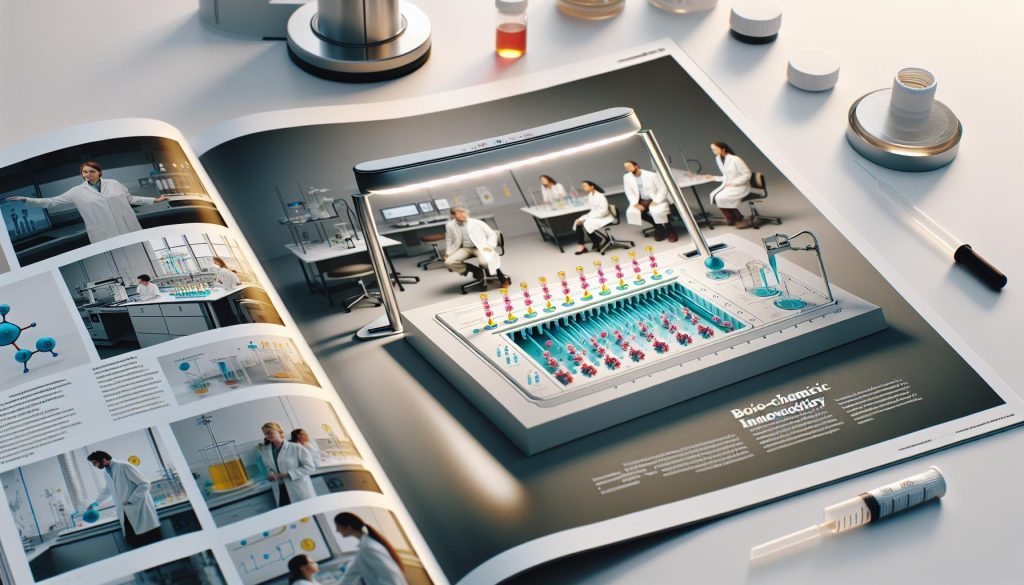
Imagine a world where complex biochemical analyses are as easy as pouring a drop of liquid onto a small piece of paper. This is the promise of a paper-based calorimetric microfluidics platform, which innovatively combines simplicity and efficiency for bio-chemical applications. By leveraging the unique properties of materials, this technology allows for accurate temperature measurements and reactions in a portable format, making it ideal for fields ranging from medical diagnostics to environmental monitoring. As researchers and developers seek more accessible and cost-effective solutions, this platform addresses pressing needs for rapid testing and data collection. Dive into the details of how this breakthrough technology not only revolutionizes lab practices but also opens new avenues for research and everyday uses, all while ensuring scalability and sustainability in bio-chemical testing. Your curiosity will surely lead you to discover its vast potential!
Paper-Based Calorimetry: An Overview
In the realm of bio-chemistry, paper-based calorimetry represents an intriguing and transformative advancement. This unique method harnesses the advantages of paper as a substrate for calorimetric applications, enabling the measurement of heat transfer with remarkable precision. At its core, paper-based calorimetry leverages the inherent properties of cellulose-based materials to minimize costs while maximizing accessibility in research and clinical diagnostics. The ability to create microfluidic devices on paper opens up new avenues for analyzing biochemical reactions, particularly in resource-limited settings.
Paper-based calorimeters operate on the principle of heat exchange, where the reaction or physical process generates heat that is absorbed by the paper substrate. The temperature change, measured using simple yet effective sensors, allows researchers to quantify the thermal energy involved. This method not only simplifies the experimental setup compared to traditional calorimetry but also enhances portability and ease of use. With compact design and lightweight materials, these calorimeters can be deployed in a variety of environments, from laboratory settings to field studies.
One of the standout benefits of this methodology is its integration with microfluidic systems. By combining paper-based platforms with microfluidics, scientists can conduct complex biochemical analyses with minimal sample volumes and expedited results. This synergy facilitates the development of innovative diagnostic tools that can swiftly detect biomarkers of disease. As paper-based calorimetry continues to evolve, it holds the promise of expanding the toolkit available to researchers and clinicians, providing accessible and effective solutions for high-throughput analysis and personalized medicine initiatives.
Understanding Microfluidic Systems
The use of microfluidic systems has revolutionized the way scientists approach biochemical analyses, offering unprecedented precision and control over fluid dynamics at a microscale level. By manipulating small volumes of fluids-often on the order of nanoliters-researchers can conduct experiments that were previously impossible or impractical. This shift not only enhances the efficiency of chemical reactions but also allows for rapid testing and processing of samples, which is particularly valuable in fields like diagnostics and drug development.
Microfluidic devices are designed with intricately engineered channels that guide fluids along predetermined paths. These pathways create opportunities for a wide range of applications, including mixing reagents, conducting reactions, and separating products-all while minimizing waste and reducing the risk of contamination. The integration of these capabilities with paper-based calorimetry further enhances their application, enabling real-time thermal analysis of biochemical reactions. When a reaction generates heat, the paper substrate acts as both a detector and a medium, allowing for convenient and cost-effective measurement of thermal outputs.
One of the key advantages of microfluidic systems lies in their ability to facilitate complex assays with minimal sample input. This is especially crucial in resource-limited settings where sample availability may be constrained. By leveraging paper as a platform, researchers can create devices that are not only low-cost but also easy to produce and implement. Moreover, the lightweight nature of paper-based systems ensures portability, making them suitable for field tests or remote locations where traditional lab setups are impractical. Overall, microfluidic systems significantly streamline biochemical processes, paving the way for innovative solutions in personalized medicine and environmental monitoring.
In designing effective microfluidic devices, one must consider factors such as channel geometry, flow rates, and the types of materials used. The choice of paper, for instance, can influence the wettability and absorption characteristics vital for successful fluid manipulation. By optimizing these parameters, researchers can enhance the performance and reliability of their devices, ensuring that the benefits of microfluidics translate into practical, real-world applications. The continued exploration of these technologies promises to unveil new possibilities in biochemical research, transforming how we diagnose and treat diseases.
The Role of Calorimetry in Bio-Chemistry

Calorimetry plays a pivotal role in biochemistry, providing essential insights into the energetic changes that accompany biochemical reactions. Through the measurement of heat changes, researchers can discern essential properties of reactions, such as spontaneity and reaction mechanisms. As the field of bio-chemistry embraces innovative technologies like paper-based microfluidic systems, calorimetry becomes even more integral to understanding dynamic biochemical processes in real-time.
One of the primary applications of calorimetry in biochemistry is the analysis of enzyme kinetics. By measuring the heat released or absorbed during enzyme-catalyzed reactions, scientists can derive critical data regarding enzyme activity and efficiency. This information not only aids in the characterization of enzyme functionality but also serves as a basis for enzyme inhibition studies, which are crucial in drug development. The ability to conduct these measurements in microfluidic devices enhances the precision of the results while minimizing sample volumes, thereby driving high-throughput analysis.
Another significant aspect of calorimetry in this field is its application in studying molecular interactions, such as ligand-receptor binding. The heat change during these interactions can provide detailed thermodynamic profiles, contributing to our understanding of binding affinities and kinetics. With the adoption of paper-based platforms, researchers can streamline these experiments, benefitting from low-cost materials and simplified protocols. The portability and ease of use of these paper-based systems enable in-field investigations and rapid data collection, vital for areas like environmental monitoring and point-of-care diagnostics.
### Practical Applications of Calorimetric Analysis in Bio-Chemistry
- Enzyme Kinetics: Measurement of heat to evaluate enzyme efficiency and activity in catalyzing reactions.
- Molecular Interactions: Understanding ligand-receptor dynamics through calorimetric data, crucial for drug discovery.
- Thermodynamic Profiling: Providing insights into binding specificities and affinities of molecules.
- High-Throughput Screening: Utilizing microfluidic systems to accelerate drug testing and biochemical screenings.
By integrating calorimetry with microfluidic technologies, the future of biochemical analysis is poised for significant advancements. These systems not only enhance sensitivity and lower reagent costs but also expand the possibilities for real-time monitoring and data collection in diverse applications. As researchers continue to explore these innovations, calorimetry will undoubtedly remain a cornerstone of biochemical inquiry, driving discoveries in medicine, environmental science, and beyond.
Advantages of Paper-Based Platforms for Analysis

The integration of paper-based platforms into biochemical analysis is transforming research methodologies, offering multiple advantages that are increasingly appealing to scientists. For starters, cost-effectiveness and accessibility are paramount. Paper is a low-cost material, making it economically feasible for labs with limited budgets to conduct sophisticated experiments without the financial burden associated with traditional microfluidic devices. This affordability opens doors not only for established laboratories but also for educational institutions and startups, democratizing access to advanced analytical techniques.
Another significant benefit lies in ease of fabrication and customization. Paper-based microfluidic devices can be quickly designed and manufactured using simple techniques such as etching, cutting, or inkjet printing. This simplicity allows researchers to rapidly prototype and iterate their designs to suit specific experimental needs. Furthermore, the versatility of paper substrates can support a variety of reagents and samples, making adaptation to different experimental setups straightforward. The inherent flexibility of paper means that devices can be easily modified to accommodate different assay formats or analytical techniques, such as calorimetry.
Portability and Convenience
The portability of paper-based systems adds yet another layer of appeal. These lightweight devices can easily be transported and utilized in field settings, enabling real-time analysis in various environments such as clinics, remote locations, or even during scientific expeditions. This capability is crucial for applications requiring immediate results, such as environmental monitoring or point-of-care diagnostics, where time-sensitive decisions are vital. The straightforward design of paper devices often negates the need for bulky and expensive equipment, further enhancing their usability in diverse settings.
In addition to the above, paper-based platforms contribute to environmental sustainability. As researchers and industries increasingly focus on reducing waste and using eco-friendly materials, the use of paper presents a viable solution. Biodegradable and renewable, paper reduces the environmental footprint typically associated with plastic-based microfluidics. As such, embracing paper as a primary medium aligns scientific practice with broader sustainability goals, promoting responsible research that values both innovation and ecological consciousness.
By leveraging these advantages, paper-based microfluidic platforms are not just enhancing the conventional approaches to biochemical analysis; they are setting the stage for a new era of experimentation that prioritizes efficiency, accessibility, and sustainability in science.
Designing Microfluidic Devices with Paper
Designing effective microfluidic devices using paper involves considering both the material’s properties and the specific requirements of the intended biochemical applications. One of the most compelling aspects of paper is its ability to facilitate fluid movement through capillary action, which is essential in microfluidic systems for precise mixing, transport, and analysis of minute liquid volumes. This natural behavior of paper enables devices to operate effectively without the need for complex pumping systems, simplifying the design and reducing cost.
To begin, consider the geometry of your device. Techniques such as laser cutting or wax printing can be employed to create channels that dictate the flow paths within the paper substrate. These channels can be designed in a variety of shapes and dimensions to optimize fluid dynamics depending on the assays being performed. It’s crucial to prototype different designs to assess performance-especially if calorimetric measurements are involved, as the shape and size of the channels can significantly affect heat transfer and fluid interactions. Iterating on these designs quickly helps researchers fine-tune their microfluidic devices for specific reactions or detection methods.
Material Selection and Treatment
The selection of paper type is another critical factor. Various grades and treatments can alter the absorption, wettability, and mechanical properties of the substrate, which can subsequently impact device performance. For enhanced experimentation, some researchers opt for chemically treated papers that allow for better control over fluid movement or compatibility with specific reagents. In our approach, integrating hydrophilic and hydrophobic zones can help direct fluid flow precisely, enabling effective mixing and separation within the device. A practical example is using hydrophobic barriers to prevent cross-contamination when conducting multiple tests on the same paper device.
Finally, as you design microfluidic devices, think about scalability and integration with other analytical technologies. The compact nature of paper devices makes them suitable for being combined with digital readouts or smartphone applications for instant analysis and results sharing. This interconnectedness not only elevates the capabilities of paper-based platforms but also broadens their application scope in fields such as medical diagnostics and environmental testing. Strive to keep usability in mind at each stage of the design process-ensuring that end-users can interact with and interpret the results from these devices with ease will greatly enhance their practical value.
Fabrication Techniques for Paper-Based Calorimeters
Creating paper-based calorimeters involves a variety of fabrication techniques that leverage the unique properties of paper to enable precise thermal measurements in bio-chemical applications. One of the key advantages of using paper is its ability to serve as a versatile substrate for microfluidic systems, making it ideal for calorimetry tasks where sample volume and reaction heat measurement are critical. Several techniques can be employed to design and construct these devices, which range from simple manual methods to more sophisticated automated processes.
The initial step in fabricating a paper-based calorimeter typically involves creating the microfluidic channels. Techniques such as wax printing and laser cutting are widely used due to their ability to define intricate channel geometries that dictate fluid movement. Wax printing, for instance, allows for the formation of hydrophobic barriers on paper, enabling the creation of precise flow paths without needing additional materials. Laser cutting, on the other hand, provides high precision and can produce complex designs quickly, making it suitable for rapid prototyping.
Material Treatments and Layering
Once the channels are defined, further treatments may be necessary to enhance the calorimeter’s performance. Chemical treatments to the paper can modify its wettability, which is crucial for controlling fluid dynamics. By introducing hydrophilic or hydrophobic regions, researchers can fine-tune the movement of liquids within the device, allowing better mixing or separation of reagents. Additionally, layering techniques can involve integrating heat-sensitive materials or sensors that provide direct calorimetric readings based on temperature changes that occur during biochemical reactions.
Integration of Sensing Components
To capture heat measurement accurately, integrating temperature sensors into the paper substrate is essential. Common options include thermistors or thermocouples that can be embedded in the channels or attached to the paper surface. These sensors must be positioned where they can effectively monitor the thermal changes during reaction processes without interfering with fluid flow. Calibrating these sensors prior to use ensures that the readings are accurate, thereby enhancing the reliability of the calorimetric data produced by the device.
In summary, the fabrication of paper-based calorimeters is a blend of innovative design and material science that capitalizes on the unique properties of paper. By utilizing advanced methods like wax printing and laser cutting, along with strategic material treatments and sensor integration, researchers can create sophisticated tools for bio-chemical analysis. As the field advances, these techniques will likely continue to evolve, leading to more efficient and effective methods for monitoring thermal behaviors in microfluidic applications.
Applications in Medical Diagnostics and Research
The integration of paper-based calorimetric microfluidics platforms into medical diagnostics and research is transforming how we approach biochemical analysis. These innovative devices leverage the unique properties of paper to perform rapid thermal measurements, facilitating efficient monitoring of biochemical reactions. One compelling application is in the area of drug development, where understanding the thermodynamic properties of compounds is critical. By utilizing these platforms, researchers can measure the heat released or absorbed during reactions, yielding valuable insights into drug interactions and efficacy.
In the clinical environment, paper-based calorimeters can streamline processes such as the monitoring of enzymatic activity or metabolic pathways. For instance, by embedding these devices within a diagnostic toolkit, healthcare professionals can quickly evaluate patient samples for enzymatic dysfunctions that may indicate conditions like diabetes or thyroid disorders. These tools not only offer portability but also eliminate the need for bulky equipment, making them ideal for point-of-care testing in resource-limited settings.
Applications extend beyond traditional diagnostics; they also include environmental monitoring and food safety. The ability to perform calorimetric assays in paper-based formats allows for the detection of pathogens or contaminants swiftly and accurately. For example, assessing spoilage in food products through calorimetric analysis can help ensure consumer safety, tracking changes in metabolic processes caused by microbial activity.
Moreover, the cost-effectiveness of paper-based systems is particularly advantageous for research labs and diagnostic centers, enabling high-throughput screening without significant financial overhead. As these devices evolve, incorporating advanced sensor technology and data analysis features will further enhance their applicability, providing users with real-time insights crucial for decision-making in medical and scientific investigations.
In summary, the versatility and efficacy of paper-based calorimetry in medical diagnostics and research stand out, offering a pathway for more efficient, accessible, and reliable analytical methods. By capitalizing on the inherent strengths of paper, these platforms represent a significant advancement in the field of biochemical analysis, paving the way for innovations that bridge the gap between laboratory research and real-world applications.
Integration with Other Technologies in Bio-Chem
The advent of paper-based calorimetric microfluidic platforms marks a significant shift in the integration of diverse technologies within biochemical analysis. These systems not only utilize the inherent benefits of paper-such as low cost and ease of use-but also harmonize with complementary technologies to expand their capabilities, enhance accuracy, and streamline workflows. For instance, integrating these platforms with advanced optical sensors can enhance detection limits for various biomolecules, allowing for real-time monitoring of biochemical reactions under varying conditions.
Collaboration with digital technologies is also changing the landscape of data collection and analysis. By coupling paper-based devices with mobile applications or cloud computing solutions, users can easily collect, store, and analyze thermal data on the go. This synergy allows for immediate feedback from experiments, facilitating quicker decision-making in laboratory and clinical settings. Imagine a healthcare provider using a smartphone app connected to a paper-based calorimeter to instantly evaluate patient sample results and access comprehensive databases for diagnosis-this kind of integration is becoming increasingly feasible.
Moreover, the combination of paper-based calorimetry with automated robotic systems presents exciting opportunities for high-throughput screening. Automating sample handling and testing can significantly reduce human error while speeding up the analytical processes. Researchers can run multiple assays concurrently without the need for extensive manual intervention, which is particularly beneficial in drug discovery and environmental monitoring applications, where efficiency and accuracy are paramount.
To maximize the utility of these integrated technologies, it’s essential to consider the design and fabrication techniques of microfluidic devices. The choice of materials, channel architecture, and integration methods can greatly influence the performance of the overall system. For example, employing materials that interact favorably with biological samples can improve the fidelity of measurements and the reliability of outcomes.
As these platforms continue to evolve, their integration with technologies like machine learning and artificial intelligence will further drive advancements in predictive analytics. This combination holds promise for identifying patterns within complex biochemical datasets, ultimately leading to more personalized and effective solutions in medical diagnostics and biochemistry research. Integrating these innovative technologies not only enhances the foundational principles of paper-based calorimetry but also opens doors to transformative applications across various scientific fields.
Case Studies: Success Stories and Innovations
The transformative potential of paper-based calorimetric microfluidic platforms is vividly illustrated through several innovative case studies. One notable example comes from research conducted at the University of California, where a paper-based device was designed for rapid diagnostics of infectious diseases. This platform combined calorimetry with colorimetric assays to swiftly assess biomarker responses in patient samples. Researchers reported that this method not only reduced diagnostic times significantly-from days to mere hours-but also demonstrated a cost efficiency that made it a viable option for low-resource settings. Such breakthroughs emphasize the real-world application of paper-based systems in improving healthcare accessibility.
Furthermore, a collaboration between a biotechnology firm and a university led to the development of an integrated microfluidic system that performs real-time monitoring of enzymatic reactions. This device utilized simple paper substrates to create microchannels that facilitate the precise mixing of reagents. By employing calorimetry to measure heat changes during these reactions, the researchers achieved high sensitivity and specificity, making it an invaluable tool for drug discovery and metabolic studies. The success of this innovation not only showcases the efficacy of paper-based technologies but also exemplifies how interdisciplinary partnerships can drive significant advancements in biochemistry.
Another compelling success story involves the adaptation of paper-based calorimetry for environmental monitoring. A team deployed portable devices to assess soil moisture content and temperature variations across agricultural fields. This application provided farmers with real-time data critical for optimizing irrigation practices and preventing crop failure. With the ability to generate actionable insights without heavy machinery or elaborate infrastructure, these systems highlight the versatility and practicality of paper-based platforms beyond traditional laboratory environments.
Thus, through these case studies, we observe a clear narrative: the integration of paper-based calorimetric microfluidics is not merely an academic exercise but a flourishing aspect of practical biochemistry and environmental science. These innovations illuminate pathways for greater accessibility, efficiency, and responsiveness in various applications, marking an exciting frontier in the fields of diagnostics and analytics.
Challenges and Limitations of Paper-Based Systems
The enthusiasm surrounding paper-based calorimetric microfluidics often overshadows several significant challenges and limitations that researchers and practitioners face in this domain. One major concern is the inherent variability in paper substrates. Different types of paper can yield varying results due to differences in porosity, composition, and surface treatment. This inconsistency can affect fluid dynamics, leading to unreliable data. Therefore, standardizing paper types and understanding how variations impact calorimetric readings is essential for ensuring reproducibility of results across different studies.
Another critical limitation pertains to the sensitivity and accuracy of these devices. While they offer considerable cost advantages and ease of use, paper-based systems often struggle with low detection limits. In many biochemical applications, minute differences in reaction heat may not be detectable due to the thermal conductivity of the paper or background noise from unwanted heat exchanges with the environment. Researchers must carefully optimize experimental conditions to mitigate these effects, which can involve complex calibration processes and adjustments during the interaction between the analyte and the substrate.
Material Interactions and Stability
Apart from variability and sensitivity issues, material interactions present a persistent challenge. Many paper-based systems rely on reactive reagents that may interact unpredictably with the paper substrate or the incorporated fluid. This can lead to alterations in the stability of biomolecules or reagents, further complicating the interpretation of calorimetric data. Innovations in binder materials or coatings that enhance the compatibility of paper with various reagents could help address this issue, but such developments require extensive testing and validation.
As with any emerging technology, the integration of paper-based platforms within existing analytical frameworks may face hurdles. Standard laboratory protocols and equipment are often designed for traditional systems, so adapting these methods to leverage the simplicity of paper requires considerable effort and novel thinking from researchers. For example, while these devices are amenable to field applications, ensuring consistent performance and reliability under variable environmental conditions remains a significant hurdle. As these challenges are addressed through ongoing research and development, the potential of paper-based calorimetric microfluidics can be fully realized, paving the way for broader adoption in both clinical and environmental diagnostics.
Future Trends in Microfluidics for Bio-Chemistry
As the demand for efficient, cost-effective, and user-friendly analytical tools grows, the future of microfluidics in bio-chemistry, particularly through paper-based platforms, looks exceptionally promising. One of the most significant trends is the increased integration of smart technologies with microfluidics. For instance, utilizing smartphone applications for data collection and analysis can transform how results are processed and interpreted, making these platforms more accessible and user-friendly. This convergence allows for real-time monitoring of experiments, immediate data analysis, and enhances the overall utility of calorimetric measurements in various fields, from clinical diagnostics to environmental monitoring.
Moreover, ongoing research into enhancing the materials used in paper-based microfluidic devices is set to revolutionize their performance. Future advancements may focus on developing new biomimetic materials that mimic biological processes and improve the interaction between analytes and substrates. Innovations in surface chemistry could allow for better functionalization, affording higher sensitivity and specificity in detecting biomolecules. For instance, researchers are exploring the potential of nanomaterials like graphene and carbon nanotubes to increase thermal conductivity and reduce noise interference, addressing some current limitations in detecting minute heat changes during biochemical reactions.
Personalized Medicine and Point-of-Care Testing
The shift towards personalized medicine will significantly influence the design and application of microfluidic systems. These devices are ideally suited for rapid, point-of-care testing, allowing for immediate feedback on patient health parameters and treatment efficacy. As these technologies become more refined, we can expect easier-to-use, portable platforms capable of performing complex assays, which could drastically improve patient outcomes. For example, envision a future where patients can perform calorimetric tests at home, receiving instant results that inform their treatment plans while reducing the burden on healthcare facilities.
Finally, sustainability is becoming an integral part of microfluidic development. Future research will likely emphasize eco-friendly materials and production processes for paper-based devices. By utilizing recycled papers and biodegradable inks, researchers can create platforms that not only minimize environmental impact but also maintain high performance standards. This approach will cater to the growing consumer demand for sustainable products while simultaneously advancing the field of bio-chemistry.
The future of paper-based calorimetric microfluidics is not just about advancing existing technologies; it’s about reimagining how we interact with and apply these systems in real-world scenarios. As innovators tackle current challenges and pursue these new trends, the potential for efficient, sustainable, and user-centric platforms becomes even more attainable, paving the way for breakthroughs in bio-chemical research and diagnostics.
Exploring Sustainability in Microfluidic Technologies
As the scientific community continues to grapple with the environmental impacts of research and industrial processes, sustainability in microfluidic technologies emerges as a crucial consideration. One of the most exciting advancements is the development of paper-based microfluidic devices, which leverage renewable resources and eco-friendly materials. By utilizing paper, researchers not only reduce the carbon footprint associated with traditional plastic-based microfluidics but also create low-cost alternatives that democratize access to advanced analytical tools, particularly in developing regions.
To enhance the sustainability of these devices, the incorporation of biodegradable and recycled materials is vital. For example, using recycled papers in the fabrication process can significantly cut down on waste while maintaining the structural integrity necessary for microfluidic applications. Additionally, biodegradable inks for printing channels and biologically active substances can ensure that end-of-life disposal does not result in harmful environmental effects. This innovative approach addresses both the performance and ecological impact of microfluidic technologies, creating a win-win scenario for researchers and the environment.
Another aspect of sustainability lies in the design principles guiding these microfluidic platforms. Many modern designs focus on minimizing material use while maximizing functionality. For instance, by optimizing channel shapes and dimensions, researchers can achieve required fluid dynamics with less material, thus reducing overall waste. Furthermore, strategies such as multi-functional devices can enable multiple assays to be conducted on a single platform, enhancing efficiency and reducing the need for single-use devices.
To truly embrace a sustainable future, collaboration across disciplines is essential. This includes partnerships between researchers, material scientists, and environmentalists to innovate and refine eco-friendly practices in microfluidic development. By actively engaging in cross-disciplinary efforts, the scientific community can establish guidelines and standards that promote sustainability while advancing the frontiers of bio-chemistry. The adoption of sustainable microfluidic technologies not only aligns with global environmental goals but also fosters a more responsible approach to scientific innovation.
Frequently Asked Questions
Q: What are the key features of a paper-based calorimetric microfluidics platform?
A: A paper-based calorimetric microfluidics platform typically features low cost, portability, and simplicity of fabrication. It utilizes paper to manipulate fluids and measure thermal changes, enabling applications in diagnostics and research settings. This innovative design enhances the accessibility of calorimetric measurements in diverse environments.
Q: How does paper-based calorimetry contribute to bio-chemical research?
A: Paper-based calorimetry contributes significantly by providing a cost-effective and efficient method for measuring heat changes in biochemical reactions. This allows researchers to study thermodynamic properties and reaction kinetics with minimal equipment, facilitating advancements in drug development and metabolic studies.
Q: What is the process for fabricating paper-based microfluidic devices?
A: Fabricating paper-based microfluidic devices involves designing the channel layout, printing or cutting the patterns onto the paper substrate, and then integrating reagents. Techniques such as wax printing and laser cutting are commonly used, followed by treatment processes to enhance hydrophobicity for fluid control.
Q: When should researchers consider using a paper-based platform over traditional methods?
A: Researchers should consider using a paper-based platform when they require low-cost, portable solutions for rapid testing or analysis, particularly in field settings or resource-limited environments. This technology is ideal for point-of-care diagnostics and educational applications.
Q: What are the limitations of paper-based calorimetric microfluidics?
A: The limitations include potential issues with sensitivity, reproducibility, and the stability of the reagents over time. Additionally, the scope of detectable temperature changes may be restricted compared to traditional calorimetric techniques, necessitating careful experimental design.
Q: How does the integration of other technologies enhance paper-based calorimetric systems?
A: Integrating technologies like smartphone sensors or microcontrollers enhances data acquisition and analysis in paper-based calorimetric systems. This synergy allows for real-time monitoring and improved sensitivity, expanding the platform’s application range in bio-chemical analysis.
Q: Where can paper-based microfluidic devices be applied in medical diagnostics?
A: Paper-based microfluidic devices find applications in point-of-care testing, such as glucose monitoring, infectious disease detection, and biomarker analysis. Their ease of use and rapid results make them advantageous in clinical settings and remote health monitoring.
Q: Why is sustainability important in developing paper-based microfluidic technologies?
A: Sustainability is crucial as it encourages the use of biodegradable materials and reduces plastic waste generated by traditional microfluidic devices. Developing environmentally friendly alternatives aligns with global efforts to promote sustainable practices in scientific research and diagnostics.
The Conclusion
Thank you for exploring the innovative realm of our Paper-Based Calorimetric Microfluidics Platform for Bio-Chem. This platform represents a significant leap in the efficiency and accuracy of biochemical analyses, integrating cutting-edge technology for enhanced lab results without the burden of complex setups. As you consider the implications of this research, we invite you to dive deeper into related topics like advanced microfluidics applications or the future of paper-based diagnostics.
Don’t miss out on our latest insights and updates-subscribe to our newsletter for ongoing discussions on innovative solutions in bio-chemistry. If you have questions or need guidance on implementing this technology, reach out to us for personalized consultation. Your engagement is vital; we welcome your comments and thoughts below. Let’s keep pushing the boundaries of science together!


