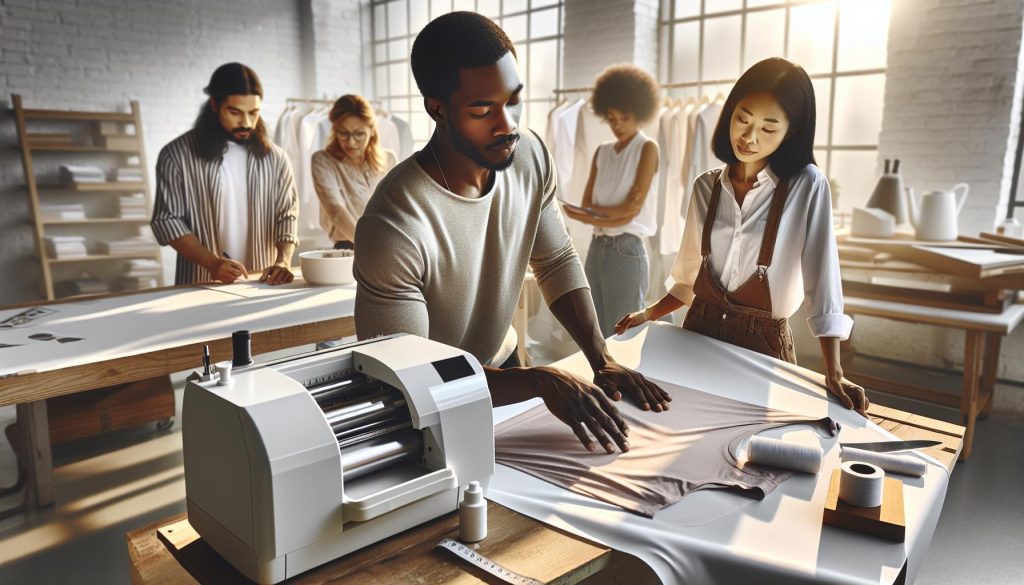
Did you know that sublimation is not just a fascinating physical process, but also a powerful tool in crafting and personalizing textiles? Sublimation heat transfer vinyl (HTV) allows you to fuse vibrant, long-lasting designs onto fabrics through a unique phase change that transforms solid dye directly into gas. This technique offers an incredible way to achieve stunning graphics with unparalleled detail and durability, meeting the needs of crafters and businesses alike.
In this comprehensive guide, we will delve deep into the world of sublimation HTV, exploring what it is, how it works, and why it has become the preferred method for many creators. Whether you’re looking to enhance your product line, start a DIY project, or simply understand the science behind this innovative process, this guide will provide you with essential knowledge and practical tips. Let’s unlock the full potential of sublimation HTV together and take your crafting skills to the next level!
Understanding Sublimation and Heat Transfer Vinyl

Sublimation is a fascinating process that transforms solid materials directly into gases without passing through a liquid phase, thanks to an application of heat. This phase transition occurs because certain substances possess sufficient energy to break their molecular bonds and escape into vapor, making sublimation an endothermic change. Common examples include dry ice (solid carbon dioxide) transitioning into carbon dioxide gas and the sublimation of ice in sub-zero weather conditions. Understanding this unique process is essential for anyone venturing into the realm of sublimation printing or fabric applications, particularly when paired with heat transfer vinyl.
Heat transfer vinyl (HTV) serves as a versatile medium in this realm, allowing for intricate designs to be applied onto various substrates by using heat to transfer printed or cut vinyl onto the surface. A key advantage of using sublimation in conjunction with HTV is that it allows for vibrant, full-color images and designs that can withstand washing and wearing without fading. However, it’s important to note that not all HTVs are created equal for sublimation purposes; specifically, they must have a polyester coating to effectively absorb dyes during the sublimation process.
### Key Considerations When Using Sublimation with HTV
When choosing heat transfer vinyl for sublimation, it is crucial to select products specifically designed for this technique. Here are some factors to consider:
- Polyester Content: Ensure that the HTV is at least 60% polyester to achieve optimal results.
- Heat Resistance: The vinyl should be able to withstand high temperatures without warping or discoloring.
- Adhesive Quality: Look for a strong adhesive that can bond effectively at high temperatures, which is critical for durability.
Embracing these principles can facilitate successful sublimation projects, bringing to life a range of creative applications from custom apparel to home decor items. As technology advances, the integration of sublimation processes into vinyl applications is likely to evolve, expanding opportunities for innovation in design and production.
The Science Behind Sublimation Process
The transformation of solid materials into gas without passing through a liquid state is not just a fascinating scientific process, but it also plays a crucial role in various applications, especially in the world of heat transfer vinyl (HTV) and sublimation printing. Sublimation occurs when substances, such as dry ice (solid carbon dioxide), absorb heat energy that allows their molecules to break free from the solid structure and enter the gaseous phase. This direct transition is traditionally recognized for its applications in freeze-drying, air fresheners, and even how ice cubes can shrink when left in a freezer over time. With the right conditions of temperature and pressure, sublimation enables vibrant and durable results that are essential for creating intricate designs on textiles.
In the context of heat transfer vinyl, sublimation is utilized to create vivid, permanent prints that bond seamlessly with the fabric. This process is endothermic, meaning that it requires heat to proceed, making it particularly useful when working with specialized HTV that is designed to absorb sublimation dyes. The sublimation process not only permanently integrates the dye into the fibers of the material but also ensures that the colors remain vibrant and resistant to fading even after repeated washes. The efficiency of this method relies heavily on the presence of the right polyester content in the HTV, as polyester is the only fabric that allows sublimation dyes to penetrate effectively.
When considering the practical aspects of sublimation for HTV applications, pay attention to the specific characteristics of the materials you are working with. High-temperature resistance, adhesive quality, and sufficient polyester content (at least 60%) are all vital factors that ensure successful results. Choosing the correct materials will create designs that withstand the test of time, making sublimation an ideal choice for custom apparel and promotional items.
### Key Aspects of Sublimation Process
- Endothermic Nature: Requires heat to transition from solid to gas, crucial for dye bonding.
- Material Compatibility: Works best with polyester, which can absorb sublimation dyes.
- Temperature and Pressure Control: Key to successful sublimation results.
By understanding the science behind sublimation, creators and manufacturers can harness this technology effectively, leading to high-quality, long-lasting designs that capture attention and enhance product value.
Differences Between Sublimation and Heat Transfer Vinyl

The realm of fabric decoration often leads us to two powerful techniques: sublimation and heat transfer vinyl (HTV). While both methods create stunning and durable designs, they differ significantly in their processes, materials, and applications. Understanding these differences is crucial for selecting the right technique for your project and achieving the best results.
Sublimation, a process driven by heat, allows dyes to transition directly from a solid to a gas without becoming liquid. This unique property means that sublimation works best on polyester or polymer-coated surfaces, which can absorb the dye. When the sublimation ink is heated, it vaporizes and permeates the fabric fibers, creating vibrant, long-lasting images that become part of the material itself. This results in less fading over time, as the dye is not merely sitting on top of the fabric like a sticker but is integrated into it. In contrast, heat transfer vinyl relies on a different principle. HTV is a solid material that is cut into designs and then adhered to fabrics using heat and pressure. While HTV can be applied to a wider range of textiles, the images created are generally on the surface of the fabric, leading to a different texture and potentially more wear over time compared to sublimation.
When it comes to versatility, sublimation is somewhat limited to light-colored synthetic fibers, whereas HTV can be applied to various fabrics, including cotton blends. This flexibility allows creators to work with a broader range of materials and colors. However, sublimation yields a lightweight and soft feel since the dye becomes part of the fabric, which is often preferred for apparel. On the other hand, HTV can provide a more tactile and sometimes glossy finish due to the nature of the vinyl.
Choosing between sublimation and HTV often comes down to the specific requirements of a project, including the type of fabric, desired finish, and longevity of the design. While both approaches provide unique benefits, being aware of their fundamental differences empowers crafters to make informed decisions that best fit their creative visions and functional needs.
Choosing the Right Heat Transfer Vinyl for Sublimation

When embarking on a sublimation project, selecting the right heat transfer vinyl (HTV) is essential for achieving optimal results. Not all HTV is created equal, and making an informed choice can significantly impact the durability, appearance, and overall quality of your finished product. With the vast selection available on the market, understanding the specifications and capabilities of different HTV options can help you tailor your approach to your specific needs.
Material Composition and Compatibility
One of the key factors to consider when choosing heat transfer vinyl is its material composition. While traditional HTV is often made from polyurethane (PU) or polyvinyl chloride (PVC), not all of these materials are ideal for sublimation. Sublimation HTV typically features a special coating that allows sublimation inks to bond effectively during the heat transfer process, transforming the dye directly into a gas that permeates the vinyl. This results in vibrant colors and images that become part of the material rather than just sitting on the surface. Look for HTV specifically labeled for sublimation, as these often feature a polyester backing that enhances image quality, reduces fading, and provides a soft finish.
Thickness and Finishing Options
The thickness of the heat transfer vinyl can also influence your design’s tactile quality and longevity. Thinner vinyl may be lighter and easier to apply, while thicker varieties can provide a more robust surface. Additionally, consider the finish of the HTV; options range from matte to glossy. Glossy finishes can enhance vibrancy but might appear more pronounced on textured fabrics, while matte finishes blend more seamlessly, reducing the risk of cracking. Experimenting with different thicknesses and finishes on sample pieces can help determine which variation best complements your fabric choices.
Adhesive Strength and Application Method
Another critical aspect to evaluate is the adhesive strength of the HTV. Some products are designed for high-temperature applications, making them ideal for items like performance wear, where durability and flexibility are paramount. Reviewing manufacturer guidelines for temperature and pressure settings can assist in achieving proper adhesion, as improper heat settings can lead to bubbling or incomplete bonding. Finally, consider the application method-whether using a heat press or a household iron-and choose HTV that aligns with your equipment capabilities.
In summary, when choosing heat transfer vinyl for sublimation, pay close attention to material composition, thickness, finish, and adhesive strength. By carefully selecting HTV that meets the specific demands of your project, you’ll optimize both the aesthetic appeal and durability of your sublimated designs, allowing your creativity to shine through in every piece you create.
Step-by-Step Guide to Sublimation on Heat Transfer Vinyl
To achieve stunning results in sublimation on heat transfer vinyl (HTV), following a clear, step-by-step process is essential. The beauty of sublimation lies in its ability to create vibrant, lasting designs that bond with the material. Here’s how to successfully navigate this process from start to finish.
Begin by preparing your design. Utilize graphic design software to create or modify your image, ensuring it’s sized appropriately for your project. When working with HTV specifically designed for sublimation, remember to mirror your design before printing. This is crucial, as the heat transfer process flips the image, ensuring that it appears correctly on the material. Once your design is ready, print it using sublimation ink on sublimation paper, ensuring your printer settings are optimized for photographic-quality output.
Next, it’s time to prepare your heat press. Set your heat press to the manufacturer’s recommended temperature, typically between 385°F to 400°F, and adjust the pressure based on the thickness of the HTV. Preheat the press for about 5 minutes to ensure even heating. While waiting, cut your HTV to size, ensuring you have a clean edge for effective application. It’s also beneficial to pre-press your blank material for 5-10 seconds to remove moisture and wrinkles, which can affect adhesion and the clarity of your design.
Now, position your printed sublimation paper face down on the HTV. Use heat-resistant tape to secure it in place, preventing any shifts during the pressing process. Place this assembly on your heat press, ensuring everything is aligned correctly. Close the press and apply heat for the specified time-usually around 30-60 seconds. The heat will activate the dye in the sublimation ink, allowing it to turn into gas and permeate the HTV.
After the timer goes off, open the heat press carefully. Peel the sublimation paper away-if it lifts cleanly and the colors are vivid, you’ve successfully completed the transfer! Allow your design to cool for a few moments before handling it further. Ensure the HTV is properly set by avoiding wash or wear for at least 24 hours, which helps in setting the design for maximum durability.
In summary, sublimation on heat transfer vinyl can yield remarkable results, transforming ordinary fabric into extraordinary creations with vibrant imagery. Following these steps will not only enhance your understanding of the sublimation process but also enable you to create professional-grade designs easily.
Best Practices for Preparing Your Designs
Preparing your designs for sublimation on heat transfer vinyl (HTV) is a crucial step that can significantly impact the quality of your final product. To start, it’s important to understand that sublimation relies on the dye turning into gas and bonding with the fibers of the HTV, which means your images must be crafted with this in mind. An essential element is ensuring your design is created at the right resolution; typically, 300 DPI (dots per inch) is recommended for sharp and vibrant output.
To maintain clarity and richness in your designs, always utilize high-quality graphics that can withstand the transformation during sublimation. When working with text or intricate images, consider using vector graphics as they can be resized without losing fidelity. This attention to detail not only enhances the aesthetic appeal but also ensures the design will hold up well after multiple washes.
Mirroring Your Design
An often-overlooked step in preparing your designs is mirroring them before printing. This is critical because the transfer process flips the image, and failing to do so will result in an inverted print on your final product. Most design software allows you to easily achieve this with just a few clicks, so make it a habit to double-check this before moving on.
Color Management
Another key factor is working with the right color profiles. Since sublimation ink can sometimes appear different on the screen compared to the printed output, it’s beneficial to use color profiles specific to your printer and sublimation ink. Conducting a test print on plain paper can help you gauge how the colors will turn out and make necessary adjustments to your original design.
Final Checks
Before you send your design to print, organize your workspace and ensure that all elements of the design are aligned correctly and within the printable area of your sublimation paper. Any misalignment could result in a cropped or improperly printed image. By following these best practices, you’ll set a solid foundation for successful sublimation projects, leading to stunning and durable designs that impress.
Common Mistakes When Using Sublimation Vinyl
When diving into the world of sublimation vinyl, it’s all too easy to make small missteps that can lead to disappointing results. Understanding these common mistakes can help you avoid frustration and achieve vibrant, professional-quality designs. One of the most prevalent errors is neglecting the importance of material compatibility. Not all heat transfer vinyl is suitable for sublimation processes, and using the wrong type can result in poor adhesion or lackluster colors. Always ensure that the vinyl you choose is specifically designed for sublimation, as this will allow the dye to bond properly during the heat transfer process.
Another frequent oversight is failing to conduct a thorough test print. Before committing to a final design, it’s beneficial to print a test design on standard paper. This allows you to check color fidelity, image clarity, and overall layout. Many sublimation printers can produce colors that look different than what appears on your screen. Testing can help you adjust your designs accordingly, saving you materials and time in the long run. Additionally, double-checking that layers are aligned correctly before pressing is crucial; misalignments can lead to cropped images or designs that don’t adhere properly to the substrate.
Beyond these basic errors, many users overlook the significance of temperature and pressure settings during the heat transfer process. Each type of sublimation vinyl and material will have specific requirements, and not adhering to these can lead to incomplete transfers or damaged designs. Invest time into understanding the specifications for your materials, and calibrate your heat press accordingly.
Lastly, another common mistake is improper post-transfer care. After applying the heat transfer, it’s essential to allow the item to cool down before removing the transfer sheet. Rushing this step can cause the design to lift or smudge, undermining all your hard work. Follow these steps and maintain a meticulous approach, and you’ll find success in your sublimation projects, resulting in products that are not only visually appealing but also durable and long-lasting.
Essential Tools and Equipment for Successful Sublimation
The world of sublimation is fascinating, and successful application hinges on having the right tools and equipment at your disposal. To achieve vibrant, high-quality prints on heat transfer vinyl (HTV), it’s essential to equip your workspace with the following essentials.
Printer
At the heart of your sublimation setup is a reliable printer. Invest in a dedicated sublimation printer designed for optimal ink usage and color fidelity. Brands like Epson are popular choices among crafters, particularly models modified for sublimation, such as the Epson EcoTank series. These printers utilize dye-sublimation ink, allowing for seamless transference of vivid colors onto HTV materials.
Sublimation Ink
Choosing high-quality sublimation ink is crucial. Unlike regular ink, sublimation ink vaporizes when exposed to heat, allowing it to penetrate the vinyl and bond effectively. Using the right ink not only improves the vibrancy of your designs but also enhances durability, ensuring your prints withstand washes over time.
Heat Press Machine
A heat press machine is indispensable for the sublimation process. It evenly distributes heat and pressure over your HTV, which is vital for a successful transfer. Look for a machine that allows you to control temperature and pressure settings precisely. Clamshell and swing-away models are widely favored; the choice between them often depends on personal preference and workspace considerations.
Heat Transfer Vinyl
Not all HTV is suitable for sublimation, so select vinyl explicitly marked for sublimation processes. This type of vinyl typically has a special coating that interacts effectively with sublimation ink. Brands like Siser and CRICUT offer lines of sublimation-specific vinyl that provide excellent results.
Additional Supplies
In addition to the core equipment, a few supplementary tools will enhance your sublimation projects:
- Heat-resistant tape: Secures your design to the HTV before pressing to prevent slipping.
- Protective sheets: Place these over your work to shield it from ink bleed and protect your heat press plate.
- Scissors or a cutting machine: For precise cutting of both your design and HTV.
- Temperature gun: To ensure accurate heat temperature readings on your press, as incorrect heating can lead to subpar results.
By assembling this comprehensive toolkit, you’ll be well on your way to creating stunning sublimation designs that are not only striking but also durable. Whether you’re creating custom apparel or unique decor, having the right tools at hand simplifies the process and elevates your final products.
Exploring Creative Applications of Sublimation Vinyl
Sublimation vinyl is a versatile medium that opens the door to numerous creative applications across various industries. From custom apparel to personalized home decor, the possibilities are limited only by your imagination. One of the most exciting aspects of sublimation vinyl is its ability to adhere to a range of substrates, creating vibrant, full-color designs that can withstand the rigors of washing and wear.
Custom apparel design is one of the most popular applications for sublimation vinyl. By using bright colors and intricate graphics, designers can create unique T-shirts, hoodies, and hats that stand out. This method is particularly effective for team sports uniforms or promotional wear, where personalized designs can boost team spirit and brand visibility. In addition, the lightweight nature of sublimation vinyl allows for breathable clothing that doesn’t feel heavy or restrictive, making it the perfect choice for activewear.
Home Decor and Crafts
Beyond clothing, sublimation vinyl is gaining traction in the realm of home decor. Items such as throw pillow covers, wall art, and even customized kitchenware can be enhanced with unique designs, bringing a personal touch to everyday spaces. For example, producing personalized tiles or mugs with family photos or inspirational quotes has become increasingly popular. These items not only serve as treasured gifts but also as delightful decor that reflects individual styles.
Another creative avenue lies in crafting mixed media projects. Artists can incorporate sublimation prints into scrapbooks, greeting cards, and other handmade crafts. By blending sublimation vinyl with other materials, such as wood, canvas, or even glass, crafters can achieve unique textures and effects that elevate their artistic expression. This technique allows for a seamless fusion of photography, graphic design, and traditional crafting methods, appealing to both artists and DIY enthusiasts alike.
Ultimately, the versatility of sublimation vinyl empowers creators to push the boundaries of traditional design. With endless possibilities for customization and personal expression, it’s no wonder that sublimation is becoming a favored choice for hobbyists and professionals alike. Whether through apparel, home decor, or mixed media, the applications of sublimation vinyl are as diverse and vibrant as the designs it can produce.
Troubleshooting Common Sublimation Issues
Problems during the sublimation process can be frustrating, but understanding common issues and their solutions can make the experience smoother and more enjoyable. Whether you’re dealing with fading colors, incorrect transfer alignment, or unexpected fabric reactions, troubleshooting these challenges can greatly enhance your results. Here are some typical problems you might encounter along with practical solutions.
Fading or Dull Colors
One of the most common problems is when the colors of the sublimation transfer appear dull or faded. This often results from incorrect settings on your heat press, such as insufficient temperature or pressure. To ensure vibrant colors:
- Check Temperature and Time: Make sure you are using the correct temperature settings-generally around 385°F (196°C) for about 50-60 seconds.
- Adjust Pressure: Ensure sufficient pressure during the transfer process; insufficient pressure can lead to poor ink transfer.
- Use Quality Materials: Always use high-quality sublimation inks and papers designed for sublimation to achieve the best results.
Ghosting Effects
Ghosting is an undesirable effect that occurs when the sublimation paper shifts during pressing, leaving a faint outline of the design. To prevent ghosting:
- Secure Your Transfer: Use heat-resistant tape to keep the sublimation paper in place.
- Align Your Design: Ensure that your design is properly aligned before pressing. If necessary, do a test press on scrap fabric first.
Fabric Issues
Some fabrics can react unpredictably during the sublimation process. For example, if you are working with blended fabrics, such as cotton and polyester, the sublimation may not adhere properly. For optimal results:
- Test Your Fabric: Always test a small area before committing to the full transfer, especially with unknown or mixed fabrics.
- Use Polyester Fabrics: Focus on using fabrics that are at least 65% polyester for effective sublimation.
Transfer Not Fully Adhering
If you notice that parts of your design are not adhering well to the fabric, it may be caused by a lack of heat or pressure. Follow these steps:
- Re-Press: Place a cover sheet over the area and re-press for a few additional seconds to ensure better adhesion.
- Inspect the Heat Press: Make sure your heat press is functioning correctly and evenly distributes heat across the platen.
Remember, even experienced sublimation users face these challenges; learning to troubleshoot them is vital for achieving stunning results. Testing different settings and maintaining consistent processes can lead to more successful outcomes and ultimately transform your creative ventures into beautiful finished products.
Caring for Your Sublimated Vinyl Products
is crucial for maintaining their vibrant appearance and longevity. After putting in the effort to create stunning designs, the last thing you want is for them to fade or deteriorate quickly. Understanding how to properly care for these items will ensure they remain as beautiful as the day they were created.
One of the primary aspects of care involves washing. Always turn sublimated items inside out before washing to protect the print from abrasion. Use cold water and a gentle cycle to minimize stress on the vinyl. Avoid bleach and harsh detergents, as these can damage the sublimation ink and the vinyl itself. Instead, opt for mild detergents designed for color protection. For drying, air drying is preferred; however, if you must use a dryer, choose a low heat setting to prevent any potential shrinking or damage.
Another essential care tip is to avoid exposing your sublimated items to direct sunlight for extended periods. Ultraviolet (UV) rays can cause colors to fade over time, significantly diminishing the vibrancy of the design. When storing sublimated products, use breathable storage bags or boxes to avoid dust accumulation while still allowing air flow.
Lastly, it’s important to understand that some sublimated products may require special care instructions depending on the type of vinyl used. Always check the manufacturer’s recommendations for any additional care directives specific to your vinyl. By following these simple yet effective practices, you can keep your sublimated vinyl products looking fresh and vibrant long after their creation.
Future Trends in Sublimation Technology
As the world of sublimation technology continues to evolve, it brings exciting innovations that are changing the landscape of heat transfer vinyl applications. Recent advancements focus on increasing efficiency, enhancing the quality of prints, and expanding the types of materials that can be used in sublimation processes. As business owners and creative makers, staying ahead of these trends is crucial for maximizing your output and ensuring your products meet the high standards of modern consumers.
An emerging trend is the development of specialized sublimation inks and coatings. These new formulations promise improved color vibrancy and longevity, allowing designs to remain bright and true even after many washes. Additionally, manufacturers are innovating with eco-friendly inks that minimize environmental impact while maintaining high performance. The advent of water-based inks, for instance, is making sublimation more accessible for a broader range of users, including those concerned with sustainability.
Another significant trend is the enhancement of sublimation printers themselves. Next-generation printers are increasingly feature-rich, boasting higher resolutions and faster print speeds. These improvements facilitate detailed designs on larger substrates, such as banners and signage, opening new avenues for personalization and branding. Users can expect easier integration with graphic design software and more intuitive controls, making the process seamless for both seasoned professionals and beginners alike.
In terms of materials, the industry is seeing a broader acceptance of non-traditional substrates for sublimation. While polyester fabrics and coated surfaces have long dominated, there are now options for sublimating onto ceramics, metals, and even wood. This diversification allows creators to expand their product lines and offer unique items, such as custom home decor and personalized gifts, that were previously challenging to achieve with sublimation.
Ultimately, as technology progresses, embracing these trends will be essential for anyone involved in the sublimation and heat transfer vinyl market. The integration of advanced materials and innovative techniques will not only enhance the quality and durability of products but also provide opportunities for creativity and expanded offerings in an ever-competitive marketplace.
Faq
markdown
Q: What materials can I use with A Sub Sublimation Heat Transfer Vinyl?
A: A Sub Sublimation Heat Transfer Vinyl works best on high-polyester fabrics and specially coated surfaces. Ideal materials include polyester blends, ceramics, and specially coated metals. Ensure the surface is suitable for sublimation to achieve vibrant and durable prints.

Q: How long does A Sub Sublimation Heat Transfer Vinyl last?
A: When applied correctly, A Sub Sublimation Heat Transfer Vinyl can last several years without fading or peeling. Proper care and washing techniques can additionally extend the lifespan of your printed designs on fabric.

Q: Can I use A Sub Sublimation Vinyl on cotton fabric?
A: Sublimation vinyl does not adhere well to cotton because sublimation needs a polymer base to bond. For cotton, consider using heat transfer methods suited for cotton fabrics, such as heat transfer vinyl (HTV) that doesn't require sublimation.

Q: What is the difference between A Sub Sublimation Vinyl and regular HTV?
A: A Sub Sublimation Vinyl differs from regular heat transfer vinyl in that it requires a specific type of printing process-sublimation-where inks turn to gas and bond with synthetic surfaces. Regular HTV applies on various materials but requires a different heat transfer method.

Q: What printers are compatible with A Sub Sublimation Heat Transfer Vinyl?
A: Compatible printers include sublimation printers like Sawgrass or Epson EcoTank with sublimation ink. Standard inkjet printers can also be used if equipped with sublimation inks-ensure they are suitable for high-quality design outputs.

Q: How do I troubleshoot poor results with A Sub Sublimation Vinyl?
A: If results are unsatisfactory, check temperature and pressure settings on your heat press. Adjust the time, ensure correct substrate preparation, and confirm you're using sublimation inks with appropriate paper. Review sections in your guide for detailed troubleshooting steps.

Q: What types of designs work best for A Sub Sublimation Vinyl?
A: Complex and colorful designs usually yield the best results with A Sub Sublimation Vinyl due to its capability to reproduce vivid colors and fine details. Consider using high-resolution images for optimal quality.

Q: How can I ensure my sublimation prints are vibrant?
A: To ensure vibrant sublimation prints, use high-quality sublimation inks and transfer papers. Preheat your transfer surface to avoid moisture and ensure even heat distribution. Refer to best practices in your guide for preparation tips.
Insights and Conclusions
Now that you’ve explored “A Sub Sublimation Heat Transfer Vinyl: Complete Guide,” you have the essential tools to elevate your crafting projects with vibrant designs and durable results. Remember, whether you’re just starting or looking to refine your techniques, mastering this art can unlock countless creative opportunities. Don’t wait-start your next project today for stunning, professional-quality results that truly stand out!
For further insights, check out our guides on choosing the right heat presses and optimizing your design templates, or explore our blog for the latest tips and tricks in sublimation. Your journey doesn’t stop here! If you have questions or want to share your experiences, please leave a comment below-we love hearing from you. And don’t forget to sign up for our newsletter for exclusive content and updates. Together, let’s bring your creative visions to life with confidence and flair!
Get our latest guides, news, and insights highlighted in your Google Search & AI Overviews.