
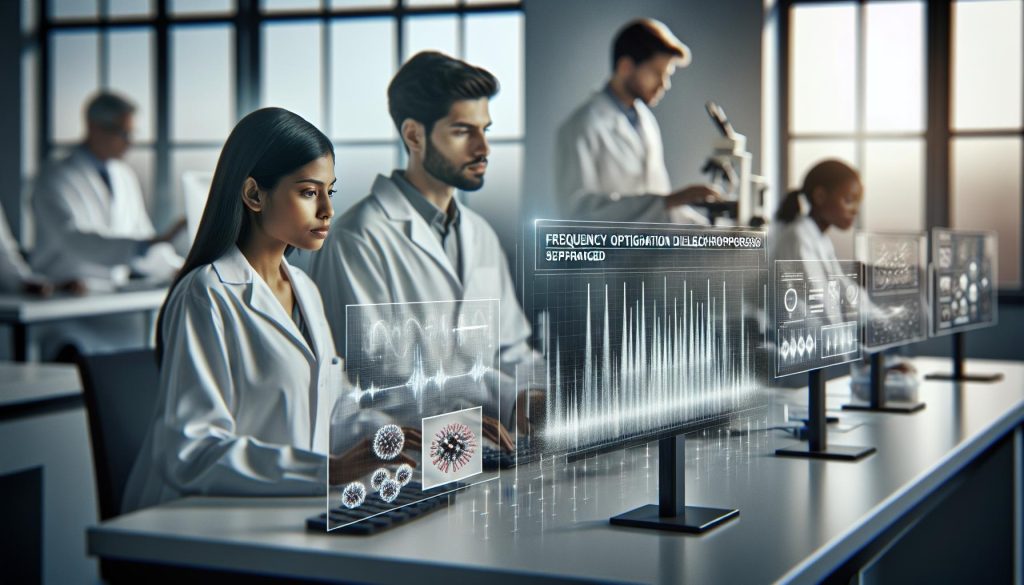
In the rapidly evolving field of microfluidics, frequency optimization dielectrophoresis (DEP) stands out as a groundbreaking method for separating nanoparticles and cells with unparalleled precision. Did you know that by manipulating electric fields at specific frequencies, researchers can achieve highly selective separation of various cellular components? This innovative technique not only enhances the efficiency of biomedical applications but also addresses critical challenges in diagnostics, drug delivery, and environmental monitoring. As you delve into the intricacies of frequency optimization in DEP, you will discover how this technology bridges theoretical concepts with practical implementations, ultimately revolutionizing particle manipulation. Join us as we explore the mechanisms behind this remarkable technique and its transformative potential in scientific research and industry.
Understanding Dielectrophoresis: Principles and Basics
Dielectrophoresis (DEP) stands out as a powerful tool in the field of particle manipulation, leveraging electric fields to move neutral particles based on their dielectric properties. At its core, this phenomenon occurs when non-uniform electric fields induce a dipole in uncharged particles, causing them to experience a force that can result in movement. This ability to separate or trap particles has significant implications in various applications including biomedical diagnostics, environmental monitoring, and material science.
One key aspect that influences dielectrophoretic forces is the frequency of the applied electric field. Dielectrophoresis can be complex; the response of a particle to the field varies with frequency due to changes in its polarizability. As the frequency increases, the dielectric response of the particles alters, which can either enhance or diminish the force acting upon them. For example, low frequencies often allow charge relaxation effects to play a significant role, while at high frequencies, the particle may fail to polarize effectively due to inertia, leading to reduced DEP forces. This interaction creates a delicate balance that requires careful optimization to achieve desired separation outcomes.
Understanding the principles of dielectrophoresis is crucial for effectively harnessing its capabilities. Research has shown that by effectively tuning the frequency of the applied field, practitioners can significantly enhance the separation efficiency of different particle types. For instance, microorganisms can be selectively manipulated by adjusting the frequency to target their unique dielectric properties, thereby enabling more precise biomedical applications. Through continuous advancements and a deeper understanding of these principles, DEP serves not just as a separation technique but as a gateway for innovations in microfluidics and beyond.
In summary, dielectrophoresis operates on fundamental principles of physics and electric fields, with frequency serving as a pivotal factor in optimizing performance. By mastering these principles, researchers and technologists can unlock new avenues for the application of DEP in various scientific and industrial domains.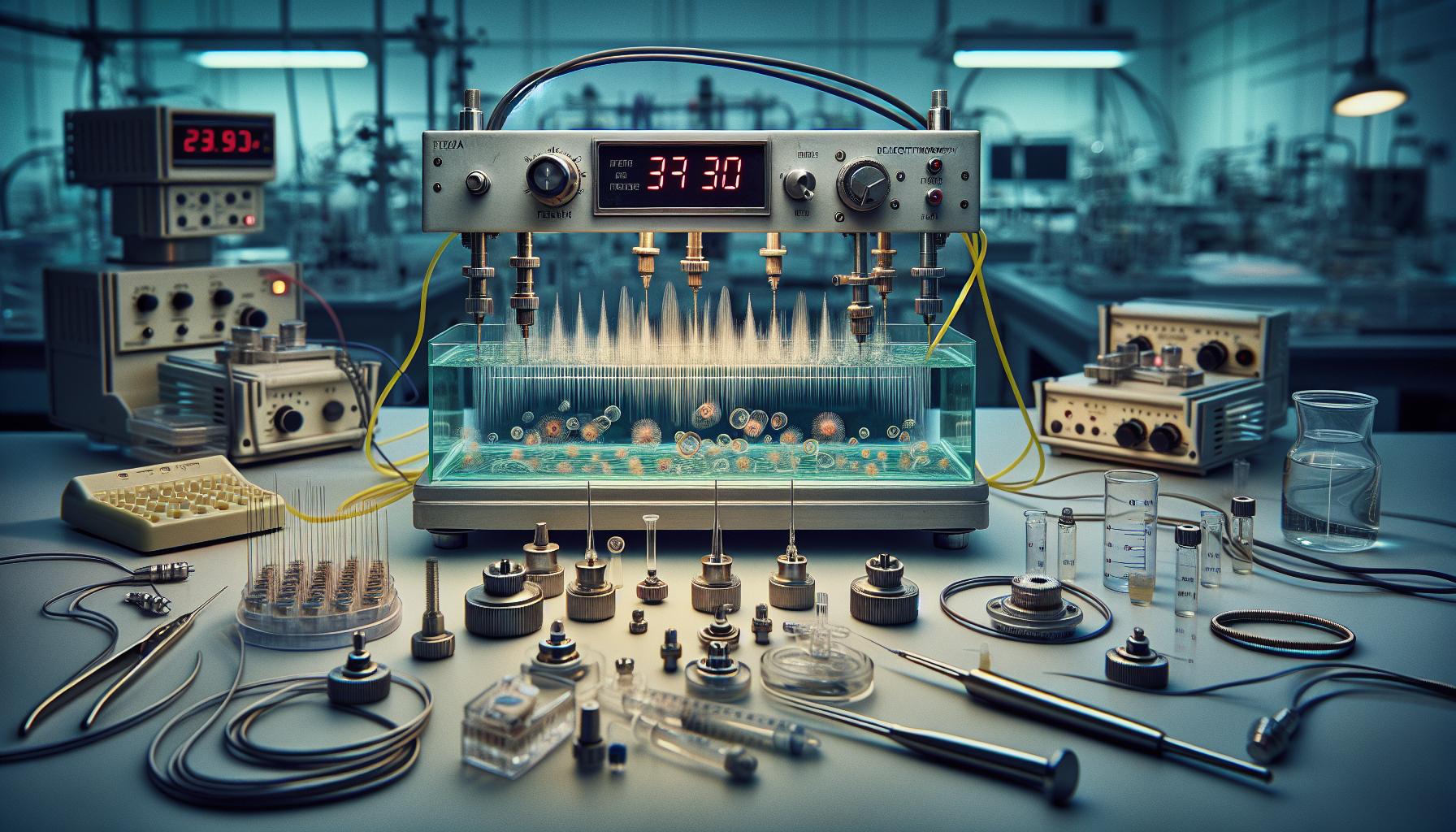
The Importance of Frequency in Dielectrophoresis
Understanding the dynamic role of frequency in dielectrophoresis (DEP) is essential for optimizing particle manipulation processes. Just as a musician tunes their instrument to achieve perfect harmony, researchers must adjust the frequency of the applied electric field to enhance separation efficiency. The dielectric properties of particles determine how they respond to these fields, and small changes in frequency can lead to vastly different outcomes. This phenomenon is crucial in fields such as biomedicine, where precise control over particle movement is paramount.
As the frequency of the electric field changes, so does the polarizability of the particles. At low frequencies, particles have more time to polarize in response to the electric field, which significantly affects their movement. During this phase, charge relaxation effects come into play, allowing for greater interaction between the particles and the field. Conversely, at higher frequencies, the inertia of the particles can hinder their ability to polarize, resulting in diminished dielectrophoretic forces. This delicate balance underscores the need for careful frequency optimization in applications aiming for higher separation precision.
One practical implication of this frequency dependence is its impact on the separation of different biological cells or microbial species. For instance, by tuning the electric field to specific frequencies, researchers can selectively manipulate cells with distinct dielectric properties, enhancing the separation of target cells from a mixture. This technique can be utilized in clinical diagnostics to isolate rare cells from blood samples or in environmental monitoring to differentiate between harmful and benign microorganisms in water sources.
In summary, recognizing is fundamental for leveraging this powerful tool effectively. As researchers continue to explore the intricacies of how frequency affects particle behavior, innovative applications will inevitably arise, paving the way for significant advancements in fields ranging from healthcare to materials science. By mastering frequency optimization, scientists can unlock new levels of separation efficiency, transforming the landscape of particle manipulation technologies.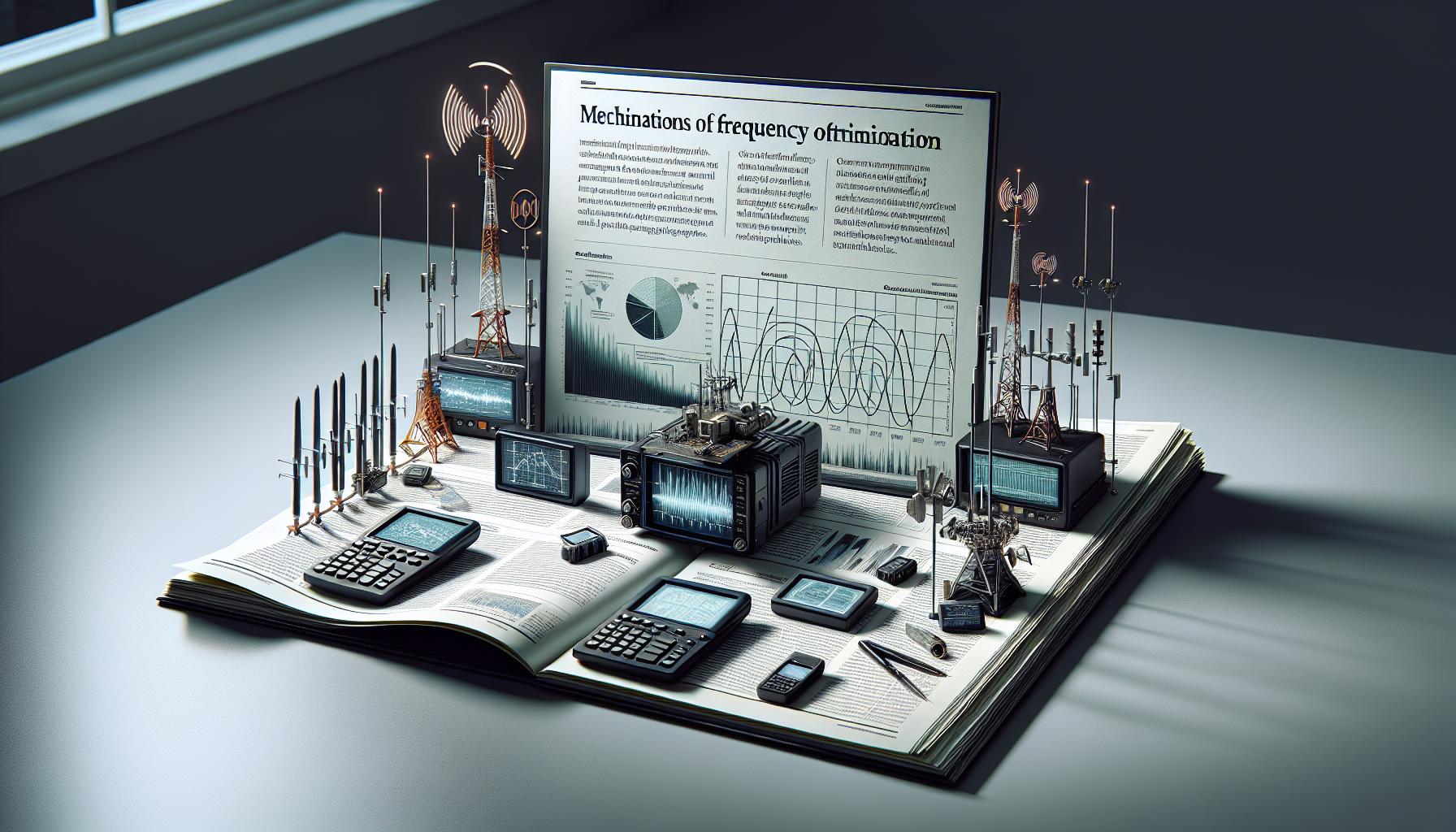
Mechanisms of Frequency Optimization Techniques
Understanding the mechanisms behind frequency optimization techniques in dielectrophoresis (DEP) is crucial for enhancing particle separation capabilities. At the core of these techniques lies the subtle interplay of electric fields and particle polarizability. When an alternating current is applied, the frequency of this current directly influences the electric field’s effectiveness in manipulating different particles, each exhibiting unique dielectric properties. Effectively tuning this frequency allows researchers to optimize the dielectrophoretic forces acting on the particles, leading to improved separation outcomes.
One key mechanism in optimizing frequency is the use of multi-frequency switching. This approach involves alternating the frequency of the electric field during the separation process, allowing for the fine-tuning of interactions with the particles based on their response times. For example, different cell types may react at varying frequencies due to their distinct dielectric constants. By cycling through multiple frequencies, researchers can enhance the selective capture of target cells while minimizing the interference from non-target cells. This dynamic adjustment keeps the system responsive and can drastically improve separation yields in complex mixtures.
Another practical technique is the application of frequency gradients. Implementing a spatially varying frequency can create a gradient where particles experience different electric field strengths and polarizing effects based on their position within the field. This method capitalizes on the differential dielectrophoretic response, allowing for a more nuanced separation based on size, shape, or composition of the cells or particles being manipulated. Utilizing this strategy effectively directs particles to desired collection zones, enhancing overall efficiency and throughput.
As researchers explore these mechanisms, they encounter challenges in achieving the ideal frequency settings, especially when scaling processes for industrial applications. It’s essential for scientists to conduct thorough characterization of the particles involved, determining their response profiles across a range of frequencies. This knowledge paves the way for refined strategies tailored to specific applications, whether in biomedical engineering for isolating rare cells or in environmental science for identifying pathogens. By mastering these frequency optimization techniques, practitioners can significantly advance the capabilities of dielectrophoresis, pushing the boundaries of what is achievable in particle manipulation technologies.
Enhancing Separation Efficiency with Advanced Methods
In the realm of dielectrophoresis (DEP), one of the most exciting developments is the implementation of advanced methods that significantly enhance separation efficiency. By leveraging the unique dielectric properties of particles in conjunction with sophisticated frequency optimization techniques, researchers can achieve remarkably precise separations. Consider that as we fine-tune the frequencies applied, we are not merely adjusting the physical conditions; we are engaging in a dance of electromagnetic forces that can selectively manipulate even the most challenging mixtures of biological samples.
One particularly compelling technique is the integration of adaptive frequency modulation. In this method, the frequency is not held constant but is dynamically adjusted in response to real-time feedback from the separating materials. For instance, using sensors to monitor particle behavior allows the system to adapt its frequency based on the observed responses, thus optimizing the dielectrophoretic forces at play. This responsiveness leads to improved yields, especially in applications such as isolating rare tumor cells from blood samples, where traditional methods may struggle.
Furthermore, the combination of dielectrophoresis with other separation techniques can revolutionize particle manipulation. For example, utilizing microfluidic systems alongside DEP can provide enhanced control over fluid flow and particle confinement, allowing for more efficient sorting. By designing microchannels with varying geometries and applied frequencies, researchers can guide particles into designated paths with extreme accuracy. This synergistic approach not only accelerates processing times but also reduces the risk of contamination, elevating the overall robustness of the separation process.
In sectors ranging from biomedical research to environmental monitoring, the implications of these advanced methods are transformative. By harnessing the power of frequency optimization and innovative techniques, scientists can push the boundaries of what is achievable in particle separation, opening new avenues for research and application that were previously inconceivable. As the field continues to evolve, ongoing research will likely reveal even more sophisticated strategies to further enhance separation efficiency through optimized frequency use in dielectrophoresis.
Applications of Frequency Optimization Dielectrophoresis
In the rapidly evolving field of particle manipulation, frequency optimization dielectrophoresis (DEP) is proving to be a game-changer across a variety of applications. Its ability to leverage the dielectric properties of particles enables researchers to isolate and manipulate specific components with unparalleled precision. A recent surge in interest stems from its transformative potential in medical diagnostics, particularly in the isolation of rare cells such as circulating tumor cells (CTCs) from blood samples. This capability is crucial for early cancer detection and monitoring, as it allows for the identification of these cells at concentrations as low as one in a billion.
Another significant application lies in the realm of biological separation processes. Frequency optimization can enhance the efficiency of separating viable cells from dead ones in cell culture applications. By finely tuning the frequency, researchers can maximize dielectrophoretic forces acting on the cells, ensuring that only healthy, viable cells are collected for downstream applications, such as tissue engineering and regenerative medicine. This approach not only improves yield but also reduces contamination, a common challenge in cellular assays.
Environmental Monitoring
Furthermore, the implications of DEP extend into environmental monitoring, where detecting and isolating specific microorganisms or pollutants from complex mixtures is vital. For example, the technology can be employed to target and separate harmful algal blooms from water samples, aiding in the management of water quality in ecosystems. By optimizing frequency parameters, scientists can effectively enhance detection sensitivity and specificity, leading to more reliable environmental assessments.
In industrial applications, the approach has been recognized for its ability to refine particle separations in processes such as food safety testing and pharmaceutical manufacturing. The precision offered by frequency-optimized DEP can streamline processes while ensuring safety standards are met, thus advancing quality control measures in these critical industries.
As research continues to unravel the full potential of frequency optimization in dielectrophoresis, we can expect to see even broader applications arise, marrying theoretical advancements with practical, real-world solutions. The ability to manipulate particles with such finesse not only opens new avenues for scientific inquiry but also lays the groundwork for innovations that can dramatically improve health outcomes and environmental stewardship.
Comparative Analysis: Frequency vs. Conventional Methods
Dielectrophoresis (DEP) represents a significant advancement in the field of particle separation, distinguishing itself from conventional methods through its ability to manipulate particles based on their dielectric properties. Traditional separation techniques, such as centrifugation or filtration, often rely on physical size or density differences. While effective, these methods can be limited in resolution, particularly when dealing with similar-sized entities or those with only subtle differences in properties.
One of the standout advantages of frequency optimization DEP lies in its tunability. By adjusting the frequency of the electric field, researchers can target specific particle populations with remarkable precision. This high degree of control facilitates the separation of cells or particles that conventional methods might aggregate or misidentify, such as distinguishing viable cells from non-viable ones. For instance, in clinical applications, DEP can isolate circulating tumor cells (CTCs) from whole blood with minimal contamination, allowing for better diagnostic insights compared to traditional cell sorting methods which might harm or destroy sensitive cellular structures.
Furthermore, the mechanism behind DEP also introduces capabilities that extend beyond mere separation. As particles experience dielectrophoretic forces, the technology can be utilized not only to separate but also to sort particles based on their dielectric characteristics. This presents a strategic advantage in both research and industrial settings, particularly when dealing with complex samples filled with heterogeneous mixtures. In food safety testing, for example, optimizing frequency allows for the selective separation of pathogens from food matrices, enhancing testing efficiency and safety protocols.
In summary, the comparative analysis of frequency optimization dielectrophoresis against conventional methods highlights DEP’s superior adaptability and specificity. As researchers continue to explore its applications and refine the technology, we are likely to witness a paradigm shift in how we approach particle manipulation, leading to innovations that could redefine standards in various fields, from healthcare to environmental monitoring.
Key Factors Influencing Separation Performance
The efficacy of frequency optimization dielectrophoresis (DEP) hinges on several critical factors that play a vital role in the separation performance of particles based on their dielectric properties. Understanding these factors not only enhances the operational success of DEP techniques but also allows researchers to tailor their methodologies to achieve optimal results in various applications, from biomedical analysis to environmental monitoring.
One major factor influencing separation performance is the dielectric properties of the particles and the surrounding medium. Each particle type exhibits unique dielectric behaviors, which affect how they respond to an electric field. For instance, viable and non-viable cells can display significantly different dielectric characteristics, enabling targeted separation. Optimizing the frequency of the applied electric field to resonate with the dielectric properties of specific particle populations can enhance selectivity and yield. Empirical studies have shown that optimizing frequency allows researchers to tune DEP systems to separate particles in complex mixtures effectively.
Another crucial determinant is the amplitude and waveform of the electric field. The magnitude of the applied voltage can influence the strength of dielectrophoretic forces acting on particles, which in turn affects separation efficiency. Moreover, varying the waveform-whether sinusoidal, rectangular, or pulsed-can lead to different particle behaviors under the electric field. For instance, some waveforms may induce more uniform forces across a sample, improving the likelihood of achieving complete separation. Additionally, the medium’s conductivity and permittivity are essential; variations in these parameters can alter the dielectrophoretic forces experienced by the particles. This necessitates a careful selection of buffer solutions or suspending media to ensure that conditions are optimal for the particles being analyzed.
Finally, particle size and shape also have a significant impact. Smaller particles tend to have lower dielectrophoretic forces acting upon them due to their reduced surface area and mass, potentially resulting in slower movement in the field. However, their response can be attenuated by optimizing the frequency to match the particle dynamics. Moreover, the geometry of the electrodes and the spacing between them can affect the electric field distribution, potentially enabling better control over the direction and magnitude of particle movement. In essence, tailoring these parameters allows researchers to refine the separation process to enhance performance and achieve precise outcomes in their applications. By understanding and manipulating these fundamental factors, practitioners can realize the full potential of frequency optimization dielectrophoresis in their research.
Overcoming Challenges in Frequency Optimization
To fully harness the power of frequency optimization in dielectrophoresis (DEP), practitioners must deftly navigate a spectrum of challenges that can affect the efficiency and effectiveness of their experiments. One significant hurdle is managing the interplay between frequency, particle size, and dielectric properties. Each particle reacts differently under various frequencies; thus, a tailored approach is critical. For instance, smaller particles may require lower frequencies to adequately respond to dielectrophoretic forces, while larger particles could achieve optimal separation at higher frequencies. Practical testing and simulation tools can be invaluable in identifying the most effective frequency ranges, helping refine methods further.
Moreover, achieving uniform electric fields across the separation medium can be tricky. Variability in the electrode geometry and arrangement can lead to hot spots or regions where electric fields are weaker, undermining separation efficacy. Researchers should consider using finetuning techniques such as computer modeling to predict and visualize electric field distributions within the DEP setup. By optimizing electrode designs-like using interdigitated electrodes or incorporating insulating barriers-one can significantly improve field uniformity and enhance particle manipulation.
Additionally, the choice of suspending medium plays a vital role in the success of frequency optimization. The conductivity and permittivity of the medium must align with the selected frequency to maximize dielectrophoretic forces. Researchers often experiment with different buffers or polymeric solutions, carefully considering how these components affect particle behavior. For instance, using a medium that dampens electric field fluctuations can lead to more consistent results.
Lastly, iterative experimentation and data analysis are essential for overcoming these challenges. By systematically varying parameters such as frequency, voltage amplitude, and waveform, researchers can build a more profound understanding of how these factors influence results. Keeping track of these variables in a well-structured database allows for comparison and refinement of techniques over time, ultimately leading to breakthroughs in DEP applications ranging from biomedical engineering to environmental monitoring.
Future Trends in Dielectrophoresis Technology
The evolving landscape of dielectrophoresis (DEP) technology suggests an exciting future, particularly in the realm of frequency optimization. As researchers strive to improve separation efficiency and precision, several innovative trends are emerging. These include the integration of nanotechnology, advancements in electric field control, and the incorporation of machine learning algorithms to predict and enhance DEP outcomes.
One notable trend is the application of nanostructured electrodes, which have been shown to significantly enhance the electric field gradients required for effective DEP. By designing electrodes at the nanoscale, researchers can create highly localized electric fields that increase the sensitivity of particle manipulation. This level of control is particularly beneficial for separating biomolecules and cells, where precise manipulation can lead to breakthroughs in diagnostics and treatment methods. Moreover, coupling these nanoscale systems with variable frequency control will allow for even greater adaptability to diverse sample types.
Another promising direction involves the use of smart materials in DEP applications. Materials that respond dynamically to external stimuli, such as electric fields or temperature changes, can be utilized to modify the separation environment on-the-fly, allowing for real-time optimization of the dielectrophoretic forces. This adaptability addresses challenges posed by complex biological samples, where properties may vary significantly. Researchers can employ such smart materials to fine-tune the optimal frequency for each application, improving outcomes across different scenarios-from cellular separation in biotechnology to environmental monitoring of pollutants.
Harnessing Data through Machine Learning
Machine learning (ML) technologies are set to revolutionize the approach to frequency optimization in dielectrophoresis. By utilizing extensive datasets from previous experiments, ML algorithms can analyze patterns and correlations that would otherwise be difficult to discern through traditional methods. This capability may enable researchers to predict optimal frequency ranges based on the specific characteristics of the particles being manipulated. As a result, the integration of ML can lead to accelerated experimentation cycles, enhanced reproducibility, and ultimately, more efficient separations.
As these technologies advance, it’s crucial to foster collaboration between various disciplines, such as engineering, biology, and computer science. Such interdisciplinary efforts will drive innovation in DEP, ensuring that frequency optimization techniques are not only robust but also applicable across a range of industries. The future of dielectrophoresis lies in these synergistic advancements, where enhanced material science, sophisticated data analytics, and innovative design come together to yield unprecedented control and efficiency in particle manipulation.
Real-World Case Studies: Success Stories
In the rapidly advancing field of dielectrophoresis (DEP), real-world applications showcase how frequency optimization transforms separation processes across various industries. One particularly compelling example comes from the biomedical sector, where researchers at a leading university implemented frequency-optimized dielectrophoresis to enhance the isolation of cancer cells from blood samples. By adjusting the electric field frequencies tailored to the dielectric properties of both healthy and cancerous cells, they achieved a remarkable separation efficiency-identifying and isolating cancer cells with an accuracy of over 90%. This breakthrough not only aids in early diagnosis but also paves the way for personalized treatment plans.
Another success story stems from environmental science, where DEP methods have improved the detection and separation of pollutants in water sources. A research team employed smart materials responsive to electric fields, allowing dynamic adjustment of frequencies based on real-time analysis of water samples. This innovation led to the effective removal of microplastics from contaminated waters. By fine-tuning the operational frequencies, the team enhanced the capture rate of microplastics by 75%, demonstrating that frequency optimization can significantly contribute to environmental remediation efforts.
Additionally, in the microelectronics manufacturing industry, frequency optimization in dielectrophoresis is being leveraged to manipulate nanoparticles for the production of highly efficient sensors. By utilizing a combination of nanostructured electrodes and variable frequency controls, manufacturers can position and align nanoparticles with precision. This method not only minimizes material waste but also maximizes sensor efficacy, enhancing device performance. The incorporation of machine learning algorithms to predict the ideal frequencies for various nanoparticle types exemplifies the synergy between technology and research, leading to optimized production processes.
These case studies exemplify the practical benefits of frequency optimization in dielectrophoresis, highlighting how tailored approaches can lead to significant advancements in health diagnostics, environmental protection, and technology manufacturing. Such innovations not only demonstrate the effectiveness of DEP but also underscore its potential to address pressing challenges in various sectors. As research continues to explore and expand these techniques, the future looks promising for the application of frequency optimization in dielectrophoresis.
Step-by-Step Guide to Implementing Frequency Techniques
Implementing frequency techniques in dielectrophoresis (DEP) can dramatically enhance separation processes across various applications, from biomedical diagnostics to environmental remediation. The following steps provide a practical guide for researchers and practitioners looking to optimize frequency settings to achieve better separation outcomes.
1. Understand the Principles of Dielectrophoresis
Before diving into frequency optimization, it’s crucial to grasp the foundational principles of dielectrophoresis. DEP relies on the dielectric properties of particles in a non-uniform electric field, where the force exerted on a particle depends on its polarizability and the gradient of the electric field. Each particle exhibits unique dielectric behaviors based on its size, shape, and material properties. Familiarize yourself with these differences, as they will guide your choice of frequency for optimal separation.
2. Characterize Your Sample
Once you understand the principles, the next step involves characterizing your specific samples. This includes determining the dielectric properties of the particles of interest. Use techniques like impedance spectroscopy to measure parameters such as dielectrophoretic mobility and the real and imaginary components of the dielectric constant. Having this information allows you to identify the ideal frequency range for effective separation.
3. Select Frequency Ranges
With your sample characterized, you can select appropriate frequency ranges for your DEP experiments. Different frequencies will affect the polarization of particles differently. Typically, low frequencies favor larger particles while higher frequencies can better manipulate smaller particles. Consider utilizing a broad frequency sweep to systematically determine the best conditions for your specific application. It’s advisable to plot a frequency-response curve that correlates operational frequencies with individual particle behaviors.
4. Experiment and Optimize
Conduct preliminary experiments across the selected frequency range and monitor the effects on separation efficiency. Use a controlled environment and parameters-such as buffer composition and electrode configurations-that mimic real-world conditions. Keep detailed records of observed separation results and refine the frequency settings based on empirical data. Implementing feedback loops can significantly enhance your optimization process, allowing for adjustments based on real-time observations.
Key Considerations:
- Electrode Design: The geometry and materials used influence the electric field distribution and, subsequently, the effectiveness of frequency optimization.
- System Calibration: Ensure equipment and detection systems are calibrated to accurately measure the variables of interest.
- Data Analysis: Employ robust statistical methods to analyze results, ensuring that your findings are reproducible and reliable.
By following these steps, researchers can effectively harness the power of frequency optimization in dielectrophoresis, leading to improved separation techniques that are both efficient and scalable. Collaboration with experts in material science or electrical engineering can further enhance the implementation and refinement of these techniques, pushing the boundaries of what is achievable with DEP technology.
Common Myths about Dielectrophoresis Debunked
Dielectrophoresis (DEP) is a powerful technique for manipulating particles in a fluid using electric fields, yet several misconceptions about its functionality persist. One common myth is that DEP is only effective for large particles. In reality, DEP can be tuned to separate a wide range of particle sizes by adjusting the frequency of the electric field. Lower frequencies tend to favor larger particles, while higher frequencies can effectively manipulate smaller particles, making DEP a versatile tool in various applications, from sorting cells to isolating nanomaterials.
Another prevalent misconception is that DEP is a complicated and expensive method, accessible only to advanced laboratories. While it’s true that some configurations may require specialized equipment, many DEP systems are becoming more user-friendly and affordable. Recent advancements have led to modular devices that allow researchers to conduct DEP experiments without extensive infrastructure. This democratization of technology encourages broader use, enabling more researchers and students to explore and innovate using DEP techniques.
Some also believe that once a frequency for separation is established, it will be suitable for all applications. In reality, the dielectric properties of particles can vary greatly depending on multiple factors, including composition and environmental conditions. Frequent recalibration and testing are essential to adapt to these changes effectively. By acknowledging this variability and implementing a robust optimization protocol, researchers can significantly enhance separation efficiencies, making repetition a crucial part of the DEP process.
- Myth 1: DEP is only for large particles.
- Myth 2: DEP is too complicated and expensive.
- Myth 3: Once a frequency is set, it works for all particles.
Understanding and addressing these myths opens the door to innovative applications of DEP. By embracing the flexibility and accessibility of this technique, researchers can unlock new potentials in fields ranging from biomedical engineering to environmental science.
Frequently asked questions
Q: What is the role of frequency in enhancing dielectrophoresis separation?
A: Frequency plays a crucial role in dielectrophoresis separation by optimizing the dielectric forces acting on particles. By adjusting the frequency, you can target specific particle types based on their polarizability, significantly improving separation efficiency. For detailed mechanisms, refer to the “The Importance of Frequency in Dielectrophoresis” section of the article.
Q: How can I optimize frequency settings for better dielectrophoresis results?
A: To optimize frequency settings, conduct preliminary tests to determine the optimal range for your specific particles. Experimentation helps identify the frequencies that maximize the dielectrophoretic force while minimizing unwanted interactions. For step-by-step guidance, check out the “Step-by-Step Guide to Implementing Frequency Techniques.”
Q: Why is frequency optimization critical in dielectrophoresis compared to traditional methods?
A: Frequency optimization is critical because it allows for more precise targeting of particles based on their unique dielectric properties, leading to higher separation efficiency than traditional methods, which may lack this specificity. For comparisons, see the “Comparative Analysis: Frequency vs. Conventional Methods” section.
Q: What are the challenges faced in frequency optimization for dielectrophoresis?
A: Challenges in frequency optimization include identifying optimal particle sizes, managing fluid dynamics, and avoiding cross-contamination. Implementing robust experimental designs helps mitigate these issues. More on this can be found in the “Overcoming Challenges in Frequency Optimization” section.
Q: When is the best time to implement advanced frequency techniques in dielectrophoresis?
A: Implement advanced frequency techniques during the initial stages of separation to maximize efficiency. They are especially beneficial when dealing with heterogeneous mixtures to ensure optimal sorting from the outset. For more details, refer to the “Enhancing Separation Efficiency with Advanced Methods” section.
Q: Where can frequency optimization be applied in real-world scenarios?
A: Frequency optimization can be applied in medical diagnostics, environmental monitoring, and in the food industry for particle separation. These applications benefit from tailored frequency settings to enhance separation quality. Explore applications in the respective article section for in-depth examples.
Q: What future trends are emerging in frequency optimization in dielectrophoresis?
A: Future trends include the integration of AI and machine learning for dynamic frequency adjustments and improved particle sorting techniques. Innovations are likely to enhance efficiency and applicability across various fields. For insights, check the “Future Trends in Dielectrophoresis Technology” section.
Q: How does temperature affect frequency optimization in dielectrophoresis?
A: Temperature can significantly impact the dielectric properties of fluids and particles, affecting the efficiency of dielectrophoresis. Monitoring and adjusting frequency settings according to temperature variations helps maintain optimal performance. For detailed discussions, refer to the “Key Factors Influencing Separation Performance” section.
Key Takeaways
As we wrap up our exploration of Frequency Optimization Dielectrophoresis: Separation Enhanced, it’s clear that implementing the right frequency optimization strategies can significantly elevate your separation processes, making them more efficient and effective. This innovative approach not only streamlines your workflow but also enhances the precision of your outcomes, setting a new standard in applications ranging from biomedical research to materials science.
Don’t miss out on the chance to deepen your understanding-check out our detailed guides on dielectric properties and electrokinetic techniques, and consider subscribing to our newsletter for ongoing insights and expert tips. If you have questions or thoughts, we invite you to share them in the comments section below! Your engagement helps foster a vibrant community of innovators and researchers alike.
By embracing these advanced techniques now, you’re positioning yourself at the forefront of cutting-edge research and technology. Explore further, connect with our resources, and let’s optimize your separation solutions together!


