

Imagine a world where medical diagnostics are as simple as pressing a button. Digital microfluidic biochips, utilizing the innovative principle of electrowetting, are making this vision a reality. These remarkable devices manipulate tiny volumes of fluids with precision, enabling rapid testing and analysis in various fields, from health care to environmental monitoring. By understanding how electrowetting works, you’ll discover the key to cutting-edge advancements that promise to revolutionize diagnostics and lab-on-a-chip technologies. This exploration not only highlights the science behind these biochips but also emphasizes their potential impact on our daily lives, making it essential for researchers, students, and tech enthusiasts to grasp these concepts. Join us as we demystify the fascinating world of digital microfluidic biochips and uncover the significant role they play in advancing technology and improving health outcomes.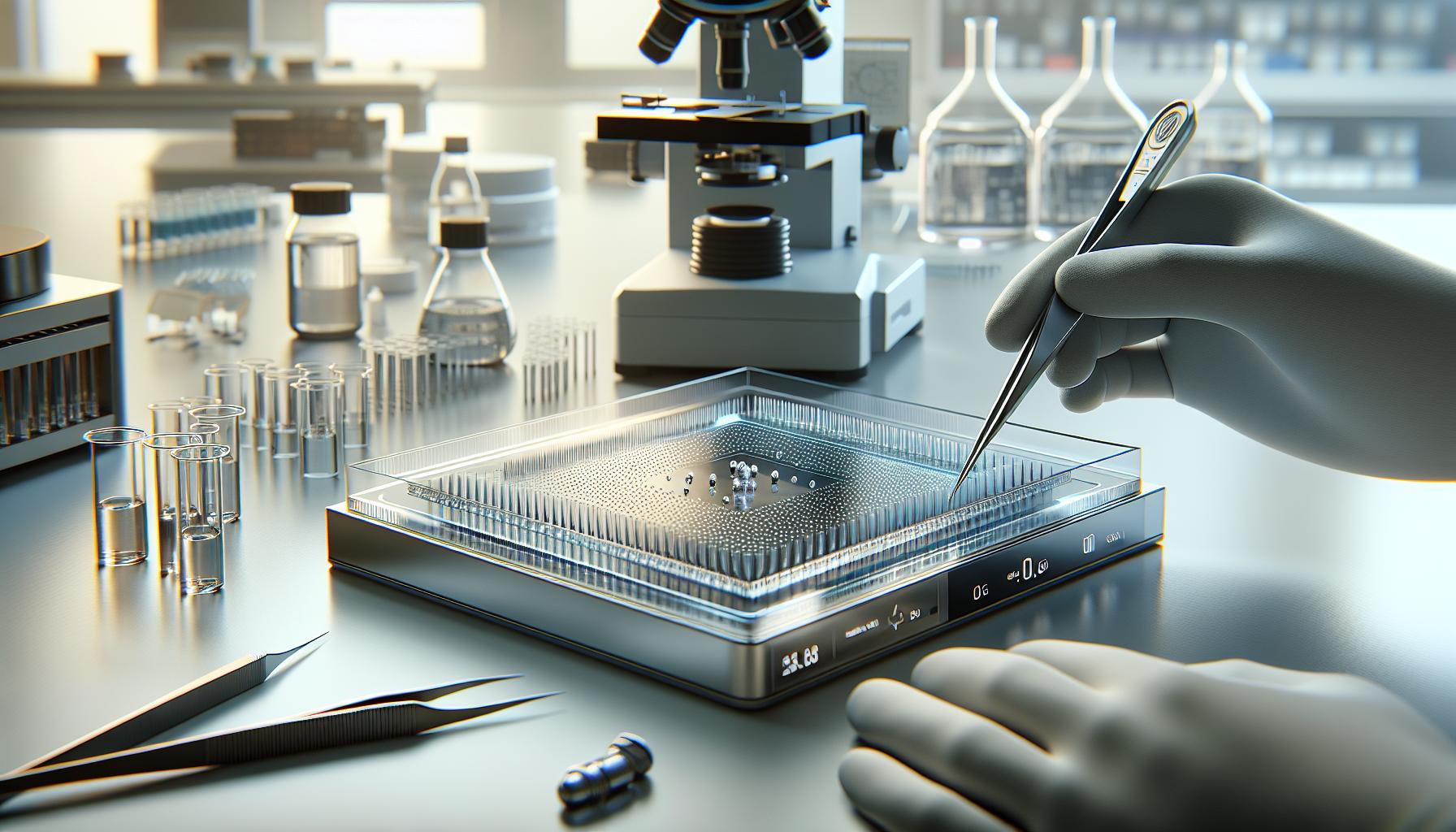
What Is a Digital Microfluidic Biochip?
Digital microfluidic biochips represent a significant advancement in lab-on-a-chip technology, allowing for precise control and manipulation of minute fluid volumes, typically in the nanoliter range. This capability is crucial for various applications, including diagnostics, drug development, and environmental monitoring. By employing electrowetting, these biochips can rapidly move, mix, and analyze samples on a chip without needing complex mechanical systems or large liquid volumes, thus streamlining traditional laboratory methods.
At their core, digital microfluidic biochips utilize a system of electrodes to create electric fields that control the movement of droplets. This process, known as electrowetting, alters the surface tension and allows droplets to merge, split, or be transported across the chip’s surface. The ability to modulate fluid behavior at a fundamental level not only enhances the efficiency of biochemical assays but also increases the versatility of experiments by allowing for a wide range of reactions and analyses to be performed on the same device.
One of the distinct advantages of digital microfluidic biochips is their programmability, which enables automated testing and analysis workflows. Researchers can design and execute complex experiments with user-friendly software, minimizing the chances for human error and significantly reducing operational time. Furthermore, digital biochips are typically compact and portable, making them ideal for on-site testing in fields such as healthcare, where real-time diagnostics can dramatically improve patient outcomes.
In summary, the digital microfluidic biochip is a transformative tool in modern science, blending advanced engineering with practical applications. As this technology continues to evolve, it promises to drive innovation in various sectors, democratizing access to powerful analytical techniques that were once confined to large laboratories.
Understanding Electrowetting: The Core Principle
The innovative mechanism that powers digital microfluidic biochips is rooted in the principle of electrowetting, a technique that transforms how fluids interact with surfaces at the micrometer scale. At its core, electrowetting operates by altering the wetting properties of a liquid droplet on a substrate through the application of an electric field. This interaction allows for precise control over droplet movements, enabling the manipulation of tiny volumes of liquid-often in the nanoliter range-siamese in modern lab-on-a-chip applications.
When a voltage is applied to the electrodes beneath the liquid droplet, it changes the contact angle between the droplet and the surface. This action effectively causes the droplet to spread out or contract, a change that can be triggered to drive the droplet in desired directions. The ability to change the surface tension dynamically is crucial in allowing droplets to merge, split, or even mix multiple samples on a single chip. The result is a highly adaptable system capable of executing complex assays without the need for intricate mechanical assemblies, thus streamlining traditional laboratory protocols.
Practical Applications of Electrowetting
Electrowetting’s versatility is prominently showcased in applications such as diagnostics and drug testing. For example, researchers can automate a series of biochemical reactions that were previously time-intensive and reliant on bulky equipment. By programming specific sequences, laboratories can achieve faster results, focusing on efficiency and accuracy. Electrowetting also supports multiphase reactions on the same biochip, allowing researchers to analyze multiple samples concurrently while adjusting parameters dynamically based on real-time feedback.
This technology’s effectiveness stems not just from its operational simplicity but also from its ability to manage diverse experimental conditions programmatically. As a result, researchers, engineers, and technologists can design custom assays that suit their specific needs while minimizing contamination risks and procedural errors commonly found in traditional methods. Thus, understanding electrowetting is essential for harnessing the full potential of digital microfluidic biochips, paving the way for innovative breakthroughs across scientific disciplines.
Key Applications of Digital Microfluidic Biochips
Digital microfluidic biochips are revolutionizing various fields by enabling precise manipulation of small volumes of liquids, typically in the nanoliter range, through the power of electrowetting. This technology not only streamlines laboratory protocols but also finds its utility in areas like diagnostics, drug discovery, and environmental monitoring. The flexibility and programmability of these biochips allow researchers to automate complex biochemical reactions, making experiments more efficient and less prone to human error.
One of the primary applications of digital microfluidic biochips is in the realm of medical diagnostics. These biochips can quickly analyze samples to detect diseases, analyze biomarkers, or evaluate metabolic processes. For instance, by programming a sequence of fluid manipulations, a chip can perform assays for multiple conditions simultaneously, facilitating rapid testing and diagnosis. This capability is especially critical in emergency scenarios where timely diagnosis can significantly impact treatment outcomes.
In drug testing and development, digital microfluidic technology simplifies the screening of pharmaceutical compounds. By allowing researchers to conduct high-throughput screenings on a microchip, it becomes feasible to test numerous drug candidates in parallel with reduced reagents and sample volumes. This technology also pervades the field of personalized medicine by enabling tailored assays that assess individual responses to medications, paving the way for more effective therapeutic strategies.
Moreover, digital microfluidics is making strides in environmental monitoring. Researchers can develop biochips that analyze water samples for pollutants or pathogens, offering a portable solution to ensure water quality in real-time. The ability to adjust experimental parameters dynamically based on sensor feedback enhances the versatility of these applications, making them invaluable tools in both laboratory settings and field research.
As digital microfluidic biochips continue to evolve, they promise to unlock new possibilities across numerous scientific domains, shortening the gap between research and real-world application through efficiency, precision, and minimized contamination risks. These chips are not just an engineering marvel; they are essential for the next generation of scientific inquiry and innovation.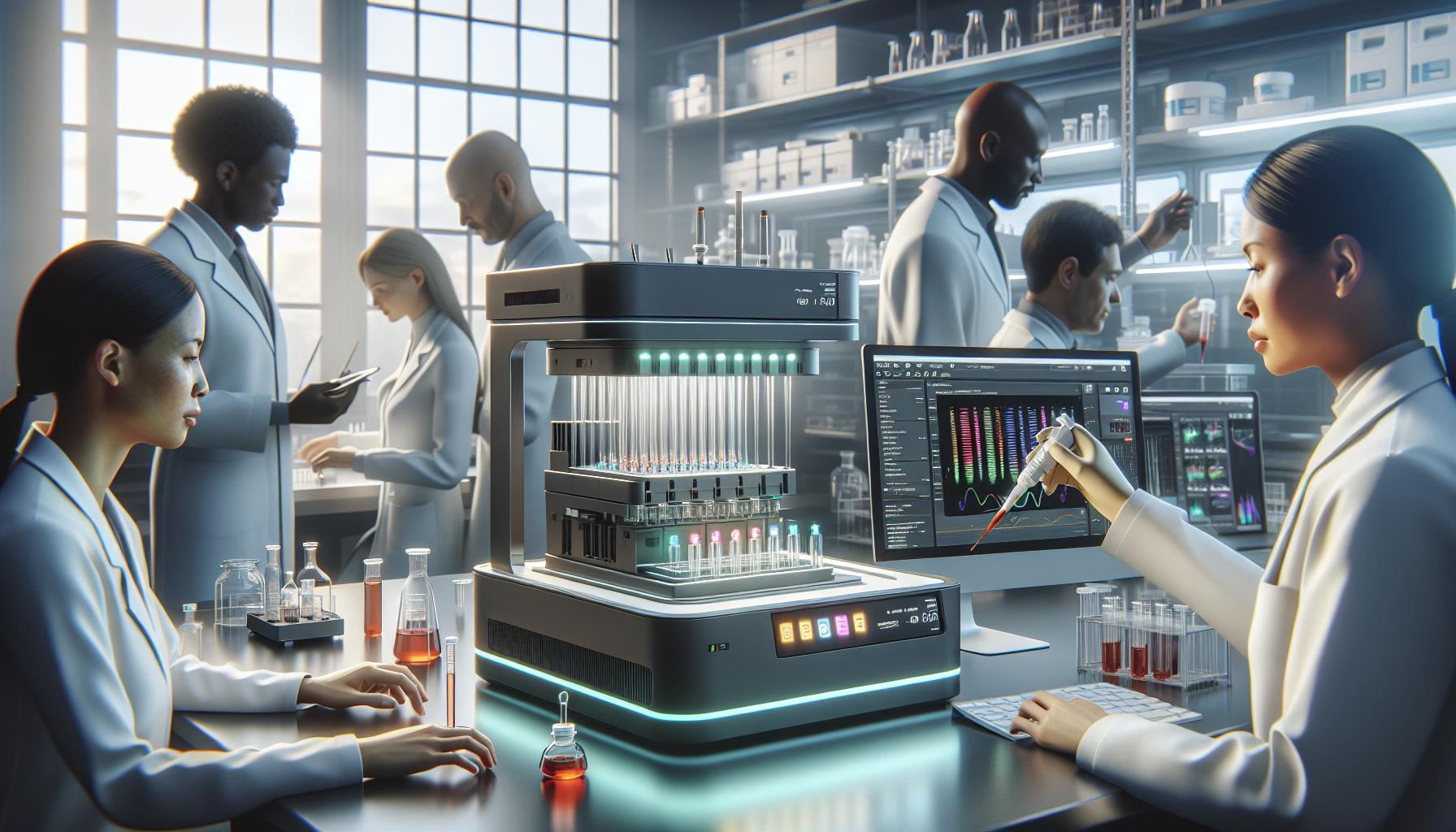
Benefits of Using Digital Microfluidic Technology
Digital microfluidic technology is transforming how we handle and analyze small quantities of fluids, providing significant advantages across scientific and medical fields. One of the most compelling benefits is the precision it offers in sample handling. By utilizing electrowetting principles, these biochips allow for the manipulation of droplets on a chip surface with high accuracy, leading to improved reproducibility in experimental results. This precision minimizes variability often seen with traditional liquid handling techniques, where manual pipetting can introduce errors due to differences in human technique or environmental factors.
Another key advantage is the significant reduction in reagent consumption. Traditional methods often require larger volumes of samples and reagents, leading to increased costs and waste. In contrast, digital microfluidics operates on the nanoscale, allowing researchers to conduct experiments with minuscule amounts of fluid. This feature not only conserves valuable reagents but also facilitates the development of more sustainable practices in laboratory settings, making it easier for labs to adhere to environmental guidelines.
Moreover, the programmability of digital microfluidic biochips enhances flexibility and efficiency in laboratory workflows. Researchers can automate complex assays, significantly speeding up processing times. By pre-programming sequences of fluid manipulations, biochips can perform multiple tests in parallel, making it feasible to conduct high-throughput screenings. This capability is particularly beneficial in fields such as drug discovery, where the rapid evaluation of numerous compounds is critical for innovation.
The integration of real-time feedback mechanisms also elevates the potential of these systems. Many digital microfluidic platforms can incorporate sensors that allow for dynamic adjustment of experimental conditions. This adaptability means that researchers can modify their approaches based on preliminary results, leading to more tailored and effective experiments. As a result, digital microfluidics not only enhances the accuracy and efficiency of experiments but also empowers researchers to explore novel methodologies that were previously hindered by conventional limitations.
Comparing Traditional Microfluidics to Digital Methods
Digital microfluidic biochips represent a revolutionary advancement over traditional microfluidic systems, fundamentally changing how fluids are manipulated and analyzed on a chip. One of the standout features of digital microfluidics is the ability to control droplets with high precision. In traditional microfluidics, techniques often rely on passive manipulation methods, like capillary action, which can lead to variability in flow rates and mixing due to changing environmental conditions or surface properties. In contrast, digital microfluidics harnesses electrowetting to manipulate droplets using electric fields. This technology allows for rapid and programmable changes to the droplet locations, sizes, and shapes, ensuring consistency and reliability in experimental results.
Another critical difference lies in the scalability and efficiency of fluid handling. Traditional techniques typically require distinct pathways and valves, which can complicate the design and increase the cost of the devices. Meanwhile, digital microfluidic systems reduce complexity significantly. They require fewer components, allowing for simpler designs that are easy to integrate into compact formats. Furthermore, by employing smaller volumes of liquids-often in the range of nanoliters-researchers can minimize reagent costs and waste. This reduction not only benefits economic aspects but also supports sustainable laboratory practices, aligning with modern environmental goals.
When it comes to application versatility, digital microfluidics outshines its traditional counterparts. Typical microfluidic systems often cater to specific types of fluid analyses or experiments due to their rigid channel designs, necessitating reconfiguration or redesign for different applications. Conversely, the programmability of digital microfluidic biochips gives researchers the luxury of adapting their workflows on-the-fly. They can easily switch between different assays or mix various reagents by simply reprogramming the biochip, enhancing both flexibility and throughput in laboratories. This adaptability is especially advantageous in fields such as drug discovery, where rapid iterations and tests are essential for innovation.
In summary, while traditional microfluidics has played a crucial role in advancing fluidic applications, the shift to digital methods powered by electrowetting technology not only improves precision and efficiency but also facilitates a broader range of applications, ultimately transforming how scientists approach experimentation and research.
Design and Components of a Digital Biochip
Digital microfluidic biochips are ingeniously crafted devices that leverage the principles of electrowetting to control micro-droplets on a chip. At the heart of these biochips lies a sophisticated design that integrates various components to ensure precise fluid handling. This innovative technology facilitates a multitude of applications, from biochemical assays to drug discovery, making a solid understanding of its design and components essential for researchers and developers alike.
One of the foundational elements of a digital microfluidic biochip is the substrate, which typically consists of materials like glass, silicon, or flexible polymers. This substrate houses the micro-electrodes that generate electric fields necessary for droplet manipulation through electrowetting. These electrodes are arranged strategically to allow for controlled movement and mixing of fluids. The layout’s modularity is crucial; it enables different configurations depending on the specific application or assay needs. Moreover, the incorporation of hydrophobic and hydrophilic surfaces plays a critical role in defining the interaction between the droplet and the substrate. This characteristic allows droplets to be moved, merged, or split through electrical stimuli.
Another significant component is the control system, which typically includes software that translates user commands into electrical signals for the biochip. This programmability is revolutionary, as it empowers users to design complex workflows without the need for physical modifications to the chip itself. For instance, researchers can run different assays sequentially or simultaneously simply by reprogramming the control software. This adaptability is one of the key advantages of digital microfluidic systems over traditional setups, which often require extensive reconfiguration.
In addition to these core components, microfluidic valves and reservoirs are often integrated into the biochip design. Valves can control the flow of fluids, allowing for intricate manipulation such as switching between different reagents or isolating specific droplets. Reservoirs serve as storage for reagents, thereby minimizing contamination risks and minimizing the volume of the sample needed. The reduction in fluid volumes used is not only cost-effective but also aligns with environmental sustainability goals within laboratory practices.
Overall, the design and components of digital microfluidic biochips are a harmonious blend of advanced materials science and electrowetting technology. This synergy creates devices capable of revolutionizing biochemical analyses, making them faster, more efficient, and versatile enough to keep pace with the demands of modern scientific research.
Electrowetting Dynamics: How It Works
The remarkable control of tiny droplets on digital microfluidic biochips is made possible through the science of electrowetting. This phenomenon allows researchers to manipulate fluid dynamics at a micro-scale, fundamentally altering how fluids interact with surfaces. By applying an electric field, electrowetting changes the wettability of a surface, enabling precise movement of droplets without the need for mechanical pumps. This principle not only enhances flexibility and control but also minimizes the volume of liquids required for various assays.
At its core, electrowetting leverages the relationship between voltage and surface tension. When a voltage is applied to a droplet resting on a dielectric surface, the contact angle between the droplet and the surface changes. This is governed by the Young-Lippmann equation, which describes how the contact angle decreases with increasing voltage, causing the droplet to spread. Conversely, when the voltage is removed, the droplet retracts. This dynamic behavior allows droplets to be moved, merged, or split on demand, offering unparalleled control in fluid handling.
Practical Applications of Electrowetting Dynamics
The practical implications of electrowetting in digital microfluidics are vast. One prominent application is in biomedical diagnostics, where the ability to control micro-droplets enables multi-parameter testing on a single chip. For example, a biochip can be programmed to sequentially perform different reactions, allowing for complex assays that would otherwise require multiple physical setups. In drug discovery, electrowetting facilitates the mixing and management of reagents at precise concentrations, significantly speeding up experimental processes while reducing the risk of contamination.
Another advantage lies in the energy efficiency of digital microfluidic systems compared to traditional microfluidic methods. By eliminating the need for external pumps and extensive tubing, electrowetting-driven biochips can perform operations with minimal energy input, making them ideal for field applications where power availability may be limited. This not only supports sustainable lab practices but also expands the accessibility of advanced diagnostics to remote areas.
To harness the full potential of electrowetting dynamics, researchers and developers must consider adequate design parameters, such as electrode placement and surface treatment. These factors directly impact the efficiency of droplet manipulation and the overall performance of the biochip. Proper calibration of the applied voltages and understanding the fluid properties are crucial for optimizing system responses.
In essence, by mastering electrowetting dynamics, the realm of digital microfluidics opens up innovative pathways for research and application, significantly advancing fields like personalized medicine, environmental monitoring, and beyond.
Recent Advances in Digital Microfluidics
The field of digital microfluidics is witnessing remarkable innovations that are enhancing the capabilities of microfluidic biochips and broadening their application spectrum. Recent advances are not only improving the efficiency and precision of droplet manipulation but are also making these technologies more accessible and scalable. For instance, researchers have made significant strides in integrating artificial intelligence (AI) into microfluidic systems, allowing for adaptive control of droplet movement based on real-time feedback from experiments. This ability to adapt enhances the reliability of complex assays and opens up the possibility for automated high-throughput screening in drug discovery.
Moreover, advancements in materials science are leading to the development of new dielectric surfaces that exhibit improved wettability characteristics. These surfaces enhance electrowetting effects, enabling more effective droplet manipulation with lower voltage requirements. Such innovations translate to energy savings and a longer lifespan for microfluidic devices, making them more suitable for portable and field applications. Researchers have also explored novel 3D printing techniques for fabricating microfluidic devices, allowing for the rapid prototyping of customized biochips tailored to specific experiments or analyses.
Key Contributions and Examples
In biomedical applications, recent studies have demonstrated the use of digital microfluidic biochips for point-of-care testing that can detect multiple diseases simultaneously. For example, a biochip has been developed that can carry out nucleic acid tests for various pathogens from a single droplet, significantly reducing time and resource consumption in diagnostics. Furthermore, the incorporation of electrochemical sensors within digital microfluidics is paving the way for real-time detection of biomarkers, which is crucial for personalized medicine.
As digital microfluidics evolve, collaboration across disciplines is becoming increasingly important. Engineers, biologists, and chemists are working together to leverage advancements in nanotechnology and materials science to create multifunctional devices. This interdisciplinary approach is leading to innovative designs capable of performing complex fluidic tasks that were previously unattainable.
Overall, these recent advancements in digital microfluidics are not only enhancing current technologies but also setting the stage for future innovations. The ongoing exploration of new materials, integration of AI, and collaborative designs promise a new era of efficiency and capability in microfluidic applications, bringing us closer to realizing their full potential across various sectors.
Challenges in Digital Microfluidic Biochip Development
The development of digital microfluidic biochips presents a plethora of challenges that researchers and engineers must navigate to unlock their full potential. One significant hurdle is achieving precise control over droplet manipulation. Variability in the physical properties of the fluids used, such as viscosity and surface tension, can significantly impact the behavior of droplets on a chip. Even minor fluctuations can result in inconsistent results, complicating assay development and reproducibility. To mitigate this, extensive calibration and testing must be conducted, often consuming substantial time and resources.
Another challenge stems from the integration of components. Digital microfluidics relies on effective electrowetting dynamics to control droplet movement, but this requires careful design of the chip’s surface and the accompanying electronics. Achieving a seamless interaction between the fluid dynamics, electrowetting forces, and the underlying hardware can be complex. This necessitates an iterative design approach, where prototypes are continuously tested and refined, further elongating the development timeline and increasing costs.
Material Limitations
Material selection also plays a crucial role in the functionality of digital microfluidic devices. The dielectric materials used must not only support effective electrowetting but also be chemically inert and compatible with the biological samples being analyzed. Commonly used materials like polymers may suffer from degradation over time or when exposed to certain solvents, leading to device failure or compromised results. Researchers are therefore compelled to explore novel materials and coatings that provide better stability and performance, which can be a labor-intensive and costly endeavor.
Additionally, scaling up these technologies for mass production without compromising quality presents its own set of complexities. Many current prototype biochips work well in controlled laboratory environments but struggle with the transition to larger-scale applications due to variations in manufacturing processes. Ensuring that each device meets the same standards of performance is crucial, especially in fields like diagnostics, where the stakes of failure are high. Addressing these production challenges demands robust standardization protocols and quality assurance measures, which can further complicate the development process.
In conclusion, while the promise of digital microfluidic biochips is immense, navigating the associated challenges requires a multifaceted approach, encompassing advances in materials science, engineering practices, and collaborative efforts across disciplines. Researchers must remain adaptable and innovative, continuously refining their methods and technologies to realize the transformative potential of these devices in a variety of applications.
Future Trends in Microfluidic Technology
As researchers push the boundaries of microfluidic technology, the future is bright with potential innovations that promise to reshape various fields, including diagnostics, pharmaceuticals, and even environmental monitoring. One key driving force behind this evolution is the move towards more integrated and automated systems that leverage advancements in digital microfluidics and electrowetting. For instance, we anticipate a surge in the development of microfluidic devices capable of performing complex, multi-step assays autonomously, requiring minimal user intervention. This shift will not only streamline laboratory workflows but also enhance the reproducibility of results, addressing a common challenge in current practices.
In the realm of materials science, future trends indicate significant strides towards the use of biocompatible and biodegradable materials. As environmental concerns grow, the demand for microfluidic devices that are not only effective but also sustainable will increase. Research is already underway to develop polymers that can withstand the rigors of various biological assays yet avoid the toxicity associated with traditional materials. This could lead to applications in in-vivo analysis where real-time monitoring of biological processes is critical without posing health risks to subjects.
Moreover, artificial intelligence (AI) and machine learning (ML) are set to revolutionize how data is interpreted from microfluidic systems. By employing algorithms that can analyze patterns in data generated by these devices, researchers could achieve unprecedented insights into biochemical reactions and sample interactions. This predictive capability might allow for more tailored diagnostic tools that adapt to specific patient needs or conditions, significantly advancing personalized medicine.
To remain competitive, it is essential for stakeholders in the microfluidics community to focus on collaborative approaches, bringing together academia, industry, and healthcare professionals. Such partnerships can accelerate the translation of microfluidic innovations into practical applications, ensuring that developments meet the real-world needs of end users while fostering an environment of shared knowledge and resources.
In summary, the future of microfluidic technology is poised for transformative change, propelled by advancements in automation, sustainable materials, artificial intelligence, and collaborative innovation. As these trends unfold, they hold the promise of not only enhancing scientific discovery but also improving outcomes in healthcare and beyond, making digital microfluidic biochips a cornerstone of future technological breakthroughs.
Real-World Case Studies and Success Stories
Exploring the impact of digital microfluidic biochips reveals a myriad of applications that highlight their transformative potential across fields such as healthcare, pharmaceuticals, and environmental monitoring. One particularly compelling case study comes from a research team at the University of California, San Diego, which utilized digital microfluidics to develop a portable device capable of diagnosing infectious diseases in resource-limited settings. By integrating this technology into a smartphone-compatible platform, the team successfully demonstrated the ability to conduct multiplexed assays that can detect multiple pathogens from a single droplet of blood, showcasing the device’s efficiency and accessibility.
Another notable example is the use of digital microfluidic systems in hormone analysis. Researchers at MIT engineered a digital biochip that can analyze minute hormone concentrations in saliva, offering users a non-invasive alternative to blood testing. This chip employs electrowetting principles to manipulate droplets and execute a cascade of chemical reactions, providing rapid results with an accuracy comparable to traditional laboratory tests. By making hormonal monitoring more accessible, this innovation not only streamlines health diagnostics but also empowers individuals to manage their health proactively.
Innovations in Drug Development
The pharmaceutical industry has also begun to embrace digital microfluidics for drug discovery, which traditionally involves lengthy and expensive processes. A significant advancement was made by a startup that developed a digital microfluidic platform capable of performing high-throughput screening of drug compounds. This system allows researchers to quickly test thousands of compounds in parallel, reducing the time from discovery to development. By automating the handling of microdroplets and ensuring precise control over reactions, the platform dramatically enhances the speed and efficiency of the drug discovery process.
These success stories exemplify the versatility and power of digital microfluidic biochips, demonstrating their potential not just for innovation but also for improving the accessibility and efficiency of critical biological and medical processes. As this technology continues to evolve, we can expect to see even more breakthroughs that will reshape our understanding and management of health and environmental challenges.
How to Get Started with Digital Microfluidics
To successfully venture into the realm of digital microfluidics, it’s crucial to first grasp the fundamental concepts and technologies that underpin this innovative field. Digital microfluidic biochips leverage principles of electrowetting to manipulate tiny volumes of fluids on a surface, transforming how we interact with biological samples and chemical reactions. This technology is not only groundbreaking but also accessible to researchers, engineers, and entrepreneurs eager to explore its potential applications in diagnostics, pharmaceuticals, and beyond.
The initial step in getting started is to familiarize yourself with the core technologies involved. Key components of a digital microfluidic system typically include the biochip itself, a microcontroller or computer for programming, and a power supply. Understanding the basics of electrowetting-a process that uses electric fields to control the movement of liquid droplets-is vital. Numerous tutorials and resources are available online, including open-source projects and community forums, where enthusiasts share valuable knowledge and experiences. Engaging with this community can provide insights and practical guidance tailored to beginners.
Next, consider hands-on experimentation. Many universities and research institutions offer access to microfluidic fabrication facilities or workshops that allow newcomers to design and create their chips. Software tools like COMSOL Multiphysics and MATLAB can aid in simulating droplet behavior and optimizing chip design before physical prototyping. For those without direct access to such facilities, collaboration with existing labs or participation in maker spaces with microfabrication capabilities can be invaluable. Practical experience, whether through study or collaboration, enhances theoretical knowledge and drives innovation.
Finally, leveraging existing digital microfluidic platforms can streamline the development process. Companies are beginning to offer off-the-shelf biochips and software that allow for rapid prototyping and testing of applications, minimizing the need for extensive setup. Whether you’re interested in environmental monitoring, health diagnostics, or pharmaceutical research, utilizing these platforms can broaden your project’s scope and accelerate time-to-market. By starting small, iterating based on feedback, and integrating continually emerging technologies, you can effectively harness the power of digital microfluidics to make meaningful advancements in your field.
Frequently Asked Questions
Q: How does electrowetting work in digital microfluidic biochips?
A: Electrowetting alters the wettability of a surface by applying an electric field, allowing precise control over liquid droplets. This principle is pivotal in digital microfluidic biochips, enabling the manipulation of small volumes for applications like biochemical assays and diagnostics.
Q: What are the advantages of using digital microfluidic biochips over traditional methods?
A: Digital microfluidic biochips offer significant advantages such as cost-effectiveness, portability, and improved precision in fluid handling. Their ability to automate processes and reduce reagent waste enhances efficiency in laboratories, making them ideal for rapid testing environments.
Q: Where are digital microfluidic biochips commonly used?
A: Digital microfluidic biochips are widely used in medical diagnostics, drug delivery systems, and environmental monitoring. Their versatility allows for applications in lab-on-a-chip devices, which streamline complex experimental procedures into simpler formats.
Q: What materials are used in the construction of digital microfluidic biochips?
A: Digital microfluidic biochips are often made from polymers, glass, and silicon. These materials provide the durability and microfabrication capabilities necessary to create the small channels and electrodes critical for fluid manipulation.
Q: Can digital microfluidic biochips be integrated with other technologies?
A: Yes, digital microfluidic biochips can be integrated with sensors and microcontrollers to enhance their functionality. This integration allows for real-time monitoring and automated control of fluid dynamics, increasing their applications in complex experiments.
Q: What challenges are faced in the development of digital microfluidic biochips?
A: Key challenges in developing digital microfluidic biochips include scalability of manufacturing processes, ensuring reliability in droplet actuation, and minimizing contamination. Addressing these challenges is crucial for advancing their adoption in various fields.
Q: How can researchers get started with digital microfluidic technology?
A: Researchers can start with digital microfluidic technology by familiarizing themselves with microfabrication techniques and acquiring essential tools like electrowetting devices. Collaborative projects and workshops can also provide valuable hands-on experience and insights into practical applications.
Q: What future trends can we expect in digital microfluidics?
A: Future trends in digital microfluidics include advancements in biocompatible materials, enhanced data integration, and miniaturization of devices. These innovations will likely boost their application in personalized medicine and environmental testing, leading to more intuitive and efficient systems.
To Wrap It Up
Now that you have an understanding of Digital Microfluidic Biochips and the role of electrowetting, consider how this technology could transform your research or business. Don’t miss out on the potential to streamline and innovate your processes! If you’re eager to dive deeper, explore our articles on related topics like “Applications of Microfluidics” and “Advancements in Biochip Technology.” Your knowledge can take a leap forward.
Looking for hands-on guidance? Sign up for our newsletter to stay updated on the latest advancements and insights, or contact us for personalized consultations. Join the discussion below-share your thoughts or questions! Your engagement is invaluable and could spark the next big idea in the field. Remember, mastering digital microfluidics today can pave the way for tomorrow’s breakthroughs!


