

Microfluidics, the manipulation of fluids at the microscale, is pivotal in fields like biomedical diagnostics and chemical analysis. A fascinating aspect of microfluidic systems is how obstacles-such as channel designs and particulate matter-affect the flow of objects within these tiny environments. These constraints can change flow dynamics, impacting efficiency and functionality. Understanding the physics of motion in this context is crucial for optimizing device designs to improve performance and minimize errors. As we delve into this topic, you’ll discover the intricate interplay between obstacles and object flow, revealing insights that can enhance microfluidic applications and spark innovation in design. Whether you’re a researcher looking to refine your approach or a student eager to grasp these concepts, the exploration of how obstacles influence fluid behavior in microchannels promises to be both enlightening and practically valuable. Join us as we unravel the complexities of motion in microfluidics and equip you with the knowledge to apply these principles in your own work.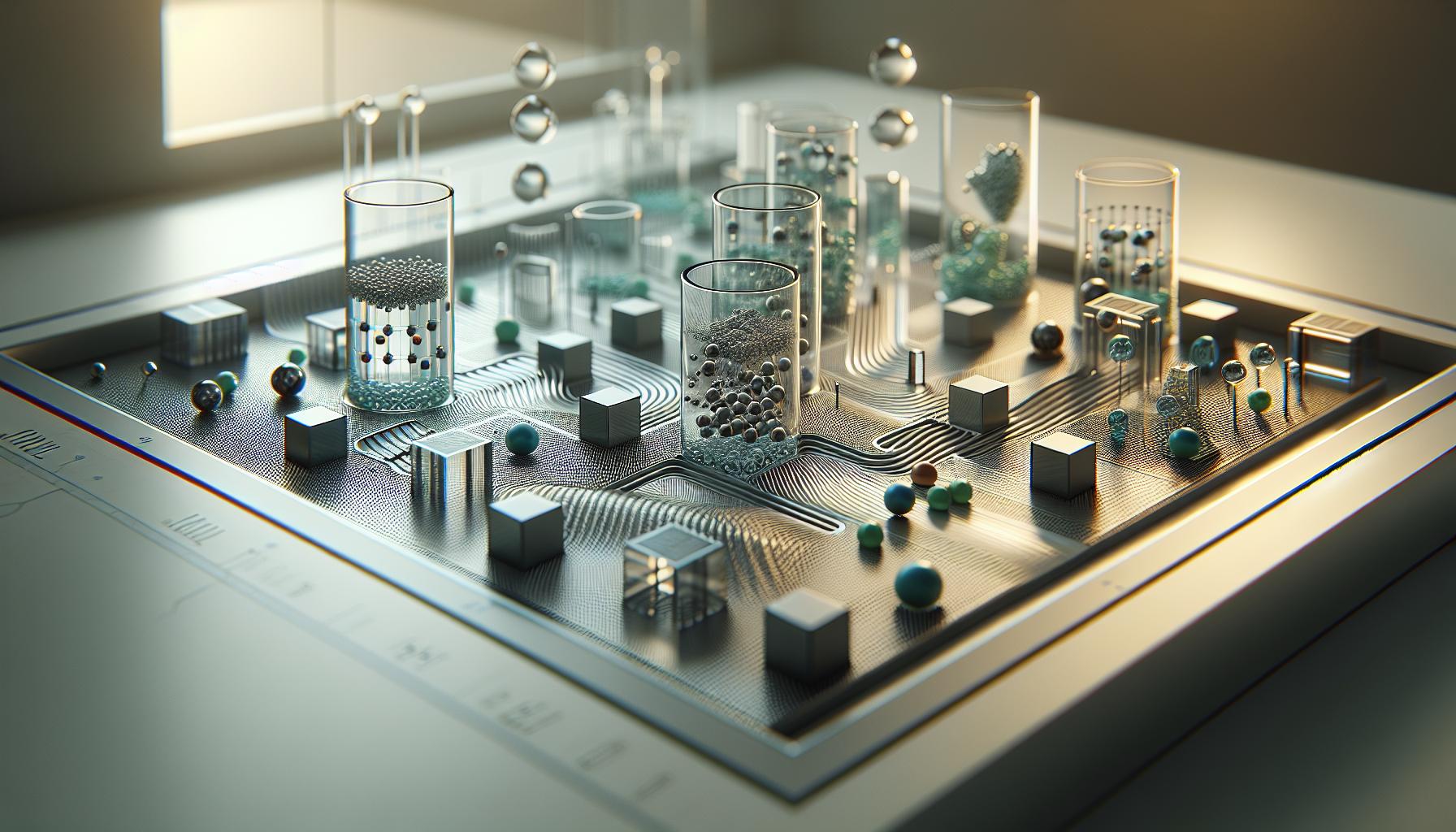
Understanding Microfluidic Systems and Their Importance
Microfluidic systems have revolutionized the way fluid dynamics are studied and utilized across various scientific and engineering fields. By manipulating tiny volumes of fluids in channels that can be mere micrometers wide, these systems enable researchers to conduct experiments and analyses with unprecedented precision. Imagine being able to observe biological processes in real time or to synthesize chemical compounds with minimal waste; this is the promise of microfluidics. The importance of these systems lies not just in their miniaturization of processes, but in the enhanced control and efficiency they offer, which can lead to breakthroughs in medical diagnostics, drug delivery, and even environmental monitoring.
At the heart of microfluidics is the behavior of liquids at small scales, where traditional fluid dynamics principles often diverge from our macroscopic intuition. This is a realm where surface tension and viscosity play monumental roles, drastically altering how fluids flow and interact with surfaces and obstacles. Understanding the physics behind these interactions is crucial for effective design and application. For example, when fluids contend with obstacles in a microchannel, their behavior is dictated not only by the size and shape of these obstacles but also by the physical properties of the liquids involved. This interplay can lead to complex flow patterns that can either enhance or impede performance, thus their study is integral to optimizing microfluidic applications.
Moreover, the integration of obstacles within microfluidic systems serves multiple purposes, from controlling flow rates to enabling reactions. By strategically placing elements such as pillars or barriers, researchers can engineer the microenvironment to favor certain outcomes, such as increased mixing or separation of particles. These advancements do not only improve the functionality of microfluidic devices; they also enhance analytical capabilities, allowing for more nuanced investigations into chemical and biological interactions. By grasping the implications of obstacle design and flow dynamics, practitioners can tap into a wealth of opportunities for innovation in microfluidic technologies.
Understanding these systems is not just an academic exercise but a gateway to practical applications in health, safety, and sustainability. As we explore how obstacles affect fluid flow in microfluidic systems, it becomes evident that this rapidly expanding field represents a vital frontier for scientific inquiry and technological advancement. The future lays exciting possibilities, from more efficient drug testing methods to real-time environmental monitoring systems, making microfluidic research a pivotal area of focus for engineers and scientists alike.
The Role of Obstacles in Microfluidic Flow Dynamics
The precise control of fluid flow in microfluidic systems is heavily influenced by the presence of obstacles. These elements, whether they are physical barriers, grooves, or pillars, create a dynamic environment that alters the behavior of fluids at microscale levels. As flows encounter these obstacles, a series of interactions unfold that can dramatically change velocity, direction, and mixing patterns, which are critical for the effective design and application of microfluidic devices.
One of the fundamental roles that obstacles play in microfluidic systems is the modulation of flow rates and paths. By strategically positioning obstacles, researchers can direct fluid to specific areas, enhancing interactions between different components. For instance, placing a series of micro-pillars in a channel can induce turbulence in a laminar flow, significantly increasing mixing and improving reaction times between reagents. This principle is particularly beneficial in applications like chemical synthesis or biological assays, where enhanced mixing can lead to more effective reactions.
Understanding Flow Dynamics
When fluids flow around obstacles, several forces come into play, including shear stress and viscous drag. The geometry of the obstacles-its shape, size, and arrangement-further influences these interactions. For example, narrow, tall obstacles may create higher resistance in flow, leading to increased pressure drops, while wider, flatter structures may better facilitate smoother flow transitions. Understanding the balance of these forces is crucial for designing effective microfluidic systems that optimize fluid interactions for targeted applications.
In addition to simply controlling flow, obstacles can also be integral in separating particles or cells based on size, shape, or even density. Techniques such as immunoassays rely on such separation capabilities, utilizing tailored obstacle designs to isolate specific cells from a mixed population. This emphasizes the important link between obstacle design and microfluidic efficiency, where thoughtful engineering can translate to significant practical advantages in diagnostics and therapeutics.
Practical Considerations
From a practical standpoint, engineers and scientists must consider the material properties of both the fluids and the obstacles. For instance, the surface texture can affect adhesion and interaction with cells or biomolecules, which could be beneficial or detrimental depending on the application. Furthermore, the scale of obstacles can have implications on fabrication methods; techniques like soft lithography for creating PDMS channels allow for precise control over the dimensional features that define fluid dynamics in microfluidic environments.
Ultimately, is a key area of exploration that merges theoretical principles with practical applications. By continuing to investigate how these elements influence fluid behavior and interaction, researchers can unlock new potentials in microfluidic design, ultimately pushing the boundaries of what is possible in fields ranging from drug delivery to environmental analysis. Understanding this relationship not only garners insight into fluid mechanics at small scales but also lays the groundwork for innovative advances in microfluidic technology.
Key Physics Principles Influencing Object Motion
The behavior of objects in microfluidic systems is intricately governed by fundamental physics principles that dictate their motion. One of the most crucial concepts is laminar flow, which is typical in microfluidics due to the small dimensions of channels. In laminar flow, fluid moves in smooth, parallel layers with minimal mixing. This stability is influenced by factors such as viscosity and flow rate, encapsulated in the Reynolds number (Re). A low Reynolds number (typically less than 2000) characterizes microfluidic systems where viscous forces dominate over inertial forces, leading to predictable flow patterns around obstacles.
As objects navigate through these fluid layers, they encounter drag forces, which are fundamentally related to the object’s size, shape, and the fluid’s viscosity. Objects with larger surface areas or higher drag coefficients will face greater resistance. For instance, in a channel filled with fluid, a spherical particle will experience a drag force that can be mathematically approximated using Stokes’ law when dealing with low Reynolds numbers. This fundamental understanding allows for the design of obstacle shapes that guide the movement of these particles by enhancing or mitigating flow resistance.
Force Interactions and Motion Dynamics
The motion of objects is also influenced by various force interactions, including buoyancy and shear forces. For instance, as particles flow past obstacles, they may experience changes in velocity due to shear stress created by the viscosity of the fluid. Obstacles can disrupt these flow patterns, leading to an increase in mixing and interaction rates. This phenomenon is particularly noticeable when particles or droplets need to collide to react; engineers often design specific obstacle layouts to enhance such interactions, fostering greater reaction kinetics in processes like biochemical assays.
Moreover, the design of obstacles can enable targeted manipulation of particles based on size and density. For example, microstructures can be engineered to create specific flow fields that concentrate particles at desired locations or facilitate their separation. These designs leverage the principles of fluid dynamics, allowing precise control over object motion, which is pivotal in applications ranging from drug delivery systems to diagnostics.
Understanding these physical principles and their impact on object motion not only leads to more effective microfluidic designs but also broadens the potential applications of these technologies in various scientific and medical fields. By harnessing the intricate physics at play, researchers and engineers can innovate solutions that optimize performance and efficiency in microfluidic systems.
Types of Obstacles: Shapes, Sizes, and Arrangements
In microfluidic systems, the design and arrangement of obstacles play a crucial role in influencing fluid dynamics and particle behavior. Often, the proper integration of obstacles can determine the efficiency of biochemical reactions, the separation of micro-particles, and the overall performance of lab-on-a-chip devices. Understanding the different types of obstacles-encompassing their shapes, sizes, and arrangements-is essential for optimizing these systems.
Microfluidic obstacles can take various forms, including fixed structures, channels, and dynamic barriers. Each type of obstacle affects the flow dynamics differently. For example, cylindrical posts placed within a channel can create vortices that enhance mixing, while more complex geometries like triangular or zigzag patterns can help achieve precise sorting of particles based on size or density. The choice of shape dramatically influences laminar flow patterns, which are critical in ensuring consistent and predictable fluid movement.
When it comes to size, the dimensions of obstacles must be compatible with the scale of the microfluidic environment. Too large, and they may block flow entirely; too small, and they may not significantly impact the fluid dynamics. For example, structures on the microscale (1 µm to 1000 µm) can induce noticeable effects on flow patterns and can be strategically sized to target specific particles or droplets. Additionally, the arrangement of obstacles can vary widely-from uniformly spaced structures to clustered formations-which affects how the fluid interacts with these barriers. A staggered arrangement can create distinct paths for fluid flow, enhancing separation and reaction kinetics.
Utilizing a combination of shapes and arrangements can lead to innovative solutions in microfluidic applications. For instance, arrays of obstacles can be deployed to manipulate the trajectory of cells or droplets, enhancing collision rates for reactions in biochemical assays. By designing obstacle configurations that utilize principles of fluid dynamics, engineers can refine the performance of devices for applications such as drug delivery, cell separation, and pathogen detection, ensuring that microfluidic technologies not only function efficiently but also provide accurate results for varying scientific and industrial needs.
Quantifying Flow Behavior Around Obstacles
The interaction of fluid flow with obstacles in microfluidic systems provides a fascinating arena for exploration. Understanding how these barriers influence flow behavior is crucial for optimizing device performance. A key method for quantifying this flow dynamics is through computational fluid dynamics (CFD) simulations. These advanced models allow researchers to visualize and measure how fluid moves around various obstacle shapes and configurations. This quantifiable data plays a vital role in predicting outcomes in applications ranging from drug delivery to biosensing.
To effectively quantify flow around obstacles, several factors must be considered:
- Velocity Profiles: Measuring the velocity distribution of the fluid as it interacts with obstacles can reveal critical insights. For instance, areas of high velocity often correspond to regions of reduced pressure, which can enhance mixing efficiency.
- Pressure Drop: The difference in pressure before and after an obstacle provides vital information about flow resistance. This parameter can help in designing systems that require specific flow rates.
- Flow Patterns: Observing how the flow separates and reattaches around obstacles is essential. Vortex formation, for example, can be both beneficial for mixing and detrimental if it leads to undesirable sedimentation of particles.
Utilizing these metrics in a systematic approach allows engineers to refine obstacle geometries. For example, a study showed that designing obstacles with rounded edges rather than sharp corners resulted in smoother flow transitions, thereby reducing turbulence and enhancing the throughput of biochemical assays. Furthermore, rigorous testing combined with simulations can lead to innovations in obstacle design, such as dynamic barriers that can adapt based on real-time flow conditions.
As microfluidic applications continue to expand, the ability to quantify flow behavior precisely becomes even more critical. Advanced measurement techniques, including particle image velocimetry (PIV) and laser Doppler anemometry, enable researchers to achieve high-resolution insights into flow dynamics. Such tools can bridge the gap between theoretical predictions and practical outcomes, ultimately facilitating the design of more efficient, effective microfluidic devices tailored to specific applications.
Impacts of Obstacle Design on Microfluidic Efficiency
The design of obstacles within microfluidic systems significantly impacts the overall efficiency of fluid movement, which is crucial for applications ranging from biomedical diagnostics to chemical synthesis. An intricate balance exists between obstacle shapes, sizes, and spatial arrangements, influencing how fluids behave as they navigate through microchannels. The right obstacle configuration can enhance mixing, improve reaction rates, and facilitate better separation processes, leading to more efficient device performance.
One of the primary ways that obstacle design affects microfluidic efficiency is through its effect on mixing. When fluid flows around or interacts with obstacles, complex flow patterns emerge, including vortices, which can greatly enhance the mass transfer between different fluids. For instance, obstacles designed with serrated edges can create stronger turbulence, promoting effective dispersion of reagents. Additionally, staggered patterns of obstacles can induce chaotic advection, thereby enabling better mixing at lower flow rates, which is often desirable in sensitive biochemical assays.
Pressure Drop and Flow Resistance
Another critical consideration is how obstacles contribute to the pressure drop across a microfluidic device. A poorly designed obstacle can create excessive resistance, which leads to higher energy consumption and potentially limits the throughput of reactions. Understanding and optimizing the relationship between the geometry of an obstacle and its impact on pressure drop is essential. For example, implementing tapered or rounded obstacles rather than sharp ones can minimize sudden changes in flow, thereby reducing the overall pressure drop and facilitating smoother fluid movement.
Adaptive Obstacle Design for Enhanced Functionality
Innovations in obstacle design also include adaptive features-obstacles that respond dynamically to changing flow conditions. Such systems can adjust their configuration based on real-time feedback, optimizing flow characteristics under varying operational conditions. For instance, smart materials that alter their shape in response to fluid properties might provide new control mechanisms for flow direction and speed, enhancing the precision of drug delivery systems or the efficiency of chemical reactions.
The implications of obstacle design in microfluidic systems are profound and multidimensional. The interplay of obstacle shape, placement, and responsive technologies not only improves mixing efficiency and lowers flow resistance but also opens doors to novel applications. By leveraging these insights, researchers and engineers can create increasingly sophisticated microfluidic devices that are tailored to meet the demands of modern scientific and industrial applications.
Case Studies: Effective Obstacle Integration
In the realm of microfluidics, the strategic integration of obstacles can dramatically influence fluid dynamics, showcasing their vital role in enhancing device performance. A notable case study is the development of a microfluidic device designed for biomedical diagnostics that utilizes staggered orifices to induce chaotic flow patterns. These orifices create alternating pressure zones, facilitating rapid mixing of reagents. This design not only optimizes reaction times but also improves the accuracy of assays used in disease detection, effectively demonstrating how well-placed obstacles can elevate the functionality of microfluidic platforms.
Another compelling example comes from research focused on drug delivery systems. By employing dynamic obstacles composed of shape-memory polymers, researchers achieved adaptive flow modulation. These obstacles adjust their shape in response to temperature changes, allowing for precise control over drug release rates. As fluids interact with these responsive designs, varying flow trajectories can be created, leading to improved bioavailability of therapeutic agents. This highlights the importance of responsive technologies in obstacle design, merging innovative materials with functional objectives in microfluidic applications.
Mixing Efficiency and Separation Processes
Consider an experiment in a lab designed to enhance mixing efficiency for chemical synthesis. Researchers integrated ridged obstacles within the microchannels of their system. The ridges induce swirling vortices that increase contact between dissimilar fluids, promoting thorough mixing. The resultant high mass transfer rates not only accelerate the reaction process but also enhance yield, emphasizing the critical role of carefully designed obstacles in achieving desired output in chemical reactions.
These case studies illustrate the transformative power of obstacle integration in microfluidic systems. By thoughtfully designing obstacle shapes, arrangements, and materials, researchers can address complex challenges typical in fluid dynamics, from mixing inefficiencies to controlled release mechanisms. This approach not only bridges theoretical physics with practical applications but also paves the way for advancements in various fields, ranging from biomedical engineering to chemical processing.
Advanced Techniques for Manipulating Object Flow
The manipulation of fluid flow in microfluidic systems presents exciting opportunities for researchers and engineers aiming to enhance device performance. One innovative approach involves leveraging the unique properties of materials at the microscale. For instance, utilizing surface modifications can lead to tailored wettability, thereby influencing how fluids interact with channel walls and obstacles. By applying hydrophilic or hydrophobic coatings selectively, researchers can guide fluid paths more effectively, achieving desired flow patterns without the need for complex mechanical systems.
Active Flow Control Techniques
Active control techniques, such as pressure modulation or electrokinetic forces, provide dynamic means to manipulate flow within microfluidic devices. For example, the implementation of electrodes can induce dielectrophoresis, allowing for the selective positioning and manipulation of particles suspended in the fluid. This method is particularly beneficial in biomedical applications where precise control of cells or drug particles is essential. By adjusting the electric field, researchers can facilitate the movement of particles toward or away from obstacles, influencing their trajectories and ultimately enhancing separation processes and reaction efficiencies.
Another promising technique involves the use of magnetic fields in combination with magnetorheological fluids. When exposed to a magnetic field, these fluids exhibit a change in viscosity, allowing for rapid adjustments to flow rates and path directions. This adaptability is particularly useful in scenarios requiring quick response times, such as in point-of-care diagnostics and adaptive drug delivery systems. By integrating magnetic actuation with strategically designed obstacles, devices can achieve more refined control over both micro-scale mixing and flow manipulation.
Harnessing Computational Fluid Dynamics (CFD)
In addition to experimental techniques, computational fluid dynamics (CFD) plays a crucial role in understanding and predicting flow behavior around obstacles in microchannels. By simulating various obstacle designs and fluid dynamics scenarios, researchers can optimize the geometry and arrangement of obstacles before physical prototyping. This computational approach not only saves time and resources but also enhances the final design’s efficiency. Implementing CFD can reveal insights into stress distributions, flow velocities, and potential dead zones where fluids might stagnate, allowing for informed decisions in design iterations.
In conclusion, embracing these within microfluidic systems can lead to innovations that significantly enhance functionality and efficiency. By utilizing a combination of material properties, active control mechanisms, and powerful simulation tools, researchers are poised to advance the capabilities of microfluidic technologies, opening new doors for applications in healthcare, environmental monitoring, and chemical synthesis.
Challenges and Solutions in Microfluidic Experiments
Microfluidic experiments, while promising innovative applications across various fields such as biomedical engineering and chemical synthesis, are not without their hurdles. One of the primary challenges lies in accurately controlling and predicting fluid flow dynamics, especially when obstacles are introduced within microchannels. The intricate interactions between fluid viscosity, surface tension, and obstacle geometry can lead to unpredictable flow patterns that complicate both experimental setups and data interpretation.
To address these complexities, researchers can turn to a variety of strategies. First, meticulous design and simulation using Computational Fluid Dynamics (CFD) software can help forecast how fluids are expected to behave with specific obstacle configurations. By iteratively modeling different scenarios, researchers can optimize designs before physical implementation, saving time and resources while minimizing experimental error. This proactive approach allows teams to anticipate potential stagnation zones or undesired flow patterns that may arise due to poorly designed obstacles.
Additionally, employing advanced manufacturing techniques, such as 3D printing or soft lithography, can enhance the precision of obstacle fabrication. Creating obstacles with finely tuned dimensions and surface properties ensures that they function as intended in modulating fluid flow. Incorporating smart materials that respond to external stimuli, such as temperature or electric fields, can dynamically alter obstacle behavior during experiments, thus providing further control over flow dynamics in real-time.
Moreover, utilizing a combination of quantitative measurements, such as particle image velocimetry (PIV), can provide invaluable insights into flow characteristics around obstacles. By analyzing the velocity vectors of the fluid, researchers can visualize how modifications impact flow and make informed decisions based on empirical data. These analytical techniques not only help in validating simulation outputs but also pave the way for refining designs in experimental microfluidics, ultimately enhancing reliability and reproducibility in research outcomes.
Future Trends in Microfluidic Obstacle Research
As microfluidics continues to evolve, researchers are increasingly discovering the profound impact that obstacle design has on fluid dynamics within these tiny systems. The next wave of innovation lies not just in refining existing methods, but in exploring entirely new concepts that will revolutionize how obstacles are integrated into microfluidic devices. One promising direction is the incorporation of smart and adaptive materials, which respond dynamically to external stimuli. Imagine obstacles that can alter their shape or surface properties in real-time based on the flow environment-reactive designs could drastically enhance fluid control by modifying flow paths or interaction areas as conditions change, thus optimizing performance for specific applications.
Another key trend is the integration of artificial intelligence (AI) and machine learning into the design process of microfluidic systems. By leveraging vast amounts of experimental and simulation data, AI algorithms can identify optimal obstacle configurations more efficiently than traditional trial-and-error approaches. This could lead to a new era where researchers can predict complex flow behaviors with greater accuracy and tailor designs that minimize turbulence, enhance mixing, or facilitate specific reactions. Consequently, the development of data-driven design frameworks will empower researchers in fields ranging from diagnostics to therapeutics by enabling rapid prototyping and testing of microfluidic devices.
Enhancing Simulation and Modeling Techniques
The future also points toward significant advancements in simulation technologies. While computational fluid dynamics (CFD) has laid the groundwork, more sophisticated modeling tools that incorporate multi-physics approaches are on the horizon. These tools will not only simulate fluid dynamics but also account for chemical reactions, thermal variations, and even biological interactions, all at the microscale. As a result, researchers could create more realistic models of microfluidic systems that better predict how obstacles influence fluid flow under varying conditions. Ultimately, these enhanced simulations will streamline the design process and lower barriers to entry for newcomers in the microfluidics field.
Application Focus: Biomedical Innovations
In the biomedical sector, there’s a growing anticipation for microfluidic devices that utilize obstacle-induced flow manipulation to enhance diagnostic procedures. For instance, integrating obstacles strategically can facilitate the efficient sorting of cells or particles-an essential function in point-of-care diagnostics and personalized medicine. As researchers refine their understanding of how specific obstacle shapes and arrangements influence flow dynamics, we may soon witness the deployment of highly effective microfluidic devices capable of real-time analysis of biological samples with unparalleled accuracy and speed. This could lead to breakthroughs in disease detection and management, showcasing the transformative potential of innovative obstacle designs in microfluidics.
In summary, the future of microfluidic obstacle research promises a blend of smart materials, AI-enabled design processes, and enhanced modeling techniques, all poised to push the boundaries of what is currently possible in fluid dynamics. Embracing these trends will not only improve our understanding of physical principles in microfluidic systems but will also catalyze the development of advanced applications that have the potential to revolutionize various fields, including healthcare and environmental monitoring.
Practical Applications of Microfluidic Technologies
Imagine a world where medical diagnostics can be conducted in minutes rather than days, all thanks to the innovative applications of microfluidic technologies. These systems, small yet remarkably efficient, manipulate fluids at the microscale, and their design plays a pivotal role in determining how substances interact within them. By strategically placing obstacles within microfluidic channels, researchers can create controlled environments that enhance mixing, separation, and analysis of various components in a fluid.
Microfluidic technologies have a broad range of practical applications, particularly in biosensing and medical diagnostics. For example, in point-of-care testing, obstacles can be used to sort cells or detect biomarkers with incredible specificity and speed. They work by altering the flow dynamics, allowing for precise positioning of analytes against sensors or reagents. This approach can significantly improve the speed and accuracy of tests for conditions such as cancer or infectious diseases, making it a game-changer for both patients and healthcare providers. Moreover, the integration of microfluidic devices with digital platforms allows for real-time data processing and analysis, paving the way for rapid, informed clinical decisions.
Additionally, microfluidics can revolutionize drug delivery systems. By incorporating obstacles within the delivery channels, companies can control the release rate of medications, ensuring that drugs are delivered directly to the target site in the body. This can enhance therapeutic efficacy while minimizing side effects. Moreover, these technologies can be used to create personalized medicine approaches, where treatments are tailored based on a patient’s unique biological profile.
In the realm of environmental monitoring and food safety, microfluidic technologies are equally impactful. They can detect contaminants in water resources or trace pathogens in food products with high sensitivity and specificity. By employing tailored obstacles, sample preparation can be streamlined, and analysis time can be reduced, ensuring that safety measures are implemented swiftly and effectively.
The versatility of microfluidic applications is a testament to the ongoing innovation in this area. As researchers continue to explore how obstacle design influences fluid dynamics, we can expect even more groundbreaking advancements that will enhance the efficiency and functionality of these systems across various fields. From healthcare to environmental science, the potential for improved outcomes through microfluidics is significant, driving a new era of precision and speed in diagnostics and treatment.
Frequently asked questions
Q: How do obstacles influence the flow rate in microfluidic systems?
A: Obstacles can significantly alter the flow rate in microfluidic systems by inducing turbulence and changing fluid viscosity. By carefully designing obstacle shapes and placements, engineers can optimize flow rates to enhance mixing or separation processes. This can be explored further in the section on Quantifying Flow Behavior Around Obstacles.
Q: What types of obstacles are most effective for controlling fluid behavior in microfluidics?
A: The most effective obstacles vary depending on the desired outcome. Common types include posts, ridges, and channels, which can create specific flow patterns. Choosing the right obstacle depends on shape, size, and arrangement, as discussed in the Types of Obstacles section of the article.
Q: Why is understanding the physics of motion important in microfluidics?
A: Understanding the physics of motion is crucial for predicting how fluids interact with obstacles, which affects efficiency and performance. Analyzing forces such as drag and inertia helps in designing systems that achieve targeted outcomes like precise cell sorting or reagent mixing, as highlighted in the section on Key Physics Principles Influencing Object Motion.
Q: How can obstacle design impact the efficiency of microfluidic devices?
A: Obstacle design directly impacts device efficiency by influencing flow behavior and reaction times. Well-designed obstacles can minimize dead zones and optimize mixing, leading to faster and more effective processes. Explore strategies in the Impacts of Obstacle Design on Microfluidic Efficiency section for further insights.
Q: What challenges are faced when integrating obstacles into microfluidics?
A: Challenges include maintaining laminar flow, minimizing obstruction to fluid motion, and ensuring repeatability in device performance. Addressing these issues often requires advanced modeling and simulation techniques, as discussed in the Challenges and Solutions in Microfluidic Experiments section.
Q: When should obstacles be used in microfluidic applications?
A: Obstacles should be utilized when specific fluid behaviors are needed, such as enhancing mixing or controlling particle movement. They are particularly beneficial in processes requiring precise manipulation or separation, which can be further explored in the Advanced Techniques for Manipulating Object Flow section.
Q: Where can I find examples of effective obstacle integration in microfluidics?
A: Examples of effective obstacle integration can be found in real-world case studies within the microfluidic technology literature. The Case Studies: Effective Obstacle Integration section provides detailed instances where thoughtfully designed obstacles have improved device functionality.
Q: How do future trends in microfluidic obstacle research affect applications?
A: Future trends aim to enhance scalability and precision in microfluidic applications through innovative obstacle designs and materials. Keeping abreast of these developments can lead to improved efficiency and new applications in fields like diagnostics and therapeutics, as discussed in the Future Trends in Microfluidic Obstacle Research section.
The Conclusion
Understanding how obstacles affect object flow in microfluidics is crucial for optimizing device design and enhancing performance in various applications. By acknowledging these challenges, you can improve the efficacy of technologies such as lab-on-a-chip systems and microreactors, enabling streamlined fluid dynamics for more accurate results. Don’t wait to apply this knowledge-explore our in-depth resource on microfluidics applications and innovations here and discover how material selection impacts performance here.
For further insights, consider subscribing to our newsletter for the latest advancements in microfluidic technology and related fields. Have questions or want to share your thoughts? We encourage you to leave a comment below and connect with fellow researchers and enthusiasts. Thank you for joining us in this exploration of microfluidics-together, we can push the boundaries of what’s possible in fluid dynamics.


