
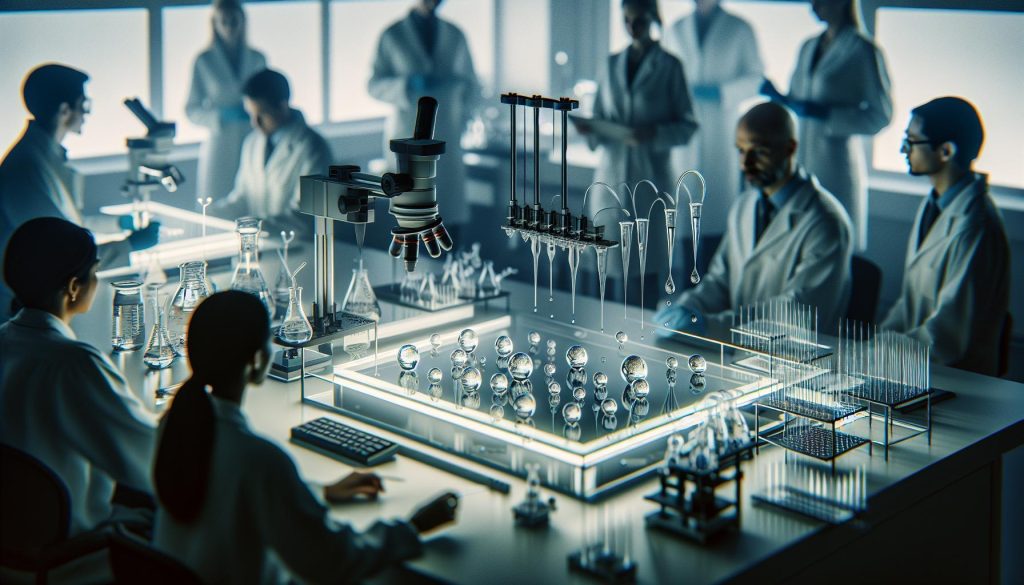
Imagine manipulating droplets smaller than a pinhead, expertly controlling their movement and behavior with minimal force. This is the fascinating world of droplet microfluidics-a technology that allows researchers to perform complex chemical reactions and biological assays in remarkably tiny environments. By harnessing the physics of fluid dynamics, droplet microfluidics enables innovations in diagnostics, pharmaceuticals, and even environmental monitoring. Understanding how this technology works not only fulfills curiosity but also opens up new avenues for practical applications in science and industry. Dive into the essential physics behind droplet microfluidics and discover how these tiny droplets are revolutionizing the way we approach problem-solving in the lab.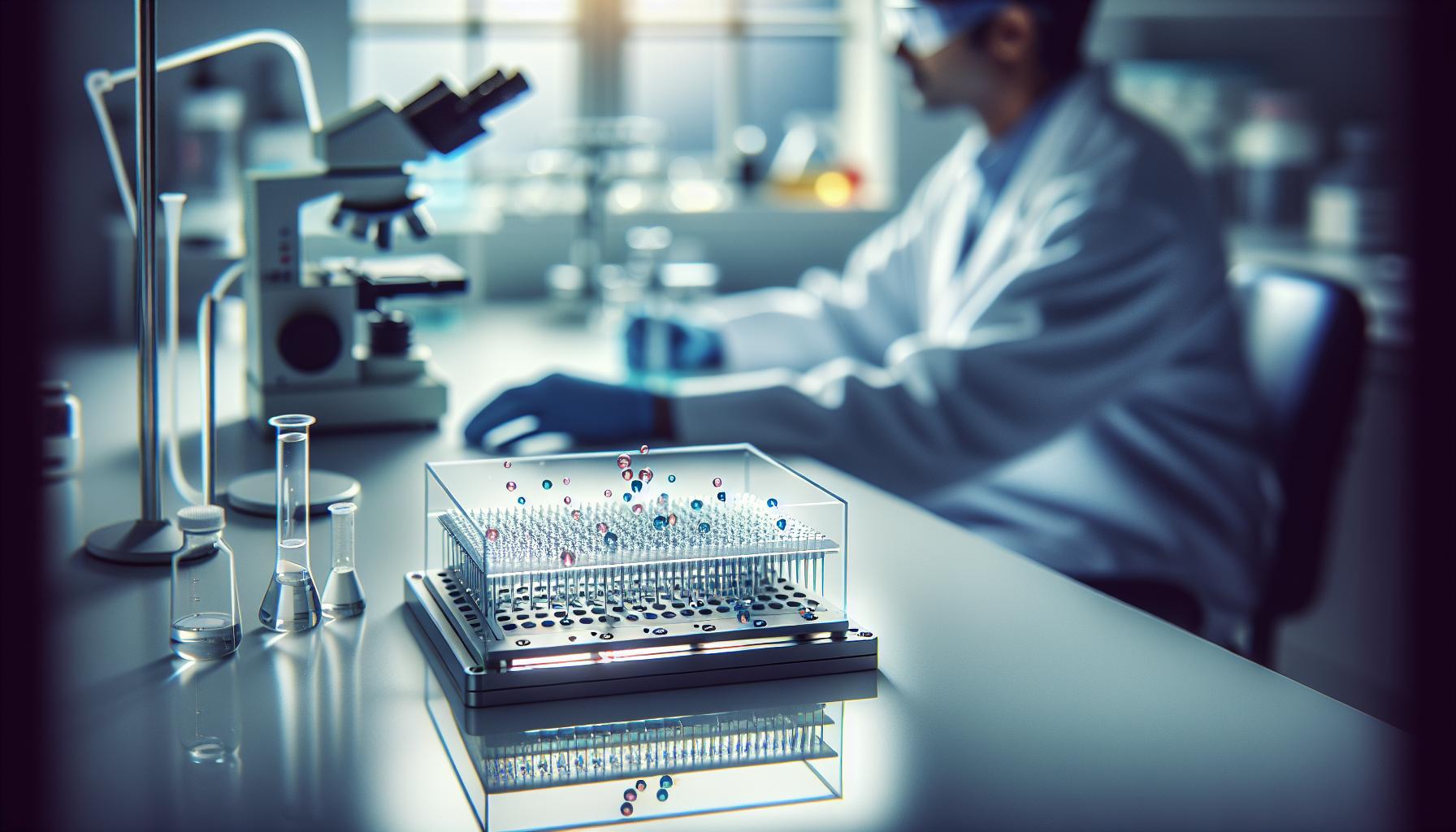
Understanding the Basics of Droplet Microfluidics
The transformative nature of droplet microfluidics lies in its ability to handle fluids at the microscale, allowing scientists to manipulate tiny volumes of liquid with precision. This technology hinges on fundamental principles of fluid mechanics, but it offers a unique twist: droplets serve as discrete, controlled micro-reactors, which can significantly enhance reaction kinetics and analysis. Understanding how these droplets are formed, manipulated, and how they behave in microchannels is crucial for leveraging droplet microfluidics in both research and practical applications.
At the heart of droplet microfluidics is the concept of generating monodisperse droplets, where each droplet is uniform in size. Techniques such as flow focusing and T-junction methods are commonly employed to create these droplets. In flow focusing, two streams of liquid converge, constricting the flow and forming droplets as the fluid exits through a nozzle. This approach not only ensures uniformity in size but also allows for the incorporation of different reagents into each droplet, opening doors to multiplexing reactions and analyses.
Moreover, the manipulation of droplets in microchannels showcases the interplay between surface tension, viscosity, and hydrodynamic forces. By fine-tuning these parameters, researchers can guide droplets along predetermined paths using external forces like electric fields, magnetic fields, or temperature gradients. This control is vital for applications such as chemical synthesis, high-throughput screening, and even in biomedical diagnostics, where precise fluid handling can lead to faster and more accurate results.
In essence, mastering the basics of droplet microfluidics involves not just understanding the physics of fluid dynamics but also the innovative potential it unlocks across various scientific domains. From its impressive scalability to the enhancement of reaction environments, droplet microfluidics exemplifies a cutting-edge approach in modern laboratory techniques.
Key Principles of Fluid Mechanics in Microfluidics
The interaction of fluids at the microscale presents a unique set of challenges and opportunities, making the principles of fluid mechanics particularly relevant in the field of droplet microfluidics. Understanding these principles is essential not only for creating stable droplets but also for manipulating them in complex microfluidic systems. At the core of fluid mechanics in microfluidics is the balance between viscous forces and inertial forces, often summarized by the Reynolds number, a dimensionless value that indicates the flow regime of the fluid. In microfluidics, the Reynolds numbers are typically low (less than 1), meaning that viscous forces dominate over inertial forces. This allows droplets to maintain stability and cohesion while facilitating precise control over their movement and interactions in microchannels.
Manipulating droplets involves fundamental concepts such as surface tension and hydrodynamics. Surface tension arises from the cohesive forces between liquid molecules at the interface, which is particularly pronounced in small volumes where the droplet’s surface area to volume ratio is high. Techniques such as flow focusing leverage this property to generate monodisperse droplets-droplets that share uniform sizes-which are crucial for consistency in experiments and analyses. In a typical flow focusing setup, two continuous phases converge at a narrow channel, creating a pinch-off effect that shapes and sizes the droplets as they form. This method is instrumental in applications requiring high-throughput screening or multiplexing of reactions, where precise droplet size correlates with reaction volume.
In addition to generating droplets, microfluidics relies on effective manipulation strategies that utilize external forces. Electric fields, magnetic fields, and temperature gradients can be strategically applied to move and merge droplets with high accuracy. For instance, electrowetting is a technique where an electric field alters the wettability of a surface, enabling droplets to be manipulated without the need for mechanical pumps. This control over droplet dynamics is vital in applications ranging from chemical synthesis to point-of-care diagnostics, where the ability to perform rapid and accurate analysis is paramount.
The interplay between these principles not only enhances our understanding of droplet behavior but also enables innovative applications across various fields. By mastering the key concepts in fluid mechanics, researchers and practitioners can unlock the full potential of droplet microfluidics to advance both fundamental research and practical solutions in biomedical engineering, environmental monitoring, and beyond.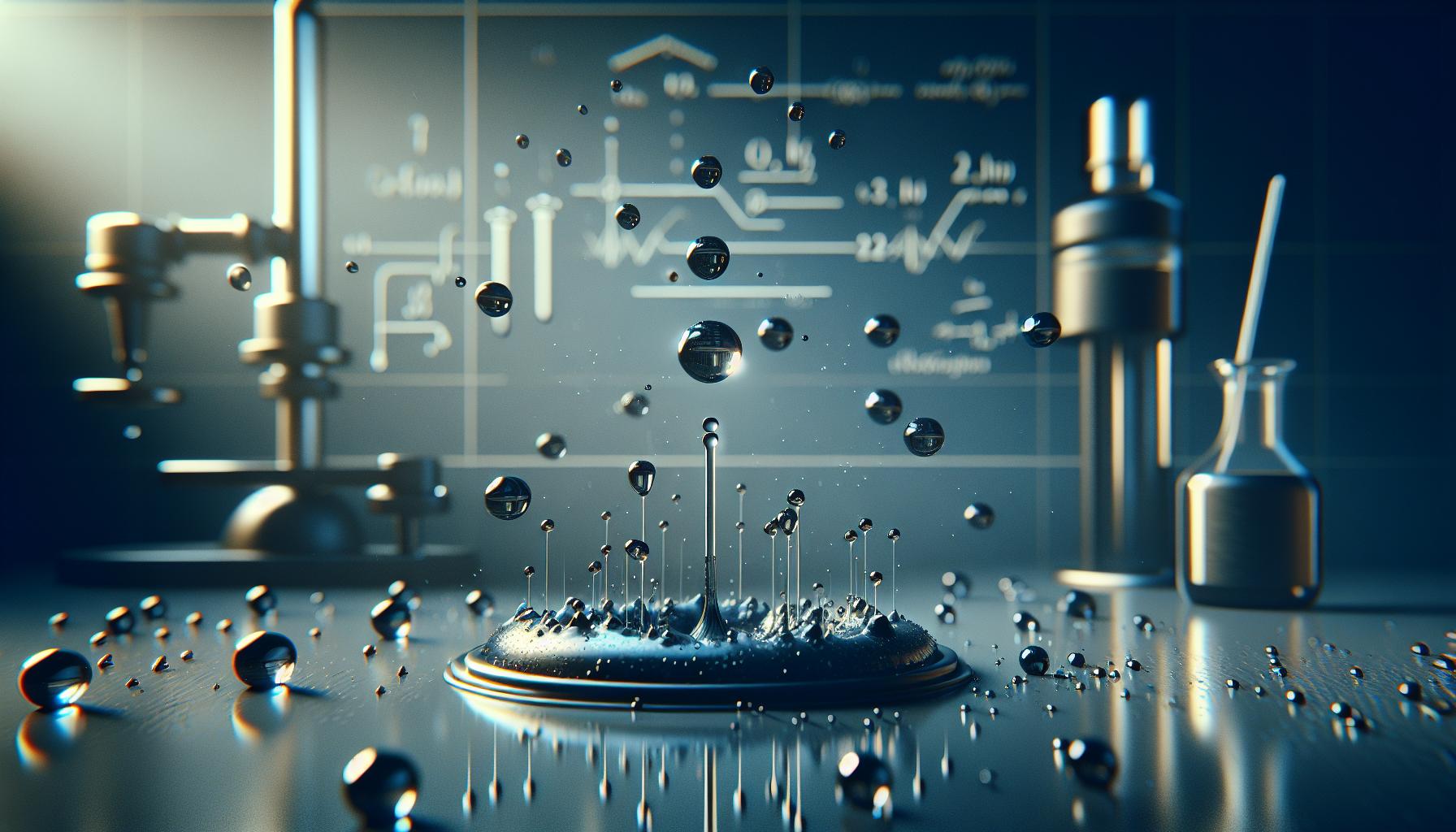
The Physics of Droplet Formation and Manipulation
The fascinating world of droplet microfluidics hinges on the intricate balance of physical forces at play when tiny droplets are formed and manipulated. At the core of this process is the interplay of surface tension, viscous forces, and external manipulations, all of which allow for precise control over fluid behavior at the microscale. Understanding these principles not only deepens our comprehension of droplet dynamics but also enables the customization of processes across various applications, from biochemical assays to materials synthesis.
One of the most crucial aspects of droplet formation is surface tension, which is the force that pulls liquid molecules at the surface toward each other, creating a cohesive layer. This phenomenon is particularly pronounced in small droplets where the surface area to volume ratio is significantly higher than in bulk fluids. Techniques like flow focusing exploit this property by allowing two continuous fluid streams to converge through a narrow channel. As these streams meet, the pressure difference causes the droplet to “pinch off,” resulting in monodisperse droplets-uniform in size-which is essential for experiments requiring consistency. This method is highly effective in applications requiring precise control over reaction volumes, critical for high-throughput screening where droplet size directly influences experimental outcomes.
Beyond formation, manipulating droplets effectively is vital for myriad applications. External techniques, such as electrowetting, utilize electric fields to change a surface’s wettability, allowing for droplets to be moved and merged without mechanical pumps. This technique is particularly advantageous because it enhances the flexibility and control of the droplet dynamics in a compact system. By applying electric fields, one can achieve multiple functions, including droplet splitting, merging, and precise placement-all critical factors in the development of microfluidic devices used in diagnostics and automated lab processes.
In summary, showcases an exciting nexus of fundamental principles and innovative techniques. By harnessing the properties of fluids at the microscale, researchers can develop sophisticated systems capable of precise manipulation, facilitating advancements in medical diagnostics, environmental testing, and beyond. Understanding the underlying physics not only enhances practical implementations but empowers a new generation of scientists and engineers to push the boundaries of what’s possible within the rapidly evolving field of microfluidics.
Exploring Microchannel Design for Enhanced Performance
The design of microchannels is a critical factor in optimizing the performance of droplet microfluidic systems. Thoughtful microchannel architecture can significantly enhance flow dynamics, improve droplet control, and facilitate better mixing processes. One essential aspect of this involves understanding hydrodynamic focusing, which utilizes narrow channels to guide two or more fluids to converge. The geometry of these channels directly affects the droplet formation process, influencing size uniformity and the efficiency of reactions carried out in each droplet.
Key Design Considerations
When designing microchannels, there are several key factors to consider:
- Channel Dimension: The width and depth of the channels dictate the flow rates and resistance encountered during droplet formation. Microchannels typically range from several micrometers to hundreds of micrometers in dimension, which allows precise control over droplet size.
- Channel Geometry: Various geometrical configurations, such as serpentine or Y-shaped channels, can be employed. These designs can alter flow patterns and enhance mixing, ultimately affecting the droplet interactions and chemical reactions.
- Surface Properties: The interaction between the droplet and channel walls can be manipulated by modifying surface wetting properties. Hydrophobic and hydrophilic treatments can influence how droplets are formed and transported within the system.
Properly engineered microchannels lead to more predictable droplet behaviors. For instance, smoother channel walls reduce turbulence and allow for more consistent droplet diameter. Additionally, optimizing the channel cross-sectional area can help maintain desired flow rates without excessive pressure build-up, thus avoiding the formation of unwanted bubbles or irregular droplet sizes.
Applications and Innovations
Microchannel design also plays a pivotal role in various applications, including diagnostics and drug delivery. In biomedical applications, microchannels can be tailored to enhance the mixing of reagents for faster reaction times during assays. Recent innovations, such as integrating pressure-driven flow with electroosmotic flow, allow for complex control over droplet motion and reaction conditions, leading to high-throughput screening capabilities.
As the field of droplet microfluidics advances, researchers are exploring innovative materials and designs that can further improve performance. For instance, 3D-printed microchannels can be created to incorporate features that were previously impossible with traditional fabrication methods. These developments not only allow for customizable geometries but also enable easier integration of sensing mechanisms and feedback control systems.
Through meticulous microchannel design, researchers can significantly enhance the efficacy of droplet microfluidic systems, paving the way for groundbreaking applications across diverse disciplines. Understanding these principles equips scientists and engineers with the tools needed to innovate and refine droplet-based technologies for the future.
Applications of Droplet Microfluidics in Research and Industry
In the rapidly advancing field of microfluidics, droplet-based systems are revolutionizing research and industry by offering unparalleled precision and control at the microscale. Droplet microfluidics enables the manipulation of tiny liquid volumes-often in picoliters-allowing for high-throughput screening and analysis that were previously unimaginable. One noteworthy application is in biomedical diagnostics, where droplet microfluidics facilitates rapid, cost-effective testing of samples like blood or saliva, generating results faster than traditional methods. For instance, researchers can create assays that encapsulate single cells in droplets, enabling the study of cellular responses to various stimuli in a controlled environment.
The pharmaceutical industry also benefits significantly from droplet microfluidics. By automating the synthesis and screening of drug compounds, microfluidic platforms can dramatically reduce the time and resources needed for drug development. The encapsulation of reactants in discrete droplets allows for controlled mixing and reaction conditions, leading to improved reaction yields and the discovery of new drug candidates. Moreover, using microfluidics for drug delivery systems offers customized treatments where microdoses can be administered precisely, minimizing side effects and maximizing efficacy.
Mixed applications in materials science illustrate another area where droplet microfluidics shines. For example, the technique can be employed to create microstructured materials or controlled emulsions for cosmetics and food products. By controlling droplet size and distribution, manufacturers can design products with consistent textures and properties. Continuous advancements in materials, such as biocompatible polymers, are paving the way for novel applications, including tissue engineering and regenerative medicine.
To further enhance functionality, recent innovations include integrating sensors within droplet microfluidic devices, enabling real-time monitoring of chemical reactions or physical changes. This level of integration not only increases the capability of microfluidic systems but also provides immediate feedback for optimizing experiments-a critical factor in both research and industrial settings. With such diverse applications, droplet microfluidics is not just a niche technology but a central player in shaping the future of various scientific disciplines and industries.
Innovations in Droplet Microfluidic Technology
In recent years, the field of droplet microfluidics has witnessed remarkable innovations that are significantly enhancing its capabilities and expanding its applications. Central to these developments are advancements in fluid manipulation techniques, materials science, and integration with digital technologies. These innovations are not just incremental improvements; they represent transformative shifts that enable researchers and industries to achieve unprecedented control over liquid handling at the microscale.
One of the most exciting innovations is the integration of real-time monitoring systems within microfluidic devices. With the use of embedded sensors, researchers can track chemical reactions as they occur within droplets. This ability to monitor variables such as temperature, pH, and concentration provides immediate feedback, allowing for rapid adjustments to optimize experimental conditions. For instance, in biomedical applications, this can lead to more accurate measurements in assays and diagnostics, thereby increasing the reliability of results.
Moreover, the introduction of advanced computer modeling and artificial intelligence is revolutionizing droplet design and emulsification processes. Machine learning algorithms can now predict the behavior of droplets under various conditions, enabling the design of microfluidic systems that cater specifically to unique experimental needs. This reduces the trial-and-error nature of traditional microfluidic development, facilitating faster iterations and more efficient workflows.
In addition to these technological enhancements, novel materials like 3D-printed polymers and responsive hydrogels are being utilized to fabricate microfluidic devices. These materials allow for the creation of complex channel geometries and functionalities that were previously challenging or impossible to achieve. For example, hydrogels that swell or shrink in response to environmental stimuli can be harnessed to dynamically alter droplet pathways or mixing conditions, enhancing the versatility of microfluidic applications in areas such as drug delivery and synthetic biology.
As droplet microfluidics continues to mature, these innovations are paving the way for more sophisticated applications across various fields, from pharmaceuticals to environmental monitoring. Researchers are now poised to leverage these advancements to push the boundaries of what is possible, making droplet microfluidics a cornerstone of modern scientific exploration and industrial efficiency.
Challenges and Solutions in Microfluidic Systems
Droplet microfluidics, while revolutionary, is not without its challenges. Understanding these obstacles is critical for researchers and engineers striving to harness the full potential of this technology. One primary challenge is achieving precise control over droplet size and formation. Droplet generation is inherently sensitive to parameters such as flow rates, viscosities, and channel geometries. Variability in these factors can lead to inconsistent droplet size, which can dramatically affect experimental outcomes.
To address this, researchers are exploring advanced techniques such as dynamic control systems that adjust flow rates in real time. By incorporating feedback loops that monitor droplet formation, it’s possible to maintain consistency across batches. Further, the use of microvalves and digital microfluidics allows for fine-tuning of fluid dynamics, providing enhanced control over droplet generation processes. Another solution lies in optimizing the design of the microchannels themselves; using computational fluid dynamics simulations can guide the creation of geometries that facilitate reproducible droplet formation.
Another significant challenge is the compatibility of various reagents and materials used within the microfluidic devices. Different liquid compositions can interact unpredictably, leading to issues such as channel blocking or undesired chemical reactions. Employing materials that are chemically resistant and inert can mitigate these risks. Additionally, the implementation of surface coatings on microchannels can help to prevent fouling and ensure that reactions proceed as intended without interference.
Lastly, scaling droplet microfluidic experiments from the lab to industry presents its own set of hurdles. Many systems that perform well in small-scale tests struggle with scalability due to differences in flow dynamics at larger volumes. This can be overcome by developing modular and integrative systems that maintain the benefits of droplet microfluidics while accommodating larger-scale production demands. Utilizing high-throughput techniques and automated fluid handling systems can also greatly enhance scalability, ensuring that promise translates effectively into real-world applications.
In summary, while droplet microfluidics holds tremendous potential for advancing research and technology, it is crucial to navigate the challenges of droplet control, material compatibility, and scalability. By leveraging innovative solutions and materials science advancements, researchers can continue to push the boundaries of what is possible within this dynamic field.
Comparing Droplet Microfluidics to Traditional Techniques
The landscape of fluid manipulation has shifted dramatically with the advent of droplet microfluidics. Unlike traditional techniques, which often rely on larger volumes and simpler configurations, droplet microfluidics allows for unprecedented control over small fluid samples, leading to a host of advantages in both efficiency and capability. One of the most striking differences lies in the way droplet microfluidics enables precise control over reaction conditions. By compartmentalizing reactions within discrete droplets, researchers can optimize conditions for each individual reaction, thus enhancing accuracy and reproducibility.
Moreover, droplet microfluidics excels in its ability to perform high-throughput analyses. Traditional batch processing methods can be time-consuming and resource-intensive, often requiring extensive sample handling and an increased risk of contamination. In contrast, droplet microfluidics utilizes incredibly small volumes of reagents-often in the nanoliter range-allowing for rapid screening of thousands of reactions simultaneously. This efficiency not only accelerates the pace of research but also significantly reduces the cost associated with reagent use.
In addition to speed and efficiency, droplet microfluidics offers unique avenues for innovation in material synthesis and diagnostic applications. Traditional methods often struggle with complex mixtures or require lengthy preparation times. However, the encapsulation of reactants in microdroplets can facilitate reaction pathways that were previously unachievable, opening new pathways in organic synthesis and biomedical applications. For instance, droplet microfluidics has been successfully employed in the generation of nanoparticles with tailored properties by manipulating the droplet size and composition during the synthesis process.
Lastly, the scalability of droplet microfluidics presents an exciting contrast to traditional methods. While many conventional techniques are limited by their batch size and may not transition smoothly from lab to industrial applications, droplet microfluidics offers modularity. By designing systems that can easily be expanded, researchers can efficiently scale up from small tests to larger production runs without compromising the benefits of precision and control. This scalability, coupled with advances in automation, positions droplet microfluidics as a formidable approach for modern laboratories tackling a range of scientific challenges.
Overall, the shift from traditional fluid handling techniques to droplet microfluidics is not merely a trend but a fundamental change enabling scientists and engineers to explore new frontiers in research and industry alike.
Future Trends in Droplet Microfluidic Research
The landscape of droplet microfluidics is rapidly evolving, driven by a convergence of scientific innovation and technological advancements. Emerging trends are reshaping research, pushing the boundaries of what’s achievable with microfluidic systems, and opening new avenues for application across various fields. A notable trend is the integration of artificial intelligence (AI) and machine learning (ML) within droplet-based systems. With the ability to analyze large datasets and optimize reaction conditions on-the-fly, AI systems can adapt experiments in real-time, enhancing throughput and predictive capabilities. For instance, integrating AI algorithms can enable researchers to refine the synthesis of compounds dynamically, reducing trial-and-error phases dramatically.
Enhanced Materials and Techniques
Another exciting trend is the exploration of novel materials used for microfluidic device fabrication. Current research is delving into biocompatible and responsive materials that can be utilized in droplet microfluidics. These materials not only enhance device performance and durability but also allow for programmability in response to environmental changes. Such developments are critical, particularly in biomedical applications where the interaction of microfluidic systems with biological components is crucial. Advances in 3D printing technologies are also facilitating the rapid prototyping of complex microchannel geometries, enabling custom designs that tailor the flow dynamics to specific experimental needs.
Applications in Personalized Medicine
Droplet microfluidics holds significant promise in the realm of personalized medicine, particularly in diagnostics and treatment matching. By enabling high-throughput screening of biological samples, researchers can utilize droplet technology to analyze patient-specific responses to various drugs in a miniaturized format. This capability not only enhances the efficiency of drug development but also allows for the identification of biomarkers that could lead to more targeted therapies. For example, droplet-based assays are being used to detect rare circulating tumor cells in patients, potentially paving the way for earlier cancer diagnosis and intervention.
Future Directions and Challenges
Despite the promising trajectory of droplet microfluidics, challenges remain, particularly in scalability and standardization. As more laboratories seek to implement these technologies, establishing consistent protocols and quality control measures will be essential to harness the full potential of droplet microfluidics in research and industry. Innovations in automation and integration with other high-throughput technologies will be key to addressing these challenges, ensuring that droplet microfluidic systems can transition from experimental frameworks to established methodologies in routine applications.
Overall, the future of droplet microfluidics is filled with potential, from enhancing diagnostic capabilities to transforming how materials are synthesized and analyzed. By keeping an eye on these evolving trends and addressing existing challenges, researchers can continue to unlock new solutions that harness the power of fluid manipulation at the microscale.
Real-World Case Studies: Success Stories in Microfluidics
One of the most compelling aspects of droplet microfluidics is its versatility, evidenced by a range of successful real-world applications that illustrate how this technology transforms various fields. For instance, researchers have leveraged droplet-based systems to move beyond traditional screening methods, enabling high-throughput analysis of complex biological compounds. A notable example comes from the field of cancer diagnostics, where droplet microfluidics has enabled the identification of circulating tumor cells (CTCs) in blood samples. By encapsulating single cells in small droplets, scientists can perform specific assays on individual cells, enhancing detection sensitivity and providing crucial insights into tumor dynamics.
Imagine a scenario where a team is investigating potential biomarkers for early cancer detection. Using droplet microfluidics, they can create thousands of droplets, each containing a unique combination of patient blood and a cocktail of antibodies targeting specific cancer markers. This method not only accelerates the screening process but also increases the accuracy of identifying rare CTCs that might be indicative of metastatic disease. This high precision is critical in a clinical setting, where timely intervention can significantly affect patient outcomes.
Applications in Drug Development
Another area where droplet microfluidics shines is in the realm of drug development. By facilitating rapid synthesis and testing of pharmaceuticals, researchers can significantly cut down the time and cost associated with bringing a new drug to market. For example, a biotech company may utilize droplet-based platforms to perform combinatorial chemistry, where thousands of potential drug candidates are synthesized and assessed simultaneously. This approach not only speeds up the discovery process but also enables the identification of optimal compounds in a more efficient manner.
Moreover, the ability to manipulate droplets allows scientists to create microenvironments that mimic in vivo conditions, thus providing more relevant data regarding how a drug would perform in a biological setting. This capability is particularly advantageous in the early stages of drug development, where understanding the interactions between candidate compounds and biological systems is crucial.
Personalized Medicine Innovations
Personalized medicine is another promising frontier for droplet microfluidics. Imagine a system that tailors cancer treatment plans based on individual genetic profiles. Researchers are actively applying droplet microfluidics to assess how different drugs affect tumor responses in vitro, based on patient-derived samples. By encapsulating samples in microdroplets and subjecting them to varying concentrations of treatment drugs, clinicians can predict which therapies are most likely to be effective for each patient.
This application not only enhances treatment efficacy but also paves the way for individualized patient care, reducing the trial-and-error approach that can often delay effective treatment. As more success stories emerge from labs and clinical settings utilizing droplet microfluidics, the future of personalized medicine looks increasingly promising, signaling a shift towards more tailored, effective healthcare solutions.
In summary, these real-world cases illustrate the immense potential of droplet microfluidics across a range of applications. From cancer diagnostics to drug development and personalized medicine, the adaptability of this technology highlights its capability to solve complex challenges in an efficient and innovative manner, ultimately improving outcomes in vital areas of health and medicine.
Tools and Equipment for Implementing Droplet Microfluidics
To effectively venture into the world of droplet microfluidics, having the right tools and equipment is essential for successfully implementing experiments and achieving reproducible results. At the heart of droplet microfluidic systems are microfluidic chips, which are typically made from materials such as polydimethylsiloxane (PDMS) or glass. These chips feature intricate channel designs that facilitate the generation and manipulation of small droplets. The choice of material can significantly affect the performance of the system, as PDMS is favored for its biocompatibility and ease of fabrication, while glass chips offer superior optical clarity for imaging applications.
In addition to the microfluidic chips, precise control over fluid flows is vital. This is achieved through the use of pneumatic pumps or peristaltic pumps. Pneumatic pumps, often used in conjunction with solenoid valves, allow for rapid switching and control of fluid pressures, which is crucial for generating droplets of desired sizes. Peristaltic pumps provide a more gentle approach, minimizing shear stress on sensitive biological samples. Researchers may also integrate pressure regulators to maintain consistent fluid flow conditions, which is particularly important during long-running experiments.
Similarly, high-fidelity imaging systems are essential for visualizing droplet behavior. Microscopes equipped with high-speed cameras enable the capture of droplet dynamics in real-time, assisting in the analysis of droplet formation and manipulation techniques. Advanced imaging techniques such as fluorescence microscopy can be employed to analyze biochemical reactions occurring within the droplets, making it easier to monitor assays or reactions as they unfold.
Moreover, integrating automation into droplet microfluidics can enhance throughput and repeatability. Automated liquid handlers can dispense precise volumes of reagents into the microfluidic chips, reducing human error and ensuring accurate sample preparation. Data acquisition systems can also be employed to monitor and record flow rates, droplet sizes, and other critical parameters, allowing for comprehensive analysis and fine-tuning of experimental conditions.
In summary, the infrastructure for droplet microfluidics combines a range of specialized tools and equipment, from microfluidic chips and pumps to imaging systems and automation technology. By understanding and selecting the appropriate instruments, researchers can maximize the potential of droplet microfluidics for various applications, paving the way for innovations in biological analysis, drug development, and personalized medicine.
Best Practices for Experimentation and Design in Microfluidics
To navigate the intricate world of droplet microfluidics, adopting best practices in experimentation and design is crucial for achieving reliable and reproducible results. One key aspect is to thoroughly understand fluid dynamics, as the behavior of fluids on the microscale is quite different from that on a macroscale. Factors such as surface tension, viscosity, and flow rates play pivotal roles in droplet formation and manipulation. To make informed design choices, researchers should prioritize experimentation with various fluid compositions to determine optimal conditions for droplet generation.
Additionally, meticulous planning of the microchannel design can significantly enhance performance. The geometry of the channels-such as width, height, and shape-can affect how droplets are formed, sized, and manipulated. Using computational fluid dynamics (CFD) software can help simulate and visualize fluid flow, allowing for adjustments before fabrication. It is also beneficial to incorporate features like junctions or shearing sections that facilitate droplet splitting and merging, making the system more versatile for various applications.
Reproducibility hinges on precise control over operational parameters. Utilize high-quality, calibrated pumps to regulate flow rates and ensure that droplet sizes remain consistent throughout experiments. Integrating sensors to monitor these parameters in real-time can provide valuable data and enhance the experimentation process. Documentation of all experimental conditions-such as temperature, pressure, and reagent concentrations-will also aid in replicating results in future studies.
Lastly, always remain open to iterative refinement. Each experiment provides opportunities to learn and adapt designs based on observed outcomes. Conducting a series of pilot tests can unveil critical insights into the system’s performance. Moreover, sharing findings with peers through collaborative platforms encourages feedback and fosters innovation in this rapidly evolving field. By embracing these best practices, researchers can maximize the potential of droplet microfluidics, paving the way for groundbreaking advancements in biomedical research and other applications.
Frequently Asked Questions
Q: What are the essential components of droplet microfluidics?
A: The essential components of droplet microfluidics include microchannels, droplet generators, and detection systems. Microchannels guide the movement of fluids, droplet generators create and control droplet sizes, and detection systems analyze the droplets’ properties for various applications in research and industry.
Q: How do external forces influence droplet behavior in microfluidics?
A: External forces such as electric fields, magnetic fields, and pressure variations significantly influence droplet behavior in microfluidics. They affect droplet formation, movement, and interaction, enhancing control over processes such as mixing and separation. Understanding these forces is crucial for optimizing microfluidic applications.
Q: Why is droplet size control important in microfluidics?
A: Control of droplet size is vital in microfluidics because it directly impacts reaction rates, accuracy of assays, and the reproducibility of experiments. Uniform droplet sizes ensure consistent performance in applications such as drug discovery and diagnostics, leading to more reliable results.
Q: What advantages do droplet microfluidics offer over traditional fluid handling techniques?
A: Droplet microfluidics offers several advantages over traditional techniques, including enhanced precision, reduced sample volumes, and the ability to perform high-throughput screening. These benefits enable more efficient and cost-effective research and development processes in various fields.
Q: How are droplets manipulated within microchannels?
A: Droplets are manipulated within microchannels using techniques like flow focusing, cross-flow, and electrowetting. These methods allow researchers to control droplet formation, movement, and merging, facilitating complex processes like mixing, reaction, and sorting at a microscale.
Q: What role does surface tension play in droplet microfluidics?
A: Surface tension is crucial in droplet microfluidics as it governs droplet formation, stability, and movement. It helps maintain droplet shape and influences interactions between droplets and channel surfaces, which is essential for optimizing processes like mixing and reaction kinetics.
Q: How can droplet microfluidics be applied in diagnostics?
A: Droplet microfluidics can be applied in diagnostics through the development of miniaturized assays that require minimal samples and reagents. The technology enables rapid, sensitive detection of biomolecules and pathogens, enhancing the accuracy and speed of diagnostic tests.
Q: What future developments can we expect in droplet microfluidics technology?
A: Future developments in droplet microfluidics may include advances in automation, integration with artificial intelligence for data analysis, and improvements in materials for better droplet stability. These innovations will likely expand the range of applications in biomedicine, environmental monitoring, and beyond.
Wrapping Up
As we’ve explored the fascinating world of droplet microfluidics, you now have a clearer understanding of its fundamental physics and diverse applications. From enhanced drug delivery systems to groundbreaking diagnostic technologies, the potential of microfluidics is immense, and the opportunities for innovation are just beginning to unfold. If you’re eager to dive deeper, check out our articles on “Advancements in Microfluidic Technologies” and “Real-World Applications of Droplet Microfluidics”-these resources will expand your insights and keep you informed on the latest developments in the field.
Don’t miss out on the chance to continue your journey with us! Subscribe to our newsletter for updates, or consider joining our community for discussions and insights that will expedite your understanding and application of these cutting-edge technologies. Your next step in mastering microfluidics starts now! Engage with us in the comments below-share your thoughts or questions, and let’s advance together in this exciting domain.


