

Heat transfer is a fundamental concept that influences everything from how we cook our food to the climate of our planet. Unlike conduction and convection, which require a medium to transfer heat, radiation allows energy to travel through empty space, such as the warmth we feel from the sun. Understanding how heat can be transferred through a vacuum not only satisfies scientific curiosity but is also essential for advancements in technology-think of space exploration and energy-efficient design. By exploring the nuances of radiative heat transfer, we uncover its implications in various fields, encouraging a deeper appreciation for how energy moves in our universe. Join us as we delve into the mechanics and significance of this captivating process, igniting curiosity and revealing practical applications that touch our daily lives.
Types of Heat Transfer: An Overview
Heat transfer is a fundamental process that governs how energy moves from one object to another, and it occurs in three primary forms: conduction, convection, and radiation. Understanding these types provides a comprehensive view of how heat energy is exchanged, especially in environments where traditional mechanisms may not apply, such as in a vacuum.
Among these methods, radiation is unique in that it can occur through empty space without the need for a material medium. This process involves the emission of electromagnetic waves, mainly in the infrared spectrum, which carry energy away from their source. For instance, the warmth felt from sunlight is due to solar radiation traversing the vast emptiness of space, highlighting how effective radiation can be over large distances.
Conduction is the transfer of heat through direct contact between materials, while convection involves the movement of fluids (liquids or gases) that transport heat. These methods are limited to mediums-conduction requires physical contact, and convection necessitates moving fluid to facilitate heat transfer. Conversely, radiation’s independence from a medium makes it vital for applications in outer space, where conduction and convection cannot operate effectively, illustrating the distinct roles each type of heat transfer plays in natural and engineered systems.
In practical applications, understanding these differences allows for the design of more efficient cooling and heating systems. For instance, designers of spacecraft must account for the efficiency of radiative heat transfer to manage temperatures, using materials that enhance or diminish radiation depending on the mission’s needs. Consequently, the ability to effectively harness and manage these heat transfer types, especially radiation through the vacuum of space, is crucial for advancements in technology and understanding our environment.
Understanding Heat Transfer Through Empty Space
The capability of heat transfer to happen through empty space is a fascinating aspect of physics, primarily driven by the process of radiation. Unlike conduction and convection, which require a physical medium-like solids, liquids, or gases-radiation is the only mode of heat transfer that can occur in a vacuum. This fundamental characteristic of radiation is propelled by electromagnetic waves, which travel through space without the need for matter.
When you think about how we receive heat from the Sun, you’re actually witnessing the efficiency of radiative heat transfer. The Sun emits energy across a spectrum, with a significant portion in the infrared range. This energy travels approximately 93 million miles through empty space and significantly warms our planet upon reaching it. This seamless transmission of heat across the vacuum of space demonstrates the unique nature of thermal radiation.
How Does Radiation Work?
Radiative heat transfer occurs through the emission and absorption of energy in the form of photons. All objects emit radiation based on their temperature-hotter objects emit more radiation at shorter wavelengths. In space, for example:
- Stars: Emit vast amounts of energy, which radiates into space.
- Planets: Absorb solar radiation and re-radiate it, often in longer infrared wavelengths.
- Spacecraft: Must manage heat effectively through radiative systems, as they cannot rely on conduction or convection in the vacuum.
Understanding how heat moves through empty space is crucial for various applications, particularly in aerospace engineering. Spacecraft must be designed with materials that can either enhance or suppress radiation depending on their operating conditions. This is especially important during missions where temperatures can fluctuate dramatically, such as when a spacecraft rotates between sunlit and shaded regions.
In summary, the ability for heat transfer to occur through empty space underscores the significance of radiation in both natural phenomena and engineered systems. As we continue to explore our universe and develop advanced technologies, a solid grasp of how radiation operates not only through vacuum but also in various environments will become increasingly critical.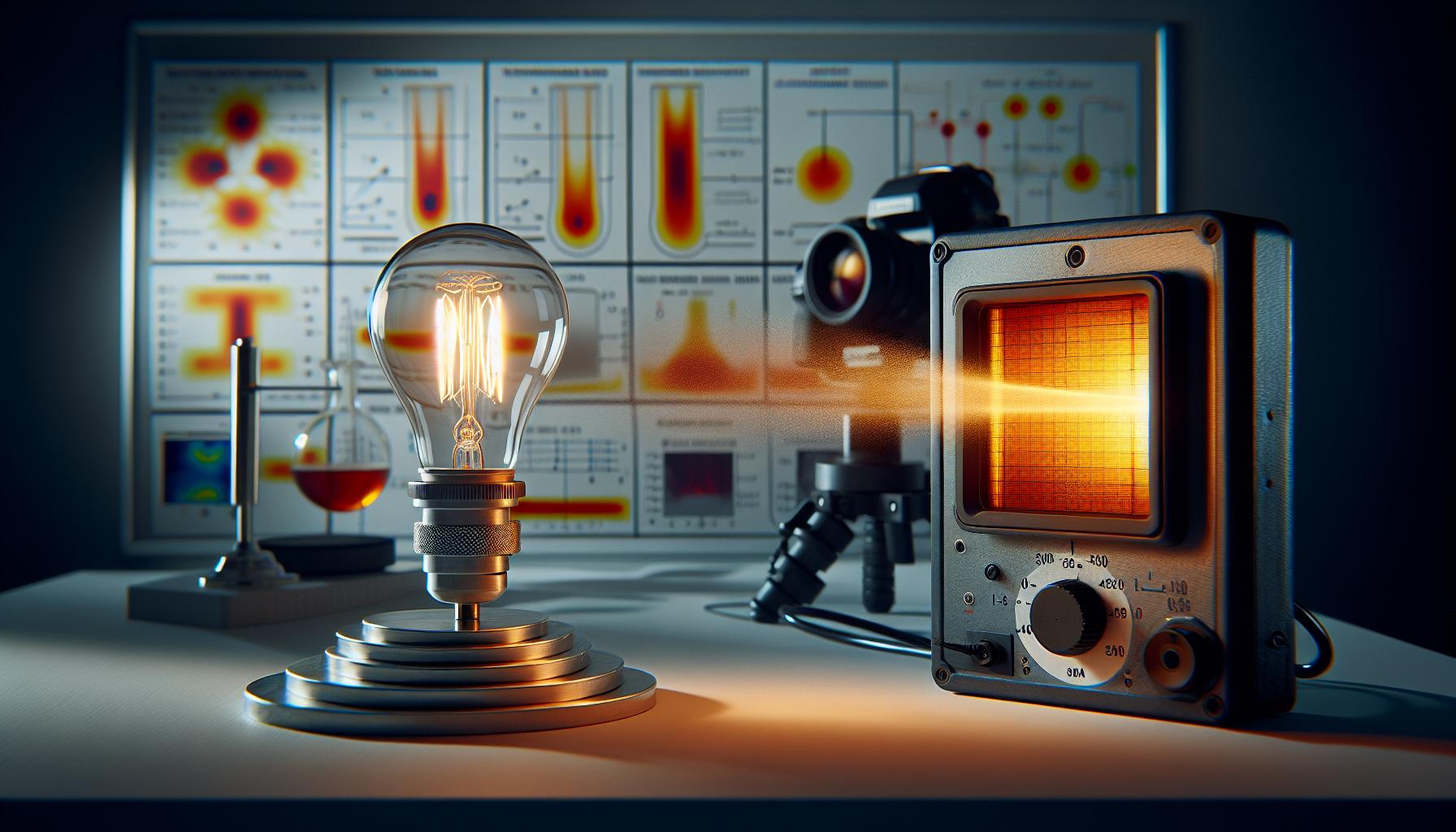
The Science Behind Radiation Heat Transfer
Heat transfer through empty space is a captivating topic, fundamentally tied to the concept of electromagnetic radiation. Unlike conduction and convection, which necessitate a material medium for heat transfer, radiation operates independently of matter. This intriguing phenomenon is primarily the consequence of thermal radiation, where all objects emit energy in the form of electromagnetic waves. The most notable example of this process occurs in our solar system: the Sun generates immense energy, which traverses the vacuum of space and reaches Earth, warming our planet.
At the core of radiation heat transfer is the concept of photons. As objects heat up, they emit more photons, usually at shorter wavelengths. In practical terms, consider how stars function. They radiate vast amounts of energy into space; Earth receives a portion of this energy as sunlight, essential for sustaining life. The absorbed solar radiation then warms up planets, which in turn re-radiate this energy at longer infrared wavelengths. This exchange of energy illustrates the dynamic nature of radiation and its role in shaping thermal environments.
Spacecraft operating in the vacuum of space vividly exemplify the application of radiative heat transfer. Unlike terrestrial conditions, spacecraft cannot rely on conduction or convection to manage temperature. Instead, they adopt sophisticated thermal management systems that either promote or impede radiation. During their missions, spacecraft experience significant temperature variations-exposed to intense sunlight on one side and shaded on the other. Engineers meticulously design spacecraft materials to balance these thermal challenges, ensuring they remain functional and safe in the harsh environment of space.
In summary, highlights its unique capabilities and applications, particularly in contexts devoid of matter. This understanding is crucial, not only for the realms of physics and engineering but also for enhancing technologies that harness electromagnetic radiation for practical purposes, like solar power and thermal control systems in satellites. Whether it’s harnessing energy from the Sun or ensuring spacecraft maintain operational temperatures, grasping the principles of radiation is key to advancing both natural and engineered systems.
Comparing Radiation to Conduction and Convection
Heat transfer is a fundamental concept that determines how thermal energy moves within different environments. While radiation uniquely allows for energy transfer through empty space, understanding how it compares to conduction and convection reveals much about our thermal world. Conduction and convection require a medium-solid, liquid, or gas-to facilitate energy transfer, while radiation operates independently of such matter.
Understanding Conduction and Convection
Conduction is the process of heat transfer through direct contact between materials. When a hot object touches a cooler one, thermal energy moves from the hotter object to the cooler one until they reach thermal equilibrium. This process is very efficient in solids; for example, when a metal spoon is heated in a pot of boiling water, the heat travels through the spoon’s material to the handle, eventually making it too hot to touch. The efficiency of conduction is influenced by the material’s thermal conductivity-metals like copper conduct heat very efficiently, while insulators like wood do not.
In contrast, convection is the transfer of heat by the physical movement of fluid. This encompasses both liquids and gases, where warmer areas of a fluid rise due to reduced density, while cooler areas sink, creating a circulation pattern. Consider boiling water in a pot: the water at the bottom heats up, rises, and is replaced by cooler water from above, resulting in a steady cycle of movement that evenly distributes heat. This behavior is crucial in many natural phenomena, such as ocean currents and atmospheric circulation.
How Radiation Stands Apart
What distinguishes radiation from conduction and convection is that it requires no medium at all. Energy transfer occurs through electromagnetic waves, primarily in the form of infrared radiation for heat. A classic example of this process is the warmth felt from sunlight, which travels through the vacuum of space to warm the Earth. This mechanism of energy transfer is exemplified in technologies such as solar panels, which capture radiant energy and convert it into usable electrical power.
The absence of a medium also means that radiation can operate effectively in environments where conduction and convection fail, such as in the vacuum of space. In spacecraft, engineers must design thermal protection systems that manage the extreme temperatures resulting from exposure to direct sunlight on one side and the cold of space on the other. Such systems often incorporate materials with varying emissivities to either absorb or reflect radiation, thereby controlling temperature effectively without a supportive medium.
In summary, understanding these three forms of heat transfer highlights the unique properties of radiation. While conduction and convection are crucial in terrestrial (and aquatic) environments, radiation expands the scope of energy transfer into the cosmos, shaping our understanding of thermal dynamics both on Earth and beyond.
Applications of Radiation Heat Transfer
The incredible ability of radiation heat transfer to function through empty space is a game-changer in numerous applications, revolutionizing technology, environmental science, and even everyday life. From the warmth of the sun reaching Earth to the sophisticated systems on spacecraft, radiation heat transfer is all around us, efficiently transmitting energy without the need for a medium. Let’s explore some of the fascinating applications that showcase this unique form of heat transfer.
One of the most well-known applications is in solar energy utilization. Solar panels, which harness sunlight, rely on photovoltaic cells that convert electromagnetic radiation from the sun into electricity. This technology is pivotal for sustainable energy solutions, allowing us to capture and convert solar energy effectively, regardless of the presence of air or other mediums. Additionally, innovations like solar water heaters also utilize radiation to warm water through the absorption of sunlight, demonstrating clear economic and ecological benefits.
Another critical area where radiation heat transfer plays a vital role is in the design of spacecraft. Operating in the vacuum of space, spacecraft are subject to extreme temperature variations: intense heat from direct sunlight and freezing cold from shaded areas. Engineers must design thermal protection systems that not only manage heat but also optimize it for electronics, instruments, and crew safety. For instance, materials with high emissivity may be used on sun-facing surfaces to dissipate excess heat, while reflective coatings might be applied to minimize heat absorption on shaded areas, showcasing the strategic application of radiation principles.
Moreover, in the realm of building design, architects are increasingly incorporating strategies that take advantage of radiation heat transfer. Passive solar design, for example, optimizes natural sunlight to maintain thermal comfort without supplementary heating or cooling systems. Large windows and thermal mass materials that absorb and slowly release heat illustrate how understanding radiation can lead to energy-efficient architecture.
In conclusion, the extend across a variety of fields, showcasing its essential role in both technological innovation and environmental sustainability. Its ability to function in a vacuum not only enhances our understanding of thermal dynamics but also presents unique opportunities for solutions that harness energy in efficient and creative ways.
Real-World Examples of Heat Transfer in Space
The vacuum of space serves as an intriguing laboratory for observing heat transfer in its most fundamental form: radiation. Unlike conduction or convection, which require a medium to transfer heat, radiation can occur through the emptiness of space, allowing energy to travel vast distances without direct contact. A compelling illustration of this phenomenon is the sunlight that reaches Earth, which is a result of solar radiation traveling approximately 93 million miles through space.
Spacecraft design must accommodate the challenges posed by extreme temperature fluctuations due to radiation heat transfer. For example, when a spacecraft is exposed to direct sunlight, temperatures can soar to 250 degrees Fahrenheit or more, while shaded areas can drop to -250 degrees Fahrenheit. Engineers implement thermal control systems that utilize materials engineered for high emissivity on sunlit surfaces, which helps dissipate heat effectively. On the other hand, reflective materials are deployed on shaded surfaces to minimize heating from external radiation, maintaining operational temperatures for sensitive instruments and protecting crew members aboard.
Moreover, the International Space Station (ISS) is a prime example of managing heat transfer in space. Its exterior is equipped with large radiators that expel excess heat absorbed from solar radiation and internal operations. The radiators work by radiating heat away into space, a critical function that ensures electronic systems do not overheat. The design of these components showcases how understanding radiation principles allows engineers to create sustainable environments where humans can live and work for extended periods.
The study of heat transfer in vacuum environments also extends to astrophysical phenomena. For instance, stars emit vast amounts of energy through radiation, illuminating planets and supporting life-as seen on Earth. This energy transfer is central to our understanding of climate systems and the potential habitability of exoplanets. Recognizing these real-world examples helps illustrate the profound impact of radiation heat transfer, enabling advancements in technology, space exploration, and even energy sustainability back on Earth.
The Role of Vacuum in Heat Transfer
The vacuum of space plays a crucial role in the process of heat transfer, particularly through radiation. Unlike conduction and convection, both of which require a medium – solid, liquid, or gas – to convey heat, radiation allows energy to travel through the emptiness of space. This explains how sunlight, for instance, manages to reach Earth from the Sun, a distance of about 93 million miles, without any physical medium. This fundamental principle is not only a marvel of physics but also foundational for technologies developed for space exploration and thermal management systems on Earth.
In the context of engineering, the implications of this phenomenon are vast. Spacecraft designers must contend with extreme temperature variations caused by exposure to the sun’s radiation. When satellites or modules enter direct sunlight, surface temperatures can surge to around 250 degrees Fahrenheit, while shaded areas plummet to -250 degrees Fahrenheit. To address these challenges, engineers utilize sophisticated thermal control systems that often involve a combination of high-emissivity materials on surfaces exposed to direct sunlight, which effectively radiate excess heat away, and reflective materials that minimize heating in shaded areas. This careful balance ensures that sensitive equipment remains operational under harsh conditions, showcasing the importance of understanding heat transfer in a vacuum.
Moreover, the art of managing heat transfer in vacuum extends beyond spacecraft. Consider the International Space Station (ISS), which employs large radiators designed to expel heat absorbed from the sun and essential systems onboard. These radiators operate by radiating heat into space, highlighting the critical reliance on radiation for thermal management in environments where conduction and convection cannot occur. This dynamic encapsulates how engineers harness the unique properties of vacuum environments to create sustainable living conditions in space.
Underlying this technology is a rich field of study in astrophysics that examines how stars emit energy across the universe. The same principles of radiation apply to understand climate systems on Earth and the potential habitability of distant exoplanets. Whether through engineering innovations or theoretical research, proves essential for advancements in both scientific inquiry and practical applications in our exploration of the cosmos.
FAQs about Heat Transfer in Empty Space
The principles of heat transfer can spark a plethora of questions, especially when it comes to the unique phenomenon of how heat can travel through empty space. The primary type of heat transfer occurring in the vacuum of space is radiation. This method doesn’t rely on any physical medium, unlike conduction and convection. Radiation involves the emission of electromagnetic waves, which can travel vast distances even in a vacuum, allowing energy from the Sun to reach Earth across approximately 93 million miles.
One common query is: How is radiation different from conduction and convection? While conduction requires direct contact between materials to transfer heat (think of a metal spoon getting hot in a pot), and convection involves the movement of fluids (hot air rising while cooler air sinks), radiation allows energy to move through empty space. A practical example of this is how we feel warmth from sunlight; the energy emitted by the Sun travels through the vacuum of space and warms the surface of the Earth without needing a medium.
Another prevalent concern is why radiation is critical for thermal management in space. Spacecraft and satellites are regularly exposed to extreme temperature variations due to direct sunlight and the absence of an atmosphere. Engineers utilize specific materials and designs to manage this radiation effectively. For example, high-emissivity coatings on satellite surfaces help dissipate heat by radiating it away, while reflective materials keep shaded areas cool, preventing thermal overload. This careful consideration of radiation principles ensures spacecraft components remain operational despite the harsh thermal environments they encounter.
Lastly, many people ask, can we harness radiation for energy in space? Indeed, the concept of space-based solar power involves collecting solar radiation in orbit and delivering it to Earth. This method not only capitalizes on the unobstructed sunlight available in space but could also provide a sustainable energy source, illustrating an exciting frontier for technological advancements rooted in our understanding of heat transfer in vacuum conditions. As we delve deeper into this field, the interplay of radiation and various technologies will undoubtedly form the backbone of future space exploration and energy systems.
Debunking Common Myths About Heat Transfer
Many misconceptions surround the topic of heat transfer, especially regarding how it operates in the vacuum of space. One prevalent myth is that heat cannot travel through empty space. Contrary to this belief, heat transfer through radiation is indeed possible and is primarily how energy from the Sun reaches Earth. This process involves the emission of electromagnetic waves, which can travel vast distances without a medium. For example, when you feel warmth from sunlight on your skin, this sensation is due to infrared radiation traveling through the vacuum of space-a clear demonstration that energy can move even when no air or other materials are present.
Another common misunderstanding is the idea that radiation is less effective than conduction and convection. While conduction and convection may be more familiar forms of heat transfer due to everyday experiences (like touching a hot stove or feeling warm air rising), radiation is equally powerful in its own right. In the context of space, spacecraft experience significant temperature fluctuations because they are exposed to direct sunlight and the cold of space. Engineers design spacecraft to effectively manage this radiation through innovative materials and techniques. High-emissivity surfaces are used to release excess heat, while reflective coatings help keep sensitive equipment cool, showcasing how crucial an understanding of radiation is for operational efficiency in space.
Additionally, some people may think that radiation is only relevant in extreme environments and has no practical applications on Earth. In reality, radiation plays a vital role in various technologies and everyday life. From the warmth provided by a campfire to the microwave ovens that heat our food, the principles of thermal radiation are continually in action around us. Moreover, the concept of harnessing solar radiation for energy generation, such as with solar panels, is fundamentally rooted in radiation physics. This recognition paves the way for advancements in renewable energy sources, underscoring that a solid grasp of heat transfer principles is essential not only for space exploration but also for sustainable technology development on Earth.
By debunking these myths, we can foster a more nuanced understanding of how heat transfer works across different environments, particularly in the vacuum of space, and appreciate the opportunities it presents for innovation and energy efficiency.
Future Technologies Utilizing Radiation Heat Transfer
As we continue to explore the realms of modern technology, the potential applications of radiation heat transfer are opening up innovative frontiers that promise to redefine energy efficiency and sustainability. Particularly in the context of space exploration, the efficient management of heat via radiation could enhance spacecraft functionalities and longevity while minimizing energy consumption. Engineers and scientists are increasingly focused on employing materials that maximize thermal radiation for both cooling and heating purposes in various applications.
One exciting area of advancement is the development of radiative cooling technologies. These systems exploit the principles of radiation to dissipate heat to the cold expanse of space, which can greatly improve the thermal management of buildings and spacecraft. For instance, specific coatings can reflect sunlight and emit significant amounts of heat as infrared radiation. By integrating these materials into the design of solar panels, we could not only enhance their efficiency but also provide opportunities for passive cooling in hotter climates, reducing reliance on energy-intensive air conditioning systems.
Another promising application of radiation heat transfer is in thermoelectric devices. These devices convert temperature differences directly into electricity. When combined with advanced materials that optimize radiation heat transfer, they have the potential to harness waste heat from industrial processes or even body heat. This could lead to self-sustaining systems that power sensors or small devices, thereby reducing the need for battery storage and improving the longevity of electronic products.
The future of solar energy harnessing also stands to benefit significantly from the science of radiation. Innovations like solar thermal collectors, which use radiation to convert sunlight into heat, are already in use, but ongoing research aims to improve their design and efficiency. Utilizing advanced nanomaterials and optimizing thermal radiation management could allow solar technologies to operate effectively even in less-than-ideal conditions, potentially expanding the viability of solar energy in areas that experience sporadic sunlight.
In summary, the marriage of advanced technology and a deeper understanding of radiation heat transfer presents exciting opportunities across multiple domains. From enhancing the thermal management in space environments to improving energy efficiency on Earth, these developments not only highlight the critical role of radiation in heat transfer but also promise to lead us towards a more sustainable energy future.
Frequently asked questions
Q: What is the only type of heat transfer that can occur in a vacuum?
A: The only type of heat transfer that can occur in a vacuum is radiation. Unlike conduction and convection, which require matter to transfer heat, radiation can occur through empty space via electromagnetic waves.
Q: How does radiation heat transfer work?
A: Radiation heat transfer works by emitting energy in the form of electromagnetic waves, primarily infrared radiation. When these waves strike an object, they can be absorbed, increasing the object’s thermal energy.
Q: Can conduction and convection occur in empty space?
A: No, conduction and convection cannot occur in empty space. Both processes require a medium (solid, liquid, or gas) to facilitate heat transfer, while radiation can move through a vacuum.
Q: What everyday examples illustrate heat transfer through radiation?
A: Everyday examples of heat transfer through radiation include the sun warming your skin, heating from a fireplace, or the warmth from a space heater. All these involve the transfer of heat without the need for a medium.
Q: Why is radiation important in space exploration?
A: Radiation is essential in space exploration because it enables temperature regulation aboard spacecraft and on astronomical objects. Understanding radiation helps scientists design effective thermal control systems in the harsh environment of space.
Q: What are the applications of radiation heat transfer in technology?
A: Applications of radiation heat transfer in technology include thermal imaging cameras, solar panels that harness solar energy, and thermal blankets used in spacecraft to maintain temperature balance.
Q: How does the distance affect radiation heat transfer?
A: The distance between objects significantly affects radiation heat transfer because intensity diminishes with increased distance. The inverse square law states that the intensity of radiation decreases proportionally to the square of the distance from the source.
Q: What precautions can be taken to minimize heat loss through radiation?
A: To minimize heat loss through radiation, use reflective materials like aluminum foil or thermal insulation to reflect radiant heat back into a space. Properly insulating areas can significantly reduce energy loss.
To Conclude
Understanding how heat transfer occurs through empty space is crucial not only in scientific contexts but also in practical applications like energy efficiency and thermal design. By grasping the concept of radiation, you’ll be better equipped to make informed decisions in both everyday situations and advanced projects.
Are you interested in delving deeper? Explore our related articles on thermal dynamics or discover innovative materials that enhance energy efficiency. Sign up for our newsletter to receive updates on the latest research and practical tips delivered straight to your inbox! Your journey into the fascinating world of heat transfer is just beginning. Dive in and join the discussion in the comments below-your insights could inspire others!


