

High entropy alloys (HEAs) are revolutionizing the landscape of materials science with their unique combination of five or more principal elements in nearly equal proportions, resulting in remarkable mechanical properties and thermal stability. These advanced alloys have garnered significant attention due to their potential applications in aerospace, automotive, and energy sectors, addressing real-world challenges like weight reduction and increased durability.
As industries strive for innovative solutions that enhance performance while reducing costs, HEAs stand out as a versatile option that meets these demands. This introduction will explore their fascinating properties and cutting-edge applications, revealing how HEAs can transform existing technologies and lead to new advancements. Dive into the world of high entropy alloys and discover how they can propel us toward a more efficient and sustainable future.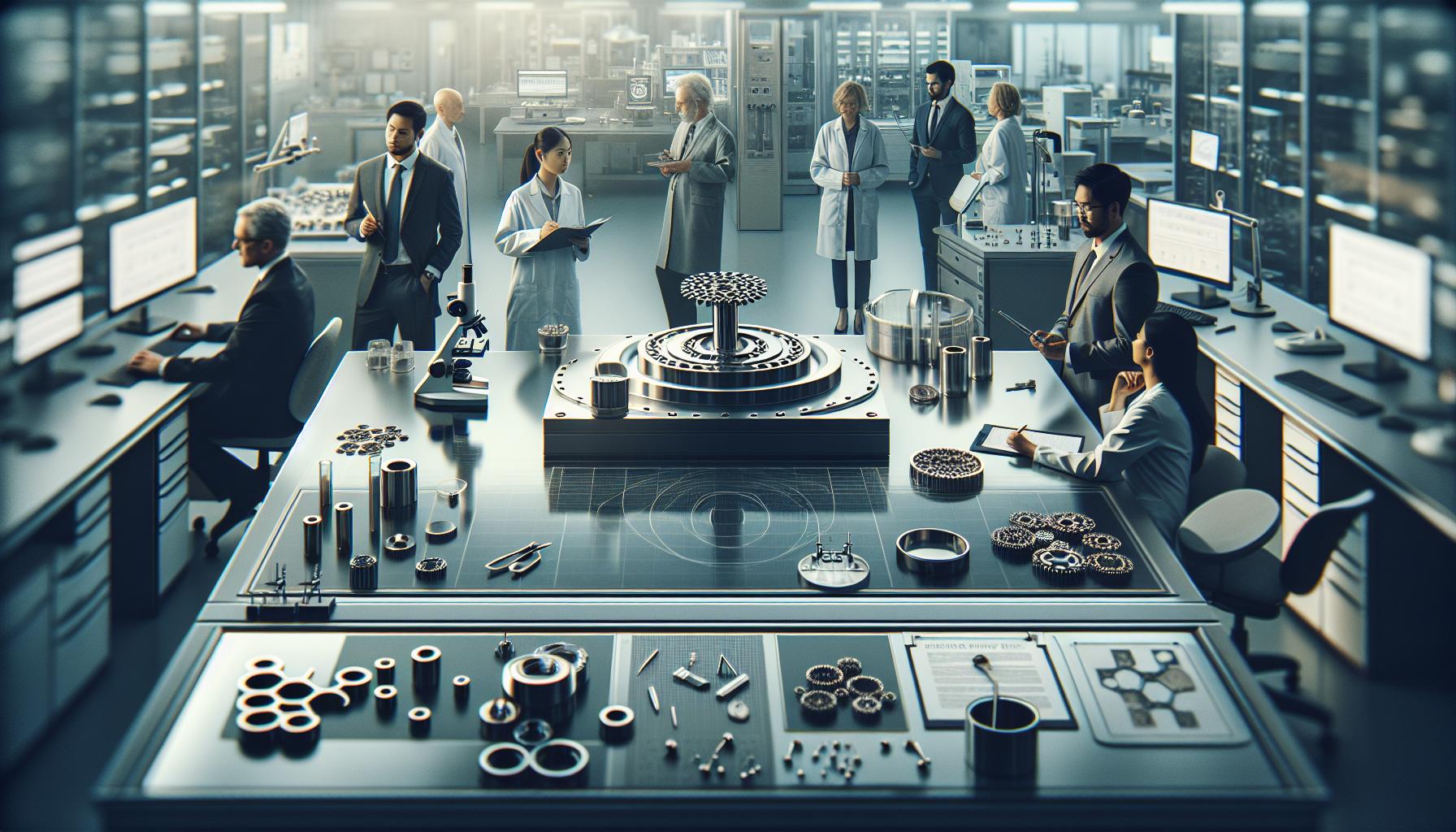
High Entropy Alloys: An Overview of Composition and Properties
High entropy alloys (HEAs) represent a fascinating development in materials science, characterized by their unique compositions and remarkable properties. Unlike conventional alloys, which typically consist of one or two principal elements with minor additions, HEAs are composed of five or more elements, each present in relatively high concentrations. This complexity of composition leads to diverse structural configurations and a variety of properties that make HEAs particularly appealing for advanced applications.
One of the key advantages of high entropy alloys is their ability to achieve superior mechanical properties. These alloys often exhibit exceptional strength, ductility, and resistance to wear and corrosion. This combination is primarily due to the synergistic effects of the constituent elements and the resulting solid solution strengthening, which enhances the overall performance of the material. For instance, some HEAs have shown impressive thermal stability, making them suitable for high-temperature applications where conventional alloys would fail.
Moreover, the phase stability in HEAs is attributed to their high configurational entropy, which stabilizes the solid solution phase against phase separation and precipitate formation. This fundamental aspect allows for the possibility of tailoring specific properties through composition adjustments and processing conditions. In practical terms, this means that engineers and material scientists can design HEAs to meet specific requirements for applications in industries such as aerospace, automotive, and even biomedical fields.
To further illustrate, consider the promising applications of HEAs in the aerospace sector. Their high strength-to-weight ratio and outstanding performance at elevated temperatures make them ideal candidates for components that endure extreme conditions, such as turbine blades and exhaust systems. As research continues to advance, the potential for utilizing high entropy alloys in these demanding environments expands, highlighting the innovative paths being forged in materials science today.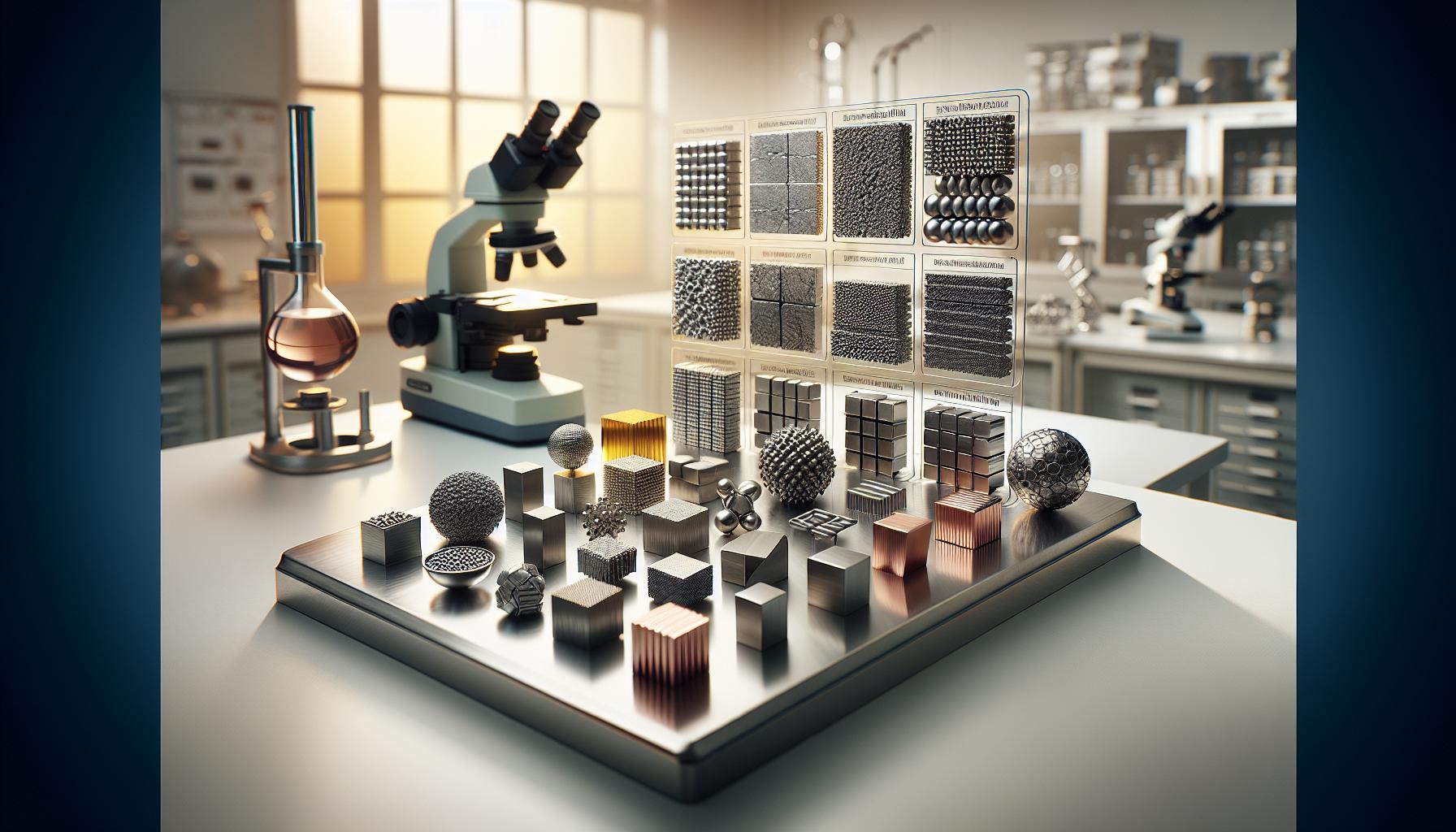
Understanding the Importance of High Entropy Alloy Design
In the realm of materials science, the design of high entropy alloys (HEAs) stands out as a powerful approach for creating materials with unprecedented properties. Unlike traditional alloys, HEAs incorporate five or more principal elements in near-equiatomic ratios, which fundamentally alters the material’s behavior and performance. This unique composition leads to enhanced mechanical properties, including higher strength, improved ductility, and superior resistance to wear and corrosion. Understanding the significance of this design approach is crucial for researchers, engineers, and manufacturers who seek to leverage the full potential of HEAs.
One of the core principles underlying the importance of HEA design is the concept of configurational entropy. By maximizing the number of different elements in a single alloy, designers can stabilize the solid solution phase and inhibit undesirable microstructural changes, such as phase separation or the formation of precipitates. This stability allows for greater flexibility in tailoring the material properties to meet specific application requirements, making HEAs particularly valuable in industries like aerospace, where components must endure extreme temperatures and mechanical stresses.
When embarking on the design of high entropy alloys, several factors must be considered. These include the appropriate selection of constituent elements, processing techniques, and the desired end-use properties. For instance, in aerospace applications, a focus on lightweight and high-temperature tolerance could guide the choice of elements towards those that form strong, stable phases at elevated temperatures. Practical examples illustrate this: turbine blades made from HEAs have shown remarkable performance advantages over traditional materials, maintaining structural integrity at temperatures where other alloys would fail.
In summary, the design of high entropy alloys represents a paradigm shift in materials engineering, enabling the creation of advanced materials that meet the complex demands of modern applications. As the research continues to evolve, the ability to strategically manipulate alloy compositions promises not only to enhance existing applications but also to unlock entirely new possibilities in materials technology. Understanding these design principles is essential for any stakeholder aiming to harness the full capabilities of high entropy alloys in their respective fields.
Key Manufacturing Techniques for High Entropy Alloys
The development of high entropy alloys (HEAs) hinges on innovative manufacturing techniques that can accommodate their complex compositions and unique properties. Traditional methods may not suffice for processing these materials effectively due to their distinct characteristics, which include high configurational entropy and multiple principal elements. To address this challenge, several cutting-edge techniques have emerged, reshaping how HEAs are produced.
One widely used method is powder metallurgy, which involves the mixing of elemental powders in desired compositions to create HEAs. This technique allows for precise control over the composition and can produce alloys with fine microstructures. The process typically involves steps such as mechanical alloying to achieve uniform distribution of elements and subsequent sintering to densify the alloy. Mechanical alloying is especially effective since it enhances atomic diffusion, facilitating the formation of the solid solution that is characteristic of HEAs.
Another promising approach is additive manufacturing, often referred to as 3D printing. This method allows for the layer-by-layer construction of components using HEA powders, enabling the creation of complex geometries that are difficult to achieve with traditional casting methods. The rapid solidification that occurs during additive manufacturing also helps preserve the desired microstructural properties of HEAs. Applications in aerospace and automotive industries are particularly promising, as additive manufacturing can produce lightweight yet strong components tailored to specific performance conditions.
Moreover, techniques such as laser melting, spark plasma sintering (SPS), and arc melting are gaining traction in HEA production. Laser melting offers precision in shaping parts while ensuring minimal thermal distortion, which is crucial for maintaining performance characteristics. SPS, on the other hand, utilizes pulsed electric current and pressure to produce dense materials-ideal for applications requiring exceptional mechanical properties. Arc melting remains one of the classic techniques for HEA synthesis, providing excellent control over the alloying process by allowing complete melting and mixing of the constituents.
The interplay of these manufacturing techniques not only enhances the mechanical properties of HEAs-like increased strength and resistance to wear-but also supports their deployment across various advanced applications. As research progresses, further refinements and innovations in these methods are likely to unlock even more potential for high entropy alloys in sectors ranging from aerospace to energy storage, broadening the horizons of materials engineering.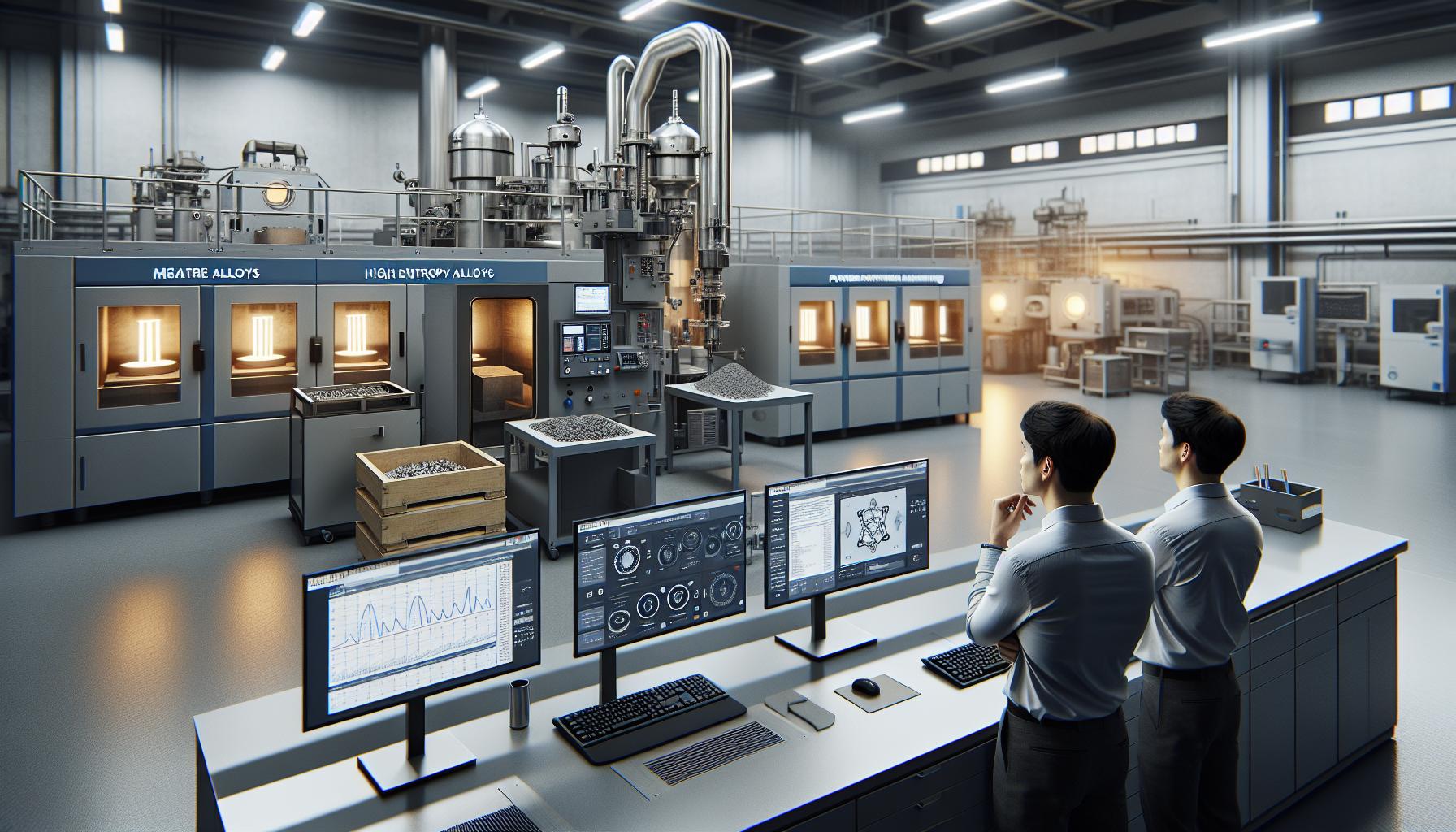
Advanced Applications in Aerospace and Automotive Industries
The aerospace and automotive industries are on the brink of a significant transformation, largely driven by advancements in high entropy alloys (HEAs). These materials, characterized by their unique ability to maintain performance at extremes of temperature and stress, present a compelling alternative to traditional metals and alloys. Their remarkable mechanical properties-such as high strength-to-weight ratios, excellent wear resistance, and thermal stability-make them ideal candidates for components in high-performance applications.
In the aerospace sector, the lightweight nature of HEAs can lead to reductions in fuel consumption and emissions. For example, turbine blades made from HEAs can withstand the harsh operating conditions of jet engines, including extreme temperatures and corrosive environments. This capability not only enhances the efficiency of the engines but also extends maintenance intervals and overall service life. Moreover, the ability to tailor the compositions of HEAs through techniques like additive manufacturing opens new avenues for creating intricate geometries that were previously impossible with conventional materials.
The automotive industry is equally poised to benefit. As manufacturers push for more stringent emissions standards and fuel efficiency, the demand for lighter, stronger materials is critical. HEAs can replace heavier metal components, leading to lighter, more efficient vehicles. For instance, structural components, engine parts, and critical safety features can be produced with HEAs, offering enhanced performance without compromising safety. Their resistance to wear and fatigue also suggests longer lasting components, which translates to lower costs for manufacturers and consumers alike.
Furthermore, HEAs play a crucial role in developing alternative energy vehicles. Their stability and high strength can be leveraged in electric vehicle batteries and fuel cells, improving performance while maintaining safety. By integrating these advanced materials into vehicles, manufacturers not only meet regulatory demands but also position themselves at the forefront of technological innovation in a competitive market.
In summary, the integration of high entropy alloys into aerospace and automotive applications represents a paradigm shift in material science. Through their unique properties and adaptability, HEAs not only enhance performance but also contribute to sustainability, proving to be a viable solution in the quest for advanced, efficient, and durable materials in modern engineering.
High Entropy Alloys in Energy Sector Innovations
High entropy alloys (HEAs) are rapidly transforming the energy sector with their exceptional properties and versatile applications. These materials are comprised of five or more principal elements mixed in near-equal proportions, leading to a disordered atomic structure that imparts unique characteristics such as high strength, toughness, and resistance to heat and corrosion. These attributes make HEAs particularly valuable in applications where traditional materials fall short, especially in the demanding environments found in energy production and storage technologies.
One exciting innovation in the energy sector is the use of HEAs in the development of advanced batteries and fuel cells. The stability and electrochemical performance of HEAs can significantly enhance the efficiency and lifespan of energy storage systems. For instance, when used as anode materials in lithium-ion batteries, HEAs can improve cycling stability and capacity retention, which are critical for electric vehicles and portable electronics. Their ability to withstand high temperatures and corrosive environments also makes HEAs ideal candidates for solid oxide fuel cells (SOFCs), where they can function effectively at elevated operating temperatures, thereby increasing overall energy conversion efficiency.
Furthermore, HEAs are being explored for their potential in solar energy applications. Their unique thermal and conductive properties can be utilized in the manufacturing of components such as heat exchangers and conductive films for solar panels. By optimizing the compositions of HEAs, researchers can create materials that not only enhance the efficiency of energy absorption but also extend the operational life of solar technologies, making renewable energy more sustainable and economically viable.
In summary, the incorporation of high entropy alloys in the energy sector is not just enhancing existing technologies but also paving the way for pioneering applications that harness their unique capabilities. As research progresses, we can expect HEAs to play a crucial role in driving the next generation of energy solutions, supporting the transition to a sustainable and efficient energy future. The continued exploration of their properties and applications will reveal new possibilities that can change the landscape of energy production and consumption.
Biomedical Applications: High Entropy Alloys in Medicine
High entropy alloys (HEAs) are making significant inroads into the biomedical field, driven by their unique blend of properties that outperform conventional biomaterials. One captivating aspect of HEAs is their exceptional corrosion resistance and mechanical strength, which makes them ideal candidates for implants and prosthetic devices. For instance, the ability of HEAs to endure the harsh biological environment-characterized by fluctuating pH levels, temperature changes, and mechanical stresses-opens opportunities for long-lasting medical implants.
An exciting application of HEAs in medicine is in orthopedic implants, where materials like titanium and cobalt-based alloys have traditionally dominated. The multi-element composition of HEAs allows for fine-tuning of properties to optimize biocompatibility and reduce the risk of implant failure due to corrosion or wear. Studies have demonstrated that certain HEAs can exhibit high fatigue strength and improved wear resistance, making them suitable for load-bearing applications such as hip and knee replacements.
Potential for Dental Applications
Moreover, HEAs have shown promise in dental applications. Dental implants require materials that fuse well with bone while also providing aesthetic and functional durability. By adjusting the elemental composition in HEAs, researchers can create alloys that mimic the mechanical properties of natural tooth enamel while also being resistant to bacterial colonization-an important factor in preventing peri-implantitis. The innovative designs facilitate enhanced osseointegration, meaning dental implants could become even more reliable and effective.
Another domain within the biomedical field where HEAs are gaining traction is in drug delivery systems. The tunable properties of HEAs can support the development of nanostructured materials that not only carry therapeutic agents but also release them in a controlled manner. This controlled release capability could greatly improve the efficacy of treatments for chronic diseases, providing a pathway for patient-specific therapies that respond dynamically to individual needs.
In conclusion, high entropy alloys represent a promising frontier in biomedical engineering. Their unique characteristics allow for advancements in implant technology, dental solutions, and drug delivery systems, all geared toward enhancing patient outcomes. As research progresses, it is likely that HEAs will continue to bridge the gap between material science and medicine, creating solutions that were previously unattainable with conventional materials.
Environmental Impact and Sustainability of High Entropy Alloys
High Entropy Alloys (HEAs) offer a transformative approach to materials science, not only due to their outstanding mechanical properties but also in terms of their environmental footprint. As industries seek to innovate sustainably, HEAs present several advantages that can mitigate environmental impact and enhance sustainability across various sectors.
One of the most compelling aspects of HEAs is their potential for resource efficiency. Traditional alloys often rely on rare or toxic elements, which can lead to significant environmental degradation during extraction and processing. In contrast, HEAs typically utilize a broader spectrum of elements that can be more abundantly sourced. For example, by designing HEAs with common elements such as iron or aluminum, industries can reduce dependence on scarce materials, leading to improved sustainability. This shift not only diminishes the ecological damage associated with mining but also contributes to more stable supply chains.
Another important factor is the durability and longevity of HEAs. These materials exhibit superior resistance to wear, corrosion, and extreme conditions, resulting in a longer lifespan for components made from HEAs. This durability translates to less frequent replacements and reduced resource consumption over time. In sectors such as aerospace and automotive, where HEAs are used in critical components, the benefits multiply; aircraft and vehicles require less maintenance and have improved fuel efficiency when using lightweight, strong materials. Consequently, HEAs facilitate a significant reduction in both lifecycle emissions and resource usage.
Recycling and Lifecycle Management
The recyclability of HEAs also plays a crucial role in enhancing their environmental profile. Many HEAs can be reprocessed through conventional recycling techniques without significant loss of performance, enabling a circular economy model. This means that at the end of their service life, components made from HEAs can be efficiently recycled and repurposed, minimizing waste and conserving energy.
To illustrate, consider the application of HEAs in energy generation systems. By utilizing HEAs in turbine blades and other high-stress components, these systems not only achieve higher efficiency but also reduce the material footprint since fewer resources are needed for replacement parts. This aligns perfectly with global goals of sustainability and reducing carbon emissions, making HEAs a pivotal material for future energy technologies.
In summary, the environmental and sustainability advantages of High Entropy Alloys are clear. By focusing on material efficiency, durability, and recyclability, HEAs not only enhance performance but also contribute to a more sustainable industrial landscape. As research in this area progresses, HEAs will likely play a significant role in addressing the pressing environmental challenges faced across various industries today.
Challenges and Limitations in High Entropy Alloy Research
Despite the remarkable potential of High Entropy Alloys (HEAs) in revolutionizing material science, researchers face several challenges that hinder their widespread application and development. A significant hurdle is the complexity involved in alloy design and composition. HEAs consist of five or more principal elements, which leads to a vast compositional space that makes it challenging to predict the material properties accurately. This complexity complicates the discovery of new, optimal alloys, often requiring extensive experimental testing and iterative design processes that can be both time-consuming and resource-intensive.
Another critical limitation is the understanding of phase stability in HEAs. Unlike traditional alloys, where phase diagrams can guide materials selection and processing, HEAs often exhibit unexpected phase behaviors. This unpredictability means that experimental efforts often yield mixed results, complicating the development of reliable processing protocols. Furthermore, the formation of intermetallic compounds and segregated phases during fabrication can adversely affect the mechanical properties of HEAs, leading to inconsistencies in performance.
Manufacturing Challenges
The manufacturing techniques required for HEAs also present unique challenges. While methods such as arc melting and powder metallurgy are commonly employed, they may not yield the requisite properties for all applications. Issues like porosity and inhomogeneity can arise during processing, impacting the final material characteristics. New advancements in additive manufacturing hold promise for addressing these issues, but they require further exploration and refinement to become viable for HEA production on a larger scale.
Moreover, the cost-effectiveness of HEA development remains a concern. The use of multiple elemental compositions, especially those including less common and more expensive elements, can escalate production costs, making HEAs less competitive relative to traditional alloys. Researchers need to focus on finding balance-designing HEAs that maintain desirable properties while utilizing more abundant and cost-effective elements.
Future Directions
Moving forward, collaboration across disciplines will be crucial in overcoming these challenges. By integrating computational modeling with experimental methods, researchers can streamline the design process, enabling quicker identification of promising HEA formulations. Additionally, developing a better understanding of the thermodynamic and kinetic factors influencing HEA behavior will enhance predictive capabilities regarding their stability and performance.
In summary, while HEAs offer unprecedented opportunities in materials science, addressing the challenges of complexity, phase stability, manufacturing logistics, and cost-effectiveness is paramount for their successful application. As research continues to evolve, overcoming these limitations will pave the way for HEAs to fulfill their potential in critical applications across various industries.
Future Trends: The Evolution of High Entropy Alloys
The landscape of High Entropy Alloys (HEAs) is rapidly evolving, driven by the increasing demands for materials that exhibit superior performance in extreme conditions. A notable trend is the integration of computational tools with experimental approaches. Advanced algorithms and machine learning models are being employed to predict the material properties of HEAs, allowing researchers to navigate the complex compositional space more effectively. For instance, leveraging high-throughput computational screening can significantly reduce the time required to identify promising HEA candidates, facilitating the discovery of new alloys that meet specific performance criteria.
In parallel with computational advancements, there is a significant push towards enhancing the manufacturing processes of HEAs. Traditional methods such as arc melting and casting are being refined, but new techniques like additive manufacturing (3D printing) are gaining prominence. This method allows for the precise control of microstructures and composition, which is crucial for optimizing the mechanical properties of HEAs. The flexibility offered by additive manufacturing not only reduces material waste but also opens up new avenues for creating complex geometries that are challenging to achieve with conventional techniques.
Broader Applications in Emerging Fields
As HEAs continue to mature, their applications are expanding beyond conventional industries. In the aerospace sector, for example, HEAs are being explored for their potential to withstand the harsh environments faced by modern aerospace components, such as extreme temperatures and corrosive conditions. Similarly, in the energy sector, HEAs show promise in applications like turbine blades and nuclear reactors, where material failure can have catastrophic consequences. Their ability to maintain structural integrity under stress and temperature variations makes them ideal candidates for these critical applications.
Another exciting trend is the increasing interest in the environmental implications of HEAs. The search for sustainable materials is prompting researchers to investigate the use of abundant and low-cost elements in alloy designs. By focusing on recyclability and minimizing the use of rare materials, HEAs can align with global sustainability goals. The ongoing innovation in this area not only helps in reducing environmental impact but also promotes a circular economy within the materials science community.
The future trajectory of High Entropy Alloys looks promising, with interdisciplinary collaboration propelling advancements in research and application. As the understanding of these complex materials deepens, we can anticipate HEAs playing pivotal roles in various high-performance applications, making them indispensable contributors to technological innovation.
Comparative Analysis: High Entropy Alloys vs. Conventional Alloys
The remarkable capabilities of High Entropy Alloys (HEAs) contrast sharply with traditional alloys, highlighting a significant evolution in materials science. HEAs are composed of five or more principal elements in roughly equal proportions, leading to unique properties that surpass many conventional alloys. This diverse elemental composition allows HEAs to demonstrate exceptional strength, ductility, and resistance to wear and corrosion, characteristics that typical binary or ternary alloys often struggle to achieve.
A crucial differentiator is their mechanical performance. For instance, HEAs tend to exhibit superior high-temperature stability and oxidation resistance compared to conventional alloys like stainless steel or aluminum alloys. This is particularly beneficial in extreme environments, such as those encountered in aerospace and energy applications, where materials are subjected to high temperatures and corrosive conditions. The composition of HEAs can be optimized to enhance these properties further, allowing for innovative applications in turbine blades and nuclear reactors that demand not just strength, but also resilience under stress.
Another factor tipping the scale in favor of HEAs is their design flexibility. With traditional alloys, designers often face limitations due to the established phase diagrams and predictable behaviors of specific metal combinations. In contrast, HEAs offer a broader compositional space to explore, facilitating the design of materials tailored for specific applications. This adaptability extends to manufacturing as well, with advanced techniques like additive manufacturing allowing for precise control over microstructures that are crucial for achieving desired performance characteristics.
However, it’s essential to note that HEAs also present unique challenges. The complex relationships between composition, microstructure, and properties can introduce unpredictability in the material behavior, sometimes complicating manufacturing processes. For instance, scaling up production while maintaining the desired material properties can raise questions that haven’t been fully addressed in traditional alloy research.
In conclusion, while conventional alloys have served well in many applications, the superior performance, flexibility in design, and potential for innovative applications position High Entropy Alloys as a frontier in materials engineering. Understanding these differences not only prepares researchers and engineers to harness HEAs effectively but also opens the door to future advancements in material technology.
Case Studies: Success Stories of High Entropy Alloy Implementations
The potential of High Entropy Alloys (HEAs) has been demonstrated through several successful implementations across various industries, showcasing their superior properties and innovative designs. One striking example is the use of HEAs in aerospace applications, specifically in turbine engines. Researchers at universities have developed HEAs that exhibit remarkable high-temperature stability and oxidation resistance, critical for components that operate in extreme environments. These alloys not only withstand the rigorous conditions but also extend the life of turbine parts, ultimately enhancing fuel efficiency and performance.
In the automotive industry, HEAs have been adopted for manufacturing lightweight but robust structural components. A notable case involved a collaboration between automotive manufacturers and materials scientists, where an HEA was designed to replace conventional aluminum alloys in vehicle frames. This innovation has led to significant weight reduction and improved crash safety without sacrificing mechanical strength. The combination of elements such as titanium, zirconium, and chromium resulted in a material that can withstand higher stress levels, thus meeting stringent safety standards while also contributing to better energy performance.
Another noteworthy application is in the biomedical field, where HEAs have been utilized to develop orthopedic implants. These alloys allow for tailored compositions that can potentially match the mechanical properties of human bone, reducing the risk of implant failure. One specific case study involved the creation of a titanium-based HEA that showed exceptional biocompatibility and strength. This alloy has been tested successfully in preclinical studies, leading to promising results for future clinical trials.
Moreover, sustainability has become a focal point in HEA research. The development of alloys that are not only durable but also manufactured using ecologically responsible methods is gaining traction. For instance, an ongoing project aims to implement recycled metals in HEA production, reducing waste and the carbon footprint associated with conventional alloy manufacturing processes. This approach aligns with the growing demand for environmentally friendly materials without compromising performance.
In summary, the documented successes of HEAs in varied applications underline their transformative potential in materials science. From aerospace to automotive and biomedical uses, HEAs are proving to be game-changers, offering solutions that can overcome the limitations of traditional alloys while supporting advancements in technology and sustainability. These case studies not only serve as inspiration but also as a roadmap for future innovations in high-performance materials.
How to Choose the Right High Entropy Alloy for Your Project
Choosing the right High Entropy Alloy (HEA) for your project is a pivotal step that can determine the success and efficiency of your application. With their unique combination of properties, HEAs offer designers and engineers a diverse array of options tailored for specific requirements. To ensure you select an alloy that meets your needs, it’s important to consider several key factors, including mechanical properties, environmental resistance, and the intended application.
First, assess the mechanical properties required for your application. HEAs possess exceptional strength, ductility, and toughness, but these characteristics can vary significantly based on their composition. For instance, alloys featuring elements like titanium and zirconium are known for their high strength-to-weight ratios, making them ideal for aerospace applications where minimizing weight is crucial without sacrificing performance. Conversely, if your application involves heavy stress or impact, you might prioritize alloys with elements such as molybdenum or rhenium, which enhance hardness and wear resistance.
Next, consider the environmental conditions your alloy will face. HEAs are renowned for their durability in extreme environments-be it high temperatures, corrosive settings, or fatigue-prone conditions. For example, if your project is in a high-temperature environment such as a jet engine, opt for an HEA designed to maintain oxidation resistance and stability at elevated temperatures. This can significantly extend component life and reduce maintenance costs. Additionally, explore data on oxidation resistance and creep resistance when reviewing material options.
Another critical factor is material availability and cost. The unique compositions of HEAs can involve rare elements, potentially impacting sourcing and overall project costs. Understanding the trade-offs between performance and economic feasibility is essential. Building a solid relationship with suppliers who specialize in HEAs can also aid in ensuring that you have access to the most suitable materials at reasonable costs.
Lastly, engaging in collaborative materials testing and research can yield substantial insights and validate your choices. Collaborate with material scientists or leverage university partnerships to prototype and test your HEA selection under anticipated conditions. This practical approach not only helps fine-tune your choice but also highlights the critical importance of empirical data in the selection process.
In summary, selecting the right HEA demands a careful consideration of mechanical properties, environmental resistance, costs, and collaborative testing. By paying attention to these aspects, you can harness the full potential of high entropy alloys, turning innovative concepts into successful applications.
Faq
Q: What are the unique properties of high entropy alloys that make them suitable for advanced applications?
A: High entropy alloys (HEAs) exhibit exceptional mechanical properties, including increased strength, ductility, and resistance to wear and corrosion. Their unique multi-principal element composition allows for improved performance in extreme environments, making them ideal for aerospace, automotive, and energy applications. For more on specific properties, refer to the section “High Entropy Alloys: An Overview of Composition and Properties.”
Q: How do high entropy alloys compare to traditional alloys in terms of thermal stability?
A: High entropy alloys generally offer superior thermal stability compared to traditional alloys due to their complex microstructure. This results in enhanced performance at elevated temperatures, making them suitable for applications requiring high thermal resistance, such as turbine blades and high-heat frameworks. More details can be found in the “Comparative Analysis: High Entropy Alloys vs. Conventional Alloys” section.
Q: What manufacturing techniques are best suited for high entropy alloys?
A: Manufacturing techniques such as powder metallurgy, arc melting, and additive manufacturing are particularly effective for producing HEAs. These methods enable precise control over the microstructure and properties of the alloys, ensuring optimal performance for advanced applications. For an in-depth look, see “Key Manufacturing Techniques for High Entropy Alloys.”
Q: Can high entropy alloys be used in environmental applications?
A: Yes, high entropy alloys show promise in environmental applications due to their resistance to heat, corrosion, and wear. Their durability and performance can lead to reduced maintenance needs in harsh environments, making them ideal for renewable energy systems. Information related to sustainability can be found in the “Environmental Impact and Sustainability of High Entropy Alloys” section.
Q: What challenges exist in the research and development of high entropy alloys?
A: Major challenges include composition complexity, high production costs, and difficulties in scaling up manufacturing processes. Research is ongoing to optimize these alloys for mass production and practical applications. For a deeper understanding, refer to the section on “Challenges and Limitations in High Entropy Alloy Research.”
Q: What are the future trends in high entropy alloy research?
A: Future trends include the development of new compositions with tailored properties for specific applications, as well as advancements in manufacturing techniques. Additionally, more focus is on integrating HEAs in sustainability efforts across industries. For insights on anticipated developments, check the “Future Trends: The Evolution of High Entropy Alloys” section.
Q: How do high entropy alloys impact biomedical applications?
A: High entropy alloys are increasingly utilized in biomedical applications due to their biocompatibility and mechanical strength. They can be effectively used in surgical implants and tools, enhancing durability and performance. For further details, explore the “Biomedical Applications: High Entropy Alloys in Medicine” section.
Q: What considerations should be made when selecting a high entropy alloy for a project?
A: When choosing a high entropy alloy, consider factors such as mechanical properties, corrosion resistance, and application-specific requirements. Assessing the alloy’s performance in intended environmental conditions is crucial for successful implementation. For guidance on selection processes, refer to “How to Choose the Right High Entropy Alloy for Your Project.”
Wrapping Up
As we conclude our exploration of High Entropy Alloys and their advanced applications in materials science, it’s clear that these innovative materials offer remarkable advantages in performance and durability across various domains. By blending multiple elements in significant proportions, HEAs pave the way for solutions that withstand extreme conditions and enhance the efficiency of critical processes-insights that can propel your research or projects forward.
Ready to deepen your understanding? Dive into our additional resources, such as our detailed guide on High-Entropy Alloy Coatings and the latest innovations in Material Science. Don’t miss out on the opportunity to subscribe to our newsletter for updates on cutting-edge advancements in this field and beyond. Your journey with High Entropy Alloys is just beginning-stay engaged and explore more to stay at the forefront of materials innovation!


