
When it comes to customizing apparel and crafts, heat transfer vinyl (HTV) has revolutionized how we express our creativity. But have you ever wondered just how long your designs will last? Understanding the durability of HTV is crucial for anyone looking to invest time and effort into their projects. Whether you’re a DIY enthusiast or a professional in the printing industry, knowing the lifespan of HTV can help you make informed decisions that enhance both the quality and longevity of your creations. In this guide, we’ll explore the factors that influence HTV’s durability and provide tips to maximize the life of your designs. Get ready to dive into the science of heat transfer vinyl and discover how to keep your projects looking fresh for years to come!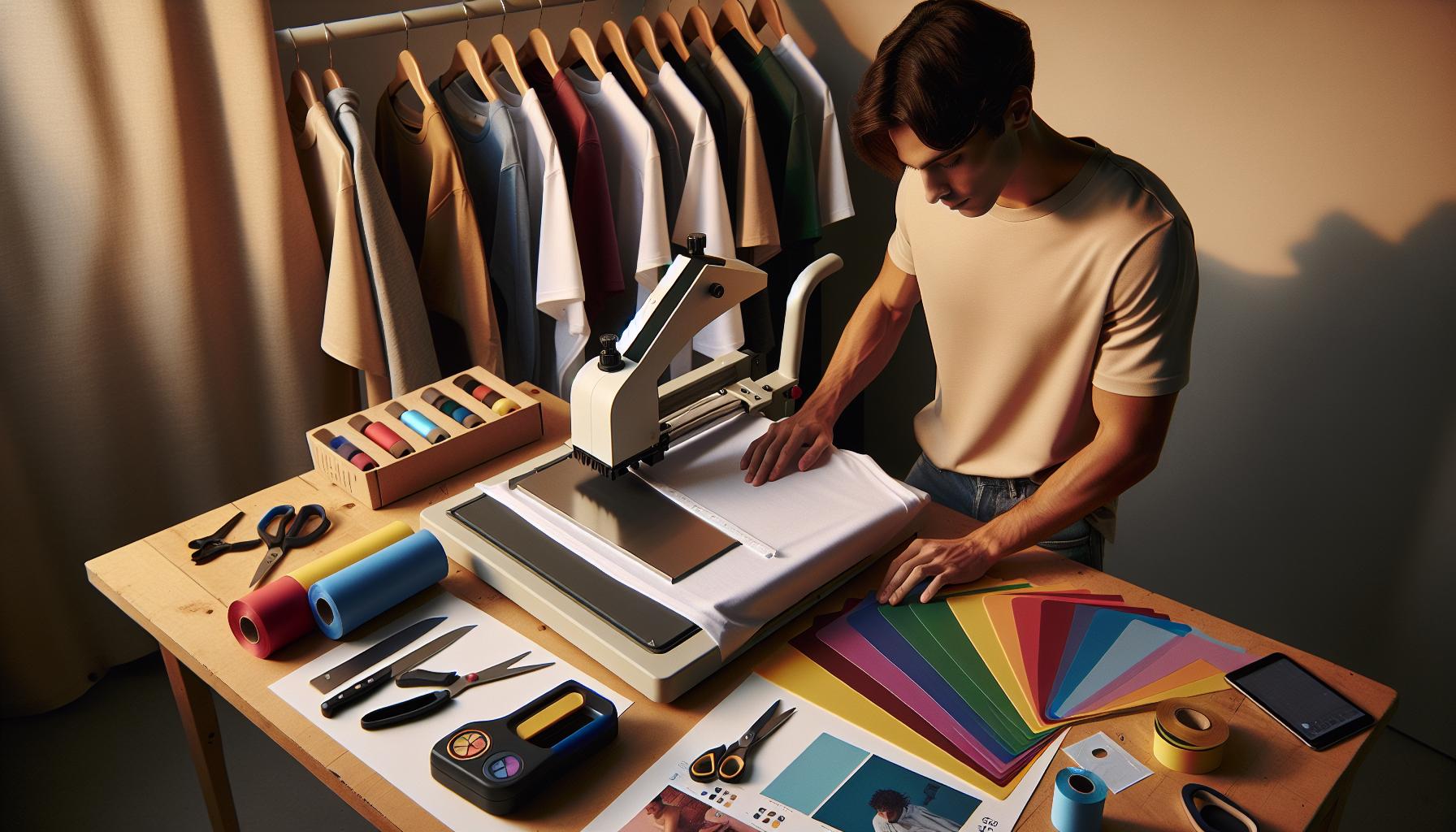
Understanding Heat Transfer Vinyl: What It Is
Heat transfer vinyl (HTV) is a versatile material used widely in the garment and textile industry, primarily for creating designs on fabric items such as t-shirts, jackets, and even canvas bags. This specialized vinyl is coated with a heat-activated adhesive, allowing it to bond permanently to fabric when exposed to high temperatures from a heat press or iron. The appeal of HTV lies in its ability to produce vibrant, detailed designs while offering durability through a robust application process.
When applying HTV, the process typically involves cutting the design from a sheet of vinyl, weeding out the excess material, and then heat pressing it onto the target surface. This method is not only user-friendly but also provides a professional look, making it a popular choice among home crafters and businesses alike. Additionally, HTV is available in a variety of finishes, such as matte, glossy, and even metallic, which adds to its creative potential and versatility for different projects.
It’s important to note that the longevity of designs created with heat transfer vinyl can be affected by several factors, including the type of fabric it’s applied to and the conditions under which it is maintained. Polyester fabrics, for instance, are generally compatible with HTV, but specific care instructions should be followed to ensure the best results. Proper application and care can significantly enhance the lifespan of HTV designs, making it essential for users to familiarize themselves with best practices to maximize their investments and maintain high-quality results over time.
Factors Affecting Heat Transfer Vinyl Durability
The durability of heat transfer vinyl (HTV) is influenced by a confluence of factors that determine how well it withstands the tests of time, wear, and care. Choosing the right HTV for a project isn’t just about color or style; it’s about understanding how different variables can impact its longevity. For instance, the type of fabric is crucial. HTV adheres best to materials like cotton and polyester blends. Fabrics with high spandex content, however, may introduce complications. Stretchable fabrics can cause the vinyl to crack or peel over time, especially if the application process is not adjusted to accommodate their unique characteristics.
Application methods also play a significant role in durability. The heating temperature, pressure applied during the heat press, and the cooling process afterward can all affect how well the HTV bonds to the fabric. For example, an optimal heat setting typically falls between 305°F to 320°F for most HTV, but applying too much heat or pressing for too long can scorch both the vinyl and the base material, compromising the bond and leading to premature wear. Moreover, the technique used during weeding-removing excess vinyl-can affect its adherence. Using a sharp tool can help minimize damage to the design during this stage.
Post-application care is another vital aspect that influences HTV durability. Washing instructions should be strictly adhered to; generally, garments should be turned inside out and washed in cold water to prevent unnecessary abrasion and color fading. Avoiding fabric softeners and bleaches can also help maintain the integrity of the vinyl. Environmental factors, such as exposure to sunlight and humidity, should be considered as well, as prolonged exposure can lead to fading and degradation of the HTV. Thus, creating a stable environment for garments featuring HTV can significantly extend their lifespan, ensuring that designs look vibrant and intact for longer.
To summarize, key points affecting HTV durability include:
- Fabric Type: Best results with cotton and polyester blends; avoid high spandex.
- Application Techniques: Monitor temperature, pressure, and duration of heat pressing.
- Post-Care Practices: Follow proper washing techniques and avoid abrasive conditions.
- Environmental Conditions: Protect from excessive sunlight and moisture.
By giving attention to these factors, users can maximize the effective lifespan of their heat transfer vinyl projects, ensuring they remain both visually appealing and durable.
Comparing Longevity: Heat Transfer Vinyl vs. Other Materials
The lifespan of heat transfer vinyl (HTV) is often a pivotal concern for crafters and apparel producers, especially when considering its durability compared to other materials. One major advantage of HTV is its remarkable flexibility in various applications. When properly applied, quality HTV can last several years, making it a go-to choice for custom garments and promotional items. However, how does it stack up against its rivals, including screen printing and direct-to-garment (DTG) printing?
In terms of durability, HTV can outlast many other materials, particularly when it comes to wear and washing. Unlike traditional screen printing, which may crack or fade over time, HTV adheres directly to the fabric fibers, creating a strong bond that withstands the test of time. For instance, when applied correctly to cotton or polyester blends, HTV retains its color vibrancy much longer than screen-printed designs, especially when cared for properly. HTV is also less prone to peeling if the application utilizes the right temperature and pressure settings, ensuring longevity.
That said, there are scenarios where screen printing could be favored for its overall cost-efficiency in bulk production or for designs that require fine details and high-volume runs. Moreover, DTG printing offers exceptional detail and is particularly beneficial for intricate designs requiring numerous colors. However, DTG prints may not match the durability of HTV in high-wear situations, as they can fade more quickly in rough conditions.
Ultimately, your choice should depend on your specific needs, such as the type of fabric, the production volume, and design complexity. Below is a quick comparison of HTV against other common printing methods:
| Feature | HTV | Screen Printing | DTG Printing |
|---|---|---|---|
| Durability | High – withstands wear and washing | Medium – can crack or fade | Medium – can fade with heavy abrasion |
| Color Vibrancy | Excellent | Good | Excellent |
| Best For | Custom, durable designs | Bulk production and simple designs | Intricate, multi-color designs |
| Cost-Effectiveness | Varies; best for small runs | Best for larger orders | Higher setup costs, best for small to medium runs |
By understanding these distinctions, you can make an informed choice that aligns with your project’s requirements and desired lifespan. Whether you choose HTV, screen printing, or DTG, prioritizing the right materials and application techniques will ensure the best results in both durability and aesthetic appeal.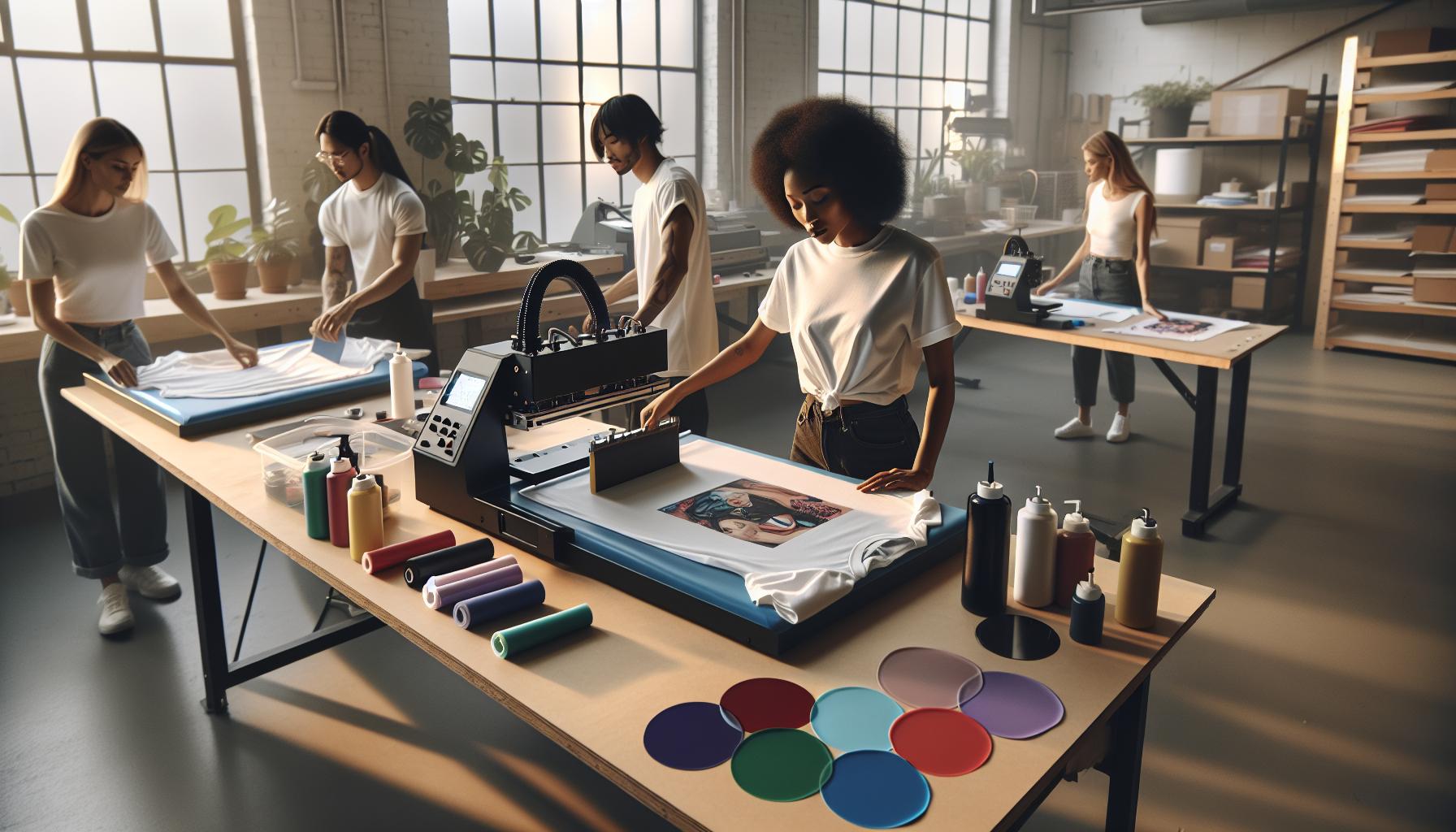
Real-Life Usage: Common Applications of Heat Transfer Vinyl
Using heat transfer vinyl (HTV) opens up a world of creativity and customization, making it a preferred choice across various industries and applications. From crafting personalized apparel to enhancing promotional products, the versatility of HTV is impressive. Notably, it adheres well to a range of fabrics, allowing designers to personalize everything from t-shirts and hoodies to bags and hats with vibrant, durable designs.
One of the most common applications for HTV is in fashion and apparel customization. Crafters and small businesses often use it to create unique garments that reflect personal style or brand identity. For instance, a local sports team might use HTV to print player names and numbers on jerseys, ensuring that the designs withstand the wear and tear of athletic activities. Similarly, HTV is perfect for creating fashion-forward clothing items with intricate patterns or graphic designs that remain vivid after multiple washes.
Another popular application is in promotional items and corporate branding. Companies frequently utilize HTV to customize bags, jackets, and caps as part of their merchandise offerings or event giveaways. Customized products not only help in brand recognition but also generate a sense of community among team members or customers. For example, a company might create branded caps for a conference, using HTV to apply the logo. These items are especially effective since the HTV can endure the rigors of daily use without fading or peeling, making them an excellent long-term marketing tool.
In addition to clothing and promotional products, HTV is gaining traction in crafts and home décor. Hobbyists use it for projects ranging from custom wall art to personalized kitchen towels. The ability to create one-of-a-kind pieces that can be tailored for specific occasions, such as weddings or holidays, makes HTV an essential tool for DIY enthusiasts. Furthermore, with the advent of cutting machines that can precisely cut HTV into different shapes and designs, the possibilities are nearly endless.
Overall, the real-world applications of heat transfer vinyl highlight its durability, adaptability, and aesthetic appeal, making it an optimal choice for anyone looking to enhance their fabric items with custom designs and lasting quality.
Proper Care and Maintenance for Longevity
Taking care of your heat transfer vinyl (HTV) creations is crucial for ensuring they maintain their vibrant appearance and structural integrity over time. Proper maintenance not only extends the lifespan of your designs but also keeps them looking fresh and professional. A few simple practices can make a significant difference in the durability of your HTV projects.
To start, always follow the recommended washing instructions. Generally, garments adorned with HTV should be turned inside out before laundering. This helps protect the vinyl from friction and wear during the wash cycle. It’s also advisable to use cold water and a mild detergent. Avoid bleach and fabric softeners, as these can degrade the HTV’s adhesive properties. For drying, opt for air drying whenever possible; if you must use a dryer, select a low heat setting to reduce the risk of shrinking or damaging the vinyl.
Ironing and Storage Tips
When it comes to ironing, ensure that any HTV designs are protected. Use a pressed cloth over the design before applying heat to avoid direct contact, which can lead to melting or distortion. If you need to iron the fabric, place the iron on a low setting and avoid steam, as moisture can also affect the adhesive quality of the vinyl.
Storing your heat transfer vinyl items is equally important. Keep them in a cool, dry place away from direct sunlight, which can cause fading and degradation. Properly folded or hung garments that feature HTV will also prevent creasing and other physical damage.
Implementing these tips into your care routine will help maintain the aesthetic quality and longevity of your heat transfer vinyl projects, ensuring they remain as striking as the day they were created. Remember that a little care goes a long way in preserving the beauty and functionality of your designs.
Signs of Wear: When to Replace Heat Transfer Vinyl
Determining when to replace your heat transfer vinyl (HTV) designs can feel daunting, especially when you want your garments to look their best. Clear signs of wear and deterioration are crucial indicators that it’s time to consider a replacement. One of the most immediate signs is fading. If the vibrant colors that once adorned your fabric begin to look dull or washed out, it may be an indication that the vinyl is nearing the end of its lifespan. Regular washing and exposure to sunlight can contribute to color degradation, so pay close attention to your designs after several laundering cycles.
Another critical element to monitor is the adhesive quality of the HTV. Signs of peeling or lifting edges are telltale indicators that the vinyl may no longer adhere properly to the fabric. If you notice areas where the vinyl has begun to separate from the garment, it can not only ruin the aesthetic but also affect the durability of the design. To prevent future frustration, it’s wise to replace affected areas before they worsen, as peeling can often lead to larger patches of vinyl coming loose.
Physical Damage and Texture Changes
Beyond aesthetic concerns, physical damage is another factor to consider. Cracking or splitting within the vinyl itself is a serious sign that the material has lost its elasticity and structural integrity. This is particularly common if the garment has been frequently stretched or if the vinyl was not applied correctly. The texture of the HTV can also provide clues-if it feels rough or brittle to the touch, it’s a strong signal that it’s time for a replacement.
Defective HTV can also manifest itself as bubbling or excessive stiffness, diverting from the flexibility that is characteristic of high-quality heat transfer materials. If you experience these issues alongside any of the above signs, it’s time to replace the vinyl to maintain the overall quality and appearance of your garments.
Identifying these key signs of wear will help you take proactive steps in preserving the quality of your heat transfer vinyl creations. By remaining vigilant, you can enjoy beautifully adorned garments for longer, ensuring they continue to reflect your style and creativity.
Environmental Impact on Heat Transfer Vinyl Lifespan
The lifespan of heat transfer vinyl (HTV) can be significantly influenced by environmental factors, making awareness crucial for both consumers and makers. Variations in temperature, humidity, and exposure to sunlight can all play pivotal roles in how well HTV withstands the test of time. For instance, high heat can cause the adhesive to degrade faster, leading to peeling or bubbling, while excessive moisture can compromise the vinyl’s ability to adhere firmly to fabrics. Understanding these interactions can help extend the life of your designs.
Temperature and Humidity
Extreme temperatures can dramatically affect HTV performance. If a garment is consistently exposed to high temperatures, such as in a hot car or under direct sunlight, the vinyl may start to warp or lose adhesion. Similarly, high humidity conditions can lead to moisture penetration, which can weaken the adhesive’s bond over time. For optimal durability, it’s best to store HTV-decorated items in a cool, dry place and avoid excessive exposure to direct sunlight when not in use.
UV Exposure
Ultraviolet (UV) light can also be a game-changer for HTV. Designs exposed regularly to sunlight tend to fade more quickly, reducing vibrancy and overall appearance. Certain vinyl types, especially those of inferior quality, may not have adequate UV resistance, leading to premature wear. To mitigate these effects, consider using UV-resistant HTV for outdoor applications or garments intended for frequent sun exposure. Additionally, washing items inside out can protect the vinyl from direct sun exposure during the laundry cycle.
By recognizing and managing these environmental impacts, you can significantly enhance the longevity and look of your heat transfer vinyl applications. Proper care and mindful usage will ensure your creations maintain their aesthetic appeal long into the future, ultimately leading to satisfaction and a higher return on your investment.
Expert Tips for Extending Heat Transfer Vinyl Life
Maintaining the longevity of heat transfer vinyl (HTV) involves more than just careful application; it requires ongoing attention to how the vinyl interacts with its environment and how you care for the finished product. Here are expert tips that will help extend the life of your HTV creations and keep them looking vibrant and fresh for as long as possible.
H3: Optimal Application Techniques
When applying HTV, it’s crucial to adhere to the recommended temperature and pressure settings provided by the manufacturer. Using a temperature that is too low may prevent proper adhesion, while excessive heat can compromise the vinyl’s integrity. Always preheat the fabric for a few seconds to eliminate moisture and improve adhesion. Additionally, consider performing a test press on a scrap piece of fabric to ensure optimal results.
H3: Proper Washing and Care Instructions
The way you wash and care for HTV-printed garments plays a significant role in the vinyl’s lifespan. Always wash HTV items inside out and on a gentle cycle to minimize friction and protect the vinyl. Using cold or warm water instead of hot water will further maintain the integrity of the HTV. Avoid tumble drying; instead, line dry garments to prevent heat exposure that can cause the vinyl to shrink or crack. When ironing, it’s best to use a pressing cloth to shield the vinyl from direct heat.
H3: Storing with Care
Proper storage of HTV-decorated items can significantly enhance their durability. Store these garments in a cool, dry place, away from direct sunlight. UV exposure can cause colors to fade and the adhesive to weaken over time. For items that are not frequently worn, consider using garment bags to shield them from dust and potential damage. If you have leftover HTV, store it rolled or flat in a protective sleeve to avoid creasing and maintain its usability.
By incorporating these strategies into your routine, you’re not only protecting your investment in HTV but also ensuring that your designs remain as stunning as the day you created them. Proper application, careful washing, and thoughtful storage procedures form the backbone of a successful heat transfer vinyl experience, leading to long-lasting and eye-catching results.
Heat Transfer Vinyl: Common Misconceptions Debunked
Many crafters and apparel decorators have misconceptions about heat transfer vinyl (HTV) that can lead to frustration and poor results. One prevalent myth is that all HTV types are created equal in durability and application. In reality, there are various formulations – such as glitter, matte, and reflective – each designed for specific uses and environments. While standard HTV may last for several washes, specialized types can last significantly longer or shorter depending on their intended use, making it crucial to choose the right type for your project.
Another common misunderstanding is that heat transfer vinyl can only be applied to cotton fabrics. This is not the case; HTV adheres well to a variety of materials, including polyester, spandex blends, and canvas. However, each fabric has its unique characteristics affecting how HTV performs. For example, on synthetic blends like poly-spandex, it’s essential to use a heat setting that accommodates the lower tolerance of these fabrics to heat, preventing damage while ensuring proper adhesion [[1]](https://www.t-shirtforums.com/threads/anyone-ever-heat-pressed-on-95-5-poly-spandex.880135/).
One critical aspect of HTV longevity often overlooked is the impact of washing and care routines. Some users unknowingly contribute to premature wear by washing their garments too roughly or using hot water and high heat in dryers. Proper care instructions play a vital role in extending the lifespan of HTV designs. Washing inside out, using cold water, and avoiding the dryer can significantly improve durability, revealing how care practices hold a key position in the life of HTV [[2]](https://www.t-shirtforums.com/threads/heat-transfer-vinyl-on-polyester.440530/).
Lastly, the idea that HTV is too fragile for everyday use is a misconception that can deter crafters from creating bold, long-lasting designs. Quality HTV, when applied properly and cared for appropriately, can withstand regular wear and tear, keeping its vibrant colors and crisp designs intact. Understanding the nuances of HTV helps users appreciate its versatility and durability, encouraging more confident and creative applications in their projects.
Cost Considerations: Value of Durability in Heat Transfer Vinyl
Durability in heat transfer vinyl (HTV) is not just a matter of quality; it directly correlates to cost considerations that can impact both your budget and your project outcomes. When investing in HTV, understanding the value of durability is crucial. High-quality HTV may come with a higher upfront cost, but its longevity can lead to significant savings in the long run. For example, a premium HTV that lasts through numerous washes will require fewer replacements compared to cheaper options that wear out quickly, resulting in more cost-effective overall usage.
To exemplify this, consider a small business that uses HTV for custom apparel. If they opt for a low-cost HTV that only withstands 10 washes, they may have to replace material frequently, ultimately driving their costs higher. On the flip side, an investment in a durable HTV that can handle 50 washes means fewer reorders, saving both money and time for the business owner. Thus, while the initial purchase price may seem steep, the overall value derived from durability cannot be understated.
Additionally, the practical implications of durability extend beyond mere economics; they influence the end product’s quality and customer satisfaction. Well-made HTV retains its color vibrancy and does not peel or crack easily, which contributes to a professional appearance. This is particularly important for businesses relying on repeat customers. If customers are consistently pleased with the durability of their products, they are more likely to return and recommend the service to others, reinforcing the initial investment as a strategic business decision.
In summary, when weighing cost considerations in the context of heat transfer vinyl, it’s imperative to look beyond the sticker price. Focus on the longer-term value derived from durability, which can enhance both your bottom line and customer relationships. Investing in high-quality HTV is not just a purchase; it’s an investment in the sustainability and reputation of your craft or business.
Product Selection: Choosing Quality Heat Transfer Vinyl
Choosing the right heat transfer vinyl (HTV) can significantly impact the longevity and appearance of your finished products. With a myriad of options available on the market, it’s essential to be informed about what makes one type of HTV superior to another. High-quality vinyl can withstand numerous washes and retain its vibrant colors, ensuring a professional-looking finish that enhances your project’s value. Understanding the key factors when selecting HTV will help you make informed decisions that benefit both your craft and bottom line.
When evaluating different brands and types of HTV, consider the following criteria:
- Material Composition: Look for HTV made from durable materials such as polyurethane (PU) or polyvinyl chloride (PVC). PU is often preferred for its softness and flexibility, while PVC tends to be more robust but less eco-friendly.
- Weight and Thickness: The weight of the vinyl can affect its drape and feel. Thicker vinyl often provides better durability but may not be suitable for all fabrics. Striking a balance between thickness and flexibility is crucial.
- Adhesive Quality: The adhesive used in HTV determines how well it adheres to the fabric. High-quality adhesives ensure that the vinyl stays intact during washing and stretching, reducing the risk of peeling over time.
- Color Range and Finish: Selecting a brand that offers a vast array of colors and finishes (like matte, gloss, or metallic) allows for creative flexibility in projects while maintaining a consistent quality throughout different materials.
Another pivotal factor is the brand’s reputation and reviews from fellow crafters. Engaging with communities online can provide insights into personal experiences with specific products. For instance, brands like Siser and Caesar are frequently recommended due to their proven durability and expansive color selections. A simple search can yield feedback on how each vinyl holds up under various real-life conditions, such as washing, stretching, and even exposure to sunlight.
Before making your purchase, it’s wise to request samples whenever possible. This allows you to test the material firsthand and observe how it interacts with your heat press or cutting machine. Checking compatibility with various fabrics can also save you from future pitfalls. Whether crafting for personal use or producing items for retail, investing time in selecting quality HTV will lead to products that not only meet your standards but delight your customers with their durability and aesthetic appeal.
FAQs About Heat Transfer Vinyl Durability
When it comes to durability, heat transfer vinyl (HTV) can be a game-changer in the world of fabric applications, but how well does it actually hold up over time? Many crafters often wonder about the lifespan of HTV, especially in terms of wear and tear from washing and everyday use. Generally, high-quality HTV can last anywhere from 5 to 20 washes, depending on several factors, including the type of vinyl used, the application process, and the care instructions followed afterward.
One frequently asked question is, “What factors influence the durability of HTV?” The answer lies primarily in the material composition and adhesive quality of the vinyl used. For example, polyurethane (PU) HTV tends to be softer and more flexible, which can enhance comfort and appeal in finished products, but it may not always withstand as many washes compared to more rigid materials like PVC. Additionally, the application temperature and pressure during heat pressing play crucial roles-insufficient heat can lead to poor adhesion, increasing the likelihood of peeling or wearing out faster.
Another common topic is the importance of following care instructions. Proper washing techniques, such as turning garments inside out and avoiding harsh detergents, can significantly extend the life of HTV applications. It’s also recommended to air dry items or use a low heat setting in the dryer to prevent undue stress on the vinyl. Understanding how these elements come together can empower users to make informed decisions about their projects.
When it comes to the question of whether HTV can be reapplied, the answer is usually no. Once the vinyl is pressed onto the fabric, the adhesive bonds are permanent. In cases of wear or peeling, professionals suggest replacing the entire application rather than attempting to reapply. This comprehensive approach not only ensures quality but also maintains the overall aesthetic of the garment or fabric piece.
Faq
Q: How can I tell if my heat transfer vinyl is still good to use?
A: You can check if your heat transfer vinyl is still good by examining for signs of cracking, fading, or peeling. If the vinyl feels brittle or has a rough texture, it’s time to replace it. Regularly inspecting your vinyl can prevent application issues.
Q: What causes heat transfer vinyl to wear out quickly?
A: Heat transfer vinyl can wear out quickly due to improper application, exposure to harsh chemicals, or frequent washing in hot water. Following the proper application techniques and care instructions can significantly extend its lifespan.
Q: Can I use heat transfer vinyl on any fabric type?
A: Not all fabrics are suitable for heat transfer vinyl. Cotton and polyester blend fabrics work best. Stretchy fabrics may distort the vinyl if not applied carefully. Always check the manufacturer’s guidelines for compatibility.
Q: How does the thickness of heat transfer vinyl affect its durability?
A: Thicker heat transfer vinyl typically offers greater durability and resistance to wear and tear compared to thinner options. However, it may also be less flexible, affecting the texture and feel of the final product.
Q: What is the best way to wash items made with heat transfer vinyl?
A: To maintain the longevity of heat transfer vinyl, wash items in cold water on a gentle cycle. Turn them inside out to minimize friction and air dry whenever possible to prevent damage from heat.
Q: Is heat transfer vinyl suitable for outdoor use?
A: Some heat transfer vinyl is designed for outdoor use, featuring UV and weather resistance. Look for products labeled as outdoor-rated to ensure they can withstand elements like rain and sunlight.
Q: How long should I wait before washing garments with heat transfer vinyl?
A: It is advisable to wait at least 24-48 hours after application before washing garments with heat transfer vinyl. This allows the adhesive to fully cure, ensuring better adherence and longevity.
Q: What types of projects are best suited for heat transfer vinyl?
A: Heat transfer vinyl is ideal for a variety of projects, including custom apparel, home decor, sports jerseys, and promotional items. Its versatility makes it a favorite among crafters and businesses alike.
Key Takeaways
Thank you for exploring our guide on the durability of heat transfer vinyl. We’ve covered crucial points about how long you can expect your designs to last and the best practices to maximize their lifespan. Remember, proper application and care can significantly affect the durability of your vinyl. With this knowledge, you can feel confident in your projects and make informed decisions moving forward.
Don’t stop here! Dive deeper into related topics like selecting the right heat transfer vinyl and troubleshooting common application issues. Check out our articles on “Best Practices for Heat Transfer Vinyl Application” and “Caring for Your Heat Transfer Designs” to enhance your skills even further.
If you found this guide helpful, consider subscribing to our newsletter for more tips and tricks, or explore our product pages for the best materials to achieve stunning results. Your next creative project is just a click away-let’s keep the momentum going!


