
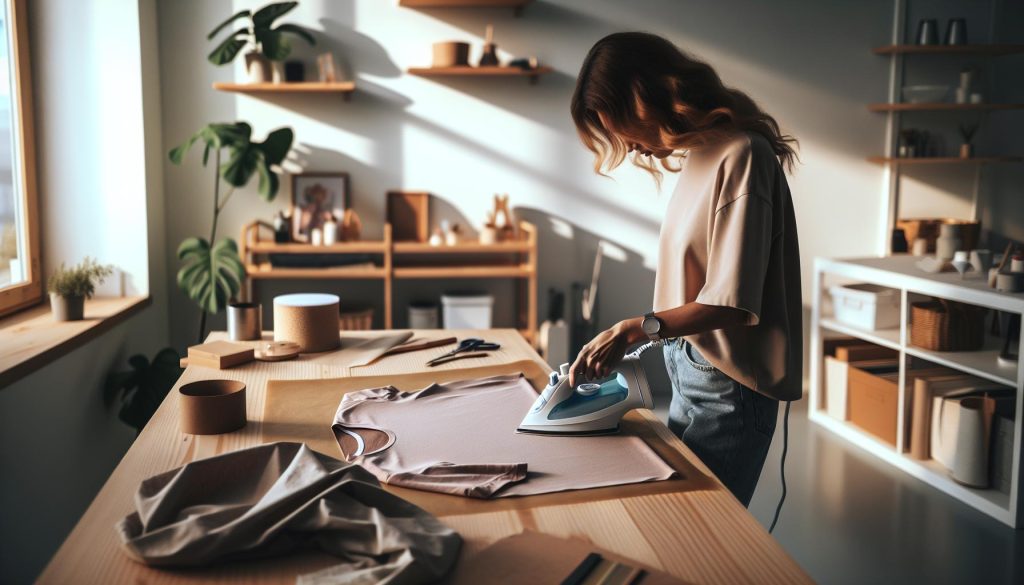
When it comes to crafting stunning custom designs with heat transfer vinyl (HTV), questions about materials often arise. One common query is whether parchment paper can serve as an effective substitute for traditional Teflon sheets during the heat application process. Understanding the right materials not only ensures the longevity and quality of your designs but also maximizes your creativity while minimizing costly errors. In this article, we’ll explore the properties of parchment paper compared to standard options and identify suitable alternatives. Whether you’re a seasoned pro or a crafting enthusiast, knowing your options can make a significant difference in achieving flawless results. Let’s dive in and uncover the best practices for using heat transfer vinyl effectively!
Can I Use Parchment Paper for Heat Transfer Vinyl?
Using parchment paper in your heat transfer vinyl (HTV) projects can be a bit of a double-edged sword-while it may seem like an easy option, its effectiveness is contingent upon several factors. Parchment paper is not specifically designed for heat transfer applications, which can lead to varied results. Many crafters find that parchment paper can serve as a temporary substitute in a pinch, but understanding its limitations is crucial for achieving professional results.
When using parchment paper, the primary concern is its heat tolerance. Parchment paper is typically safe at temperatures up to 425°F (218°C), which can be insufficient for some HTV materials that require higher temperatures to properly adhere. If you go beyond this range, the paper may become scorched, potentially sticking to your design and ruining your work. For many standard HTV applications, brands recommend using Teflon sheets or specific HTV pressing sheets that can withstand higher temperatures without degrading.
Another important aspect to consider is the surface finish. Parchment paper has a textured surface, which may yield a different final appearance compared to the smooth finish often achieved with Teflon sheets. This texturing can sometimes create unwanted lines or marks on the HTV. If you decide to use parchment paper, also ensure that it’s the pure, uncoated variety to minimize any risk of transferring additives onto your HTV.
In summary, while you can use parchment paper for heat transfer vinyl under certain circumstances, it’s essential to be aware of its limitations regarding temperature and finish. For consistent quality and better performance, investing in dedicated heat transfer accessories like Teflon sheets will yield superior results in your crafting endeavors.
Understanding Heat Transfer Vinyl Basics
When diving into the world of heat transfer vinyl (HTV), it’s important to understand its properties and how to work with it effectively. HTV is a specialty material designed to be applied to fabric and other surfaces using heat and pressure. Essentially, it consists of a vinyl layer on a carrier sheet that allows you to create intricate designs which can then be transferred onto various materials like t-shirts, bags, and home decor items. The adhesive layer on the HTV is activated by heat, allowing it to bond securely to the substrate.
One common question amongst crafters is the temperature at which HTV adheres. Different types of HTV require varying heat settings, often ranging from 300°F to 350°F (around 150°C to 180°C). Using the correct temperature is crucial because too low of a heat setting may result in incomplete adhesion, while excessively high temperatures can scorch the vinyl or damage the fabric beneath it. Therefore, it is essential to consult the manufacturer’s instructions for the specific HTV you are using.
Another key concept is the importance of pressure during the application process. Heat press machines are often preferred for this task as they can apply consistent heat and pressure across the entire design, ensuring even adhesion. However, if you’re using an iron, it’s vital to apply firm, even pressure to achieve the best results. Additionally, timing is crucial: leaving the heat source on the HTV for too short a period will affect the integrity of the bond, whereas too long can compromise the HTV itself, leading to peeling or cracking over time.
In summary, understanding the basics of HTV-including the necessary temperature, pressure, and timing-will enhance your crafting experience and outcomes. By ensuring you follow these foundational principles, you’ll set yourself up for success in creating high-quality, durable designs that can withstand washing and wear.
What Is Parchment Paper Made Of?
Parchment paper is a versatile tool in crafting and cooking, often thought of as a simple kitchen accessory. However, its composition plays a significant role in its functionality, particularly when considered for applications like heat transfer vinyl (HTV). Traditionally, parchment paper is made from cellulose fibers that are chemically treated to create a smooth, non-stick surface. This process gives the paper its distinctive ability to withstand heat without burning, making it an appealing choice for various craft projects.
The key component in parchment paper is the wood pulp from which it is derived. The cellulose fibers are subjected to high heat and pressure, followed by a unique method of imparting a silicone coating that enhances its non-stick properties. This silicone treatment allows parchment paper to perform well under moderate heat situations, which is useful in baking and crafting. However, it’s important to note that while parchment paper can handle temperatures up to about 420°F (approx. 216°C), this is still lower than the optimal range for applying HTV, which typically requires temperatures of 300°F to 350°F (approx. 150°C to 180°C).
When discussing the suitability of parchment paper for HTV projects, one must consider the purpose it serves. While some crafters use it as a pressing sheet to protect the HTV and fabric from direct heat, the risk of potential adhesion issues arises. The silicone coating might not ensure the same quality of heat transfer as specialized materials like Teflon sheets, which can handle higher temperatures without compromising the integrity of the HTV or the fabric.
In practical terms, if you’re contemplating using parchment paper for your heat transfer applications, it’s wise to conduct a small test first. This will help you assess how well the HTV adheres and whether any transfer issues arise due to the parchment’s characteristics. While it may serve as a temporary solution, investing in dedicated heat transfer sheets might yield better long-term results for your crafting endeavors.
Key Differences Between Parchment and Teflon Sheets
Parchment paper and Teflon sheets serve distinct roles in the world of heat transfer, especially when working with heat transfer vinyl (HTV). Understanding these differences is crucial for achieving optimal results in your crafting projects.
One of the primary differences lies in their temperature tolerance and heat distribution capabilities. Parchment paper, generally designed for baking, has a safe temperature range of up to 420°F (approx. 216°C). While this is suitable for baking, it can limit performance during HTV applications, where temperatures typically range from 300°F to 350°F (approx. 150°C to 180°C). On the other hand, Teflon sheets can endure higher temperatures without degrading, making them a preferred choice for heat applications like HTV pressing. This resilience ensures that your heat transfers can be executed at the correct and effective temperatures without the risk of damaging the material.
Another notable difference is in the non-stick properties of each material. Parchment paper features a silicone coating that provides a decent non-stick surface, but it may sometimes hinder adhesion, resulting in imperfect transfers. In contrast, Teflon sheets are inherently non-stick due to their material composition, facilitating a smoother heat transfer process. The Teflon surface allows for clean separation from the HTV after pressing, ensuring that your designs maintain their integrity without any transfer residue left on the fabric.
Using these materials effectively also entails considering their ease of use. Parchment paper is widely available and cost-effective for general crafting, making it a convenient option for casual crafters. However, for more serious projects or frequent use, Teflon sheets represent a specialized investment that can yield superior results over time. Additionally, Teflon surfaces are more durable and reusable, often lasting through many applications, which adds value in the long run.
In summary, while both parchment paper and Teflon sheets have their advantages in various settings, Teflon sheets are better suited for high-temp heat transfer applications due to their higher heat tolerance and superior release properties. For optimal results, especially with HTV projects, consider using Teflon sheets to maximize your chances of successful adhesion and maintain the quality of your designs.
Best Practices for Using Parchment Paper
Using parchment paper in heat transfer vinyl (HTV) applications can be a double-edged sword. While it offers certain conveniences, understanding the best practices will be crucial for achieving optimal results. A good starting point is ensuring your parchment paper is free from additives like wax or coating that could interfere with the heat transfer process; pure silicone-coated parchment is ideal. This paper can provide a protective barrier between the heat source and your design, but it can also lead to challenges in adhesion if not used correctly.
Temperature Management
When using parchment paper for HTV, keeping an eye on temperature is critical. Parchment paper can handle temperatures up to about 420°F (216°C), which is sufficient for most HTV applications typically requiring temperatures around 300°F to 350°F (150°C to 180°C). However, it can sometimes lose its effectiveness after repeated exposure to high heat. To mitigate this, consider using fresh parchment paper for each pressing, especially for multiple layers or complex designs. Always perform a test press on a scrap piece of fabric to confirm that your chosen parchment works well with your specific HTV and fabric type.
Adhesion Techniques
To ensure even heat distribution and better adhesion, always press the design with the parchment paper smooth, eliminating any wrinkles or air pockets. A common practice is to use a Teflon sheet or a pressing cloth on top of the parchment for an additional layer of even heat distribution. This not only protects your design but also aids in achieving a better heat transfer. After pressing, allow the design to cool slightly before removing the parchment, which can help secure the vinyl more firmly into the fabric weave.
Visibility and Alignment
One often-overlooked aspect of using parchment paper is its opacity. Unlike Teflon sheets, parchment paper can obstruct your view of the design while pressing, making it harder to align perfectly. To counter this, you can cut your parchment to match the size and shape of your heat transfer design closely. This way, you can see areas needing adjustments without compromising the transfer area. For intricate designs, consider using heat-resistant tape to hold everything in place before applying the heat, thus preventing any movement during the pressing process.
By following these best practices, you can effectively utilize parchment paper in your heat transfer projects and achieve high-quality results while avoiding common pitfalls in the HTV process.
Alternative Materials for Heat Transfer Applications
When working with heat transfer vinyl (HTV), having the right protective material is vital for achieving a successful transfer. While parchment paper is a popular option, there are several excellent alternatives that can enhance your results and simplify the process. Exploring these substitutes may lead to more effective heat application and better preservation of your designs.
One of the most recommended substitutes is Teflon sheets. Unlike parchment paper, Teflon can withstand higher temperatures without deteriorating and provides a smooth surface that promotes even heat distribution. This property reduces the risk of sticking, which can occur with other materials, ensuring that your HTV adheres perfectly to the fabric. Additionally, Teflon sheets are reusable and easy to clean, making them a sustainable option for frequent users.
Another alternative is butcher paper-often cited for its effectiveness in heat transfer applications. It is typically less expensive than Teflon and can withstand similar temperatures. Butcher paper is also excellent for soaking up excess moisture from fabrics, which can help in achieving a clearer transfer, especially with intricate designs. However, it lacks the non-stick properties of Teflon, so users should be cautious of potential sticking or residue.
For those seeking a lower-cost solution, cotton cloth can also be viable. A simple cotton pressing cloth can provide adequate protection while allowing visibility of the design underneath. This is particularly useful when aligning intricate patterns. However, it’s essential to ensure that the cloth is completely dry and without any additives that might affect heat application.
In choosing the right material, consider your specific project needs and the types of fabrics you’re working with. Different applications may benefit from different alternatives, so don’t hesitate to experiment with these options to find the best fit for your heat transfer vinyl projects.
Potential Risks of Using Parchment Paper
Using parchment paper in heat transfer vinyl (HTV) projects might seem like an easy choice, but it comes with potential drawbacks that can affect your final results. While it can provide some protection against direct heat, the risks associated with its use should not be overlooked. Understanding these risks can help you make a more informed decision when selecting materials for your HTV tasks.
One of the primary concerns with parchment paper is its tendency to absorb too much heat. This can lead to inadequate adherence of the HTV to the fabric. Unlike Teflon sheets, which distribute heat evenly and maintain structural integrity under elevated temperatures, parchment paper is designed for baking, not high-temperature applications. As a result, it may scorch or discolor, potentially ruining both your HTV and the garment beneath it. Users often find that prolonged exposure to heat can leave parchment paper brittle, making it less effective for multiple uses.
Additionally, parchment paper lacks the non-stick properties found in other materials like Teflon, which can lead to sticking issues. When the HTV adheres to the parchment rather than the fabric, it can result in incomplete transfers or uneven finishes. This problem becomes particularly problematic with intricate designs where precise transfer is critical. If residue from the parchment is left behind, it can lead to further complications, such as the need for additional cleaning or reapplication.
In some cases, the use of parchment paper may also affect the vibrancy of colors, especially with darker fabrics. The paper can emit a slight coating when heated, which can dull the colors of the HTV, affecting the aesthetic of your project. For those working on high-quality garments or important projects, this risk is not one to take lightly.
For optimal results, consider experimenting with other materials such as Teflon sheets or butcher paper, which offer increased temperature resilience and more favorable non-stick properties. Being proactive about choosing the right materials can help ensure that your HTV projects not only succeed but also meet your quality standards.
How to Select the Right Substitute Material
Selecting the right substitute material for heat transfer vinyl (HTV) projects is crucial to achieving the best results while minimizing common pitfalls. When considering alternatives to parchment paper, it’s essential to focus on materials that can withstand high temperatures, resist sticking, and provide even heat distribution. Using inappropriate materials may lead to disappointing results, where the HTV doesn’t adhere properly, colors become dull, or even worse, your projects get ruined.
One of the most popular alternatives is Teflon sheets. These sheets are specifically designed for heat applications, offering a non-stick surface that allows for clean transfers. Teflon can endure high temperatures without degrading and helps distribute heat evenly across the HTV, ensuring that your designs are applied smoothly and securely to the fabric. This makes it particularly effective for intricate designs where precision is key. Additionally, Teflon sheets can be used multiple times without losing effectiveness, making them a cost-effective choice in the long run.
Another great option is butcher paper, which also has desirable properties for heat transfer applications. Unlike parchment paper, butcher paper is thicker and can handle higher temperatures without scorching. It serves as a protective barrier and is particularly useful for large projects where multiple layers need to be protected during the heat application process. Users often report that butcher paper prevents sticking while allowing for good visibility of the design during pressing.
When exploring substitute materials, consider the following characteristics to ensure you make an informed choice:
- Heat Resistance: Make sure the material can tolerate the temperatures used during heat transfer.
- Non-Stick Properties: Look for materials that keep your HTV from sticking to the surface, reducing the risk of damaging your design.
- Durability: Opt for materials that can be reused multiple times, helping to save on costs and reduce waste.
- Transparency: If you require visibility to align your designs accurately, choose semi-transparent options like Teflon or butcher paper.
By weighing these factors, you can select the optimal substitute that enhances the quality and reliability of your HTV projects. Remember, experimentation is key; testing different materials on sample designs can help you find the best fit for your specific needs. Taking the time to choose the right materials will not only improve your final results but also elevate your confidence in executing heat transfer vinyl techniques.
Tips for Successful Heat Transfer Projects
Successful heat transfer projects hinge on a blend of the right materials, techniques, and a bit of patience. Knowing how and when to use substitutes like parchment paper or Teflon sheets can vastly improve your outcomes. For instance, using the right heat transfer medium not only protects your designs but also enhances the adhesion of your vinyl to fabric.
One vital tip is to ensure that you adjust your heat press settings according to the material you are using. Different substrates, whether it’s cotton, polyester, or blends, respond differently to heat and pressure. Always perform a test press on a scrap piece before committing to the final design. A simple way to experiment is by using small samples of your fabric and HTV, allowing you to document the best temperature, time, and pressure settings. This approach can save you from potential disasters that might arise from incorrect adjustments.
Preparation is Key
Another important factor is preparation. Make sure your fabric is clean, dry, and free from wrinkles before placing your HTV. A lint roller can be a quick solution to removing dust and fibers. Preheating your fabric for a few seconds before applying the transfer can also help eliminate moisture and improve the bond, especially when working with thicker materials. Additionally, consider the surrounding environment. Humidity can impact the adhesion of your vinyl, so if you are in a particularly humid area, you might want to take extra precautions.
Layering and Timing
When working with layered designs, it’s crucial to press each layer separately. Adjust your timing based on the thickness of your materials. For example, if you’re using multiple layers of HTV, press each one for about half the recommended time, ensuring that you keep your final design flat and secure without overcooking any single layer. Utilizing cover sheets or butcher paper between layers can prevent any accidental sticking and preserve the integrity of your designs during the pressing process.
By following these tips-adjusting for material specifics, preparing your fabric meticulously, and carefully timing your presses-you can dramatically elevate your heat transfer projects. Embrace the learning process, as each project provides valuable insights that refine your crafting skills.
Exploring Professional Heat Transfer Techniques
involves a blend of understanding materials, mastering press settings, and applying innovative methods to achieve outstanding results. When considering the use of substitutes for heat transfer applications, it’s essential to look beyond basic factors like heat resistance. Professional crafters often find that experimenting with different substitutes can yield exciting results, especially in terms of texture and adhesion.
One popular substitute for parchment paper in heat transfer applications is Teflon sheets. These are favored due to their durability and non-stick properties, allowing for even heat distribution while preventing any potential sticking of vinyl to the pressing surface. Professionals often lay Teflon sheets over their designs during pressing, which not only protects the vinyl but also enhances its lifespan by preventing scorching. In contrast, parchment paper can be less durable in high-temperature applications, sometimes leading to tears or burns if not monitored closely.
To ensure successful application of heat transfer vinyl, many professionals emphasize pre-pressing techniques. This involves warming up the fabric before applying the HTV to remove moisture and wrinkles. Additionally, it’s advised to consider a light pressure for the initial press, especially for materials prone to stretching, followed by a second press with the recommended pressure and time for effective adhesion. Utilizing a temperature gauge can also aid in maintaining accurate heat levels, ensuring that your substrate responds appropriately without risk of damage.
Another technique gaining traction among professionals is layering, which can elevate the design and dimensionality of the final product. When layering different HTV colors or textures, each layer should be pressed individually. This not only ensures proper adhesion for complex designs but also maintains the integrity of the layers without overheating any single component. This strategic approach can transform a simple project into a stunning piece of art, showcasing the versatility and potential of heat transfer techniques.
By embracing these professional methods, including the strategic use of substitutes and careful layering, crafters can enhance their heat transfer projects significantly. With practice and experimentation, the art of applying HTV can evolve into a fulfilling and creative process, yielding remarkable designs that stand out and last.
User Experiences: Success Stories and Challenges
Crafting with heat transfer vinyl (HTV) is an art form that many crafters and professionals embrace, yet the journey is often filled with experiments and lessons learned. One common question revolves around the suitability of parchment paper as a pressing surface. While some users have shared success stories about its use, others have faced challenges that highlight the importance of material choice in the HTV process.
In various forums, crafters have voiced mixed experiences with parchment paper. Some have successfully used it as a protective layer during pressing, appreciating its affordability and availability. Users report that it provides adequate protection from direct heat, although caution is advised to prevent burns or tears at high temperatures. Anecdotal successes often cited involve using parchment to prevent vinyl from sticking to the heat press, which can lead to easily removable prints and clean finishes. For instance, a user shared that they used parchment paper for a multi-layer HTV project, where it effectively safeguarded the vinyl during pressing, allowing for a brilliant final design without scorching any layers.
However, challenges are equally prevalent in these discussions. Some crafters have experienced significant issues, particularly at higher temperatures. Reports of the parchment paper scorched, or worse, melted against the heat press surface, resulting in ruined projects. These real-world outcomes underscore the risk of depending solely on parchment in high-heat situations, where alternatives like Teflon sheets may be better suited due to their durability and heat resistance. In these cases, users have noted that investing in a proper pressing sheet, such as Teflon, mitigated risks and improved their overall results.
As crafters experiment with differing materials, they have found varying outcomes that emphasize the need for caution and adaptability. By sharing both triumphs and setbacks, the crafting community highlights the ongoing learning process that comes with mastering heat transfer techniques. Therefore, it can be beneficial for beginners to start with lower temperatures, observe the effects of their chosen materials, and gradually adjust their methods based on these insights-gaining knowledge with each project and creating beautiful, lasting designs.
Frequently asked questions
markdown
Q: Can I use wax paper instead of parchment paper for heat transfer vinyl?
A: No, wax paper is not suitable for heat transfer vinyl because it has a wax coating that can melt or release toxic fumes under high heat. Stick to parchment paper or Teflon sheets for safe and effective heat transfer applications.

Q: What are the best substitutes for parchment paper in heat transfer vinyl projects?
A: Some effective substitutes for parchment paper include Teflon sheets and silicone baking mats. Both options can withstand high temperatures and ensure a smooth transfer while minimizing stickiness.

Q: How does using Teflon sheets compare to parchment paper for heat transfer?
A: Teflon sheets provide a non-stick surface, allowing easy removal of vinyl after heat application. They are more durable than parchment paper and are reusable, making them a cost-effective choice for frequent users.

Q: When should I consider using a different material instead of parchment paper?
A: Consider using alternatives when you need reusability or higher durability, such as when working on multiple projects or if you're aiming for professional results with less risk of sticking.

Q: Can I use aluminum foil for heat transfer vinyl projects?
A: Aluminum foil is not recommended for heat transfer vinyl as it can adhere to the vinyl and ruin your design. Stick to parchment paper or Teflon sheets for optimal results.

Q: What thickness of parchment paper is ideal for heat transfer vinyl?
A: A medium-weight parchment paper (about 18-24 lb) is ideal for heat transfer vinyl, as it can withstand heat without burning while preventing any sticking issues during the transfer process.

Q: Is it safe to use parchment paper multiple times for heat transfer applications?
A: Parchment paper can be reused, but its effectiveness may diminish with each use due to wear and tear. Inspect it for scorch marks or tears before reusing to ensure the best results.

Q: Are there any risks associated with using uncoated papers for heat transfer vinyl?
A: Yes, uncoated papers can absorb moisture or stick to the vinyl, damaging your project. Always choose coated parchment paper or specialized materials like Teflon to mitigate these risks.
Insights and Conclusions
As you explore the possibilities of using parchment paper for heat transfer vinyl, remember that while it can work in a pinch, opting for specialized transfer sheets often yields the best results. Don’t let confusion hold up your creative projects-dive into our guide on “Best Heat Transfer Vinyl for Beginners” to enhance your crafting skills or check out “Common Mistakes to Avoid with Heat Transfer Vinyl” to ensure flawless transfers every time.
Act now-experiment with your own designs today and discover what works best for you! If you have questions or tips to share, we’d love to hear from you in the comments below. Plus, don’t forget to subscribe to our newsletter for the latest updates on heat transfer techniques and DIY inspiration that will keep your creativity flowing. Your next project awaits!


