
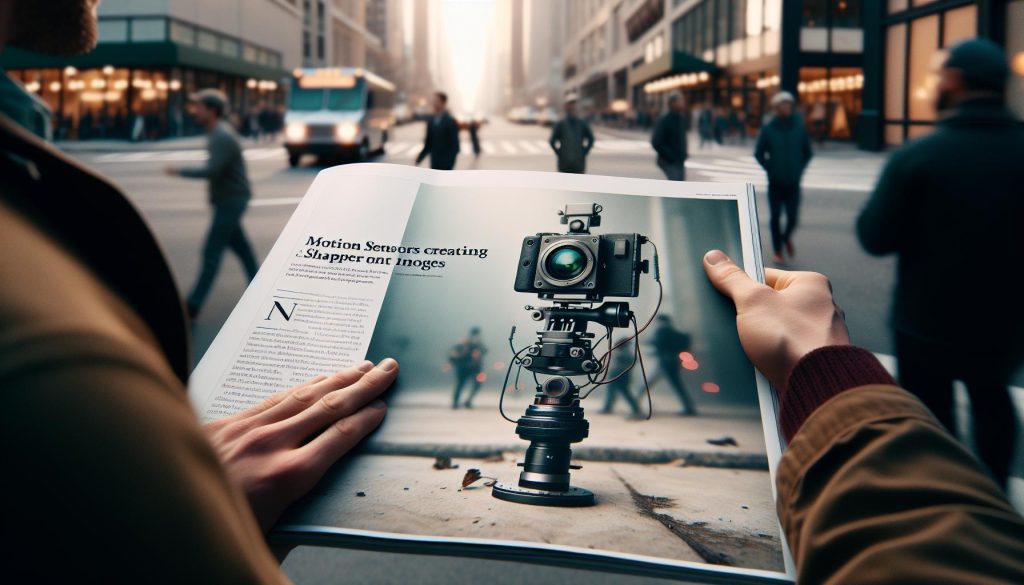
Imagine capturing a breathtaking moment, only to find your images marred by blur caused by camera shake or motion. Enter IMU (Inertial Measurement Unit) deblurring, a transformative technology harnessing the power of motion sensors to enhance image clarity. By precisely measuring motion, IMUs can effectively counteract the unwanted effects of movement during photography or videography. This innovation not only elevates the quality of images but also empowers creators-photographers, filmmakers, and even developers of autonomous devices-to achieve stunning results effortlessly. As the world increasingly values high-definition imagery, understanding how IMUs work to create sharper images is essential. Dive in to discover how this cutting-edge technology is reshaping visual experiences and learn how you can leverage it for your own projects.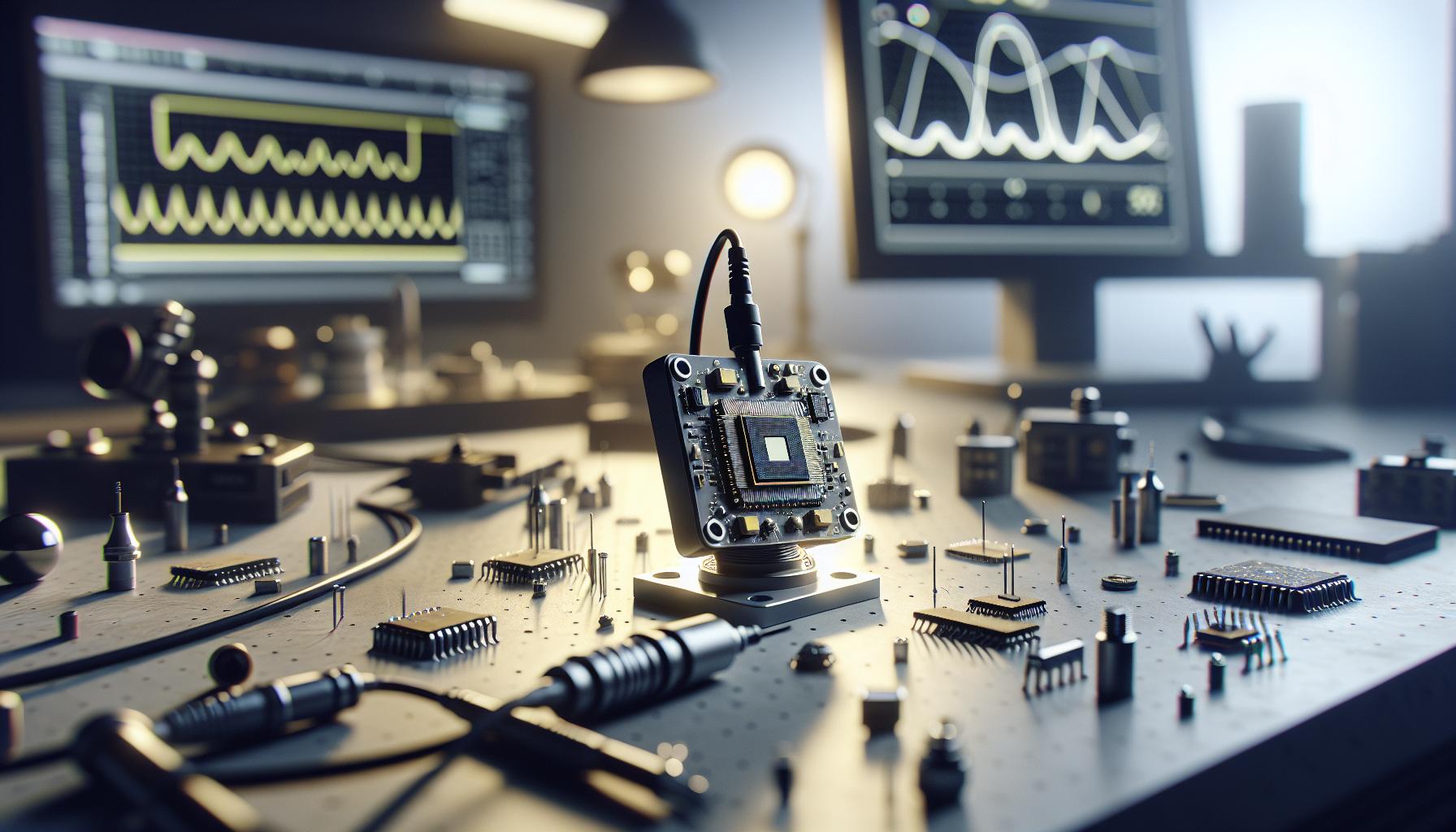
IMU Technology: Understanding Inertial Measurement Units
Inertial Measurement Units (IMUs) are cutting-edge sensors that play a pivotal role in a variety of modern technologies, notably in the realm of photography. These devices provide crucial data on an object’s velocity, orientation, and gravitational forces, making them indispensable for capturing sharp, clear images, particularly in dynamic environments. When integrated into cameras and mobile devices, IMUs can measure the slightest movements, enabling advanced stabilization techniques that counteract motion blur caused by unintentional camera shake.
IMUs function through a combination of three primary sensors: accelerometers, gyroscopes, and sometimes magnetometers. Each of these components contributes specific insights. The accelerometer detects changes in speed and direction, the gyroscope measures rotational movements, and the magnetometer provides orientation relative to the Earth’s magnetic field. Together, these sensors create a comprehensive picture of the device’s motion, feeding this data into algorithms that adjust the camera’s settings or stabilize the image in real time. As a result, even in challenging shooting conditions-like while walking or during fast-action scenes-users can achieve stunningly sharp images.
One of the fascinating aspects of IMU technology lies in its adaptability across various applications. For instance, in smartphone cameras, the fast and accurate data provided by IMUs allows for features like optical image stabilization (OIS) and digital image stabilization (DIS). These innovations enable smoother videos and crisper photos, which significantly enhance the user experience. Similarly, in the realm of drones and other aerial photography platforms, IMUs are critical for maintaining stability and ensuring precise control over camera angles, further improving image quality.
As interest in IMU technology continues to grow, we see a trend towards miniaturization and more affordable solutions, making this technology accessible to a broader audience. Future advancements may also include enhanced algorithms capable of real-time data processing, and AI integration for even smarter stabilization techniques. The ingenuity behind IMUs not only highlights the intersection of physics and engineering but also exemplifies how technological advancements can dramatically improve creative fields such as photography, making the art of capturing moments both an exciting and rewarding endeavor.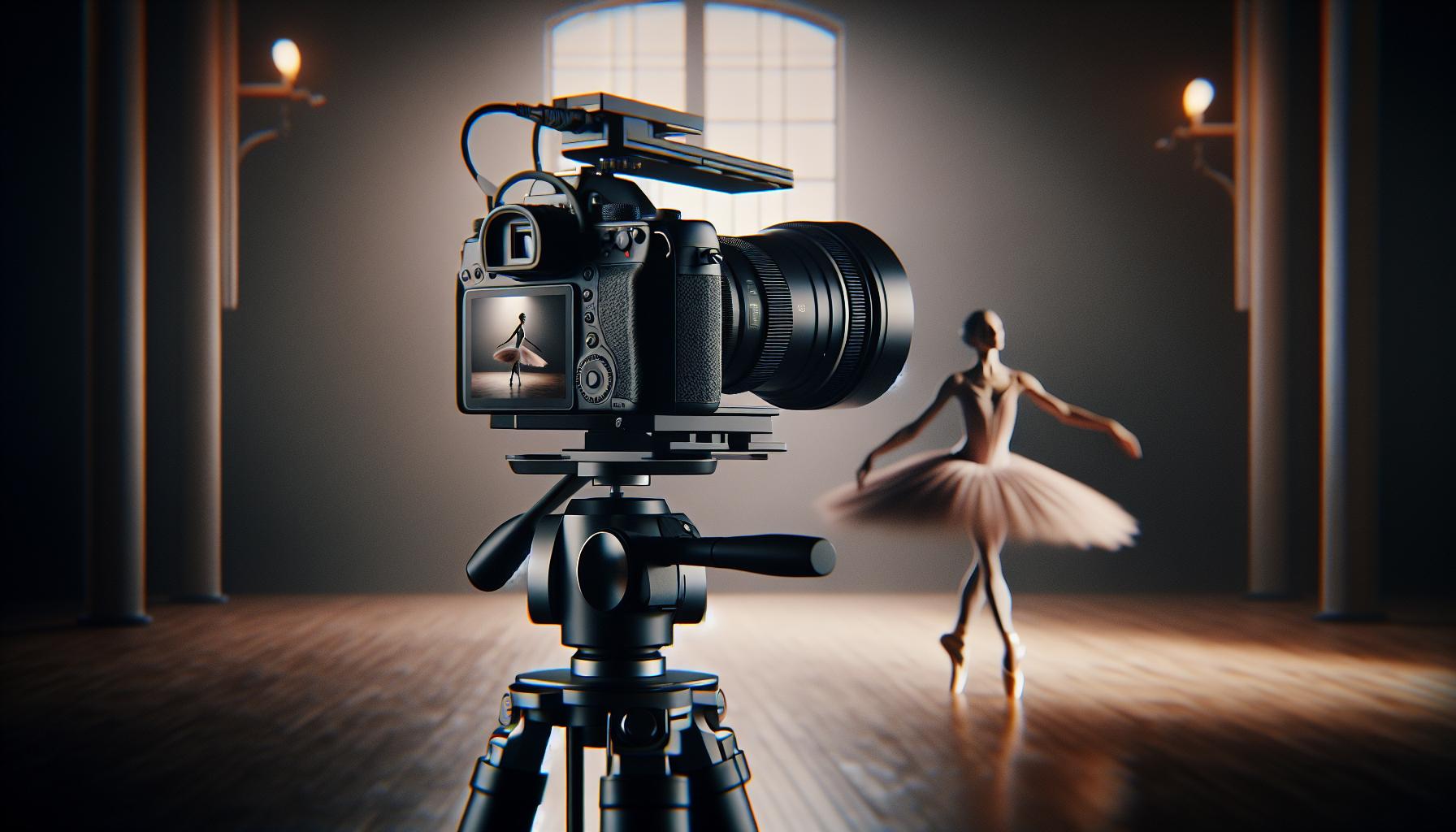
How Motion Sensors Impact Image Quality
Motion sensors have transformed how we capture images, making them sharper and clearer than ever before. By utilizing Inertial Measurement Units (IMUs), which integrate accelerometers, gyroscopes, and sometimes magnetometers, cameras can now accurately detect even the tiniest changes in movement. This granularity allows for sophisticated stabilization techniques that combat motion blur-an issue that has plagued photographers, especially in dynamic settings. When a photographer moves the camera, whether while walking or quickly panning to catch an action shot, IMUs continuously gather data to understand the motion happening in real-time.
The impact of this technology on image quality is profound. Firstly, stabilization algorithms can process the sensor data to compensate for unwanted motion. For example, if a camera tilts or shakes slightly, the system can adjust the exposure settings and position of the lens to counteract that movement, resulting in images that maintain clarity and detail even in less-than-ideal shooting conditions. Features like Optical Image Stabilization (OIS) and Digital Image Stabilization (DIS) rely heavily on information from these motion sensors, allowing for greater creativity without the fear of blurry outputs.
Real-world applications of IMUs are evident in various devices, from smartphones to professional cameras and drones. In smartphones, IMUs enable features like panoramic shots and night mode functionalities, where multiple frames are combined seamlessly. Drones equipped with advanced IMUs manage stabilization autonomously, ensuring that images and videos remain steady as the drone navigates turbulent air currents. This assembly of sensors and real-time processing not only enhances photographic quality but also opens new avenues for storytelling, where camera operators can employ dynamic movements without sacrificing image fidelity.
In conclusion, motion sensors like IMUs play a critical role in enhancing image quality across multiple platforms. As technology advances, we can expect even more sophisticated stabilization algorithms, potentially integrating artificial intelligence to predict and correct motion before it becomes an issue. This will further democratize high-quality photography, enabling both enthusiasts and professionals to capture stunning images regardless of the complexities of movement.
Exploring the Limits of Motion Blur
In the world of photography, motion blur has long been a formidable challenge. When a subject moves quickly or the camera is inadvertently shaken during a shot, the resulting image can suffer from distortion, making it difficult to capture the sharpness and detail photographers crave. However, advancements in Inertial Measurement Unit (IMU) technology have introduced novel methods for overcoming this pervasive issue, enabling more vibrant and precise images in dynamic environments.
One of the primary ways IMUs combat motion blur is through real-time stabilization. By continuously measuring acceleration and angular velocity, these units can detect and compensate for unwanted movements almost instantaneously. For instance, when a photographer panics to capture an action shot-like a bird taking flight-the IMU’s data allows the camera system to adjust its exposure and angle on the fly, substantially reducing the odds of a blurry outcome. This is particularly crucial in fast-paced settings, such as sports or wildlife photography, where every fraction of a second counts.
In exploring the limits of this technology, it becomes clear that while IMUs offer significant improvements, there are still scenarios where motion blur remains a challenge. Extremely rapid movements or excessive vibrations can exceed an IMU’s corrective capabilities. Moreover, IMUs cannot eliminate motion blur caused by fast-moving subjects; instead, they focus on stabilizing the camera itself. This distinction is vital for photographers seeking to push the boundaries of what is achievable.
As the field continues to evolve, integrating artificial intelligence with IMU technology could propel stabilization methods to even greater heights. Future systems may not only react in real time but also learn which types of movements typically lead to blur, preemptively adjusting settings before the photographer even realizes a problem might arise. Thus, while the fight against motion blur is far from over, the advancements offered by IMU technology provide a promising glimpse into a sharper, clearer photographic future.
Applications of IMU Deblurring in Photography
In the dynamic realm of photography, where every millisecond counts, the integration of IMU (Inertial Measurement Unit) technology stands out as a revolutionary advancement for capturing sharp images even in high-movement environments. This technology leverages accelerometers and gyroscopes to continuously monitor motion and orientation, significantly enhancing image stabilization and dramatically reducing motion blur during image capture. By processing real-time data, IMUs can make instantaneous adjustments, ensuring that images retain their integrity despite the inevitable shakes or sudden shifts that occur in action-packed scenarios.
One practical application of IMU deblurring is in action sports photography. Here, every minor jolt or shift can lead to blurred images, which are undesirable for showcasing the intensity of sports moments. Employing IMUs in cameras allows photographers to track athletes’ rapid movements effectively, enabling the system to adjust the lens position or exposure settings almost instantly. This means that a photographer can maintain focus on a flying skateboarder or a racing cyclist without the fear of losing detail, making it possible to capture breathtaking, crystal-clear images without sacrificing the action.
Moreover, IMUs also play a pivotal role in drone photography, where stability is paramount. Drones often face unpredictable winds and turbulence that can cause substantial camera shake. By incorporating IMU technology, drones can autonomously stabilize their cameras, providing smooth and stable aerial shots that are essential for both artistic and commercial photography. These adjustments happen in real time, allowing for seamless video footage and high-quality stills captured from dynamic aerial perspectives, enhancing the storytelling ability of the images captured.
In addition to sports and drone photography, the potential for IMUs extends into various creative fields, including wildlife photography, wedding shoots, and even virtual reality applications. The ability of IMUs to correct and mitigate motion blur opens up new avenues for photographers to explore innovative styles and techniques, ultimately leading to a more engaging visual narrative. As this technology evolves and becomes more accessible, it signals a bright future for photographers aiming to push the boundaries of their craft, finding new ways to capture life’s fleeting moments with unparalleled clarity.
Comparing IMU Deblurring to Traditional Methods
In the realm of photography, motion blur can significantly diminish the quality of images, particularly in dynamic environments. Traditional methods to combat this issue include using faster shutter speeds, image stabilization lenses, or post-processing techniques. However, while these approaches offer some improvements, they often come with limitations that can restrict creative expression or lead to compromised image quality.
IMU deblurring technology, on the other hand, provides a more integrative solution. By employing inertial measurement units equipped with accelerometers and gyroscopes, IMUs can dynamically assess the motion of the camera in real time. This allows for not only stabilization during image capture but also for precise adjustments that account for the nuances of the environment, something traditional methods can’t achieve effectively. For example, while a faster shutter speed might freeze a moment in time, it can also result in a lack of light, potentially forcing the photographer to increase the ISO, which may introduce noise. In contrast, IMUs can allow for slower shutter speeds without the risk of blurring, capturing more light and detail while maintaining sharpness.
Comparative Analysis of Techniques
- Traditional Stabilization Techniques: These include optical stabilization (OS) within lenses and in-camera digital stabilization. While they are effective for minor shakes, they often struggle with abrupt movements or rapid changes in direction.
- Post-Processing Methods: Image editing software can sometimes remove motion blur, but this is not foolproof and can lead to unnatural-looking results. Moreover, these methods require additional time and often compromise the integrity of the image data.
- IMU Applications: By continuously analyzing the camera’s movements, IMUs can apply real-time corrections during image capture, effectively minimizing motion blur while preserving the original image quality. This is particularly advantageous in fast-paced situations, such as sports or wildlife photography.
An example highlighting this difference can be seen when comparing drone photography with and without IMU technology. Drones equipped with IMUs can autonomously adjust for windy conditions, allowing for stable, high-quality shots. Conversely, drones relying solely on traditional stabilization techniques can struggle to maintain clear images when faced with sudden gusts, resulting in shaky videos and blurred photos.
As the industry continues to evolve, the integration of IMU technology into cameras and drones paves the way for photographers to achieve unprecedented clarity in their work. By reducing motion blur effectively and efficiently, IMUs are setting a new standard in the pursuit of sharp, compelling imagery.
Technical Aspects of IMU Data Processing
The integration of inertial measurement units (IMUs) in digital imaging systems has revolutionized the way we tackle motion blur in photography. By utilizing sensors that measure acceleration and rotational motion, IMUs continuously gather data that informs how the camera is moving relative to its surroundings. This real-time feedback loop allows for immediate adjustments, not only stabilizing the image during capture but also enabling predictive corrections based on motion dynamics. Understanding this data processing is crucial for harnessing the full potential of IMU technology.
At the heart of IMU data processing lies the fusion of signals from accelerometers and gyroscopes. Accelerometers capture linear movements by detecting changes in velocity, while gyroscopes measure angular rotation. By employing advanced algorithms, these sensor outputs can be combined to produce a comprehensive view of the camera’s motion in three-dimensional space. This data fusion is typically implemented through Kalman filters or complementary filters, which optimize the accuracy of the motion state estimate, smoothing out noise and improving stability in fast-moving scenarios.
Another critical aspect of IMU data processing involves the calibration of these sensors. Calibration is necessary to correct biases and scale factors that can distort measurements, particularly when transitioning between various environments or operating conditions. Moreover, software algorithms must effectively handle the non-linear nature of the motion and compensate for factors like vibration or wind disturbances experienced during photography sessions. For instance, by accounting for these variables, the IMU can predict how the camera will move over the duration of the exposure, allowing for sophisticated algorithms to adjust shot timing and settings dynamically.
In practical applications, such as high-speed sports photography or aerial drone shots, the efficiency of IMU data processing can dramatically improve image clarity. Users often notice that with IMUs in place, they can utilize longer exposure times without the resulting blur, capturing rich, detailed images even when conditions are less than ideal. As technology continues to evolve, the capacity for real-time processing and enhanced predictive modeling will further refine image stabilization techniques, solidifying IMUs as a pivotal part of the photography landscape. By bridging complex mathematical principles with accessible user applications, photographers can expect an even greater synergy between motion sensors and image quality, pushing creative boundaries in the field.
Real-World Examples of IMU in Action
In the realm of photography, the application of inertial measurement units (IMUs) has transformed how we address motion blur, presenting exciting real-world examples that enhance image clarity and precision. Consider the case of sports photography-where subjects move at incredible speeds and capturing sharp images is critical. Photographers equipped with IMUs can now shoot at slower shutter speeds without the fear of motion blur blighting their images. By accurately tracking the camera’s movements in real-time, these sensors allow for perfectly timed adjustments, ensuring that even the most dynamic moments are captured with stunning clarity.
Aerial Photography with Drones
A notable showcase of IMU technology can be found in aerial drone photography. Drones are widely used for capturing breathtaking landscapes and detailed, high-resolution images from above. However, they face a unique challenge due to potential vibrations from the drone’s motors and wind disturbances. IMUs excel in this environment by filtering out these undesirable motions, stabilizing the camera during flight. Drones equipped with IMUs can perform complex maneuvers while maintaining rock-steady shots, enabling stunning landscape photographs even under challenging conditions.
Virtual Reality Environments
In the burgeoning field of virtual reality (VR), IMUs play a crucial role in providing immersive experiences. In VR headsets, for instance, IMUs track the user’s head movements with remarkable precision. This data allows the system to immediately adjust the visuals to align with the user’s orientation, creating a seamless experience that minimizes motion sickness and enhances realism. By incorporating accurate motion detection, IMUs ensure that users engage with virtual environments in a more intuitive and grounding manner, which is vital for both gaming and training simulations.
Overall, whether in high-paced sports, aerial photography, or immersive technology, IMUs are pivotal in overcoming motion-related challenges, pushing the boundaries of what is possible in capturing sharp, clear images. The integration of this technology not only enhances traditional photography but also transforms fields like VR, making it an indispensable tool for modern creatives. As advancements continue, we can expect even more innovative applications that leverage IMU technology for clearer, more dynamic imagery.
Future Trends in Motion Sensor Technology
As the landscape of imaging technology evolves, so too do the capabilities and applications of motion sensors like inertial measurement units (IMUs). One of the most promising future trends is the integration of AI and machine learning techniques with IMU technology. By employing sophisticated algorithms that analyze motion data in real-time, systems can learn and adapt to various shooting conditions, further enhancing image sharpness. This AI-driven approach can predict user movements more accurately and optimize camera settings on-the-fly, making it easier for photographers to capture the perfect shot, even in unpredictable environments.
Miniaturization and Energy Efficiency
Another critical trend is the miniaturization of IMU components. As sensors become smaller and more efficient, they will integrate seamlessly into a wider array of devices, from smartphones to wearable tech. This miniaturization not only improves usability but also allows for more sophisticated data collection methods without compromising device performance. Enhanced energy efficiency will play a significant role in this trend, enabling longer usage times in portable devices without the need for frequent recharging. The combination of smaller sizes and improved battery life will make high-quality motion stabilization accessible to a broader audience.
Augmented Reality Applications
The rise of augmented reality (AR) also presents exciting opportunities for IMU technology. As AR experiences grow in popularity, the demand for precise motion tracking will increase. IMUs will become integral to AR systems, providing real-time data that enables immersive and interactive experiences. For instance, in gaming, accurate tracking of user movement can create more realistic interactions with virtual objects, enhancing the overall user experience. This trend suggests a future where IMUs are not just relegated to photography but become indispensable tools in the expanding realm of digital interaction.
In conclusion, the future of motion sensor technology, particularly in the context of IMUs and deblurring, looks incredibly promising. With advancements in AI, miniaturization, and applications in AR, we can expect these sensors to reshape not only how we capture images but also how we experience the digital world around us. As these trends develop, they will undoubtedly open new avenues for creativity and innovation in imaging technologies.
Challenges and Limitations of IMU Deblurring
The potential of inertial measurement units (IMUs) in enhancing image clarity is impressive, but several challenges and limitations hamper their effectiveness in practical applications. One key issue is the accumulation of errors over time. IMUs derive their positioning and motion data from integrating sensor measurements, which can lead to an increasing drift from the true trajectory or position. Even small sensor inaccuracies can grow exponentially, resulting in substantial challenges when attempting to correct motion blur in photographs.
Another significant limitation lies in sensor noise and bias. IMUs are inherently sensitive to various forms of interference and environmental factors that can introduce noise into their measurements. This noise can complicate the deblurring process, as the algorithms must distinguish between true motion changes and random fluctuations due to sensor inaccuracies. Additionally, biases in the gyroscope and accelerometer readings can lead to misleading motion estimates, further complicating the effort to achieve sharp images.
In practice, the effectiveness of IMU-based deblurring depends on the algorithm used to process the data. While many algorithms have been developed to handle motion blur correction, not all are capable of efficiently utilizing IMU data. Some may require extensive computational resources or specific conditions to perform optimally, potentially limiting their practical applicability in real-time scenarios. For instance, in fast-moving or chaotic environments, the algorithms may struggle to keep pace, resulting in subpar deblurring outcomes.
Moreover, users must also consider the integration of IMU technology into existing systems. Many cameras and devices are built without IMU support, necessitating hardware modifications or entirely new designs to leverage the benefits that these sensors offer. This can lead to increased costs and development time, posing another barrier to widespread adoption.
To mitigate these challenges, developers and photographers can take several practical steps:
- Calibrate sensors regularly to minimize bias and improve measurement accuracy.
- Utilize advanced algorithms designed for real-time processing that can adapt to varying conditions, thus enhancing the reliability of the image correction.
- Combine IMUs with complementary technologies-such as optical flow sensors or traditional stabilization techniques-to create a more robust solution for motion blur correction.
By understanding these limitations and addressing them through careful equipment selection and algorithmic choices, users can significantly improve the quality of their images while harnessing the power of IMU technology.
User-Friendly Solutions for Enhanced Imaging
In the realm of photography, achieving sharp images often feels elusive, especially in action-packed scenarios. Fortunately, the integration of inertial measurement units (IMUs) offers innovative, user-friendly solutions for overcoming motion blur. By tapping into the capabilities of these advanced sensors, photographers can considerably enhance image clarity while minimizing the common pitfalls associated with traditional photography techniques.
One effective approach for leveraging IMUs is through regular calibration. This proactive measure ensures the sensors remain accurate, thereby reducing bias in measurements that can lead to blurry images. Users can employ calibration tools and software designed specifically for IMUs, which often include intuitive interfaces that guide through the process step-by-step. For instance, many modern cameras equipped with IMUs can perform self-calibration routines, allowing photographers to focus more on their creative vision rather than technical adjustments.
Additionally, the use of specialized algorithms plays a crucial role in maximizing the benefits of IMU technology. Many cutting-edge applications now integrate smart algorithms that adapt to various shooting conditions, refining noise reduction and motion estimation in real time. For example, software that capitalizes on both IMU data and optical flow can intelligently differentiate between camera shake and actual motion, enhancing the accuracy of motion blur correction. Photographers can utilize these advanced features seamlessly, often requiring little more than a software update or a change in settings to unlock enhanced imaging capabilities.
In tandem with these methods, combining IMUs with complementary technologies offers a holistic solution to motion blur. For instance, pairing IMUs with traditional stabilization systems, such as gimbals, creates a robust defense against unwanted movement. This synergy allows for smoother video capture and crisp still images, even under dynamic conditions. Photographers can explore products that specifically highlight this integration, ensuring a comprehensive approach to achieving high-quality imagery.
By embracing these user-friendly strategies-calibration, adaptive algorithms, and complementary technologies-photographers can conquer the challenges posed by motion blur. The intersection of IMU technology with everyday photography practices not only enhances image quality but also empowers users to unleash their creative potential without the constraints of traditional methods.
Integrating IMU Technology into Existing Systems
Integrating inertial measurement units (IMUs) into existing systems can dramatically enhance image clarity and reduce motion blur, particularly in high-action photography. As photographers increasingly seek sharper images and smoother video footage, understanding how to effectively incorporate IMUs is essential. By bridging the gap between hardware functionality and software capabilities, photographers can unlock the full potential of this technology.
To begin, it’s important to evaluate the existing photographic system’s compatibility with IMU technology. Most modern cameras and smartphones come equipped with basic stabilization features, but adding or upgrading IMU capabilities can elevate performance significantly. Whether it’s a standalone IMU device or an integrated sensor already present in a camera, ensuring that the data from these units can be accessed and utilized within existing software systems is critical. This often involves checking for SDKs (Software Development Kits) or APIs (Application Programming Interfaces) that can facilitate the integration process.
Next, leveraging specialized software that is designed to work with IMU data is crucial for real-time processing and image correction. For instance, software that employs filters and algorithms tailored to IMU data can seamlessly correct for motion blur by accurately estimating camera movement during exposure. It is advisable for photographers to research and select tools that offer features like adaptive stabilization, which dynamically adjusts to different shooting environments. Many popular editing platforms now support such integration, enabling users to easily switch settings or install updates that enhance IMU functionalities.
Moreover, photographers should consider the physical alignment and calibration of IMUs within their systems. Properly mounting the IMU so that its orientation accurately reflects the camera’s movement will greatly affect the quality of the data processed. Regular calibration routines, often offered through the IMU software, should not be overlooked, as they ensure that readings are consistent and reliable, minimizing drift and errors that can compromise image quality. By establishing a routine for both software updates and hardware checks, photographers can maintain optimal performance of their imaging systems.
Through these strategic integrations and adjustments, photographers can fully harness the abilities of IMU technology. From capturing fluid motion and stabilizing video footage to achieving stunning clarity in still images, the effective application of IMUs translates into a more immersive and professional photography experience. As this technology continues to evolve, staying informed about new tools and techniques will empower photographers to keep pushing the boundaries of visual storytelling.
FAQ
Q: What is IMU deblurring and how does it work?
A: IMU deblurring uses inertial measurement units (IMUs) to capture motion data, which helps to correct blurry images caused by camera movement. By analyzing the motion information, algorithms can reconstruct clearer images, effectively reducing the blur and enhancing image quality.
Q: How does an IMU improve image quality in photography?
A: An IMU improves image quality by tracking the camera’s movements during exposure. The data is processed in real-time to counteract motion blur, resulting in sharper images, especially in dynamic settings, making it an essential tool for professional photographers.
Q: What are the typical applications for IMU deblurring technology?
A: IMU deblurring technology is commonly used in various applications such as professional photography, drone imaging, augmented reality, and autonomous vehicles. Each of these fields benefits from enhanced image clarity, which is crucial for accuracy and quality.
Q: Can IMUs be integrated into existing camera systems?
A: Yes, IMUs can be integrated into existing camera systems to enhance image quality. Many modern cameras and smartphones incorporate IMU technology, allowing for effective stabilization and motion tracking without significant redesign.
Q: What are the limitations of IMU deblurring?
A: The limitations of IMU deblurring include challenges in extremely rapid movements or vibrations that exceed the sensor’s capability. Additionally, if the motion data is inaccurate, the resulting images can still appear blurry or distorted.
Q: How does IMU deblurring compare to traditional image stabilization methods?
A: IMU deblurring offers more dynamic correction compared to traditional methods, which typically rely solely on optical stabilization. By incorporating motion data, IMUs allow for real-time adjustments, leading to superior image clarity in challenging conditions.
Q: Why is real-time processing important for IMU deblurring?
A: Real-time processing is vital for IMU deblurring because it allows the system to instantly adjust to changes in motion during image capture. This immediacy is essential for compensating movement and preventing blur in fast-paced environments.
Q: What future trends can we expect in IMU technology for imaging?
A: Future trends in IMU technology for imaging include advancements in sensor accuracy, miniaturization for integration into smaller devices, and improved algorithms for processing complex motion data, which will enhance user experience in various imaging applications.
Closing Remarks
Thank you for exploring how IMU deblurring with motion sensors creates stunningly sharper images. By leveraging cutting-edge technology, we’re not just enhancing visual clarity; we’re revolutionizing image capture in dynamic environments. Don’t miss the chance to dive deeper into related topics that will further enhance your understanding, such as our article on the impact of sensor quality in photography. Ready to put this technology into practice? Consider downloading our detailed guide on implementing IMU deblurring in your projects.
As you now appreciate the significance of using advanced motion sensors, why not subscribe to our newsletter for the latest insights and breakthroughs in imaging technology? Join the conversation-share your thoughts or experiences in the comments below, and connect with a community eager to understand the future of imaging. Together, let’s push the boundaries of what’s possible in visual technology!


