Microfluidic technologies are revolutionizing how we separate and analyze nanoparticles, making processes faster and more efficient than traditional methods. Electrophoretic separation, in particular, harnesses electric fields to manipulate nanoparticles with precision, enhancing the study of their physical and chemical properties. This guide aims to demystify the complexities of electrophoretic separation, providing you with the tools and knowledge needed to optimize your experiments.
For researchers, engineers, and students alike, understanding these processes is crucial in fields such as biotechnology, materials science, and environmental monitoring. As industries increasingly rely on nanoparticles for applications ranging from drug delivery to advanced materials, mastering these techniques will not only improve your analytical capabilities but also keep you at the forefront of innovation. Join us as we explore the mechanics, applications, and best practices of microfluidic nanoparticle separation, empowering you to tackle your next project with confidence and insight.
Understanding Microfluidics: Basics and Applications
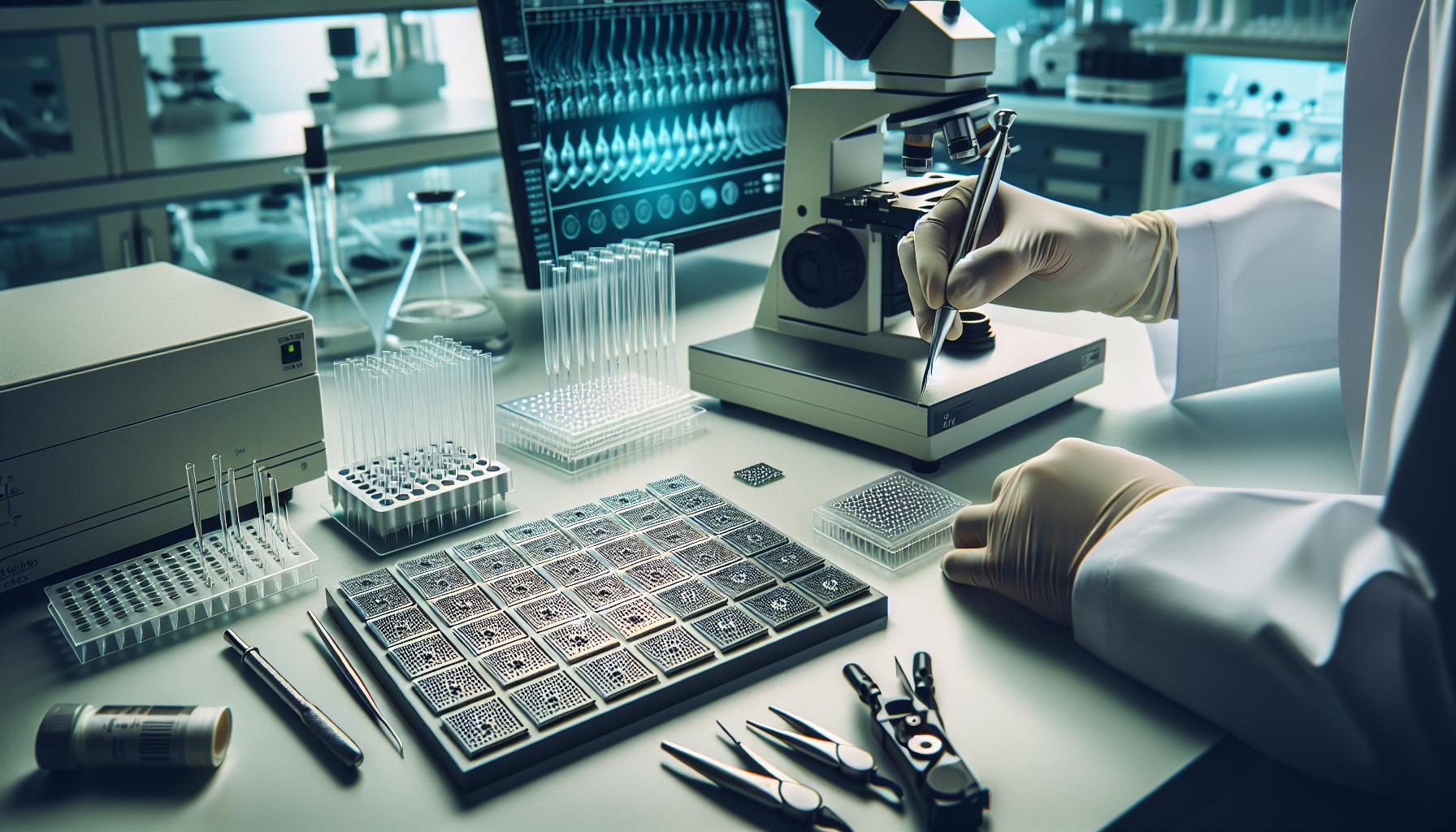
Microfluidics is at the cutting edge of modern scientific research, enabling sophisticated manipulation of fluids at the microscale. By minimizing sample volumes and reducing analysis times, microfluidic systems facilitate high throughput experimentation and enable intricate processes that are difficult to achieve with traditional methods. This technology profoundly impacts fields from biomedical diagnostics to environmental monitoring, significantly enhancing the precision and efficiency of various applications.
One of the key aspects of microfluidics is its ability to integrate multiple functions within a single device. This system-on-a-chip approach allows for direct control over fluid dynamics, enabling processes such as mixing, separation, and reaction to occur in highly controlled environments. For instance, microfluidic devices can be designed to perform rapid diagnostic tests by combining samples with reagents, amplifying DNA, or sorting individual cells based on their physical properties. This versatility demonstrates how microfluidics is facilitating advancements in personal healthcare, enabling rapid and accurate test results right at the point of care.
In the context of particles, particularly nanoparticles, microfluidics provides unique advantages for separation techniques such as electrophoresis. By leveraging the electric field within microchannels, particles can be maneuvered with impressive resolution. This not only enhances the purity of separated analytes but also significantly reduces the time needed for separation processes. The capacity to handle complex mixtures of nanoparticles effectively enables researchers to explore novel materials and applications in drug delivery, sensors, and beyond.
To truly harness the potential of microfluidics, it is crucial to understand the fundamental principles underlying fluid behavior and separation techniques. Factors such as fluid viscosity, channel geometry, and electric field strength all play pivotal roles in the performance of these systems. With ongoing innovations in materials and fabrication techniques, the scope of microfluidic applications continues to expand, promising groundbreaking solutions to many scientific challenges.
Introduction to Nanoparticles in Microfluidics
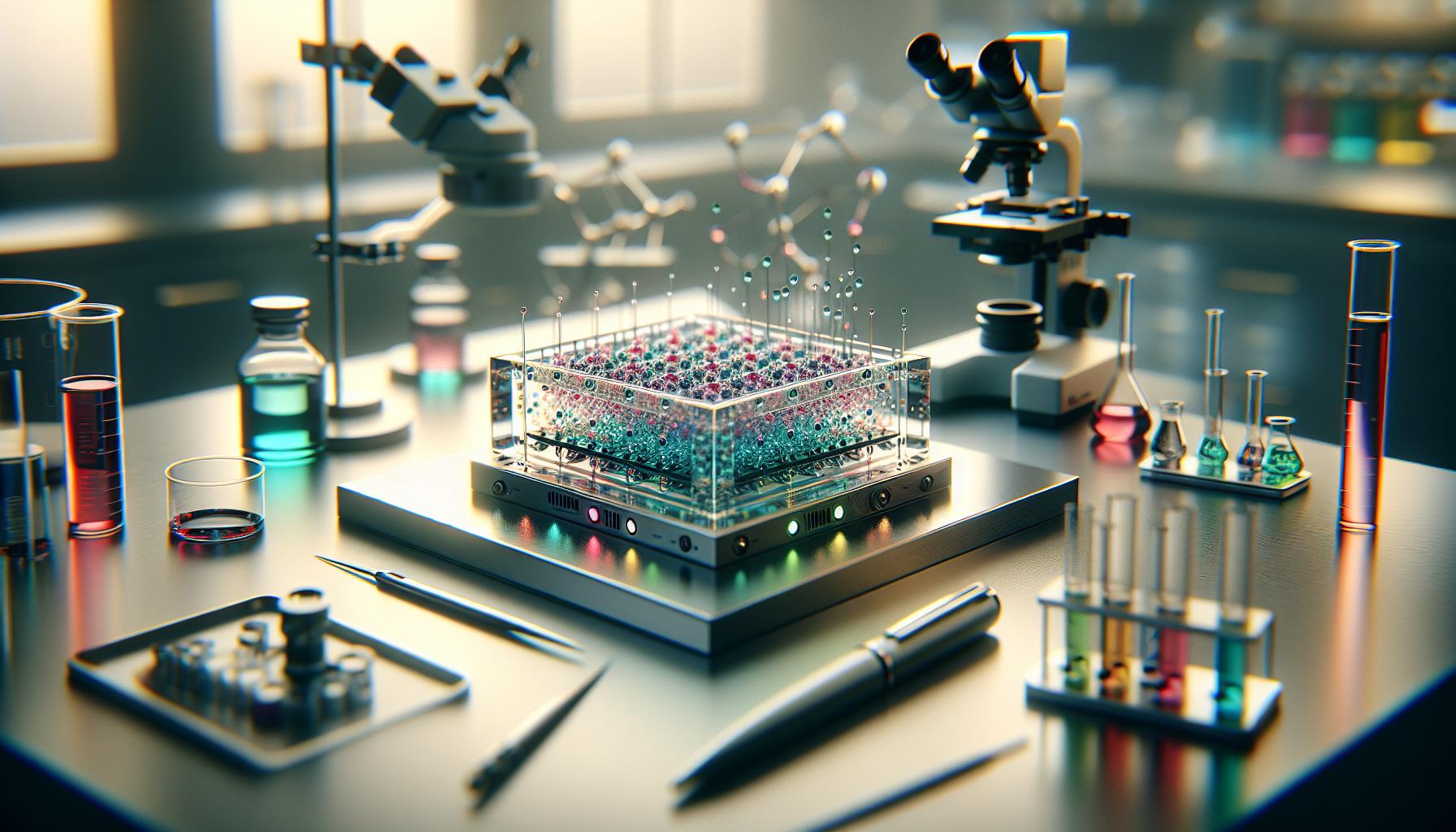
Nanoparticles are at the forefront of innovation in various fields, including drug delivery, biosensing, and catalysis, making their effective manipulation crucial. In the realm of microfluidics, the ability to control and separate nanoparticles can lead to significant improvements in the precision and efficiency of analytical techniques. By harnessing specific properties of nanoparticles, such as their size, charge, and surface chemistry, researchers can enhance the performance of microfluidic devices tailored for diverse applications.
Microfluidic systems offer an ideal platform for the manipulation of nanoparticles due to their high surface-to-volume ratios and the precision of control they afford. The integration of nanoparticles in microfluidic channels allows for rapid mixing, scaling down of sample volumes, and increased reaction kinetics. For instance, using microfluidics for the separation of nanoparticles often involves electrophoresis, where an electric field is applied to the system, causing charged particles to migrate and separate based on their electrophoretic mobility. This technique is particularly effective in achieving high resolution and purity in the isolated nanoparticle samples.
When considering the design of microfluidic systems for nanoparticle applications, several factors need attention:
- Channel Design: The geometry and dimensions of the microchannels can significantly affect fluid dynamics and particle behavior.
- Electric Field Strength: The applied electric field must be optimized to balance the forces acting on the nanoparticles, allowing for effective separation without causing aggregation.
- Surface Modifications: Coating nanoparticles with specific ligands or polymers can enhance their stability and interactions within the microfluidic environment.
Real-world applications of nanoparticles in microfluidics come to life in areas such as targeted drug delivery, where nanoparticles can be manipulated to release therapeutic agents at specific sites within the body. Additionally, in biosensing applications, nanoparticles can improve detection limits and enable on-site diagnostics, which are pivotal for timely medical interventions. As research in this domain continues to evolve, the combination of nanoparticle technology and microfluidics promises to unlock even more innovative solutions across multiple industries.
Electrophoresis Fundamentals: Principles and Techniques
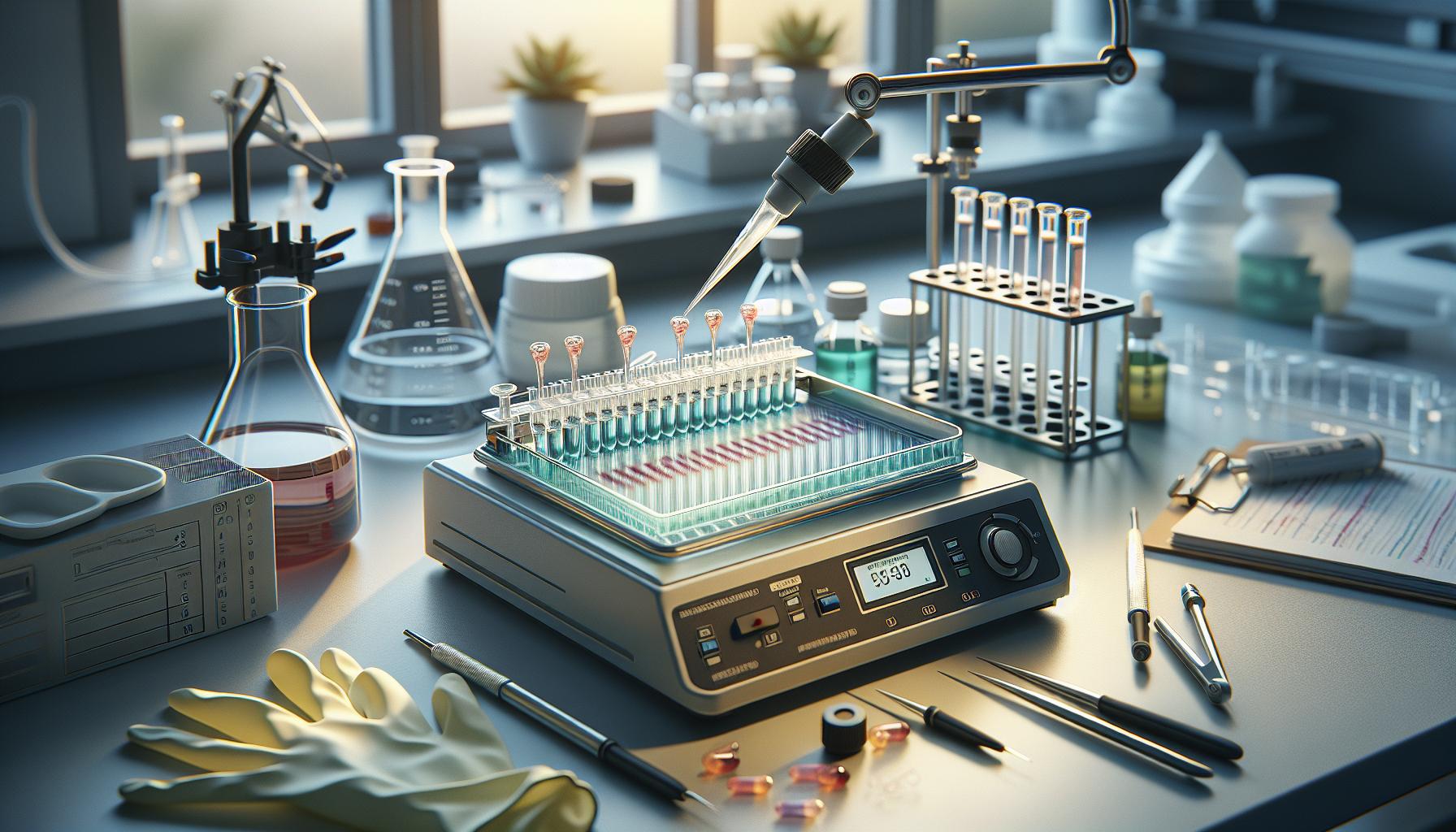
The power of electrophoresis in microfluidic systems lies in its ability to separate charged nanoparticles with remarkable precision and efficiency. By applying an electric field across a microchannel, researchers can exploit the differences in charge and size of nanoparticles, causing them to migrate at different rates. This fundamental principle of electrophoresis, based on the movement of charged particles in a fluid, is crucial for applications in biotechnology and diagnostics where accurate separation is paramount.
Understanding the mechanics of electrophoresis begins with the concept of electric mobility, which is the velocity of a particle per unit electric field strength. For nanoparticles, several factors influence this mobility, including the particle’s charge, size, and the viscosity of the medium they are suspended in. The equation governing this relationship, ( mu = frac{v}{E} ), where ( mu ) is the electrophoretic mobility, ( v ) is the velocity of the particle, and ( E ) is the electric field strength, illustrates how operational parameters can be adjusted to optimize separation outcomes.
In microfluidic systems, there are several techniques employed to enhance electrophoretic separation. For instance, the integration of microfabricated structures, such as trenches or pillars within the channel, can disrupt flow patterns, creating focused zones where the electric field is intensified. Additionally, utilizing surfactants or buffer solutions can modify the electrophoretic behavior by affecting the surface charge of nanoparticles or the ionic strength of the solution, thus enabling finer control over separation dynamics.
Real-world applications of electrophoresis in microfluidics highlight its versatility. In drug delivery systems, electrophoresis can facilitate the selective release of therapeutic nanoparticles at targeted sites. In diagnostic devices, it can enhance biomarker separation, significantly improving the sensitivity and speed of tests. By bridging theoretical principles with innovative design strategies, electrophoresis stands as a cornerstone technique in the growing field of microfluidic nanoparticle manipulation, offering exciting prospects for future research and application.
Comparative Analysis: Electrophoresis vs. Other Techniques
Electrophoresis in microfluidics is increasingly favored for its precision in separating nanoparticles based on charge and size, but understanding its strengths and weaknesses compared to alternative techniques is crucial for researchers navigating this complex field. In the realm of nanoparticle separation, methods such as size exclusion chromatography (SEC), sedimentation, and other electrophoretic techniques like capillary electrophoresis (CE) offer distinct advantages and limitations.
One significant advantage of electrophoresis is its ability to rapidly analyze and separate charged particles under an applied electric field. This technique excels in systems where high resolution is required, making it particularly useful in diagnostic applications. In comparison, techniques like SEC rely on differential diffusion through porous media, which can be slower and may lead to broader peaks-a challenge in achieving the fine resolution needed for small nanoparticles. Additionally, SEC is more sensitive to the molecular weight and size distribution of the sample, which can complicate analysis when dealing with a heterogeneous mixture of nanoparticles.
Electrophoresis vs. Other Techniques
When we stack electrophoresis against sedimentation techniques, the differences become even clearer. Sedimentation leverages gravitational forces to separate particles based on their density and size, which can be effective for large-scale separations. However, it lacks the fine control over separation that electrophoresis provides. For example, the sedimentation rate can be significantly influenced by the viscosity of the medium, making it less predictable under varying experimental conditions. On the other hand, electrophoresis can be finely tuned by adjusting the electric field strength and modifying buffer conditions, allowing for more precise separations.
Another compelling option is capillary electrophoresis (CE), which operates on similar principles to microfluidic electrophoresis but typically in a narrow capillary. While CE is efficient and can handle very small sample volumes, it might not accommodate the same range of particles as effectively as microfluidic systems, which can integrate multiple processes within a single platform, such as mixing, reacting, and separating-all within a controlled nanoenvironment. Moreover, microfluidic devices can be designed with varied channel geometries to enhance focusing and separation, providing additional layers of control that are invaluable for high-resolution applications.
In summary, while electrophoresis stands out for its rapid and precise separation capabilities, understanding the context of each method is essential. Techniques like SEC and sedimentation serve specific purposes and can complement electrophoretic methods. Choosing the right separation technique ultimately depends on the specific application requirements, such as resolution, sample type, and throughput needs. As such, an informed approach to selecting the appropriate method is crucial for optimizing the outcomes in the diverse landscape of nanoparticle manipulation and analysis.
Microfluidic Design Strategies for Enhanced Separation
Designing a microfluidic system for enhanced separation of nanoparticles is crucial for achieving higher precision and efficiency. One of the essential aspects of such design is channel geometry; the shape and dimensions of microchannels can dramatically affect how particles behave under an electric field. For example, employing tapered channels can assist in focusing particles, allowing them to pass through a narrow region where they can be subject to a stronger electric field. This tactic enhances the resolution of separations by improving the uniformity of the electric field across the channel, leading to more consistent particle movement.
Another key factor is the choice of materials used in the device fabrication. Materials like polydimethylsiloxane (PDMS) are popular due to their biocompatibility and ease of use, but incorporating conductive or dielectric materials can further enhance performance. These materials can be strategically placed to create electrokinetic effects, which help in the manipulation and separation of particles. For instance, the integration of electrodes within the microfluidic device can provide localized electric fields that enhance the migration speed of certain nanoparticles, improving separation efficiency.
Furthermore, optimizing buffer composition plays a pivotal role in the performance of electrophoretic separation. The ionic strength and pH of the running buffer can drastically influence the electrophoretic mobility of nanoparticles. Researchers can experiment with different buffer formulations to achieve optimal conditions for selective separation. For instance, increasing the buffer’s ionic strength can help reduce electroosmotic flow, allowing for better control over the movement of the charged nanoparticles.
Lastly, it’s essential to consider both surface modifications and operational parameters such as the applied voltage and flow rates. Channel surfaces can be modified chemically to alter their charge properties, enhancing particle-particle and particle-surface interactions. Careful tuning of the applied voltage can also help in achieving rapid separation while minimizing heat generation, which can affect particle stability. By combining these design strategies, microfluidic systems can be tailored to achieve specific separation goals, enhancing the overall effectiveness of electrophoretic separation in nanoparticle analysis.
Key Factors Influencing Electrophoretic Behavior
Understanding the behavior of nanoparticles in microfluidic systems during electrophoresis is crucial for optimizing separation techniques. The electrophoretic movement of particles is influenced by several key factors, each contributing to the effectiveness and efficiency of the separation process. Among these, the charge-to-mass ratio of the nanoparticles plays a pivotal role. Particles with higher charge densities typically exhibit greater mobilities in response to an applied electric field. This principle underscores the importance of surface charge modifications, which can be achieved through chemical treatments or alterations in the formulation of buffer solutions.
The nature and composition of the running buffer are equally significant. The buffer’s ionic strength and pH directly affect the electroosmotic flow (EOF) and, subsequently, the effective movement of dispersed nanoparticles. For instance, a higher ionic strength can reduce EOF, allowing clearer differentiation of particle sizes and charges during the separation process. Furthermore, tailoring the pH can enhance or suppress the charge of the nanoparticles, thus impacting their electrophoretic mobility. Conducting systematic experiments to adjust these parameters can lead to optimal conditions for distinct separations based on particle characteristics.
Another critical factor is the geometry of the microchannels themselves. Variations in channel width, length, and surface texture can create turbulence or laminar flow conditions that either promote or hinder effective separation. For example, tapered or converging channel designs can enhance the focusing of specific particles, effectively subjecting them to a uniform electric field. This careful engineering of channel dimensions and configurations not only aids in particle manipulation but can also facilitate higher throughput in nanoparticle analysis.
Lastly, operational parameters such as the applied electric field strength and flow rates must be meticulously controlled. Increasing the voltage can expedite particle movement, yet it also raises concerns about joule heating, which can alter the characteristics of sensitive nanoparticles and affect their stability. Therefore, a balanced approach-one that considers all these factors-can significantly improve the performance of microfluidic systems in electrophoretic separations, making it possible to achieve precise, reproducible results that are vital in applications across biomedical research and materials science.
Materials and Reagents for Effective Separation
The success of electrophoretic separation in microfluidic systems hinges significantly on the right selection of materials and reagents. Notably, the choice of buffer solutions plays a critical role, as these not only provide the medium for ion movement but also influence the electroosmotic flow (EOF) and nanoparticle mobility. Commonly used buffers include phosphate-buffered saline (PBS), which helps maintain a stable pH, and tris-acetate-EDTA (TAE), known for its efficacy in various electrophoresis applications. Adjusting the ionic strength and pH of these buffers can markedly affect the separation quality; for instance, buffers with lower ionic strength can enhance resolution through reduced EOF, thus allowing better discrimination between particles of similar sizes.
In addition to buffers, the characteristics of nanoparticles themselves are crucial. Surface modifications can drastically alter their charge-to-mass ratio, which is fundamental for effective separation. Common surface modifications employ various functional groups, such as carboxyl or amine groups, that can be introduced through chemical modification techniques. These changes can enhance the particles’ electrophoretic mobility by increasing their surface charge or modifying their hydrophilicity. Notably, coatings such as polyethylene glycol (PEG) also improve particle stability and dispersibility in aqueous environments, thus facilitating smoother electrophoretic processes.
Furthermore, consistency in the use of reagents across experiments is vital. When selecting materials, it is essential to consider factors such as reagent purity and batch-to-batch variability, which can influence reproducibility. Utilizing high-quality reagents not only enhances the reliability of electrophoretic separations but also minimizes potential artifacts. Experimental setups often favor commercially available nanoparticles, which can provide consistent size and charge distributions, leading to more predictable separation outcomes.
Tips for Effective Material Selection:
- Use compatible reagents: Ensure that your chosen buffer is suitable for the nanoparticle type to avoid undesirable interactions.
- Monitor stability: Employ reagents that maintain stability under experimental conditions, especially during prolonged runs or under applied electric fields.
- Customize your setup: Depending on the specific separation objectives, consider customized buffer compositions or special coatings to optimize particle behavior.
By focusing on the thoughtful selection of materials and reagents, researchers can significantly improve the efficacy of electrophoretic separations in microfluidic systems, paving the way for enhanced analysis and applications in fields ranging from biomedical research to nanomaterials development.
Optimizing Fluid Flow in Microfluidic Systems
Fluid flow is a critical aspect of microfluidic systems, particularly when it comes to achieving effective electrophoretic separation of nanoparticles. The manipulation of fluid dynamics can drastically influence the efficiency and reliability of separation processes, making it imperative to understand and optimize these flows. One of the most important flow characteristics in microfluidics is the balance between electroosmotic flow (EOF) and hydrodynamic flow, both of which are essential for maintaining controlled particle migration and separation.
To optimize fluid flow, it’s essential first to assess the design of the microfluidic channel. The geometry, such as channel width, length, and depth, plays a crucial role in determining flow velocity and residence time of the analytes. Narrower channels tend to enhance EOF, which can lead to increased velocity of charged particles-but can also create congestion and reduce separation efficiency if not balanced correctly. Furthermore, smooth channel surfaces can minimize friction and turbulent interactions, leading to more stable and predictable flow profiles.
Another fundamental aspect is the selection of buffers and their concentration, which directly affect the ionic strength and pH of the solution. These parameters influence EOF, which is critical for effectively transporting nanoparticles through the system. For example, using buffers with lower ionic strength can reduce EOF, thereby improving resolution and allowing for finer separations between particles with similar sizes. Regularly testing the buffer under varying conditions-such as adjusting pH and ionic strength-can help identify optimal configurations for specific separation goals.
Additionally, incorporating flow control technologies can enhance the precision of the separation process. Techniques such as pressure-driven flow, syringe pumps, or valves can help modulate fluid flow rates dynamically. Researchers can also utilize computational fluid dynamics (CFD) simulations to predict flow behavior throughout the system, enabling them to fine-tune designs and conditions prior to physical experimentation.
By focusing on these strategies, researchers can refine fluid dynamics within microfluidic systems to optimize electrophoretic separations. The integration of optimal design choices, strategic buffer selection, and advanced flow control methods not only fosters more effective nanoparticle manipulation but also paves the way for future innovations in microfluidics and its various applications across biomedical and environmental fields.
Real-World Applications of Electrophoretic Separation
Electrophoretic separation within microfluidic systems is transforming various fields by enabling rapid and efficient analysis of nanoparticles. One of the most prominent applications lies in biomedical diagnostics, where the technique facilitates the separation and analysis of biomolecules such as proteins, nucleic acids, and cellular components. For instance, microfluidic electrophoresis can be utilized to identify specific biomarkers in blood samples, providing critical insights into diseases like cancer or genetic disorders. By precisely manipulating fluid flows, researchers can isolate specific targets, leading to faster and more accurate diagnostic processes compared to traditional methods.
Another significant application is in environmental monitoring. Electrophoresis can be employed to detect and quantify pollutants, such as heavy metals or organic contaminants in water samples. Using microfluidic devices, researchers can efficiently separate these harmful substances from complex matrices, allowing for in situ real-time monitoring of water quality. This capability is invaluable for ensuring environmental safety and compliance with regulatory standards. By coupling microfluidic electrophoresis with advanced detection methods, such as mass spectrometry, scientists can achieve unprecedented sensitivity and specificity in environmental analyses.
Moreover, pharmaceutical research is witnessing a growing reliance on electrophoretic techniques for drug development and formulation. Microfluidic platforms can streamline the screening of drug candidates by enabling the separation of active compounds from impurities or byproducts at a microscopic scale. This not only accelerates the drug development pipeline but also enhances the overall quality and safety of pharmaceutical products. The ability to conduct high-throughput screening in compact microfluidic systems reduces resource consumption and offers a more sustainable approach to research and development.
In the realm of nanotechnology, electrophoretic separation plays a crucial role in characterizing newly developed nanomaterials. By analyzing the size, shape, and charge of nanoparticles, researchers can tailor their properties for specific applications, whether in drug delivery systems, imaging agents, or as catalysts in chemical reactions. The precise control over separation techniques allows for the consistent production of nanoparticles with desired characteristics, leading to innovations across various sectors, including medicine, electronics, and materials science.
In summary, the adaptability and precision of microfluidic electrophoresis are driving forward a wide array of applications, making it an indispensable tool in modern science and technology. As advancements in microfluidic design continue to emerge, the potential for discovering new applications and improving existing processes grows, paving the way for enhanced efficiencies and breakthroughs in diverse areas of research and industry.
Troubleshooting Common Challenges in Microfluidic Systems
In the world of microfluidics, ensuring optimal performance during electrophoretic separation can sometimes feel like navigating a maze filled with potential pitfalls. From issues with sample loading to unexpected fluctuations in fluid flow, troubleshooting these common challenges is crucial for achieving reliable, reproducible results. Understanding the underlying mechanics of your microfluidic system can make all the difference between a successful experiment and a frustrated researcher staring at unresponsive readouts.
One frequent challenge encountered in microfluidic systems is sample clogging. This can occur due to the presence of particulates in your samples, which may inadvertently block the microchannels. To mitigate this, begin by filtering your samples through a 0.45 µm filter before loading them into the microfluidic device. Additionally, maintaining proper sample dilution can help reduce viscosity and prevent clogging. Regular maintenance checks of channel integrity and utilizing sonication or gentle agitation techniques can further aid in minimizing this issue.
Another common concern is inconsistent separation results. Variability in the electric field strength can lead to differing migration rates. To address this, regularly calibrate the power supply and ensure that your electrodes are clean and properly aligned. Variation in buffer composition can also affect electrophoretic mobility, so it’s important to consistently use freshly prepared buffer solutions. Implementing robust quality-control measures, such as running standards alongside samples, can help identify anomalies early in the process.
Finally, the challenge of bubble formation during operation can cause significant disruptions in fluid flow. Bubbles can trap reagents or interfere with the electric field, leading to inconsistent results. To combat this, degas your buffers thoroughly before use and consider implementing a vacuum setup to minimize bubble formation. Furthermore, using hydrophobic channel coatings can help suppress bubble adhesion and facilitate smoother fluid dynamics.
Addressing these common challenges not only streamlines the experimental process but also enhances the efficacy and reliability of the microfluidic electrophoresis system. Through a combination of diligent preparation, regular maintenance, and thoughtful design considerations, researchers can pave the way for successful and innovative applications in nanoparticle separation and characterization.
Future Trends in Microfluidic Nanoparticle Technologies
As we venture into the next generation of microfluidic nanoparticle technologies, the landscape is evolving rapidly, influenced by advancements in materials science, computational modeling, and automation. These innovations are setting the stage for more precise, efficient, and versatile applications in nanoparticle separation and characterization.
One significant trend is the integration of smart materials within microfluidic systems. These materials can dynamically respond to environmental stimuli-such as pH, temperature, or electric fields-transforming the behavior of the microchannel. For instance, polyelectrolyte-based hydrogels can be engineered to alter their swelling properties under varying electric fields, enabling selective capture or release of nanoparticles during electrophoresis. Such advancements not only enhance separation fidelity but also streamline the entire process, reducing manual intervention.
Moreover, the rise of machine learning and artificial intelligence is revolutionizing the design and optimization of electrophoretic systems. Algorithms trained on vast datasets can predict the behavior of nanoparticles under different conditions, allowing researchers to design experiments that are not only faster but also tailored to yield specific outcomes. This predictive capacity facilitates the exploration of complex parameter spaces with unprecedented efficiency, significantly shortening the time from experiment conception to final results.
Another exciting development is the growing use of lab-on-a-chip technologies that enable high-throughput analysis. These miniaturized systems allow for the simultaneous processing of multiple samples, increasing throughput and efficiency in nanoparticle applications. Coupling these systems with advanced imaging techniques can provide real-time monitoring of separations, offering insights into migration behavior and interaction dynamics that were previously difficult to capture.
In summary, the future of microfluidic nanoparticle technologies is poised to enhance electrophoretic separation through innovative materials, data-driven optimization, and integrated high-throughput platforms. These advancements promise not only to improve methodological capabilities but also to drive new applications across various fields, cementing microfluidics as a cornerstone of modern analytical science.
Case Studies: Successful Electrophoretic Separations
In the realm of microfluidics, electrophoretic separation has emerged as a pivotal technique, yielding successful applications across diverse fields from biotechnology to environmental monitoring. A compelling case study hails from the field of cancer diagnostics, where researchers developed a microfluidic device capable of isolating circulating tumor cells (CTCs) from a mixed blood sample. Utilizing electrophoresis, this system induced differential migration of CTCs based on size and charge, resulting in a highly efficient separation process that significantly outperformed conventional methods. This advancement could lead to earlier detection of cancer and improved patient outcomes through personalized treatment approaches.
Another noteworthy example comes from environmental monitoring, where scientists employed microfluidic electrophoresis to detect heavy metal ions in water samples. In this case, gold nanoparticles functionalized with specific ligands were introduced into the microchannels. When subjected to an electric field, the nanoparticles enhanced the electrophoretic mobility of bound metal ions, providing a rapid and sensitive detection mechanism. This method not only showcased the potential of microfluidic systems for environmental applications but also underscored the ability to achieve real-time results under field conditions, enabling better regulatory compliance and water safety monitoring.
Success in Biopharmaceuticals
In the biopharmaceutical industry, the purification of therapeutic proteins is crucial for drug development. A team of researchers demonstrated how microfluidic electrophoresis could streamline this process by efficiently separating monoclonal antibodies from impurities. By optimizing the electric field strength and buffer composition, they achieved a 90% recovery rate of the target antibodies with minimal contamination. This case underscores the practical advantages of using microfluidic systems in producing high-quality biopharmaceuticals while reducing the costs and time involved in traditional separation methods.
These case studies illustrate the transformative potential of electrophoretic techniques within microfluidics. From enhancing cancer diagnostics to improving environmental safety and biopharmaceutical processes, these practical applications not only validate the technology’s efficacy but also reflect its adaptability to meet pressing healthcare and ecological challenges. As advancements continue, we can anticipate even more breakthroughs that harness the power of microfluidics for efficient and effective separations.
Faq
markdown
Q: What are the best materials for microfluidic electrophoretic separation?
A: The best materials for microfluidic electrophoretic separation include polydimethylsiloxane (PDMS) for its microfabrication ease and glass for its chemical stability. Using conductive materials like gold or silver electrodes can enhance performance by improving current distribution. Refer to the "Materials and Reagents for Effective Separation" section for deeper insights.

Q: How can I optimize my microfluidic device for better separation efficiency?
A: To optimize a microfluidic device, focus on channel design, specifically the width and depth of the channels to control flow rates. Adjusting the electric field strength and ensuring uniformity in the medium can also improve separation efficiency. Check the "Microfluidic Design Strategies for Enhanced Separation" section for strategic tips.

Q: What are the common troubleshooting techniques for microfluidic electrophoresis?
A: Common troubleshooting techniques include verifying the electric field strength, ensuring proper alignment of electrodes, and checking for blockages in the channels. Additionally, adjusting buffer conditions can enhance performance. More troubleshooting insights can be found in the "Troubleshooting Common Challenges in Microfluidic Systems" section.

Q: Why are nanoparticles ideal for use in microfluidic systems?
A: Nanoparticles are ideal for microfluidic systems due to their high surface area-to-volume ratio, which allows for enhanced interaction with fluids. Their small size also facilitates rapid separation and characterization, making them suitable for biomedical applications. Explore the "Introduction to Nanoparticles in Microfluidics" section for further details.

Q: When should I consider using electrophoresis over other separation techniques?
A: Electrophoresis should be considered over other techniques when dealing with charged particles or to achieve high resolution in separation. It is particularly effective for small sample volumes and offers quick analysis times. For a comprehensive comparison, refer to the "Comparative Analysis: Electrophoresis vs. Other Techniques" section.

Q: What factors affect the electrophoretic mobility of nanoparticles?
A: Factors affecting electrophoretic mobility include the size and charge of nanoparticles, the viscosity of the medium, and the strength of the electric field applied. Adjusting these variables can optimize separation outcomes. More on this can be found in the "Key Factors Influencing Electrophoretic Behavior" section.

Q: How does fluid flow influence electrophoretic separation in microfluidics?
A: Fluid flow significantly influences electrophoretic separation by impacting particle migration rates and reaction times. Managing flow rates ensures optimal separation and reduces sample dilution. Refer to "Optimizing Fluid Flow in Microfluidic Systems" for processes to enhance flow management.

Q: What advancements are shaping the future of microfluidic nanoparticle separation?
A: Future advancements include the integration of AI for process optimization, miniaturized detection systems, and smart materials that respond to environmental changes for better separation. Explore trends further in the "Future Trends in Microfluidic Nanoparticle Technologies" section.
In Retrospect
As we conclude this guide on employing microfluidic systems for the electrophoretic separation of nanoparticles, remember that mastering these techniques can significantly enhance your research and applications in nanotechnology. Whether you’re aiming for precise particle characterization or optimizing separation processes, implementing our insights will position you to achieve remarkable results.
Ready to dive deeper? Explore our related resources on nanoparticle synthesis techniques and advanced microfluidic devices. Don’t forget to subscribe to our newsletter for the latest updates and innovative solutions in microfluidics. Your journey into advanced nanoparticle manipulation starts now-take the next step toward transforming your workflow today! Your comments and questions are welcome; let’s foster a discussion that fuels your scientific endeavors.
Get our latest guides, news, and insights highlighted in your Google Search & AI Overviews.