Imagine a technology that can precisely separate nanoparticles with unparalleled efficiency-this is the promise of Acousto Nanoparticle Separation. This innovative technique employs acoustic fields to manipulate particle behavior at the nanoscale, making it invaluable for advancements in fields like biosensing, drug delivery, and material science. As industries increasingly seek precision and control in their processes, understanding this technology becomes crucial for researchers, engineers, and manufacturers alike.
In a world where the size and arrangement of nanoparticles can make or break a product’s effectiveness, Acousto Nanoparticle Separation offers a solution that not only enhances performance but also opens new avenues for exploration. Whether you’re looking to refine a laboratory process, improve material properties, or push the boundaries of scientific research, understanding the principles and applications of this cutting-edge technology is essential. Join us as we delve deeper into the mechanisms behind Acousto Nanoparticle Separation and explore its transformative potential in the realms of science and industry.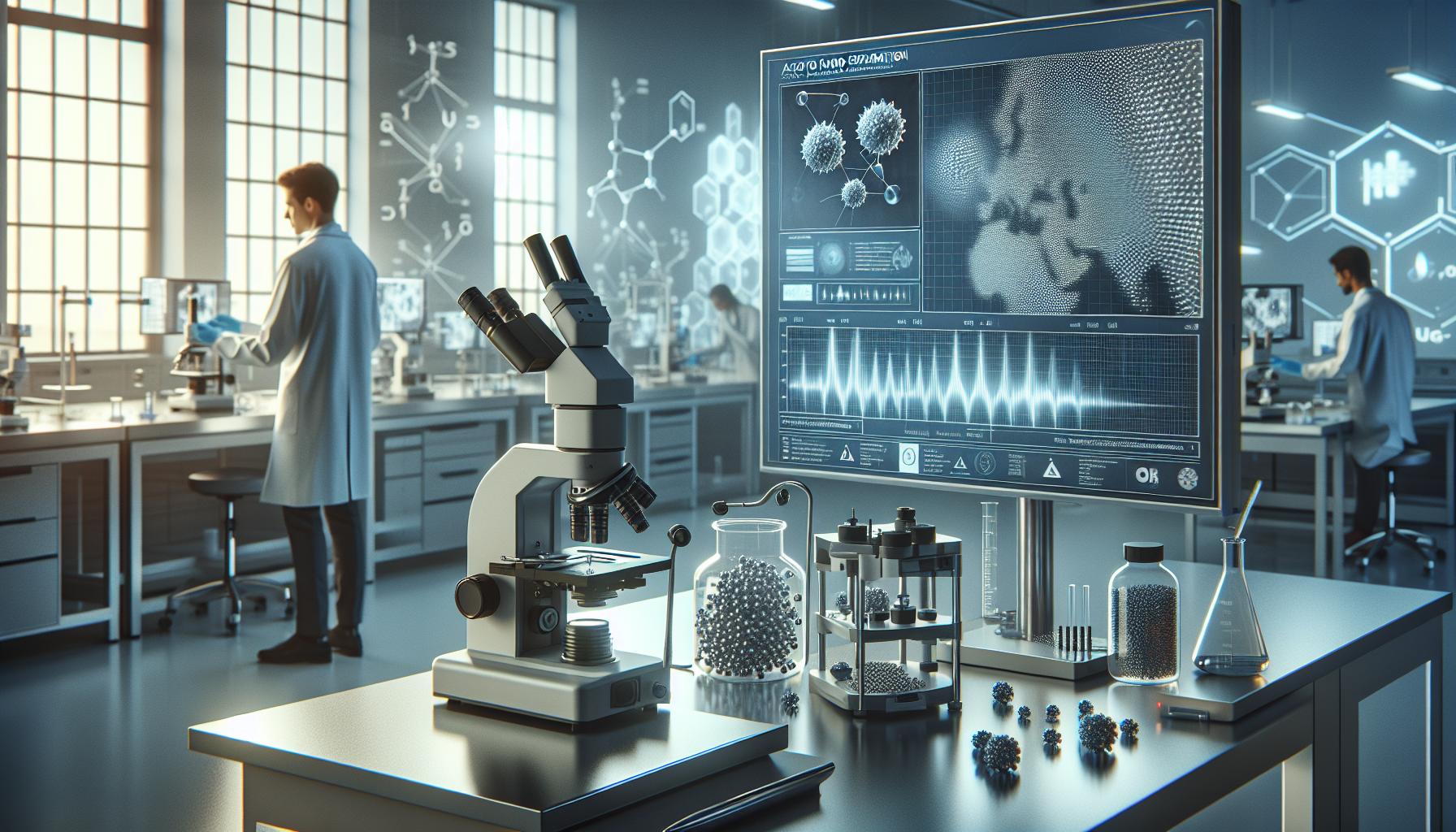
Acousto Nano-Separation Technology: An Overview
Acousto nano-separation technology is revolutionizing the way researchers and industries handle nanoparticle manipulation and separation. By harnessing ultrasound waves, this technology enables precise control over particle behavior in fluidic environments, leading to innovative applications that are reshaping sectors from biotechnology to materials science. One of the most compelling aspects is its ability to separate particles based on size, density, and even acoustic properties without the need for bulky equipment or complex procedures.
In practice, acousto-fluidics relies on the generation of standing wave patterns through ultrasonic transducers immersed in a liquid medium. This creates regions of low and high pressure that can trap or repel nanoparticles, allowing for selective separation. By adjusting the frequency and amplitude of the ultrasound, operators can finely tune the sorting process, enhancing efficiency and yield. Such precision offers significant advantages over traditional separation methods, which often rely on gravity or centrifugation, processes that can be time-consuming and less selective.
Among the myriad benefits of acousto nano-separation, one of the standout features is its minimal sample loss and contamination, making it particularly suited for sensitive applications such as drug delivery or environmental monitoring. Compared to traditional methods that may involve harsh chemicals or extensive mechanical handling, the gentle conditions of acousto-fluidics preserve the integrity of the nanoparticles. This not only improves the quality of the separated materials but also aligns with the growing demand for sustainable and environmentally friendly technologies in laboratory settings.
As this technology matures, its applications are expanding. From enhancing the efficiency of vaccine production to isolating specific biomolecules in research settings, acousto nano-separation technology presents a versatile and effective tool that highlights the intersection of acoustic physics and nanotechnology. Understanding these foundational principles can empower researchers and industries to leverage acousto-fluidics for tailored applications, thereby pushing the boundaries of what is possible in nanoparticle manipulation.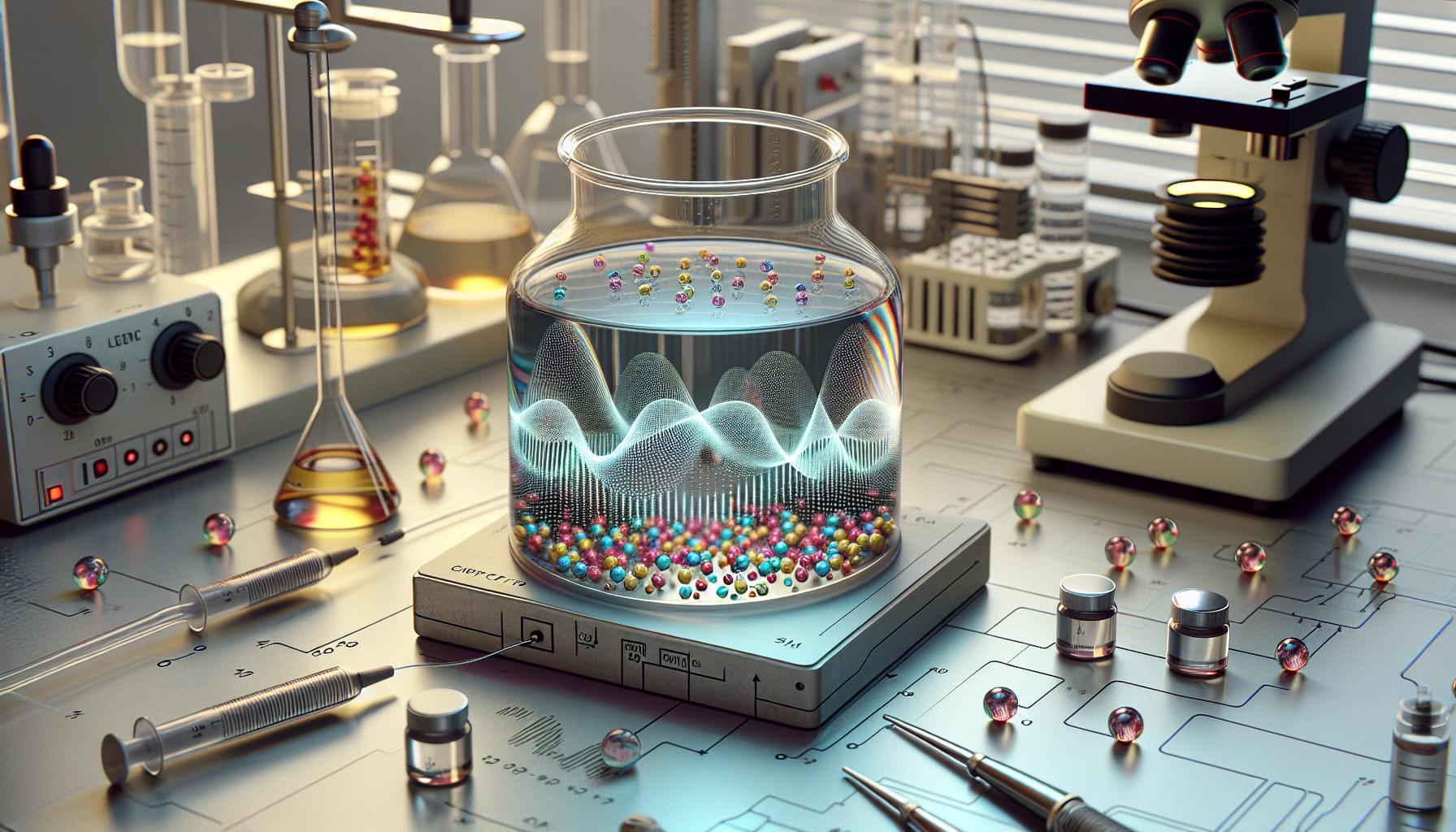
Understanding Acousto-Fluidics in Nanoparticles
The manipulation and separation of nanoparticles can seem like a complex endeavor, but acousto-fluidics simplifies this process in impressive ways. By employing ultrasonic waves, this technique creates standing wave patterns in liquid media, generating regions of high and low pressure that affect how nanoparticles behave. This technology leverages the unique acoustic properties of materials, allowing for specific targeting of particles based on their size, density, or even shape. It’s a remarkable intersection of physics and engineering, providing a mechanism through which researchers can achieve precise control without bulky instrumentation or extensive manual processing.
To put it in practical terms, consider how acousto-fluidics operates: ultrasonic transducers emit sound waves that result in a dynamic field within the liquid. As these waves propagate, they create nodes and antinodes in the fluid, effectively creating trap zones for nanoparticles. Adjusting the frequency and amplitude of the ultrasound can fine-tune these zones, enabling selective accumulation or dispersion of particles. Whether you’re looking to isolate a specific biomolecule or broadly classify groups of nanoparticles, this method offers a versatile and efficient solution.
Moreover, the gentle nature of acousto-fluidic processes minimizes the risk of damaging sensitive nanoparticles, making it particularly advantageous for applications in biotechnology and environmental monitoring. Traditional separation techniques, such as centrifugation, often involve harsh mechanical forces and potentially harmful reagents that could compromise sample integrity. In contrast, acousto-fluidics maintains the delicate structure of nanoparticles, improving the overall yield and quality of the separated materials.
In summary, acousto-fluidics is transforming the landscape of nanoparticle manipulation. With its ability to deliver fine-tuned control while preserving sample integrity, researchers and industry professionals alike can explore new frontiers in their work. As this technology continues to evolve, it opens up even more possibilities for innovative applications across various fields. Embracing these advancements will undoubtedly empower a new wave of breakthroughs in nanoparticle-related research and development.
Benefits of Acousto Nanoparticle Separation
The ability to separate nanoparticles efficiently and effectively holds immense promise for various fields, including biotechnology, environmental science, and materials engineering. Acousto nanoparticle separation is revolutionizing how we approach this challenge, delivering a host of benefits that traditional methods struggle to match. A key advantage of this technique is its remarkable precision. By utilizing ultrasonic waves to create specific pressure nodes within a fluid, researchers can finely tune the separation process to target particles based on size, density, and other properties. This level of control is particularly beneficial when working with engineered nanoparticles, where maintaining specific characteristics is critical.
Another significant benefit is the preservation of sample integrity during the separation process. Traditional methods such as centrifugation can impose harsh mechanical forces that risk damaging delicate nanoparticles. In contrast, acousto-fluidic techniques operate gently, reducing the risk of structural alterations. This is particularly vital in applications that involve sensitive biological materials, such as proteins or nucleic acids. The ability to maintain particle morphology can lead to higher yields of active substances, whether in drug delivery systems or in environmental sensor development.
Moreover, the scalability and adaptability of acousto nanoparticle separation make it an attractive option for both laboratory and industrial applications. The systems can be easily integrated into existing workflows, allowing for real-time monitoring and control. This adaptability means that researchers can quickly respond to varying sample conditions without needing extensive equipment modifications.
In summary, the extend beyond just efficiency; they include enhanced precision, improved sample integrity, and superior adaptability. As the field continues to advance, these advantages will likely open new avenues for research and application, allowing for innovative solutions to complex scientific challenges.
Key Applications in Industry and Research
The versatility of acousto nanoparticle separation technology has paved the way for innovative applications across various industries and research fields. From biotechnology to environmental science, the gentle and precise nature of acousto-fluidics allows for the effective handling of delicate materials, making it an indispensable tool in contemporary science and industry.
In the biotechnology sector, acousto nanoparticle separation is revolutionizing the processing of biological materials. Techniques such as drug delivery are enhanced by the ability to select nanoparticles based on their size and density without damaging them. For instance, researchers have successfully utilized acousto-fluidic systems to isolate and purify exosomes-small vesicles crucial for cell communication and potential drug delivery vehicles. This process ensures the integrity of sensitive biomolecules, which is vital for therapeutic applications. Additionally, this technology facilitates the efficient extraction of proteins and nucleic acids, which are essential for various downstream applications, such as diagnostics and therapeutic development.
The environmental science field benefits from acousto nanoparticle separation as well, particularly in the detection and removal of pollutants. By precisely targeting and separating hazardous nanoparticles from water systems, researchers can develop more effective filtration systems and remediation strategies. Acousto-fluidic techniques enable the real-time monitoring of environmental samples, providing valuable data for assessing contamination levels and understanding pollutant behavior. Such applications not only enhance environmental protection efforts but also support the development of sustainable technologies aimed at restoring polluted ecosystems.
Moreover, in the realm of materials engineering, acousto nanoparticle separation is instrumental in producing advanced materials with desired properties. For example, the controlled separation of nanoparticles allows for the fabrication of composites with enhanced mechanical properties or improved electrical conductivity. This capability is particularly useful in developing materials for electronics, solar cells, and other applications where performance is critical. By leveraging the precise control offered by acousto-fluidic techniques, engineers can tailor materials to meet specific performance criteria, offering competitive advantages in various markets.
As this technology continues to evolve, its applications across industry and research will expand further, opening new avenues and possibilities that were once considered unattainable. The potential for acousto nanoparticle separation to streamline processes and improve outcomes is a testament to its transformative impact on modern science and technology.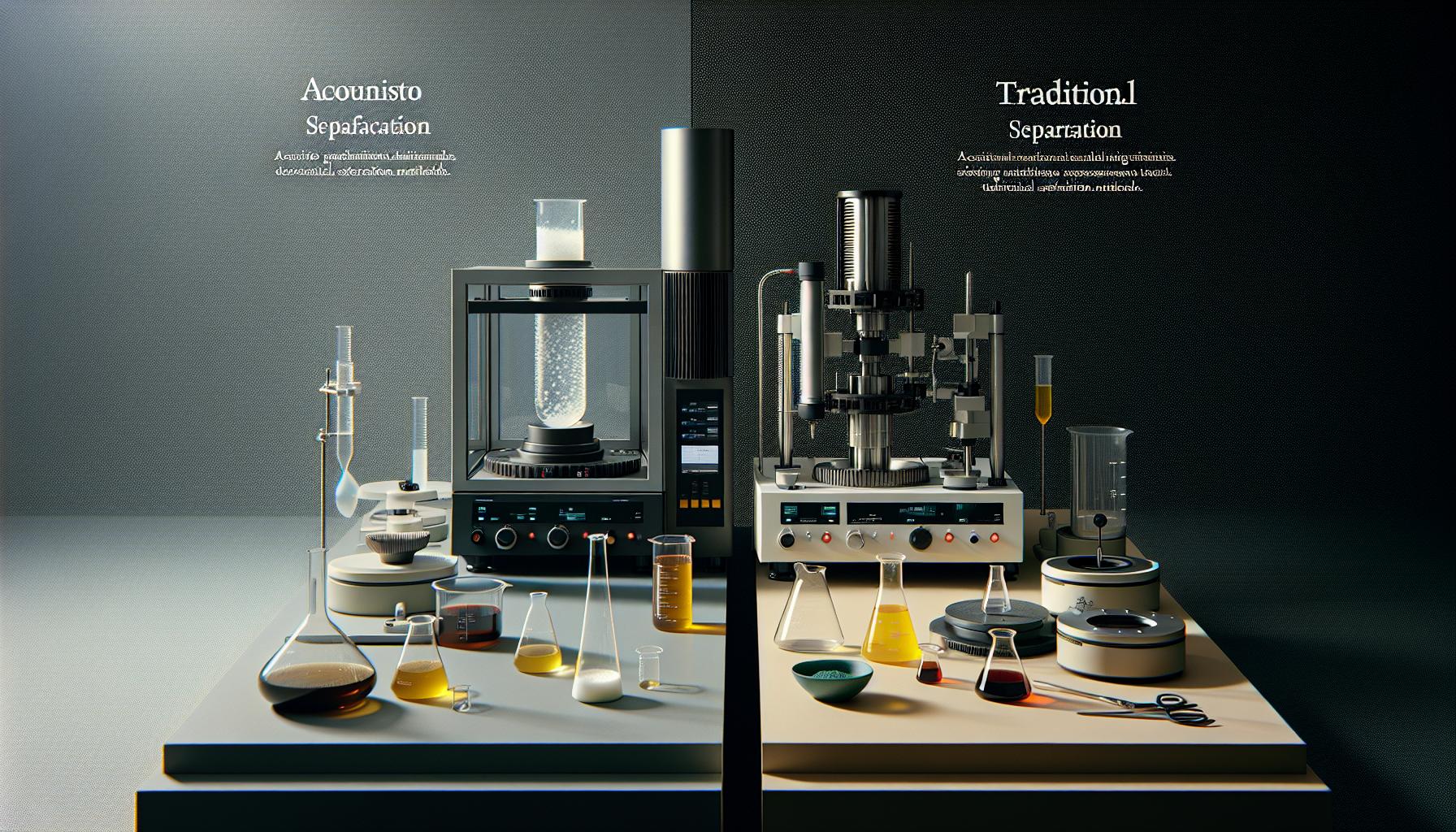
Comparative Analysis: Acousto vs. Traditional Separation Methods
The emergence of acousto nanoparticle separation technology marks a significant advancement over traditional separation methods, offering precision and adaptability that redefine how nanoparticles are processed across various fields. This innovative approach utilizes acoustic waves to manipulate and separate nanoparticles based on their unique properties, such as size, density, and even the molecular makeup of particles. In contrast, conventional methods often rely on gravitational, mechanical, or thermal separations, which may not only risk damaging sensitive materials but can also lack the specificity and efficiency needed for modern applications.
One of the strongest advantages of acousto-based techniques is their gentle handling of delicate biological materials. Traditional separation methods, such as centrifugation or filtration, can often be harsh, leading to degradation or loss of valuable biomolecules. For instance, in biotechnology, acousto-fluidics can isolate exosomes with high purity while maintaining their biological activity, something that conventional techniques struggle to achieve without compromising sample integrity. This aspect is particularly vital in therapeutic developments where the efficacy of drug delivery systems heavily relies on the preservation of sensitive particles.
Higher Precision and Efficiency
Moreover, acousto nanoparticle separation allows for real-time monitoring and dynamic control, features that are often absent in traditional separation techniques. Traditional methods typically operate on fixed parameters, which can lead to inconsistencies in results. In contrast, acousto-fluidic systems can adapt parameters such as frequency and amplitude on-the-fly, fine-tuning the separation process to optimize yield and enhance reproducibility. This adaptability is crucial in research environments where sample variability is a common challenge.
When we consider scalability and integration, acousto nanoparticle separation technology also has the upper hand. Traditional methods often require bulky equipment and can be challenging to scale for larger applications. Conversely, acousto-fluidic devices tend to be more compact and easier to integrate into existing laboratory workflows, making them highly suitable for both small-scale research studies and large-scale industrial applications. This scalability is particularly significant as industries increasingly seek flexible and efficient solutions to enhance productivity while minimizing costs.
In summary, while traditional separation techniques have served their purpose for many years, the precision, efficiency, and gentle handling capabilities of acousto nanoparticle separation technology present compelling advantages that align with the needs of modern research and industrial applications. As this innovative technology evolves, its comparative benefits will likely reshape best practices across various disciplines.
The Science Behind Acousto-Microfluidics
The field of acousto-microfluidics is revolutionizing the way we manipulate and analyze nanoscale particles using acoustic waves, offering exciting possibilities for research and industry alike. By leveraging acoustic energy, acousto-microfluidic systems can create standing waves in microfluidic channels, enabling the precise control of particle movement. This is not only an efficient method for separation but also allows for the real-time analysis of particle characteristics such as size and density, providing insights that were previously challenging to obtain.
Acoustic streaming and radiation forces are two primary mechanisms at play in acousto-microfluidics. Acoustic streaming refers to the steady flow of liquid induced by high-frequency sound waves. This flow can be harnessed to guide particles through a microchannel, effectively sorting them based on their physical properties. Meanwhile, radiation forces act directly on the particles, pushing them towards specific regions within the fluidic channel depending on their acoustic contrast factor. This interplay between fluid dynamics and acoustic fields enables the separation of a wide range of nanomaterials, from biological cells to synthetic nanoparticles, with remarkable precision and minimal damage.
Employing acousto-microfluidic technology offers flexibility that is crucial in dynamic experimental setups. For instance, researchers can fine-tune the frequency and amplitude of the acoustic fields in real-time, adjusting the separation parameters based on the specific requirements of their samples. This adaptability is particularly valuable in cases where sample heterogeneity is a concern, allowing scientists to achieve better purity and yield without the extensive processing often associated with traditional methods. Additionally, the incorporation of sensing elements within these systems can facilitate simultaneous monitoring of the separated particles, thereby enhancing the overall efficiency of the separation process.
In practical applications, industries such as pharmaceuticals and biotechnology can significantly benefit from acousto-microfluidics. For example, the technology is being used to isolate specific cell populations for therapeutic applications, enabling more targeted delivery methods in drug development. Furthermore, as this technology continues to develop, the potential for integrating machine learning algorithms could lead to automated optimization of separation processes, tailoring techniques to individual use cases and further streamlining workflows. The enduring engagement of acoustic waves with fluid dynamics forms a versatile platform that promises to push the boundaries of nanoparticle separation technology even further.
Precision Control: Parameters and Techniques
The ability to precisely control parameters in acousto-microfluidics is a game changer for nanoparticle separation, enabling researchers to tailor conditions to specific application needs. By adjusting factors such as frequency, amplitude, and duty cycle of the acoustic waves, scientists can fine-tune how nanoparticles are manipulated within microfluidic channels. This control not only enhances the separation efficiency but also allows for real-time adaptations to the physical properties of the particles being analyzed.
One of the key parameters in acousto-microfluidics is the frequency of the applied acoustic waves. Different particles respond differently to varying frequencies due to their size and acoustic properties. For instance, higher frequencies may be more effective for smaller nanoparticles, whereas larger cells may require lower frequencies to achieve optimal separation. Experimentation with frequency modulation can yield significant insights into the optimal operational conditions for specific types of particles.
The amplitude of the acoustic waves is equally important. Higher amplitudes can introduce stronger radiation forces that can push particles into designated areas of the microfluidic channel, leading to better separation. However, excessive amplitude can also cause unintended consequences, such as cavitation or excessive shear stress on sensitive biological specimens. This balance is crucial; thus, researchers benefit from systematically investigating the best amplitude settings to enable effective yet gentle manipulation of their samples.
Moreover, the duty cycle, which refers to the ratio of the active phase of the signal to the total cycle time, can impact particle movement significantly. By adjusting the duty cycle, researchers can control the time-dependent forces acting on the particles. This enables them to leverage the viscous drag within the fluid, optimizing how particles are driven by the standing waves generated within the microfluidic channel.
In practical applications, researchers are encouraged to develop a workflow that includes iterative testing of these parameters to achieve a robust separation process. A systematic approach might involve starting with a predetermined set of parameters, conducting separation tests, and then analyzing the results to inform subsequent adjustments. This empirical approach not only enhances understanding of the underlying physics but also leads to tailored protocols that can be standardized across various applications, from pharmaceuticals to materials science.
Overall, mastering precision control in acousto-microfluidics is essential for maximizing the potential of this technology in nanoparticle separation, providing researchers with the tools to achieve unprecedented levels of control and insight into their samples.
Common Challenges in Implementation
Implementing acousto-nanoparticle separation technologies is not without its hurdles. Despite the immense potential these methods hold for enhancing separation efficiency and precision, researchers and practitioners often encounter several challenges that can complicate their application. Understanding these common pitfalls is essential for optimizing performance and achieving the desired results in various settings.
One of the foremost challenges is the alignment and calibration of acoustic devices. The effectiveness of acousto-fluidics hinges on accurate positioning and tuning of transducers. If the transducers are misaligned or not calibrated properly, the resulting acoustic field may be ineffective, leading to poor separation outcomes. To mitigate this, regular calibration should be conducted, and alignment tools can be employed. Implementing a systematic approach to check alignment before experiments can save time and resources.
Another significant obstacle is the variability of particle properties. Nanoparticles differ in size, shape, and acoustic response, which affects how they react to applied acoustic fields. A uniform technique might work well for one type of particle but fail for another. Therefore, researchers must adopt a flexible methodology that accommodates diverse particle characteristics. Utilizing a range of acoustic frequencies and amplitudes can help identify optimal conditions for various particles, but this requires a deep understanding of the interactions at play.
Furthermore, fluid dynamics pose additional challenges. The behavior of particles within microfluidic channels is influenced by various factors, including flow rates and fluid viscosity. Rapid changes in flow can disrupt the acoustic forces meant to direct particle movement, leading to inefficiencies. To counteract this, precise control over the flow parameters is crucial. Techniques such as stepwise flow adjustments and continuous monitoring can help maintain the stability of the separation process.
Lastly, researchers often face scalability issues when transitioning from laboratory settings to industrial applications. While fine-tuning acoustic parameters in a controlled environment can yield ideal results, replicating these conditions at a larger scale can be complex. This necessity for scalable solutions means that comprehensive pilot studies must be conducted prior to full-scale implementation to ensure that separation techniques are adaptable and effective under varying conditions and volumes.
By acknowledging and proactively addressing these common challenges, practitioners can significantly enhance the efficacy of acousto-nanoparticle separation technologies, paving the way for broader adoption and innovation in the field.
Innovative Materials Used in Acousto Nanoparticles
The advent of acousto-nanoparticle separation technologies has been propelled not just by the mechanics of acoustic waves but also by the innovative materials utilized in the formulation of nanoparticles. Leveraging materials that optimize acoustic properties enhances separation efficiency and enables more precise control during the separation process. As research progresses, a blend of traditional and novel materials is converging, making it essential to explore these advancements.
Among the most promising materials are polymeric nanoparticles, which can be engineered to have specific acoustic responses. For instance, polystyrene and its derivatives are often used due to their tunable densities and mechanical properties, making them suitable for a wide array of applications in drug delivery and biosensing. These polymers can be modified at the molecular level to manipulate their interaction with acoustic fields, optimizing their behavior during separation processes.
Additionally, metallic nanoparticles, such as those made from gold and silver, exhibit excellent acoustic characteristics and are frequently employed in biomedical applications. Their plasmonic properties enable enhanced signal detection and facilitate real-time tracking in separation processes. By adjusting their size and shape, researchers can tailor these nanoparticles to interact more efficiently with acoustic fields, improving separation outcomes in complex mixtures.
Emerging materials like graphene oxides and carbon nanotubes are also gaining attention. These materials not only possess superior mechanical properties but also exhibit unique interactions with acoustic waves, potentially revolutionizing the efficiency of acousto-nanoparticle separation. Their ability to be functionalized opens up new avenues for targeting specific types of nanoparticles based on acoustic properties, thus broadening the applicability of acousto-fluidic technologies.
In summary, the choice of materials in acousto-nanoparticle technologies is crucial for enhancing performance and applicability. By integrating advanced materials with well-understood acoustic principles, researchers can drive significant progress in separation efficiency, paving the way for breakthroughs in scientific and industrial applications.
Future Trends in Acousto Nanoparticle Technology
The landscape of acousto-nanoparticle technology is rapidly evolving, driven by advancements in material science and the increasing need for precise separation methods across various industries. As researchers delve deeper into the acoustic properties of nanoparticles, several future trends are emerging that promise to reshape the field and enhance its applications significantly.
One key trend is the integration of machine learning algorithms to optimize separation processes. By analyzing the vast data generated during acoustic separation, machine learning models can identify optimal parameters for specific applications, enhancing efficiency and accuracy. For instance, neural networks could predict how different nanoparticle types respond under various acoustic fields, enabling tailored solutions for unique challenges in drug delivery or environmental remediation.
Innovative Hybrid Systems
Another exciting development is the emergence of hybrid systems that combine acousto-fluidic techniques with other separation methods, such as centrifugation or magnetic separation. This approach leverages the strengths of each method, allowing for enhanced versatility and improved separation performance, especially in complex mixtures. For example, using acoustics in conjunction with magnetic fields can facilitate the sorting of nanoparticles based on size and magnetic susceptibility, a technique that could revolutionize biomedical applications where precision is paramount.
Next-Generation Materials
The future of acousto-nanoparticle technology also lies in the exploration of next-generation materials with enhanced acoustic properties. Materials such as 2D materials and bio-inspired composites are being researched for their potential to improve separation capabilities further. These materials not only offer superior mechanical properties but also demonstrate unique interactions with acoustic waves, promising to open up novel applications in areas like targeted drug delivery and diagnostics.
In summary, the future of acousto-nanoparticle technology is poised for groundbreaking innovations driven by advanced materials, intelligent systems, and hybrid methodologies. By leveraging these emerging trends, researchers and industries alike are set to enhance separation precision and applicability, paving the way for significant advancements across various scientific and industrial domains. As this exciting field unfolds, ongoing collaboration between academia and industry will be crucial for translating these innovations into practical solutions that address real-world challenges.
Case Studies: Successful Applications and Results
Acousto-nanoparticle separation technology is swiftly gaining traction due to its remarkable capabilities in efficiently isolating nanoparticles with precision that traditional methods struggle to achieve. One notable case stems from research at a leading biomedical institute where acousto-fluidics was utilized to enhance the purification of exosomes from complex biological fluids. The study demonstrated that by fine-tuning acoustic parameters-like frequency and amplitude-researchers could achieve a separation efficiency exceeding 90%, significantly improving yields compared to centrifugation techniques, which often resulted in contamination or loss of target particles.
Another compelling example is found in the semiconductor industry, where acousto-separation methods have been implemented to sort nanoparticles for electronic applications. Researchers used acoustic standing waves to separate conductive and non-conductive nanoparticles, achieving separation in real-time. This advancement not only reduced processing times but also minimized material waste, which is crucial in high-stakes manufacturing settings where the costs of raw materials are substantial. The ability to directly manipulate particle movement using acoustic fields illustrates the disruptive potential of this technology in industrial applications.
Successful Academic Applications
Academic institutions are also at the forefront of applying acousto-nanoparticle technologies. A team at a major university developed a novel method for isolating drug-loaded nanoparticles specifically for targeted therapy in cancer treatment. By employing acoustic forces to selectively concentrate therapeutics near cancerous cells while minimizing interaction with healthy tissue, they showcased a reduction in side effects typically associated with systemic drug delivery. The results indicated not only improved therapeutic efficacy but also highlighted acousto-separation’s potential to optimize dosage forms tailored for individual patients.
Industry Collaborations and Results
The fusion of academia and industry has further propelled advancements in this field. Collaborative projects have emerged where universities partner with biotech firms to create acousto-fluidic devices for real-world applications. For instance, a partnership resulted in a prototype device designed to purify nanoparticles from environmental samples. This device successfully demonstrated the ability to detect and isolate environmental contaminants like microplastics, showcasing the versatility of acousto-separation technologies beyond traditional laboratory environments.
These case studies exemplify how acousto-nanoparticle separation is redefining approaches across varied fields-from biomedical applications to environmental science-by delivering enhanced precision and efficiency. As ongoing research and development continue, we can anticipate more innovative applications that leverage the unique properties of acoustic fields for even broader impact.
Expert Tips for Optimizing Separation Processes
Optimizing separation processes in acousto-nanoparticle technology can significantly enhance efficiency and yield in both research and industrial applications. Understanding the fundamental principles of acousto-fluidics helps researchers fine-tune parameters for optimal performance. Selecting the right frequency is crucial; the acoustic fields’ standing waves can be adjusted to resonate with specific nanoparticle sizes, greatly influencing separation efficiency. For example, lower frequencies might be more effective for larger particles, while higher frequencies may better suit smaller nanoparticles. Experimenting with these variations can lead to improvements in separation specificity and throughput.
Another essential factor is amplitude control of the acoustic waves. The amplitude affects the forces exerted on nanoparticles and can be fine-tuned to optimize separation without causing excessive turbulence or disruption that could lead to particle aggregation. Gradually increasing amplitude during experiments allows researchers to observe how particles respond in real-time, thus providing data to refine processes. It’s also beneficial to consider the medium through which acoustic waves travel; varying the viscosity can impact the effectiveness of separation, so aligning the medium’s properties with the target nanoparticles can yield superior results.
Incorporating real-time monitoring tools within acousto-fluidic systems enables real-time adjustments and data collection on particle behavior during separation. Implementing sensors to monitor particle concentration and flow rates allows practitioners to make immediate changes to acoustic parameters, facilitating more dynamic and responsive separation processes. Furthermore, developing custom-designed microfluidic devices tailored for specific applications can enhance the precision of nanoparticle handling. As research continues to evolve, maintaining flexibility and preparedness to adapt techniques will be key to unlocking the full potential of acousto-nanoparticle technologies.
Lastly, collaboration across disciplines can yield insights into novel materials and methodologies. Engaging with experts from fields such as material science or bioengineering can inspire innovative designs and applications of acousto-separation technologies. Sharing findings through workshops or conferences fosters an environment of progress where practitioners can learn from one another, leading to accelerated advancements in separation technologies. By applying these optimized strategies, researchers and industry professionals can ensure they remain at the forefront of acousto-nanoparticle separation capabilities.
Frequently Asked Questions
Q: What is acousto nanoparticle separation and how does it work?
A: Acousto nanoparticle separation utilizes ultrasonic waves to manipulate and isolate nanoparticles based on their size, density, or acoustic properties. The technology generates standing waves in a fluid medium, creating regions of high and low pressure that help to precisely control the positioning and separation of different nanoparticles.
Q: What are the primary benefits of using acousto nanoparticle separation technology?
A: The primary benefits include enhanced precision in particle separation, higher throughput compared to traditional methods, and the ability to process complex mixtures. This technology also minimizes the risk of contamination and allows for selective targeting of specific nanoparticles based on unique acoustic signatures.
Q: How does acousto-fluidics differ from other nanoparticle separation methods?
A: Acousto-fluidics offers a non-invasive approach, unlike methods such as centrifugation and filtration which may alter particle integrity. Acousto-fluidics provides real-time control and adaptability to various nanoparticle types, making it suitable for a broader range of applications in nanotechnology.
Q: What applications benefit from acousto nanoparticle separation technology?
A: Applications include biomedical engineering, where it aids in isolating exosomes or drug-loaded nanoparticles for targeted therapies, and environmental science, for purifying contaminated water by separating pollutants at the nanoscale. It’s also used in the synthesis of advanced materials and nanocomposites.
Q: What challenges are commonly faced during acousto nanoparticle separation implementation?
A: Common challenges include setting optimal acoustic parameters for different nanoparticle types, ensuring uniformity in particle distribution, and managing fluid dynamics within the separation chamber. Addressing these issues requires sophisticated equipment and knowledge of acoustic properties.
Q: What innovative materials are utilized in acousto nanoparticle separation systems?
A: Innovative materials include piezoelectric ceramics for generating ultrasonic waves and specialized microfluidic chips that enhance the interaction between acoustic fields and nanoparticles. These materials are designed to improve the efficiency and effectiveness of the separation process.
Q: How do future trends in acousto nanoparticle technology look?
A: Future trends include the integration of machine learning for optimizing separation processes and advancements in microfluidic technologies. Research is also focused on developing hybrid systems that combine acousto-fluidics with other separation techniques to broaden their application scope.
Q: What expert tips can help optimize acousto nanoparticle separation processes?
A: To optimize processes, it’s essential to fine-tune acoustic frequency and amplitude based on the specific nanoparticles. Regularly calibrating equipment and conducting preliminary trials can also enhance separation efficiency. Consulting resources in the article’s relevant sections can provide additional strategies for success.
Insights and Conclusions
Thank you for exploring “Acousto Nanoparticle Separation: Precision Technology Explained.” By harnessing the principles of sound wave manipulation, this innovative method enhances the purity and efficiency of nanoparticle separation, crucial for applications in fields like biomedical research and environmental science. If you’re intrigued by the potential of acousto-optics, don’t miss our in-depth articles on related topics such as “Nanoparticle Applications in Medicine” and “The Future of Acoustic Technologies.”
We invite you to take the next step: subscribe to our newsletter for the latest insights, or consult our expert resources for tailored solutions in your research. Your journey into precision technology should be exciting-share your thoughts in the comments below, and feel free to explore further. With the right tools and knowledge, you can transform your projects and stay ahead of the curve in this rapidly evolving field.
Get our latest guides, news, and insights highlighted in your Google Search & AI Overviews.