Did you know that cancer cells frequently struggle to adhere properly in microfluidic environments? This phenomenon can present significant challenges in cancer research and treatment. Understanding why cancer cells fail to bind effectively in these systems is crucial, as it directly impacts the development of innovative diagnostic tools and targeted therapies. By exploring the adhesion challenges faced by cancer cells in microfluidics, we not only uncover fundamental biological insights but also enhance our ability to create technologies that mimic the human body for more effective cancer studies. Ready to delve into the complex world of cellular adhesion and discover how it can shape the future of cancer research?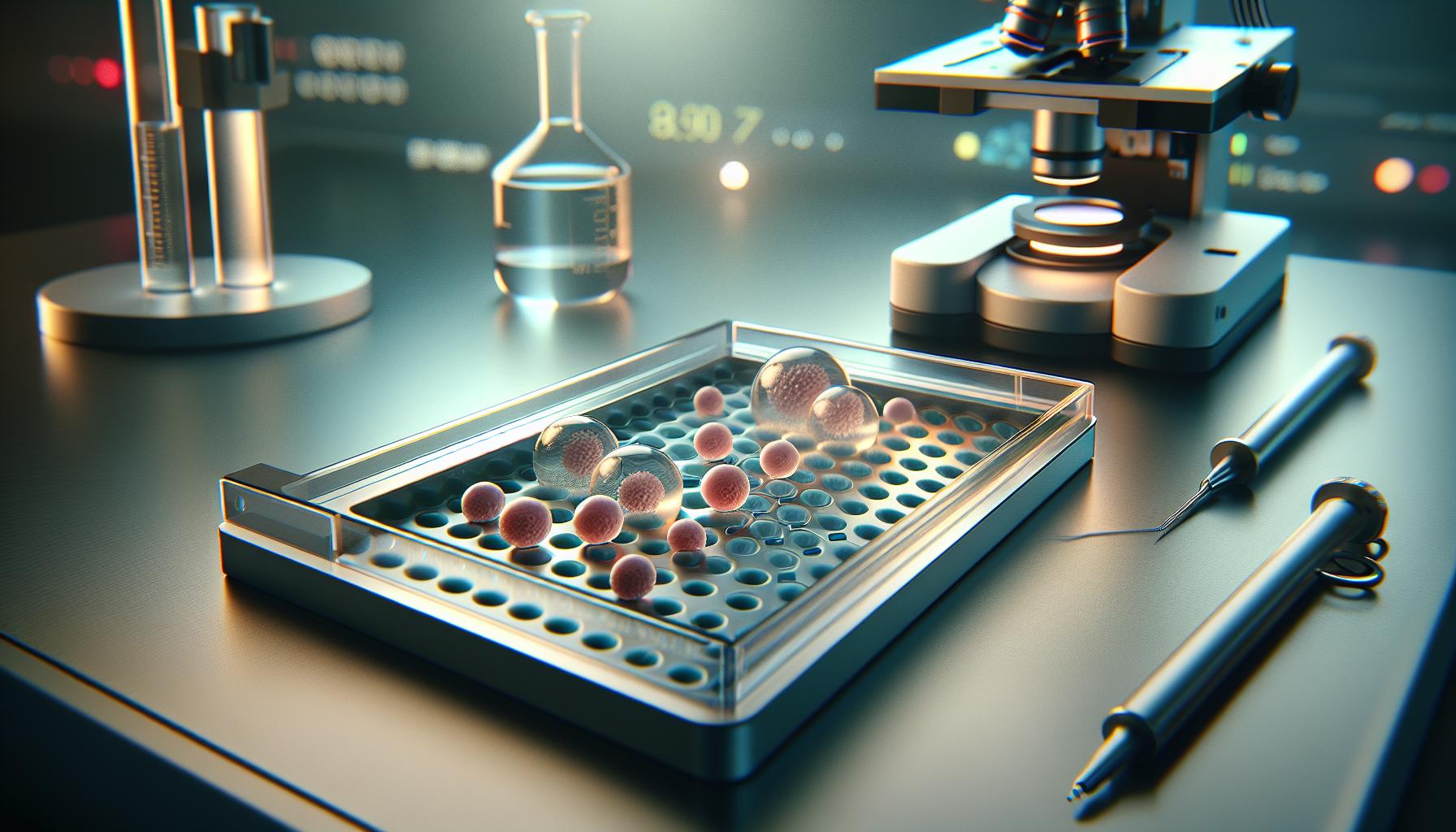
Adhesion Mechanisms in Cancer Cells
Cancer cells exhibit unique adhesion mechanisms that differentiate them from normal cells, directly impacting their behavior in microfluidic environments. One notable feature is their altered expression of adhesion molecules, such as cadherins and integrins. These molecules are critical for cell-cell and cell-matrix interactions, and their dysregulation can lead to decreased adhesion strength or inappropriate adhesion behaviors. Understanding these mechanisms is essential, particularly when exploring why cancer cells may struggle to bind effectively in microfluidic devices, commonly utilized for cancer research and diagnostics.
Adhesive interactions are not solely dictated by the presence of adhesion molecules; they are also influenced by the microenvironment. Cancer cells are often subjected to mechanical forces, fluid shear stress, and spatial constraints that can modulate their adhesive properties. For instance, in microfluidic channels designed to mimic the lymphatic or circulatory systems, shear forces can cause detachment of cancer cells when these forces exceed the threshold of adhesion strength. This behavior suggests the need for designing microfluidic systems that account for these environmental factors, ensuring optimized conditions for studying cancer cell dynamics.
Moreover, the surface chemistry of microfluidic devices plays a significant role in cell adhesion. Variations in hydrophilicity and surface roughness can influence how cancer cells interact with the matrix. By engineering surfaces that enhance specific interactions, researchers can provide a more favorable environment for cancer cell adhesion. Techniques such as coating surfaces with biomimetic materials or adjusting the topography can lead to improved adhesion and retention of cancer cells, allowing for more accurate modeling of their behavior in vitro. Addressing these adhesion challenges is crucial for advancing our understanding of cancer biology and improving the efficacy of therapeutic strategies.
Through targeted research and innovative approaches, the obstacles posed by the unique adhesion mechanisms of cancer cells can be overcome, paving the way for more effective applications of microfluidic technology in cancer diagnostics and treatment.
Microscale Environmental Factors Affecting Adhesion
Cancer cells navigate a complex microenvironment that significantly influences their adhesion properties. This environment is characterized by a multitude of factors, including mechanical forces, fluid dynamics, and spatial constraints, all of which can dramatically alter how effectively these cells adhere to surfaces within microfluidic devices. Understanding this intricate interplay is essential for designing more effective experimental setups that can mimic physiological conditions.
One of the primary environmental factors is mechanical stress, which cancer cells face when they are subjected to shear forces in microfluidic channels. For instance, when fluid flows through a channel, it exerts force on the cells, potentially overcoming their adhesion strength and causing them to detach. Research has shown that certain shear stress thresholds can lead to increased detachment rates in various cancer cell types, suggesting that microfluidic designs should consider these dynamic forces to retain cells for longer durations and allow accurate functional studies.
Additionally, spatial constraints in microfluidic systems can impact cellular behavior and adhesion. For cancer cells, the availability of space can influence their migratory patterns and clustering behaviors. Crowded environments typically seen in tumor tissues can lead to altered signaling pathways that may enhance or reduce adhesion depending on the context. Designing channels that mimic these spatial constraints can provide valuable insights into cancer cell behavior and allow researchers to examine adhesion under more realistic conditions.
Another crucial aspect is the interaction between cancer cells and the microfluidic surfaces they encounter. Surface properties such as roughness and functionality can modulate the cell adhesion process. A rougher surface might offer more area for cells to adhere, but it can also introduce non-specific binding that might not accurately reflect in vivo conditions. Therefore, engineers must carefully choose surface treatments and coatings to enhance targeted adhesion while preventing non-specific interactions that could confound research findings.
Given these considerations, researchers are encouraged to adopt a holistic view of the microenvironment when designing microfluidic systems for cancer studies. By integrating knowledge of mechanical forces, spatial arrangements, and surface chemistry, it is possible to create more effective platforms that enhance the study of cancer cell adhesion, ultimately contributing to better therapeutic approaches and diagnostic tools tailored to the unique characteristics of cancer cells.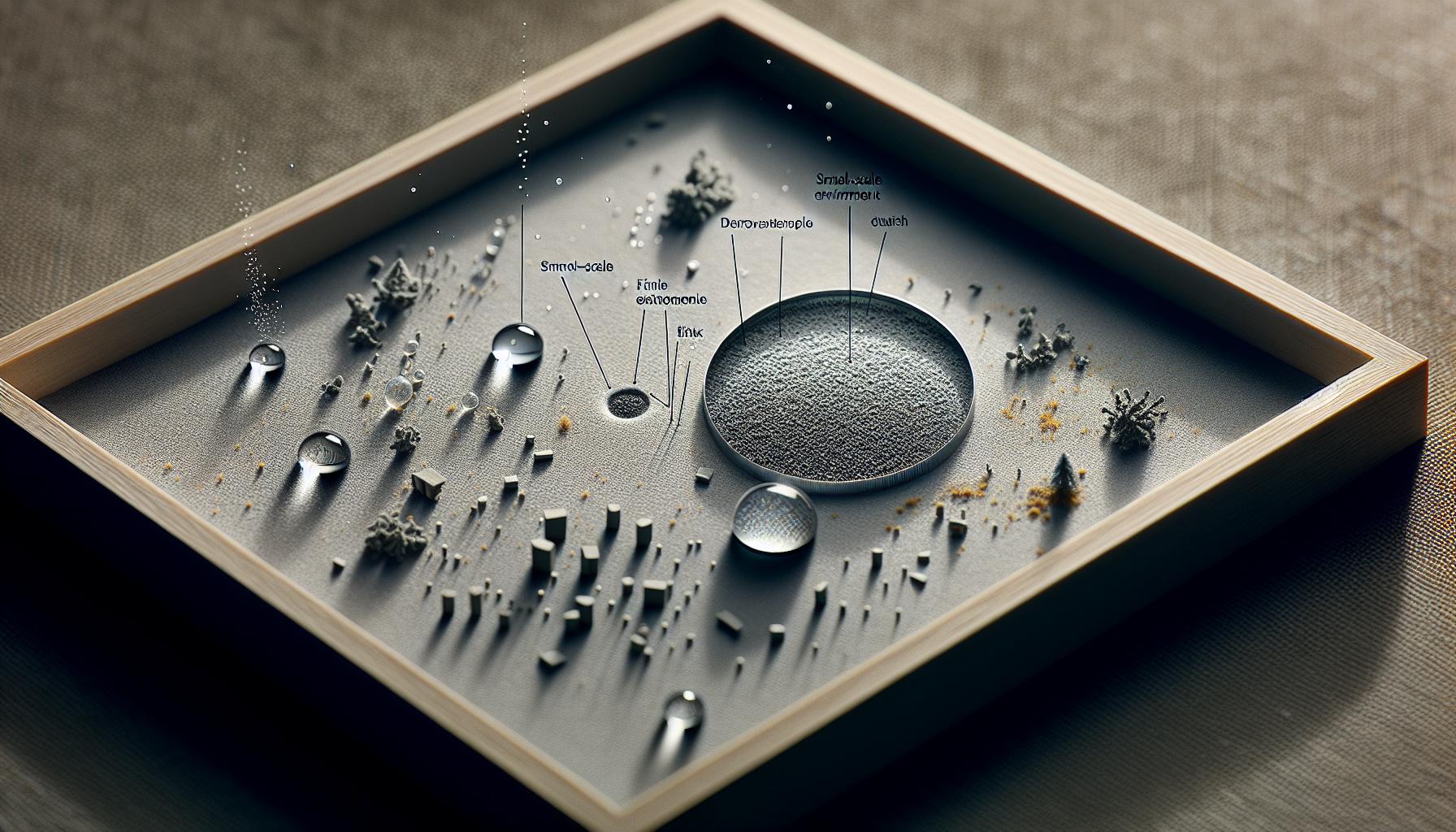
Role of Surface Chemistry in Cell Binding
The adhesion of cancer cells within microfluidic environments is heavily influenced by the chemical properties of the surfaces they encounter. This surface chemistry can either facilitate or impede cell binding, significantly impacting experimental outcomes and the accuracy of cancer research. Understanding how different surface characteristics affect cell adhesion provides crucial insights for researchers looking to enhance experimental designs and therapeutic strategies.
Microfluidic devices are often made from materials such as polydimethylsiloxane (PDMS), glass, or silicon, each having distinct surface chemistries that can alter the interaction with cancer cells. Surface properties, including hydrophilicity, roughness, and chemical functionalization, play key roles in dictating how effectively cells can adhere. For instance, hydrophilic surfaces tend to promote better cell adhesion by attracting water molecules, which can facilitate the formation of attachments between cells and the surface through various biochemical interactions.
Moreover, the presence of specific functional groups on the surface can further enhance or inhibit cell binding. Coatings that mimic extracellular matrix components, such as fibronectin or collagen, can be applied to microfluidic channels to promote preferential adhesion of cancer cells. However, the challenge lies in balancing the right surface properties; overly rough or heavily coated surfaces might lead to non-specific adhesion or make it difficult to control where and how cells attach, complicating the study of their behavior.
To improve adhesion in microfluidic settings, several innovative approaches are being explored. For example, researchers are investigating the deployment of bioactive molecules or peptides that can selectively promote cancer cell adhesion while minimizing non-specific interactions. Additionally, advances in surface modification techniques, such as plasma treatment or selective chemical etching, allow for fine-tuning of surface properties to enhance cell binding. Ultimately, understanding and optimizing surface chemistry in microfluidic devices is essential for creating more accurate models of cancer biology and improving therapeutic outcomes.
Impact of Flow Dynamics on Cell Behavior
The behavior of cancer cells in microfluidic environments is profoundly influenced by flow dynamics. Alterations in the flow, such as velocity, direction, and pulsatility, can dramatically affect how cells interact with surfaces and each other. For instance, when exposed to high shear stresses-often resulting from rapid fluid movements-cancer cells may experience detachment from surfaces. This detachment can lead to lower adhesion rates and complicate the cellular behaviors that researchers seek to study.
Flow dynamics also contribute to the spatial distribution of cells within microfluidic channels. Under steady flow conditions, cells may align and migrate preferentially towards areas of lower shear stress or towards surfaces coated with adhesion-promoting substances. Understanding these dynamics can help in designing experiments that simulate physiological conditions, providing insights into how cancer cells behave in the body. For example, in a study examining cancer metastasis, introducing pulsatile flow mimicked the flow experienced in blood vessels better than a laminar flow setup, leading to more accurate observations of cell behavior.
Additionally, fluctuations in flow can enhance or inhibit the binding of cancer cells based on the characteristics of the microenvironment. The presence of certain extracellular matrix components, combined with optimal flow conditions, can create ‘niches’ that facilitate stronger adhesion or create barriers that prevent binding. By fine-tuning flow dynamics-such as altering flow rates or introducing varied fluid viscosities-researchers can manipulate and study the adhesion properties of cancer cells in real-time, allowing for a deeper understanding of their migratory behaviors.
To leverage the impact of flow dynamics effectively, researchers should consider the following:
- Shear Stress Management: Adjust flow rates to simulate physiological shear stress, enabling more accurate models of cancer cell behavior.
- Surface Modification: Use coatings that enhance adhesion under specific flow conditions, which may vary based on cell types or experimental goals.
- Pulsatile Flow Implementation: Incorporate pulsatile flow patterns in microfluidic designs to mimic the oscillatory nature of blood flow, thus providing more realistic feedback mechanisms for cell behavior studies.
By acknowledging the complexities of flow dynamics, researchers can enhance microfluidic designs to mitigate adhesion challenges faced by cancer cells, ultimately advancing the understanding of cancer biology and the development of innovative therapeutic strategies.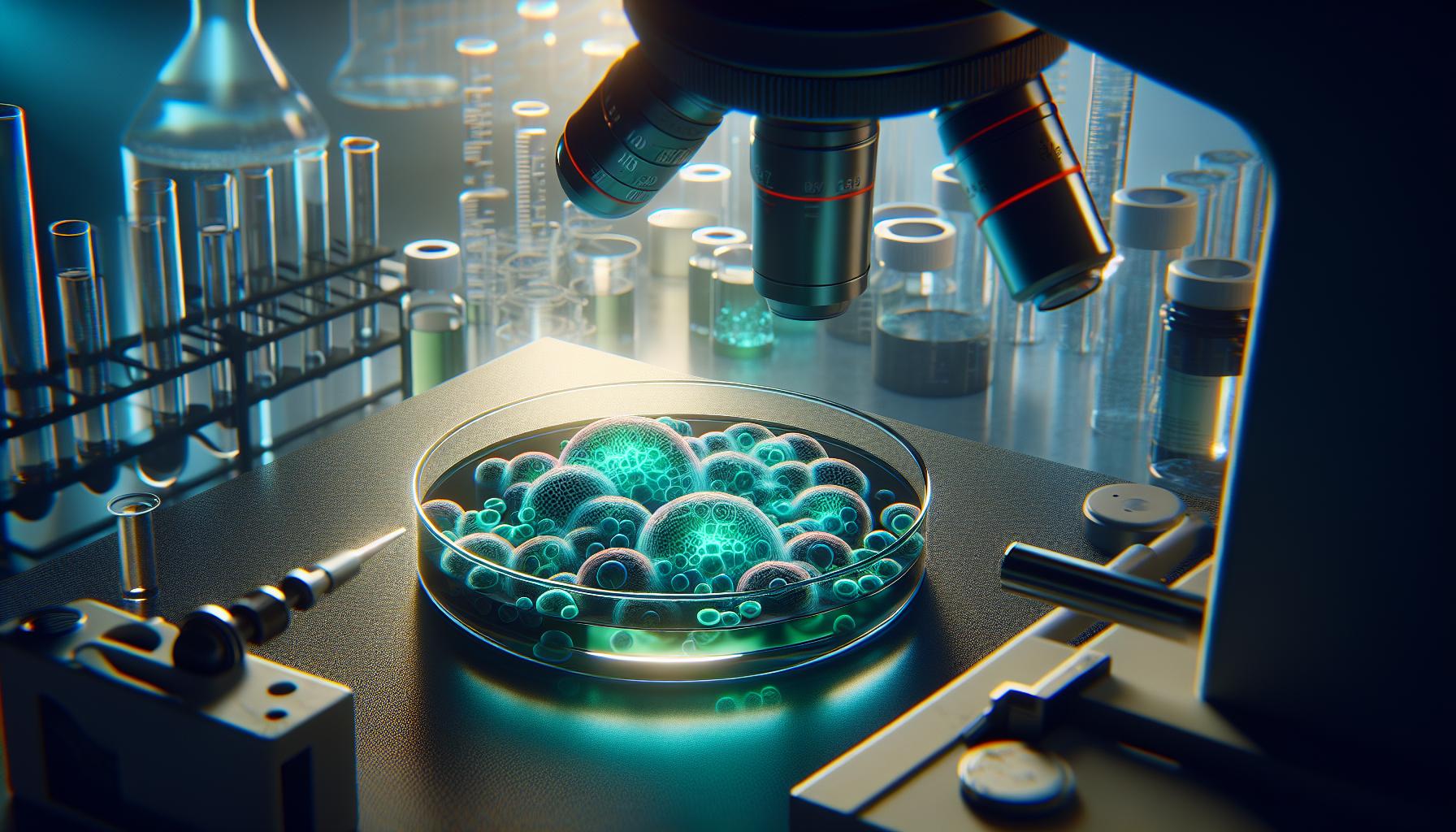
Insights from Microfluidics: Case Studies
In the realm of microfluidics, understanding the adhesion challenges faced by cancer cells is a multifaceted endeavor that has led to significant technological advancements and notable case studies. For instance, researchers have explored the relationships between microfluidic patterns and cancer cell behavior, revealing how specific designs can either enhance or hinder cellular adhesion. One compelling study demonstrated that by tailoring channel geometries, scientists could create environments that mimic the tumor microenvironment, leading to increased adhesion rates in cancer cells. Such innovations not only facilitate deeper insights into cancer metastasis but also inform the development of more effective diagnostic tools and therapeutics.
Moreover, case studies focusing on the modification of surface chemistry have yielded promising results. For instance, coatings that contain adhesion-promoting ligands have been shown to significantly increase cancer cell binding under specific flow conditions. In one experiment, researchers applied varying surface treatments within microfluidic devices and monitored real-time cell behavior. They found that employing hydrophilic coatings enhanced the adhesion of specific cancer cell lines by optimizing interactions with the extracellular matrix components. This approach illustrates how the interplay between microenvironmental factors and surface chemistry can be manipulated to improve cancer cell study models.
Another critical aspect observed in case studies involves the impact of shear stress in microfluidic systems. For example, a recent study highlighted how mimicking the hemodynamic forces present in the bloodstream helped maintain the viability and adhesion of circulating tumor cells. By carefully modulating flow conditions to replicate physiological shear stresses, researchers were able to maintain cancer cell adhesion for longer periods, which is crucial for understanding how these cells behave prior to metastasis. This research not only solidifies the importance of flow dynamics in cellular studies but also paves the way for designing microfluidic devices that can accurately reflect in vivo conditions.
As these examples emphasize, the exploration of adhesion in cancer cells through microfluidic technology is not just about understanding the mechanisms at play but also about applying this knowledge to create solutions. The continuous refinement of microfluidic systems, alongside the integration of innovative materials and surface modifications, holds the key to overcoming these adhesive challenges. With each case study, researchers move closer to unveiling the complexities of cancer biology, ultimately aiming to enhance therapeutic strategies and improve patient outcomes.
Innovative Techniques for Enhanced Adhesion
Capturing the attention of cancer cells often feels like trying to hold water in your hands-despite their potential for adhesion, many escape into the fluid environment of microfluidic systems. Innovative techniques for enhancing cell adhesion focus on manipulating the microscale environment, providing researchers and practitioners with powerful tools to improve reliability in cancer studies.
One promising approach involves the modification of microchannel surfaces using functional coatings that incorporate adhesion ligands tailored to specific cancer cell types. By creating a surface chemistry that mimics the natural extracellular matrix (ECM), researchers can significantly increase adhesion rates. For instance, studies have shown that incorporating RGD (arginine-glycine-aspartic acid) peptides into surface coatings boosts binding to cell receptors associated with tissue adhesion. These modifications not only facilitate the study of cell behaviors in a controlled setting but also inform therapeutic designs that aim to inhibit metastasis by understanding how cells attach in their native environments.
Microfluidic devices are also leveraging three-dimensional (3D) structures to enhance cancer cell attachment. Utilizing bioengineered scaffolds that replicate the architecture of tumor tissues, these systems allow for a more physiologically relevant environment. The porous nature of these scaffolds facilitates nutrient exchange while promoting cell infiltration and adhesion. Research has demonstrated that 3D printed hydrogels containing ECM components can improve the survival and attachment of cancer cells, providing insights into their behavior in a more realistic context.
Dynamic Flow Adjustments
Another cutting-edge technique is dynamic modulation of flow conditions within microfluidic platforms. By mimicking physiological shear forces, researchers can create conditions that replicate what circulating tumor cells experience in vivo. This approach involves fine-tuning flow rates and channel geometries to maintain or enhance cell viability and adhesion. For example, studies indicate that fluctuating shear stress can lead to increased expression of adhesion molecules on cancer cells, thereby improving their attachment kinetics. This method not only aids in studying transendothelial migration but also opens new avenues for exploring how cancer cells adapt to blood flow-a critical factor in metastasis.
These innovative strategies reflect a growing understanding of the intricate factors influencing cancer cell adhesion in microfluidic devices. By employing tailored surface chemistries, 3D scaffolding, and dynamic flow adjustments, researchers can navigate and potentially overcome the adhesion challenges that have long hindered progress in cancer biology. As these techniques continue to evolve, they hold immense promise for advancing both basic research and clinical applications in the fight against cancer.
Comparative Analysis of Cancer vs. Normal Cells
Understanding the fundamental differences between cancer cells and normal cells is pivotal in addressing the adhesion challenges experienced in microfluidic systems. Cancer cells exhibit unique properties that impact their ability to bind effectively within these environments. For instance, one of the most notable distinctions is the alteration in adhesion molecule expression. Normal cells possess well-defined adhesion pathways, primarily relying on integrins and cadherins to form stable connections with their surroundings. In contrast, cancer cells often undergo changes in these adhesion molecules, leading to decreased binding affinity and a more invasive phenotype. This variability complicates their behavior in microfluidic applications, where precise control over cell interactions is crucial.
Another critical factor is the discrepancy in mechanical properties. Cancer cells tend to be softer and more deformable than normal cells, allowing them to navigate through tight spaces. This fluid-like behavior can interfere with their capacity to anchor effectively to surfaces in microfluidic channels. The viscoelastic nature of cancer cells alters how they interact with static or dynamic surfaces, complicating efforts to achieve sustained adhesion. Researchers observe that normal cells can efficiently transmit signals through stable adhesion, a function that is often compromised in cancer cells, diminishing their functional responsiveness within microfluidic devices.
Moreover, the extracellular matrix (ECM) plays a significant role in cell adhesion. Normal cells can interact with a variety of ECM components, fostering signals that promote adhesion and tissue integrity. In contrast, cancer cells may exploit changes in the tumor microenvironment that alter ECM composition and density, reducing their reliance on traditional adhesion mechanisms. This dysregulation not only affects cell binding but also enhances migratory capacities, facilitating metastasis and making the study of cancer within microfluidics challenging due to the constantly evolving cellular context.
In light of these differences, researchers are exploring innovative strategies tailored to enhance cancer cell adhesion in microfluidic systems. By mimicking the ECM more closely or adjusting the physical properties of the microfluidic environment, it becomes possible to create favorable conditions that encourage cancer cell binding. Understanding the distinct behaviors of cancer cells versus normal cells is essential for overcoming existing barriers and advancing cancer research methodologies.
Biomaterials Engineering in Cancer Research
In the realm of cancer research, biomaterials engineering is becoming an invaluable ally in tackling the adhesion challenges that cancer cells face, especially in microfluidic environments. With cancer cells exhibiting altered properties compared to normal cells, such as changes in mechanical flexibility and adhesion molecule expression, traditional biomaterials must be adapted to improve cell binding and functionality. The integration of advanced biomaterials can dramatically enhance the microenvironment, providing a tailored platform that encourages better interaction between cancer cells and their surroundings.
One key aspect is the design of biomimetic surfaces. By engineering surfaces that closely resemble the extracellular matrix (ECM) found in healthy tissues, researchers can promote better adhesion and growth of cancer cells. This can involve modifying surface chemistry to incorporate specific ligands that favor binding through integrins or utilizing hydrogels that replicate the physical properties of natural ECM. For instance, a study highlighted the use of decorin-grafted hydrogels, which significantly improved the adhesion and viability of cancer cells under flow conditions typical in microfluidic systems.
Another innovative direction is the development of responsive biomaterials. These materials can change properties in response to external stimuli, such as pH or temperature, allowing for dynamic control over cell adhesion and detachment. For example, thermoresponsive hydrogels have been shown to release adhered cancer cells in a controlled manner, which can facilitate the collection and analysis of cells for further research. By fine-tuning these materials, researchers can design systems that not only support but manipulate cancer cell behaviors, offering new insights into metastatic processes and treatment responses.
The integration of nanotechnology into biomaterials also represents a frontier for enhancing adhesion. Nanostructured surfaces can provide an increased surface area and tunable topography, fostering a more conducive environment for cell adhesion. For instance, silica nanoparticles embedded in polymer matrices have demonstrated improved interaction with a variety of cell types, including cancer cells, by mimicking the nanoscale features of natural tissues. As these biomaterials continue to evolve, they offer exciting potential to fine-tune adhesion mechanisms, enhancing the effectiveness of microfluidics in cancer research and broadening the scope of therapeutic applications.
By harnessing the principles of biomaterials engineering, researchers are not only addressing adhesion challenges but are also paving the way for innovative cancer diagnostics and treatment strategies. The convergence of engineering and biology creates a powerful toolkit for tackling one of the most significant obstacles in cancer research, promoting a deeper understanding of cancer cell behavior and enabling more effective interventions.
Overcoming Adhesion Challenges: Current Solutions
To address the notable adhesion challenges that cancer cells encounter in microfluidic systems, researchers are pioneering several innovative approaches that enhance cell binding and viability. One of the most effective strategies involves the engineering of biomimetic surfaces that closely mimic the extracellular matrix (ECM) found in natural tissues. By modifying surface properties and incorporating specific ligands-such as integrin-binding peptides-these surfaces can significantly improve the adhesion of cancer cells, which typically display altered adhesive characteristics compared to normal cells.
A compelling example of this approach can be found in the use of decorin-grafted hydrogels. These hydrogels have been tested in microfluidic environments and have shown remarkable improvements in the adhesion and viability of cancer cells under dynamic flow conditions. By providing a more physiologically relevant environment, researchers can promote not just stronger adhesion but also enhanced cellular functions, allowing for more accurate studies of cancer behavior and treatment interactions.
In addition to surface modifications, responsive biomaterials are emerging as another promising solution. These advanced materials can adapt to environmental stimuli such as temperature or pH, thus offering dynamic control over cell adhesion. For instance, thermoresponsive hydrogels can release adhered cells when exposed to specific temperature changes, facilitating easier cell recovery for analysis. This adaptability not only improves research methodologies but also opens avenues for developing therapeutic strategies that require precise cell manipulation.
Finally, the integration of nanotechnology plays a crucial role in overcoming adhesion challenges. By creating nanostructured surfaces with increased surface area and controlled topographical features, researchers can further optimize the adhesion of cancer cells. Silica nanoparticles embedded within polymer matrices have shown to enhance contact interactions with various cell types, including cancer cells, by mimicking the fine architectural features of native tissues. These advancements are paving the way for not just improved research models but also potential clinical applications, bridging the gap between basic science and practical solutions in cancer treatment.
Future Directions in Microfluidic Cancer Research
In the fast-evolving field of microfluidic cancer research, the quest to understand and improve cell adhesion continues to gain momentum. One promising direction is the development of bioengineered microenvironments that replicate the physiological conditions of tumors. By constructing microfluidic devices that mimic the mechanical and biochemical properties of the tumor microenvironment, researchers can observe cancer cell behavior in a more relevant context. This approach can lead to breakthroughs in understanding how cancer cells interact with their surroundings and the underlying causes of their impaired adhesion.
One innovative strategy involves the use of multiscale materials that integrate various cues at the nanoscale and microscale. For example, introducing gradients of surface chemistry or stiffness within microfluidic channels can influence cell adhesion and migration. This layered approach allows for the investigation of how different environmental signals affect cancer cell behavior, potentially revealing strategies to mitigate adhesion problems that cancer cells face when transitioning from static to dynamic conditions.
Moreover, integrating real-time imaging technologies into microfluidic platforms opens new avenues for understanding adhesion mechanisms. Advanced microscopy techniques, such as fluorescence microscopy coupled with photonic sensors, can provide insights into the kinetics of cell adhesion and detachment. Such real-time monitoring can help elucidate the role of specific molecular players involved in the adhesion process and how they are affected by microfluidic flow dynamics.
In addition to these technological advancements, there is a growing emphasis on personalized medicine within microfluidic research. By designing microfluidic devices that can test individual patient cells in personalized tumor microenvironments, researchers can tailor treatments based on specific adhesion profiles observed in a patient’s cancer cells. This could lead to more effective therapeutic strategies that consider the unique challenges of individual tumors, enhancing both drug efficacy and patient outcomes.
As these research avenues converge, the future of microfluidic cancer research looks promising. By bridging basic science with clinical applications, the community can not only advance our understanding of cancer biology but also develop practical solutions that may one day revolutionize cancer treatment strategies.
Real-World Applications of Microfluidic Technology
In the realm of cancer research, microfluidic technology has emerged as a groundbreaking tool, enabling scientists to delve into complex cellular behaviors with unprecedented precision. One of the primary challenges this technology addresses is the adherence of cancer cells under physiologically relevant conditions. By simulating the dynamic environment found within the human body, researchers can create microenvironments that mimic the biology of tumors, allowing for a more accurate study of how cancer cells interact with their surroundings.
Microfluidic devices can be tailored to study various aspects of cancer cell adhesion. For instance, channels within these devices can be designed with specific geometries and surface coatings that influence the attachment and detachment of cells. This manipulation is crucial because cancer cells often exhibit altered adhesion characteristics compared to normal cells, which can affect tumor progression and metastasis. By adjusting variables such as channel dimensions and material properties, researchers can explore how these factors contribute to the impaired adhesion seen in aggressive cancer types, offering insights that could lead to new therapeutic strategies.
Innovative Approaches and Case Studies
extend into personalized medicine. By developing patient-specific microfluidic models, clinicians can examine how individual cancer cells behave in response to various treatments. This approach not only enhances our understanding of cell adhesion mechanisms but also serves to identify the most effective therapeutic options tailored to each patient’s unique cancer profile. For example, researchers have successfully utilized microfluidic platforms to test drug responses of cells derived from patient tumors, allowing for a more informed choice of treatment based on real-time adhesion dynamics and cellular responses.
Furthermore, advancements in real-time imaging techniques within microfluidic platforms have opened new avenues for research. By incorporating high-resolution microscopy, scientists can visualize cancer cell behavior as it occurs, including the critical moments of adhesion and migration. This capability proves invaluable, as it enables detailed examinations of the molecular interactions at play during cell adhesion, paving the way for potential interventions to rectify adhesion deficiencies seen in cancerous cells.
Through these innovative applications and methodical investigations, microfluidic technology continues to prove its worth in cancer research. It not only bridges the gap between laboratory findings and clinical applications but also holds the potential to transform our understanding of cancer biology and improve patient outcomes.
Faq
Q: What are the main challenges cancer cells face in microfluidic environments?
A: Cancer cells encounter several challenges in microfluidic environments, including adverse flow dynamics and inadequate surface interactions. These factors can hinder effective adhesion, as the physical and chemical properties of the surfaces may not adequately support cancer cell binding, limiting research and diagnostic applications.
Q: How does flow rate affect cancer cell adhesion in microfluidics?
A: Flow rate significantly impacts cancer cell adhesion; higher flow rates can shear off cells before they successfully attach. Optimizing the flow dynamics is crucial to enhance cell retention and promote effective binding in microfluidic devices, which is essential for accurate cancer diagnostics and treatment studies.
Q: What role does surface chemistry play in cancer cell adhesion in microfluidics?
A: Surface chemistry greatly influences cancer cell adhesion by promoting or inhibiting interactions between cells and surfaces. Modifying the chemical properties of microfluidic channels can enhance adhesion by mimicking the natural environment of cancer cells, improving the efficacy of experimental outcomes.
Q: Why are cancer cells less adhesive than normal cells in microfluidic systems?
A: Cancer cells often have altered adhesion molecules and signaling pathways, leading to reduced adhesive properties compared to normal cells. These molecular differences contribute to weak binding in microfluidic environments, complicating the study of cancer biology and therapeutic responses.
Q: Are there any strategies to improve cancer cell adhesion in microfluidic devices?
A: Yes, strategies such as surface modification, using specific coatings or biomarkers, and optimizing flow conditions can significantly enhance cancer cell adhesion in microfluidics. These techniques help create a more conducive environment for cells, facilitating better interaction and trapping within devices.
Q: What innovations exist to address adhesion challenges in cancer research using microfluidics?
A: Innovations like 3D bioprinting and hydrogels that mimic extracellular matrices are being explored to address adhesion challenges. These advancements allow for better modeling of the tumor microenvironment and can improve cell retention and functionality in microfluidic applications.
Q: How does the microenvironment affect cancer cell behavior in microfluidics?
A: The microenvironment, characterized by factors like nutrient availability and mechanical properties, significantly influences cancer cell behavior, including adhesion. Creating a physiologically relevant microenvironment in microfluidic devices is vital for mimicking in vivo conditions and boosting research accuracy.
Q: Why is studying cancer cell adhesion in microfluidics important for future cancer treatments?
A: Understanding cancer cell adhesion in microfluidics is crucial for developing targeted therapies and diagnostics. Improved adhesion studies can lead to better tumor models, enabling researchers to innovate treatment strategies and assess drug responses more effectively, ultimately enhancing patient outcomes.
Concluding Remarks
Understanding why cancer cells struggle to bind in microfluidics is crucial for advancing cancer research and treatment methodologies. As we’ve explored, the challenges of adhesion dynamics can significantly impact the efficacy of diagnostic tools and therapeutic applications. Don’t let this critical insight stop here-take action now by diving deeper into our resources on related topics like “Advancements in Microfluidic Technologies” and “Innovative Methods for Enhancing Cell Adhesion” to expand your knowledge and capabilities.
If you found this discussion valuable, consider subscribing to our newsletter for the latest updates on breakthroughs and insights in the field. We invite you to share your thoughts below or reach out if you have any questions-your engagement is what drives our community forward. Together, let’s continue exploring the intersection of technology and cancer research; after all, innovation starts with curiosity!
Get our latest guides, news, and insights highlighted in your Google Search & AI Overviews.