Microfluidics is revolutionizing various fields, from medical diagnostics to environmental monitoring, by enabling the manipulation of fluids at the microscopic scale. This technology serves as a cornerstone for innovations in lab-on-a-chip devices, allowing for faster and more efficient analyses than traditional methods. As researchers and engineers, understanding the principles and applications of microfluidics is essential for staying ahead in a rapidly evolving technological landscape.
This downloadable resource guide will demystify microfluidics, offering practical insights and comprehensive explanations to enhance your knowledge and skills. Whether you’re a student exploring this exciting field, a researcher seeking to implement microfluidic solutions, or a technical maker pushing the boundaries of what’s possible, this guide is designed to address your needs and spark your curiosity. Dive in to discover how microfluidics can transform challenges into opportunities and propel your projects to success!
Understanding Microfluidics: A Fundamental Overview
Microfluidics harnesses the power of fluid behavior at the microscale, fundamentally altering how scientists and engineers approach a range of complex challenges. At this scale, the dynamics of fluids behave differently than they do in larger volumes, enabling a new tier of precision and control. Microfluidic devices, often referred to as “labs-on-a-chip,” integrate multiple laboratory functions onto a single chip mere centimeters in size, facilitating rapid experiments with minimal reagent use. This capability makes microfluidics not only highly efficient but also cost-effective, exemplifying a significant leap in research and application across various fields.
The principles behind microfluidics are rooted in the manipulation of small volumes of fluids, usually in the range of nanoliters to microliters. This is achieved through intricate channel designs that control flow rates and mixing characteristics. Such designs can enable processes like separation, chemical reactions, and sensing-all in real-time and with high throughput. For instance, in biomedical applications, microfluidics has revolutionized diagnostic testing and offers remarkable potential in personalized medicine by allowing for the precise analysis of minute biological samples, such as single cells [3].
Key advantages of microfluidics include the reduced amounts of reagents required, faster reaction times due to short diffusion distances, and the ability to integrate various functions within a single platform. Moreover, the scale of these devices allows researchers to perform experiments that would be prohibitively expensive or technically challenging with traditional methods. For example, developing high-throughput screening techniques for drug discovery has been made significantly more feasible through microfluidic technologies, which efficiently manage and analyze vast numbers of samples simultaneously [2].
In summary, microfluidics stands at the intersection of engineering and the life sciences, offering transformative potential through its unique attributes. As we continue to explore and innovate in this dynamic field, we can anticipate even more sophisticated applications, establishing microfluidics as a cornerstone of modern scientific inquiry.
Key Applications of Microfluidics in Various Industries
Microfluidics has emerged as a transformative technology across numerous industries, revolutionizing the way we conduct experiments and conduct analysis at the microscale. By manipulating tiny amounts of fluids, microfluidic devices, often described as “labs-on-a-chip,” are capable of integrating complex laboratory functions into compact, efficient systems. This capability not only streamlines processes but also maximizes the accuracy and speed of analyses, leading to groundbreaking advancements in various fields.
Biomedical Applications
In the biomedical sector, microfluidics has made significant strides, particularly in diagnostics and personalized medicine. One of the most compelling applications is in point-of-care testing, where rapid and accurate detection of diseases can be achieved with minimal sample volumes. For example, microfluidic devices can perform blood tests that require only a few drops of blood, enabling quick results that are crucial for timely medical interventions. Additionally, the technology facilitates single-cell analysis, allowing researchers to study the variability in responses among different cells, paving the way for tailored therapies and more effective treatments.
Chemical Analysis and Synthesis
The chemical industry has also benefited immensely from microfluidics. The ability to conduct reactions in microreactors allows for tighter control over reaction conditions, resulting in higher yields and reduced byproduct formation. This level of control is particularly useful in the pharmaceutical industry, where precise chemical synthesis is essential. Moreover, microfluidics enables high-throughput screening of compounds, significantly accelerating drug discovery. By automating the process and allowing simultaneous testing of multiple compounds, researchers can efficiently identify promising candidates for further development.
Environmental Monitoring
Microfluidics is finding applications in environmental science as well. Devices are being developed for the detection of contaminants in water supplies, providing rapid and accurate assessments that are critical for public health. These systems can be designed to analyze multiple parameters simultaneously, such as pH, turbidity, and chemical pollutants, enabling a comprehensive view of water quality. This capability not only enhances the efficiency of monitoring efforts but also supports timely responses to environmental hazards.
Future Prospects
As microfluidic technology continues to evolve, its applications are expected to expand even further. Integration with digital technologies, such as machine learning and artificial intelligence, holds the potential to enhance data analysis and predictive modeling in various domains. Furthermore, innovations in material science could lead to more versatile and durable devices, increasing the accessibility and functionality of microfluidic systems across industries. In summary, the diverse applications of microfluidics highlight its role as a catalyst for innovation, promising to drive advancements in healthcare, environmental monitoring, and beyond.
The Science Behind Microfluidic Devices and Systems
Microfluidic devices are remarkable in their ability to manipulate fluids at an incredibly small scale, typically in the range of microliters to picoliters. At the core of this technology is the precise control of fluid dynamics within narrow channels, which allows for the integration of complex laboratory functions on a single chip. A fundamental concept that underpins this technology is the difference in flow regimes; while traditional fluid mechanics governs larger volumes, microfluidics operates primarily under the influence of surface tension and viscosity, which significantly alter how fluids behave in these miniaturized environments.
The science behind microfluidics also involves advanced engineering principles, including the design of microchannels and the materials used for constructing these devices. Microfabrication techniques, such as soft lithography, allow scientists to create intricate channel networks within substrates like polymer, glass, or silicon. These channels can be engineered to facilitate various processes, including mixing, heating, and separation of fluids. Moreover, modeling techniques such as Computational Fluid Dynamics (CFD) are employed to predict fluid behavior within these systems, enabling designers to optimize channel geometries and fluid dynamics for specific applications.
In microfluidic systems, various phenomena come into play, such as laminar flow, which occurs when fluid moves in parallel layers with minimal mixing. This characteristic allows for precise control over reactions, making it ideal for applications in chemical synthesis and biology. Furthermore, the ability to integrate sensors and detectors within these systems enhances their functionality, enabling real-time monitoring of reactions and processes. For instance, the application of electrokinetic forces can drive fluids through the channels, providing remarkable speed and efficiency in the delivery of reagents and analytes.
As research in microfluidics advances, so does the potential for innovative applications. The integration of electronics with microfluidic devices paves the way for smarter systems that can automate processes, analyze samples on-the-fly, and even respond to environmental changes dynamically. As a result, the ongoing exploration of novel materials and nanoscale technologies holds great promise for future developments in microfluidic device performance and versatility.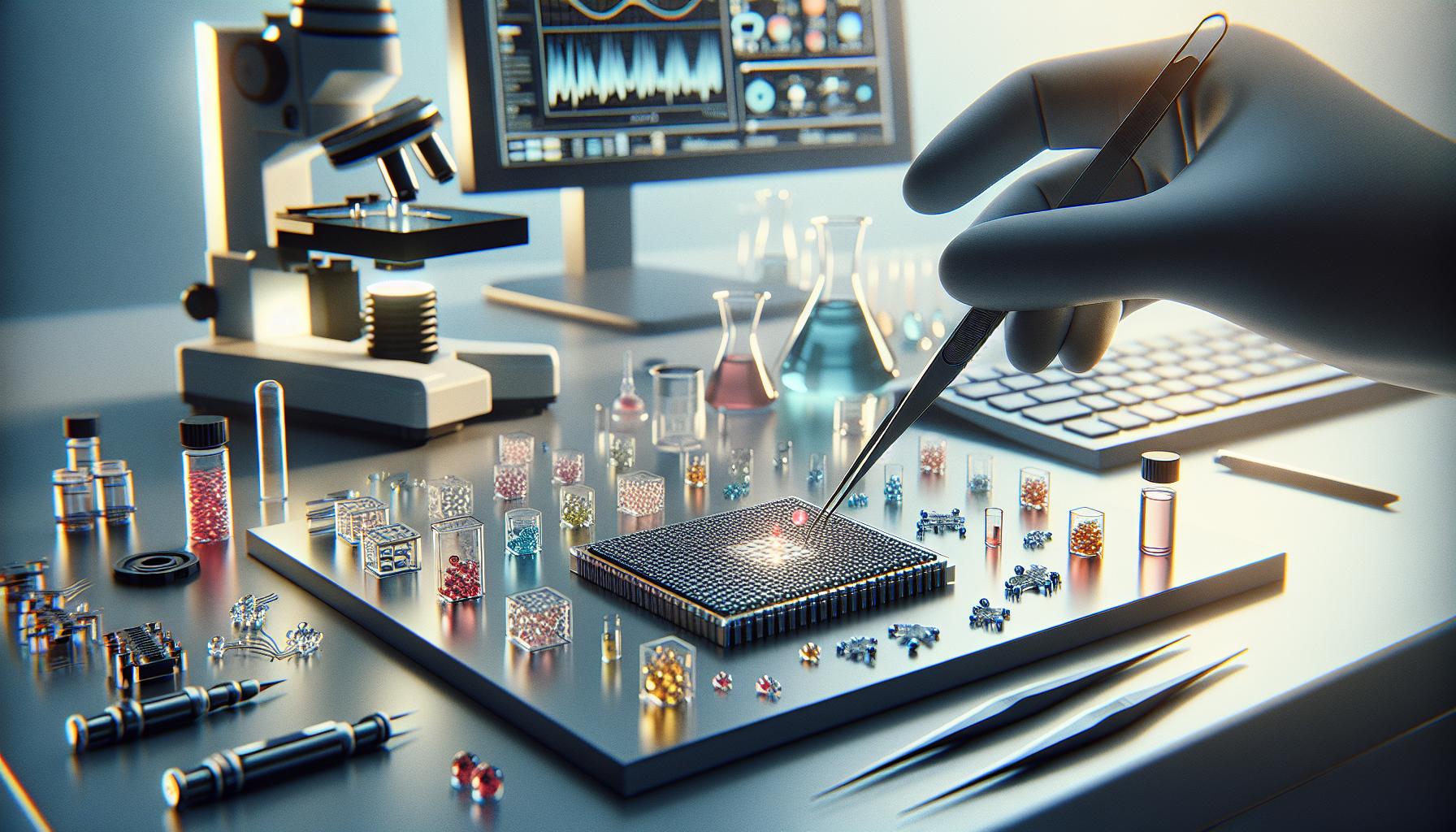
Essential Components of Microfluidics Technology
Microfluidic technology operates on the fascinating premise of manipulating fluids at an incredibly small scale, where the flow behavior drastically differs from what we observe in larger volumes. To achieve reliable and efficient fluid handling in such a miniaturized environment, a well-designed assembly of essential components is critical. Each of these elements contributes to the overall functionality, precision, and applicability of microfluidic devices, making understanding them crucial for anyone looking to delve into this innovative field.
One of the primary components is the microchannel, which serves as the pathways for fluid flow. Designed with specific dimensions and geometries, microchannels allow for the precise control of fluid dynamics. Their shapes can be engineered to facilitate various interactions – from mixing fluids to separating particles based on size or affinity. Depending on the application, microchannels can be created using different fabrication techniques, such as soft lithography, which involves creating channel patterns on flexible molds.
Valves play an integral role in controlling fluid movement within these systems. They regulate the flow rates and direction of fluids entering or exiting the microchannels. Various types of valves, including passive (capillary or membrane-based) and active (electrokinetic or pneumatic), can be utilized depending on the complexity and requirements of the applications. For example, using electrokinetic valves can allow for rapid, precise control over sample delivery, which is essential in time-sensitive assays.
Another critical component is the pump, which drives the fluid through the microchannels at controlled rates. In microfluidic systems, the use of low-cost, compact pumps such as syringe pumps or peristaltic pumps is common. These systems can be enhanced with advanced feedback mechanisms to adjust flow rates dynamically based on sensor inputs, ensuring optimal performance. Furthermore, the incorporation of sensors and detectors within microfluidic devices enables real-time monitoring of reactions as they occur, adding a layer of versatility and functionality to the systems.
Finally, the choice of materials for microfluidic devices is paramount. Common materials include polymers (like PDMS and PMMA), glass, and silicon. Each material presents unique properties affecting surface chemistry, biocompatibility, and fabrication methods. For instance, PDMS is favored for its flexibility and ease of use in soft lithography, while glass provides excellent optical clarity for applications such as imaging.
By understanding and integrating these essential components, researchers and engineers can design microfluidic devices that significantly enhance experimentation in various fields, ranging from biomedical applications to chemical analysis. This synergy between the different elements leads to the development of streamlined, efficient systems capable of conducting complex laboratory processes on a single chip.
Innovative Techniques in Microfluidic Fabrication
Microfluidics has emerged as a dynamic field, revolutionizing how we manipulate small volumes of fluids in a variety of applications, from diagnostics to drug delivery. The innovation in fabrication techniques plays a crucial role in the functionality and reliability of microfluidic devices. Researchers continue to develop novel methods that enhance precision, reduce costs, and expand the versatility of these systems.
One noteworthy approach is soft lithography, which is widely used due to its adaptability and relatively low cost. This technique involves creating flexible polymer molds (often made from polydimethylsiloxane, or PDMS) that replicate intricate channel designs. Once the mold is created, it can be used to cast microfluidic devices with high fidelity, allowing for the precise structuring of features at the microscale. This enables the production of devices where channels can have complex geometries, such as serpentine layouts or branching structures, enhancing fluid mixing and separation capabilities.
Another exciting trend is 3D printing, which has recently gained traction in microfluidics. This additive manufacturing technique allows for the rapid prototyping of complex structures that may be challenging to create using traditional methods. With advancements in biocompatible and optically clear printing materials, researchers can produce custom microfluidic devices tailored specifically for unique applications. For instance, 3D printing can facilitate the integration of sensors or valves directly into the device design, streamlining workflows and reducing assembly time.
Other Emerging Techniques
In addition to these mainstream methods, newer techniques such as laser ablation and hot embossing are shaping the future of microfluidic fabrication. Laser ablation involves using focused laser beams to etch precise microfeatures into various substrates, including glass and silicon, which can provide high resolution for complex geometries. Meanwhile, hot embossing is a process where heated molds press into thermoplastic materials, creating microstructured surfaces which can be particularly useful in creating robust, reproducible devices for practical applications.
To navigate this landscape of innovation effectively, researchers and developers must consider the specific requirements of their applications, including material compatibility, feature resolution, and economic constraints. The choice of fabrication technique can profoundly impact the performance characteristics of the final device. For example, the precision of soft lithography is often unmatched for microscale work, while the flexibility of 3D printing offers unmatched customization capabilities. As the field of microfluidics continues to evolve, staying abreast of these innovative techniques will empower engineers and scientists to push the boundaries of what is possible in fluid manipulation and analysis.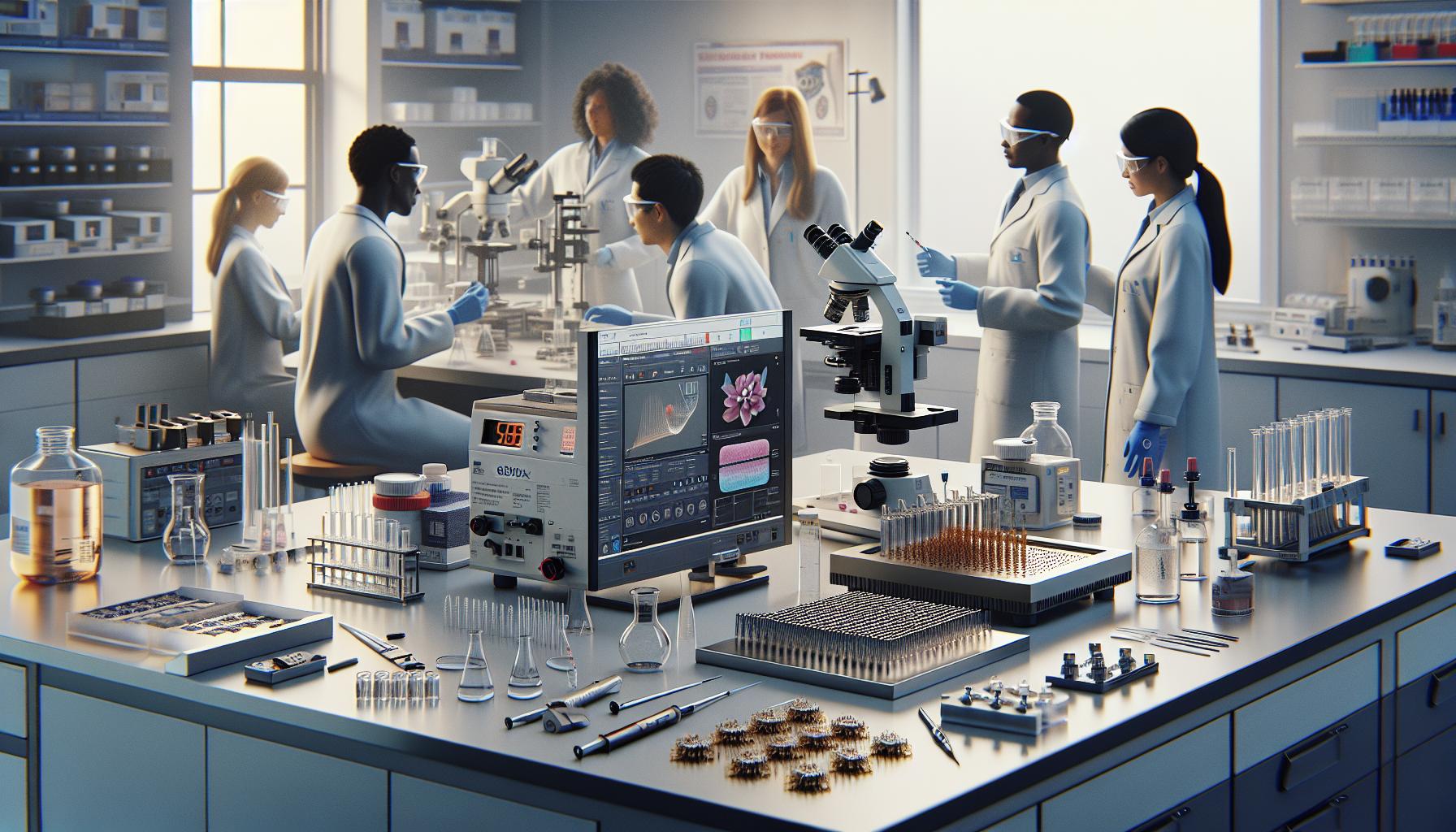
Selecting the Right Materials for Microfluidic Applications
is fundamental to the success of any device, influencing everything from fluid dynamics to material compatibility and responsiveness. Imagine a scenario where a microfluidic device is designed for drug delivery; if the materials used are not compatible with the drug formulation or exhibit unwanted interactions, it could lead to ineffective treatment or device failure. This highlights the need for careful consideration of material properties such as biocompatibility, optical transparency, and mechanical strength.
When choosing materials, it’s crucial to assess their specific functionalities. For instance, polydimethylsiloxane (PDMS) is frequently preferred due to its flexibility and biocompatibility, making it ideal for prototypes or applications requiring elasticity. However, PDMS tends to absorb small molecules, which may limit its use in sensitive applications like drug delivery. Alternatively, glass is an excellent choice for applications that require optical transparency and chemical resistance, but its rigidity can complicate fabrication processes. Thus, designers must strike a balance between flexibility and mechanical stability, depending on the application’s demands.
Material Examples and Their Applications
To illustrate, here are some common materials used in microfluidics, along with their strengths and suitable applications:
- Polymethyl methacrylate (PMMA): Ideal for high-resolution applications requiring optical clarity and ease of fabrication.
- Hydrogels: Excellent for biological applications due to their biocompatibility and ability to mimic natural tissue environments.
- Silicon: Often used in electronic applications because of its robust electrical properties, but challenging to work with when creating complex fluidic channels.
- Thermoplastics (e.g., COC, COP): Useful for integrating features like valves and pumps due to their excellent thermal properties and durability.
As materials influence design constraints, the choice of fabrication methods must also be considered. For example, if you opt for 3D printing, ensure that the selected material is compatible with the printing techniques. Some advanced materials, such as biocompatible photopolymers, enable the creation of highly complex structures through techniques like stereolithography, broadening the design possibilities in microfluidics.
In conclusion, the selection of materials is a vital step in designing microfluidic systems, and should be guided by a comprehensive understanding of the application’s requirements as well as the material properties. By prioritizing compatibility, performance, and the intended use of the device, researchers and manufacturers can optimize their microfluidic applications for success.
Microfluidics in Drug Development and Delivery
The convergence of microfluidics and drug development is revolutionizing how therapies are designed, tested, and delivered. With the ability to manipulate small volumes of fluids precisely, microfluidics enables the exploration of a vast array of drug formulations and interactions on a microscale. For instance, the development of microfluidic systems allows researchers to rapidly prototype drug delivery mechanisms that can increase bioavailability and enhance therapeutic effectiveness, all while reducing the reliance on large quantities of sample materials.
One of the most promising applications of microfluidics in drug development is the creation of organ-on-a-chip models, which mimic the physiological responses of human organs. These devices facilitate real-time monitoring of drug effects, paving the way for more accurate predictions of therapeutic outcomes and side effects. By integrating various cell types into a fluidic device, researchers can observe how a new drug interacts with different biological systems while maintaining the intricate biochemical environment, thereby leading to more informed decisions in drug formulation and dosage.
Microfluidic technology excels in optimizing drug delivery systems, particularly through targeted delivery mechanisms. Innovations such as nanoparticles and liposomes can be engineered within microfluidic platforms to achieve controlled release profiles and enhanced targeting capabilities. This specificity not only minimizes off-target effects but also boosts drug efficacy. For example, chemotherapeutic agents can be encapsulated within microfluidic-made nanoparticles, allowing for localized treatment of tumors while sparing healthy tissues, an approach that significantly reduces side effects associated with traditional cancer therapies.
To maximize the potential of microfluidics in drug delivery, it’s essential to consider scalability and manufacturability. Techniques such as soft lithography and 3D printing can be employed to produce scalable microfluidic devices, making them accessible for industrial applications. Moreover, selecting materials that are compatible with biological systems is crucial for achieving effective results. The choice of biocompatible polymers, for example, plays a vital role in ensuring that microfluidic devices can safely interact with human tissues without eliciting adverse reactions.
In summary, the integration of marks a significant advancement in pharmaceuticals. By enabling precise control over drug behavior and interactions at the microscale, this technology supports the design of effective, personalized treatment strategies, thus addressing a critical need in modern medicine. As research continues to evolve, the potential for even more innovative applications within the realm of drug development remains vast and exciting.
Microfluidics for Biological and Medical Research
Microfluidics is revolutionizing biological and medical research by providing sophisticated tools that allow scientists to manipulate and analyze small volumes of fluids with unprecedented precision. This technology enables the study of biological systems at a microscale, fostering advancements in diagnostics, genomics, and cellular biology. For instance, microfluidic devices can perform intricate tasks such as single-cell analysis, allowing researchers to understand heterogeneous populations of cells. This capability is vital for addressing complex biological questions about cellular responses to stimuli and the intricate workings of disease mechanisms.
One of the most exciting developments in microfluidics is the application of organ-on-a-chip technology. These devices mimic the physiological conditions of human organs, offering a realistic platform for studying drug metabolism and toxicology without the ethical concerns associated with animal testing. By integrating various cell types from different organs in a controlled microenvironment, researchers can observe interactions in real time and gather data on how a drug might affect human health. This approach enhances the accuracy of preclinical testing, leading to better predictions of how new therapies will perform in clinical settings.
The integration of microfluidics with high-throughput screening has further expanded its utility in biological research. For example, researchers can automate the screening of thousands of compound interactions, drastically reducing the time required to identify promising drug candidates. Utilizing techniques like droplet microfluidics, scientists can compartmentalize reactions into tiny droplets, enabling individual analysis and minimizing reagent use. This not only accelerates the discovery process but also enhances reproducibility and data richness, paving the way for more targeted and effective therapies.
Moreover, microfluidic systems can facilitate advanced genomic analyses, such as PCR amplification and sequencing, with greater efficiency. These systems can execute multiple reactions in parallel, significantly speeding up diagnostic processes such as pathogen detection or genetic mutation analysis. As a result, microfluidics plays a crucial role in personalized medicine, where treatments can be tailored based on an individual’s genetic makeup or disease state.
In summary, microfluidics is a game-changing technology in biological and medical research, enabling detailed comprehension of complex biological processes and improving the efficiency of drug development and diagnostics. As this field continues to evolve, ongoing research and innovation promise even broader applications, holding great potential for future medical breakthroughs.
Challenges and Limitations of Microfluidics Technology
While microfluidics has revolutionized the landscape of biological and medical research, it is not without its challenges and limitations. One significant hurdle lies in the complexity of designing effective microfluidic devices. Achieving precise control over fluid movement at such small scales requires a deep understanding of fluid dynamics, material properties, and the interaction between fluids and surfaces. Consequently, even minor design flaws can lead to drastic variations in experiment outcomes, which complicates the reproducibility of results-a critical component of scientific validation.
Another challenge is the selection of suitable materials for microfluidic applications. The materials used in device fabrication can greatly influence performance, and many materials suitable for microfluidics may not be biocompatible. For instance, polymer-based materials like polydimethylsiloxane (PDMS) are popular because of their ease of use and flexibility. However, they can absorb small molecules or proteins, leading to variable results in biological assays. Researchers must carefully consider these factors when selecting materials, balancing properties like transparency, mechanical strength, and biocompatibility against the specific demands of their experiments.
Additionally, scaling up from small-scale devices to large-scale production presents its own set of challenges. While many microfluidic applications start with proof-of-concept experiments in the lab, transitioning these designs to commercial use involves ensuring consistent manufacturing quality and reliability at a larger scale. Variability in production can introduce errors, reducing the utility of microfluidic devices in clinical or commercial settings.
Lastly, regulatory hurdles can impede the adoption of microfluidic technologies in medical diagnostics and therapeutics. Regulatory agencies often require extensive validation data to ensure safety and efficacy, which can slow down the development process. As researchers strive to innovate within microfluidics, addressing these challenges through interdisciplinary collaboration, advanced design methodologies, and rigorous validation processes will be essential for unlocking the full potential of this transformative technology.
Future Trends and Advancements in Microfluidics
As we gaze into the future of microfluidics, the horizon is rich with promising advancements that have the potential to reshape various industries, from healthcare to environmental monitoring. One of the most exciting trends is the integration of artificial intelligence (AI) and machine learning into microfluidic systems. These technologies can enhance the analysis of complex data generated by microfluidic devices, leading to more accurate diagnostics and personalized medicine. For instance, AI algorithms can optimize fluid handling and assay protocols, ensuring enhanced reliability and efficiency in experiments.
Another pivotal trend is the miniaturization of devices. The shift towards lab-on-a-chip systems aims to integrate multiple laboratory functions onto a single chip, allowing for rapid, cost-effective analysis directly at the point of care. This is particularly transformative in remote areas where access to sophisticated labs is limited. Researchers are now focusing on developing portable microfluidic devices that require minimal sample volumes and can perform multiple tests simultaneously, pushing the boundaries of mobile healthcare solutions.
Advancements in Materials and Fabrication Techniques
On the materials front, the exploration of novel biocompatible polymers and hydrogels is set to elevate microfluidic applications, particularly in biomedical fields. These materials enhance the performance of devices while ensuring compatibility with biological samples, thus reducing artifact interference. Additionally, advancements in 3D printing technology are revolutionizing microfluidic fabrication by enabling rapid prototyping of complex microstructures. This not only reduces the time from design to application but also allows for greater customization at a lower cost.
Finally, there is growing interest in multi-disciplinary collaborations that couple microfluidics with other technologies such as electrochemical sensors and biosensors. By integrating these technologies, researchers can develop highly sensitive detection systems for pathogens, environmental monitoring, and even food safety applications. This synergistic approach not only broadens the scope of microfluidics but also addresses pressing global challenges in health and sustainability.
In conclusion, the future of microfluidics is poised to deliver transformative solutions through technological integration, materials innovation, and interdisciplinary collaboration. These advancements will likely lead to more efficient diagnostics, enhance drug development processes, and expand applications across various fields, making microfluidics an essential component of next-generation technology landscapes.
Resources for Further Learning and Exploration in Microfluidics
Navigating the intricate world of microfluidics can be both thrilling and daunting, especially as the field continues to innovate at a rapid pace. For those eager to deepen their understanding or apply microfluidic principles in practical settings, a wealth of resources is available. Engaging with diverse learning materials is essential; they cater to beginners as well as seasoned professionals keen on the latest advancements.
To effectively utilize microfluidics in research or industry, consider exploring foundational texts and comprehensive guides. *The Handbook of Microfluidics and Nanofluidics*, for example, is a robust resource that covers theoretical frameworks and practical applications extensively. Moreover, many universities now offer online courses on platforms like Coursera and edX that cover microfluidics, focusing on both fundamental concepts and advanced techniques, often delivered by leading experts in the field.
Additionally, industry conferences such as the *Microfluidics Congress* provide an invaluable opportunity to network and gain insights from pioneers in microfluidics technology. Attending sessions and workshops not only enhances practical skills but also fosters collaboration among researchers. For those who prefer self-paced learning, numerous webinars and tutorials can be found on YouTube and professional societies like the *Society for Laboratory Automation and Screening* (SLAS). These resources can bridge the gap between theory and hands-on practice.
Online Resources and Communities
Engaging with online forums and communities can greatly enrich your understanding. Platforms like ResearchGate and LinkedIn host groups focused on microfluidics, where members share their projects, troubleshooting tips, and recent developments. These interactions can offer unique perspectives and collaborative opportunities.
Furthermore, websites like Microfluidics Hub provide curated content, including articles, case studies, and applications that showcase real-world usage of microfluidics. For those interested in detailed technical papers, accessing archives of journals such as *Lab on a Chip* or *Microfluidics and Nanofluidics* can provide cutting-edge research findings.
By leveraging these resources, you’ll not only enhance your knowledge of microfluidics but also connect with a vibrant community dedicated to advancing this transformative technology. Whether you are looking to expand your academic insights or implement practical solutions in your projects, the available tools and networks are indispensable assets on your journey.
Faq
Q: What is the purpose of microfluidics in scientific research?
A: Microfluidics serves to manipulate small volumes of fluids, enabling precise control over chemical reactions and biological processes. It is used for applications such as cell analysis, diagnostics, and developing new materials, making it essential in fields like biotechnology and pharmaceuticals.
Q: How can I download a microfluidics PDF resource guide?
A: You can typically find a downloadable microfluidics PDF resource guide on academic sites or journals focused on microfluidics research. Look for links labeled “Download” or “Resources” on relevant web pages detailing microfluidics topics.
Q: What are the key components of microfluidic devices?
A: Key components include microchannels, pumps for fluid movement, valves to control flow, and detection systems for analyzing samples. Understanding these components is crucial for optimizing device performance and applications in research [2].
Q: Why is material selection important in microfluidics?
A: Material selection is critical in microfluidics because it affects the fluid dynamics, chemical interactions, and fabrication processes. Choosing the right materials ensures compatibility with the intended application, like biocompatibility in medical devices or chemical resistance for analytical purposes [3].
Q: What advancements are being made in microfluidic technologies?
A: Recent advancements include integration with digital technologies, improved fabrication techniques, and applications in point-of-care diagnostics. These innovations aim to enhance the efficiency and accessibility of microfluidic systems across various scientific fields [1].
Q: How does microfluidics contribute to drug development?
A: Microfluidics aids drug development by enabling high-throughput screening of compounds and controlled drug delivery systems. This technology allows researchers to test multiple variables simultaneously, thus accelerating the drug discovery process [2].
Q: What challenges does the microfluidics field face?
A: The microfluidics field grapples with challenges such as scalability of production, uniformity in device performance, and integration with other technologies. Addressing these challenges is crucial for expanding the application base of microfluidic devices in various industries [1].
Q: Where can I find further resources to learn about microfluidics?
A: Additional resources can be found in academic journals, online courses, and specialized textbooks. Websites focused on biotechnology or engineering often provide extensive information and downloadable guides for deeper understanding.
Insights and Conclusions
By downloading the “What Is Microfluidics PDF: Downloadable Resource Guide,” you’re unlocking a treasure trove of knowledge in a rapidly evolving field that merges precision engineering with innovative biology. Microfluidics is reshaping how we approach scientific problem-solving, from cell analysis to the development of lab-on-a-chip technologies. Don’t miss out-these insights could be crucial for your next project or research initiative!
Ready to dive deeper? Explore our articles on applications of microfluidics in diagnostics and how to fabricate your own microfluidic devices. If you have questions or need personalized guidance, consider signing up for our newsletter to stay updated on the latest advancements and tools in microfluidics. Embrace the future of science today-start your journey now and see how microfluidics can enhance your work!
Get our latest guides, news, and insights highlighted in your Google Search & AI Overviews.