In the fast-evolving realm of microfluidics, a constant flow source is essential for achieving precise control of fluid dynamics in experiments and applications. These systems allow researchers to manipulate tiny liquid volumes with unprecedented accuracy, impacting fields from healthcare to environmental monitoring. Understanding the various pumping options available not only enhances experimental reproducibility but also opens doors to innovative applications that address real-world challenges. As you navigate through this comprehensive guide, you’ll discover how selecting the right constant flow source can optimize your microfluidic setup, ensuring reliable results and fostering new discoveries. Dive in to unlock the potential of these dynamic tools and elevate your research capabilities!
What is a Constant Flow Source in Microfluidics?
A constant flow source in microfluidics is a critical component for maintaining steady fluid dynamics within microchannels. It is designed to deliver a consistent flow rate, which is paramount in applications ranging from biological assays to chemical analyses. This stability enables researchers to conduct experiments with predictable outcomes, minimizing the risk of variability that can arise from fluctuating flow rates. By sustaining a constant flow, these systems enhance the reproducibility of results, allowing scientists to make more reliable comparisons and conclusions.
To achieve this constant flow, various types of pumps can be employed. Among them, syringe pumps, peristaltic pumps, and diaphragm pumps stand out due to their ability to provide precise control over flow rates. Syringe pumps, for example, use a motorized plunger to push fluid from a syringe at a uniform speed, while peristaltic pumps offer gentle handling of sensitive fluids by compressing and releasing flexible tubing. Understanding the operational mechanics and characteristics of these pumping options is essential for selecting the most appropriate system for specific experimental needs.
The importance of a constant flow source cannot be overstated, especially in applications involving cell cultures, drug delivery systems, or the synthesis of microdroplets. By ensuring that the flow remains steady over time, researchers can better control interactions at the micro-scale, which is crucial for successful experimentation. Furthermore, constant flow systems can help in optimizing reaction conditions, thereby increasing the efficiency and effectiveness of microfluidic processes.
In summary, a well-designed constant flow source is vital for the success of microfluidic applications. When researchers carefully select the right type of pump and configure it to maintain a stable flow, they are better equipped to investigate complex biological and chemical systems with confidence, paving the way for innovative discoveries in the field of microfluidics.
Importance of Constant Flow in Microfluidic Applications
In the intricate world of microfluidics, achieving a constant flow is not just a technical requirement-it’s foundational to the success of various applications. This steady flow ensures precision in experiments, where even the slightest fluctuation can lead to drastically different results. For instance, in drug delivery systems, maintaining a consistent rate allows for the accurate interaction between the drug and biological targets, thereby increasing the reliability of therapeutic outcomes. The stability provided by constant flow also enhances the repeatability of experiments, enabling researchers to draw meaningful conclusions from their data.
Effective constant flow systems play a pivotal role in applications such as cell culture and chemical reactions, where conditions must be tightly controlled. By minimizing variability in fluid dynamics, researchers can optimize reaction rates and pathways, which is crucial for experiments that depend on specific conditions for success. For example, in the synthesis of microdroplets, precise control over flow rates leads to uniform size and distribution, significantly affecting the behavior of the droplets in subsequent applications, such as encapsulation or drug delivery.
Moreover, constant flow sources facilitate innovative techniques such as high-throughput screening and microreactor applications. These setups benefit from the ability to maintain uniform conditions over multiple samples simultaneously, allowing researchers to accelerate their workflows without compromising data quality. When the flow rate is consistent, the interactions occurring within microchannels can be better understood and modeled, leading to more reliable predictions and insights into complex biological processes.
Thus, investing in a reliable constant flow source translates not just to better experimental control but also to enhanced innovation and discovery in the rapidly evolving field of microfluidics. With a myriad of pumping options available-each offering unique benefits-careful selection and configuration of these systems become essential for researchers aiming to push the boundaries of what is possible in small-scale fluid manipulation.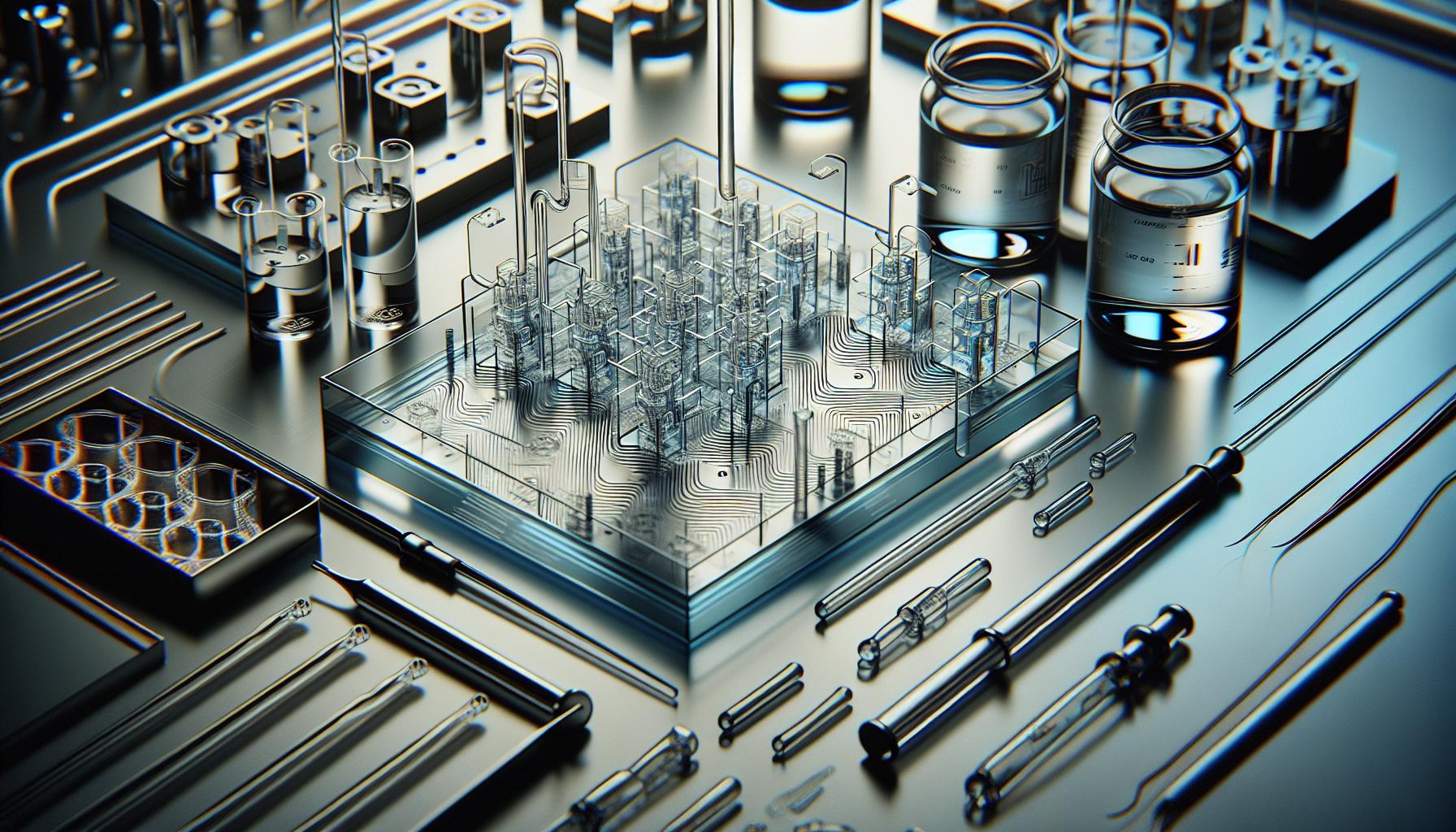
Types of Pumps for Constant Flow Sources
When it comes to maintaining a constant flow in microfluidic applications, the choice of pump is critical. Various pump types serve different needs, and understanding these can help researchers optimize their systems for desired outcomes. Among the most common are syringe pumps, peristaltic pumps, and diaphragm pumps. Each offers unique advantages and operates based on distinct principles, making them suitable for various applications in the microfluidic realm.
Syringe Pumps
Syringe pumps are well-known for their precision and can deliver a highly controllable flow rate. They work by mechanically pushing the plunger of a syringe, allowing for accurate volume delivery over time. This feature makes them ideal for applications requiring meticulous flow control, such as cell culture and biochemical assays. They work exceptionally well in experiments where the fluid’s viscosity varies, as the pump can be calibrated to ensure consistent delivery rates regardless of fluid properties. Furthermore, the integration of multiple syringe pumps can facilitate complex experiments involving several fluids, enhancing their versatility.
Peristaltic Pumps
Peristaltic pumps employ a different mechanism, relying on rollers compressing a flexible tube to push fluid along its path. This method is advantageous for handling abrasive or sensitive liquids since the fluid only comes in contact with the tubing, minimizing contamination and degradation. They are particularly beneficial in applications such as microreactors and high-throughput screening, where large volumes might need to be processed continuously without compromising quality. The easy replacement of tubing also makes maintenance straightforward, allowing for quick changes between different experiments or reagents.
Diaphragm Pumps
Diaphragm pumps provide another efficient option for achieving constant flow in microfluidic systems. These pumps operate by using a diaphragm that flexes back and forth, creating a suction effect that draws fluid in and then pushes it out. They are not only effective for delivering precise flow rates but are also capable of handling gases and liquids, making them versatile across various applications. This versatility is particularly useful in setting up experimental conditions where gas-liquid interactions are essential, such as in certain biochemical reactions.
Ultimately, the choice of pump will depend on the specific requirements of the application, including accuracy, fluid properties, and ease of maintenance. Testing different pump types within your microfluidic setup can guide optimal selection, ensuring that the research progresses efficiently while maintaining the integrity of the data collected.
Comparative Analysis of Pumping Options
In the realm of microfluidics, the choice of a pump can significantly influence both the ease of operation and the quality of results. With multiple pump types available, understanding their specifics enables researchers to select the best option for their applications. When comparing syringe pumps, peristaltic pumps, and diaphragm pumps, it’s essential to consider not only their operational mechanisms but also the implications for your experiments.
Syringe pumps stand out for their precision. Known for delivering consistent flow rates, they are particularly effective in scenarios where fluid composition may fluctuate or require stringent control, such as in biochemical assays. Their design allows for easy calibration, which is crucial when dealing with viscous solutions. An example of their practical utility can be found in cell culture applications, where they enable controlled nutrient and reagent delivery over time, enhancing cell viability and experiment reproducibility.
Conversely, peristaltic pumps excel in flexibility and maintenance. By compressing a flexible tube to move fluids, these pumps prevent contact between the material being pumped and the inner workings of the pump. This characteristic is particularly beneficial for handling sensitive or abrasive liquids. For instance, in high-throughput screening applications, peristaltic pumps can efficiently process large volumes while simplifying the transition between different reagents through easy tube replacement. Their straightforward design promotes user-friendliness, which can significantly reduce downtime in experimental setups.
Lastly, diaphragm pumps offer a unique advantage with their ability to handle both gases and liquids, thanks to their flexible diaphragm mechanism. This allows for precise control over flow rates similar to syringe pumps but with added versatility. Diaphragm pumps are ideal for applications requiring gas-liquid interactions, such as certain biochemical reactions. Their adaptability makes them suitable for various studies in microreactor systems where both phases must be managed delicately.
Ultimately, the decision on which pump to use should balance factors like the specific application requirements, the nature of the fluids in use, and operational convenience. By clearly understanding the comparative advantages of these pumping options, researchers can optimize their microfluidic systems to achieve reliable results while effectively managing experimental variables.
How to Select the Right Pump for Your System
Selecting the right pump for your microfluidic system can be a game-changer, impacting both the efficiency and the accuracy of your experiments. Understanding the specific requirements of your application is crucial. Start by considering the nature of the fluids you will be working with. Are they viscous or shear-sensitive? For instance, if you’re dealing with biological samples or complex fluids that require delicate handling, a syringe pump might be more appropriate due to its precise flow control. On the other hand, if you need to move abrasive or corrosive liquids, peristaltic pumps, which minimize contact between the fluid and pump mechanism, might be a better fit.
Another significant factor to consider is the desired flow rate and pressure. Pumps operate within specific performance ranges, and exceeding these limits can lead to inaccuracies or even equipment failure. For applications requiring consistent flow rates over extended periods, syringe pumps shine due to their ability to deliver accurate and repeatable outputs. For high-throughput scenarios, peristaltic pumps provide flexibility and ease of operation, allowing for rapid swapping of fluid paths. Diaphragm pumps, with their dual capability to handle both gases and liquids, offer unique advantages for experiments that involve gas-liquid interactions, making them suitable for applications in microreactor systems.
When considering integration with your existing microfluidic platform, think about the pump’s compatibility with other components in your setup. Does it require specific power supplies or control software? Whether it’s for academic research or industrial applications, aligning your pump choice with your overall system design is key to ensuring seamless operation. Lastly, don’t overlook the maintenance and operational ease of the pump. Equipment that requires frequent calibration or has complex maintenance needs can introduce delays and affect experimental continuity.
In summary, selecting the right pump for your microfluidic system hinges on understanding your fluidic requirements, desired performance metrics, and overall system compatibility. By carefully assessing these factors, you can ensure that your chosen pump enhances the reliability and precision of your experiments, driving successful research outcomes.
Advantages of Constant Flow in Microfluidic Research
Constant flow sources play a pivotal role in microfluidic research by providing stable and reliable fluid movement, which is essential for various applications ranging from biological assays to material synthesis. A well-maintained constant flow rate minimizes fluctuations that could compromise experimental results. For instance, when conducting cell culture experiments, maintaining a steady flow of nutrients and growth factors ensures that cells receive a consistent supply, leading to more reproducible outcomes.
One significant advantage of constant flow systems is their ability to facilitate precise control over the experimental conditions. This control allows researchers to fine-tune parameters such as temperature, pressure, and shear stress, which can be critical when working with sensitive biological samples. By ensuring that these conditions remain constant, researchers can focus on the specific effects of their experimental variables without the added uncertainty of fluctuating flow rates.
Practical Applications and Benefits
The advantages of constant flow don’t stop at enhanced control; they also extend to increased efficiency and throughput. In drug delivery applications, for example, a constant flow pump can ensure that the drug is delivered at a precise rate, maximizing its effectiveness while minimizing side effects. This is particularly important in therapeutic microfluidics, where dosing precision can significantly affect patient outcomes.
Moreover, constant flow technology supports high-throughput screening processes, enabling researchers to conduct multiple experiments simultaneously with uniform conditions. As a result, this improves data quality and accelerates discovery timelines. For labs looking to transition from traditional methods to advanced microfluidics, investing in constant flow systems not only streamlines workflows but also enhances overall experimental integrity.
Challenges to Consider
While the advantages are clear, implementing constant flow sources is not without its challenges. For example, achieving the desired flow rate may require careful calibration and maintenance, particularly when working with non-Newtonian fluids that exhibit variable viscosity. Researchers must also be mindful of bubble formation and other issues that can disrupt flow stability. Despite these hurdles, the potential benefits make constant flow systems a worthwhile consideration for any microfluidic application, particularly in research settings aiming for high fidelity and reproducibility.
By understanding how constant flow contributes to the reliability and efficiency of microfluidic systems, researchers can enhance their experimental designs, leading to more robust findings and innovations in the field.
Challenges in Implementing Constant Flow Sources
Achieving a constant flow in microfluidic systems is crucial for reliable and reproducible experimental results, but the journey to implementation is fraught with challenges. One of the most significant hurdles is maintaining an accurate and stable flow rate. This task can grow complex, particularly when dealing with non-Newtonian fluids, which exhibit varying viscosity. These fluids can react unpredictably to changes in flow conditions, demanding sophisticated pump mechanisms and meticulous calibration. Regular monitoring and adjustment are essential to ensure that the desired flow rate is consistently achieved over time.
Another critical challenge involves air bubbles forming within the fluid path. Bubbles can disrupt the continuous flow of liquid and impact the accuracy of assays and measurements. This issue is especially pertinent in sensitive applications like cell cultures, where even minute changes in flow can influence cell viability and experimental outcomes. Employing degassing techniques and maintaining proper pressure levels within the system can help mitigate this problem, but requires careful design and regular maintenance. Researchers must remain vigilant, as the presence of bubbles can lead to inconsistent results and hinder the integrity of their work.
Additionally, the physical limitations of certain pump designs can present obstacles. For instance, peristaltic pumps, though widely used, can introduce pulsatile flow if not configured properly. This pulsation can lead to undesirable fluctuations in experimental conditions, complicating data interpretation. Evaluating the pros and cons of various pump technologies-such as syringe pumps, electrokinetic pumps, and others-is crucial. Select the right option that aligns with the specific requirements of your application, including pressure ranges, fluid compatibility, and flow rate stability.
Implementing a robust constant flow system demands not just technical knowledge but also a proactive approach to troubleshooting and maintenance. Researchers must be prepared to engage in regular checks and recalibrations, ensuring their system operates within optimal parameters. By addressing these challenges head-on and understanding the intricacies involved, scientists can leverage constant flow technology to elevate their microfluidic applications and drive innovation in their fields.
Innovative Technologies in Pump Design
Integrating advanced pump technologies into microfluidic applications can significantly enhance performance and reliability. As researchers seek more precise control over fluid dynamics at the microscale, innovative pumping solutions are emerging to meet these demands. Take for instance the development of smart pumps that leverage sensors for real-time monitoring and feedback. These pumps can adjust flow rates dynamically, responding to changes in viscosity or pressure within the microfluidic system. This adaptability is crucial when working with complex fluids that may not behave consistently under varying conditions.
Another exciting area of development is the microvalve and micropump combinations that allow for precise manipulation of multiple fluids in a single device. By utilizing electroosmotic flow combined with mechanical systems, these devices can achieve fine control of fluid movement without the need for bulky pump systems. This not only saves space but also reduces the potential for contamination by limiting the number of interfaces the fluid encounters. Cutting-edge designs often utilize materials such as PDMS and silicon, which are compatible with traditional microfabrication techniques, making them accessible and scalable for various applications.
Furthermore, advancements in digital microfluidics represent a paradigm shift where droplets can be manipulated electrostatically or via pneumatic control. This technology allows for the precise transport, mixing, and analysis of microvolumes of fluid, facilitating automation and integration within lab-on-a-chip systems. This level of control opens new avenues for application in diagnostics, where small sample sizes and rapid processing are essential.
Incorporating these innovative pump designs not only improves the accuracy of experiments but also broadens the scope of what can be achieved with microfluidic technology. Researchers are encouraged to stay abreast of such advancements, as selecting the right pumping mechanism can greatly influence the success of their work. Embracing these innovations can propel research efforts further, making the once impossible achievable in the field of microfluidics.
Best Practices for Maintaining Constant Flow
Maintaining a constant flow in microfluidics is crucial for ensuring precise experimental outcomes, especially in applications involving biochemical assays and cell cultures. When flow rates fluctuate, the integrity of the experiments can be compromised, leading to inaccurate results or failed tests. To counter this, there are several best practices that can be adopted, enabling researchers to achieve and maintain a steady flow.
Firstly, calibration and maintenance of pumping systems are fundamental. Regular calibration ensures that the pumps deliver the expected flow rates. Utilize flow sensors to monitor real-time performance, allowing adjustments in response to detected inconsistencies. Establishing a routine for checking and servicing your equipment can prevent issues stemming from wear and tear that might introduce flow variability.
Another key practice is to minimize dead volumes within the system. Dead volumes can create delays and fluctuations as fluids move through the microchannels. To combat this, design your microfluidic chips with streamlined pathways that reduce sharp bends or unnecessary expansion points in the channels. Employing inline mixers and other fluidic components can enhance the homogeneity of the flow, ensuring that the entire fluid volume moves uniformly.
Managing pressure dynamics also plays a critical role in maintaining constant flow. Keep a close watch on the pressure conditions within your system, as variations can lead to unpredictable flow rates. Implement closed-loop control systems that dynamically adjust the pumping speed based on the feedback from pressure sensors. This smart integration ensures adaptability to any unforeseen changes in experiment conditions, like viscosity changes due to temperature fluctuations.
Lastly, regular training and education for the team handling the microfluidics equipment can significantly enhance flow stability. Understanding the intricate relationship between pump settings, fluid properties, and microchannel designs can empower researchers to troubleshoot issues more effectively. Collaborative group discussions about recent challenges and solutions foster a culture of learning, which is essential in this rapidly evolving field.
Incorporating these best practices not only stabilizes the flow but also enhances the reliability of your microfluidic experiments, ultimately advancing research capabilities in this exciting area of technology.
Future Trends in Microfluidic Pumping Solutions
The landscape of microfluidic pumping solutions is rapidly evolving, influenced by advances in materials science, automation, and analytical methods. One exciting trend is the development of smart pumps that incorporate real-time feedback mechanisms. These pumps utilize sensors to monitor flow rates and fluid properties continuously. For instance, a pump could automatically adjust its output in response to changes in viscosity caused by temperature fluctuations, maintaining a consistent flow crucial for experimental accuracy.
Integrating micro-electromechanical systems (MEMS) technology into fluidic devices is another notable trend. MEMS-based pumps are compact and energy-efficient, allowing for more portable and versatile microfluidic solutions. These pumps can operate at lower flow rates while ensuring precision akin to larger systems. The miniaturization not only aids in reducing reagents and sample sizes but also paves the way for integration into portable diagnostics, expanding the applications of microfluidics in fieldwork and point-of-care settings.
Furthermore, advances in bio-inspired pump designs are gaining traction. Mimicking natural systems, such as contraction mechanisms found in biology, these innovative designs can achieve greater efficiency and operational adaptability. Research into peristaltic or siphon-like pumping actions can offer significant benefits in terms of gentle fluid handling – particularly valuable in applications involving sensitive biological samples.
Lastly, the growth of software-driven solutions is redefining how microfluidic systems collaborate with automation. Advanced modeling and simulation tools can now predict the ideal pumping conditions for specific applications. By utilizing sophisticated algorithms, researchers can optimize flow parameters dynamically and in real-time, enabling greater experimental flexibility and reproducibility. As these trends continue to materialize, the future of microfluidic pumping solutions looks promising, with potential to enhance research capabilities and expand into new application domains.
Case Studies: Successful Implementations in Industry
Implementing constant flow sources in microfluidic systems can dramatically enhance the precision and reliability of various applications, such as biological assays, chemical analyses, and diagnostic tests. One notable case study comes from a biotech firm that developed a microfluidic device for cancer cell detection. Using a peristaltic pump designed to maintain stable flow rates, the device achieved rapid sample preparation and analysis times while ensuring that the shear stress on sensitive cells remained minimal. This careful balancing of flow was crucial for preserving cell viability, leading to more accurate detection rates compared to methods that employed fluctuating flows.
Another compelling example pertains to a pharmaceutical company that integrated a constant flow source into its drug formulation process. The use of a syringe pump allowed for precise control of flow rates, which was essential for maintaining the consistency of drug concentrations during the formulation. By employing this approach, the company reduced variability between batches, streamlined production processes, and minimized waste, ultimately saving costs while adhering to stringent regulatory standards.
In the realm of environmental testing, researchers developed a miniaturized microfluidic system equipped with a constant flow pump to monitor water quality in real-time. This system utilized a diaphragm pump that maintained a steady flow, allowing for continuous sampling without disrupting the delicate balance of aquatic ecosystems. The constant flow rate enabled the precise quantification of pollutants and facilitated rapid responses to contamination events, showcasing the practicality of constant flow sources in critical applications.
These case studies highlight the versatility of constant flow technologies in microfluidics. Whether enhancing cell-based assays, streamlining pharmaceutical production, or ensuring accurate environmental monitoring, constant flow sources play a vital role in pushing the boundaries of what microfluidic systems can achieve. By selecting the appropriate pumping solutions, industry players can realize significant improvements in efficiency, accuracy, and reliability, ultimately driving innovation and progress in the field.
Q&A
Q: What types of pumps are available for microfluidic applications?
A: There are several types of pumps used in microfluidics, including peristaltic pumps, syringe pumps, diaphragm pumps, and centrifugal pumps. Each type has unique advantages, such as ease of integration, precision in flow rates, and the ability to handle various fluid viscosities. Choosing the right pump depends on the specific requirements of your microfluidic system.
Q: How do constant flow sources improve microfluidic experiments?
A: Constant flow sources enhance the reliability and reproducibility of microfluidic experiments by maintaining a stable flow rate, which is crucial for accurate results. This stability minimizes variations in reaction rates and enables consistent analysis in applications such as drug delivery and diagnostics.[[2]]
Q: What are the key factors to consider when selecting a pump for microfluidics?
A: When selecting a pump for microfluidics, consider factors such as flow rate, pressure stability, compatibility with fluids, and size constraints. Additionally, evaluate the pump’s ease of integration with existing systems and its maintenance requirements to ensure optimal performance.
Q: Why might a researcher choose a diaphragm pump over other types?
A: A diaphragm pump is often chosen for its ability to handle viscous or particulate-laden fluids without clogging. It provides precise flow control and is capable of generating high pressures, making it ideal for applications requiring accurate dosing and control in microfluidic devices.
Q: What challenges are associated with maintaining constant flow in microfluidic systems?
A: Challenges in maintaining constant flow include potential clogging of channels, variability in fluid properties, and the influence of temperature changes on fluid viscosity. Regular maintenance and real-time monitoring of flow rates can help address these issues effectively.
Q: How do innovative technologies enhance pump design for microfluidics?
A: Innovative technologies, such as smart sensors and microelectromechanical systems (MEMS), enhance pump design by allowing for real-time flow monitoring and automation. These advancements facilitate more precise control and improved responsiveness, leading to more efficient microfluidic applications.
Q: Where can I find best practices for maintaining constant flow in microfluidic applications?
A: Best practices for maintaining constant flow include implementing routine calibration, optimizing fluid handling procedures, and using high-quality pumps suited for microfluidic applications. Refer to sections on “Best Practices for Maintaining Constant Flow” in our main article for detailed guidelines on this topic.[Internal Link]
Q: When is it necessary to use a constant flow source in microfluidic research?
A: A constant flow source is essential when precise control of fluid delivery is critical, such as in chemical reaction kinetics, biological assays, and sample analysis. It ensures that experimental conditions remain stable, leading to more reliable and reproducible outcomes.
Closing Remarks
Understanding the various options for constant flow sources is crucial for optimizing your microfluidic systems. By selecting the right pumping mechanisms, you can enhance the precision and reproducibility of your experiments, ultimately leading to more robust results. Don’t miss out on our related articles, such as “Microfluidics Applications in Diagnostics” and “Flow Control Techniques for Lab-on-a-Chip,” which provide deeper insights into leveraging these technologies effectively.
Now is the time to take your research further. Whether you’re looking to refine your current systems or explore new applications, exploring our resource section can guide you through the latest innovations in microfluidics. If you have questions or need personalized advice, don’t hesitate to reach out for a consultation! Join our community by signing up for our newsletter to stay updated on emerging trends and technologies in microfluidic research. Your insights are invaluable, so we encourage you to share your thoughts in the comments below!
Get our latest guides, news, and insights highlighted in your Google Search & AI Overviews.