Microfluidic nano separation is revolutionizing particle analysis by enabling the precise manipulation and characterization of tiny samples, often measuring in picoliters. Imagine solving complex biological problems or enhancing drug delivery systems with unprecedented accuracy and efficiency. This technology harnesses the power of microfluidics to facilitate advanced analytical techniques, improving sensitivity and reducing sample waste. Whether you’re a researcher seeking innovative solutions or a student eager to explore the forefront of scientific advancement, this field offers exciting opportunities. Here, we delve into how microfluidic systems are transforming particle analysis, addressing key challenges, and showcasing real-world applications. Join us as we uncover the transformative potential of microfluidic nano separation in various disciplines, paving the way for significant breakthroughs in biomedical research and beyond.
Microfluidic Technology Overview: Basics and Benefits
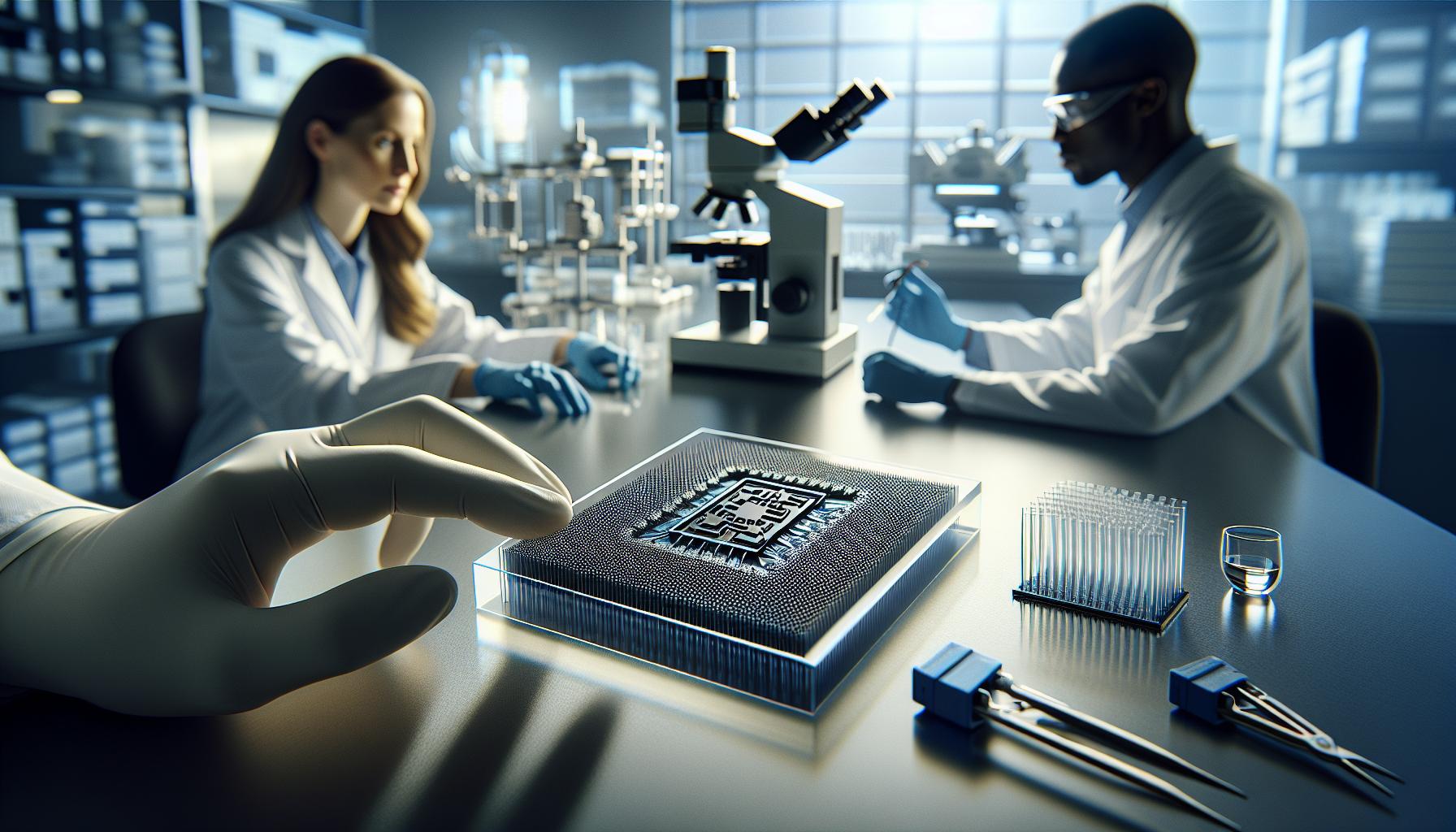
In the realm of scientific research and diagnostics, microfluidic technology serves as a transformative approach, enabling sophisticated analysis with minimal sample volume. At its core, microfluidics involves manipulating small amounts of fluids, typically in the microliter to picoliter range, within miniaturized devices. This precision allows researchers to conduct experiments that were previously prohibitively expensive or logistically daunting due to the high volumes of reagents often required. The ability to perform bioanalytical procedures with reduced sample size not only optimizes resource consumption but also enhances the speed and efficiency of analyses, making it a vital tool in fields ranging from biomedical research to environmental monitoring.
One of the key advantages of microfluidic systems is their capacity for parallel processing. This feature is particularly beneficial in particle analysis and separation processes, where multiple experiments can occur simultaneously, reducing overall time and increasing throughput. Additionally, microfluidic devices often incorporate integrated sensors and detection systems, further streamlining workflows. For instance, in droplet microfluidics, samples are compartmentalized into discrete droplets, facilitating high-throughput screening and reaction monitoring. This capability is especially useful in applications such as single-cell analysis or the investigation of rare biological events.
Another significant benefit of microfluidic technology is its versatility. The platforms can be easily tailored for specific applications, whether it’s creating conditions for chemical reactions, conducting immunoassays, or isolating specific cell types. As noted in recent literature, advancements in microfluidic technology continue to evolve, introducing innovations that improve the functionality and ease of use for researchers. By combining traditional analytical techniques with modern microfluidic approaches, scientists can achieve unparalleled sensitivity and specificity in their analyses, which is essential for advancing the frontiers of biochemistry and molecular biology.
From a practical standpoint, the transition to microfluidic techniques provides a more sustainable approach to laboratory work, necessitating fewer chemicals and reducing waste. As labs increasingly prioritize environmental responsibility, incorporating microfluidic systems represents a step forward in aligning research practices with sustainable development goals. With ongoing research and development in this field, the future of microfluidics promises not only to enhance particle analysis but also to revolutionize how scientists conduct experiments across multiple disciplines, driving innovation and discovery.
Principles of Nano Separation Techniques
Nano separation techniques in microfluidics showcase the cutting edge of particle analysis, allowing scientists to effectively separate and manipulate particles at an unprecedented scale. As the need for precise and efficient methods grows, understanding the principles underlying these techniques becomes crucial for any researcher or technician in the field. The synergy between microfluidics and nano-separation offers sophisticated solutions for diverse applications, from biomedical diagnostics to environmental monitoring.
One foundational principle in nano separation is size exclusion. In this method, particles are separated based on their size as they pass through a porous medium. In microfluidic devices, this process is often accelerated by creating laminar flow conditions, which prevent turbulence and maintain distinct layers of fluids. Smaller particles can navigate through the pores while larger ones are trapped, effectively sorting mixtures with high precision. For instance, in biological research, this technique can be used to isolate exosomes from cell cultures-tiny vesicles that hold significant potential as biomarkers for various diseases.
Another crucial principle involves electrophoresis, where particles carry an electric charge and migrate through a medium in response to an electric field. Microfluidic devices enable precise control over both the electric field and fluid dynamics, leading to enhanced resolution in separations. A practical example is the use of microchip electrophoresis for DNA fragment analysis, where researchers can achieve rapid and high-resolution separation of nucleic acids. This not only speeds up the analysis but also reduces the amount of sample required.
Furthermore, magnetic separation has emerged as a powerful ally in microfluidic applications. By incorporating magnetic particles into the fluidic system, researchers can utilize magnetic fields to precisely manipulate and separate these particles from others in the mixture. This approach is particularly effective in biomedical contexts, such as isolating specific cell types from blood samples for further analysis or treatment. The combination of microfluidics with magnetic nanoparticles allows for automated and highly efficient processing of samples, which can greatly enhance diagnostic workflows.
As these principles illustrate, the integration of nano separation techniques within microfluidic systems not only streamlines the analytical process but also enhances the accuracy and viability of results. By leveraging the unique properties of nano-scale particles and microfluidic environments, researchers can unlock new frontiers in particle analysis, paving the way for innovations across various scientific domains.
Key Applications of Microfluidic Nano Separation

Microfluidic nano separation techniques are revolutionizing diverse fields, from biomedical research to environmental science, by enabling unprecedented precision in particle analysis. These applications showcase the power of miniaturized fluid mechanics to enhance processes like sample preparation, diagnostic testing, and even drug delivery. For instance, consider the medical realm where microfluidic devices isolate rare cells, such as circulating tumor cells (CTCs) from blood samples. This ability is crucial for cancer diagnostics, allowing for early detection and personalized treatment plans based on the biological markers present in a patient’s bloodstream.
In the realm of metabolomics, microfluidics plays a pivotal role in analyzing metabolites at minute scales, facilitating rapid screening of drug candidates and metabolic profiling. Techniques like microchip electrophoresis enable scientists to separate and identify thousands of metabolites rapidly, providing insights into disease pathways. The ability to conduct these analyses with minimal sample volumes accelerates research and decreases the costs associated with traditional methods. As a result, researchers can explore metabolic changes in minute sample sizes, which was previously a significant barrier in metabolic studies.
Environmental applications of microfluidic nano separation are also gaining traction, particularly in detecting pollutants or pathogens in water samples. By utilizing methods such as size exclusion or immunoassays integrated within microfluidic platforms, researchers can achieve real-time monitoring of environmental contaminants. This advancement not only streamlines the testing process but also lowers detection limits to parts per billion, making it easier to identify hazardous substances with great accuracy.
Moreover, industries are leveraging these technologies for quality control in manufacturing processes. Automated microfluidic systems can monitor particulate matter in products or assess the purity of compounds continuously. This integration not only enhances efficiency but also minimizes human error, ensuring consistent product quality and compliance with safety standards. As these examples illustrate, the versatility of microfluidic nano separation is paving the way for significant advancements across multiple sectors, driving innovation and enhancing our understanding of complex biological and environmental systems.
Advanced Particle Analysis: Techniques and Tools
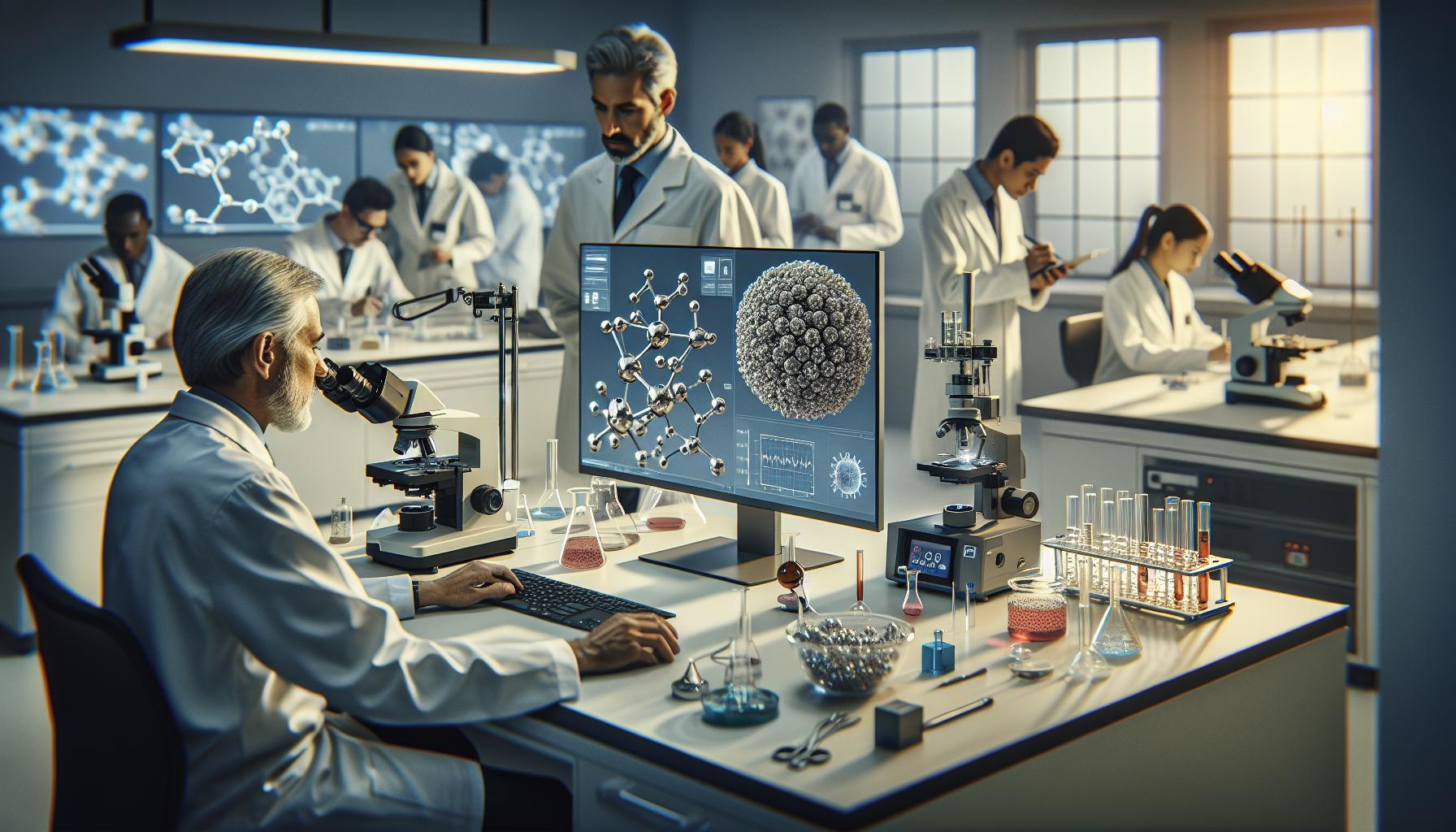
In the realm of advanced particle analysis, microfluidic technologies are proving to be invaluable tools, effectively combining precision with versatility. The ability to manipulate small volumes of fluids enables researchers to undertake intricate analyses that were previously challenging to perform efficiently. Microfluidic systems allow for the integration of various analytical techniques into a compact format, ultimately enhancing the speed and accuracy of particle characterization.
One prominent technique in microfluidic particle analysis is microchip electrophoresis, which leverages electric fields to separate particles based on their size and charge. This method excels in applications ranging from biomolecule separation to the analysis of nanoparticles. The advantages include enhanced resolution and the capability to process multiple samples simultaneously, resulting in significant time savings. For example, researchers can swiftly identify and quantify different peptides in a complex mixture, allowing for rapid biomarker discovery in clinical diagnostics.
Another notable approach is droplet microfluidics, where samples are segmented into aqueous droplets within an oil phase. This method allows for high-throughput screening and analysis of individual droplets, each acting as a microreactor. By isolating reactions in tiny compartments, researchers can test varying conditions-such as different reagents or temperatures-without the need for extensive sample volumes. This capability is particularly advantageous in the pharmaceutical industry for drug discovery, where understanding the interactions of compounds at a microscopic level can lead to breakthroughs in treatment options.
Moreover, advanced particle analysis benefits from integrated sensing tools, such as fluorescence and optical detection methods. By incorporating these sensors into microfluidic devices, researchers can monitor reactions in real time, ensuring immediate data collection and thereby fostering quicker decision-making processes. Coupling these sensors with machine learning algorithms can further enhance data interpretation, helping to identify complex patterns that may influence product quality or biological responses.
In summary, the synergy of microfluidics with various analytical techniques not only transforms particle analysis but also empowers researchers across multiple fields. With continuous innovations in microfluidic design and functionality, including the potential integration of artificial intelligence, we can anticipate even greater efficiencies and capabilities in future research endeavors. The versatility and precision offered by microfluidic technologies are indeed paving the way for significant advancements in scientific inquiry and practical applications.
Comparative Analysis: Microfluidics vs. Traditional Methods
The evolution of microfluidic technologies has prompted a significant reassessment of traditional analytical methods in particle analysis. In contrast to time-honored techniques, microfluidics excels in its capacity for miniaturization and automation, allowing for unprecedented control over fluid dynamics. This precision not only enables detailed manipulation of small volumes but also enhances the overall efficiency of experiments. For example, while traditional methods often require larger sample sizes and extensive manual handling, microfluidic approaches can achieve the same level of analysis with microliter volumes, significantly reducing reagent costs and waste.
Another standout feature of microfluidics is its high-throughput capabilities. Traditional separation techniques, such as gel electrophoresis, typically process samples sequentially, which can be time-consuming and labor-intensive. In contrast, microfluidic devices facilitate simultaneous analysis of multiple samples by utilizing parallel processing. This not only accelerates the experimental workflow but also improves reproducibility, as conditions can be controlled more uniformly across samples. Consequently, this is especially advantageous in industries like pharmaceuticals, where rapid drug screening is critical for efficiency and speed.
Performance Metrics
When comparing performance metrics, microfluidics generally outperforms traditional methods on several fronts:
- Resolution: Microfluidic techniques, particularly microchip electrophoresis, offer superior resolution compared to bulk methods due to their ability to confine samples within controlled microenvironments.
- Automation: Many microfluidic systems are designed for automated operation, minimizing human error and increasing throughput while traditional methods often rely on manual pipetting and handling.
- Time Efficiency: Microfluidic approaches can yield results in minutes rather than hours or days, allowing for rapid responses in research and clinical settings.
Despite these advantages, some challenges remain. Microfluidic devices require careful design and fabrication, and the initial investment can be higher compared to conventional systems. Additionally, integrating microfluidics into existing laboratory workflows may require adaptation and training. However, as technology advances and becomes more mainstream, the adoption barriers are expected to decrease.
In summary, while traditional methods have served foundational roles in particle analysis, the rise of microfluidics offers compelling improvements in efficiency, accuracy, and cost-effectiveness that are reshaping analytical practices across various scientific disciplines. Adapting to this shift not only enhances research outcomes but also prepares laboratories to meet modern analytical demands.
Integration of AI in Particle Analysis
Incorporating artificial intelligence (AI) into particle analysis within microfluidics opens a new frontier in precision and efficiency. Imagine maximizing the capabilities of microfluidic systems, which already excel in manipulating and analyzing minuscule fluid volumes, with algorithms that can predict outcomes, optimize processes, and uncover hidden patterns within data. AI can analyze vast amounts of data generated during experiments more rapidly than humans, offering researchers insights that were previously unattainable. For instance, machine learning models can be trained on experimental data to identify trends and anomalies, enhancing the accuracy of particle characterization.
One compelling application of AI in microfluidics is in the development of intelligent lab-on-a-chip devices. These systems can autonomously adjust parameters such as flow rates or temperatures in real-time, guided by AI algorithms that continuously analyze performance metrics. This adaptivity not only maximizes experimental yields but also minimizes the risk of human error. As a result, researchers can refocus their efforts on interpreting findings instead of managing processes, ultimately speeding up the research cycle in fields from drug development to environmental monitoring.
Furthermore, AI-driven image analysis significantly enhances particle detection and classification within microfluidic devices. Advanced computer vision techniques can automatically sort and analyze particles based on size, shape, and fluorescence characteristics. By integrating these algorithms, the time-consuming manual processes of image interpretation can be vastly reduced, allowing for high-throughput screening of samples. This capability is particularly beneficial in applications such as single-cell analysis and biomarker discovery, where detailed characterization is crucial.
In summary, the integration of AI in microfluidic particle analysis is revolutionizing the field, paving the way for smarter, more adaptable systems that enhance the efficiency and reliability of experiments. As these technologies evolve, we can expect to see further innovations that will refine analytical techniques, making significant strides in both academic research and industrial applications.
Real-World Case Studies in Microfluidic Applications
The potential of microfluidic technology in advancing particle analysis has been demonstrated through several compelling real-world applications. One notable example is in the field of cancer diagnostics, where microfluidic devices have transformed the way researchers analyze circulating tumor cells (CTCs) in the blood. CTCs are exceedingly rare, typically present at only one or two cells per billion blood cells, making their isolation a significant challenge. Leveraging the precision of microfluidics, scientists have developed devices that utilize size-based filtration and immunoaffinity techniques to effectively capture and characterize these elusive cells. Such advancements not only enhance the accuracy of cancer diagnostics but also facilitate real-time monitoring of therapeutic efficacy, allowing for more personalized treatment strategies.
Additionally, microfluidics excels in the domain of biomarker discovery and analysis. For instance, researchers have deployed microdroplet-based systems to perform high-throughput screening of biological samples, leading to the rapid identification of disease biomarkers. By encapsulating individual droplets with varying chemical compositions, scientists can observe the effects of multiple variables on biological reactions in parallel. This capability significantly accelerates the traditional research timeline, allowing for quicker validations of potential biomarkers and thus advancing our understanding of diseases such as Alzheimer’s and diabetes. A specific case involved using microfluidic platforms to analyze multiplex cytokine profiles from patient samples, enabling researchers to create a clearer picture of the inflammatory status in various diseases.
Another fascinating application is in the field of environmental monitoring, where microfluidics has been employed for the detection of pollutants and pathogens in water supplies. Researchers developed portable microfluidic devices capable of conducting rapid, on-site analysis of water samples for contaminants like heavy metals and bacterial pathogens. These devices utilize a combination of miniaturized sensors and fluidic manipulation techniques to deliver results within minutes, a vast improvement over conventional laboratory testing methods that can take days. For example, one such device garnered attention for its ability to detect E. coli in water samples quickly, showcasing the power of microfluidic technologies in ensuring public health and safety.
The integration of microfluidic technology into various fields not only enhances the efficiency and accuracy of particle analysis but also accelerates research and development timelines across disciplines. As these devices become more sophisticated, we can expect even broader impacts in fields ranging from healthcare to environmental science, continually bridging the gap between theoretical research and practical application.
Challenges and Innovations in Nano Separation
Microfluidic nano separation holds immense promise in revolutionizing particle analysis, but it is not without its challenges. One of the primary hurdles is the need for precise control and manipulation of fluids at the microscale. This often involves overcoming issues such as flow instability and the formation of bubbles, which can disrupt the delicate processes within microfluidic devices. Additionally, scaling these technologies for commercial applications requires addressing variability in fluid properties and the impact of environmental conditions, which can alter separation efficiencies.
Innovations in materials and design strategies are pivotal in tackling these challenges. Recent advancements include the development of novel substrates that enhance the biocompatibility of microfluidic devices and allow for more stable operation in varied conditions. Furthermore, the integration of advanced fabrication techniques, such as 3D printing and laser etching, enables rapid prototyping of complex microfluidic architectures that can be tailored for specific separation tasks. These innovations not only streamline the manufacturing process but also enhance the ability to customize devices for specialized applications, such as isolating rare cell types in diagnostics or separating pollutants in environmental samples.
AI and Machine Learning Integration
Another exciting avenue for overcoming existing challenges lies in the application of artificial intelligence (AI) and machine learning algorithms in microfluidic systems. These technologies can optimize the operation of separation mechanisms by analyzing real-time data to adjust parameters dynamically, such as flow rates and reagent concentrations. This automation enhances efficiency and accuracy, leading to better outcomes in high-throughput screening processes and complex analyses. For instance, using AI to predict separation efficiencies can drastically reduce experimental trial and error, accelerating research and development timelines across various fields.
As researchers continue to explore novel approaches to nano separation, collaborations between disciplines will pave the way for breakthroughs. By combining expertise from materials science, engineering, and computational modeling, innovative microfluidic solutions are emerging to tackle some of the most pressing issues in particle analysis today. This multidimensional approach not only enhances the capabilities of microfluidic devices but also broadens their application ranges, setting the stage for significant advancements in healthcare, environmental monitoring, and beyond.
Future Trends in Microfluidic Technologies
In the rapidly evolving realm of microfluidic technologies, one captivating trend is the integration of advanced materials that enhance device functionality and performance. Innovations in substrates-such as biomimetic materials and responsive polymers-are opening up new avenues for microfluidics. These materials not only improve the stability and biocompatibility of devices but also allow for dynamic control of fluid interactions, which is critical for applications in biomedicine and environmental monitoring.
Furthermore, the adoption of 3D printing technologies is revolutionizing how microfluidic devices are designed and fabricated. This approach enables researchers to create complex geometries and customized channels quickly and efficiently, fostering rapid prototyping. With additive manufacturing, it is now possible to develop integrated systems that incorporate multiple functionalities into a single chip. This means that researchers can design devices capable of conducting various separation processes or analyses simultaneously, enhancing throughput and performance in particle analysis.
AI and Real-Time Data Integration
The growing incorporation of artificial intelligence and machine learning into microfluidic systems is also set to reshape the field. By leveraging AI algorithms, researchers can analyze vast datasets generated from experiments to optimize fluid dynamics, predict separation outcomes, and automate adjustments in real time. This not only streamlines operations but also reduces the time and resources traditionally required for experimental tuning. For instance, systems powered with AI could learn from previous runs to ensure that optimal conditions are maintained, resulting in higher accuracy and consistency in nanoparticle analysis.
As the field continues to develop, multidisciplinary collaborations will be key to driving innovation. By merging expertise from fields such as materials science, engineering, and data analytics, researchers can create cutting-edge microfluidic devices tailored for specific applications, from precision healthcare diagnostics to environmental remediation. These collaborations will likely lead to breakthroughs that can significantly impact diverse sectors, enhancing the capabilities of microfluidic technologies and their role in advanced particle analysis.
In summary, the future of microfluidic technologies is bright, with advancements in material science, manufacturing processes, and computational techniques paving the way for more efficient, customizable, and integrated solutions for nano separation and particle analysis. As these trends coalesce, we can expect to see a remarkable transformation in how researchers tackle complex challenges in various scientific domains.
Enhancing Efficiency in Particle Characterization
Advanced particle characterization is pivotal for numerous scientific and industrial applications, from developing new materials to optimizing healthcare diagnostics. Microfluidics offers a groundbreaking approach that significantly enhances the efficiency of these processes. By utilizing microscale channels, researchers can manipulate fluid flows with high precision, allowing for rapid analysis of particles-and this efficiency can lead to faster discoveries and developments.
One of the core advantages of microfluidic systems is their ability to conduct parallel and high-throughput analyses. Traditional methods often require large sample volumes and lengthy processing times, but with microfluidics, multiple experiments can be run simultaneously using minimal resources. This capability not only saves time but also reduces material costs, making it an appealing choice for laboratories looking to maximize their operational efficiency. For instance, using a microfluidic device equipped with multiple inlets and outlets, a researcher can analyze various concentrations of a particle suspension under the same conditions, collecting data much more efficiently than through batch processing.
Precision and Control in Measurement
The precision offered by microfluidics also plays a crucial role in enhancing particle characterization. The scalability of microfluidic devices allows for meticulous control over fluid dynamics, enabling finer adjustments in flow rates and shear conditions. This control leads to improved separation efficiency, particularly for nanoparticles that are difficult to distinguish using conventional techniques. Furthermore, the integration of sensing technologies within these systems can provide real-time feedback on particle characteristics, such as size distribution and surface morphology, which are critical for applications in pharmaceuticals and materials science.
By harnessing these advanced techniques, researchers can achieve a level of detail that was once unattainable. For example, in drug formulation, characterizing the size and dispersion of nanoparticles directly affects their efficacy and safety. Microfluidic systems equipped with real-time imaging capabilities can track how nanoparticles behave under various conditions, allowing scientists to refine their formulations rapidly.
In summary, the shift towards microfluidic technology in particle characterization not only streamlines processes but also enriches the data quality and accuracy of analyses. This evolution reflects a broader trend in science and industry where efficiency and precise control are paramount. As technology progresses, further innovations in microfluidics will undoubtedly lead to enhanced methodologies that push the boundaries of particle analysis, enabling new discoveries and applications across numerous fields.
Common Issues and Troubleshooting in Nano Separation
Microfluidic systems are remarkable tools, yet they come with their own set of challenges, especially when it comes to nano separation techniques. Understanding and addressing these challenges is crucial for optimizing performance and achieving reliable results. One common issue is the blockage of microchannels. This can occur due to particle aggregation or the presence of impurities in the samples. To mitigate this, it is essential to carefully prepare samples by filtering them or using surfactants to prevent aggregation, ensuring smooth fluid flow through the channels.
Another frequent hurdle is maintaining consistent flow rates, which can significantly affect separation efficiency. Factors such as pressure fluctuations or variations in viscosity can lead to unpredictable flow conditions. Implementing precise flow control systems, such as pressure regulators or syringe pumps, can help stabilize flow rates. Additionally, calibrating your setup regularly and keeping an eye on environmental conditions-such as temperature-can greatly enhance reproducibility and accuracy in results.
A key troubleshooting step involves monitoring and adjusting operating parameters. For instance, if unexpected separation results are observed, it may be necessary to revisit channel dimensions, flow rates, or the chemical environment of the fluid. Using numerical simulations to predict fluid behavior under various conditions can also provide insights into potential adjustments needed to enhance performance. Furthermore, incorporating real-time analytics can help in identifying problems as they arise, allowing for immediate corrective actions.
Handling Mixed Particle Sizes
When dealing with samples containing mixed particle sizes, achieving effective separation can be particularly challenging. Strategies include optimizing the flow rate to enhance the shear forces acting on particles, thus promoting separation based on size. In some cases, utilizing gradient-based separation techniques can help; applying a gradient in either flow or concentration can facilitate the segregation of particles.
Overall, while troubleshooting in microfluidic nano separation poses certain challenges, understanding these problems and proactivity in addressing them can lead to successful outcomes. Leveraging both technological innovations and methodical problem-solving will enhance the reliability and efficiency of particle analysis systems.
Building a Microfluidic Lab: Essential Equipment and Design
Creating a microfluidic lab dedicated to advanced particle analysis is an exciting venture, one that opens the door to groundbreaking research and innovations. As microfluidics continues to play a crucial role in areas such as biomedical research, environmental monitoring, and chemical analysis, having the right equipment and thoughtful design is essential. Not only does this facilitate precise control over fluid dynamics and particle separation, but it also enhances reproducibility and efficiency in experiments.
To begin setting up your microfluidic lab, focus on procuring the fundamental equipment. At the core of your work will be microfluidic chips or devices, which can be fabricated from materials such as PDMS (polydimethylsiloxane) or glass. Each material offers different advantages; PDMS is well-regarded for its elasticity and ease of use, while glass provides superior optical properties for imaging applications. Next, you’ll need pumping systems that can deliver fluids with high precision. Options include syringe pumps and peristaltic pumps, both of which can be fine-tuned to control flow rates crucial for separation processes.
For efficient analysis, integrating a microscope with imaging capabilities is vital. This allows real-time observation and monitoring of particle behavior within the microchannels, aiding in optimizing separation techniques. Coupling the microscope with camera systems can facilitate image acquisition for later analysis, establishing a comprehensive data collection method. Additionally, incorporating sensors for monitoring temperature, pressure, and flow rates can enhance experimental accuracy, ensuring that all variables are closely controlled.
Setting Up the Space
Designing the lab layout itself is a critical step. The work area should allow for easy access to all equipment while minimizing contamination risks, which can impede particle separation outcomes. An ergonomic and modular layout enables flexibility, especially if you plan to expand your research capabilities in the future. Consider implementing a designated cleanroom space for sensitive operations, especially when working with biological samples to avoid cross-contamination.
Safety protocols also can’t be overlooked. Ensure you have appropriate containment and waste management systems in place for hazardous materials. This not only complies with safety regulations but also fosters a culture of responsible research among lab personnel. Finally, investing in training sessions for lab members on the operation of complex equipment and troubleshooting can significantly enhance productivity and innovation within the lab environment.
By establishing a well-equipped and thoughtfully designed microfluidic lab, you’ll be better positioned to explore advanced particle analysis techniques, driving forward the boundaries of what microfluidics can achieve in your research field.
Frequently asked questions
Q: What is microfluidic nano separation and why is it important?
A: Microfluidic nano separation is a technique that utilizes small-scale fluidic channels to separate and analyze particles at the nano-level. It’s important because it enables high-resolution particle analysis with minimal sample volumes, enhancing efficiency in areas like biomedical research and environmental monitoring.
Q: How does microfluidic nano separation compare with traditional particle separation methods?
A: Unlike traditional methods, which often require larger sample sizes and more complex setups, microfluidic nano separation is compact and efficient. It provides faster results and improved resolution, making it a preferred choice for researchers focused on precision and miniaturization.
Q: What are the challenges faced in microfluidic nano separation?
A: Challenges include issues like clogging of channels, precise control of fluid dynamics, and scalability. Additionally, achieving reproducibility can be difficult due to the sensitivity of nano-scale manipulations, necessitating ongoing innovations and optimizations in technology.
Q: How does integration of AI enhance microfluidic nano separation techniques?
A: AI integration in microfluidic nano separation enhances data analysis and optimizes experiments. Machine learning algorithms can analyze particle behavior in real time, improving the accuracy of particle characterization and allowing for faster decision-making during experiments.
Q: What applications benefit the most from microfluidic nano separation technologies?
A: Applications in biomedicine, such as drug development and personalized medicine, as well as environmental analysis for pollutant detection and monitoring, benefit significantly from microfluidic nano separation. This technology allows for precise and rapid assessments in these critical areas.
Q: What advancements are being made in microfluidic nano separation technology?
A: Recent advancements include the development of novel materials for chip fabrication, improved design of microchannels, and enhanced integration with sensor technologies. These innovations are aimed at increasing throughput and reliability in particle analysis.
Q: When is microfluidic nano separation preferred over conventional methods?
A: Microfluidic nano separation is preferred when sample size is restricted or when high-resolution particle analysis is crucial, such as in early diagnosis of diseases or analysis of rare biological samples. It is ideal for applications requiring precision and quick results.
Q: Where can I find the necessary equipment for microfluidic nano separation?
A: You can source the necessary equipment for microfluidic nano separation through specialized suppliers like microfluidic ChipShop, which offers a variety of microfluidic chips, connectors, and complete application kits for laboratory use [3].
In Summary
As we conclude our exploration of Microfluidic Nano Separation and its role in advanced particle analysis, remember that mastering these techniques can significantly enhance your research capabilities. Leverage the invaluable insights we’ve shared to elevate your work with targeted applications in biotechnology and materials science. Don’t miss out on the opportunity to deepen your understanding-check out our related articles on “Particle Size Distribution Techniques” and “Innovations in Biochemical Separations” for further insights that can enhance your expertise.
Ready to take the next step? Subscribe to our newsletter for the latest updates on cutting-edge technologies in the field and schedule a consultation to discuss how we can support your research goals. Your journey towards excellence in particle analysis starts here; engage with our resources and join a community dedicated to innovation. Have questions or insights to share? We encourage you to comment below; your voice matters!
Get our latest guides, news, and insights highlighted in your Google Search & AI Overviews.