Microfluidics, a cutting-edge technology enabling precise manipulation of tiny fluid volumes, is transforming fields from diagnostics to drug delivery. At the heart of this innovation lies the generation of oil droplets, crucial for creating emulsions and conducting experiments at the microscale. Understanding the mechanisms behind oil droplet formation is essential for researchers, engineers, and students aiming to harness microfluidic systems effectively. By exploring how these droplets are generated, we can uncover solutions to common challenges faced in lab-on-a-chip applications and enhance the performance of various technologies. This discussion invites you to delve deeper into the details of droplet generation, bridging theoretical concepts with practical applications that can advance current research and industry practices. Let’s embark on this journey to demystify the fascinating processes that underpin oil droplet formation in microfluidics!
Understanding Oil Droplet Formation in Microfluidics
The formation of oil droplets in microfluidics is a fascinating arena at the intersection of physical chemistry and engineering. At the micro-scale, the physics of fluid dynamics gives rise to complex interactions, allowing for innovative ways to manipulate droplets for various applications. Understanding these processes not only enhances our grasp of basic science but also opens doors to practical advancements in fields such as pharmaceuticals, biomedicine, and materials science.
Oil droplet formation typically occurs through several mechanisms, each influenced by the properties of the fluids involved. For instance, the breakup of continuous oil flows can be orchestrated by external forces like shear stress or the configuration of microfluidic channels. These factors create intricate landscapes where surface tension plays a pivotal role, determining droplet size and uniformity. When two immiscible liquids come into contact, dynamic interactions on a molecular level dictate how droplets coalesce or fragment, making the understanding of interfacial tension essential for controlling droplet dynamics.
Moreover, the choice of materials for microfluidic devices affects not only the generation but also the stability and manipulation of the droplets. For instance, hydrophilic or hydrophobic surfaces can significantly impact the wetting behavior, which directly influences how droplets form and behave within channels. Utilizing soft lithography techniques, designers can create microchannels with specific wettability profiles to optimize droplet production rates and sizes. Such advancements transform simple microfluidic setups into precise tools for generating uniform oil droplets tailored for specific applications, from drug delivery systems to laboratory-on-a-chip devices.
In summary, grasping the intricacies of oil droplet formation in microfluidics reveals critical insights that facilitate the development of innovative solutions across multiple disciplines. By manipulating various parameters, researchers can enhance efficiency and performance in microfluidic applications, solidifying their importance in modern science and technology.
Key Mechanisms of Droplet Generation
The dynamics of droplet generation in microfluidics are integral to harnessing the potential of these small systems. Understanding the key mechanisms behind this process is critical for researchers and engineers looking to innovate in various applications, from drug delivery to diagnostic devices. Droplet formation typically hinges on several core mechanisms that dictate how and when oil droplets are produced.
One fundamental mechanism involves the continuous flow of a liquid, where shear forces play a crucial role. As a stream of oil flows through a constriction within a microchannel, it experiences abrupt changes in pressure and velocity. This disruption can lead to the breakup of the oil phase into smaller droplets. The geometry of the microchannels-such as their width, shape, and surface characteristics-can enhance or inhibit this process. For instance, sharp bends in the microchannels can induce concentrated shear forces, promoting droplet formation by making the flow turbulent enough to create break-off points.
Another vital aspect is the interplay of fluid properties, particularly viscosity and interfacial tension. Viscosity influences how fluids coalesce or fragment; lower viscosity fluids tend to form smaller droplets more easily compared to their thicker counterparts. Meanwhile, interfacial tension, the force acting at the interface between two immiscible liquids, dictates whether droplets will merge or separate. By adjusting the compositions of the liquids involved, such as incorporating surfactants, one can manipulate these tensions to optimize droplet size and stability. This dynamic manipulation allows for fine-tuning of droplet characteristics for specific applications.
Integration of External Forces
In addition to fluid properties, the introduction of external forces, such as acoustic waves or electric fields, can significantly enhance droplet generation. These techniques can control droplet formation with great precision, allowing for tailored droplet sizes and distributions. For example, acoustic waves can create microbubbles that ultimately collapse and generate droplets of precise volumes and compositions. Similarly, applying an electric field in electrowetting techniques can influence droplet shape and movement, providing another layer of control in microfluidic systems.
The combination of these mechanisms illustrates the complexity and versatility inherent in oil droplet formation within microfluidics. Researchers striving to harness these systems must consider the interplay between flow dynamics, fluid properties, and external influences to develop effective droplet generation strategies. This nuanced understanding not only facilitates the optimization of existing technologies but also paves the way for groundbreaking applications in diverse fields such as pharmaceuticals, material sciences, and environmental engineering.
Influence of Fluid Properties on Droplet Formation
The characteristics of the fluids involved in droplet formation are fundamental to understanding how oil droplets are generated in microfluidic systems. Two primary fluid properties, viscosity and interfacial tension, are particularly influential. Viscosity, which describes a fluid’s resistance to flow, directly impacts droplet size and formation dynamics. Lower viscosity fluids can break apart more easily, leading to smaller droplets, while higher viscosity fluids may result in larger, less uniform droplet sizes due to their greater resistance to shear forces. This is essential when designing microfluidic devices, as the choice of fluid affects not only the size of the droplets produced but also their stability and behavior within the system.
Interfacial tension, the force at the interface between two immiscible liquids, further complicates the droplet formation process. In microfluidics, oil and water do not mix, and their behavior is dictated by this tension. When interfacial tension is high, droplets tend to merge rather than break apart, limiting the generation of smaller droplets. On the other hand, adding surfactants can decrease interfacial tension, promoting smaller and more stable droplets by preventing coalescence. By fine-tuning the ratio and composition of the fluids, researchers can optimize droplet characteristics for specific applications, like targeted drug delivery or environmental monitoring.
Practical Examples of Fluid Influence
To illustrate this interplay in real-world applications, consider the process of designing microfluidic devices for creating emulsions for cosmetics. An emulsion needs to maintain stability under various conditions; thus, selecting the right viscosity and adding suitable surfactants are critical. By adjusting these parameters, formulators can produce consistent droplet sizes that enhance the product’s sensory feel and stability over time. Additionally, in drug delivery systems, the velocities of the carrier fluids-along with their viscosities-can be manipulated to control the release profiles of pharmaceutical compounds, maximizing therapeutic efficacy while minimizing side effects.
The interaction of fluid properties with the microchannel design also bears mentioning. Specific geometries can create zones of turbulence or control the shear rate, affecting how droplets form and break away. For instance, using tapered channels can enhance the shear forces acting on the droplets, improving generation efficiency in a controlled manner. This coupling of fluid dynamics and material science underlines the complexity of microfluidic design, making it crucial for engineers and researchers to consider both intrinsic and extrinsic factors when developing their systems. Ultimately, a deep understanding of these fluid properties not only facilitates optimized droplet generation but also opens new avenues for innovation in various industries, from pharmaceuticals to biotechnology.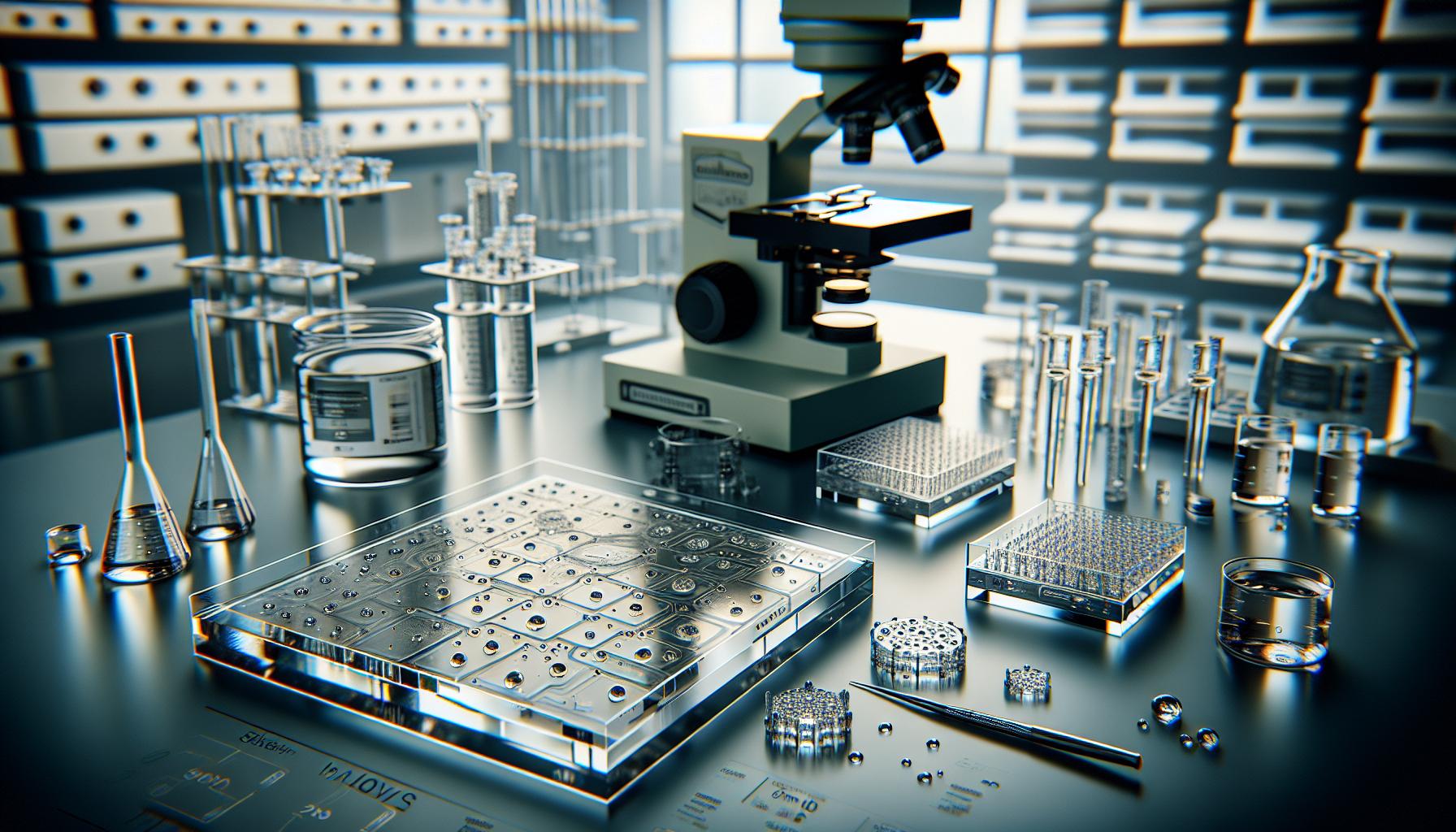
Types of Microfluidic Devices for Oil Droplets
Microfluidic devices have revolutionized the way researchers generate and manipulate oil droplets, offering unprecedented control over droplet size and uniformity. The variety of designs allows for tailored applications in fields such as pharmaceuticals, materials science, and biotechnology. Understanding the different types of microfluidic devices used for oil droplet generation is crucial for maximizing their efficacy and applicability.
One prevalent type is the T-junction microfluidic device, where two immiscible fluids are introduced perpendicularly into a channel. As the fluid streams converge, they create an interface that facilitates droplet formation. This design is particularly effective for producing monodisperse droplets, as the dimensions and flow rates can be precisely controlled. Additionally, the ease of construction and scalability makes T-junctions a popular choice in both academic research and industrial applications.
Another innovative design is the flow-focusing device. In this setup, one fluid is channeled through a narrow channel surrounded by another fluid. The outer fluid exerts pressure on the inner droplet-producing fluid, causing it to form droplets when the shear forces reach a critical point. This mechanism enables the generation of smaller droplets with high uniformity and is highly valued in applications such as inkjet printing and drug encapsulation.
Benefits and Applications
The selection of a microfluidic device type directly impacts the performance of oil droplet generation. For instance, devices utilizing double-emulsion techniques allow for the creation of more complex structures such as core-shell droplets. As the demand for sophisticated drug delivery systems increases, these types of devices become essential, enabling the encapsulation of sensitive pharmaceuticals within protective shells made of oils or polymers.
Furthermore, digital microfluidics presents a cutting-edge approach where droplets are manipulated on surfaces using electric fields. This technology allows for precise control over the positioning and mixing of droplets, greatly enhancing the versatility of microfluidic applications. It offers opportunities for advanced diagnostics and high-throughput screening, meeting the growing needs in personalized medicine.
Each type of microfluidic device presents unique advantages and challenges, but their integration into various applications highlights the transformative potential of microfluidics. By selecting the appropriate device based on specific criteria such as droplet size, uniformity, and operational complexity, researchers and engineers can effectively harness these technologies to push the boundaries of innovation across multiple disciplines.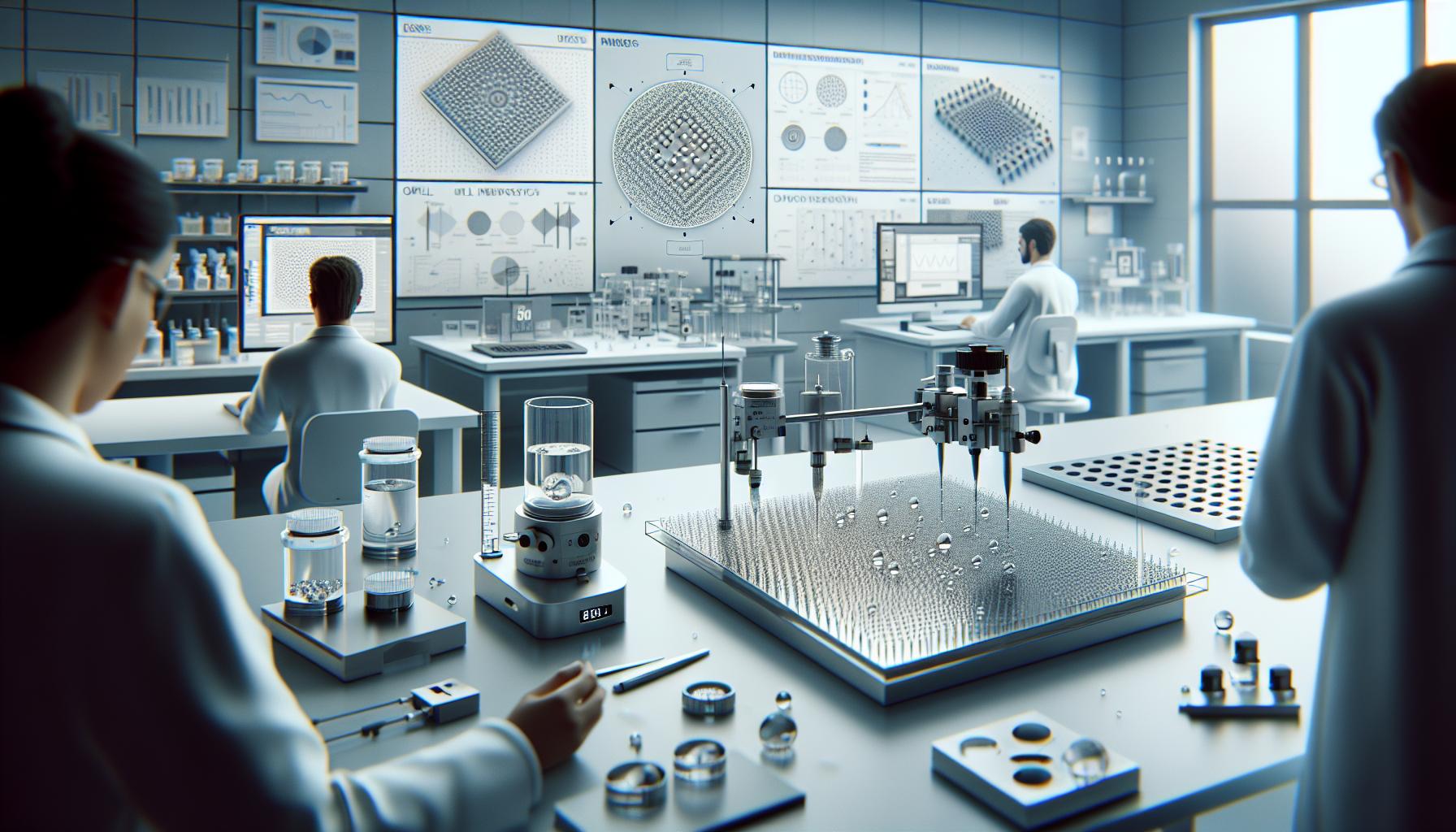
Practical Applications of Oil Droplet Microfluidics
Microfluidics has opened a new frontier in the generation and manipulation of oil droplets, making significant impacts across various fields. From drug delivery systems to advanced material synthesis, the precision of oil droplet microfluidics enables researchers and engineers to develop innovative solutions that were previously difficult to achieve. By effectively controlling droplet size and distribution, these cutting-edge technologies facilitate applications that are both versatile and efficient.
One prominent application is in the field of pharmaceuticals, specifically in the development of targeted drug delivery systems. Oil droplets can be used to encapsulate therapeutic agents, providing a vehicle for controlled release and enhanced bioavailability. For instance, using core-shell structures created through double-emulsion techniques, researchers can protect sensitive drugs from degradation while ensuring they reach their intended target within the body. This approach not only increases the efficacy of treatment but also minimizes side effects by ensuring that drugs are released in specific locations over time.
In the realm of diagnostics, oil droplet microfluidics plays a crucial role in creating highly sensitive assays. By leveraging digital microfluidics, tiny droplets containing biological samples can be precisely manipulated on chip surfaces. This method allows for high-throughput screening of pathogens or biomarkers, substantially reducing analysis time and costs. The ability to conduct multiplex assays-testing for multiple targets simultaneously-further enhances the diagnostic capabilities, making it a game-changer in personalized medicine.
Other Promising Applications
The versatility of oil droplets extends to areas such as food science and environmental monitoring. In food production, microfluidics can facilitate the encapsulation of flavors, nutrients, or preservatives, ensuring uniform distribution and prolonged shelf life. Similarly, in environmental applications, oil droplets can be used in assays for detecting pollutants or hazardous substances in water sources, offering rapid results and efficient testing methods.
Overall, the applications of oil droplet microfluidics reflect its transformative potential across diverse industries. By harnessing the power of microfluidic technology, scientists and engineers are not only pushing the boundaries of what’s possible but also paving the way for innovative solutions to complex problems in healthcare, diagnostics, food safety, and beyond. As research advances and these technologies are better integrated into commercial products, the full impact of oil droplet microfluidics will continue to unfold.
Advanced Techniques for Controlling Droplet Size
To achieve precise control over the size of oil droplets in microfluidics, researchers utilize a combination of techniques that leverage the unique properties of fluids at micro and nanoscales. One significant approach involves manipulating the flow rates of both the dispersed phase (oil) and the continuous phase (typically water or another fluid). By optimizing these flow rates, you can effectively dictate the breakup of oil into droplets during the microfluidic process. For instance, higher flow rates of the continuous phase can lead to smaller droplet sizes due to increased shear forces, while slower rates can result in larger droplets.
Another critical factor in controlling droplet size is the geometry of the microfluidic channels. The design of these channels, including their width, height, and angles, plays a vital role in droplet formation. For instance, in T-junction geometries, the angle at which the two fluid streams interact can determine the pinch-off dynamics, thereby influencing droplet size. Additionally, incorporating features such as bifurcations or constrictions within the channels can enhance mixing and lead to more uniform droplet sizes by controlling how the dispersed phase is injected into the continuous phase.
Surface Tension and Stabilization Strategies
The interplay between surface tension and the use of surfactants is another advanced technique to modulate droplet size. Surfactants reduce the interfacial tension between the oil and the continuous phase, thus allowing for the formation of smaller droplets. By varying the concentration of surfactants, one can fine-tune the size and stability of the droplets produced. Moreover, employing multiple emulsions, where droplets contain smaller droplets, can be achieved by sequentially introducing additional surfactants or using multiple emulsifying agents, leading to complex droplet structures ideal for various applications, such as drug delivery systems.
Finally, emerging methods like electrohydrodynamic (EHD) manipulation and acoustic droplet generation are proving to be game-changers in droplet size control. EHD techniques utilize electric fields to influence the flow and formation of droplets, allowing precise control over size and distribution, while acoustic methods use sound waves to induce droplet formation and breakage, offering a non-contact alternative that is particularly beneficial for sensitive applications.
These advanced methods not only enhance the precision of oil droplet generation in microfluidics but also expand the horizons of potential applications across fields such as pharmaceuticals, diagnostics, and material sciences, paving the way for innovations that require specific droplet characteristics for optimal performance.
Challenges in Oil Droplet Microfluidics
The journey of oil droplets through microfluidic systems, while promising and innovative, is fraught with challenges that require keen attention and sophisticated approaches to overcome. One of the primary hurdles is the difficulty of achieving uniform droplet formation across varied parameters. Factors such as fluid viscosities, flow rates, and channel geometries play a significant role in droplet consistency. Variability in these parameters can lead to inconsistent sizes or even droplet merging, which undermines the precision that microfluidics aims to offer. Maintaining stable operational conditions is therefore critical; fluctuations can significantly impact droplet characteristics and lead to unreliable experimental outcomes.
To address these challenges, careful manipulation of fluid properties is essential. Low-viscosity oils tend to create smaller droplets, but they also increase the risk of coalescence. One practical approach is to introduce surfactants to lower interfacial tension. However, this solution presents its own set of challenges, such as potential toxicity or interference with subsequent analyses. Moreover, if surfactant concentrations vary inadvertently during experiments, droplet sizes and stabilities could change, leading to unreliable results.
Design Limitations and Scalability
Microfluidic device design is a crucial aspect that influences the success of oil droplet formation. Optimizing channel designs to minimize shear stress and maximize controlled droplet generation requires iterative testing and refinement. Furthermore, achieving scalability poses another significant challenge. What works at a laboratory scale may not translate directly to industrial-scale production due to differences in fluid dynamics at larger volumes. As researchers and engineers strive to standardize droplet production, they must also consider the implications of scaling on economic viability and manufacturability.
The integration of oil droplets into larger systems-with a need for seamless interfacing with other microfluidic components or even external systems-often brings about additional complexity. Ensuring consistent droplet behavior during transport or manipulation through various microfluidic modules requires robust design strategies and effective control mechanisms. As the field advances, continuing research into the fundamental physics of droplet interactions and the development of innovative device architectures will be essential to mitigate these ongoing challenges.
By addressing these obstacles head-on through innovative design, precise fluid management, and engineering strategies, researchers can unlock the full potential of oil droplet microfluidics and pave the way for a broader array of applications in biomedicine, materials science, and beyond.
Future Trends in Oil Droplet Formation Technology
As technologies advance, a new wave of innovations in oil droplet formation is emerging in the field of microfluidics. One particularly promising trend is the integration of machine learning and artificial intelligence to optimize droplet generation processes. By analyzing vast datasets, algorithms can predict outcomes based on variations in process parameters, thus allowing researchers to fine-tune conditions for the desired droplet characteristics without extensive trial and error. This approach not only accelerates the development of new applications but also enhances the reproducibility of results, a key requirement in any scientific endeavor.
Another exciting trend lies in the use of advanced materials and multifaceted microfluidic devices. Researchers are exploring biocompatible and stimuli-responsive materials that can change properties under external stimuli (like light or temperature) to dynamically control droplet formation and behavior. For instance, integrating hydrophilic and hydrophobic regions on a chip can guide the formation and routing of oil droplets through specific pathways, enhancing the versatility of applications from drug delivery to lab-on-a-chip technologies.
Miniaturization and Portability are also set to revolutionize oil droplet microfluidics. The push for smaller, portable devices means that researchers can conduct complex chemical reactions and analyses in remote locations or resource-limited settings. These systems aim to deliver functionality comparable to traditional laboratory setups but in a compact and user-friendly format. Innovations such as 3D printing are contributing to this movement, enabling rapid prototyping and scaling of microfluidic devices with customized geometries tailored to specific droplet generation tasks.
As we look ahead, the convergence of these technologies not only promises to improve how we generate and manipulate oil droplets but also opens new doors in various fields, including biomedicine, environmental science, and materials development. To harness these advances effectively, interdisciplinary collaboration will be crucial. Engaging physicists, chemists, engineers, and computer scientists will ensure that the systems we develop are not only innovative but also practical, paving the way for breakthroughs that could transform entire industries.
In conclusion, the future of oil droplet formation technology is bright, with an array of exciting developments on the horizon. By staying attuned to these trends and actively participating in the ongoing conversation, researchers and practitioners can remain at the forefront of this dynamic field, pushing the boundaries of what is possible in microfluidics.
Comparative Analysis of Droplet Generation Methods
Oil droplet generation methods in microfluidics have evolved significantly, leveraging diverse physical principles to create droplets with specific sizes and characteristics. Understanding these methods is crucial for optimizing droplet production for various applications, from pharmaceuticals to diagnostics. Each technique boasts unique mechanisms, benefits, and limitations that can influence the choice of method depending on the desired outcomes.
One common technique is flow focusing, which utilizes the hydrodynamic forces from two outer flowing liquids to focus a central stream, resulting in the formation of droplets. This method excels at generating uniform droplets by carefully controlling the flow rates. Another popular approach is static droplet generation, often achieved through the use of microchannels with specific geometries that create T-junctions or Y-junctions. Although static methods can be less efficient in terms of throughput, they are beneficial for applications requiring high precision in droplet size.
Other methods include electrowetting, which manipulates interfacial tensions through electrical fields, allowing for on-demand droplet generation and manipulation. This versatility is particularly advantageous in lab-on-a-chip applications, where rapid changes in droplet size or composition are necessary. Moreover, advancements in ultrasonication techniques offer a means to generate smaller droplets by leveraging acoustic waves, which can break up larger volumes into fine droplets. Each of these methods highlights the importance of selecting the right approach based on specific fluid properties and application requirements.
Key Comparisons
To facilitate decision-making, understanding the tactical trade-offs between these methods is essential. The following table summarizes key aspects of different droplet generation techniques:
| Method | Advantages | Limitations |
|---|---|---|
| Flow Focusing | High throughput, uniform droplet sizes | Complex setup, sensitivity to flow rate changes |
| Static Droplet Generation | High precision, simplicity in design | Lower throughput, limited size variation |
| Electrowetting | Dynamic droplet control, versatile applications | Requires electrical components, potential for Joule heating |
| Ultrasonication | Ability to generate nanoscale droplets | Low efficiency in larger volumes, equipment complexity |
Ultimately, the choice of droplet generation method must align with both the properties of the fluids involved and the specific requirements of the application. Researchers are encouraged to consider not only the operational efficiencies but also how the inherent physical properties of the fluids – such as viscosity, surface tension, and interfacial energies – interact within the chosen method. By carefully evaluating these factors, one can optimize procedures for oil droplet formation in microfluidics, paving the way for innovative applications across many fields.
Impact of Temperature and Pressure on Droplet Formation
Temperature and pressure play crucial roles in the formation and characteristics of oil droplets in microfluidic systems. These physical parameters can dictate fluid behavior, affecting stability, size, and the uniformity of droplets generated within microfluidic devices. Understanding their influence enables researchers and engineers to optimize droplet generation for various applications.
As temperature increases, the viscosity of oil generally decreases. This alteration leads to a reduction in the energy required for droplet formation, potentially enhancing the throughput of droplet generation. However, this reduction comes at a cost: the decreased viscosity may lead to larger droplet sizes if not carefully controlled. Conversely, lower temperatures yield higher viscosity, which can stabilize smaller droplets, but may complicate the flow dynamics within microfluidic channels. Therefore, maintaining an optimal temperature range tailored to specific fluid properties is essential for achieving desired droplet characteristics.
Pressure also significantly impacts droplet formation. In flow-focusing techniques, for instance, higher pressure can enhance the rate at which droplets are formed and help maintain uniformity by harnessing greater shearing forces. This results in smaller and more consistent droplets, which is critical in applications such as drug delivery, where precise dosing is vital. However, excessively high pressures can lead to unstable droplet formation and potential breakup, emphasizing the need for a well-calibrated pressure system to balance these forces.
In practical applications, tuning temperature and pressure can unlock innovative routes in microfluidic droplet generation. For example, the integration of heating elements or pressure regulators within microfluidic devices can allow users to dynamically adjust these conditions based on real-time monitoring. Such adaptive systems can enable fine control over droplet properties, leading to advancements in fields ranging from biomedical diagnostics to materials science.
In summary, these environmental factors are not merely background conditions; they are integral to the design and function of microfluidic systems. By understanding and manipulating temperature and pressure, researchers can refine droplet generation techniques, enhancing performance and expanding the range of potential applications.
Scale-Up Considerations in Microfluidic Systems
Scaling microfluidic systems for the generation of oil droplets poses unique challenges and opportunities that require careful consideration. As researchers and engineers seek to transition from laboratory-scale designs to larger, production-scale systems, understanding the dynamics involved in droplet formation, fluid flow, and device architecture becomes critical. The key lies in ensuring that droplet properties-such as size, uniformity, and stability-are maintained throughout the scaling process.
One of the primary considerations is the flow rates in microfluidic devices. As you scale up, maintaining the ratio of continuous to dispersed phase flow becomes crucial. This balance influences the shear forces acting on the droplets, which directly affects their size and consistency. Too high a flow rate can lead to coalescence or uneven droplet sizes, whereas too low can result in inefficient production. Implementing parallelized microfluidic channels or optimized manifold designs can help accommodate larger volumes while keeping droplet characteristics stable.
Material properties of the fluids, including viscosity and interfacial tension, also change with scale. For example, as the size of the system increases, the impact of viscous forces relative to inertial forces may shift, potentially altering the droplet generation mechanism. It’s essential to conduct thorough studies at different scales to understand how these properties interplay and adjust device parameters accordingly. This includes optimizing channel geometry, which can drastically influence droplet breakup and formation dynamics.
Moreover, integrating real-time monitoring and control systems can significantly enhance scalability. By employing sensors and automated feedback mechanisms, researchers can dynamically adjust the conditions (like temperature and pressure) to refine droplet quality as production scales up. Adapting a microfluidic platform to include such features not only improves efficiency but also enables more precise applications in fields like pharmaceuticals, where dosing accuracy is paramount.
Incorporating these strategies allows for effective scaling of oil droplet generation in microfluidic systems. As you explore the potential of your device, consider both the technological and practical implications of the adjustments you’re making, ensuring that the transition to larger-scale production is not just feasible, but also enhances the performance of your microfluidic applications.
Integrating Oil Droplets into Larger Systems
represents a fascinating frontier in microfluidics, with implications spanning from pharmaceuticals to materials science. When achieved effectively, this integration can enhance the functionality and application range of microfluidic devices. For instance, precise control over droplet properties allows for tailored delivery systems in drug formulations, where accurate dosing can be crucial for therapeutic efficacy.
To facilitate the integration of oil droplets into larger systems, one must first consider the compatibility of the microfluidic device’s architecture with external components. This may involve adapting channel designs that allow for smooth interfacing with pumps or external mixing systems. Maintaining the integrity of droplet size and distribution during this transition is vital; therefore, dynamic coupling between microfluidic outputs and larger-scale processes should be engineered thoughtfully. Leveraging techniques like soft lithography can help customize designs for specific applications, ensuring that the droplets retain their desired properties while entering larger flow paths.
Moreover, implementing modular designs can significantly enhance the scalability of oil droplet systems. By allowing for the independent adjustment of various device parameters-such as channel dimensions and fluid flow rates-researchers can optimize droplet generation continuously. This adaptability not only promotes better integration but also enables real-time adjustments to process conditions, enhancing the droplet’s stability and performance in downstream applications. Monitoring tools, such as inline sensors, can provide critical feedback to maintain seamless operations even as droplet sizes and fluid properties evolve.
Finally, collaboration between various disciplines, including materials science, chemical engineering, and computational modeling, will be critical in developing these integrated systems. For example, computational fluid dynamics (CFD) simulations can predict how droplets will behave within larger systems, guiding the design process and helping to anticipate challenges related to flow rates and shear forces. Addressing these complexities early on will pave the way for more robust and efficient applications of microfluidic oil droplet technology in real-world scenarios.
Q&A
Q: What are the key benefits of using oil droplets in microfluidics?
A: The key benefits of using oil droplets in microfluidics include *enhanced control over reactions*, *improved isolation of biomolecules*, and *micro-scale volume manipulation*. This allows researchers to conduct experiments with *minimal reagent use* and *high sensitivity*, making it an efficient approach for various applications in *chemical synthesis and biological assays*.
Q: How does temperature influence oil droplet formation in microfluidics?
A: Temperature significantly influences oil droplet formation by affecting the *viscosity of the fluids* and the *interfacial tension*. Higher temperatures typically reduce viscosity, enabling more efficient droplet generation. It’s crucial to optimize temperature settings to achieve desired droplet sizes and stability in microfluidic applications.
Q: What role do surfactants play in oil droplet microfluidics?
A: Surfactants play a critical role in stabilizing oil droplets by *reducing interfacial tension*, which prevents coalescence. This stabilization is essential for maintaining *consistent droplet size* and *enhancing their functionality* in various applications including *emulsion preparation* and *drug delivery systems*.
Q: What challenges are associated with droplet generation in oil-based microfluidics?
A: Challenges in oil-based microfluidics include *poor reproducibility of droplet sizes*, *channel clogging*, and *phase separation*. Addressing these issues often requires careful optimization of *flow rates*, *fluid compositions*, and *channel designs* to ensure reliable operation in microfluidic devices.
Q: How can controlling droplet size enhance experimental outcomes in microfluidics?
A: Controlling droplet size is vital for enhancing experimental outcomes as it influences the *reaction environment*, *mass transfer rates*, and *reaction kinetics*. Smaller droplets can lead to *faster reactions* and *better mixing*, facilitating more reproducible and *sensitive detection* in assays and synthesis processes.
Q: What are the different methods for generating oil droplets in microfluidics?
A: Common methods for generating oil droplets in microfluidics include *flow-focusing*, *T-junction*, and *jetting techniques*. Each method varies in *droplet size control*, *production rate*, and *scalability*, allowing researchers to select the most suitable approach based on their experimental requirements.
Q: When should I consider scale-up in oil droplet microfluidics?
A: Consider scale-up in oil droplet microfluidics when you need to transition from *prototype testing to full-scale production*. Factors like *reaction throughput*, *cost-effectiveness*, and *reproducibility* in larger volumes should drive the decision to scale up, ensuring the process remains efficient and viable.
Q: Why is the integration of oil droplets into larger systems important in microfluidics?
A: The integration of oil droplets into larger systems is crucial for creating *complex assays* that simulate biological environments. It allows for advanced methods such as *droplet-based microreactors* and *multiplexing techniques*, driving innovations in areas like *drug discovery* and *genomic analysis*.
Feel free to explore more about each topic and contribute to the advancement of microfluidics!
In Conclusion
As we wrap up our exploration of how oil droplets form in microfluidics, it’s clear that understanding the generation mechanisms is crucial for advancing applications in pharmaceuticals, diagnostics, and materials science. Mastering these principles not only enhances your ability to innovate in this cutting-edge field but also prepares you to tackle complex challenges. Don’t miss out on deepening your knowledge-check out our related articles on microfluidic applications and droplet manipulation techniques.
Ready to take the next step? Subscribe to our newsletter for the latest insights and expert tips directly to your inbox. And if you have questions or insights, we invite you to share your thoughts in the comments below or connect with us for a more in-depth discussion. Together, let’s unlock the potential of microfluidics and drive innovative solutions forward!
Get our latest guides, news, and insights highlighted in your Google Search & AI Overviews.