In the realm of biomedical engineering, microfluidic chips represent a game-changing technology, enabling precise control over fluids at a microscopic scale. Understanding how cells move within these chips not only sheds light on fundamental biological processes but also drives advancements in diagnostics, drug delivery, and personalized medicine. Did you know that the ability to manipulate cell migration can lead to breakthroughs in cancer research and tissue engineering? As researchers and students, grasping the migration mechanisms at play in microfluidic environments can enhance your experiments, allowing for more accurate modeling of cellular behaviors. In this article, we will delve into the fascinating dynamics of cell movement within microfluidic chips, exploring the forces at play and the implications of this technology in real-world applications. Join us as we uncover the intricate dance of cells in this innovative landscape, bridging the gap between theoretical knowledge and practical experimentation.
Understanding Microfluidic Chip Fundamentals

Cells navigate dynamic environments, and microfluidic chips offer a controlled platform to study these intricate migration patterns. These chips, often resembling miniaturized laboratories, utilize fluid flows and geometric confinement to replicate physiological conditions that influence cellular behavior. By manipulating the design and flow dynamics within these devices, researchers can scrutinize how cells respond to various stimuli, investigate their migratory patterns, and explore the underlying mechanisms of movement.
In essence, microfluidic chips are constructed from materials like polymers, glass, or silicon, featuring channels that are mere micrometers in width. This scale allows for the precise control of fluidic environments, enabling the introduction of gradients in chemical signals, nutrients, or physical constraints. As cells traverse these engineered environments, researchers observe phenomena such as chemotaxis, where cells move towards higher concentrations of signaling molecules, or durotaxis, the migration direction influenced by mechanical stiffness of the substrate. By creating a range of microenvironments that mimic the complexity of tissues, scientists can gain insights into fundamental biological processes such as wound healing, immune responses, and cancer metastasis.
To fully leverage the capabilities of microfluidic systems, understanding key principles of fluid dynamics is essential. The relationship between fluid flow rates, pressure gradients, and channel geometry dictates how cells are driven and how they interact with surrounding fluids. Moreover, incorporating various surface modifications-like adhesion molecules-into the design can facilitate or hinder specific types of cell movement, making it imperative for researchers to align their experimental setup with the biological questions they aim to address.
Microfluidic technology not only advances our understanding of cell migration but also holds promise for medical applications, such as drug testing and personalized medicine, where the behavior of cells under various treatments can be intimately observed in real-time. As this field progresses, overcoming current limitations in chip design and scalability will be crucial, ensuring these powerful tools can be widely utilized in both research and clinical settings.
Cell Migration: An Overview of Mechanisms
Cells possess an extraordinary ability to migrate, a fundamental process crucial for development, immune responses, and wound healing. Within the controlled confines of a microfluidic chip, researchers can closely analyze the various mechanisms that drive cell migration. This platform enables the dissection of cellular behavior in a dynamic, yet manageable environment, illuminating how cells interpret and respond to their surroundings.
One primary mechanism of cell migration is chemotaxis, where cells navigate towards higher concentrations of chemical signals. For instance, immune cells often migrate toward sites of infection or injury, responding to gradients of cytokines or chemokines. In a microfluidic chip, researchers can create precise chemical gradients, allowing for the study of how variations in these gradients impact cell movement. This manipulation leads to discovering new insights into the speed and directionality of cell migration, which could have implications in understanding inflammatory diseases and cancer metastasis.
Another vital mechanism is durotaxis, where cells respond to mechanical properties of their environment. Cells can detect differences in substrate stiffness – softer surfaces may guide cells to migrate one way while stiffer areas lead them in another direction. Microfluidic chips can be designed with varying stiffness levels within the channels, simulating physiological changes in the tissue environment. This ability to control mechanical properties provides a window into how cancer cells, for example, might invade surrounding tissues, facilitating the development of targeted therapies to inhibit such actions.
Overall, investigating these mechanisms within microfluidic systems not only enhances our understanding of basic cell biology but also fosters the development of novel applications in regenerative medicine and cancer therapy. Understanding the nuanced behaviors of cells in response to their microenvironments can lead to new strategies that harness or alter these migration processes, with the potential to improve patient outcomes in a range of diseases.
Types of Cell Movement in Microfluidics
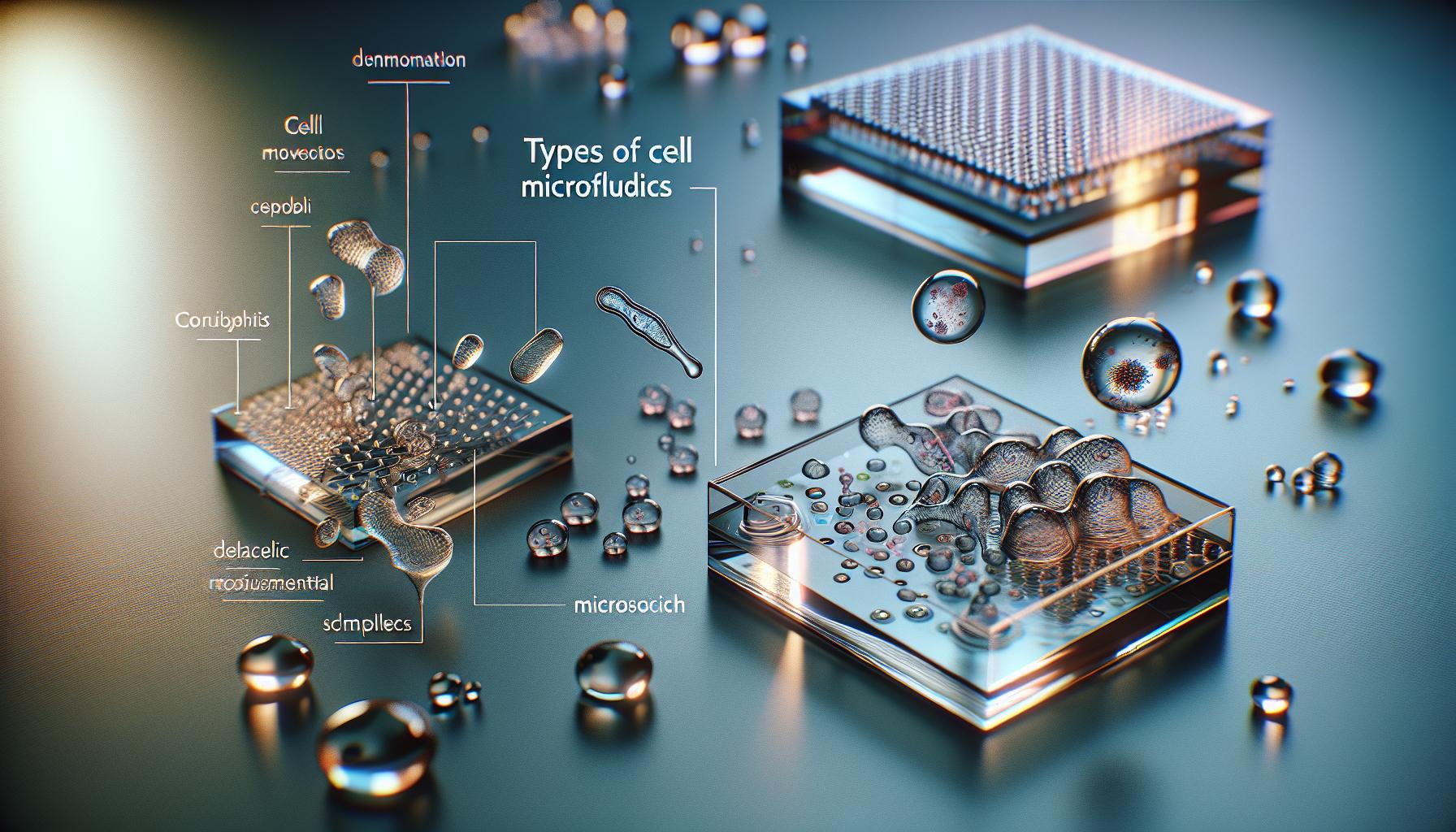
When exploring cellular dynamics, particularly their movement in microfluidic environments, it’s fascinating to realize that cells are not just passively responding to their surroundings; they actively engage in various forms of motion. This capability is crucial for understanding processes such as tissue development, cancer metastasis, and immune response. The unique characteristics of microfluidic chips allow researchers to observe and manipulate these cell movements in ways that were previously unattainable in traditional laboratory settings.
Cell movement is primarily categorized into several types depending on the mechanisms driving it. The most recognized are amoeboid movement, mesenchymal movement, and collective migration. Each type has distinct characteristics and implications for biological processes.
Amoeboid Movement
Amoeboid movement is characterized by the extension and retraction of cellular projections known as pseudopodia. This type of movement is prevalent in immune cells, such as macrophages, which need the ability to squeeze through tight spaces to reach infection sites. Utilizing microfluidic devices, researchers can recreate environments that mimic those found in bodily tissues. By adjusting the channel dimensions and utilizing surfaces with various topographies, scientists can study how cells adapt and change shape, facilitating insight into the role of amoeboid motion in immune responses.
Mesenchymal Movement
Alternatively, mesenchymal movement involves a more elongated cell shape and is characterized by a strong reliance on integrins and the extracellular matrix (ECM). This type of movement is crucial for many cancer cells as they invade surrounding tissues. Microfluidic platforms enable the simulation of ECM components by varying mechanical properties and applying biochemical signals. Researchers can manipulate conditions to observe how different cues influence the speed and direction of mesenchymal migration, shedding light on potential therapeutic targets for hindering cancer spread.
Collective Migration
In many physiological scenarios, cells do not move individually but rather as a cohesive group. Collective migration is essential during processes like wound healing and embryonic development. In microfluidic setups, the arrangement of cells can be tightly controlled, allowing for the study of collective behavior under various conditions. For example, modifying the flow rates or employing chemical gradients can significantly influence how groups of cells migrate together, maintaining communication and polarity. This is critical not only for understanding developmental biology but also for designing strategies to prevent cancer cells from moving en masse.
Through advancements in microfluidic technology, we gain unparalleled insights into these distinct movement types, enhancing our fundamental knowledge of cellular behavior. Each type of movement offers unique challenges and opportunities for research, paving the way for discoveries that could translate into innovative therapeutic strategies.
Physical Forces Influencing Cell Migration
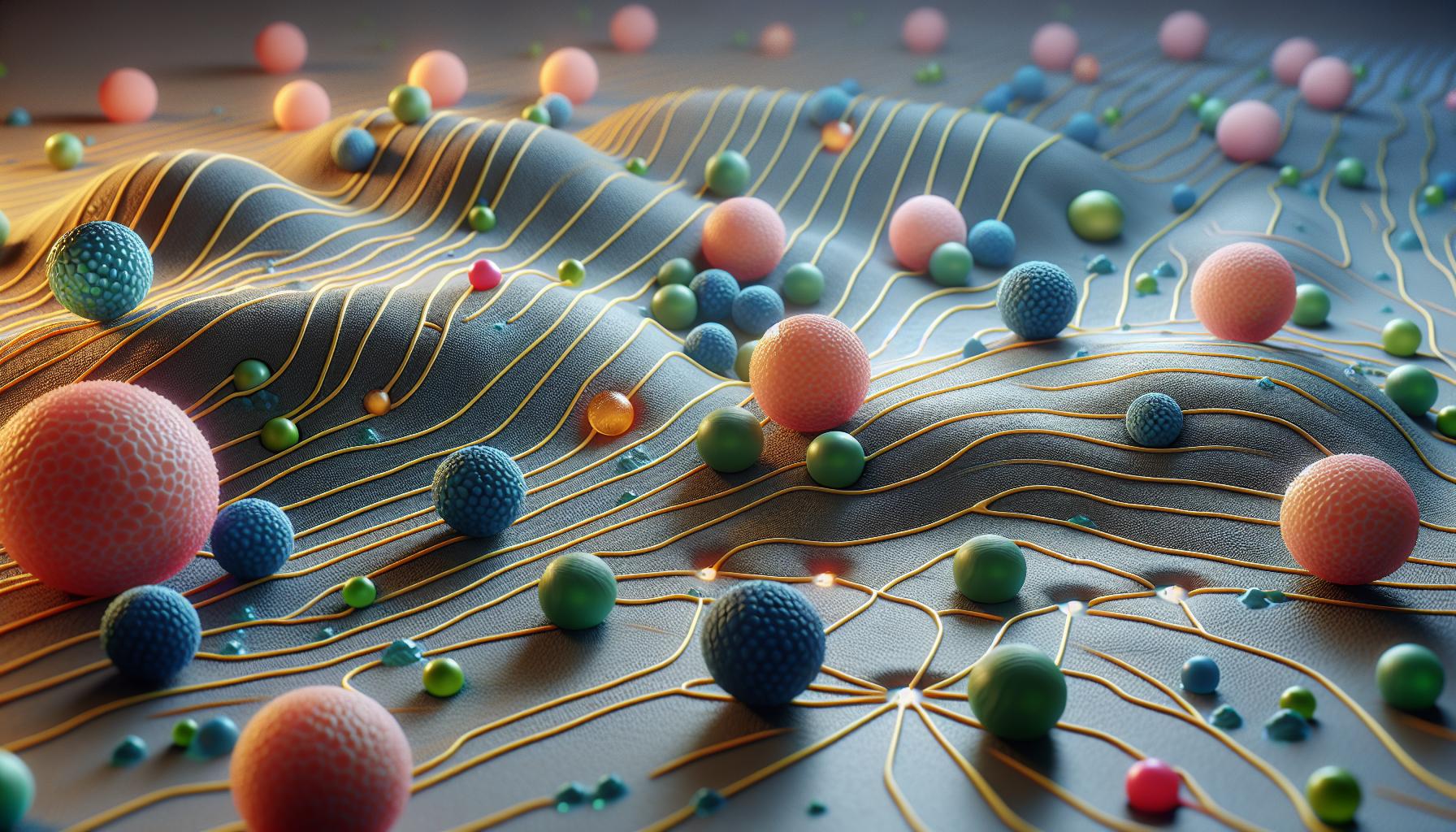
The movement of cells in microfluidic environments is influenced by a fascinating interplay of physical forces. Understanding these forces is crucial for researchers aiming to harness microfluidic technology for studying cell dynamics. Key physical forces that govern cell migration include adhesion forces, shear stress from fluid flow, and mechanical properties of the substrate.
One of the primary forces at play is adhesion, which involves interactions between cell surface proteins and components of the extracellular matrix (ECM). Adhesion strength affects how tightly a cell can anchor itself to surfaces within the microfluidic chip. The availability of specific adhesion sites can also guide directional movement, as cells tend to migrate towards areas with higher adhesion properties. Microfluidic chips can be designed with varying surface chemistries or topographies to create specific adhesion profiles, enabling researchers to study how adhesion influences migratory behaviors in different cellular contexts.
In addition to adhesion, shear stress-arising from the fluid’s movement-can profoundly affect cell dynamics. As fluid flows through microchannels, it exerts forces on the cells within, altering their shape and migration patterns. For instance, a higher shear stress can prompt cells to align in the direction of flow, while lower shear conditions may lead to a more random migration pattern. Researchers can manipulate shear stress levels in microfluidic devices to investigate how this force impacts cell behavior, particularly in studies related to blood flow and cancer metastasis.
Lastly, the mechanical properties of the microenvironment, such as stiffness or elasticity, play a crucial role in regulating cellular movement. Cells can sense and respond to the stiffness of their substrate, which can in turn influence their migratory capacity. For example, on stiffer surfaces, cells may exhibit increased spread and enhanced migratory speed, while softer substrates might promote slower, more amoeboid-like movement. By tailoring the mechanical attributes of the microfluidic channels, researchers can effectively simulate physiological conditions and gain insights into how these factors contribute to cell migration in health and disease.
By prioritizing the understanding of these physical forces, researchers in the realm of microfluidics can not only elucidate the underlying mechanics of cell movement but also lay the groundwork for innovative therapeutic strategies that target migration in conditions such as cancer, wound healing, and tissue engineering.
Microenvironmental Factors Affecting Motion

Cell migration within microfluidic environments is significantly influenced by various microenvironmental factors. These elements interact dynamically to shape how cells behave, making it crucial for researchers to consider these factors when designing experiments. For instance, the physical structure of a microfluidic chip, including channel geometry and surface properties, can dictate not only the flow of fluids but also the pathways available for cell movement. More intricate channel designs can create gradients of chemical signals or nutrients, which cells can detect and respond to, guiding their movement in a process known as chemotaxis.
Another critical factor is the composition of the surrounding medium. The presence of extracellular matrix (ECM) components, such as collagen, fibronectin, or laminin, plays an essential role in modulating cell behavior. These molecules can promote specific cell adhesion properties and influence migratory capabilities. For example, cells in a collagen-rich environment tend to exhibit enhanced migration compared to those in less structured mediums. Additionally, varying the concentration of these ECM components can lead to dramatically different migration patterns, highlighting the importance of mimicking physiological conditions in experimental setups.
Furthermore, it’s essential to account for the biophysical properties of the microenvironment, such as stiffness and viscosity. Cells are sensitive to the rigidity of their substrate, which can dictate their migratory speed and mode. Softer substrates often encourage amoeboid-like movement, while stiffer surfaces promote mesenchymal-like migration. By adjusting the mechanical properties of the microfluidic chip, researchers can create conditions that either inhibit or facilitate cell movement, further elucidating the complex interplay between environmental factors and cellular dynamics.
In conclusion, a nuanced understanding of the microenvironment surrounding migrating cells is vital for leveraging microfluidic technology effectively. By carefully designing these conditions-considering factors like channel design, ECM composition, and substrate mechanics-researchers can better mimic in vivo environments, leading to groundbreaking insights into cell behavior during processes such as wound healing, cancer metastasis, and tissue engineering.
Techniques to Study Cell Movement
Studying cell movement within microfluidic environments requires a mix of innovative techniques and technologies that enable researchers to visualize and analyze cellular behavior in real-time. As cells migrate through the intricate channels of a microfluidic chip, several methodologies can be employed to capture the dynamics of this movement, providing valuable insights into processes such as migration mechanisms, tissue engineering, and cancer metastasis.
One of the most prominent techniques is time-lapse microscopy, which allows researchers to record cell movements over extended periods. This method utilizes high-resolution cameras and sophisticated imaging software to track the trajectory of individual cells as they navigate through microfluidic channels. By capturing images at regular intervals, researchers can analyze parameters such as speed, directionality, and migration patterns. Furthermore, advanced imaging techniques like fluorescence microscopy can highlight specific cellular components, enabling better understanding of how cells interact with their microenvironment.
Utilizing microfabricated substrates within the microfluidic system is another effective approach. By engineering surfaces with varying physical properties, researchers can study how changes in substrate stiffness or topography influence cell behavior. For instance, fabricating channels with different ECM components allows for the examination of chemotactic responses-how cells move toward specific chemical signals. This setup can also help simulate conditions found in vivo, providing more relevant data for applications in drug delivery and regenerative medicine.
In addition to imaging techniques, computer modeling and simulation play crucial roles in studying cell migrations. Advanced software can simulate cellular movements within microfluidic systems, allowing researchers to predict how cells will behave under different conditions, such as varying flow rates or chemical gradients. These models help confirm experimental findings and deepen the understanding of complex behaviors like collective migration, which is essential for processes such as wound healing and tumor progression.
By leveraging these diverse techniques, researchers can gain profound insights into the intricacies of cell movement in microfluidic chips. Each method complements the others, providing a comprehensive toolkit for effectively studying cellular dynamics in a controlled, reproducible environment. This multifaceted approach not only aids in elucidating fundamental biological questions but also paves the way for advancing therapeutic strategies in regenerative medicine and cancer therapy.
Applications of Microfluidic Technology in Cell Migration
Studying how cells move within microfluidic environments opens up exciting avenues for research and application in various fields, particularly in the realms of cancer biology, tissue engineering, and drug development. Microfluidics offers a controlled and reproducible platform to mimic the physiological conditions that influence cell behavior, making it an invaluable tool for understanding migration mechanisms.
One of the primary studies is examining cancer cell metastasis. Traditional methods of studying cancer often fail to replicate the dynamic microenvironment that affects cellular behavior. In contrast, microfluidic systems allow researchers to create precise gradients of chemokines or other signaling molecules, enabling the investigation of how cancer cells navigate through complex terrains. This setup can simulate real-life conditions, such as those found in blood vessels or surrounding tissues, enhancing the relevance of the data collected. Researchers can visualize and quantify how cancer cells respond to these gradients and identify potential therapeutic targets that could inhibit metastasis.
Microfluidics also plays a crucial role in high-throughput screening for drug discovery. By integrating cell migration assays within microfluidic devices, scientists can rapidly evaluate multiple compounds’ effects on cellular behavior. This efficiency is particularly beneficial for testing chemotherapeutic agents intended to affect cell motility and migration, ultimately leading to more effective treatment strategies. Furthermore, the ability to manipulate the microenvironment-by adjusting channel geometries or incorporating various extracellular matrix components-enables detailed studies on how physical forces interact with biochemical signals in influencing cell movement.
Understanding Cellular Responses
Another significant application lies in the study of stem cell migration and differentiation. Microfluidic devices can be designed to mimic the niche environments where stem cells reside. By creating gradients of growth factors, researchers can assess how stem cells move and differentiate in response to various stimuli, paving the way for advancements in regenerative medicine. This knowledge is essential for improving stem cell therapies, as understanding the underlying mechanics of cell movement can enhance tissue repair processes.
Microfluidic systems also facilitate the examination of immune cell migration, particularly how lymphocytes interact with other cells in the immune response. By replicating the conditions of lymphatic vessels or inflamed tissues, researchers can observe how immune cells migrate to sites of infection or injury. This application holds promise for developing better vaccines and understanding autoimmune diseases, where cell migration plays a critical role in disease progression.
In summary, the versatility of microfluidic technology in studying cell migration not only enhances our understanding of fundamental biological processes but also accelerates the development of innovative therapies. By leveraging these applications, researchers can address significant health challenges, ranging from cancer treatment to regenerative medicine, ultimately transforming our approach to disease management.
Challenges in Modeling Cell Migration
Understanding the nuances of cell migration within microfluidic chips is fraught with challenges, primarily due to the complexity of biological systems and the precision required in experimental setups. One significant hurdle is replicating the intricate microenvironment that influences cell behavior. While microfluidic devices can simulate physical conditions, accurately mimicking biochemical gradients and mechanical properties of tissues remains difficult. Researchers must carefully design their experiments to ensure that the biochemical signals, such as growth factors or adhesion molecules, are presented at appropriate concentrations and gradients. Otherwise, the results may not reflect the true nature of cell migration in vivo.
Another challenge lies in the inherent variability of biological samples. Cells, particularly from human tissues, exhibit substantial heterogeneity in their migration patterns due to differences in genetic background, previous conditions, or even isolation techniques. This variability can complicate the interpretation of results obtained in microfluidic studies. For instance, when comparing different cancer cell lines, researchers may find divergent migration behaviors that do not correspond to expected clinical outcomes. To address this, standardized protocols for cell culturing and preparation are essential, enabling reproducibility and reliability in experimental results.
Moreover, the physical constraints of microfluidic chips can influence cell behavior in ways that are not yet fully understood. As cells migrate through narrow channels, their movement can be significantly impacted by shear stresses and confinement effects. These factors can alter cell morphology and motility, making it crucial to analyze how microfluidic geometry affects results. Adjusting channel dimensions, flow rates, and materials can help researchers explore these influences, but it introduces additional complexity to the experimental design.
Communication between interdisciplinary teams also plays a vital role in overcoming these challenges. Collaborations between biologists, engineers, and computational scientists can lead to more innovative solutions and a deeper understanding of migration mechanisms. By integrating insights from various disciplines, researchers can refine their microfluidic systems to better emulate the biological context, allowing for more accurate and relevant experimental outcomes. As the field advances, developing standardized models that capture the essential features of cell migration will become increasingly important, paving the way for breakthroughs in using microfluidics for therapeutic applications and disease modeling.
Future Trends in Microfluidic Applications
The future of microfluidic technology holds incredible promise, particularly in understanding and harnessing the mechanisms of cell migration. With advancements in materials science and fabrication techniques, microfluidic devices are becoming increasingly sophisticated, enabling more realistic simulations of cellular environments. This evolution will allow researchers to better mimic the complex physical and chemical gradients present in vivo, thus enhancing the relevance of their findings.
One notable trend is the integration of bioresponsive materials into microfluidic systems. These materials can change their properties in response to specific biochemical signals, enabling dynamic control over the microenvironment. For example, if a cell responds to a growth factor, the microfluidic chip could automatically adjust gradients or stiffness to reflect this interaction. This adaptability not only enhances the physiological relevance of experiments but also provides insights into how cells navigate their environments in real time.
Moreover, machine learning and artificial intelligence are starting to play significant roles in microfluidics, particularly in analyzing cell movement and behavior. Advanced imaging techniques combined with AI algorithms can process large volumes of data efficiently, allowing for the identification of subtle patterns in cell migration that may be overlooked by the human eye. By applying predictive analytics, researchers can anticipate how cells might behave under different conditions, leading to more targeted experiments and quicker developments in therapeutic applications.
In terms of applications, there’s an increasing focus on personalized medicine through the use of microfluidic technologies in patient-derived models. For instance, creating microfluidic chips that utilize a patient’s own cells to study migration dynamics can lead to more tailored treatment strategies, especially in cancer therapy. These patient-specific microenvironments can provide invaluable insights into how individual tumors might respond to specific treatments, promoting the shift from one-size-fits-all approaches to more individualized interventions.
Challenges and Opportunities Ahead
Despite these promising trends, there are substantial challenges that need to be addressed. The complexity of biological systems means that even the slightest variation in experimental parameters can lead to different outcomes. Addressing this variability requires the development of standardized protocols that ensure reproducibility across different research groups. Collaborative efforts among interdisciplinary teams will be essential to refine microfluidic systems and broaden their applicability in clinical settings.
In conclusion, as microfluidic technology continues to evolve, its applications in studying cell migration will only expand. From creating more complex models that closely mimic physiological conditions to leveraging AI for data analysis, the future is bright. Researchers now have a unique opportunity to bridge gaps between laboratory findings and clinical realities, crafting tools that not only enhance our understanding of cellular behavior but also pave the way for innovative treatments tailored to individual patients.
Case Studies: Successful Microfluidic Experiments
Microfluidic technology has revolutionized the study of cell migration, enabling researchers to conduct precise experiments that mimic the in vivo environment. One outstanding example comes from a study using a microfluidic device designed to investigate how cancer cells respond to biochemical gradients. By creating a controlled gradient of a growth factor, scientists observed the directional migration of breast cancer cells toward the source. This experiment not only demonstrated the cells’ ability to sense and respond to spatial signals but also provided insights into the mechanisms underlying metastasis. Utilizing high-resolution imaging, researchers were able to track individual cell movement in real time, revealing behaviors often missed in traditional assays.
Another notable case involved the analysis of stem cell behavior in a custom-built microfluidic chamber that mimicked the niche they occupy within tissues. This setup allowed for the observation of stem cell migration in response to extracellular matrix (ECM) components. When scientists varied the stiffness of the ECM in different channels of the chip, they found that stem cells preferentially migrated toward softer substrates, reinforcing theories regarding mechanotransduction. This experiment highlighted the importance of microenvironmental cues and how they influence cell fate decisions, a finding that could be crucial for regenerative medicine applications.
Lastly, a significant study focused on immune cell migration, specifically how leukocytes navigate through blood vessel-like structures. Researchers engineered a microfluidic vessel that mimicked the mechanical properties and biochemical signals present in human capillaries. Using this model, they were able to dissect how shear stress affects the migration of these cells. The findings revealed that leukocytes alter their movement patterns in response to fluid dynamics, providing insights pertinent to inflammatory diseases and therapeutic interventions.
These case studies exemplify the transformative potential of microfluidic systems in cell migration research, reflecting how these tools can lead to groundbreaking discoveries in cell biology and medicine. They also illustrate the versatility of microfluidic applications, bridging experimental techniques with biological realities to unravel complex cell behaviors.
Comparative Analysis: Microfluidics vs. Traditional Methods
The advent of microfluidic technology has introduced transformative capabilities in cell migration research, dramatically shifting how scientists investigate cellular movement compared to traditional methods. While conventional techniques, like transwell assays and animal models, are valuable, they often fall short in replicating the nuanced environments necessary for a holistic understanding of cell behavior. Microfluidics allows for the precise manipulation of microenvironments and the application of physical, chemical, and biological gradients, enhancing the fidelity of experiments in ways that traditional methods cannot easily achieve.
One key advantage of microfluidic systems is their ability to create controlled microenvironments that can be finely tuned. In a microfluidic chip, researchers can engineer specific conditions-such as flow rates, concentrations of growth factors, and the mechanical properties of surrounding matrices-that mimic in vivo conditions more closely than the static environments of traditional assays. For instance, when studying stem cell migration, microfluidic devices can vary substrate stiffness within channels to assess how these cells respond to different mechanical signals-a nuance that static cell cultures simply cannot offer. This precision allows researchers to explore mechanotransduction, the process through which cells sense and respond to mechanical cues, a critical factor in understanding stem cell behavior and differentiation.
Additionally, microfluidics provides real-time imaging capabilities and high-throughput analysis. Traditional methods often rely on endpoint measurements, which can overlook dynamic cell behaviors. With microfluidic platforms, time-lapse imaging can track individual cell movements in real time, revealing patterns and responses that inform our understanding of cellular dynamics. Such imaging techniques can elucidate how cells navigate through complex environments or respond to drug treatment over time, presenting a level of detail that is challenging to achieve with standard laboratory techniques. By integrating imaging with fluid manipulation, researchers can collect vast amounts of data for statistical analysis, thereby increasing the robustness of their conclusions.
Finally, it’s essential to consider scalability and the potential for standardization in experimental design. Microfluidic systems can be mass-produced and utilized in high-throughput contexts, allowing for consistent and reproducible experimentation. This is a significant advantage over traditional methods that can be variable, dependent on the expertise of the operator and the specific conditions used in individual assays. By standardizing conditions, comparisons across studies become more feasible, facilitating collaboration and replication within the research community.
In summary, while traditional methods have served as the foundation of cell migration research for decades, microfluidic technology brings unprecedented control, real-time analysis, and standardization, making it an indispensable tool for modern biologists. As this technology continues to evolve, we can expect it to unveil even deeper insights into the complex mechanisms of cell migration and their implications in health and disease.
Practical Considerations for Researchers
To successfully navigate the complexities of research involving cell migration in microfluidic systems, a few pivotal considerations can significantly enhance experimental outcomes. Microfluidics is a groundbreaking field, but the journey requires meticulous attention to detail, particularly in chip design and biological sample handling. Adopting best practices ensures experiments yield reliable and meaningful data.
One of the primary factors to keep in mind is the design of the microfluidic chip itself. The architecture should align closely with the biological context you wish to study. For example, creating microchannels that mimic the diameter and tortuosity of blood vessels can provide insights into how tumor cells migrate in a physiological setting. It’s crucial to consider flow rates, which can alter shear stress and influence cellular behavior; thus, experiments should begin with a thorough calibration of flow conditions before proceeding to biological assays. Using computational fluid dynamics (CFD) simulations can also aid in optimizing channel designs to promote relevant fluid behaviors.
Another essential aspect is the choice and treatment of the extracellular matrix (ECM) components. The ECM is a critical player in cell migration, influencing not just the physical environment but also biochemical signals. For researchers utilizing fibrin gels or collagen matrices, it is vital to ensure the composition and mechanical properties emulate the in vivo environment closely. Additionally, providing well-defined gradients of signaling molecules can drive directional cell movement. Techniques such as photolithography or soft lithography can be employed to create precise gradients within the chip, allowing for robust experimentation with chemotaxis or haptotaxis.
Furthermore, ensure that the cell types utilized are appropriate for the questions being addressed. Some cell lines may behave differently under microfluidic conditions compared to static cultures. Conduct preliminary tests to establish baseline behaviors in microfluidic environments before deploying them in key experiments. Engaging in rigorous experimental controls, such as including non-migratory cell types as negative controls or incorporating pharmacological agents to modulate migration, can provide insight into the mechanisms at play.
Lastly, real-time imaging capabilities can transform experimental analysis. By integrating advanced imaging techniques – such as fluorescent microscopy or live-cell imaging with time-lapse capabilities – you can obtain detailed behavioral data over time. This dynamic observation can reveal insights into cell-cell interactions, migration patterns, and responses to various treatments. Employing software for tracking and analyzing cell movement can further streamline data collection and enhance the statistical robustness of your results.
In summary, setting a solid foundation in microfluidic research involves thoughtful chip design, appropriate ECM selection, careful choice of cell types, and leveraging real-time imaging technologies. Adopting these practical strategies can significantly enhance the reliability and relevance of findings in the exploration of cellular migration mechanisms.
FAQ
Q: What are the main factors that influence cell movement in microfluidic chips?
A: The main factors influencing cell movement in microfluidic chips include physical forces (such as shear stress and viscosity), chemical gradients (which attract cells), and surface topography (which can affect adhesion). Understanding these factors is critical for designing effective experiments and applications in cell migration studies.
Q: How do hydrodynamic forces affect cell migration in microfluidics?
A: Hydrodynamic forces play a significant role in cell migration within microfluidic environments. These forces can influence the directional movement, speed, and behavior of cells, often enhancing or hindering their migration depending on the flow rates and channel geometries used in the chip design.
Q: Why are chemical gradients important for cell migration in microfluidic chips?
A: Chemical gradients are crucial for guiding cell movement, a phenomenon known as chemotaxis. Cells can detect and migrate toward higher concentrations of specific molecules (such as growth factors), enabling researchers to study cellular responses to various stimuli within a controlled environment.
Q: What techniques can be used to observe cell movement in microfluidic systems?
A: Multiple techniques, including live-cell imaging, microscopy, and micro-manipulation methods, can be employed to observe cell movement in microfluidics. These techniques allow for real-time analysis of cellular behaviors and interactions, providing valuable insights into migration mechanisms.
Q: How does the microenvironment affect cell migration in microfluidic applications?
A: The microenvironment, including factors like matrix stiffness, cell-cell interactions, and surface chemistry, significantly affects cell migration. By altering these conditions within the microfluidic chip, researchers can mimic physiological environments to better understand how cells behave in vivo.
Q: What challenges exist when modeling cell migration in microfluidic devices?
A: Challenges in modeling cell migration in microfluidic devices include reproducing physiological conditions, minimizing flow-induced shear stress, and addressing heterogeneity in cellular responses. Overcoming these obstacles is essential for accurately simulating and analyzing cellular behavior.
Q: How can researchers apply findings from microfluidic studies to real-world medical applications?
A: Findings from microfluidic studies can inform medical applications such as drug delivery, cancer metastasis research, and tissue engineering. By understanding cell migration mechanisms, researchers can develop targeted therapies and improved diagnostic tools for various diseases.
Q: What future trends are emerging in microfluidic cell migration research?
A: Future trends in microfluidic cell migration research include the integration of multi-parametric sensing, bioengineering techniques, and the use of machine learning for data analysis. These advancements aim to enhance the precision and applicability of microfluidic devices in studying complex cellular processes.
Concluding Remarks
As we’ve explored, understanding how cells migrate in microfluidic chips is crucial for advancing biomedical applications and enhancing lab-on-a-chip technologies. This knowledge not only reveals the underlying mechanisms of cell movement but also opens doors to innovative diagnostics and therapeutics. We invite you to deepen your understanding further-check out our articles on the fundamental principles of microfluidics and the latest chip design techniques for a broader perspective.
Don’t miss out on our newsletter for cutting-edge insights and updates on microfluidics, or consider joining our upcoming webinar for an expert-led discussion on real-world applications. If you have questions or comments, share them with us below; we love hearing your thoughts and fostering community discussions. Dive into our comprehensive resources today, and stay at the forefront of this exciting field!
Get our latest guides, news, and insights highlighted in your Google Search & AI Overviews.