Microfluidics, a cutting-edge technology that manipulates fluids at the microscale, plays a crucial role in a variety of applications, from medical diagnostics to environmental testing. One of the essential challenges in this field is understanding how microfluidic droplets are stabilized, which directly affects their performance in experiments and devices. By delving into the physics behind droplet stabilization, we uncover strategies that enhance precision and efficiency in droplet-based systems. Whether you’re a researcher working with lab-on-a-chip technologies or an engineer developing new microfluidic devices, grasping the mechanics of droplet stabilization will empower you to optimize your applications. Join us as we explore the fascinating interplay of forces that keep microfluidic droplets stable, unlocking the secrets to this pivotal aspect of modern science and engineering.
Understanding Microfluidics: The Basics of Droplets
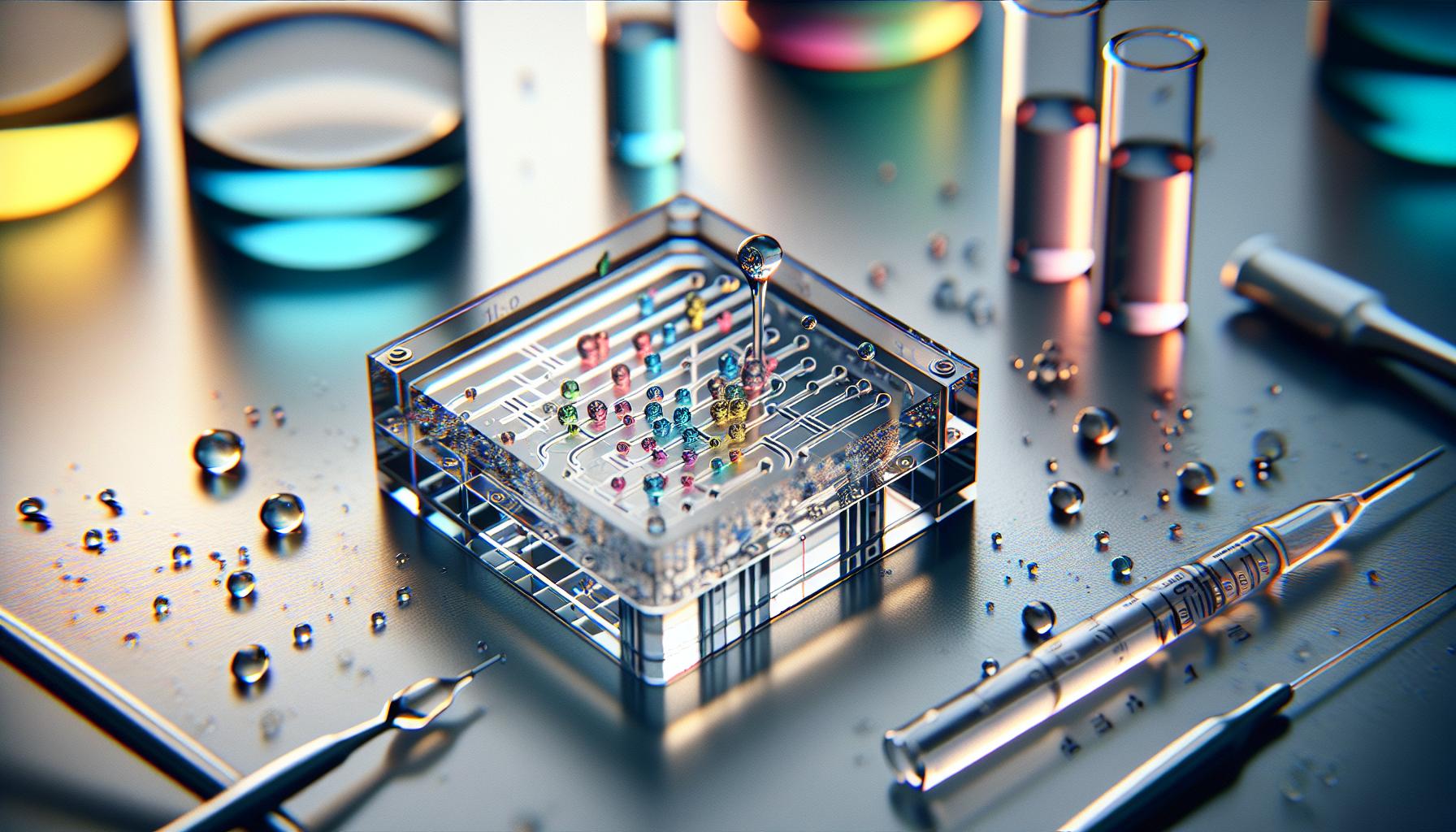
Droplets are at the core of microfluidics, serving as transport units in these innovative systems that manipulate tiny volumes of fluids, often within channels less than one millimeter wide. The unique properties of droplets allow scientists and engineers to perform a myriad of functions including mixing, separating, and analyzing samples in a highly controlled environment. Understanding the behavior of these micro-scale droplets is crucial, as it determines the efficiency and effectiveness of microfluidic applications across various fields such as biomedical diagnostics, drug delivery, and materials science.
A droplet’s stability is governed by several key factors, primarily driven by the physics of fluids. Surface tension, for example, plays a vital role in maintaining the integrity of droplets. It acts as a contractile force that minimizes the surface area of the liquid, allowing droplets to maintain shape and resist disruptive forces such as turbulence and gravity. Additionally, the interaction of the droplet with surfaces-such as those of the channels in which they flow-introduces complexities that can influence stability. Hydrophilic or hydrophobic properties of the materials used in microfluidic devices can either promote or hinder droplet formation and movement, impacting the overall performance of the system.
Beyond surface tension, other physical forces, such as inertia and viscosity, significantly affect how droplets behave in microfluidic environments. For instance, in high-throughput systems, droplets may be pushed through narrow channels at speeds that induce inertial effects, leading to behaviors like droplet coalescence or fragmentation. To manage these dynamics, researchers have developed innovative strategies to manipulate and stabilize droplets. Techniques involving the alteration of ambient conditions, such as temperature and pressure, alongside the use of surfactants or stabilizing agents, have proven effective in improving droplet stability.
By mastering the fundamentals of droplet behavior in microfluidics, researchers can enhance the design and functionality of devices, leading to breakthroughs in precision medicine, environmental monitoring, and beyond. Understanding the basic principles of how droplets form, maintain stability, and interact with their environments sets the stage for more advanced exploration into the intriguing capabilities of microfluidics.
The Role of Surface Tension in Droplet Stability
The phenomenon of surface tension is a cornerstone of droplet stability in microfluidics, significantly influencing how fluids behave at small scales. Imagine dropping a small bead of water on a clean surface; it maintains a near-perfect spherical shape due to surface tension. This force acts at the liquid’s surface, pulling molecules cohesively towards each other, minimizing the surface area and thereby stabilizing the droplet against external forces. In microfluidic applications, where droplets can range from nanoliters to microliters, understanding this principle is vital for optimizing fluid manipulation and ensuring reliable performance in various assays and reactions.
Surface tension not only aids in droplet formation but also plays a critical role in determining how these droplets interact with their environment. When a droplet travels through microchannels-which may have hydrophilic or hydrophobic properties-surface tension influences its shape and movement. For instance, in channels coated with hydrophilic materials, droplets spread more, while in hydrophobic channels, they tend to form more discrete, stable forms. This interaction can dictate the efficiency of mixing and separation processes within lab-on-a-chip technologies, underscoring the importance of selecting appropriate materials to enhance droplet stability.
Moreover, the dynamics of surface tension are affected by the presence of surfactants. These substances can lower the surface tension, allowing for easier droplet formation and manipulation. By adjusting the concentration of surfactants, researchers can fine-tune the stability and movement of droplets, enabling precise control over fluid behaviors even when subjected to turbulent flow or external stressors. This capability is particularly beneficial in high-throughput screening processes, where large numbers of samples need to be efficiently managed.
In summary, surface tension is not merely a passive characteristic of fluids but a dynamic force that dictates the stability and functionality of microfluidic droplets. By leveraging the principles of surface tension-alongside strategic material choices and surfactant application-scientists can enhance the performance of microfluidic systems, paving the way for advanced applications in diagnostics, drug delivery, and synthetic biology. Understanding and harnessing this force empowers innovators to push the boundaries of what is possible with microfluidics.
Key Physical Forces Affecting Microfluidic Droplets
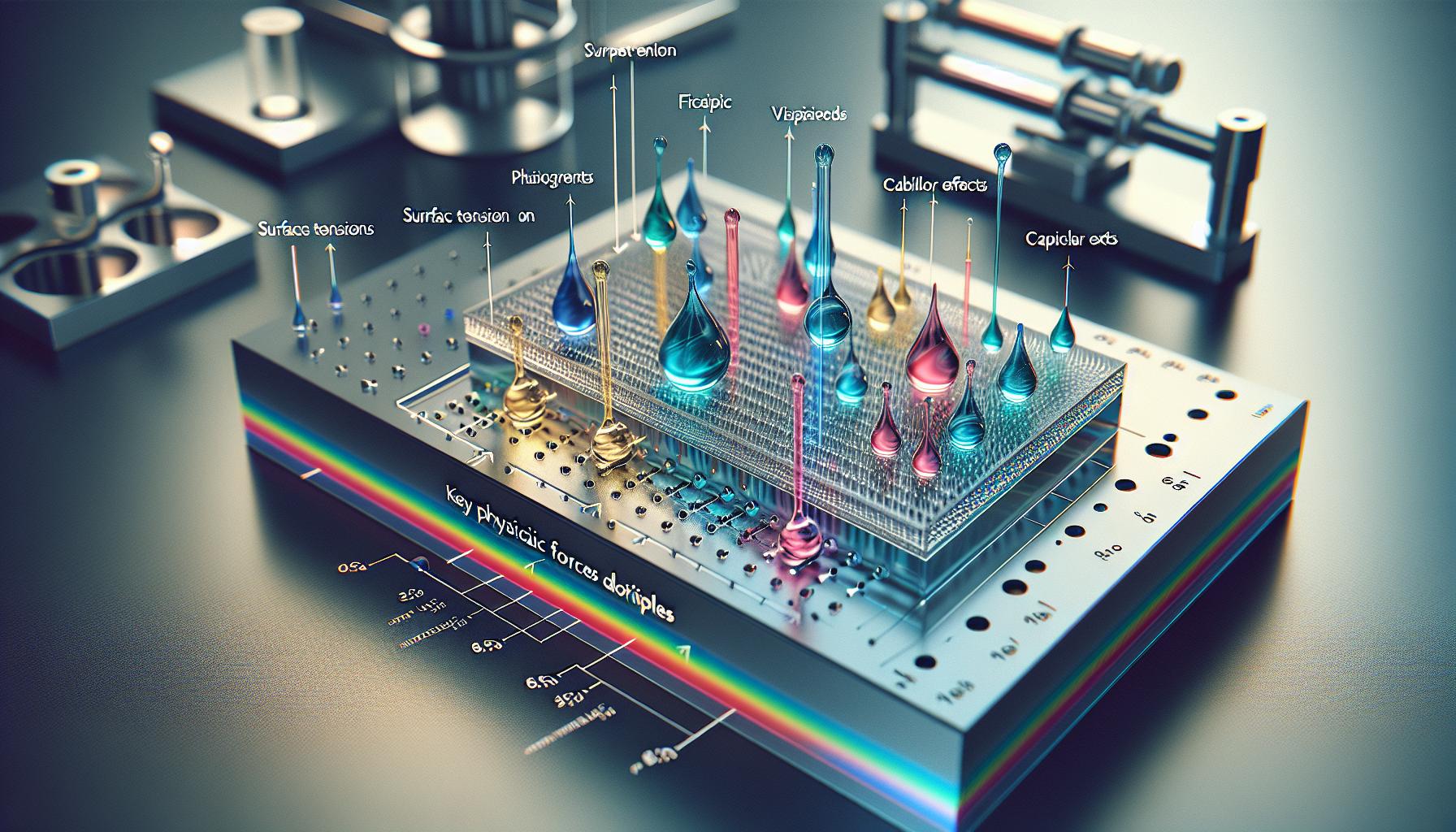
The behavior and stability of microfluidic droplets are dictated by several key physical forces that operate at the microscale. To comprehend these forces is crucial for optimizing droplet manipulation in applications ranging from biological assays to chemical synthesis. At the forefront is surface tension, the compelling force that allows droplets to maintain a cohesive structure. This force arises from the imbalance of molecular interactions at the droplet’s surface compared to those within the droplet, pulling molecules inward and helping the droplet resist deformation from external pressures.
Alongside surface tension, viscosity plays a significant role in droplet behavior. Viscosity quantifies a fluid’s resistance to flow. In microfluidic systems, droplets often navigate through narrow channels where their movement is heavily influenced by the surrounding fluid’s viscosity. High viscosity can dampen droplet motion, making them less responsive to external forces, whereas low viscosity fluids allow for rapid droplet transport and mixing, essential in applications like drug delivery where speed is critical.
Another critical force affecting microfluidic droplets is drag force. When droplets move through a fluid, they experience resistance proportional to their velocity, size, and the viscosity of the medium. Drag force can alter the behavior of droplets, especially in continuous flow systems. This effect is particularly pronounced in heterogeneous systems where droplets must overcome different forms of resistance based on their respective sizes and the properties of the surrounding fluid.
Finally, capillary forces also significantly influence the dynamics within microfluidics. These forces arise from surface tension effects within narrow channels or on solid surfaces, enabling droplets to deform, spread, or even merge under certain conditions. In applications like lab-on-a-chip technologies, controlling these capillary actions is pivotal for manipulating droplet interactions, allowing researchers to leverage these forces for efficient mixing and accurate separation of samples.
Understanding these physical forces offers practical insights for designing more effective microfluidic systems. By fine-tuning parameters such as channel dimensions, fluid compositions, and flow rates, researchers can engineer droplet behaviors to meet the specific demands of diverse applications-be it for high-throughput screening in biomedical research or precise reactant control in chemical synthesis.
Innovative Strategies for Stabilizing Droplets
Transforming the fluid dynamics of microfluidic droplets into a stable and controlled process is crucial for a wide array of applications, from diagnostics to drug delivery. To achieve droplet stability, researchers have developed innovative strategies that leverage the unique properties of micro-scale fluids. Understanding these methods not only enhances operational efficiency but also broadens the scope of possible applications in the field.
One effective technique involves the modification of surface properties within microfluidic channels. By coating channel surfaces with hydrophobic or hydrophilic materials, it is possible to manipulate how droplets interact with channel walls. This adjustment can optimize wettability, allowing droplets to either spread or retract as needed, which is critical for applications requiring precise mixing or segmentation. For instance, using a more hydrophobic surface can help in reducing the adhesion of droplets, thus maintaining their spherical shape and allowing them to move freely through the channel.
Another promising approach is the use of active stabilization techniques such as acoustic or optical trapping, which utilize external energy fields to maintain droplet integrity. These methods can manipulate droplets in real-time, making it easier to control their size and movement. For example, ultrasound waves can be used to create standing waves within a microchannel, which traps droplets at specific nodes, providing a means to stabilize and manipulate them without direct contact. This approach is particularly valuable in scenarios where fragile biological samples must be handled delicately to prevent degradation.
Additionally, the introduction of surfactants plays a pivotal role in stabilizing droplets. Surfactants can reduce surface tension at the droplet interface, enabling droplets to maintain their shape under varying flow conditions. By carefully selecting surfactant types and concentrations, researchers can enhance the stability of droplets even in turbulent flow environments. Moreover, the formation of a surfactant monolayer can minimize coalescence-a common issue when droplets collide-which is essential for applications requiring independent droplet function.
By integrating these strategies-surface modification, active stabilization techniques, and surfactant use-scientists and engineers can fine-tune droplet behavior to meet the precise requirements of their applications. The focus on stability not only improves performance in each specific use case but also opens the door to new innovations in microfluidic device functionality.
Advanced Techniques in Microfluidic Manipulation
Manipulating droplets in microfluidic systems is a remarkable blend of physics and engineering, and harnessing advanced techniques can enhance control and stability dramatically. One powerful method is the implementation of electrical fields to drive the movement of charged droplets. This technique capitalizes on dielectrophoresis, where droplets are either attracted to or repelled from regions of differing electrical potentials. By carefully designing the channel layout and adjusting the voltage applied, researchers can manipulate droplet position and flow rate with precision, making it vital for applications requiring exact timing, such as in reaction kinetics or sequential mixing.
Another innovative manipulation approach involves the use of integrated optical techniques such as laser-induced droplet fusion. Here, focused laser beams are used to generate localized heating, which decreases the viscosity of the droplet fluid. This technique not only allows for precise control over droplet merging but also enables scientists to implement chemical reactions on demand. Imagine triggering a reaction right when two droplets meet, yielding minimal waste and controlled yields, which is particularly beneficial in synthesizing pharmaceuticals or complex biomolecules.
Moreover, leveraging advanced software algorithms to control dynamic fluidic systems opens new avenues for real-time adjustments in droplet manipulation. By utilizing feedback loops that monitor droplet behavior via imaging or sensors, systems can adapt to changes in flow rate or droplet size instantaneously. This adaptability is key in high-throughput screening applications, where fast and reliable results are critical for research and development, particularly in drug discovery or diagnostics.
Incorporating these sophisticated techniques not only enhances the manipulation of droplets but also improves the overall efficiency and performance of microfluidic devices. As technology continues to evolve, the integration of automated systems, high-resolution imaging, and computer simulations will likely further refine these manipulation strategies. Understanding and applying these advanced techniques place researchers at the forefront of microfluidics, driving innovation that could lead to groundbreaking applications across various fields.
Materials Used for Enhanced Droplet Stability
Creating stable microfluidic droplets is a crucial component in ensuring the success of various applications, from diagnostic tools to pharmaceutical development. The choice of materials plays a significant role in enhancing droplet stability, as they directly influence surface tension, adhesion, and the overall behavior of the fluid within microchannels. Researchers have identified several innovative materials that can dramatically improve droplet stability in microfluidic systems.
One of the most effective families of materials for enhancing droplet stability includes surfactants. Surfactants lower the surface tension between two immiscible liquids, allowing for the formation of more stable droplets. Common surfactants such as sodium dodecyl sulfate (SDS) and Tween 20 are frequently employed in microfluidic applications. These substances create a protective layer around the droplets, which minimizes coalescence and evaporation. Moreover, the concentration of surfactant can be finely tuned to achieve the desired stability without compromising the system’s performance.
Another important category of materials is polymeric coatings. Coating the microchannels with hydrophilic or hydrophobic polymers can significantly influence droplet dynamics. For instance, polymethylmethacrylate (PMMA) and polydimethylsiloxane (PDMS) are widely used due to their biocompatibility and flexibility. PDMS, in particular, allows for easy fabrication of microfluidic devices and offers chemical stability, making it an excellent choice for stabilization purposes. These coatings can also enable specific functions, such as controlled droplet release or enhanced transport efficiency.
Immiscible Liquid Pairs and Gel Stabilizers
The choice of immiscible liquids is another factor that greatly contributes to droplet stability. For applications requiring long-term storage or specific chemical reactions, using a gel phase can help immobilize the droplets. Gels derived from materials like agarose or alginate can encapsulate the droplets, preventing them from merging and allowing for more controlled reactions. By adjusting the concentration of the gel, researchers can tailor the droplet sizes and stability according to specific needs.
Through the combined use of these materials-surfactants, polymer coatings, and gels-researchers can optimize droplet stability in various microfluidic settings. Each material choice impacts the physical behavior of droplets, such as their manipulation under external forces and interactions with channel walls. Continuous advancements in material science not only enhance droplet stability but also push the boundaries of what microfluidic systems can achieve, from point-of-care diagnostics to personalized medicine applications.
Impact of Temperature and Environmental Conditions
The stability of microfluidic droplets is profoundly influenced by temperature and environmental conditions, making these factors critical for optimizing device performance and reliability. Temperature fluctuations can alter the viscosity of the fluids involved, which in turn affects droplet formation and stability. For example, a decrease in temperature generally increases fluid viscosity, leading to larger, more stable droplets. Conversely, higher temperatures can reduce viscosity, resulting in smaller droplets that may be less stable and more prone to coalescence. This interplay highlights the importance of maintaining consistent thermal conditions during experiments and applications.
Environmental Factors at Play
In addition to temperature, several other environmental conditions-such as humidity, atmospheric pressure, and even light-can impact droplet stability. High humidity can lead to condensation on microfluidic surfaces, which may affect droplet formation and control. For instance, in applications like inkjet printing or droplet-based assays, moisture can be detrimental by causing unwanted droplet fusion or altering jetting dynamics. Understanding the environmental context is essential for designing experiments and devices that maintain droplet integrity.
To mitigate the adverse effects of temperature and environmental conditions, researchers can implement a range of strategies:
- Thermal Control Systems: Employing heaters and cooling channels to maintain a stable operating temperature can enhance droplet consistency.
- Encapsulation Techniques: Using protective coatings or encapsulating the droplet in a stable gel phase can buffer it from environmental variations.
- Active Monitoring: Implementing real-time monitoring systems can help detect temperature fluctuations or humidity changes, allowing for immediate corrective actions.
Incorporating these strategies not only improves droplet stability but also enhances the overall functionality of microfluidic devices. As the field advances, continued research into how environmental factors affect microfluidic systems will be vital for developing more robust applications ranging from diagnostics to high-throughput screening. Understanding these dynamics bridges the gap between theoretical principles and practical applications, ensuring that microfluidic technologies can meet the demands of next-generation biomedical and chemical engineering.
Applications of Stabilized Microfluidic Droplets
In the world of microfluidics, stabilized droplets are not just a laboratory curiosity; they are critical components driving innovation across various fields including diagnostics, drug delivery, and environmental monitoring. By effectively controlling droplet dynamics, researchers can harness these tiny fluid parcels for a host of applications that require precise control over fluid behaviors at the microscale.
For instance, in biomedical diagnostics, stabilized microfluidic droplets are employed in assays that facilitate the rapid detection of pathogens or biomarkers. These droplets can encapsulate a single cell or a small volume of liquid containing target molecules, allowing for highly sensitive tests with minimal reagents. The stability of these droplets enhances the reliability of results, ensuring minimal sample loss and maximal detection efficiency. Furthermore, the use of droplet microfluidics enables multiplexing-simultaneously conducting multiple assays in parallel-thereby speeding up the diagnostic process significantly.
Another exciting application lies in the realm of drug delivery. Stabilized droplets can act as carriers for pharmaceuticals, allowing for controlled release profiles. By carefully designing the composition and structure of these droplets, pharmaceutical scientists can achieve targeted delivery, minimizing side effects while maximizing therapeutic effectiveness. This is particularly valuable in cancer treatment, where localized drug delivery can significantly improve patient outcomes. Additionally, in the food industry, stabilized droplets can be utilized for encapsulating flavors or nutrients, allowing for the creation of novel food products that have extended shelf life and improved sensory qualities.
The applications extend to environmental monitoring as well, where stabilized microfluidic droplets can be used to detect and quantify pollutants in water samples. By integrating sensor technologies with droplet-based systems, researchers can develop portable devices that provide real-time monitoring of water quality. This approach not only enhances the sensitivity of measurements but also allows for rapid responses to contamination events.
Each of these applications demonstrates how the stabilization of microfluidic droplets transforms theoretical principles into practical solutions, bridging the gap between innovative research and real-world impact. As the field evolves, continuous advancements in materials science and fluid dynamics will further enhance the capabilities of droplet microfluidics, leading to even more groundbreaking applications in the future.
Challenges in Droplet Stability and Solutions
Achieving droplet stability in microfluidics is vital, yet it poses several formidable challenges that researchers must navigate. One significant issue arises from the interplay of interfacial tension, viscosity, and flow rates within microfluidic devices. Generally, droplets are prone to coalescence, where two or more droplets merge, which can affect the accuracy of experiments and the performance of droplet-based assays. Managing these interactions requires a nuanced understanding of the forces at play, including capillary action and shear forces, which can destabilize droplets if not properly controlled.
To combat droplet instability, implementing innovative solutions can make a substantial difference. One effective strategy involves the modification of surface properties where droplets form. By employing hydrophobic or hydrophilic coatings, researchers can create environments that either repel or attract droplets, respectively. For instance, surfaces can be designed to promote droplet pinning, where the droplet remains in a fixed location, thus minimizing movement and potential merging with other droplets. Additionally, adjusting the flow rates within microfluidic channels can help control droplet formation and ensure that droplets are formed consistently without excessive disruption.
Another challenge is the influence of temperature and environmental conditions on droplet stability. Temperature fluctuations can alter viscosity and surface tension, potentially leading to variations in droplet behavior. Using temperature-controlled environments or materials that maintain constant thermal conditions can mitigate these effects. Furthermore, the use of stabilizing agents, such as surfactants, can significantly enhance droplet stability by reducing surface tension and preventing coalescence. However, it’s crucial to select surfactants carefully, as some may interfere with the biochemical reactions necessary for certain applications, like diagnostics.
The integration of advanced materials, such as smart polymers that respond to environmental conditions, holds promise for enhancing droplet stability. These materials can adapt their properties in response to changes in the microenvironment, thereby maintaining optimal droplet conditions. As the field of microfluidics continues to evolve, ongoing research into new materials and stabilization techniques will enhance the performance and applicability of droplet microfluidics, paving the way for innovative breakthroughs across various industries, from healthcare to environmental monitoring.
Future Trends in Microfluidics and Stability Techniques
As microfluidics technology continues to advance, the quest for stabilized droplets is reaching new frontiers, driven by a blend of innovative materials and groundbreaking engineering techniques. One of the most exciting trends is the development of smart materials that can respond dynamically to environmental changes. These materials can alter their properties-such as wettability or geometrical shape-in response to stimuli like temperature, pH, or electrical fields. For example, researchers are exploring the use of shape memory polymers that can “remember” their original shape after deformation, allowing for optimized droplet manipulation and stability under varying conditions.
Another promising direction involves the integration of machine learning algorithms into microfluidic systems. By using real-time data analysis, these algorithms can predict droplet behavior during experiments, allowing researchers to dynamically adjust parameters such as flow rates and surface coatings to enhance stability. This not only improves the reliability of droplet assays but also boosts throughput in high-throughput screening applications, which is invaluable in drug discovery and diagnostics. The combination of automated control systems and data analytics marks a significant evolution in how microfluidic devices operate, moving towards more intelligent and adaptable applications.
Furthermore, the miniaturization of sensors embedded within microfluidic devices is revolutionizing the monitoring of droplet characteristics. Utilizing micro-electro-mechanical systems (MEMS) technology, these sensors can provide real-time feedback on parameters like viscosity and surface tension. This data allows for continuous optimization of droplet stability, leading to better performance in applications requiring high precision, such as single-cell analysis and molecular diagnostics. By integrating such sensors, researchers can achieve unprecedented levels of control and insight into the microfluidic processes at play.
Overall, as the field of microfluidics evolves, the focus on enhancing droplet stability through advanced materials, intelligent systems, and integrated sensing technologies opens up new horizons for research and application. This progression not only addresses current challenges but also prepares the groundwork for innovative solutions across various domains, from environmental monitoring to biomedicine. Embracing these future trends will empower researchers and engineers to push the boundaries of what is possible in droplet-based microfluidic technologies.
Case Studies: Successful Applications in Research
Microfluidics has revolutionized how researchers approach various scientific challenges, particularly in areas where droplet stability is critical for experimental success. One notable case study highlighting this technology involves the use of microfluidic droplets in the field of drug discovery. Researchers have developed a microfluidic platform that can generate thousands of uniform droplets, each containing different drug combinations, allowing for high-throughput screening of pharmaceutical compounds. This method not only enhances efficiency but also improves the accuracy of results, as the physical stability of droplets is maintained through precise control of surface tension and flow rates.
Another impressive application comes from the realm of single-cell analysis, where microfluidic droplets are employed to assess cellular responses under different conditions. A team of scientists designed a microfluidic device that encapsulates single cells in droplets, allowing them to perform reactions while measuring their behavior in real-time. By utilizing materials that enhance droplet stability-such as hydrophobic coatings and surfactants-they were able to mitigate issues like droplet coalescence and evaporation. This innovative approach has paved the way for a deeper understanding of cellular responses, significantly impacting fields such as immunology and cancer research.
Moreover, researchers are leveraging advancements in machine learning to improve droplet stability further. In one study, a microfluidic system was equipped with sensors that provided continuous feedback on droplet parameters, such as size and viscosity. By integrating machine learning algorithms, the system could adaptively control the flow rates and adjust the properties of the surfactants used, resulting in incredibly stable and uniform droplets. This capability not only enhances the reliability of experiments but also accelerates the optimization process, showcasing the powerful combination of advanced materials and smart technology in microfluidics.
These case studies illustrate the transformative impact of stabilized microfluidic droplets across various research domains. As the technology continues to evolve, the integration of novel materials and intelligent systems will foster even more innovative applications, pushing the boundaries of what is achievable in scientific research. Embracing these advancements not only addresses current technical challenges but also opens new avenues for exploration and discovery.
Conclusion: Why Droplet Stability Matters in Microfluidics
In the realm of microfluidics, droplet stability is not just a technical detail; it is a cornerstone of successful experimental design. The ability to maintain droplet integrity directly influences the reliability of results across a multitude of applications, from biochemical assays to personalized medicine. Each droplet acts as an individual reaction chamber, where precise conditions must be upheld. Without effective stabilization, variables such as evaporation or coalescence can lead to inaccuracies that undermine research efforts and delay scientific discovery.
To appreciate why droplet stability is vital, consider the implications of uncontrolled droplet behavior. In many applications, such as drug discovery, researchers depend on stable, uniform droplets to ensure consistent interactions within each microenvironment. The discrepancies caused by instability can mislead researchers, resulting in erroneous conclusions about a compound’s efficacy or a biological response. Therefore, techniques that enhance droplet stability, such as the use of surfactants or surface modifications, are not merely enhancements; they are essential tools for achieving experimental precision.
Moreover, the integration of advanced technologies, like machine learning and real-time sensing, emphasizes the evolving landscape of microfluidic research. These innovations allow real-time adjustments to droplet properties and environmental conditions, ultimately cultivating an environment where experimental variables are rigorously controlled. This dynamic approach not only improves the reliability of results but also paves the way for more complex, multicellular assays and high-throughput screenings.
Ultimately, maintaining droplet stability is a critical factor that enhances the overall functionality and reliability of microfluidic systems. As research progresses, a robust understanding of the physical principles governing droplet behavior, combined with pioneering materials and technologies, will continue to drive forward the frontiers of science. By prioritizing droplet stability, researchers are empowered to explore innovative applications and uncover new insights, making it an area worthy of ongoing focus and investment.
Q&A
Q: What factors influence the stability of microfluidic droplets?
A: Several factors influence the stability of microfluidic droplets including surface tension, viscosity, and the interaction forces between droplets and the surrounding medium. Understanding these variables is crucial for optimizing droplet formation and preventing coalescence in applications like lab-on-a-chip systems.
Q: How does temperature affect microfluidic droplet stability?
A: Temperature plays a significant role in droplet stability by influencing viscosity and surface tension. Increased temperatures generally decrease viscosity, which can enhance mixing but may also lead to destabilization. Maintaining optimal temperature conditions is essential for consistent droplet behavior in microfluidic systems.
Q: What techniques are used to stabilize droplets in microfluidics?
A: Droplet stabilization techniques include the use of surfactants, micro-patterned surfaces, and external electric or magnetic fields. These methods help to maintain droplet integrity during manipulation and transport, ensuring reliable functioning in various applications.
Q: Why is droplet size important in microfluidics?
A: Droplet size is crucial in microfluidics as it affects reaction rates, mixing efficiency, and the overall performance of assays. Smaller droplets provide larger surface areas for reactions, which can enhance sensitivity and speed, making size control vital in microfluidic designs.
Q: How do surfactants contribute to droplet stability in microfluidics?
A: Surfactants reduce surface tension between the droplet and the surrounding fluid, enhancing stability and preventing coalescence. By modifying interfacial properties, surfactants enable more reliable droplet formation and retention in microfluidic processes.
Q: What are the common challenges in maintaining droplet stability in microfluidics?
A: Common challenges include droplet coalescence, evaporation, and bubble formation. Addressing these issues often involves optimizing system design, using appropriate materials, and carefully controlling environmental conditions to ensure stable operation.
Q: Can microfluidic droplets be re-stabilized after degrading?
A: Yes, re-stabilization of degraded droplets is possible by adding stabilizing agents or altering environmental conditions such as viscosity or surfactant concentration. This adaptability helps maintain the functionality of microfluidic systems in dynamic environments.
Q: What is the future trend in droplet stabilization technologies?
A: Future trends in droplet stabilization include the development of smart materials and advanced microfabrication techniques that offer enhanced control over droplet dynamics. Innovations like self-healing materials and tunable surfaces are expected to provide more robust solutions for droplet stability in microfluidics.
Final Thoughts
Understanding how microfluidics droplets are stabilized reveals essential insights into the physics that underpins fluid dynamics at a microscale, crucial for advancements in fields such as biomedical engineering and environmental monitoring. To dive deeper into this transformative technology, consider exploring related topics such as “The Role of Surface Tension in Microfluidics” or “Applications of Microfluidics in Healthcare.”
Act now to enhance your knowledge and stay at the forefront of microfluidics by subscribing to our newsletter for the latest research updates and expert insights. Don’t hesitate to reach out for personalized consultations if you have specific questions or wish to explore practical applications for your projects. Your journey into the intricacies of microfluidics starts here-let’s push the boundaries of what’s possible together!
Get our latest guides, news, and insights highlighted in your Google Search & AI Overviews.