In the rapidly evolving field of microfluidics, efficient mixing is crucial for a range of applications, from biomedical diagnostics to chemical synthesis. Microfluidic mixers utilize intricate channel geometries to achieve controlled fluid interactions at microscale, an essential feature that enhances reaction efficiency and precision. As researchers and engineers, understanding the latest advancements in this technology can significantly improve your experimental outcomes and product designs.
Did you know that effective mixing in microfluidic devices can reduce reaction times by up to 90%? This astonishing efficiency opens new avenues for rapid prototyping and high-throughput testing in laboratories. However, achieving optimal mixing remains a common challenge for many practitioners. By delving into this state-of-the-art review, you’ll gain insights into innovative mixing strategies, recent technological breakthroughs, and practical applications that directly address these challenges. This journey through mixing in microfluidic mixers not only equips you with knowledge but also inspires novel solutions in your own work. Let’s explore these advancements together and uncover the potential they hold for your projects.
Advancements in Microfluidic Mixer Technology
In recent years, the field of microfluidic mixing technology has seen remarkable advancements, driven by the need for precise control over fluid interactions at the microscale. Traditional methods often faced limitations related to mixing times and efficiency, particularly when dealing with low Reynolds number flows dominated by viscous forces. However, innovators have turned to new design principles and materials to enhance mixing performance dramatically, making these systems increasingly viable for a range of applications.
One notable development is the introduction of passive mixing techniques that leverage geometric constraints to enhance fluid interaction. Structures such as serpentine channels, herringbone grooves, and chaotic advection elements have been designed to promote swift and uniform mixing without the need for external energy inputs. These designs can significantly reduce the time required for reagents to mix, achieving homogeneity in seconds rather than minutes. Additionally, the advent of 3D printing technology has empowered researchers to create intricate mixer geometries that are customizable to specific applications, thereby expanding the toolkit available for microfluidic design.
Moreover, the integration of active mixing strategies has further propelled advancements in microfluidic mixers. Techniques such as ultrasonic agitation and electrokinetic pumping have emerged, enabling dynamic control over fluid movement and mixing dynamics. By applying acoustic waves or electric fields, researchers can induce flow patterns that enhance mixing efficiency and reduce dead volumes, ultimately leading to improved reaction rates and sensitivity in applications like biosensing and drug synthesis.
Looking ahead, the continuous refinement of materials for microfluidic devices, including advancements in biocompatible and flexible polymers, is poised to overcome existing challenges in scalability and robustness. As these technologies mature, the potential for microfluidic mixers to revolutionize fields such as pharmaceuticals, diagnostics, and analytical chemistry becomes increasingly tangible, heralding a new era in fluidic technology that promises enhanced performance and accessibility in diverse research and commercial settings.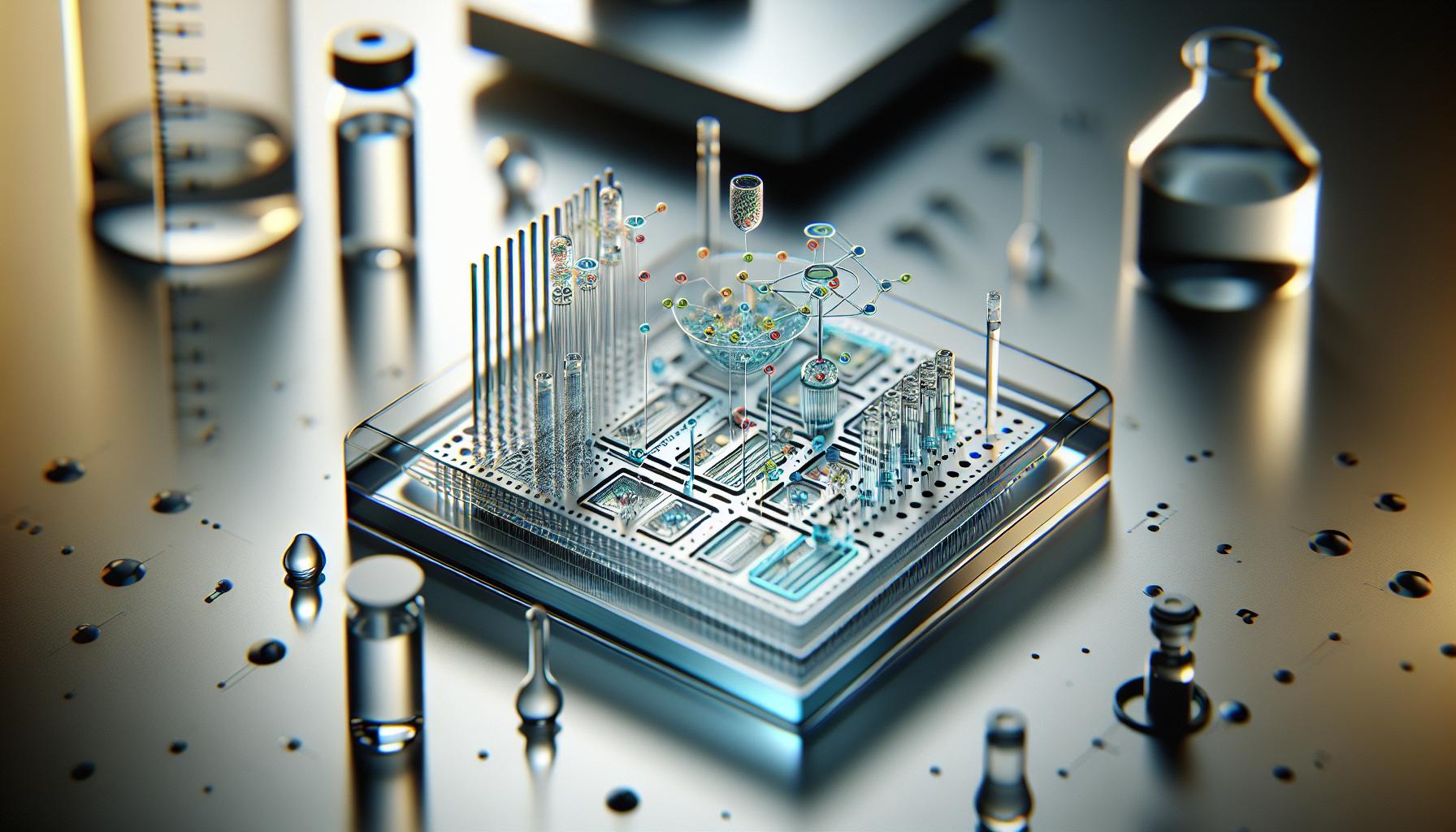
Principles of Fluid Dynamics in Microfluidics
Fluid dynamics plays a crucial role in understanding how liquids behave at the microscale, particularly in microfluidic devices. One of the most compelling aspects of microfluidics is the dominance of viscous forces over inertial forces, which is quantitatively expressed through the Reynolds number. In typical microfluidic applications, the Reynolds number is quite low, often below 1. This means that fluid flow is laminar rather than turbulent, resulting in predictable flow patterns that can be harnessed for efficient mixing processes. Importantly, mastering these principles allows researchers to design systems that optimize fluid interactions based on the controlled parameters of flow rates, channel geometries, and liquid properties.
When dealing with such low Reynolds numbers, the fundamental principles of shear flow and diffusion come into play. In microfluidic mixers, shear flow refers to the movement of fluid layers sliding past one another, which aids in the mixing of different components. Meanwhile, diffusion, the process by which molecules intermingle as a result of random thermal motion, is inherently slow at this scale. This is why effective mixing in microfluidics often requires innovative designs to enhance these mechanisms. For instance, microstructures like herringbone grooves or zigzag patterns create varying shear flows that promote greater intermingling of fluid layers, significantly speeding up the mixing process compared to simple straight channels.
To provide actionable insights, it’s vital to consider the impact of channel design on mixing efficiency. Here are a few design strategies grounded in fluid dynamics principles that can be employed:
- Serpentine Channels: These channels create a tortuous path, enhancing mixing by increasing the contact surface area and promoting chaotic advection.
- Multi-layer Flow: Introducing parallel channels allows for different fluids to flow side by side, facilitating faster diffusion across interfaces.
- Chaotic Mixing Strategies: Designs that promote circulation within the flow increase mixing efficacy by disrupting laminar layers and enhancing molecular interaction.
Understanding these principles not only informs the design of microfluidic mixers but also empowers researchers to tailor their systems for specific applications, from drug delivery to biochemical assays. By leveraging the fundamental dynamics of fluids at microscale, innovation in microfluidic technology can continue to flourish, facilitating advancements across a multitude of scientific fields.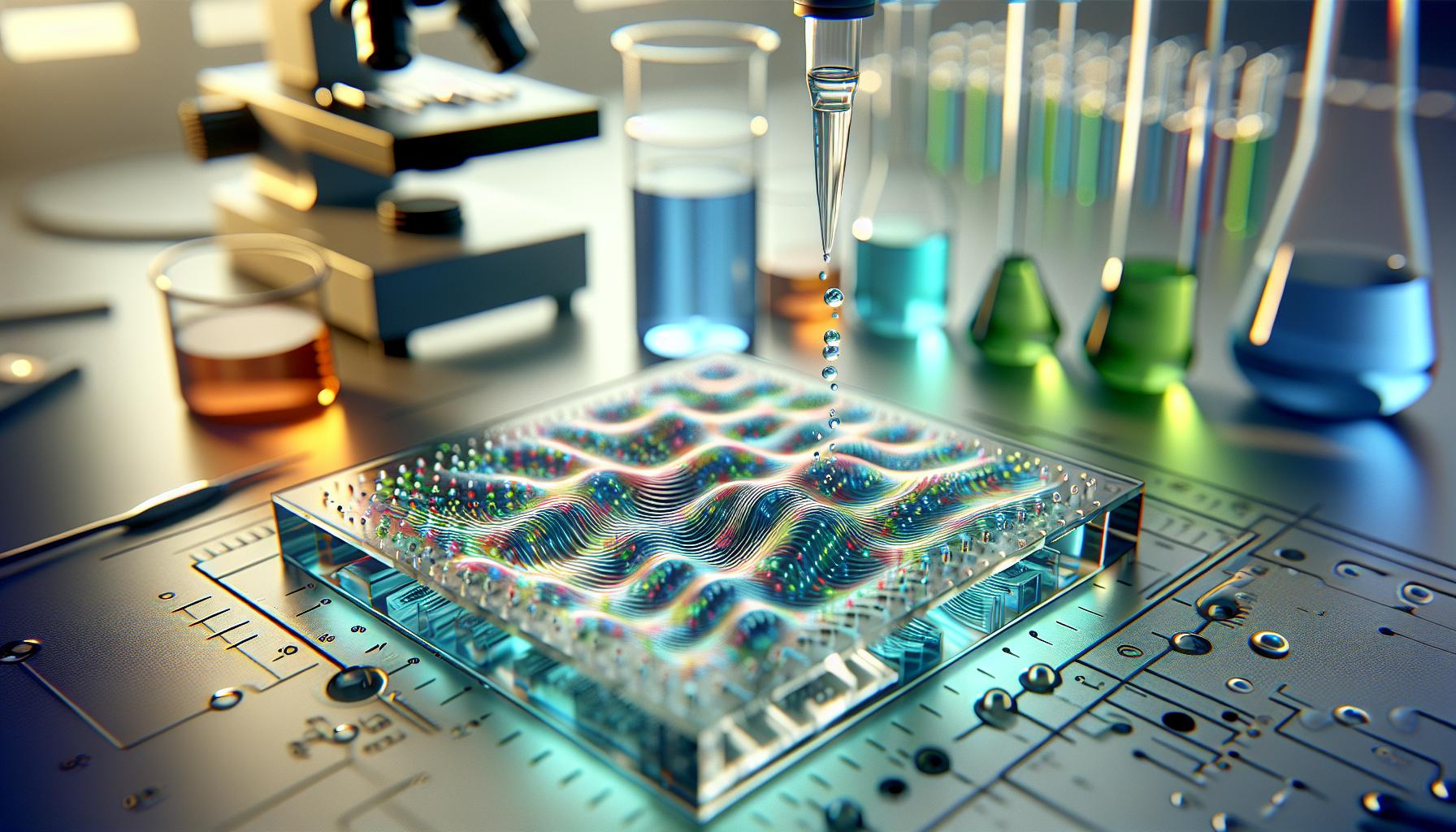
Design Variations in Microfluidic Mixers
Microfluidic mixers represent an exciting frontier in fluid dynamics, emerging from the need for miniaturization and high-efficiency mixing in a variety of applications. The design variations in these mixers are crucial in optimizing mixing performance while managing the inherent challenges posed by laminar flow in micrometer-scale environments. Each design variation leverages unique geometries and flow strategies to enhance fluid interaction, which is particularly important given that traditional mixing principles falter under these conditions.
One common design modification is the incorporation of herringbone structures, which feature repeating, serpentine grooves along the channel walls. These grooves disrupt the laminar flow and create secondary flows that aid in mixing by increasing shear surface area. This approach effectively enhances diffusion rates beyond what would be achievable with simple straight channels. Another innovative design is the multi-layer flow configuration, where parallel channels allow for simultaneous fluid streams, optimizing interfacial mixing. By directing different fluids side-by-side, this design dramatically reduces mixing time and enhances the overall efficiency.
Moreover, incorporating chaotic advection methods into microfluidic channels can drastically change the mixing landscape. This technique uses variations in channel geometry-such as twists and turns-that induce chaotic flow patterns, effectively breaking up laminar layers and enhancing molecular agitation. Additionally, devices like microvalves, which can modulate flow rates or direct fluid paths, allow for dynamic mixing conditions tailored to specific reactions or separations.
The selection of these designs not only addresses the challenges of low Reynolds numbers but also allows researchers and engineers to innovate further in diverse applications, from drug delivery systems to environmental monitoring. By experimenting with these various configurations, designers can optimize microfluidic devices to achieve precise control over mixing processes essential for advancing laboratory-on-a-chip technologies. Each variation potentially unlocks new capabilities, demanding a balance between theoretical principles and practical implementations in microfluidic design.
Applications of Microfluidic Mixing in Research
Microfluidic mixing technologies have revolutionized research across various scientific fields, enhancing the ability to conduct precise experiments with minimal sample volumes. These systems provide researchers with tools to perform complex biochemical analyses, accelerate reaction times, and generate reproducible results under controlled conditions. One particular advantage lies in their ability to facilitate rapid mixing, which is critical in applications such as drug discovery, diagnostics, and synthetic biology.
In drug discovery, for instance, microfluidic mixers can efficiently combine reactants to screen numerous compounds against target biomolecules. The ability to manipulate relatively small volumes enables high-throughput screening while minimizing reagent waste. This is particularly useful in pharmacokinetics, where the interaction of drugs with biological systems needs thorough examination. For example, researchers can utilize microfluidic devices to create concentration gradients of therapeutic compounds to study their effects on cell behavior in real-time, offering insights that would be difficult to achieve with traditional methods.
Another impactful application is in the field of diagnostics, where microfluidic mixers can streamline processes such as PCR (Polymerase Chain Reaction) for DNA amplification. By achieving efficient mixing of reagents within the compact confines of microfluidic channels, these devices enhance the efficiency and accuracy of molecular assays. Integration with detection systems allows for immediate results, paving the way for point-of-care diagnostics. Additionally, the versatility of microfluidic mixers has led to advancements in environmental monitoring, where they can facilitate rapid analysis of pollutants by mixing samples directly with reactive agents that indicate contamination.
Overall, the integration of microfluidic mixing in research not only narrows the gap between theory and practical application but also empowers scientists to undertake more innovative experiments. The continuous refinement of mixer designs and techniques promises exciting developments in scientific research, enabling new discoveries that hold the potential to transform multiple disciplines.
Challenges in Achieving Efficient Mixing
Achieving efficient mixing in microfluidic devices presents a unique set of challenges that researchers must navigate to optimize performance across various applications. One of the primary hurdles is the scale at which these mixers operate. Microfluidic systems often involve fluid volumes in the range of microliters or even nanoliters, making traditional mixing methods like those used in larger scale operations impractical. In these tiny environments, diffusion becomes a dominant mixing mechanism, but it is inherently slow and can lead to insufficient mixing times for certain reactions. Centrifugal forces, electrokinetic effects, and surface interactions all play a role in how well fluids combine, complicating the design of effective mixer architectures.
Another significant challenge arises from the material properties of the fluids involved. Variations in viscosity can drastically affect the flow behavior and mixing efficiency. For instance, higher viscosity fluids tend to resist rapid mixing due to their increased inertia, leading to stagnant regions within the mixer that can compromise reaction uniformity. Moreover, when working with biological samples, properties like non-Newtonian behavior add another layer of complexity, as the fluid’s viscosity changes under shear force. Duplex channels or bifurcated designs can help alleviate some of these issues, but they often require fine-tuning to strike the right balance between mixing speed and sample integrity.
Design complexity is yet another barrier. The integration of microfluidic mixers within broader systems can limit the design choices available to researchers. Ideally, a microfluidic mixer should facilitate mixing while being compact and easy to integrate with other components like sensors and pumps. However, achieving this balance often requires iterative design and testing, which can be time-consuming and costly. Advanced characterization methods such as particle image velocimetry (PIV) and Computational Fluid Dynamics (CFD) simulations are essential tools for understanding flow behaviors and optimizing mixer designs.
Lastly, the reproducibility of mixing performance poses another challenge. Variations in fabrication processes can lead to discrepancies in channel geometry or surface modification, which in turn affect mixing efficiency. To mitigate these issues, researchers are exploring standardized fabrication techniques and quality control measures during the design process. By continuously refining fabrication methods and leveraging cutting-edge modeling tools, the microfluidics community can move closer to overcoming these challenges and realize the full potential of microfluidic mixing technologies.
Recent Innovations and Breakthroughs in Mixing
The field of microfluidics is witnessing a wave of innovations aimed at enhancing mixing efficiencies, critical for applications ranging from diagnostics to chemical synthesis. Recent breakthroughs leverage advanced materials, novel designs, and integrated systems that push the boundaries of what microfluidic mixers can achieve. For instance, the introduction of 3D-printed mixers has allowed for rapid prototyping of complex flow geometries that maximize mixing by manipulating channel designs. This technology enables researchers to test various configurations quickly and efficiently, leading to optimized designs that enhance performance without the traditional constraints of fabrication methods.
Moreover, active mixing techniques have gained momentum. By employing micro-pumps or magnetic fields, researchers are now able to induce vortices or oscillatory flows within the microchannels, significantly increasing mixing rates compared to passive methods that rely solely on diffusion. For example, the use of electrokinetic and acoustic methods to control fluid dynamics can lead to improved uniformity and reduced mixing times, which are vital for applications requiring precise concentrations, such as in biochemical assays and drug formulations.
Integration with Sensor Technology
Another significant frontier in microfluidic mixing innovation is the integration of sensors directly within mixing channels. This integration allows for real-time monitoring of the mixing process, enabling adjustments on-the-fly. Researchers are developing hybrid systems where mixing can be controlled electronically, optimizing both efficiency and reproducibility. For instance, using integrated optical sensors to assess fluid homogeneity dynamically can facilitate immediate corrective actions if mixing falls short of desired performance, further enhancing the reliability of experiments.
Microfluidic Mixer Standardization
Efforts towards the standardization of microfluidic mixers are also emerging, driven by the need for reproducibility in research and industrial applications. Standardized designs enable researchers to build upon existing knowledge and comparably evaluate different microfluidic mixer systems. Such initiatives are fostering collaboration across disciplines, leading to the development of universal protocols and benchmarks that can guide future innovations in microfluidic technologies.
Overall, these recent innovations are not only revolutionizing the way mixing occurs on the microscale, but they also hold the potential to transform various fields in science and industry by improving process efficiency, scalability, and reproducibility in microfluidic applications. The horizon is bright as researchers continue to break barriers, making microfluidic mixing an exciting area of exploration and development.
Integration of Microfluidic Mixers with Other Systems
The ability to integrate microfluidic mixers with other systems is transforming how various fields approach complex fluid dynamics challenges. By combining these mixers with technologies such as sensors, actuators, and data processing units, researchers can create sophisticated platforms that not only enhance mixing efficiency but also provide real-time analytical capabilities. This convergence allows for a more holistic overview of fluid behaviors and interactions within microchannels, paving the way for innovative applications in diagnostics, pharmaceuticals, and environmental monitoring.
One compelling example of such integration is the combination of microfluidic mixers with optical sensors. These setups enable continuous monitoring of the mixing process, allowing scientists to observe changes in concentration and reactants’ behavior as they mix in real-time. This capability is especially valuable in biochemical applications, where precise reaction conditions are crucial for the success of assays. When deviations from expected mixing outcomes are detected, the system can automatically adjust parameters or notify operators, thereby increasing reliability and reproducibility in experimental results.
Moreover, miniaturized actuators, including electrokinetic pumps and magnetic field generators, have been integrated into microfluidic systems to enhance mixing control. By applying varying fields, researchers can induce specific flow patterns that improve mixing times or optimize reactions. For instance, a system that employs both electrokinetic forces and passive micromixing elements can achieve rapid homogenization of complex samples, which is often required in drug development processes. This dual approach enhances overall mixing performance and reduces the time required for preparatory work, demonstrating a significant leap in efficiency.
In addition to sensor and actuator integrations, connecting microfluidic mixers with data processing and machine learning algorithms can unlock further potential. Such configurations allow for the systematic collection and analysis of mixing data, which can be used to refine mixer designs or predict outcomes based on historical data. For instance, machine learning models can learn from previous mixing experiments to identify the most effective configurations for new experiments, offering a pathway toward more personalized and adaptive experimental setups.
Evoking a vision of seamless interplay between various technologies, the not only enhances mixing efficiency but also enriches the data landscape for scientific inquiries. As these integrations evolve, they will undoubtedly lead to breakthroughs that further the capabilities of microfluidics in tackling real-world problems across multiple disciplines.
Scalability and Commercialization of Microfluidic Mixers
The journey from innovative concept to commercial reality in microfluidic mixing technology is both challenging and promising. As researchers and entrepreneurs explore the scalability of these advanced mixing systems, several factors emerge that can significantly influence their market readiness and operational efficacy. Achieving scalability involves not only refining the design and function of microfluidic mixers but also understanding the competitive landscape and regulatory requirements that can impact commercialization.
Key Factors in Scalability
One pivotal aspect of scaling microfluidic mixers is the ability to produce them at low costs without sacrificing quality. Many researchers are now turning to additive manufacturing techniques, which allow for rapid prototyping and production of complex geometries that traditional methods struggle to achieve. This approach not only reduces material waste but also enables customization for specific applications, making it more accessible for startups and smaller businesses to enter the market. By utilizing scalable manufacturing technologies such as 3D printing, companies can adapt their product offerings based on evolving customer needs and specific industry requirements.
Furthermore, integrating microfluidic mixers into existing laboratory workflows and commercial processes is essential for their acceptance in the marketplace. Companies focusing on making these systems user-friendly and compatible with existing equipment can significantly enhance their commercial appeal. This means ensuring that the mixers are not only effective in mixing but also easy to clean, maintain, and integrate with automated systems. For instance, modular designs that allow for easy upgrades or adaptations to different research or production needs can be a strong selling point.
Overcoming Regulatory Hurdles
Navigating the regulatory landscape is another critical challenge that companies face when scaling microfluidic mixers. Depending on the intended application-be it in pharmaceuticals, diagnostics, or environmental monitoring-devices may need to comply with rigorous safety and efficacy standards as dictated by regulatory bodies like the FDA or EMA. Developing a clear understanding of these requirements early on can help manufacturers streamline their processes and avoid costly delays during the commercialization phase.
Collaboration with industry partners can also facilitate smoother navigation through these regulations. Establishing partnerships with pharmaceutical companies or research institutions that already possess knowledge of regulatory compliance can provide invaluable insights and resources. Not only does this collaboration enhance the credibility of microfluidic mixer manufacturers, but it can also lead to co-development opportunities that may accelerate product time-to-market.
In conclusion, the path to is multifaceted, requiring an emphasis on cost-effective production, user-friendly design, and regulatory readiness. As the landscape for these innovations continues to evolve, companies that are proactive in addressing these determinants will be better positioned to leverage the growing demand for efficient mixing solutions in various scientific and industrial applications.
Future Trends in Microfluidic Mixing Technology
As microfluidic mixing technology continues to evolve, several exciting trends are shaping its future. These advancements promise to amplify the capabilities of these systems, making them indispensable in various fields, from biomedical applications to environmental monitoring. A significant trend is the integration of artificial intelligence (AI) and machine learning algorithms into microfluidic systems. By employing AI, researchers can optimize mixing processes in real-time, adjusting parameters such as flow rates and mixing channel geometries to achieve desired outcomes more effectively. This adaptive approach to fluid dynamics not only enhances mixing efficiency but also reduces waste and improves reproducibility.
Moreover, the move toward personalized medicine is creating a demand for microfluidic mixers that can handle a wide range of biological samples with varying viscosity and chemical properties. Future microfluidic devices are expected to include multi-sample processing capabilities, allowing for the simultaneous analysis of different samples in a single experiment. This trend is particularly crucial in clinical diagnostics, where quick and accurate results are necessary. To facilitate this, innovations in material science are emerging, such as the development of biocompatible and bioactive polymers that can construct more effective and versatile mixing environments.
Next-Generation Materials and Fabrication Techniques
The material used in constructing microfluidic mixers is pivotal for their performance. Upcoming trends point towards the use of advanced materials like hydrogels and smart polymers that can respond dynamically to environmental changes, enabling tunable mixing properties. These materials not only improve the functionality of mixers but also ensure that they are compatible with various biological assays, increasing their applicability across different scientific and industrial sectors.
In addition to materials innovation, advancements in fabrication techniques are enabling the creation of more complex and functional mixer geometries. Techniques such as 3D printing are becoming mainstream, allowing for rapid prototyping of intricate designs that enhance mixing efficiency. This accessibility fosters creativity among researchers, encouraging the exploration of unique channel designs and configurations that can significantly improve mixing at low flow rates, which is critical for achieving accurate results in sensitive applications.
Integration with Other Technologies
Another trend is the seamless integration of microfluidic mixers with other technologies, such as lab-on-a-chip systems and point-of-care devices. This convergence not only enhances the functionality of microfluidic systems but also supports the development of compact, automated platforms that can perform complex analyses in various settings, from clinical labs to remote locations. For instance, coupling microfluidic mixers with sensors and data analytics tools allows for real-time monitoring and decision-making based on mixing outcomes, streamlining workflows in different scientific applications.
As these trends unfold, it’s clear that the future of microfluidic mixing technology holds significant promise. These innovations will not only lead to more efficient and accurate mixing processes but also open up new avenues for research and application across multiple disciplines.
Case Studies: Successful Implementations of Microfluidic Mixers
Successful implementations of microfluidic mixers illustrate the transformative power of this technology across various fields, including biomedical research, diagnostics, and chemical synthesis. One notable example is the use of microfluidic mixers in the development of point-of-care testing devices, which have gained traction in clinical settings due to their speed and accuracy. For instance, researchers have demonstrated that integrating microfluidic mixers with rapid diagnostic tests can enhance the mixing of reagents, leading to quicker reactions and more reliable results, particularly in the detection of infectious diseases such as COVID-19. This capability not only reduces the time to diagnosis but also enables decentralized testing in low-resource environments.
Another compelling case comes from the field of drug discovery, where microfluidic mixers have streamlined the process of creating drug formulations. By employing innovative mixer designs, scientists at a biopharmaceutical company successfully reduced the volume of reagents needed for their high-throughput screening processes. This was achieved through a unique mixer that manipulates fluid flow at the microscale, allowing precise control over concentration gradients and facilitating the rapid testing of thousands of compounds. The result was a significant decrease in both material costs and waste, while simultaneously increasing the efficiency of identifying promising drug candidates.
Moreover, microfluidic mixers are making waves in environmental monitoring applications. A striking illustration is their application in analyzing water samples for contaminants. Researchers have developed a microfluidic device that combines sample collection, on-site mixing, and detection. This microfluidic system effectively mixes water with chemical reagents that react with pollutants, such as heavy metals or pathogens, and perform colorimetric analysis within minutes. Such rapid assessments empower environmental scientists to make timely decisions regarding water safety for communities.
The adaptability of microfluidic mixers across different sectors underlines their pivotal role in advancing current methodologies. As demonstrated in these case studies, the ability to create compact, efficient, and cost-effective mixing solutions not only enhances experimental processes but also pushes forward the boundaries of what’s possible in research and diagnostics. This ongoing evolution in microfluidic technology is set to yield even more cross-sector innovations in the near future.
Q&A
Q: What are microfluidic mixers and how do they work?
A: Microfluidic mixers are devices that manipulate small volumes of fluids to achieve controlled mixing at micro scales. They operate using principles of fluid dynamics to enhance mass transfer, often utilizing geometric structures and flow paths to promote rapid mixing through laminar flow and chaotic advection techniques.
Q: Why are microfluidic mixers important in biomedical applications?
A: Microfluidic mixers are crucial in biomedical applications as they enable precise control over reagent mixing, essential for assays, diagnostics, and drug testing. Their ability to operate with minute fluid volumes makes them cost-effective and reduces waste, facilitating high-throughput screening in research settings.
Q: What challenges exist in the design of microfluidic mixers?
A: Key challenges in microfluidic mixer design include achieving uniform mixing efficiency, minimizing dead zones, and handling variations in fluid properties. Designers must balance the geometric complexity and fabrication techniques to optimize performance without increasing the risks of clogging and flow instability.
Q: How do microfluidic mixers compare to traditional mixing methods?
A: Microfluidic mixers differ from traditional methods by offering enhanced mixing efficiency in smaller volumes, often resulting in faster reaction times and better control of flow rates. Traditional mixers may not achieve the same degree of precision and scalability as microfluidic systems, especially for small sample sizes.
Q: What recent innovations have improved microfluidic mixing technology?
A: Recent innovations in microfluidic mixing include the development of novel materials, integrated sensors for real-time monitoring, and advanced computational fluid dynamics simulations. These developments provide better control over mixing processes and enhance the performance of microfluidic devices in various applications.
Q: How can researchers integrate microfluidic mixers with other systems?
A: Researchers can integrate microfluidic mixers with other systems by employing modular designs that allow compatibility with pumps, detectors, and other analytical instruments. This integration facilitates seamless workflows and improves data collection for multi-step processes in applications like drug screening and biochemical assays.
Q: What future trends are expected in the field of microfluidic mixing?
A: Future trends in microfluidic mixing include increased automation, miniaturization of devices, and the use of artificial intelligence for optimization. These advancements aim to enhance operational efficiency and expand the applicability of microfluidic technologies in diverse fields, from medical diagnostics to environmental monitoring.
Q: Where can I find case studies on successful implementations of microfluidic mixers?
A: Case studies on successful implementations of microfluidic mixers can typically be found in academic journals, industry reports, and conference proceedings. Many publications discuss specific applications and outcomes in areas like pharmaceuticals and diagnostics, showcasing the practical benefits of microfluidic mixing technologies.
To Wrap It Up
In conclusion, “A State-of-the-Art Review of Mixing in Microfluidic Mixers” highlights the transformative potential of advanced mixing technologies in microfluidics, showcasing innovative strategies that improve fluid interactions and application outcomes. To stay at the forefront of this dynamic field, we encourage you to explore related insights, such as the latest developments in microfluidic design and applications in biochemical analysis.
Don’t miss out-sign up for our newsletter for updates and exclusive content that can enhance your research and projects. Whether you’re a seasoned researcher or just starting, this knowledge can elevate your work in microfluidic systems. For any questions or further resources, feel free to reach out or leave a comment below. Your journey in this fascinating realm awaits-let’s dive deeper together!
Get our latest guides, news, and insights highlighted in your Google Search & AI Overviews.