Imagine harnessing the microscopic world to revolutionize biotechnology. “A Platensis Droplet Microfluidic: Novel Biotech Application” delves into an innovative platform that exploits microfluidics to enhance the cultivation of Arthrospira platensis, commonly known as spirulina. This remarkable organism is celebrated for its nutritional value, yet traditional cultivation methods can be resource-intensive and inefficient.
By tapping into droplet microfluidics, we unlock the potential for precise control over environmental variables, significantly improving growth rates and nutrient yields while minimizing resource use. This not only addresses critical challenges such as sustainability and scalability in biotech applications but also aligns with growing demands for efficient, eco-friendly production methods in health and food industries. As we explore this fascinating intersection of technology and biology, you’ll discover how these small droplets are poised to make a significant impact on the future of biotechnology. Join us as we unravel the principles, challenges, and extraordinary possibilities that lie within this cutting-edge approach.
Principles of Droplet Microfluidics in Biotechnology
Droplet microfluidics represents a transformative approach in biotechnology, enabling highly controlled experimentation with minute volumes of fluids. This method allows for the manipulation of discrete droplets within immiscible phases, typically oil and water, where flow dynamics are governed by low Reynolds numbers. Such conditions lead to laminar flow, which maintains a streamlined stream of fluid without turbulence, making it possible to conduct precise experiments that focus on individual components or reactions at a microscale.
Central to the effectiveness of droplet microfluidics is the ability to generate and manipulate droplets with high precision. Each droplet can serve as an independent reaction chamber, allowing researchers to carry out thousands of simultaneous reactions. This high-throughput capability is particularly advantageous for applications such as high-throughput screening of biochemical reactions, cellular assays, and single-cell analyses. The use of microfluidic channels, typically designed in a layout that minimizes dead volumes and maximizes droplet generation, facilitates these applications by allowing smooth passage of fluids and maintaining droplet integrity.
One of the exciting prospects of droplet microfluidics in biotech is its capability to integrate various processes-such as sample preparation, reaction, and analysis-on a single platform. For instance, droplets can encapsulate living cells or biomolecules, enabling researchers to observe cellular responses in real-time or perform multiparametric assays in a streamlined manner. This is especially relevant in the study of microorganisms like Platensis, where researchers can simulate physiological conditions and observe responses to various stimuli or compounds, providing invaluable insights into metabolic processes, enzyme activities, and other biochemical interactions.
The principles guiding droplet microfluidics also highlight some of its limitations and challenges, including issues related to droplet merging, controlled emulsification, and precise droplet handling. Addressing these challenges involves a continuous evolution in microfluidic technologies and materials, where improvements can lead to even more sophisticated applications and higher reliability in experimental outcomes. As researchers continue to explore this innovative approach, the future of biotechnology looks promising, with droplet microfluidics paving the way for breakthroughs in personalized medicine, synthetic biology, and biomolecular research.
Innovative Applications of Platensis Droplet Microfluidics

The innovative landscape of biotechnology has been significantly enriched by the introduction of droplet microfluidics, particularly when applied to the study of Platensis, a vital microalga known for its high lipid content and potential in biofuel production. This technology enables researchers to encapsulate Platensis cells in tiny, individually controlled droplets, facilitating high-throughput experimentation and precise manipulation of the cellular environment. Such capabilities not only enhance the efficiency of screening for desirable traits but also allow for a more detailed analysis of algal metabolism and response to different stimuli.
One of the groundbreaking applications of Platensis droplet microfluidics is in the rapid selection of mutant strains with enhanced growth or lipid production. By utilizing a high-throughput droplet generation system, researchers can create thousands of individual microenvironments for Platensis cells, each subjected to varying conditions, such as nutrient availability or stress factors. This method allows for the systematic screening of these droplets to isolate optimal strains faster than traditional methods. For instance, droplets can be analyzed for fluorescence or colorimetric changes corresponding to lipid production, leading to faster identification of superior strains.
Moreover, integrating other biotechnological techniques, such as CRISPR-Cas9 gene editing, with droplet microfluidics can further refine the process. This synergy allows for targeted alterations in the algal genome, which can then be assessed for phenotypic changes in the microfluidic context. The ability to conduct gene editing and phenotype screening in parallel not only streamlines research but also dramatically reduces the amount of reagents and time typically needed for such experiments.
The application of droplet microfluidics extends beyond simply enhancing growth and lipid production; it also plays a crucial role in studying the biochemical pathways within Platensis under various environmental conditions. By trapping cells in droplets along with specific substrates or inhibitors, researchers can perform real-time monitoring of metabolic processes, leading to deeper insights into the physiological and biochemical mechanisms of the microalga. This level of scrutiny could unveil new pathways for lipid biosynthesis, assisting in optimizing conditions for biofuel production and other bioproducts.
In sum, the intersection of droplet microfluidics and Platensis biotechnology opens up exciting avenues for researchers seeking to leverage microalgae in sustainable energy and bioproduct development. This approach not only allows for increased efficiency and precision in experimentation but also enriches our understanding of algal biology in a controlled, replicable environment.
Technical Challenges in Microfluidic Design
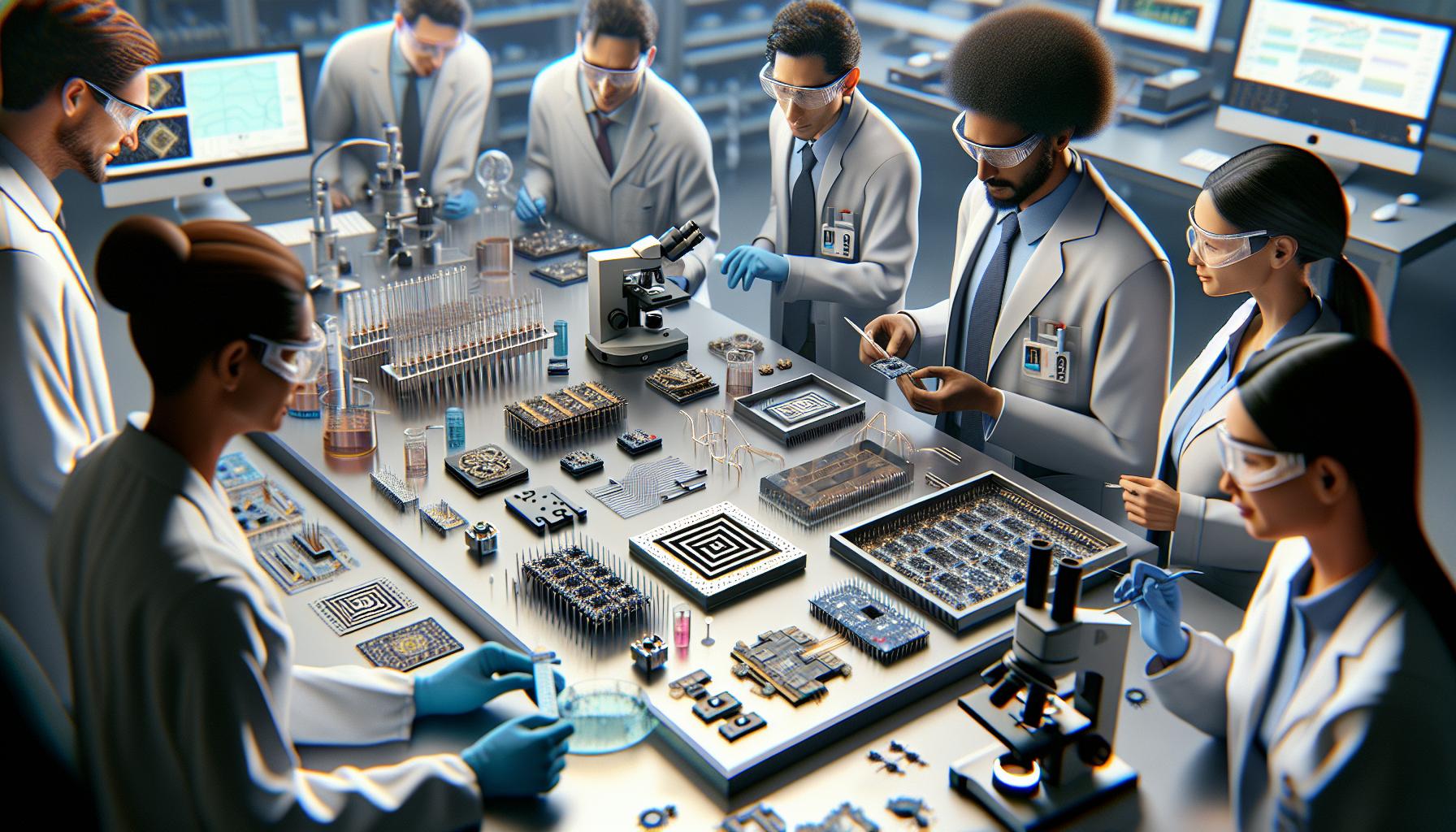
Developing a droplet microfluidic system for the manipulation of Platensis microalgae presents a unique set of technical challenges that innovators and researchers must navigate. One of the foremost challenges lies in achieving precise control over droplet formation and stability. In droplet microfluidics, the effectiveness of the system depends on the ability to create uniform droplets that can encapsulate individual Platensis cells. This requires careful calibration of flow rates and fluid properties, such as viscosity and surfactant concentration. If these parameters are not optimized, researchers risk generating droplets that are either too large or inconsistent in size, which can hinder the reproducibility and reliability of experimental outcomes.
Another significant technical hurdle is the integration of biological variables when designing microfluidic platforms. Platensis cells can exhibit diverse responses to environmental conditions, such as variations in pH, temperature, or nutrient concentration. Consequently, ensuring that microenvironments within each droplet remain stable over time poses a distinct challenge. Researchers must incorporate mechanisms that allow for real-time monitoring and regulation of these variables to maintain consistent conditions throughout the experimentation process. Failure to do so could lead to data variability and misinterpretations of the algal responses being studied.
Moreover, scaling up production for high-throughput screening can complicate matters further. Although droplet microfluidics inherently allows for the generation of thousands of droplets, the transition from a laboratory-scale setup to larger, more automated systems can introduce complexities involving fluid dynamics and material compatibility. For instance, scaling-up could require more advanced materials that can withstand increased flow rates and pressures without compromising structural integrity. Researchers must also consider how to efficiently collect and analyze the outputs from a significantly larger number of droplet experiments.
Finally, there are integration challenges with existing biotechnological approaches, such as CRISPR-Cas9 editing techniques mentioned earlier. While integrating these with droplet microfluidics promises exciting advancements, the actual implementation of this synergy requires meticulous planning and execution. Ensure that the delivery of CRISPR components into droplets is efficient and yields high transformation rates, while also monitoring the effects of such modifications within the constrained environment of a droplet.
Overcoming these challenges requires innovative thinking and collaboration across disciplines. As researchers continue to refine droplet microfluidic designs for Platensis, the potential for breakthrough discoveries in algal biotechnology remains vast and promising. By addressing these technical issues, scientists can leverage the power of microfluidics to enhance the efficiency and precision of algal experimentation, ultimately unlocking new pathways in sustainable energy production and bioproduct development.
Comparative Advantages of Platensis Technology
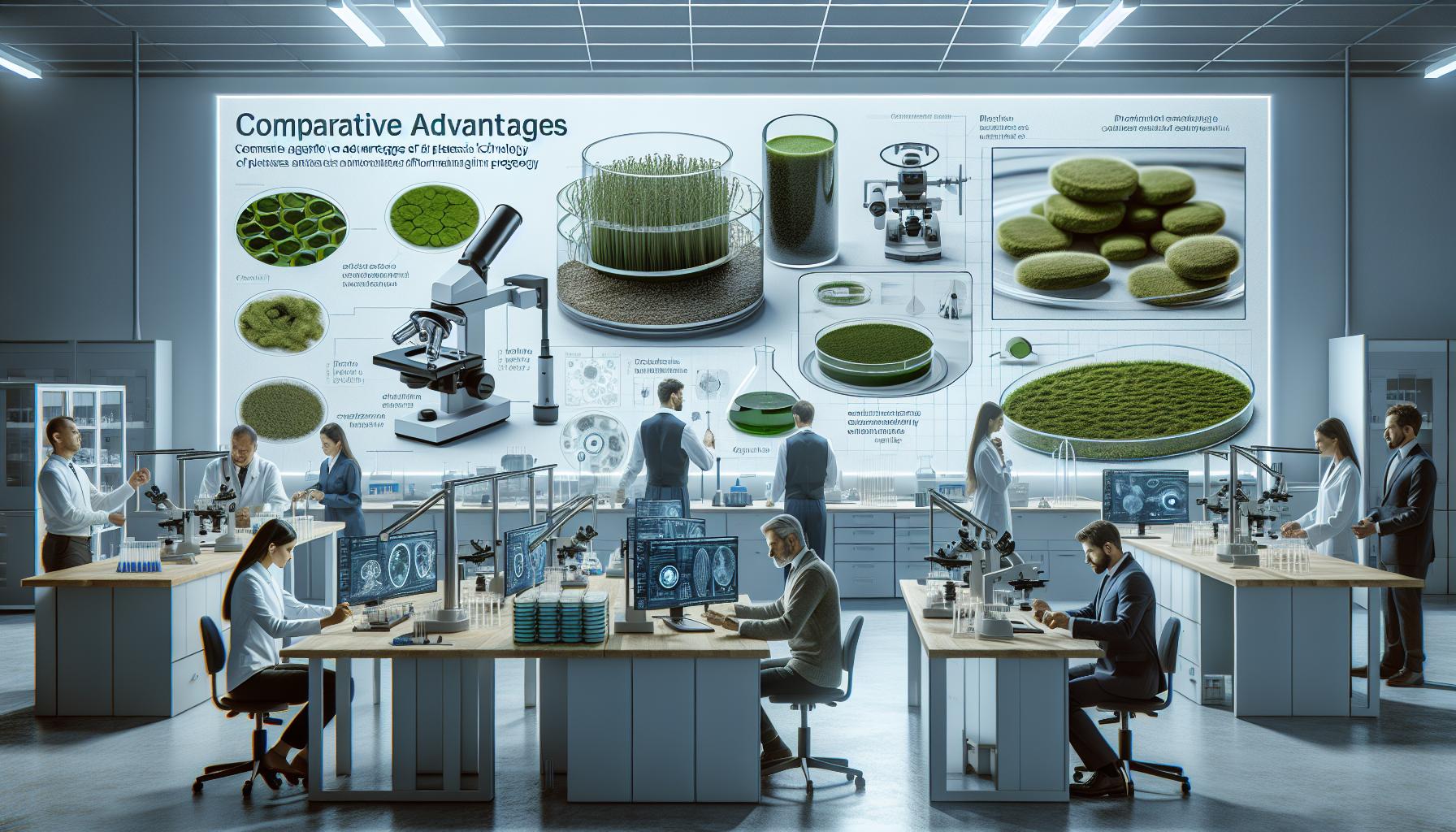
The advent of droplet microfluidics in the isolation and manipulation of Platensis microalgae is revolutionizing biotechnological applications, particularly in sustainable resource development. One notable advantage of this technology is its ability to create microenvironments tailored for the specific needs of Platensis. This enables controlled growth and manipulation under precise environmental conditions. For example, by adjusting parameters like pH, temperature, and nutrient levels within the droplets, researchers can optimize the cultivation of Platensis for biofuel production or bioproduct synthesis, enhancing yield and efficiency far beyond traditional methods.
Using droplet microfluidics streamlines high-throughput screening processes, allowing for the rapid testing of multiple conditions simultaneously. In this format, thousands of droplets can be generated, each containing a unique combination of variables. This not only accelerates the experimental process but also facilitates the discovery of optimal growth conditions with less resource expenditure. As Platensis species are highly responsive to their environment, fine-tuning conditions in these microdroplets can lead to significant improvements in biomass productivity and metabolic profiling, essential for developing effective biotechnological applications.
Moreover, the scalability of droplet microfluidics presents a major competitive edge. While traditional methods often lead to bottlenecks in scaling, microfluidic systems can easily transition from laboratory settings to larger, automated formats, enabling vast screening capacities without losing precision or reproducibility. This scalability facilitates the adoption of Platensis-based technologies in commercial applications, ranging from biofuels to pharmaceuticals.
The cost-effectiveness of using Platensis microfluidics is equally compelling. By reducing the volume of reagents needed and minimizing waste, researchers can conduct experiments more economically. Coupled with rapid data analysis techniques enabled by advances in computational modeling and machine learning, the overall efficiency and cost-effectiveness of research and development efforts in Platensis biotechnology are significantly enhanced. The combination of these advantages makes droplet microfluidics an invaluable tool for maximizing the potential of Platensis in various biotechnological innovations.
In summary, the comparative advantages of Platensis technology lie in its ability to create customized microenvironments, facilitate high-throughput screening, ensure scalability and reproducibility, and enhance cost-effectiveness. These factors collectively contribute to a pioneering shift in how researchers approach biotechnological challenges associated with this promising microalgae.
Step-by-Step Guide to Implementing Platensis Droplets
Implementing a droplet microfluidic system for the manipulation of Platensis microalgae can significantly enhance biotechnological processes and yield optimization. Let’s break down a straightforward approach that integrates practical steps with theoretical insights, ensuring a smooth transition from concept to application.
The initial phase involves designing the microfluidic device, which should allow for precise droplet formation and control. Begin by selecting a suitable microfabrication technique, such as soft lithography or 3D printing. These methods can create channel geometries that optimize droplet formation by controlling parameters like flow rates and channel dimensions. For instance, T-junction or flow-focusing configurations are commonly used for producing monodisperse droplets, essential for consistent experimental results.
Next, prepare the aqueous and organic phases. The aqueous phase typically contains the Platensis microalgae, nutrients, and growth factors, while the organic phase often acts as a carrier fluid, often a fluorinated oil, which minimizes evaporation and helps capture droplets. Blend components carefully; achieving the right surfactant concentration in the oil phase is crucial to stabilize the droplets and prevent coalescence. Experimenting with various surfactants can yield insights into meritorious combinations that maximize productivity and viability.
Once you establish a reliable droplet generation method, proceed to optimize the conditions for Platensis cultivation. Utilizing high-throughput screening techniques allows you to assess a multitude of growth parameters simultaneously. For instance, you can vary the pH, temperature, and nutrient concentrations across different droplets. Employ methods such as fluorescence microscopy to monitor growth dynamics and metabolic activity within each droplet, allowing for precise adjustments to be made in real-time.
Finally, employ efficient data collection and analysis strategies. Integrating machine learning algorithms can aid in identifying optimal environmental conditions and predicting growth outcomes based on historical data. This combination of droplet microfluidics and data science paves the way for a robust platform that not only enhances scalability but also reduces material costs by limiting the required reagent amounts.
By systematically addressing each step from device design to data analysis, researchers can harness the full potential of droplet microfluidics for Platensis. This approach not only optimizes growth conditions but also fosters innovation in biotechnological applications, demonstrating the real impact of combining advanced techniques with biological research.
Future Trends in Microfluidic Biotech Solutions

In the rapidly evolving field of microfluidics, particularly in biotechnology applications like manipulating Platensis microalgae, several future trends are shaping the landscape. As researchers and technologists push the boundaries of what microfluidic systems can achieve, innovative approaches will redefine productivity, efficiency, and scalability in laboratories worldwide.
Advancements in material sciences will play a pivotal role in the future of droplet microfluidics. The introduction of new biocompatible and multifunctional materials for microfluidic devices will enhance performance, allowing for improved droplet stability and greater precision in droplet manipulation. Smart materials that respond to environmental stimuli-such as temperature or pH changes-are on the horizon, enabling dynamic control over droplet composition and behavior. This adaptability could facilitate the precise cultivation of Platensis in a more controlled setting, supporting diverse experimental conditions without requiring extensive equipment changes.
Moreover, the integration of artificial intelligence and machine learning into microfluidic processes is becoming increasingly commonplace. Predictive analytics will empower researchers to rapidly optimize cultures by analyzing data from previous experiments to foresee growth outcomes under varying conditions. For instance, machine learning algorithms could analyze complex datasets generated from high-throughput screening of Platensis growth factors, leading to recommendations for ideal nutrient compositions or environmental parameters. This predictive capability not only streamlines experimentation but also enhances reproducibility, a critical aspect in biotechnological research.
Collaborative platforms are also emerging as a trend within microfluidics. As the technology becomes more widespread, open-source designs for microfluidic devices are likely to proliferate, allowing researchers and hobbyists to share blueprints and insights. This collaborative spirit can accelerate innovation, as thousands of minds contribute to overcoming existing technical challenges. Furthermore, user-friendly software interfaces that enable real-time monitoring and adjustments during experiments can democratize access to high-end microfluidic solutions, encouraging broader adoption in various scientific fields.
In summary, the future of droplet microfluidics, especially concerning Platensis applications, promises exciting developments through enhanced materials, AI integration, and collaborative efforts. As we stand on the brink of these advancements, researchers are well-equipped to explore new frontiers in biotechnology, optimizing growth processes and expanding the potential of microalgal cultivation. The interplay of technology and biology will continue to yield transformative insights and innovations, ultimately benefiting both academic research and industrial applications.
Case Studies: Successful Applications of Platensis Microfluidics
The innovative landscape of Platensis microfluidics has made significant strides, with numerous case studies showcasing its successful applications. One compelling example involves the enhanced cultivation of *Spirulina platensis* (Platensis) using droplet microfluidic systems that enable precise control over growth conditions. Researchers have leveraged this technology to create segmented microenvironments, allowing for the testing of various nutrient compositions and environmental factors simultaneously. This approach not only expedites the optimization of growth protocols but also increases the yield of valuable biomolecules such as proteins and antioxidants.
Another notable case illustrates the application of droplet microfluidics in the screening of genetic modifications in Platensis. Scientists used microfluidic droplets to compartmentalize individual strains, facilitating high-throughput screening for metabolic engineering. By integrating quantitative imaging techniques, they were able to assess growth rates and metabolite production in real time within each droplet. This method significantly reduced the time required for traditional screening processes and opened avenues for creating genetically optimized strains that exhibit enhanced productivity.
Real-World Applications
Successful implementations extend beyond research labs into industrial applications as well. For example, one biotechnology firm utilized droplet microfluidics to improve the efficiency of biofuel production from *Spirulina platensis*. By fine-tuning the cultivation conditions within microfluidic channels, they maximized biomass growth while simultaneously enhancing lipid extraction processes. The small scale and high throughput of droplet microfluidic systems allowed for rapid prototyping and testing, facilitating quick adjustments based on real-time data.
Moreover, case studies have emerged in the realm of biopharmaceuticals, where Platensis-derived compounds are evaluated for their therapeutic potential. Microfluidic devices provide a platform for simultaneous analysis of multiple compounds, streamlining the identification of promising candidates for further development. This method not only conserves resources but also minimizes waste, aligning with sustainability goals in pharmaceutical development.
In summary, the applications of Platensis microfluidics are vast and varied, ranging from cultivation optimization to genetic screening and industrial production. These studies exemplify how this technology not only enhances efficiency and productivity but also contributes to sustainability efforts in biotechnology. As researchers continue to explore new methodologies and applications of Platensis microfluidics, the potential for groundbreaking advancements in biotechnology remains promising.
Integrating Platensis Microfluidics with Machine Learning
By harnessing the power of machine learning (ML), researchers can significantly enhance the effectiveness of Platensis droplet microfluidics. This innovative approach allows for real-time data analysis, optimization of experimentation parameters, and even predictive modeling for biosystem behaviors. For instance, when optimizing growth conditions for *Spirulina platensis*, ML algorithms can analyze complex datasets generated from microfluidic experiments to identify the most effective nutrient compositions and environmental factors. Instead of relying solely on traditional trial-and-error methods, scientists can leverage these advanced computational techniques to make data-driven decisions, leading to more efficient and reproducible outcomes.
Optimizing Experimental Conditions
Integrating ML into droplet microfluidics fundamentally changes how researchers approach experimental design. For example, by employing supervised learning techniques, researchers can train models on existing datasets to predict the optimal conditions for various micro-environments created by the microfluidic systems. These models can determine key parameters, such as flow rates, droplet size, and incubation times, that yield the highest productivity in *Platensis* cultures. This predictive capability not only accelerates the research process but also enhances the reproducibility of the results, addressing a common challenge in biological experiments.
Enhancing High-Throughput Screening
Moreover, ML can transform high-throughput screening processes used for genetic modifications and metabolite profiling in *Platensis*. Through unsupervised learning techniques, researchers can categorize and analyze growth rates or metabolic outputs from thousands of microfluidic droplets simultaneously. This capability allows for the identification of specific genetic constructs that result in enhanced growth or biomass yield. As a result, researchers can focus their efforts on the most promising candidates with much higher accuracy and efficiency than traditional methods, which often struggle with the sheer volume of data generated.
Real-World Implementation Examples
Real-world implementations of these integrated systems are already revealing exciting possibilities. For instance, startup companies are utilizing ML algorithms to optimize bioprocesses involving *Spirulina platensis*, reducing operational costs and increasing yields of valuable compounds, such as proteins and pigments. This fusion of technology not only drives innovation in bioengineering but also plays a crucial role in advancing sustainable practices by maximizing output while minimizing resource use.
In conclusion, the integration of machine learning with Platensis droplet microfluidics stands at the forefront of biotech innovation. It fuses computational prowess with biological experimentation, paving the way for breakthroughs that could redefine the efficiency and effectiveness of biotechnological applications, from agriculture to pharmaceuticals. Embracing this interdisciplinary approach could ultimately lead to significant leaps in our ability to harness the potential of *Spirulina platensis* and similar organisms.
Key Materials Used in Platensis Microfluidic Systems
In the realm of Platensis droplet microfluidics, the materials utilized are pivotal in enhancing both the functionality and efficiency of experimental outcomes. The choice of materials impacts not just droplet formation and manipulation but also the interactions between the *Spirulina platensis* cultures and the microfluidic environment. Understanding these materials is crucial for researchers looking to optimize their microfluidic systems.
A variety of materials are employed in the fabrication of microfluidic devices, each offering distinct advantages tailored for specific applications. Commonly used are:
- Polydimethylsiloxane (PDMS): This silicone-based polymer is renowned for its flexibility, optical transparency, and ease of fabrication. PDMS can be easily molded to create complex microchannel designs, making it a go-to material for researchers.
- Glass: Offers excellent optical properties and chemical stability. Glass microfluidic chips are less prone to adsorption issues compared to PDMS, which can be critical when working with sensitive biological samples.
- Thermoplastics: Materials like poly(methyl methacrylate) (PMMA) and cyclic olefin copolymer (COC) are gaining traction due to their compatibility with mass production techniques and their durability under varied thermal conditions.
When working specifically with *Spirulina platensis*, biocompatibility becomes a key consideration. Thus, materials must not only support the growth and manipulation of these microorganisms but also minimize any potential adverse interactions. For instance, surface treatments of PDMS can modify hydrophobicity, enhancing droplet stability and nutrient retention, crucial for optimizing growth conditions.
Innovative Additives and Coatings
Incorporating specific additives and surface coatings can further enhance microfluidic performance. Anti-fouling coatings can prevent the adhesion of cells to channel walls, ensuring that droplets remain discrete and functional. Moreover, incorporating biocompatible surfactants may help stabilize droplets, especially when encapsulating *Spirulina platensis* alongside various nutrients.
Research indicates that adjusting the microenvironment-in terms of pH, nutrient availability, and even the spatial configuration of reagents-can yield significant improvements in biomass productivity. For instance, embedding nutrients in microgel formats within the microfluidic system can create localized environments that promote faster growth rates and higher yields.
By addressing these material choices and enhancements, researchers can develop robust microfluidic systems that not only streamline the experimental process but also unlock new avenues for exploring the capabilities of *Spirulina platensis* in biotechnology.
Cost-Effectiveness: Evaluating Platensis Solutions
Innovative biotech applications are not just about cutting-edge science; they must also demonstrate cost-effectiveness to warrant adoption. In the realm of droplet microfluidics, specifically with Spirulina platensis, there are compelling reasons why these solutions can be economically advantageous. The microfluidic systems facilitate precise control over conditions, which enhances the yield and efficiency of biomass production, ultimately translating to cost savings in large-scale applications.
One of the most significant costs in biotechnology involves the growth media and cultivation processes. Microfluidic technologies enable researchers to miniaturize experiments, utilizing smaller volumes of nutrients and reagents. This not only reduces material costs but also minimizes waste. For example, in traditional cultures, a considerable amount of growth media often goes unutilized, leading to unnecessary expenditures. However, with platensis droplet microfluidics, nutrient delivery can be highly targeted, allowing researchers to optimize conditions in real-time and significantly improve growth efficiencies while curtailing costs.
Moreover, the versatility of microfluidic systems can drive down operational expenses. These platforms are highly adaptable, allowing for rapid prototyping and testing of various formulations and conditions without the need for extensive infrastructure. For example, researchers can quickly scale their findings to larger systems without the risk and set-up costs typically associated with traditional bioprocessing. This flexibility supports innovation, enabling teams to explore new applications for Spirulina platensis in pharmaceuticals, nutraceuticals, and cosmetics-all emerging markets with robust demand.
Finally, as these technologies become more commercially available, the overall cost of implementation is expected to decrease due to economies of scale. Manufacturers are increasingly focusing on producing more cost-effective microfluidic devices, ensuring accessibility for both startups and established companies alike. With these trends, investing in platensis droplet microfluidics not only enhances research capabilities but also positions stakeholders to reap substantial economic benefits in a competitive market. By carefully considering these factors, researchers and entrepreneurs can harness the power of microfluidics to drive innovation while keeping costs in check.
User-Friendly Platforms for Microfluidic Experimentation
are revolutionizing the landscape of biotechnology, particularly in the use of *Spirulina platensis* through droplet microfluidics. The shift towards these accessible systems is driven by their powerful capabilities paired with intuitive design, making advanced research techniques available to a broader audience, including academia, startups, and established industries alike.
One of the standout features of modern microfluidic platforms is simplicity in operations. Many of these systems utilize graphical user interfaces (GUIs) that allow researchers to design their experiments with a few clicks, dramatically reducing the learning curve typically associated with microfluidic technology. These platforms often include pre-programmed protocols tailored for specific applications, such as biomass cultivation or cell sorting, streamlining the experimental setup. By enabling users to customize parameters without needing extensive technical knowledge, researchers can focus on their hypotheses rather than struggling with complex instrumentation.
### Key Features of User-Friendly Platforms
- Modularity: Many platforms offer modular components that allow users to mix and match various modules according to specific experimental needs. This direct approach simplifies complex setups, making it easy to adapt the workflow for different applications.
- Real-Time Monitoring: Integrated sensors in these platforms provide real-time feedback on essential parameters like temperature, pH, and optical density, enabling dynamic adjustments during experiments. This feature is crucial for optimizing growth conditions for *Spirulina platensis*.
- Data Analysis Tools: Advances in software mean many platforms come equipped with analytical tools that assist in data visualization and interpretation, saving scientists valuable time and improving the reliability of their results.
Furthermore, the integration of machine learning algorithms into these platforms is marking a significant advancement. Machine learning can be utilized to analyze patterns in experimental data, predict outcomes, and optimize experimental conditions. This not only enhances the efficacy of biodiscovery processes but also empowers users at all levels to leverage big data insights without needing deep expertise in computational methods. As these systems evolve, they will likely become even more intuitive, reinforcing user engagement and facilitating innovative research in biotechnological applications involving *Spirulina platensis*.
This democratization of technology signifies a pivotal moment in biotechnology, where user-friendly platforms are bridging the gap between advanced scientific inquiry and practical application, ultimately for scalable and impactful scientific discovery.
Regulatory Considerations for Microfluidic Innovations
The rapid advancement of droplet microfluidics, particularly in the context of *Spirulina platensis*, introduces numerous regulatory considerations that researchers and developers must navigate. As these innovative platforms become more integrated into biotechnology applications, understanding the regulatory landscape is crucial for ensuring compliance and fostering successful commercialization.
Microfluidic devices face scrutiny from various regulatory bodies, depending on their intended use and the markets they aim to penetrate. In the United States, for example, the Food and Drug Administration (FDA) oversees products used in food and health applications. This means that if microfluidic systems are employed in cultivating *Spirulina* for nutritional supplements or pharmaceuticals, they must adhere to stringent safety and efficacy standards. Developers should prepare for a rigorous approval process that may include premarket submission, clinical trials, and ongoing surveillance post-market. To facilitate this, maintaining meticulous documentation of experimental protocols, usage data, and product safety analyses is essential.
Key Regulatory Considerations
- Device Classification: Determine whether the microfluidic device is classified as a laboratory tool, diagnostic device, or a component of a consumable product. This classification will dictate the regulatory pathway.
- Quality Systems Regulation (QSR): Implementing a robust quality management system aligns product development with FDA’s QSR, ensuring processes from design to manufacturing meet required standards.
- Environmental Impact Assessments: In regions like the European Union, compliance with the REACH regulation may be necessary. This includes evaluating the environmental safety of materials used in microfluidic devices.
- Data Integrity and Electronic Records: Regulatory agencies are increasingly focused on the integrity of data collected by automated systems. Employing compliant electronic systems for data capture and storage is critical.
Navigating these considerations may seem daunting, but early engagement with regulatory experts can streamline the process. Moreover, staying abreast of ongoing regulatory changes-such as the evolving definitions of innovative technologies and their applications-can position developers to adapt swiftly to new requirements. This proactive approach not only mitigates potential delays but also enhances the credibility of research findings and product efficacy in the competitive biotechnology landscape.
Faq
Q: What is droplet microfluidics and how is it applied in biotechnology?
A: Droplet microfluidics involves creating and manipulating tiny droplets in microchannels to perform biological experiments efficiently. In biotechnology, it’s used for high-throughput screening, single-cell analysis, and drug discovery, enabling precise control over the biochemical environment for each droplet, thus facilitating innovative research and development.
Q: What advantages does Platensis droplet microfluidics offer over traditional methods?
A: Platensis droplet microfluidics offers enhanced scalability, reduced reagent use, and improved control over experimental conditions compared to traditional methods. These features can lead to quicker experimental results and the ability to test multiple conditions simultaneously, increasing experimental efficiency and reliability.
Q: How can researchers integrate Platensis microfluidics with machine learning?
A: Researchers can integrate machine learning algorithms to analyze data generated from Platensis microfluidic experiments. By systematically feeding results into models, they can predict outcomes, optimize protocols, and personalize experiments, thus streamlining the research process and enhancing data-driven decision-making.
Q: What are common challenges faced during the design of Platensis microfluidic systems?
A: Common challenges in designing Platensis microfluidic systems include ensuring droplet stability, minimizing evaporation, and managing fluid dynamics efficiently. Researchers must also consider material compatibility and integration with additional analytical tools to achieve precise outcomes in their experiments.
Q: What materials are commonly used in Platensis droplet microfluidic systems?
A: Common materials for constructing Platensis droplet microfluidic systems include polydimethylsiloxane (PDMS), glass, and silicon. These materials offer excellent optical clarity, chemical resistance, and compatibility with biocompatible applications, making them suitable for biological assays.
Q: How cost-effective are Platensis microfluidic solutions for laboratories?
A: Platensis microfluidic solutions can be highly cost-effective due to minimized reagent costs, reduced waste, and fewer resources needed for experiments. They allow for high throughput with minimal sample and reagent volumes, ultimately leading to savings for laboratories in materials and operational expenses.
Q: What regulatory considerations should be accounted for in Platensis microfluidic applications?
A: Researchers must adhere to regulatory standards for safety, efficacy, and quality control when using Platensis microfluidics. This includes compliance with guidelines from bodies like the FDA or EMA, especially for applications in drug development or clinical diagnostics, ensuring all processes meet required safety benchmarks.
Q: What future trends are anticipated in microfluidic biotechnology?
A: Future trends in microfluidic biotechnology include advancements in automation, integration with digital technologies, and personalized medicine applications. These innovations aim to enhance precision, reduce costs, and improve accessibility, driving the field towards more user-friendly and robust solutions for researchers.
The Way Forward
Thank you for exploring “A Platensis Droplet Microfluidic: Novel Biotech Application.” This breakthrough technology not only enhances the precision of biochemical assays but also opens new avenues for innovation in biotech. We believe the insights gained here can propel your research and applications forward-don’t miss out on leveraging this transformative tool.
Ready to dive deeper? Explore our related articles on microfluidic applications and biotechnology innovations to enhance your understanding and capabilities. If you have any questions or want to discuss potential collaborations, feel free to contact us or subscribe to our newsletter for the latest updates in cutting-edge biotech.
Join the conversation below! We’d love to hear your thoughts on this exciting advancement. Remember, every share and comment helps build a community focused on innovation and knowledge-sharing. Your next step in the world of biotechnology begins here-let’s advance together!
Get our latest guides, news, and insights highlighted in your Google Search & AI Overviews.